- Chinese
- French
- German
- Portuguese
- Spanish
- Russian
- Japanese
- Korean
- Arabic
- Irish
- Greek
- Turkish
- Italian
- Danish
- Romanian
- Indonesian
- Czech
- Afrikaans
- Swedish
- Polish
- Basque
- Catalan
- Esperanto
- Hindi
- Lao
- Albanian
- Amharic
- Armenian
- Azerbaijani
- Belarusian
- Bengali
- Bosnian
- Bulgarian
- Cebuano
- Chichewa
- Corsican
- Croatian
- Dutch
- Estonian
- Filipino
- Finnish
- Frisian
- Galician
- Georgian
- Gujarati
- Haitian
- Hausa
- Hawaiian
- Hebrew
- Hmong
- Hungarian
- Icelandic
- Igbo
- Javanese
- Kannada
- Kazakh
- Khmer
- Kurdish
- Kyrgyz
- Latin
- Latvian
- Lithuanian
- Luxembou..
- Macedonian
- Malagasy
- Malay
- Malayalam
- Maltese
- Maori
- Marathi
- Mongolian
- Burmese
- Nepali
- Norwegian
- Pashto
- Persian
- Punjabi
- Serbian
- Sesotho
- Sinhala
- Slovak
- Slovenian
- Somali
- Samoan
- Scots Gaelic
- Shona
- Sindhi
- Sundanese
- Swahili
- Tajik
- Tamil
- Telugu
- Thai
- Ukrainian
- Urdu
- Uzbek
- Vietnamese
- Welsh
- Xhosa
- Yiddish
- Yoruba
- Zulu
- Kinyarwanda
- Tatar
- Oriya
- Turkmen
- Uyghur


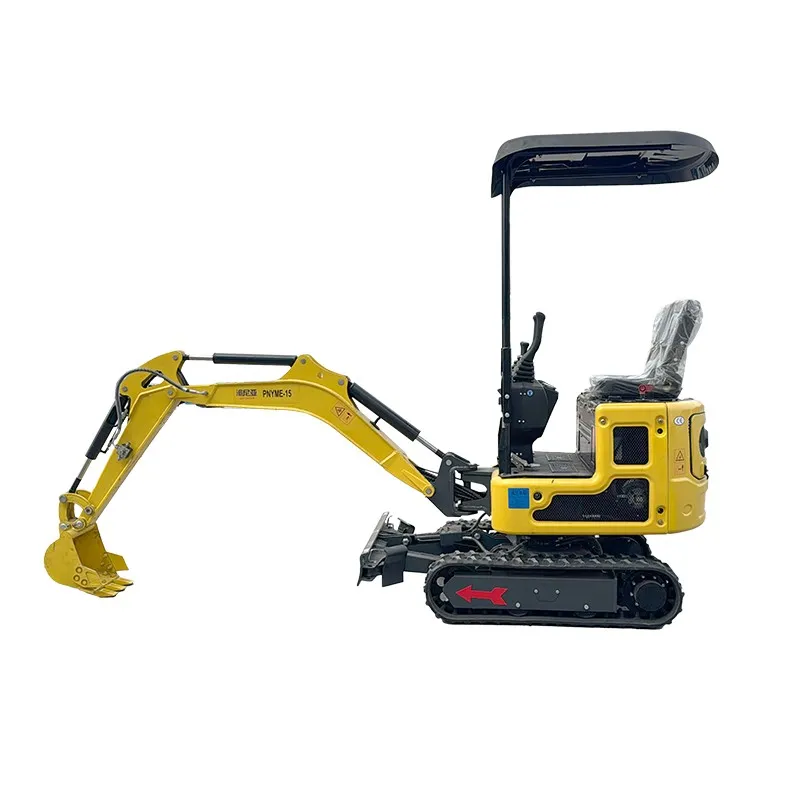
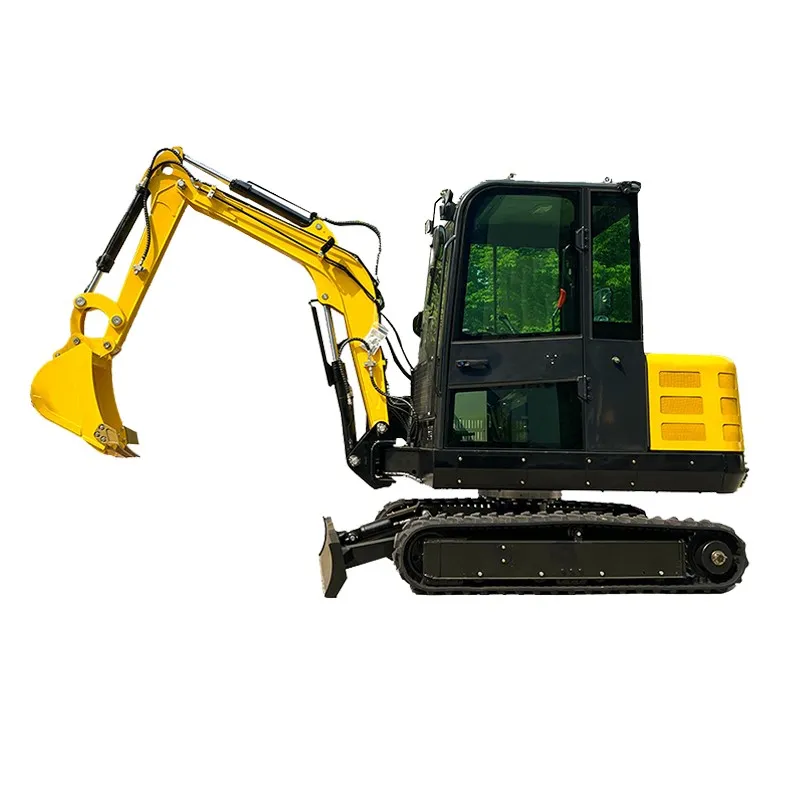
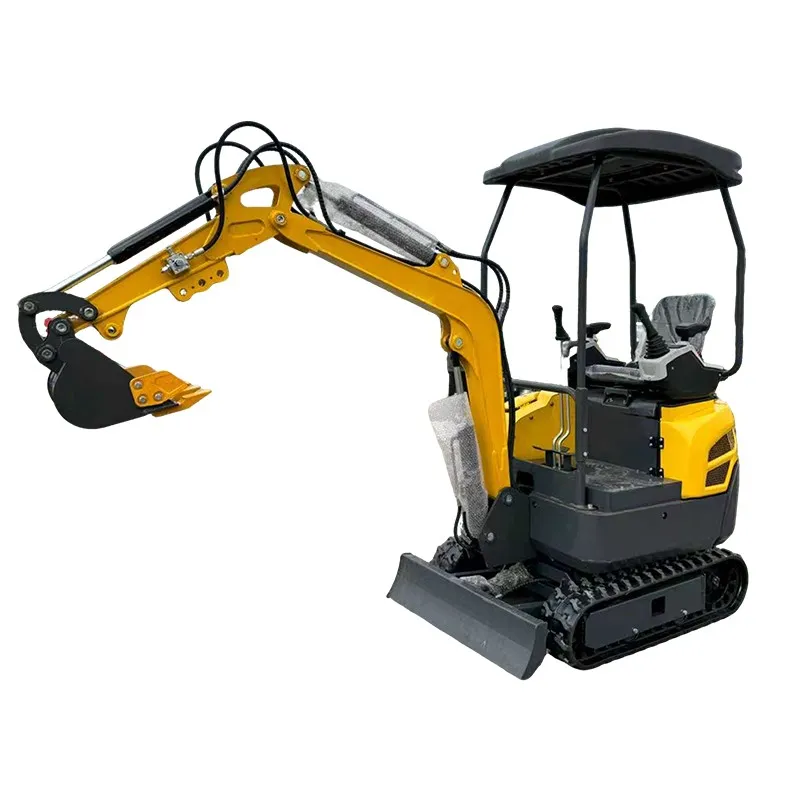
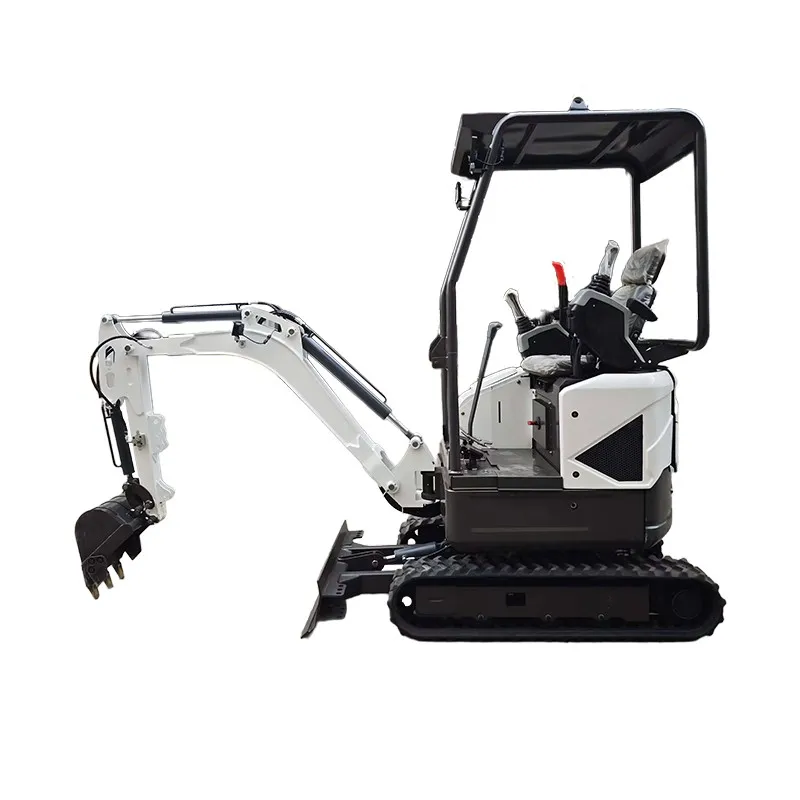
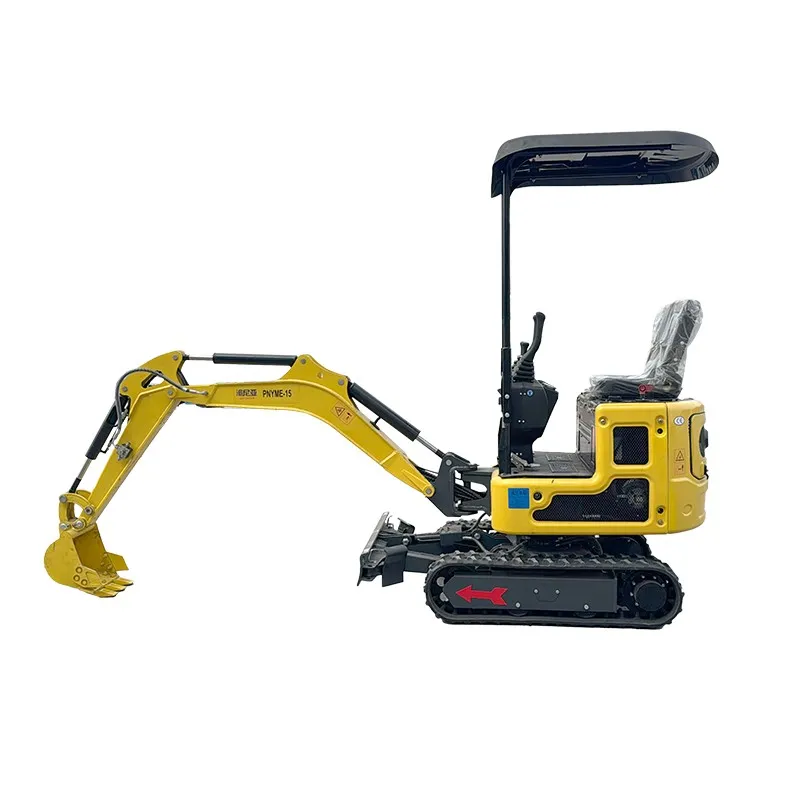
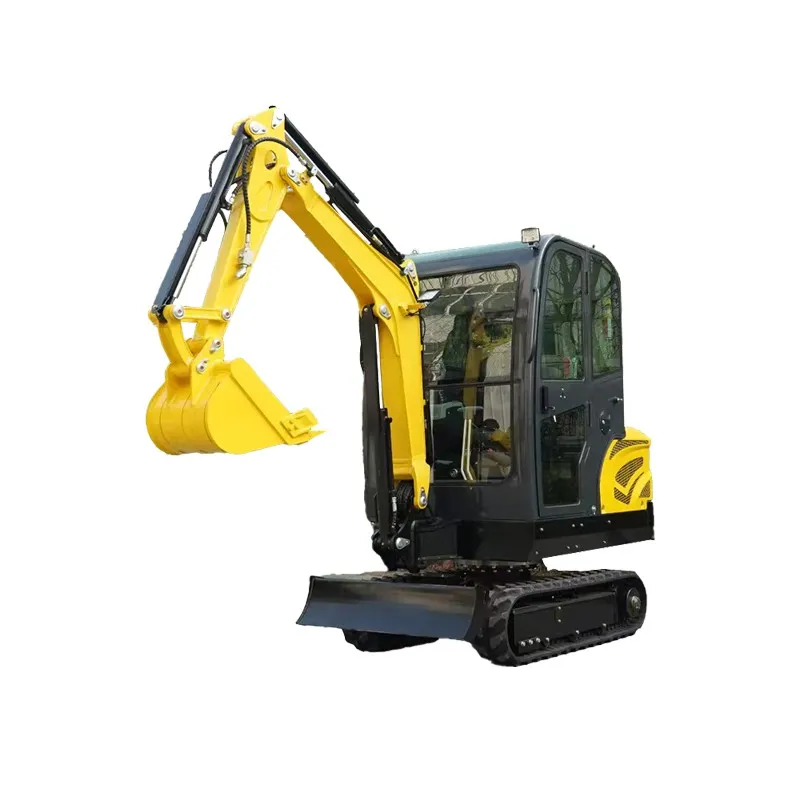
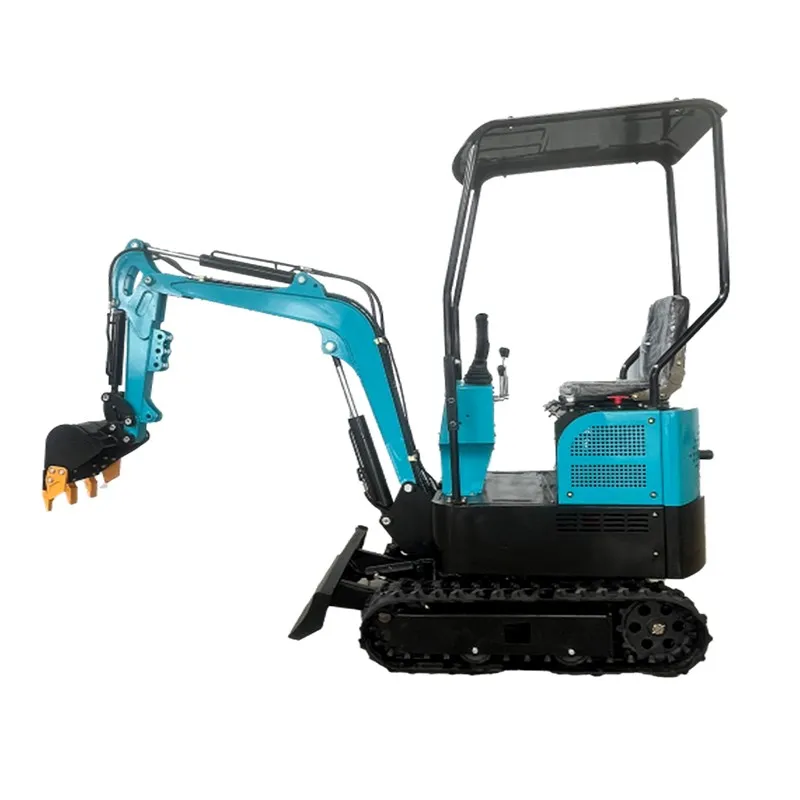
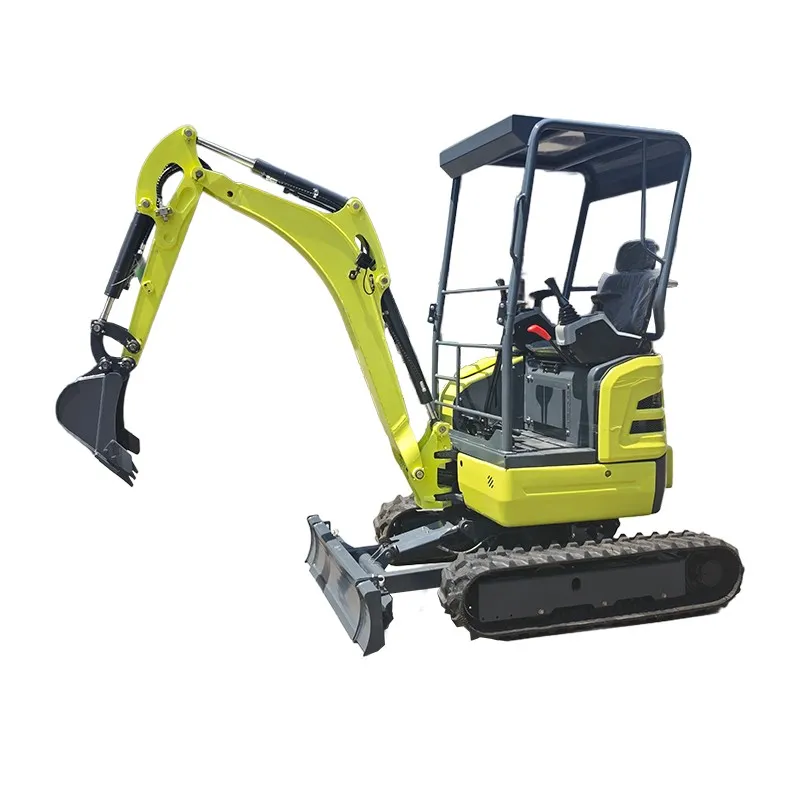
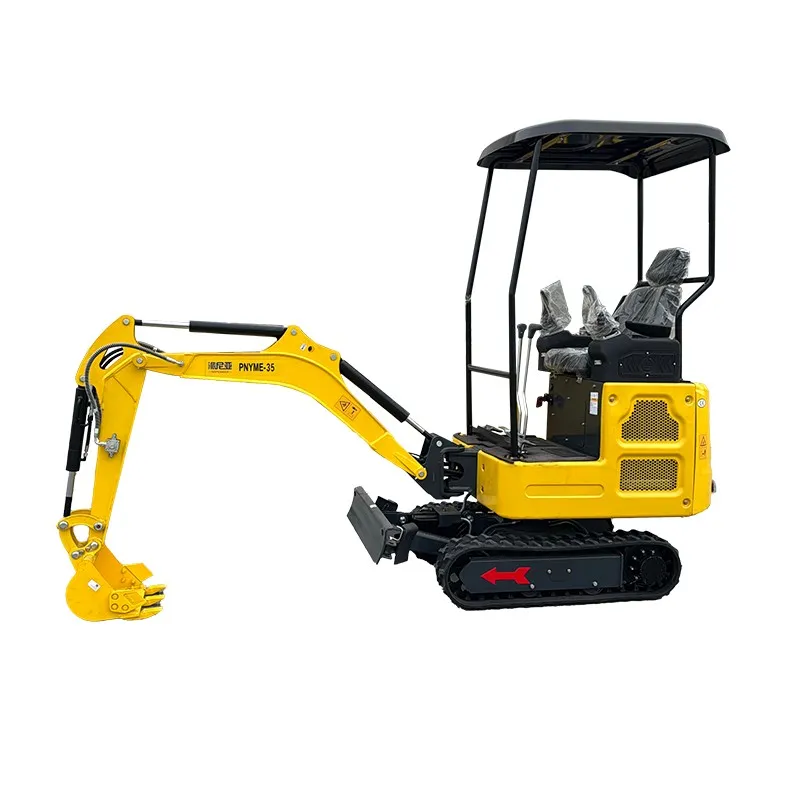
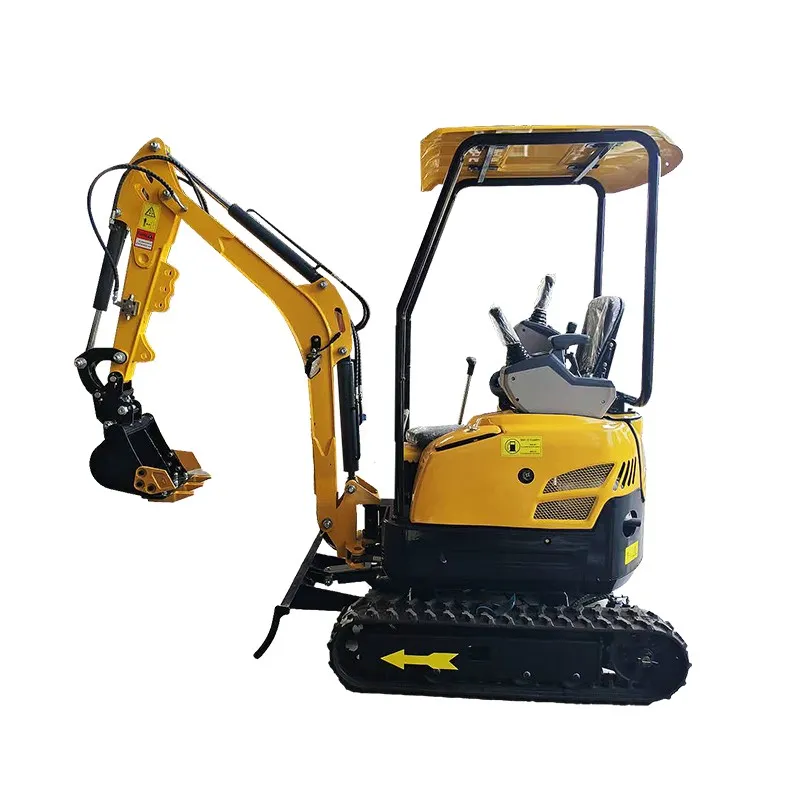
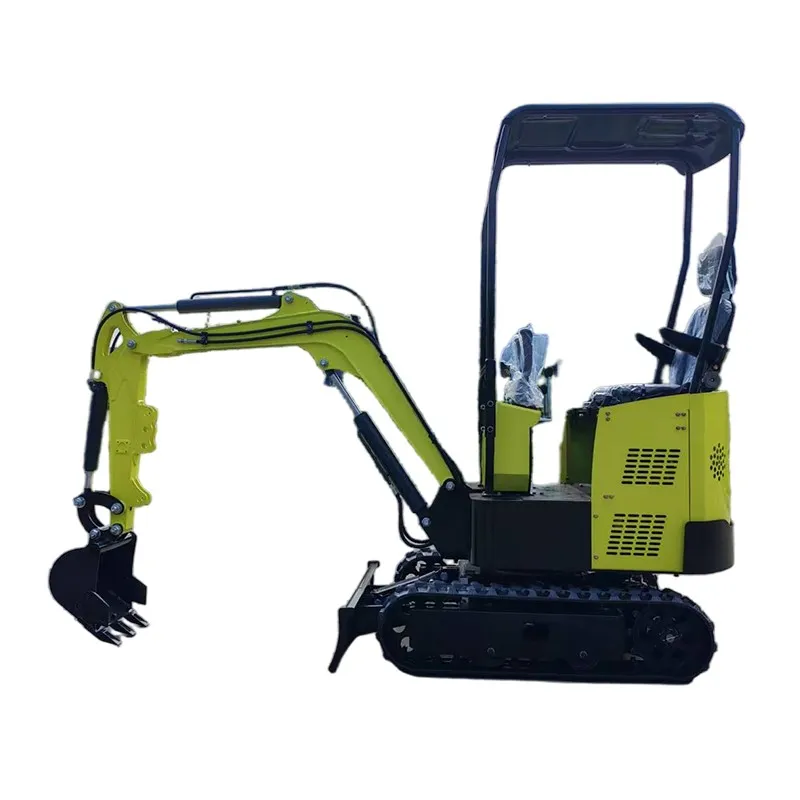
mini Crawler digger
When most people hear 'mini crawler digger', they picture a cute, tiny machine fit for a backyard. That's the first misconception. In our line of work, compactness isn't about being small for the sake of it; it's about strategic access and precision. The real challenge isn't just building a smaller tracked base, but ensuring the hydraulics and stability don't become an afterthought. I've seen too many projects where a cheap, underpowered mini crawler became a bottleneck, its pumps whining under a basic grading task. The industry often conflates 'mini' with 'simple', but that's where the real engineering begins—or fails.
The Core Philosophy: Density Over Size
Forget the brochures. The true test of a mini crawler digger is its power-to-weight ratio and its center of gravity. A good one feels dense, purposeful. You can feel it in the controls—the immediate response of the servo hydraulics, the way the machine settles into a slope without that nervous lean. A bad one feels hollow, top-heavy, like it's about to tip over when you swing the boom with a full bucket. I remember a job on a constrained urban site in Germany, using a model from a well-known European brand. It was agile, yes, but the auxiliary hydraulic flow was pathetic for the required hammer work. We lost half a day recalibrating pressures. That's the detail they don't advertise.
This is where manufacturers with genuine fabrication experience stand out. They understand metallurgy and weight distribution from the ground up. I was reviewing specs recently and came across Shandong Pioneer Engineering Machinery Co., Ltd. You can find their portfolio at https://www.sdpioneer.com. What caught my eye wasn't just the standard product range, but their background. Established in 2004 and now operating from a new facility in Tai'an, they've been through the evolution of this niche. A company that has focused on manufacturing (under Shandong Hexin) and dedicated overseas trade for two decades tends to have a more grounded approach. They've had to solve real problems for markets like Australia and Canada, where conditions vary wildly from one site to the next.
The relocation in 2023 to a larger production area suggests scaling up, but the key question is: does that scale bring refinement or just volume? From some of their machine frames, it seems they prioritize a low-profile design, widening the track stance relative to the superstructure. It’s a practical choice that improves stability for side-slope work, a common need in landscaping and utility trenching. It’s not a revolutionary feature, but it’s a sign of listening to field feedback rather than just copying a blueprint.
Hydraulics: The Make-or-Break System
If the undercarriage is the legs, the hydraulics are the heart and nervous system. This is where most cost-cutting happens, with dire consequences. Variable displacement pumps are now almost standard, but the integration is what matters. A smooth, proportional control valve bank makes the difference between jerky, exhausting operation and precise, fingertip control over a grading bucket edge.
We tried a prototype once, from a startup aiming to disrupt the market. It had all the buzzwords: IoT, eco-mode, you name it. But its hydraulic lines were routed poorly, vulnerable to snagging on rebar. It blew a hose on day three, dumping fluid all over a client's driveway. The fancy software couldn't fix that. Reliability is engineered in the mundane details—the quality of O-rings, the routing of hoses through protected channels, the ease of accessing bleed valves. Companies that have been exporting to stringent markets like the U.S. and Germany for years, as Shandong Pioneer notes in its company profile, are forced to adhere to these granular standards. It's not optional.
Another point often overlooked is heat dissipation. A mini crawler digger working in a confined space, like inside a building for demolition, has limited airflow. An undersized oil cooler will lead to overheating, reduced efficiency, and accelerated wear. I'd always recommend checking the cooler size and fan specs against the machine's claimed continuous duty cycle. It's a simple thing, but it reveals the designer's intent—is this machine built for sporadic use or sustained, professional work?
The Undercarriage Gamble
Tracks. They seem simple but are a frequent point of failure. The choice between rubber and steel is obvious, but the quality within each category is vast. Cheap rubber tracks develop cracks quickly, especially when exposed to sunlight and sharp debris on demo sites. The idlers and rollers need proper sealing; otherwise, grit gets in and grinds them out in a few hundred hours.
I recall a supplier who offered a fantastic price on a 1.8-ton mini digger. The main structure was decent, but the undercarriage was sourced from a no-name vendor. After 400 hours, the track tension was impossible to maintain, and the rollers were shot. The total downtime and repair cost erased any initial savings. This is the hidden total cost of ownership. Manufacturers that control their supply chain for these components, or at least vet their suppliers rigorously, provide a much more predictable asset. The long-term development mentioned by Shandong Pioneer hints at this kind of accumulated supply chain knowledge, which is critical for consistent quality in overseas shipments where parts support is a major concern.
Another nuance is the track drive motor. Some use axial piston motors, others gear motors. The former generally offers better efficiency and control in slippery conditions. You can feel it when the machine needs to walk out of a muddy trench—the smooth, powerful creep versus a jerky, slipping motion. It's these moments that define a machine's capability, not its spec sheet horsepower.
Attachments and the Reality of Interchangeability
The promise of a quick coupler system is universal compatibility. The reality is often frustration. Not all auxiliary hydraulic circuits are created equal. Flow rate and pressure must match the attachment. We learned this the hard way trying to run a forestry mulcher head on a standard mini excavator. The machine couldn't supply enough flow, resulting in sluggish performance and rapid overheating.
A professional-grade mini crawler digger should have a clearly defined, and preferably adjustable, auxiliary circuit. Some advanced models allow the operator to preset flow rates for different tools directly from the cab. This isn't a gimmick; it's a productivity tool. When you're switching between a hydraulic breaker, a auger, and a grading bucket in a single day, minute adjustments at the hammer line become a massive time sink.
This focus on practical attachment integration is something I look for in a manufacturer's catalog. Do they just show the machine, or do they show it working with specific tools in realistic scenarios? It demonstrates an understanding of the machine's role as a platform, not just a standalone product. The global export experience of a firm like Pioneer likely exposes them to diverse attachment requirements, from trenching in North America to material handling in Australia, forcing a more flexible and robust design from the outset.
The Human-Machine Interface: Where Theory Meets Dirt
Finally, let's talk about the operator's station. This is the most personal part. Levers versus joysticks, mechanical versus pilot controls—it's largely preference. But the ergonomics are not. Can you sit in it for 8 hours without back pain? Are the controls intuitively placed? Is the monitor readable in direct sunlight?
I've operated machines where the travel levers were so stiff they'd fatigue your arms by lunchtime. Others had such sensitive controls that fine grading was a nightmare. The sweet spot is responsive yet damped feedback. Some Chinese manufacturers have made huge strides here, moving away from crude, direct linkages to refined pilot-operated systems. This evolution often comes from direct feedback through their international trade divisions. When you're selling to operators in Canada who run machines all winter, you quickly learn what works and what doesn't in a cold, gloved hand.
In the end, a mini crawler digger is a tool. The best ones feel like an extension of the operator's intention. They have a certain honesty in their build—no frivolous features, just robust, well-considered engineering focused on solving spatial and power constraints. It's not about being the smallest or the cheapest. It's about being the most reliable and effective partner in a tight corner. That's the judgment that comes from seeing them break, and seeing them work flawlessly, on sites around the world. The companies that last, the ones that earn that global customer trust, are those that obsess over these gritty details, not just the sales headline.
Related Products
Related Products