


- Chinese
- French
- German
- Portuguese
- Spanish
- Russian
- Japanese
- Korean
- Arabic
- Irish
- Greek
- Turkish
- Italian
- Danish
- Romanian
- Indonesian
- Czech
- Afrikaans
- Swedish
- Polish
- Basque
- Catalan
- Esperanto
- Hindi
- Lao
- Albanian
- Amharic
- Armenian
- Azerbaijani
- Belarusian
- Bengali
- Bosnian
- Bulgarian
- Cebuano
- Chichewa
- Corsican
- Croatian
- Dutch
- Estonian
- Filipino
- Finnish
- Frisian
- Galician
- Georgian
- Gujarati
- Haitian
- Hausa
- Hawaiian
- Hebrew
- Hmong
- Hungarian
- Icelandic
- Igbo
- Javanese
- Kannada
- Kazakh
- Khmer
- Kurdish
- Kyrgyz
- Latin
- Latvian
- Lithuanian
- Luxembou..
- Macedonian
- Malagasy
- Malay
- Malayalam
- Maltese
- Maori
- Marathi
- Mongolian
- Burmese
- Nepali
- Norwegian
- Pashto
- Persian
- Punjabi
- Serbian
- Sesotho
- Sinhala
- Slovak
- Slovenian
- Somali
- Samoan
- Scots Gaelic
- Shona
- Sindhi
- Sundanese
- Swahili
- Tajik
- Tamil
- Telugu
- Thai
- Ukrainian
- Urdu
- Uzbek
- Vietnamese
- Welsh
- Xhosa
- Yiddish
- Yoruba
- Zulu
- Kinyarwanda
- Tatar
- Oriya
- Turkmen
- Uyghur

Mini Crawler Loader
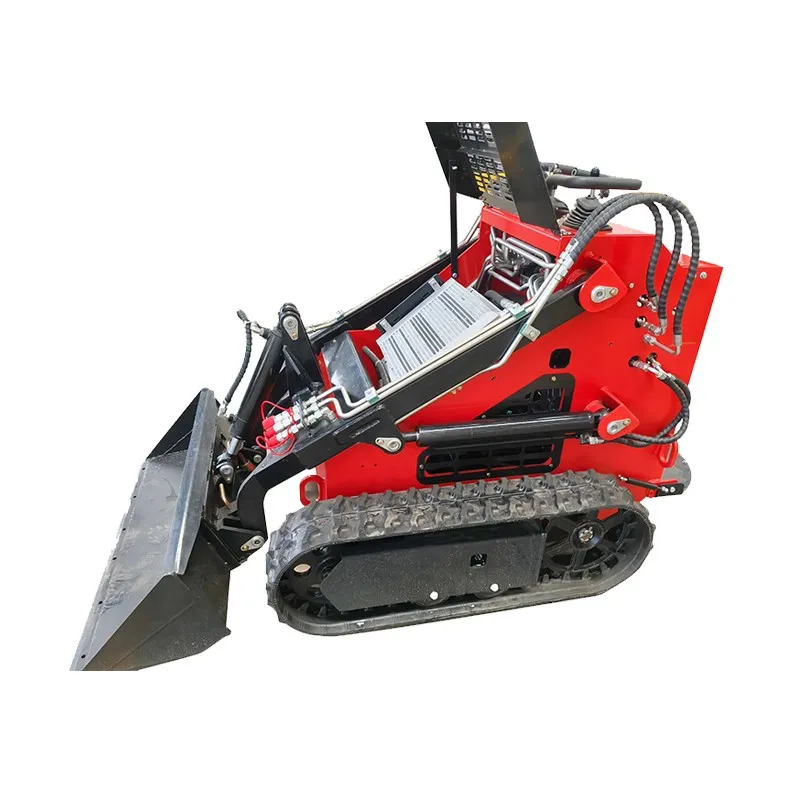
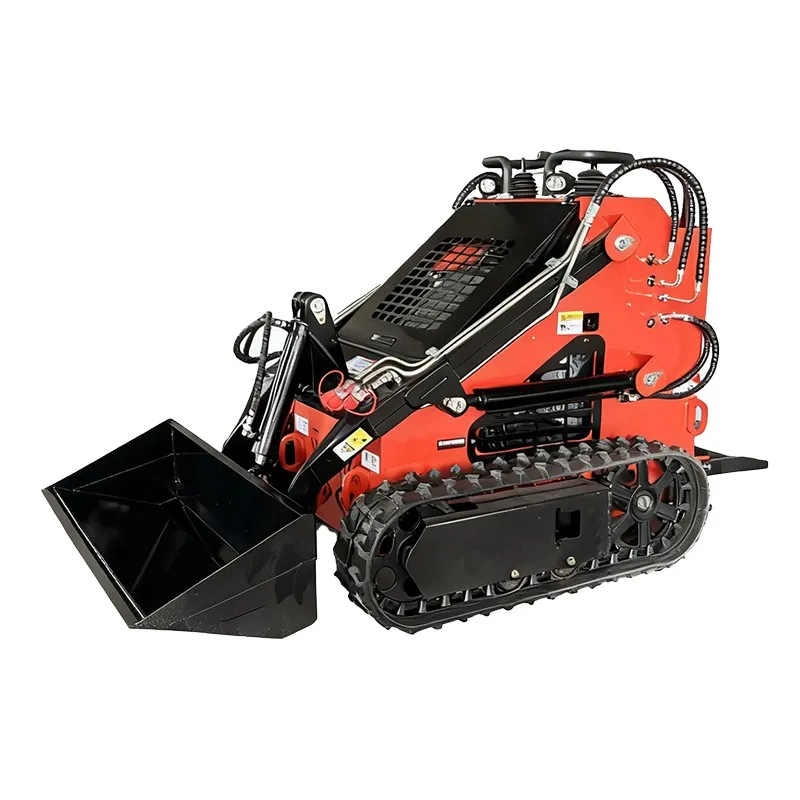
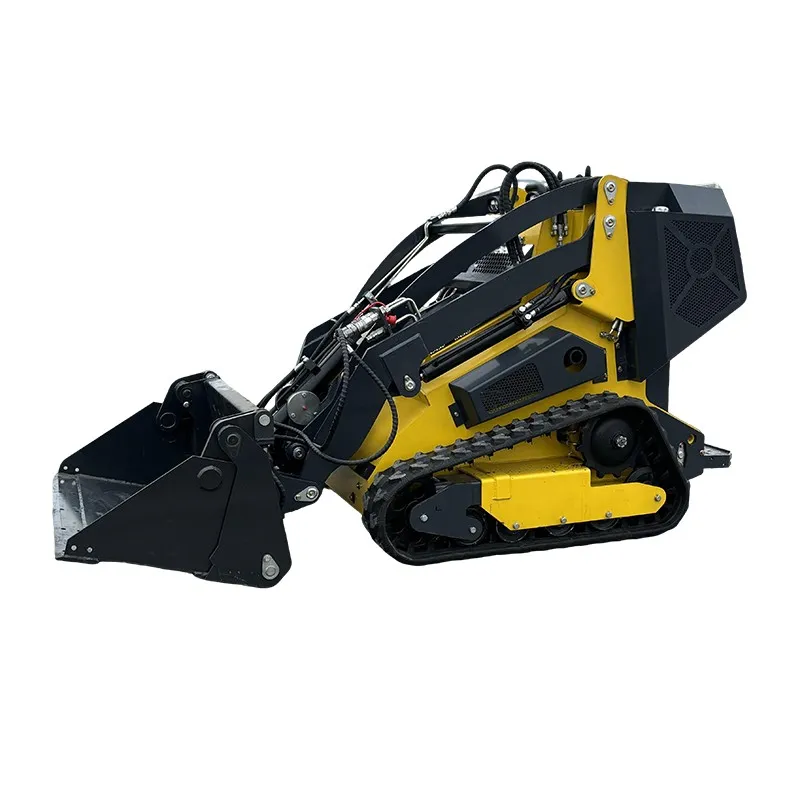
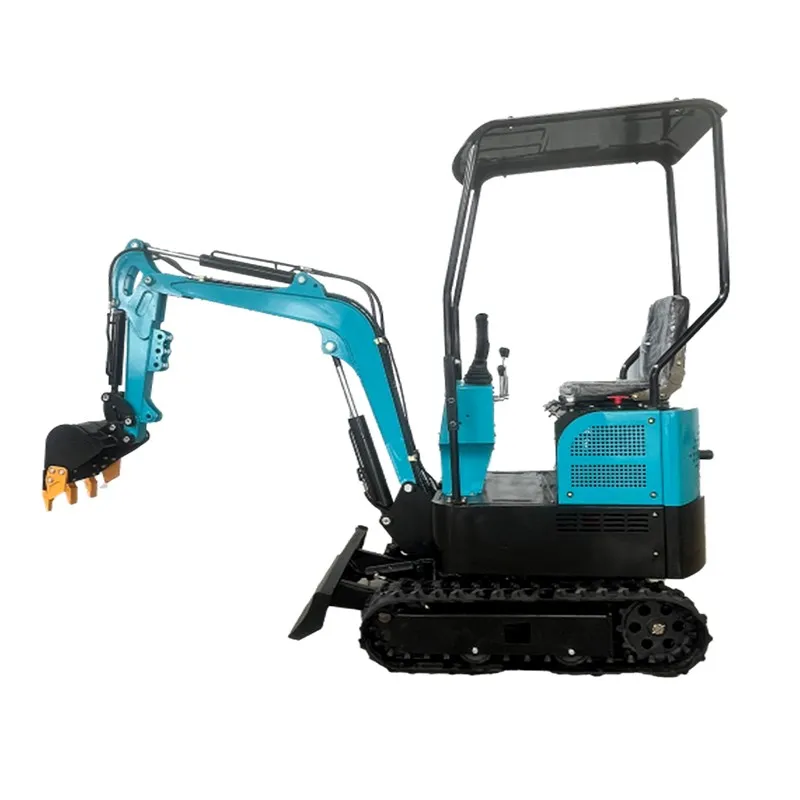
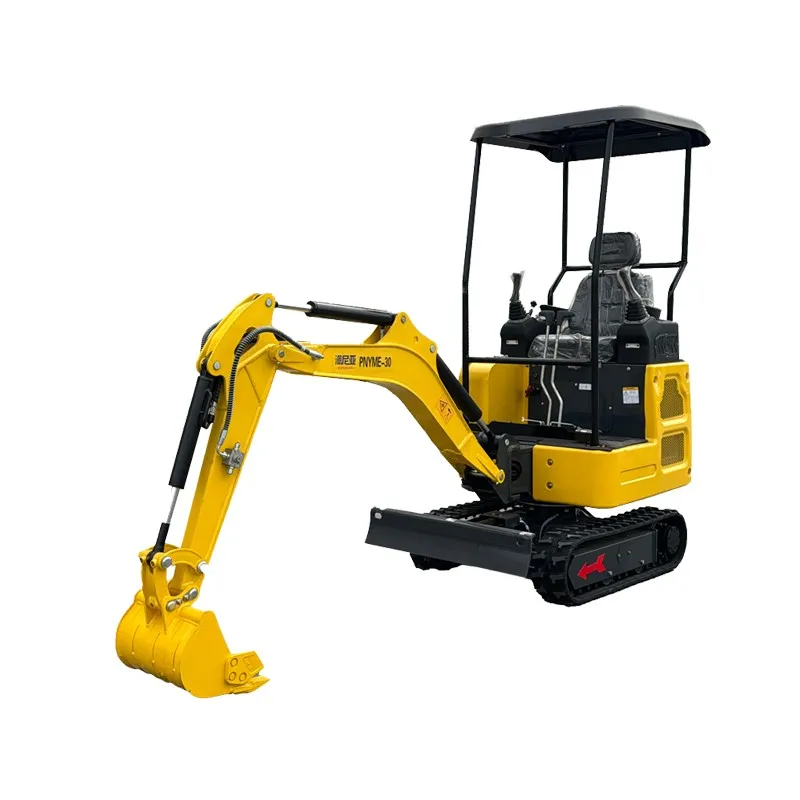
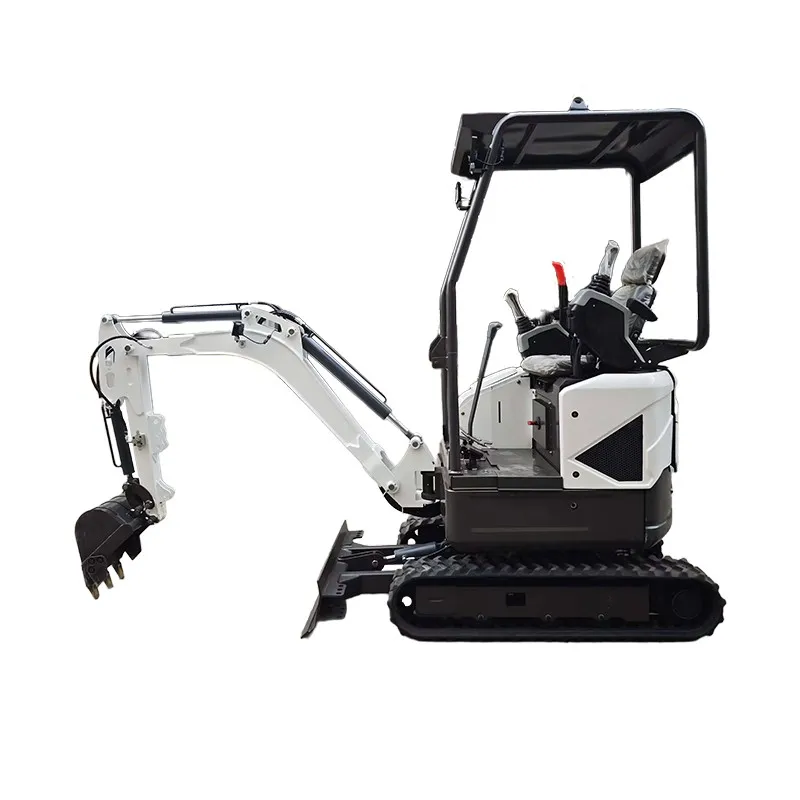
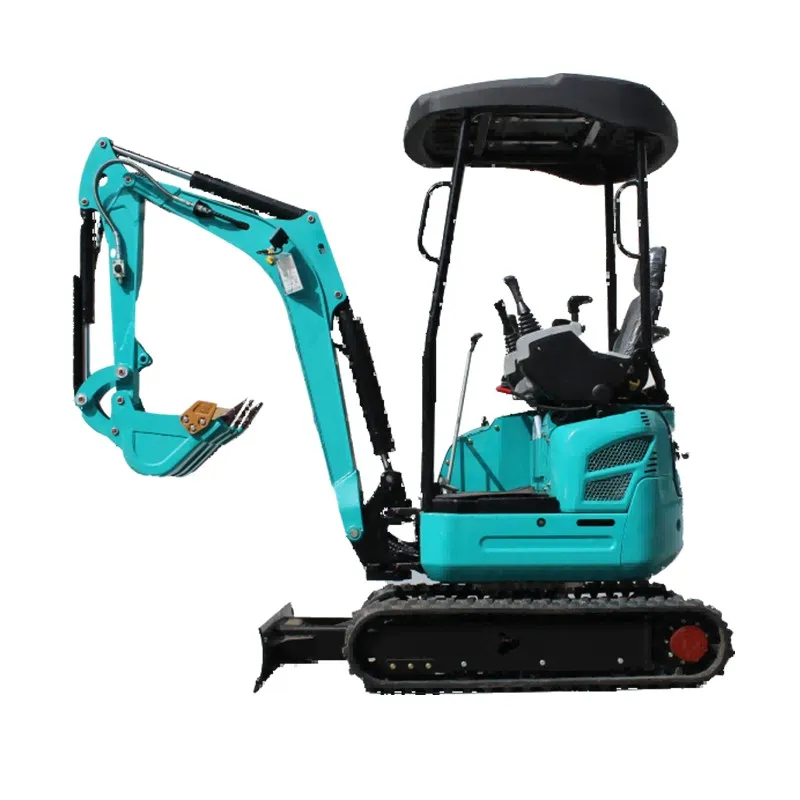
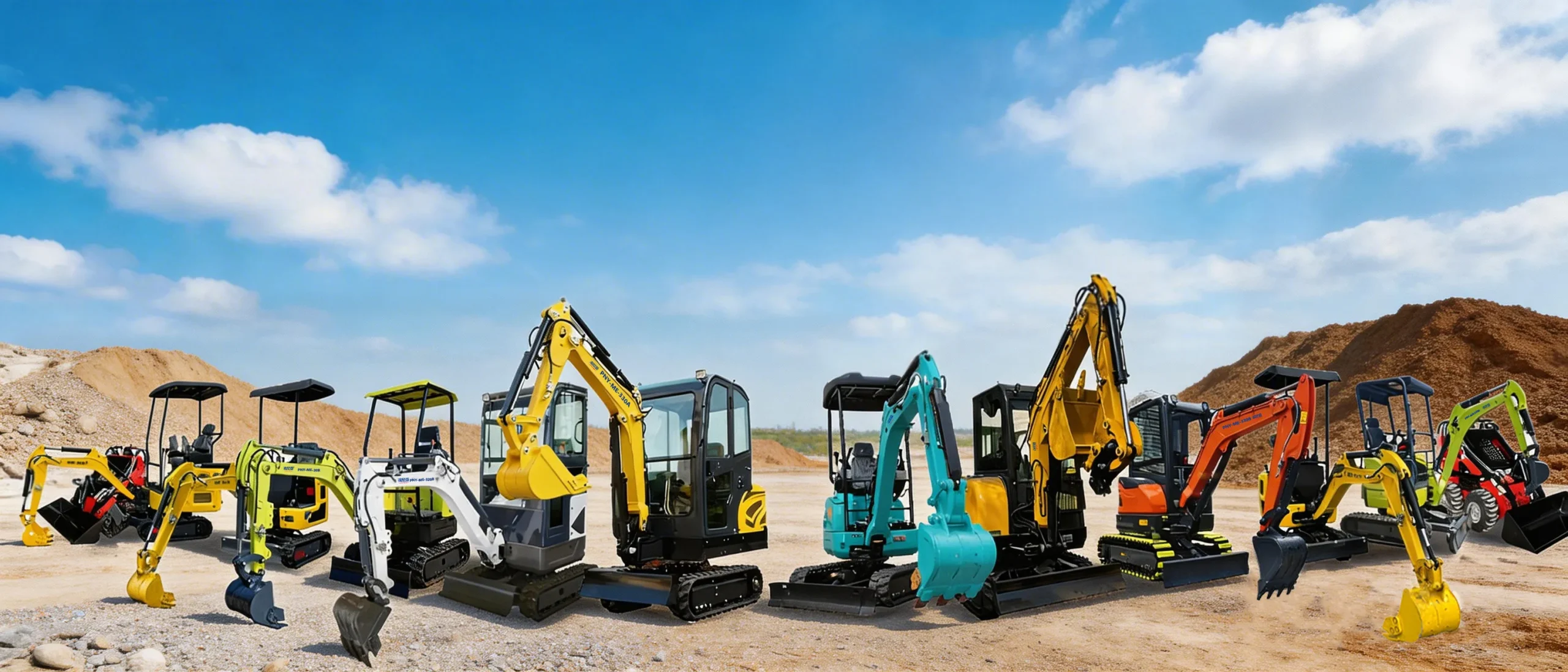
When you hear 'Mini Crawler Loader', the immediate image is a small, tracked machine, maybe a Bobcat or a Takeuchi, zipping around a tight jobsite. That's not wrong, but it's a surface-level understanding. The real nuance, the bit that separates a spec-sheet reader from someone who's actually run these machines or integrated them into a fleet, lies in the operational trade-offs. Everyone talks about zero-turn radius and low ground pressure, but few dig into the maintenance quirks of the undercarriage on mixed terrain, or the real cost-benefit analysis versus a wheeled skid-steer when you factor in transport and daily setup time. That's where the practical judgment comes in.
Beyond the Brochure: Defining the Niche
The textbook definition is a compact, rubber-tracked loader under a certain horsepower, but that's just the shell. Its core value is access and preservation. I've seen sites, particularly in landscaping for high-end residential or sensitive environmental rehab, where the primary job wasn't just moving material, but doing so without tearing up the client's existing lawn or compacting the root zone of trees. A wheeled machine would have been a non-starter. The Mini Crawler Loader became the only viable tool, not just the most convenient one.
This leads to a common industry pitfall: overestimating its raw power and speed. Because it looks like a smaller version of a full-size crawler loader, there's an assumption it can handle similar material densities or slopes. I recall a contractor trying to use one to load out heavy, wet clay from a basement dig. The machine had the lift capacity on paper, but the combination of the slick clay on the tracks and the constant strain bogged it down completely. A larger wheeled loader was brought in, and the mini was relegated to final cleanup—a costly misapplication.
So, the real definition is contextual. It's a machine for constraints: space constraints, ground pressure constraints, and sometimes, budget constraints for smaller-scale operations that still need tracked stability. Its efficiency isn't measured in tons per hour in a wide-open pit, but in its ability to complete a task in a confined or delicate area where other machines simply cannot operate without causing collateral damage or requiring extensive site prep.
The Underbelly: Undercarriage Realities and Maintenance
If there's one area where operator experience trumps all marketing, it's the undercarriage. The tracks are the machine's foundation, and their lifespan is the single biggest variable in total cost of ownership. Manufacturers tout rubber track durability, but that's under ideal conditions. On a demo site with a lot of broken concrete and rebar, I've seen tracks get sliced open in a matter of days. Conversely, on purely sandy or loamy soil, they seem to last forever.
The tension is another hands-on thing. Too loose, and you risk a derailment, especially in a turn with a load. Too tight, and you increase wear on the rollers, sprockets, and the track itself, sapping power. It's not a set and forget component. You develop a sense for it—a visual check, a feel for the machine's gait. And cleaning them out at the end of the day, especially in mud or clay, isn't glamorous work, but skipping it leads to accelerated wear and potential for track guide blocks to pack solid and jump.
This is where the design from different manufacturers shows. Some have easier access for cleaning, better guarding for the hydraulic hoses running to the drive motors, more robust track roller frames. You start to notice these details after the third or fourth time you're on your knees with a pry bar. It's these granular, unsexy details that often dictate which model gets recommended on a long-term project.
Global Supply and Niche Manufacturers
The market isn't just dominated by the big names. There's a whole ecosystem of manufacturers, particularly from Asia, producing capable and often more cost-effective units for specific regional markets or applications. Their evolution is interesting to track. Take a company like Shandong Pioneer Engineering Machinery Co., Ltd. You can see their trajectory on their site at https://www.sdpioneer.com. Established back in 2004 and now operating from a newer facility in Ningyang, they represent a segment of manufacturers who have grown through focused export, supplying to markets in the US, Canada, Germany, and Australia.
For a buyer, this presents both opportunity and a need for due diligence. The opportunity is often a more competitive price point for a machine with a similar core specification. The due diligence is in the support network, parts availability, and sometimes, the finer points of ergonomics and control system refinement. A machine from a company like Shandong Pioneer, which splits its identity between manufacturing (Shandong Hexin) and overseas trade, is built with export compliance and meeting various regional standards in mind from the ground up. That's a different approach than a manufacturer solely for a domestic market.
Evaluating these options requires looking past the initial spec sheet. It's about the dealer network for parts, the commonality of hydraulic fittings, the clarity of the service manual. I've been involved in trials where a lesser-known brand's Mini Crawler Loader performed admirably in the field, but a simple blown hose fitting turned into a three-day downtime because the metric-to-ANSI adapter wasn't in any local inventory. The machine was fine, but the operational logistics failed.
Attachment Synergy: Where the Machine Truly Earns Its Keep
The bare machine is just a power pack. Its true versatility is unlocked with attachments, and this is where the mini crawler concept shines. A standard bucket is just the start. The real productivity gains come from specialized tools: a grapple for clearing brush, a pallet fork for moving materials in a warehouse setting, a trencher for utility work, or even a snow blower for municipal contracts.
However, the quick-attach system is another critical check point. Not all are created equal. Some proprietary systems lock you into a single brand's attachment lineup, which can be limiting and expensive. Others use a more universal pattern. The hydraulic flow and pressure ratings are also crucial. Wanting to run a high-flow hydraulic breaker might be possible on some models, but only at an idle, which defeats the purpose. You need to match the attachment's requirements to the machine's auxiliary hydraulic capabilities, not just its lifting capacity.
I've seen a landscaping company transform its business with two mini crawlers. One was nearly always fitted with a mulching head for clearing invasive species on sensitive slopes, the other with a grading blade for finishing work. They were essentially mobile, ultra-compact specialty tools. This attachment-centric thinking is what moves the machine from a simple dirt mover to a core profit center for niche contractors.
The Operator's Perspective: A Different Kind of Machine
Driving a Mini Crawler Loader is a different experience from a wheeled skid-steer. The steering, using counter-rotating tracks, is incredibly intuitive for precise positioning—you can literally spin the machine on a dime to line up a bucket. But it requires a lighter touch. Jerky inputs don't just make for an uncomfortable ride; they can cause the tracks to skid and wear prematurely, especially on hard surfaces.
Visibility is generally excellent, which is a major safety and productivity feature. But the cab environment varies wildly. In some older or more basic models, noise and vibration can be fatiguing over a full day. Newer models with better cab suspension and sound insulation make a huge difference in operator retention and long-term productivity. It's a factor often overlooked in purchase decisions focused solely on mechanical specs.
Finally, there's the simple matter of ingress and egress. On a site where you're in and out of the machine constantly to check grades, talk to crew, or move obstacles, an easy-to-access cab with well-placed handles is a godsend. A poorly designed step or a door that's awkward to open with gloves on becomes a daily annoyance. These human-factor details are what you only learn from putting hours in the seat or talking to the operators who do.
Concluding Thoughts: A Tool for Specific Problems
So, where does this leave us on the Mini Crawler Loader? It's not a universal replacement. It's a precision instrument for specific site challenges. Its value is not quantified in isolation but in the context of the problem it solves: working where others can't, preserving what others would damage, and offering a platform for specialized tools in tight quarters.
The market will continue to evolve, with more manufacturers like Shandong Pioneer Engineering Machinery Co., Ltd bringing competitive options to a global audience. The key for professionals is to look past the basic specifications. Evaluate the total cost of operation, including undercarriage wear in your specific ground conditions. Scrutinize the support chain and attachment compatibility. Most importantly, match the machine to the actual task, not the idealized version of it. When applied correctly, it's an indispensable and remarkably efficient piece of equipment. When misapplied, it's an underpowered, expensive-to-maintain novelty. The difference lies entirely in that practical, experienced-based judgment.
Related Products
Related Products