- Chinese
- French
- German
- Portuguese
- Spanish
- Russian
- Japanese
- Korean
- Arabic
- Irish
- Greek
- Turkish
- Italian
- Danish
- Romanian
- Indonesian
- Czech
- Afrikaans
- Swedish
- Polish
- Basque
- Catalan
- Esperanto
- Hindi
- Lao
- Albanian
- Amharic
- Armenian
- Azerbaijani
- Belarusian
- Bengali
- Bosnian
- Bulgarian
- Cebuano
- Chichewa
- Corsican
- Croatian
- Dutch
- Estonian
- Filipino
- Finnish
- Frisian
- Galician
- Georgian
- Gujarati
- Haitian
- Hausa
- Hawaiian
- Hebrew
- Hmong
- Hungarian
- Icelandic
- Igbo
- Javanese
- Kannada
- Kazakh
- Khmer
- Kurdish
- Kyrgyz
- Latin
- Latvian
- Lithuanian
- Luxembou..
- Macedonian
- Malagasy
- Malay
- Malayalam
- Maltese
- Maori
- Marathi
- Mongolian
- Burmese
- Nepali
- Norwegian
- Pashto
- Persian
- Punjabi
- Serbian
- Sesotho
- Sinhala
- Slovak
- Slovenian
- Somali
- Samoan
- Scots Gaelic
- Shona
- Sindhi
- Sundanese
- Swahili
- Tajik
- Tamil
- Telugu
- Thai
- Ukrainian
- Urdu
- Uzbek
- Vietnamese
- Welsh
- Xhosa
- Yiddish
- Yoruba
- Zulu
- Kinyarwanda
- Tatar
- Oriya
- Turkmen
- Uyghur


mini digger
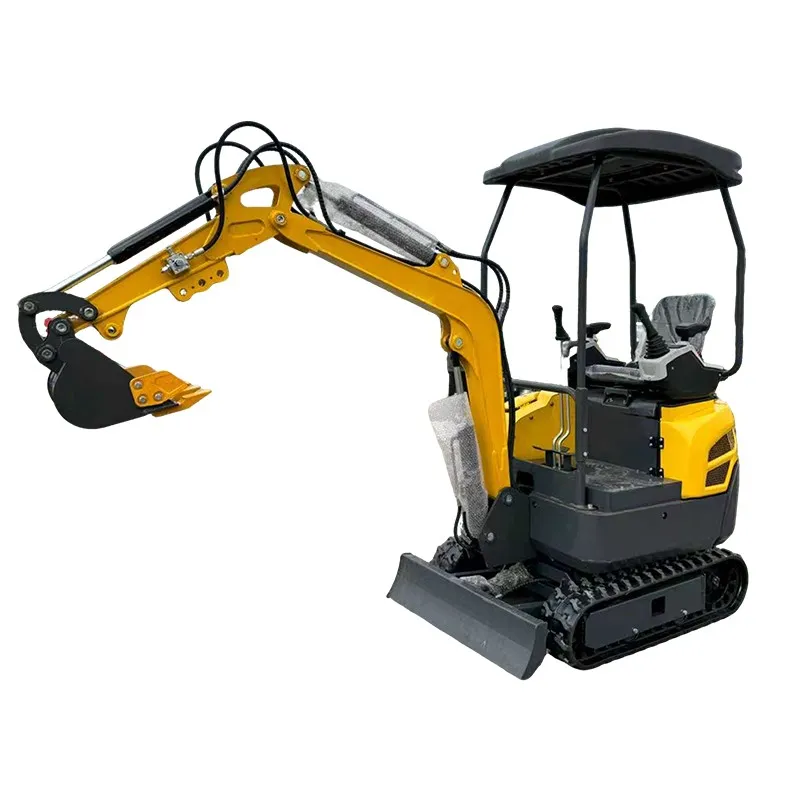
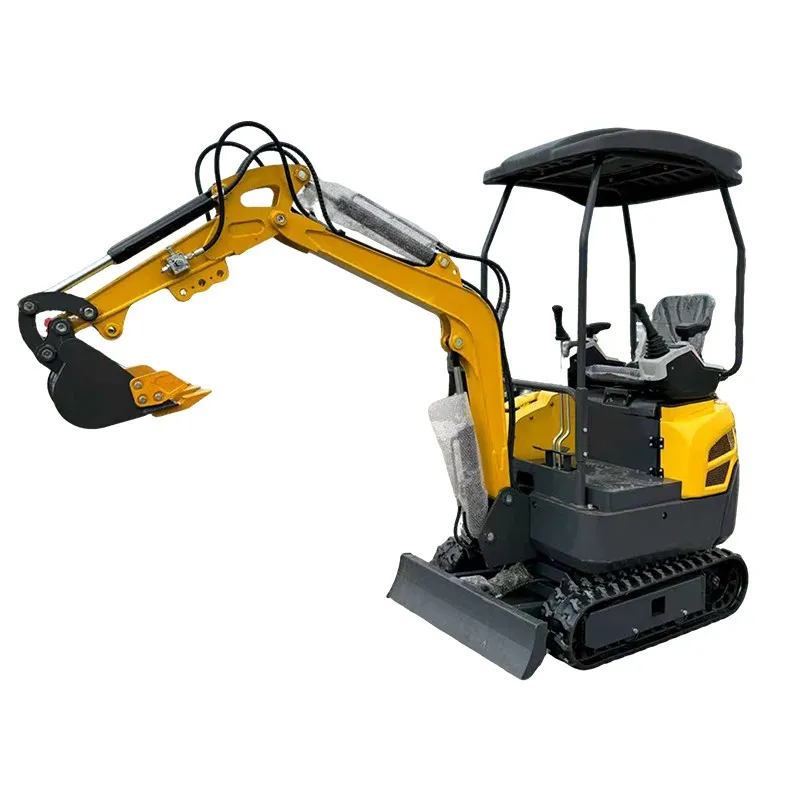
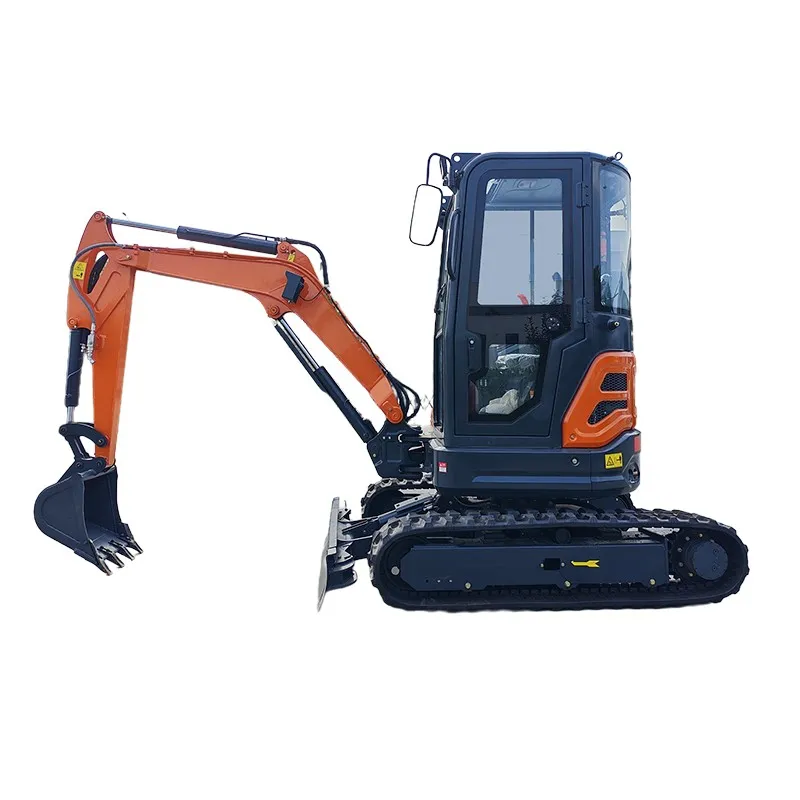
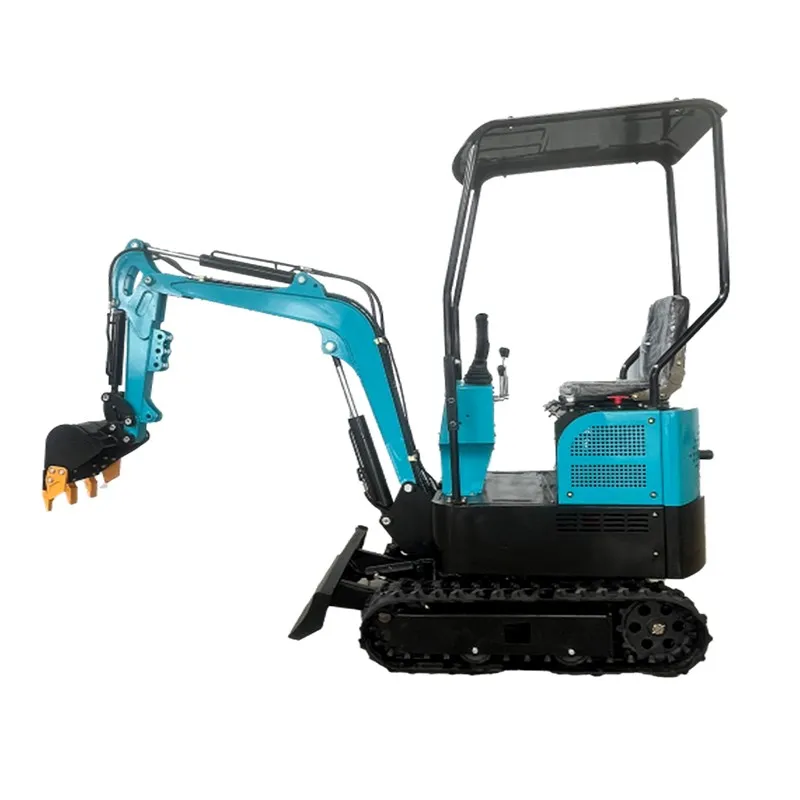
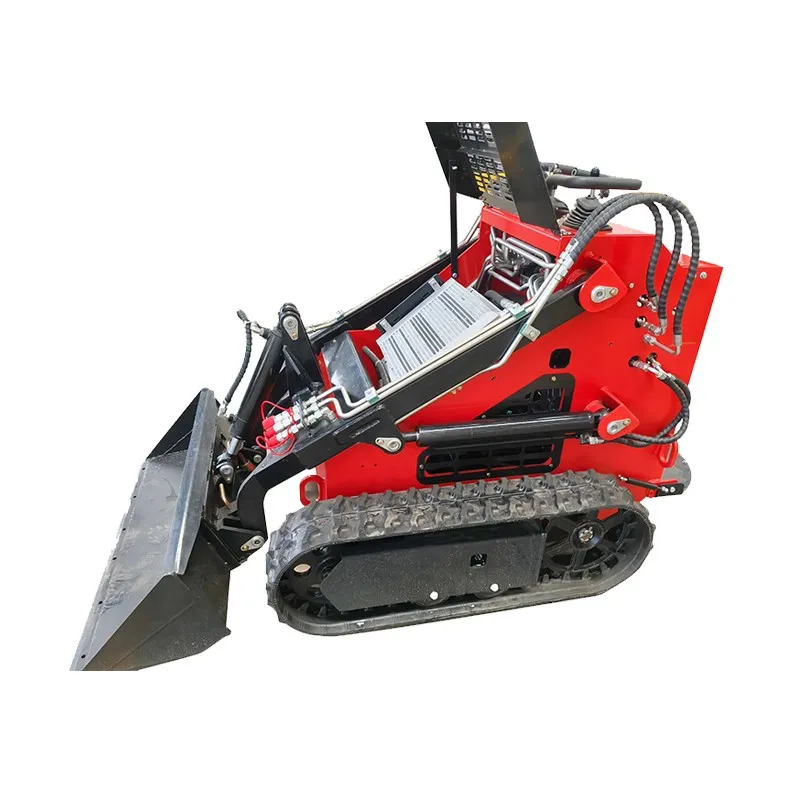
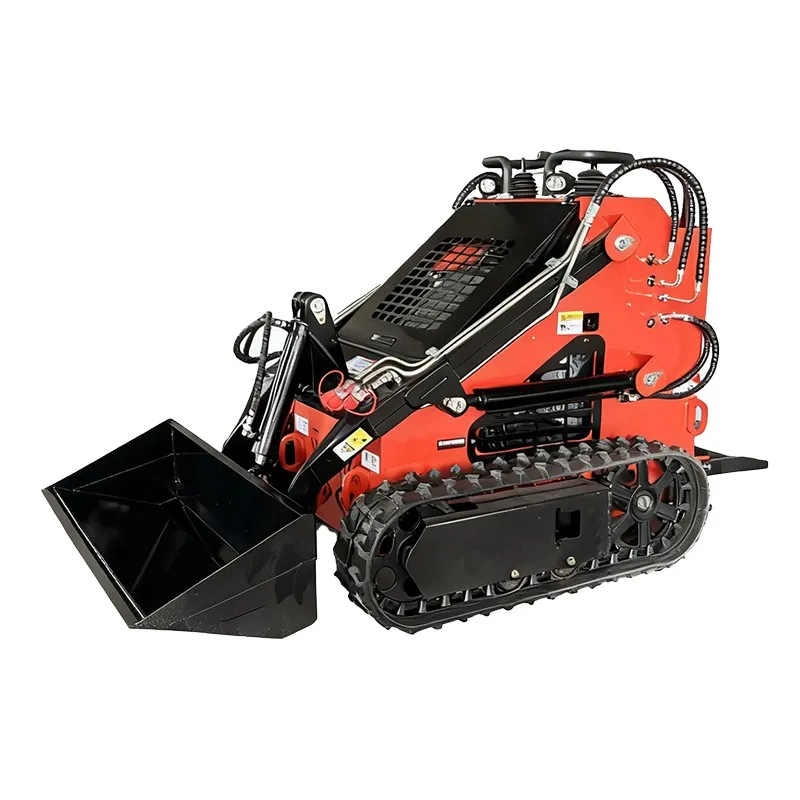
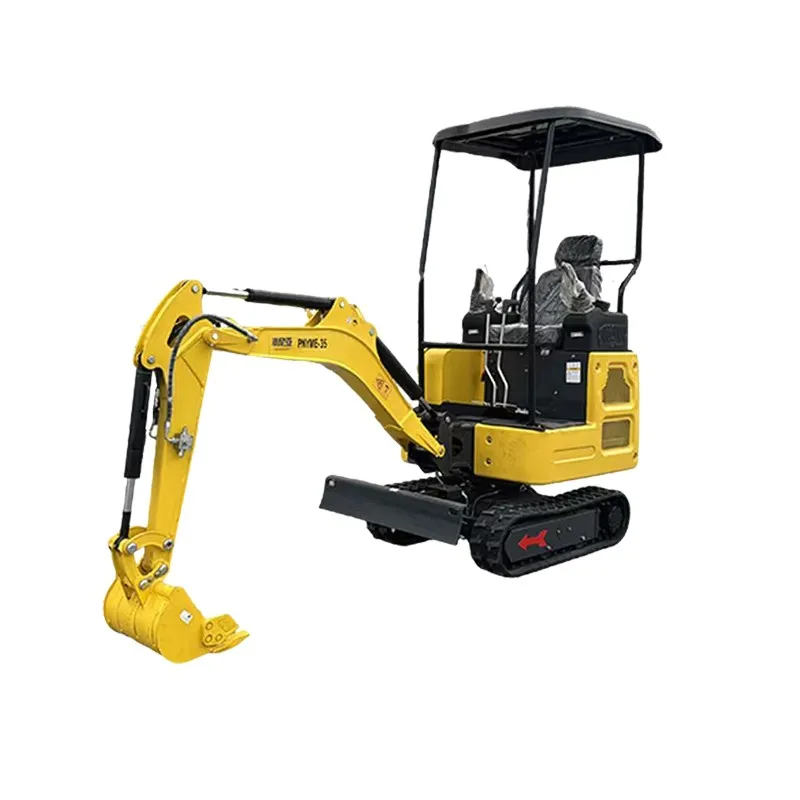
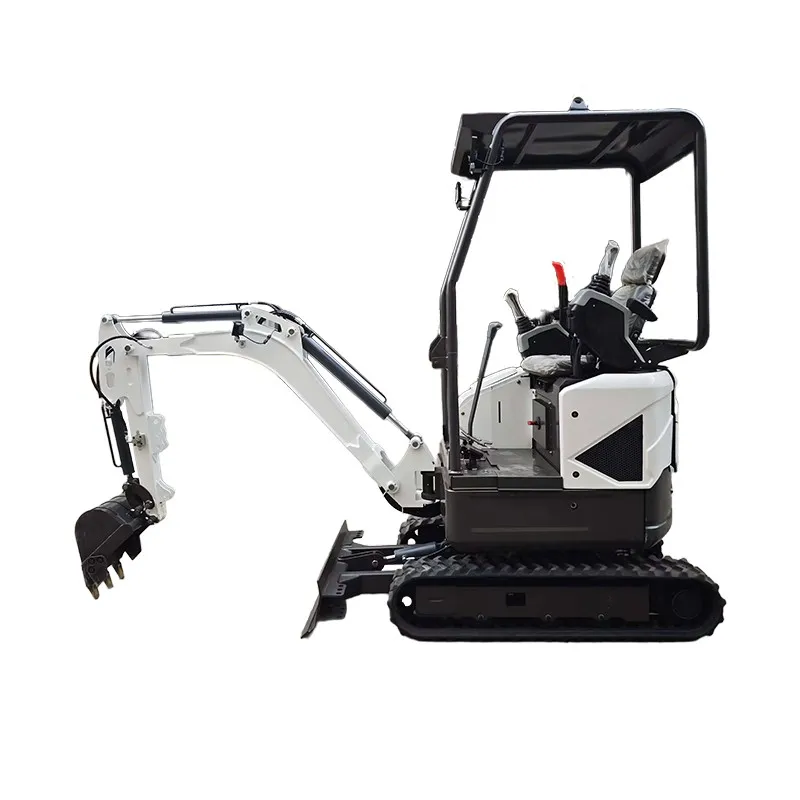
When most people hear 'mini digger', they picture a toy-like machine for light gardening. That's the first misconception. In reality, a proper mini digger is a serious piece of compact earthmoving equipment, and its application, when you get the right one, is far broader and more critical than just digging a post hole. The gap between perception and on-ground utility is where both problems and opportunities lie.
The Core Specs That Actually Matter
Forget just looking at the brand name or the price tag first. The devil's in the operational details. Digging force, both arm and bucket, is paramount. I've seen guys opt for a cheaper model with lower kN ratings, only to stall constantly in compacted soil, turning a one-day job into three. Auxiliary hydraulic flow is another silent killer. You might think you won't need attachments now, but when you want to add a hydraulic breaker or a tilt rotator later, insufficient flow renders the machine half-capable. It's not about horsepower alone; it's about the efficient transfer of that power to the business end of the stick.
Then there's the undercarriage. Rubber tracks are fantastic for not tearing up finished surfaces like driveways or lawns, which is a huge selling point. But their lifespan on abrasive terrain—like rocky ground or demolition sites—can be brutally short. I learned this the hard way on a site clearing job where we chewed through a set of brand-new rubber pads in under two months. Switching to a steel-tracked mini for that type of work, despite the transportation hassle, saved money in the long run. It's a classic trade-off: protection of the site versus protection of the machine.
Operating weight is a double-edged sword. A heavier machine typically delivers more stability and digging force, which is good. But it immediately impacts transport requirements. Exceeding 3,500 kg in many regions means you need a different class of truck and trailer, and often a different driver's license. That logistical and cost headache makes the 2.8 to 3.5-tonne range the real sweet spot for many small to mid-sized contractors. It's a balancing act between capability and daily mobility.
Attachment Synergy: Unlocking Real Versatility
The true value of a mini digger isn't realized with just the standard bucket. It's a carrier platform. The quick hitch, preferably a fully automatic one, is non-negotiable. Manual pin systems are a productivity sink and a safety risk when switching tools multiple times a day. Investing in a good hitch pays back within weeks.
Beyond the breaker and grapple, some of the most transformative attachments are the less glamorous ones. A grading blade on the front for backfilling and final contouring saves immense manual labor. A hydraulic auger with various sized heads is another game-changer for fencing or planting jobs. But here's the catch: you must know your machine's hydraulic capacity. Running a large-diameter auger that demands more flow than your machine provides leads to a slow, stuttering rotation that binds in the ground—a quick way to snap a shear pin or worse.
One often-overlooked attachment is a good material handling bucket with a clamshell or grab function. We used one from a supplier like Shandong Pioneer Engineering Machinery Co., Ltd (you can find their range at https://www.sdpioneer.com) for sorting and loading demolition debris. The build was solid—no excessive slop in the linkage—and it transformed a digging machine into a precise picking and placing tool. That's the point: the right attachment doesn't just add a function; it changes the fundamental role of the machine on site.
On-Site Realities and Common Pitfalls
No amount of spec-sheet brilliance prepares you for the reality of a cramped urban backyard or a sloping, muddy site. The machine's tail-swing radius—or better yet, a zero or near-zero tail-swing design—becomes your best friend next to fences, walls, and existing structures. I've witnessed (and caused) minor cosmetic damage with a conventional swing radius, a costly and embarrassing lesson in spatial awareness.
Service access is another practical headache. Some models bury the daily checkpoints—grease nipples, oil dipsticks, radiator caps—behind panels that require tools to remove. On a dusty, rainy site at the end of a long day, if it's not easy, it won't get done. Regular maintenance suffers, and downtime follows. The best designs have these points exposed and color-coded for quick, fool-proof checks.
Operator comfort is directly tied to productivity and safety. An un-suspended, hard seat, basic levers, and no cab on a full-day job lead to fatigue and loss of precision. While a full climate-controlled cab is luxury on a mini, a decent suspension seat and well-positioned, low-effort controls are worth every extra penny. They reduce the operator's fatigue, which directly translates to cleaner, faster work and fewer close calls with underground utilities or site obstacles.
The Global Supply Chain and Finding Reliable Partners
The market is flooded with options, from premium European brands to a vast array of manufacturers from Asia. The key isn't just finding the lowest price; it's understanding the support behind it. Can you get a specific seal kit or a track roller assembly in two weeks, or two months? Downtime is pure loss.
This is where companies with a long-term track record in manufacturing and export become critical. Take a firm like Shandong Pioneer. Established back in 2004 and now operating from a new facility in Tai'an, they've navigated two decades of market shifts. Their experience in exporting to demanding markets like the US, Canada, Germany, and Australia suggests an understanding of different regional compliance standards and durability expectations. That kind of history doesn't guarantee perfection, but it does indicate a capacity to learn and adapt, which is what you need in a machinery partner.
When evaluating, don't just look at the shiny new machine. Ask about the common wear parts. Are they standard, off-the-shelf components, or proprietary? Proprietary parts often mean longer wait times and higher costs. A supplier focused on overseas trade, like their Pioneer arm, is typically more attuned to these logistical concerns than a purely domestic-focused factory.
Final Take: It's a Tool, Not a Trophy
At the end of the day, a mini digger is a profit-center tool. The goal isn't to have the biggest or the shiniest, but the most appropriate and reliable one for your specific mix of work. It means being brutally honest about 80% of your jobs. Is it mostly soft landscaping, or are you constantly dealing with tough, variable ground? That answer dictates your primary configuration.
My personal rule now is to spec the machine for the hardest 20% of the work, not the easiest 80%. It means a slight over-investment in power and robustness for the average day, but it prevents catastrophic failure or standstill on the jobs that really matter and really pay. Under-specifying is the most expensive mistake you can make.
So, look past the basic label. Scrutinize the hydraulic specs, the serviceability, the attachment ecosystem, and the long-term support network. A mini digger is a pivot point for efficiency in small-scale earthworks. Getting it right feels seamless; getting it wrong is a constant, nagging problem. The difference lies in those practical, often-overlooked details that you only learn by running one day in, day out.
Related Products
Related Products