- Chinese
- French
- German
- Portuguese
- Spanish
- Russian
- Japanese
- Korean
- Arabic
- Irish
- Greek
- Turkish
- Italian
- Danish
- Romanian
- Indonesian
- Czech
- Afrikaans
- Swedish
- Polish
- Basque
- Catalan
- Esperanto
- Hindi
- Lao
- Albanian
- Amharic
- Armenian
- Azerbaijani
- Belarusian
- Bengali
- Bosnian
- Bulgarian
- Cebuano
- Chichewa
- Corsican
- Croatian
- Dutch
- Estonian
- Filipino
- Finnish
- Frisian
- Galician
- Georgian
- Gujarati
- Haitian
- Hausa
- Hawaiian
- Hebrew
- Hmong
- Hungarian
- Icelandic
- Igbo
- Javanese
- Kannada
- Kazakh
- Khmer
- Kurdish
- Kyrgyz
- Latin
- Latvian
- Lithuanian
- Luxembou..
- Macedonian
- Malagasy
- Malay
- Malayalam
- Maltese
- Maori
- Marathi
- Mongolian
- Burmese
- Nepali
- Norwegian
- Pashto
- Persian
- Punjabi
- Serbian
- Sesotho
- Sinhala
- Slovak
- Slovenian
- Somali
- Samoan
- Scots Gaelic
- Shona
- Sindhi
- Sundanese
- Swahili
- Tajik
- Tamil
- Telugu
- Thai
- Ukrainian
- Urdu
- Uzbek
- Vietnamese
- Welsh
- Xhosa
- Yiddish
- Yoruba
- Zulu
- Kinyarwanda
- Tatar
- Oriya
- Turkmen
- Uyghur


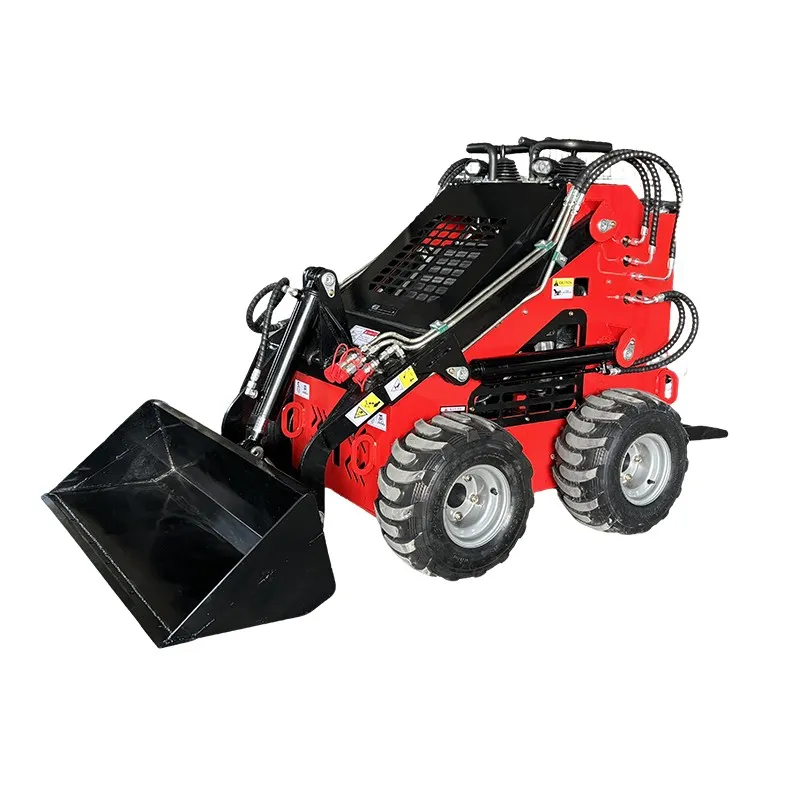
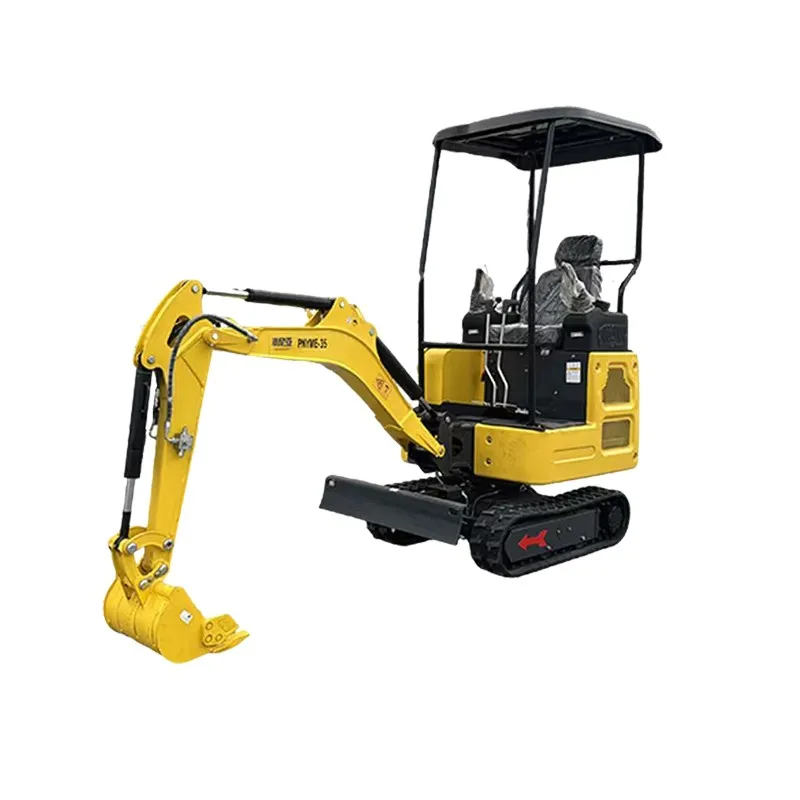
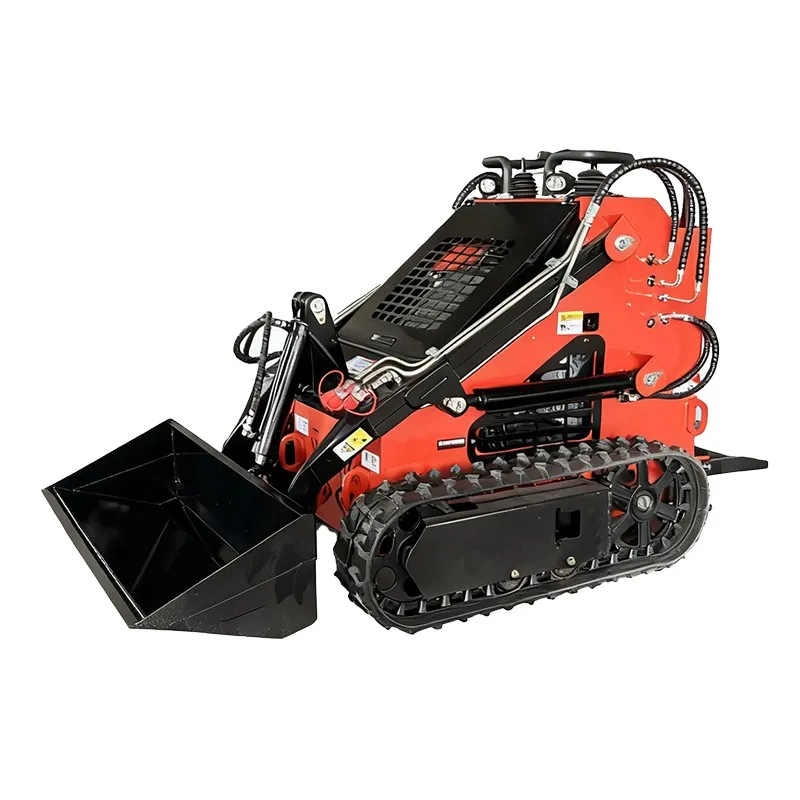
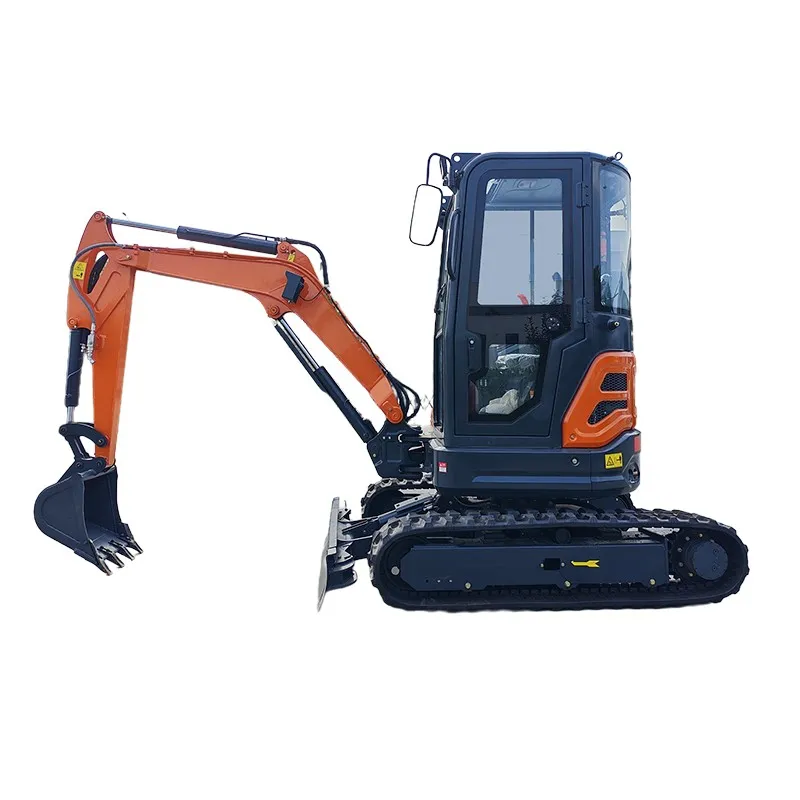
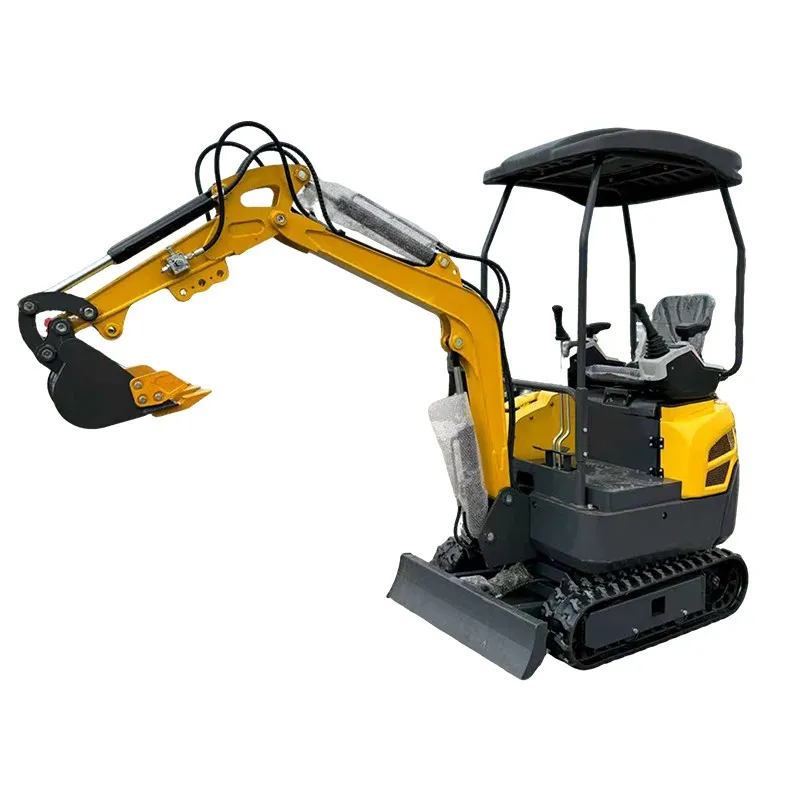
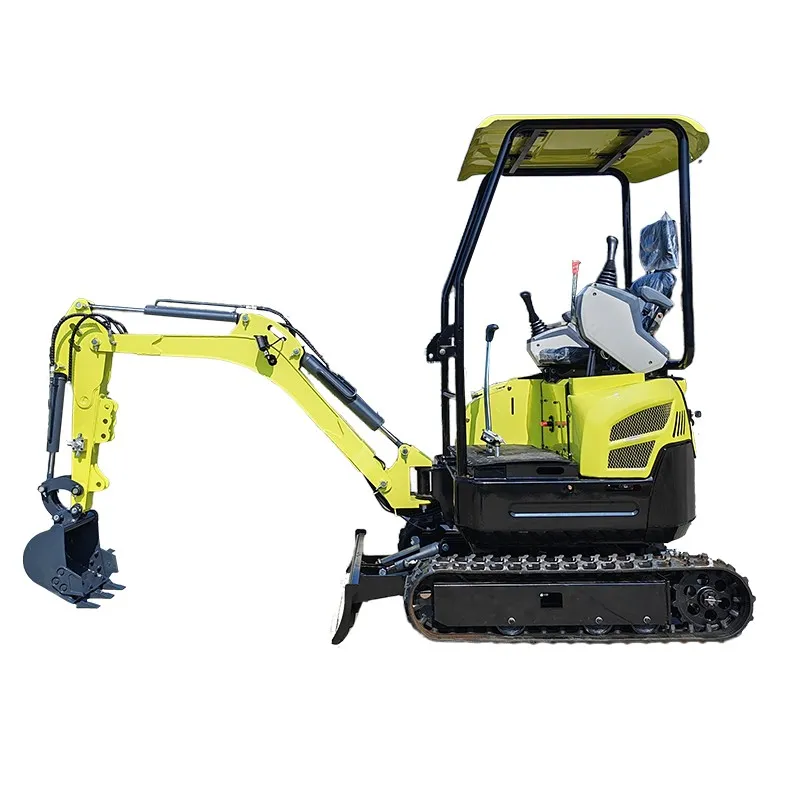
mini digger for sale
When you type 'mini digger for sale' into a search bar, you're immediately met with a wall of options. Price points swing wildly, specs seem interchangeable, and every seller claims durability. Having been in this trade for over a decade, I can tell you the biggest mistake isn't buying cheap—it's buying without understanding what cheap actually means in the long run. It's not just about the machine; it's about the support behind it, the parts availability, and frankly, the integrity of the manufacturer. I've seen too many contractors get burned by a shiny, low-price tag only to face months of downtime waiting for a hydraulic pump that never arrives.
The Spec Sheet Illusion and On-Ground Reality
Everyone focuses on engine horsepower and digging depth. Those are important, sure. But if you're looking at a mini digger for sale for actual work, you need to look at the stuff between the lines. The thickness of the steel in the boom, the brand of the swing motor, the routing of hydraulic hoses—are they protected or exposed to snagging? I remember a batch from a now-defunct supplier a few years back. On paper, they matched a Takeuchi. On site, the slew ring seals failed within 200 hours because they used a generic, non-tempered variant. The spec sheet said high-quality slew bearing. It was a lie.
This is where a company's history matters. A manufacturer that's been through multiple product cycles has had time to fail, learn, and iterate. I've followed the trajectory of Shandong Pioneer Engineering Machinery Co., Ltd since their earlier days. Established in 2004 and now operating from a new facility in Ningyang, that 20-year timeline isn't just a marketing line. It means they've likely seen the consequences of those early design flaws—like those faulty slew rings—and engineered them out. Their relocation in 2023 to a larger plant usually signals investment in better production lines and R&D, not just expansion for its own sake.
You can see this evolution in their current models. The pivot points on their zero-tail-swing machines, for instance, often use reinforced castings instead of simpler welded assemblies. It's a costlier manufacturing process that reduces stress points. It's a detail you only prioritize if you've dealt with the warranty claims from cracked weld seams. It’s this kind of practical, problem-solving development that separates a product listing from a viable piece of job site equipment.
Beyond the Machine: The Logistics of Ownership
Buying the digger is the easy part. The real test starts when you need a track roller, a controller board, or a seal kit. If your supplier is just a reseller with a container deal, you're at the mercy of their next shipment. I always advise people to look for manufacturers who treat parts supply as a core business function, not an afterthought.
This is a strength I've observed with the Pioneer structure. With Shandong Hexin handling manufacturing and Shandong Pioneer managing overseas trade, there's a dedicated channel for support. Their export footprint to places like the U.S., Canada, and Australia means they've had to establish parts depots or reliable logistics partners in those regions to sustain their business. It's a practical necessity. You can check their approach at https://www.sdpioneer.com—look for their parts section or contact points. It tells you more about their long-term view than any brochure.
A personal lesson: I once sourced a few compact excavators for a landscaping crew from a fantastic deal supplier. When a final drive failed, the supplier ghosted us. We ended up reverse-engineering the part and having it machined locally, costing triple and taking two weeks of lost revenue. Now, my first question is about the parts manual and the average shipping time for a major component. If the seller can't answer concretely, walk away.
The Price-Performance Sweet Spot
Let's talk money. The budget end of the mini digger for sale market is a minefield. The mid-range, where companies like Pioneer often position themselves, is where you find value. You're not paying for the premium brand name of a Kubota, but you're also not gambling on a no-name assembly. You're paying for the machine's direct build cost and a reasonable margin, with some proven design lineage.
For a typical 1.5-ton class machine, you might save 30-40% compared to a top-tier Japanese brand. But crucially, that savings shouldn't come from using substandard pumps or controllers. It often comes from streamlined global supply chains for common components (reliable Chinese-branded engines, for example, which are now quite robust) and lower overhead. The key is to verify what core components are used. Ask for the specific model of the main hydraulic pump and valve block. A reputable company will provide this.
I've seen Pioneer's units on job sites in Eastern Europe and Southeast Asia. They hold up. The operators' usual feedback isn't it's amazing, but the more telling it gets the job done, no fuss. In this business, no fuss is high praise. It means no unexpected leaks, no electronic gremlins, and decent fuel consumption. That reliability is what builds the trust and appreciation of customers worldwide they mention—it's not just fluff, it's a commercial necessity for an export-focused firm.
Application Fit: Not All Mini Diggers Are Equal
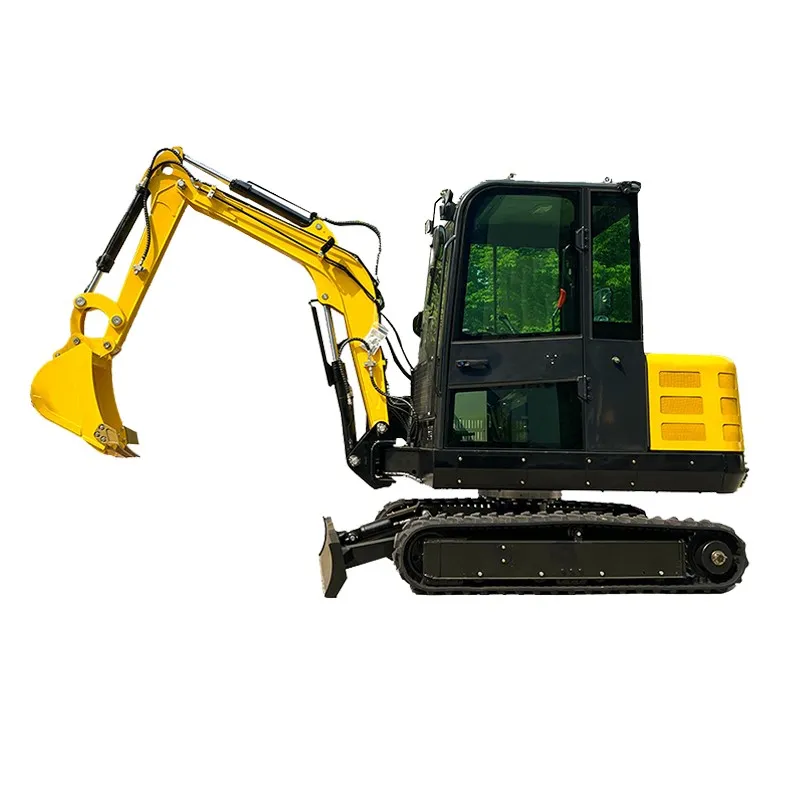
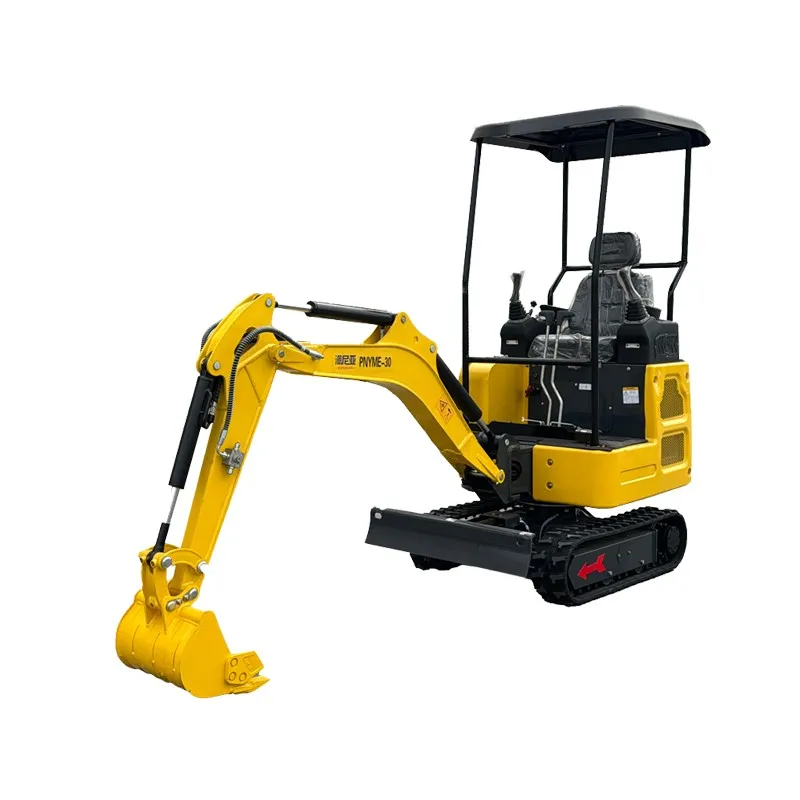
A 1-ton mini excavator for urban plumbing work has different needs than a 3.5-ton model for general construction. The lighter one needs true zero-tail-swing to work in confined alleys, and possibly a rubber track option. The heavier one needs breakout force and lift capacity. When evaluating a mini digger for sale, you must mentally place it on your specific job site.
From what I've seen in their range, Pioneer and similar established Chinese exporters have learned to segment their models. They don't just scale one design up and down. Their smaller units (under 2 tons) often emphasize compact dimensions and multifunctional auxiliary hydraulic circuits for attachments. Their 3-3.5 ton models start focusing more on stability and raw power for digging foundations. This shows product management maturity—understanding that different weights are tools for different jobs.
Always cross-reference the manufacturer's specs with your own needs. Need to lift concrete lintels? Check the lift-over-side capacity at various radii, not just the maximum. This data should be in the official spec sheet. If it's not readily available from the seller, that's a red flag. A professional manufacturer's website, like Pioneer's, will typically have detailed PDFs for each model with these charts. If they don't, it begs the question of how thoroughly the machine was engineered and tested.
The Final Decision: A Checklist from the Field
So, you're serious about a purchase. Before you commit, run down this list from hard-earned experience. First, verify the machine's compliance for your region—CE, EPA Tier 4, etc. It's not just a sticker; it affects the engine and electronics you get. Second, get a clear, itemized quote that includes delivery, customs clearance (if applicable), and the standard warranty terms. What exactly is covered, for how long, and who performs the service?
Third, and this is critical, ask for references in your region or a similar climate. A machine that works well in the Middle East might have different cooling system demands than one in Scandinavia. A company with a genuine global footprint, evidenced by exports to diverse climates from North America to Australia, has likely had to adapt its designs accordingly. This is a subtle but important point of validation.
Finally, trust but verify the company's longevity. A firm that started in 2004, survived multiple industry cycles, and is still investing in new facilities in 2023 is doing something right. It means they've built a sustainable business model, not just a quick flip operation. When you're searching for a mini digger for sale, you're not just buying a product for a season. You're investing in a capital asset that needs to earn its keep for thousands of hours. The manufacturer's stability is your best indicator of whether they'll be there to support that investment when you need them. That's the real bottom line.
Related Products
Related Products