- Chinese
- French
- German
- Portuguese
- Spanish
- Russian
- Japanese
- Korean
- Arabic
- Irish
- Greek
- Turkish
- Italian
- Danish
- Romanian
- Indonesian
- Czech
- Afrikaans
- Swedish
- Polish
- Basque
- Catalan
- Esperanto
- Hindi
- Lao
- Albanian
- Amharic
- Armenian
- Azerbaijani
- Belarusian
- Bengali
- Bosnian
- Bulgarian
- Cebuano
- Chichewa
- Corsican
- Croatian
- Dutch
- Estonian
- Filipino
- Finnish
- Frisian
- Galician
- Georgian
- Gujarati
- Haitian
- Hausa
- Hawaiian
- Hebrew
- Hmong
- Hungarian
- Icelandic
- Igbo
- Javanese
- Kannada
- Kazakh
- Khmer
- Kurdish
- Kyrgyz
- Latin
- Latvian
- Lithuanian
- Luxembou..
- Macedonian
- Malagasy
- Malay
- Malayalam
- Maltese
- Maori
- Marathi
- Mongolian
- Burmese
- Nepali
- Norwegian
- Pashto
- Persian
- Punjabi
- Serbian
- Sesotho
- Sinhala
- Slovak
- Slovenian
- Somali
- Samoan
- Scots Gaelic
- Shona
- Sindhi
- Sundanese
- Swahili
- Tajik
- Tamil
- Telugu
- Thai
- Ukrainian
- Urdu
- Uzbek
- Vietnamese
- Welsh
- Xhosa
- Yiddish
- Yoruba
- Zulu
- Kinyarwanda
- Tatar
- Oriya
- Turkmen
- Uyghur


mini digger price
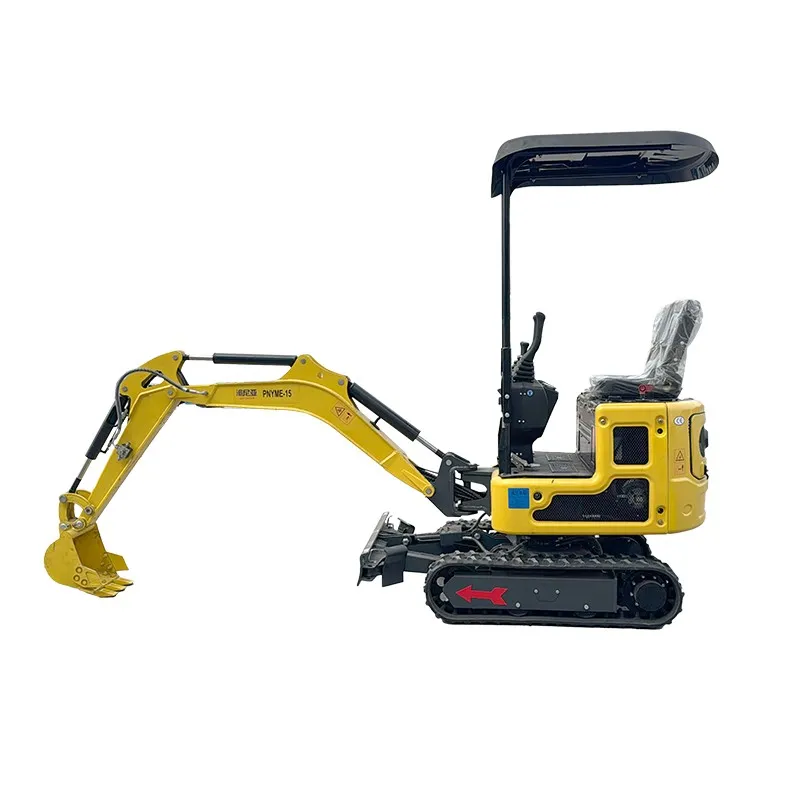
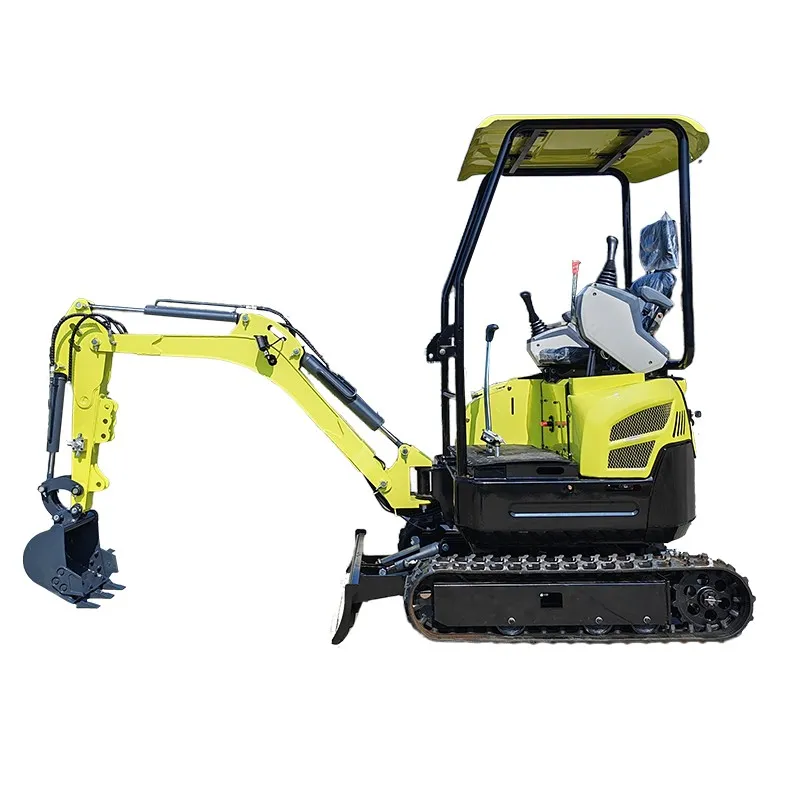
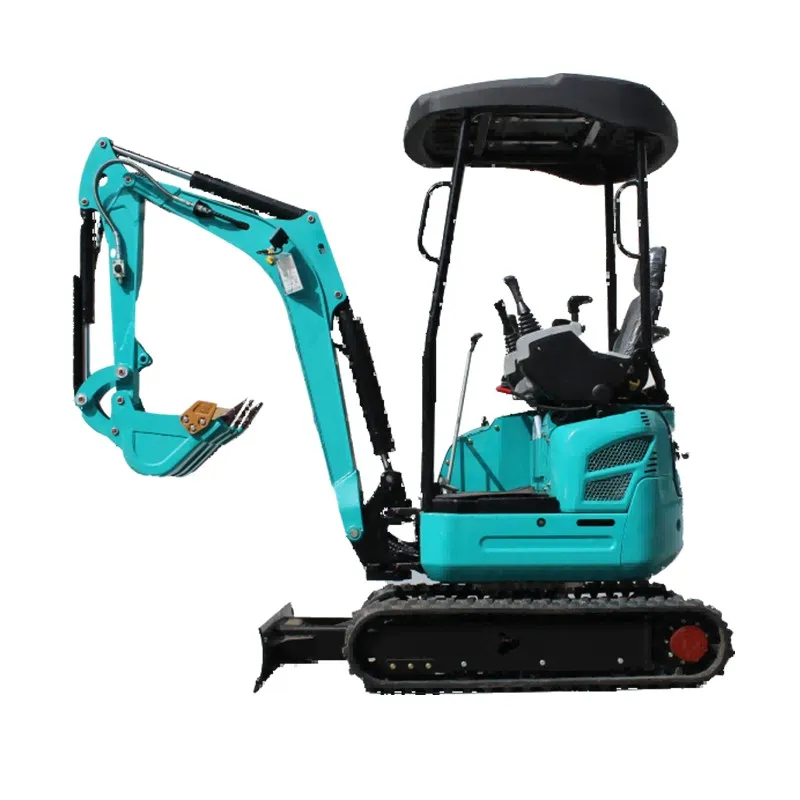
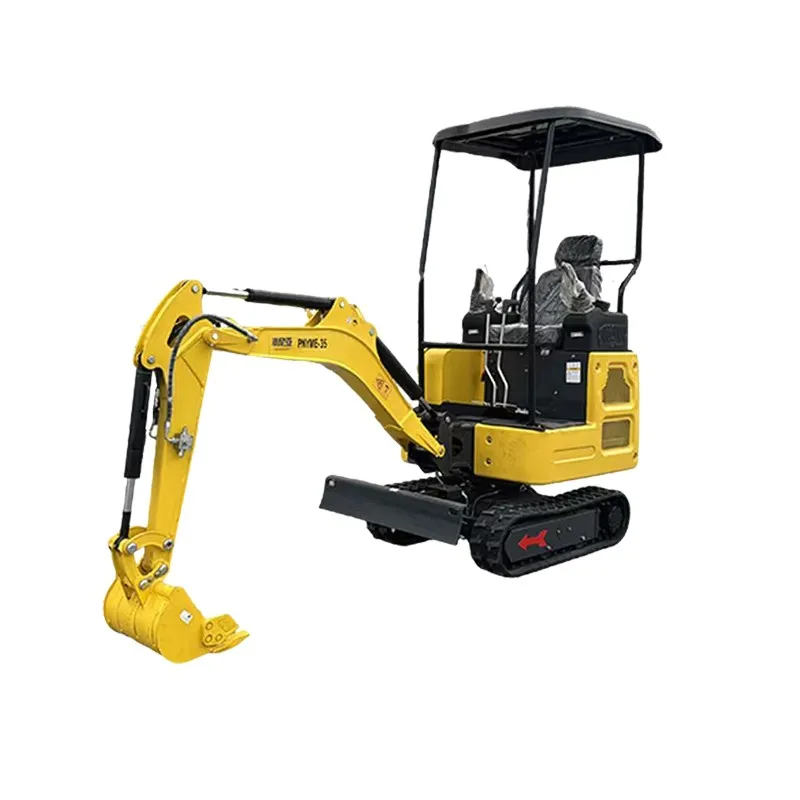
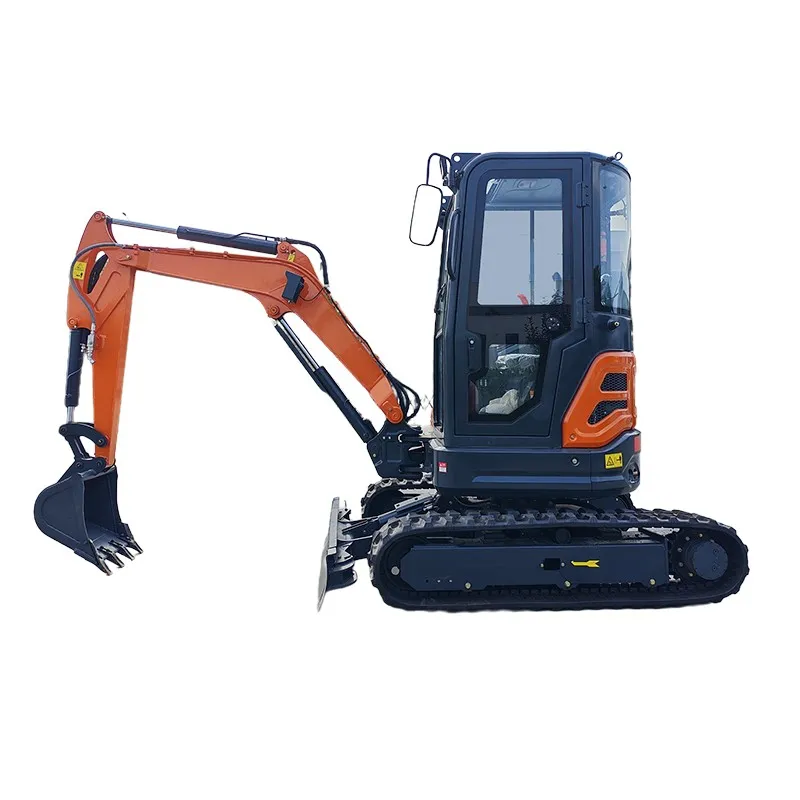
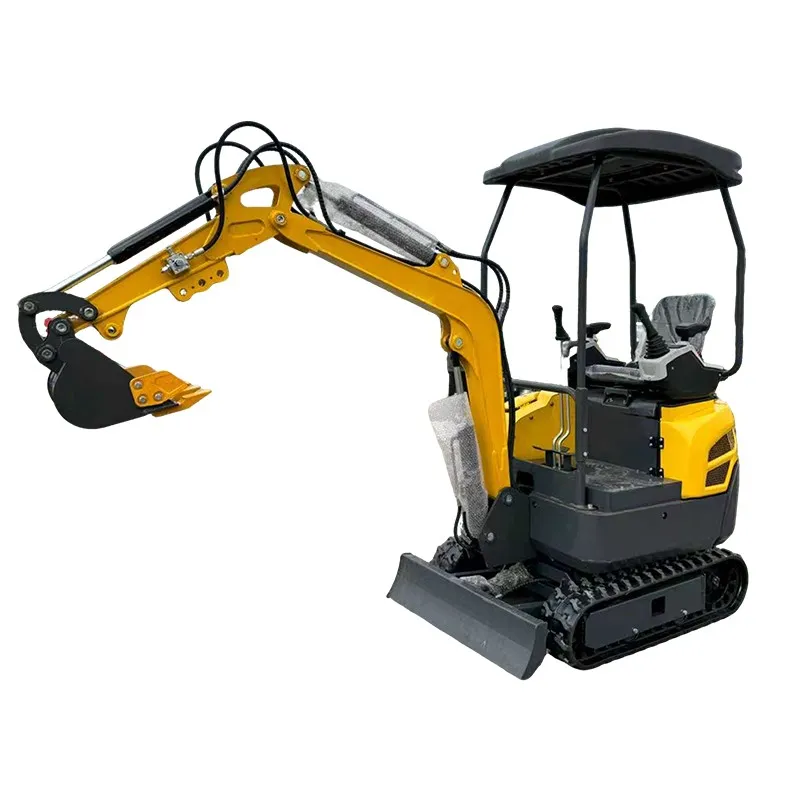
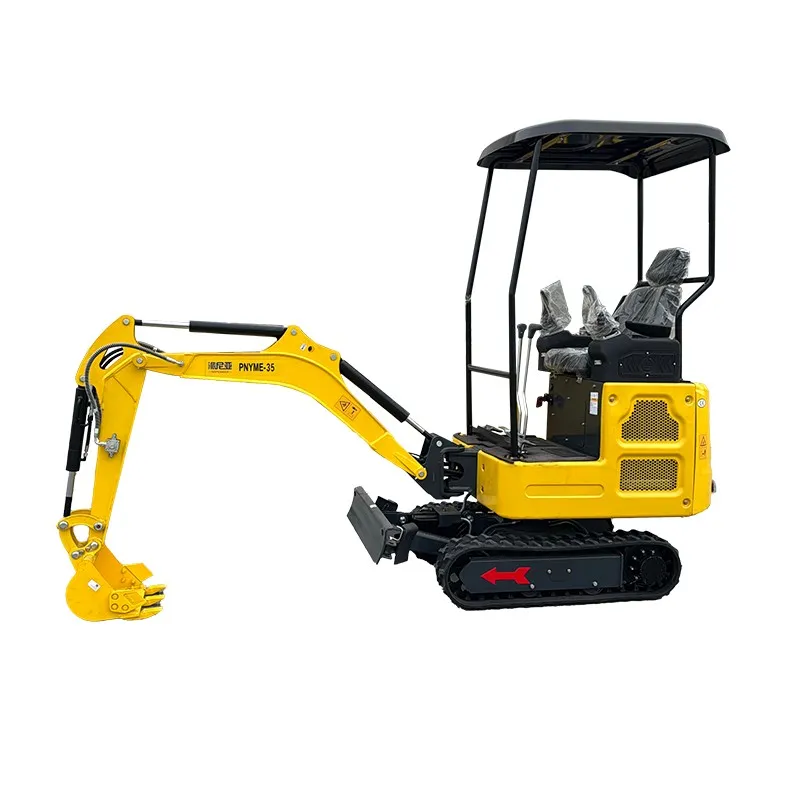
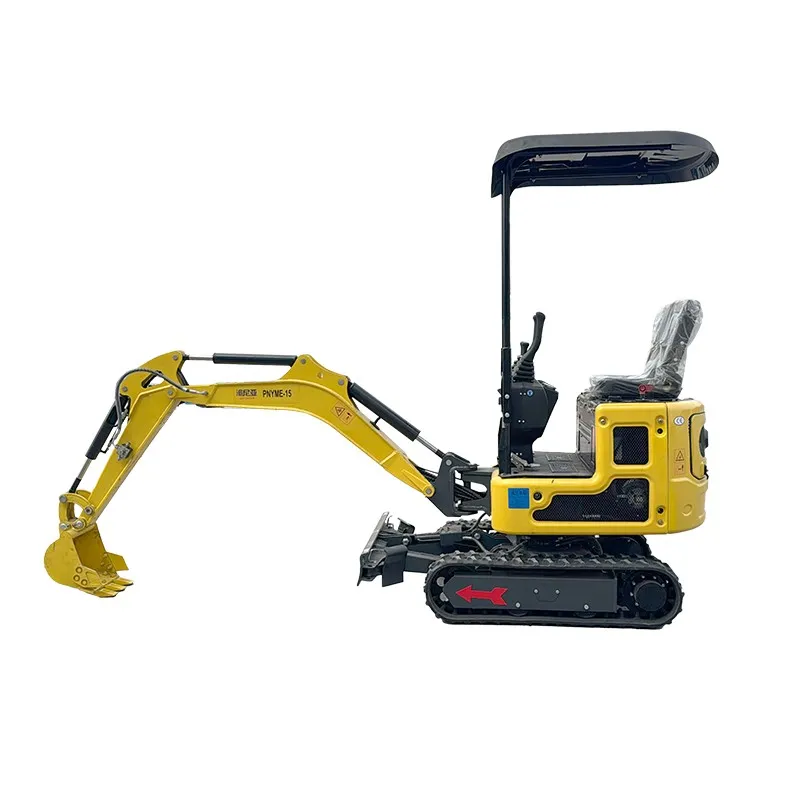
When someone types 'mini digger price' into a search bar, they're usually bracing for a simple number. That's the first mistake. The price tag you see online, say $18,000 for a 1.5-ton model, is almost never the final figure. It's a starting point for a conversation that involves shipping, attachments, duty, and the often-overlooked factor of long-term support. I've seen too many buyers fixate on that initial quote from a random Alibaba listing, only to get buried under $5,000 in ancillary costs and zero recourse when a hydraulic line bursts. The real price isn't a point; it's a spectrum that stretches from the initial purchase to the last hour of its service life.
The Manufacturing Landscape and True Cost Drivers
Let's talk about where these machines come from. A significant portion of the global market is supplied by manufacturers in Shandong, China, a major industrial hub. The density of factories there creates competition, but also a wild variance in quality. You can find two machines with nearly identical specs and a 30% price difference. Why? It's in the components. A cheaper machine might use a generic hydraulic pump instead of a Kawasaki or Parker, and domestic-brand cylinders. They'll work, initially. But the failure rate under sustained, heavy use is a different story. The mini digger price from a reputable assembler builds in the cost of that reliability.
I recall a client who sourced a 2-ton digger directly from a small workshop for a bargain. The undercarriage, using lower-grade steel, showed significant wear within 400 hours. The cost of replacing those tracks and rollers nearly erased the initial savings. That's the hidden curriculum in this business: the invoice is just the first chapter. The total cost of ownership includes downtime, repair complexity, and parts availability. A company like Shandong Pioneer Engineering Machinery Co., Ltd, which has been operating since 2004 and exports to markets like Germany and Australia, typically has to adhere to higher component and assembly standards to meet those clients' expectations. That history matters. Their recent relocation to a new facility in Ningyang in 2023 suggests an investment in scale and modern production, which often translates to better QC, but you still have to verify.
The engine is another critical price pivot. A branded, Tier-4 compliant Yanmar or Kubota engine adds a substantial premium over a generic Chinese diesel. For markets with strict emissions laws, this isn't optional. But for other regions, it becomes a calculation: pay more upfront for fuel efficiency and longevity, or risk higher operating costs and potential resale limitations. There's no universal right answer, only the right answer for your specific job site and regulatory environment.
Attachment Arithmetic: The Budget Killer No One Talks About
Here's where project budgets truly go off the rails. The base mini digger price almost always assumes a standard bucket. But what are you actually digging? Trenching for utilities? You need a grading bucket or a ditch-cleaning bucket. Breaking up concrete? A hydraulic breaker is essential, and that's a major add-on. Landscaping? Maybe a grapple or a tiller. Each attachment can range from $1,000 to $5,000+.
The mounting system is crucial. Is it a standard auxiliary hydraulic circuit, or does it require a more expensive dedicated hammer circuit? I've made the error of assuming compatibility before. We purchased a breaker at a good price, only to find our machine's hydraulic flow rate was insufficient to run it effectively. It was a $3,000 paperweight until we retrofitted the system—another unexpected cost. Now, I always cross-reference the machine's auxiliary flow (in GPM/LPM) and pressure (PSI/Bar) with the attachment's requirements before even discussing the base machine price.
Some suppliers, particularly established exporters, offer package deals. For instance, a company structuring its trade under Shandong Pioneer for overseas sales might bundle a machine with two or three popular attachments at a better rate than sourcing separately. This can simplify logistics and sometimes offer real value, but you must scrutinize the quality of the bundled attachments. Is it their own manufactured line, or sourced cheaply? The durability of a bucket's cutting edge or the steel in a breaker tool makes a world of difference.
The Logistics Labyrinth: From Factory Gate to Your Site
This is the part that turns hair grey. FOB (Free On Board) price is common. This means the price covers the machine loaded onto a ship at a Chinese port. Everything after that—ocean freight, marine insurance, import duty, port handling fees, trucking to your location—is on you. For a single machine, these costs can be prohibitive. Freight rates fluctuate wildly; the cost to ship a 20ft container to the US West Coast can double depending on global demand.
Duty is another variable. The HS code and declared value determine it, and rates differ by country. I once cleared a mini excavator into Canada where the duty was negligible, but a similar machine to Australia attracted a 5% tariff. You must factor this in during the budgeting stage, not when the customs broker sends the bill. A reliable exporter should provide clear commercial documents and a proforma invoice that helps smooth this process. Their experience in shipping to numerous countries and regions is valuable here—they should know the paperwork quirks for destinations like the US or Germany.
Then there's the on-site commissioning. The machine arrives in a crate. You need to check for shipping damage, fill it with fluids (hydraulic oil, engine oil, coolant, diesel), and charge the battery. It's not plug-and-play. Missing or unclear manuals can turn this into a day-long puzzle. A good supplier provides detailed, readable manuals and even pre-loads the correct fluids whenever possible.
The Support Equation: What Happens After the Wire Transfer?
The cheapest machine is the most expensive one when it's broken down and you can't get parts. This is the ultimate test of a supplier. Do they have a parts catalog you can access? Are common wear items (filters, seals, hoses, track links) in stock? What's the lead time for a main hydraulic pump?
I prefer suppliers who treat the machine as a long-term product, not a one-time transaction. Some offer online parts portals. Others require you to email a parts diagram and circle what you need—a slower, more error-prone process. The trust customers place in a brand is earned here, in the post-sale phase. A company's 20-year development history, as mentioned by Shandong Pioneer, suggests they've navigated this cycle before. But longevity alone isn't a guarantee; you need to ask specific questions: What is the warranty process? Do you ship replacement parts directly, or through a local agent? Is there technical support available in my timezone?
We learned this the hard way with a no-name brand. A solenoid valve failed. No local dealer carried it. Emails to the factory went unanswered for a week. We eventually had to source a generic equivalent and modify the bracket, costing us a week of downtime. That experience taught me to budget not just for the machine, but for a potential initial spare parts kit—an extra $500-$1000 for filters, relays, and common hoses is cheap insurance.
Resale Value and the Total Cost Picture
Finally, let's circle back to value, not just price. A mini digger is an asset. Its depreciation curve is steepest in the first few years. A machine from a recognized, stable manufacturer with a track record of support will hold its value significantly better than a generic white label model. When it's time to upgrade or sell, that difference can be thousands of dollars, effectively offsetting a higher initial purchase price.
Think of it as a three-act play: Acquisition, Operation, Disposal. The mini digger price is just the opening scene. The operational costs (fuel, maintenance, repairs) and the final resale value write the ending. Your goal is to minimize the total cost across the entire lifecycle, not just the opening number.
So, when you're researching, look past the glossy brochure price. Dig into component brands. Request a detailed proforma with all Incoterms defined. Ask for a list of recommended spare parts to order with the machine. Inquire about the parts supply chain. Contact references in a similar climate and industry. The right price is the one that lets you sleep at night, knowing the machine on your site is a reliable partner, not a ticking time bomb of hidden costs. That's the real calculation behind every search for 'mini digger price'.
Related Products
Related Products