- Chinese
- French
- German
- Portuguese
- Spanish
- Russian
- Japanese
- Korean
- Arabic
- Irish
- Greek
- Turkish
- Italian
- Danish
- Romanian
- Indonesian
- Czech
- Afrikaans
- Swedish
- Polish
- Basque
- Catalan
- Esperanto
- Hindi
- Lao
- Albanian
- Amharic
- Armenian
- Azerbaijani
- Belarusian
- Bengali
- Bosnian
- Bulgarian
- Cebuano
- Chichewa
- Corsican
- Croatian
- Dutch
- Estonian
- Filipino
- Finnish
- Frisian
- Galician
- Georgian
- Gujarati
- Haitian
- Hausa
- Hawaiian
- Hebrew
- Hmong
- Hungarian
- Icelandic
- Igbo
- Javanese
- Kannada
- Kazakh
- Khmer
- Kurdish
- Kyrgyz
- Latin
- Latvian
- Lithuanian
- Luxembou..
- Macedonian
- Malagasy
- Malay
- Malayalam
- Maltese
- Maori
- Marathi
- Mongolian
- Burmese
- Nepali
- Norwegian
- Pashto
- Persian
- Punjabi
- Serbian
- Sesotho
- Sinhala
- Slovak
- Slovenian
- Somali
- Samoan
- Scots Gaelic
- Shona
- Sindhi
- Sundanese
- Swahili
- Tajik
- Tamil
- Telugu
- Thai
- Ukrainian
- Urdu
- Uzbek
- Vietnamese
- Welsh
- Xhosa
- Yiddish
- Yoruba
- Zulu
- Kinyarwanda
- Tatar
- Oriya
- Turkmen
- Uyghur


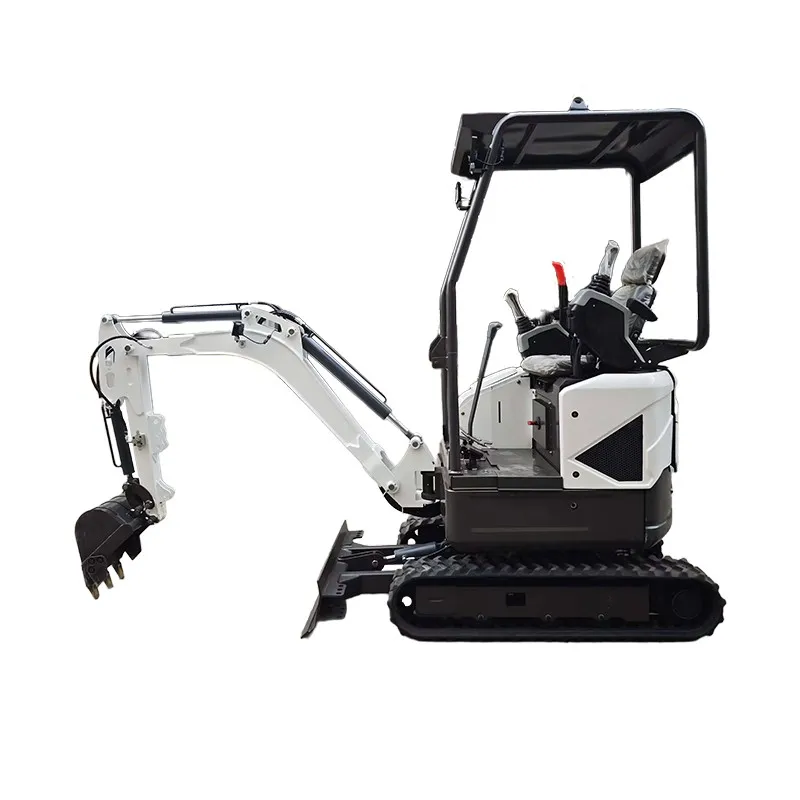
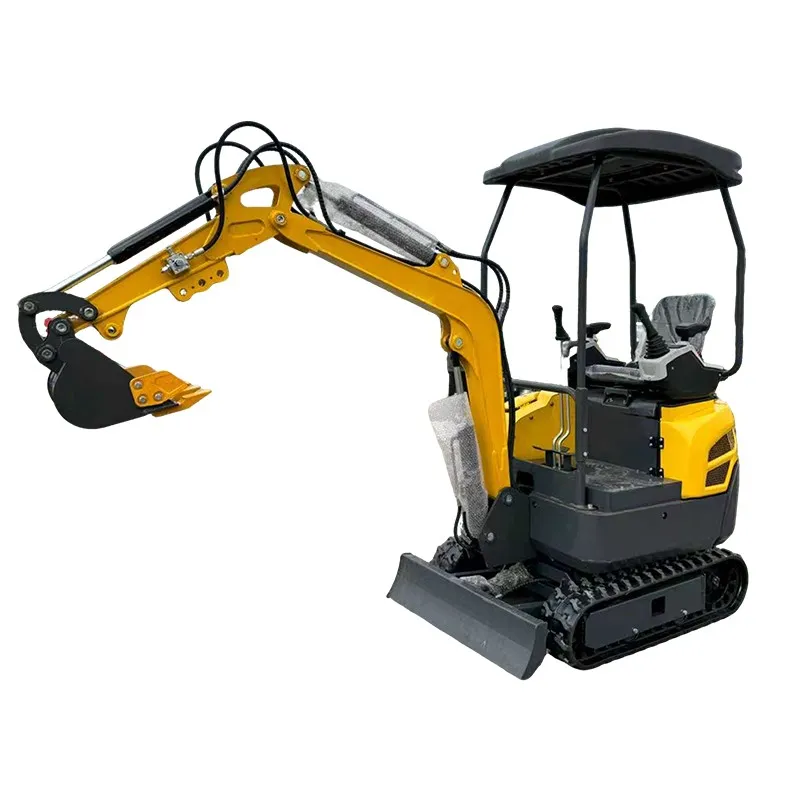
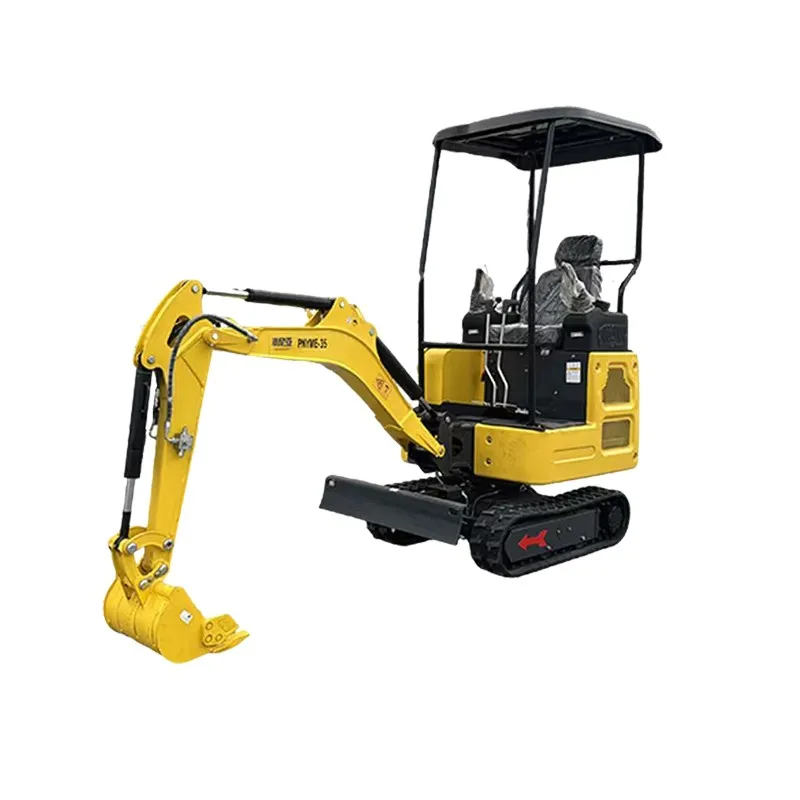
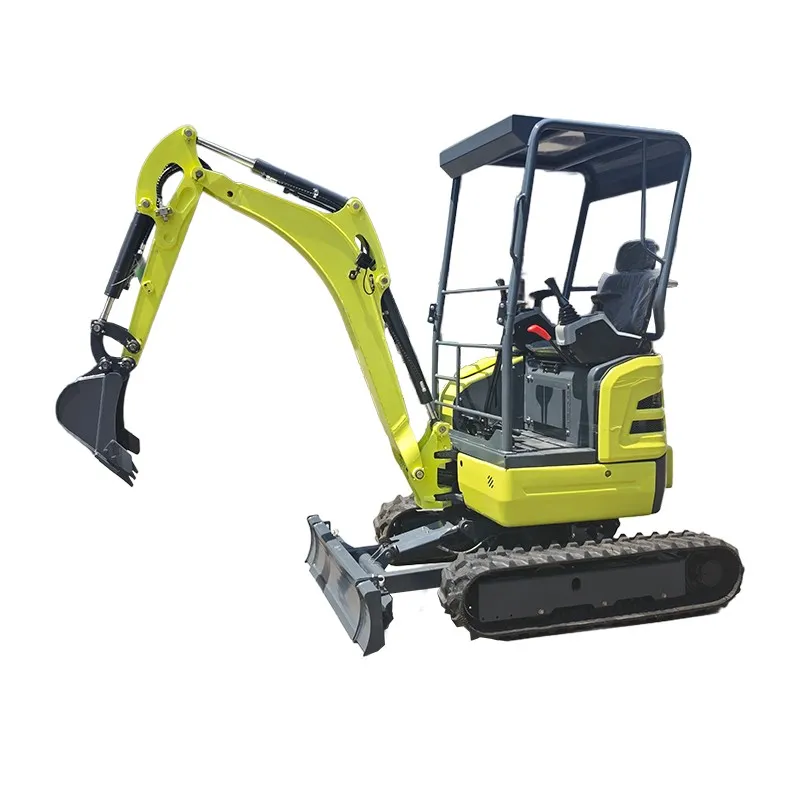
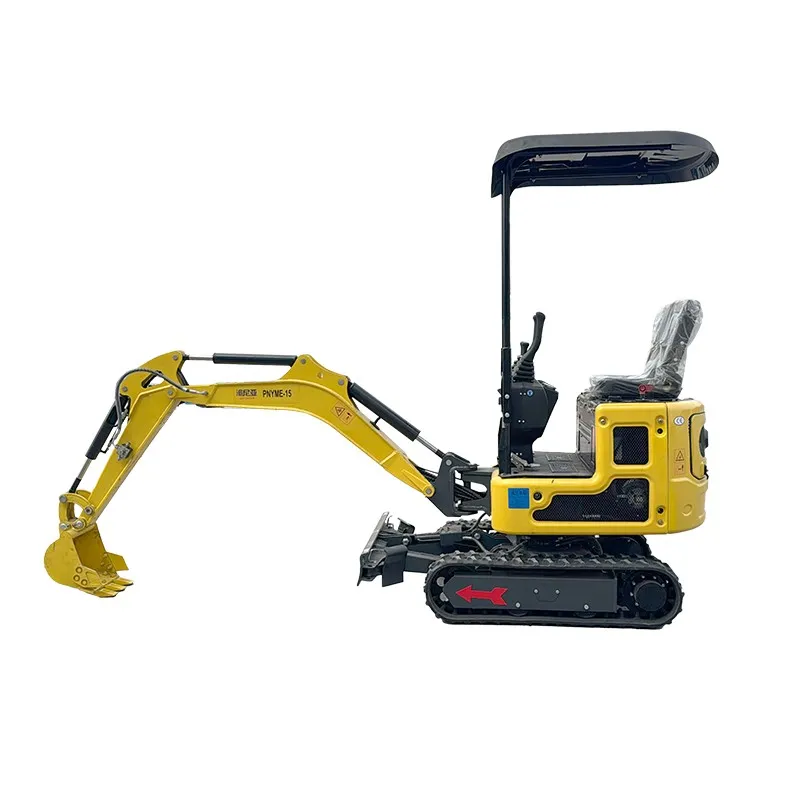
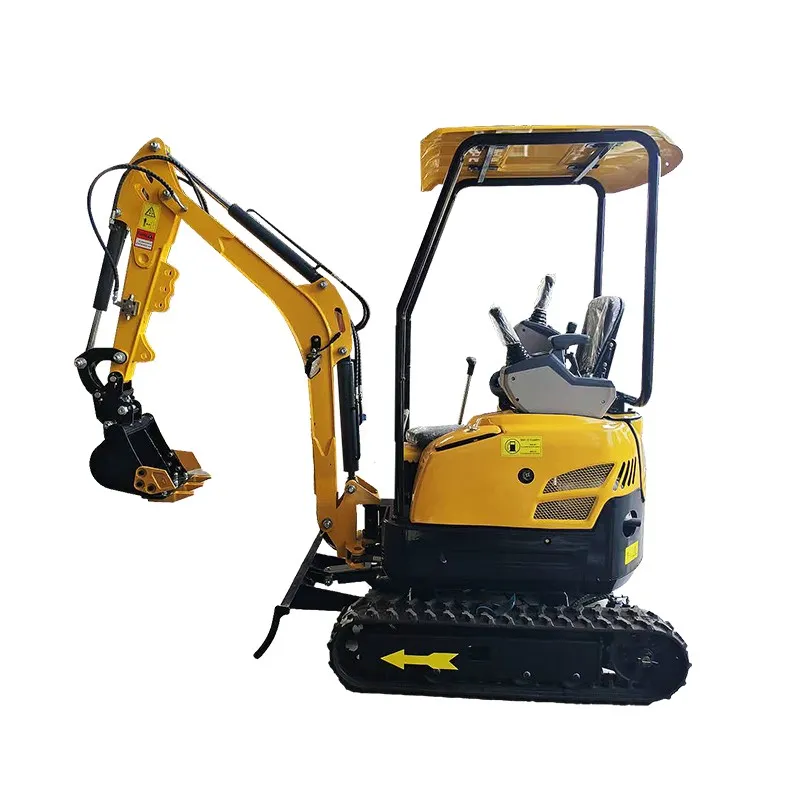
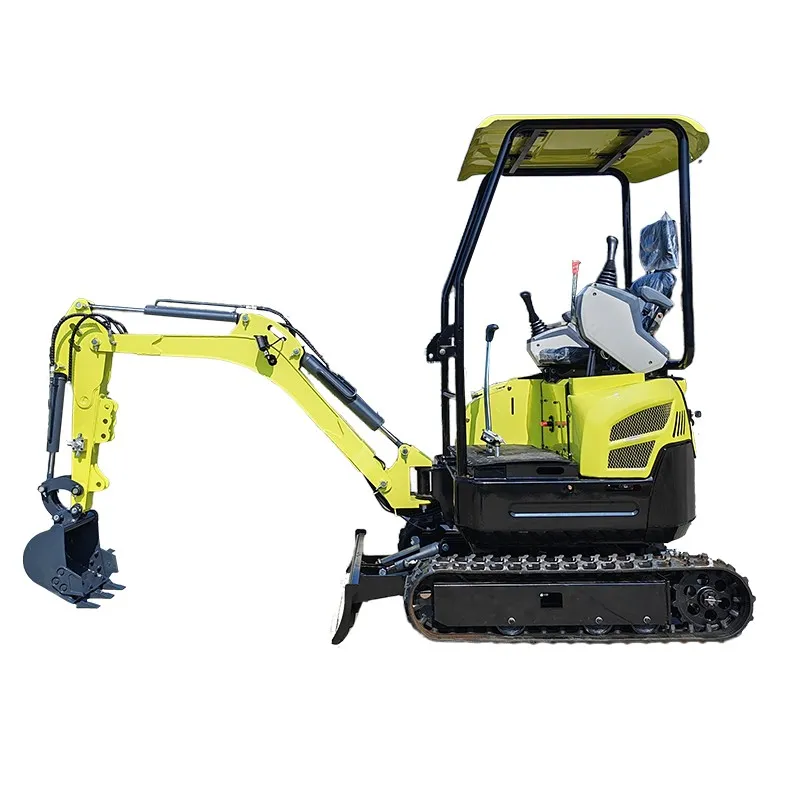
Mini digger with cabin
When most people hear 'mini digger with cabin', they picture a tiny excavator with a basic metal box slapped on top. That's the first mistake. It's not just about weather protection; it's a complete shift in operational philosophy, job site viability, and, frankly, operator sanity over an 8-hour shift. I've seen too many specs that list a cabin as a simple add-on, like a cup holder, when in reality, integrating a proper, functional cabin changes everything from the machine's center of gravity to its maintenance schedule. Let's talk about what that actually means on the ground.
The Cabin as a System, Not an Accessory
You can't just bolt a structure onto a standard mini excavator frame and call it a day. The moment you add an enclosed space, you're adding weight up high. This demands a fundamental reassessment of the undercarriage and counterweight. I remember a project years back where we tried retrofitting cabins onto older 1.8-ton models. The result was a tippy machine that lost its digging depth stability the moment you swung the house with any real force. It was a lesson in basic physics. A proper mini digger with cabin is designed from the ground up with that mass in mind. Companies that get this right, like Shandong Pioneer Engineering Machinery Co., Ltd, often build their cabbed models on slightly modified, more robust chassis. It's a different machine category, really.
Then there's the interior system. It's not a car. It's a workspace. The placement of joysticks, the angle of the glass, the ventilation intake location—all of these are dictated by hours of actual digging cycles. A common pitfall is placing the HVAC intake too low, where it sucks in all the dust from the tracks. A good cabin design lifts it, often integrating a pre-filter. You learn these details not from a brochure, but from operator complaints on a Monday morning after a weekend of trench work in dry conditions. The cabin on their units, which you can see detailed on their site at https://www.sdpioneer.com, shows this kind of considered placement, suggesting it's born from field feedback rather than just a CAD drawing exercise.
Noise and vibration isolation is another silent spec. A glass pane that just seals keeps the rain out but does nothing for the relentless drone of the hydraulic pump. True operator cabins use laminated glass and have rubber isolation mounts between the cabin frame and the main body. Without it, fatigue sets in fast. It's the difference between a machine you can run all day and one you want to get out of after two hours.
Where the Cabin Justifies Its Cost (And Where It Doesn't)
The financials are straightforward but often misapplied. A mini digger with cabin isn't automatically the right choice for every job. For a quick, two-day landscaping job in fair weather? Hard to justify the premium. But for utility work in city centers with strict noise ordinances, or for year-round operation in places with proper winters and hot summers, it becomes a productivity tool, not a comfort item.
I recall a sewer line replacement in a dense urban neighborhood. The job was slated for three weeks. Using an open ROPS machine would have meant shutting down for rain, dealing with more citizen complaints about noise, and slower progress on cold mornings as operators needed more breaks. The cabbed machine kept going. It paid for the rental differential in less than a week through consistent output alone. The cabin enabled work in conditions that would otherwise be a stand-down.
Conversely, I've seen them fail on very steep, uneven sites where the operator's feel for the machine's balance is critical. Some operators, especially older hands, will insist on opening the door or even dismounting to 'feel' the grade. In those scenarios, the cabin can become a psychological barrier. It's about matching the tool to the task and the human in the seat.
The Maintenance Reality Check
Everyone thinks of the engine and hydraulics, but a cabin adds its own layer of maintenance headaches. The door seals wear out and start whistling. The wiper motor linkage gets gritty. The rubber floor mat traps moisture and can lead to corrosion on the cabin floor pan if not pulled up and cleaned regularly—a task often forgotten until it's too late.
Then there's the glass. It gets scratched. Not from digging, but from careless cleaning with abrasive cloths or from airborne debris on highway transit. Replacing a curved front windshield on a mini ex isn't like a car; it's a specialized, often expensive part. You need a supplier with a reliable parts pipeline. This is where a manufacturer's long-term support matters. A company like Shandong Pioneer, with two decades of development and a clear export footprint to markets like the US and Australia, typically has to maintain a parts network that can support these more complex components. Their relocation in 2023 to a larger facility in Ningyang likely speaks to scaling up this very kind of integrated production and support capacity.
The HVAC system is another filter to check, another fluid level to monitor (if it's a hydraulic-driven compressor), and another potential point of failure. It turns a simple machine into a moderately complex one. Your mechanic needs to know more than just diesel engines.
Case in Point: The Cold Weather Test
Nothing reveals the quality of a cabin like a -10°C (14°F) morning. The cheap ones are iceboxes. The glass fogs from the inside because the ventilation can't manage the humidity from the operator's breath. The heater, if it's just a fan blowing over a small core, struggles to create a bubble of warmth, leaving your feet freezing.
A well-executed cabin has a powerful, dedicated heater core, often with ducts directed at the front window and the floor. The seals are tight enough to keep the heat in. I've seen units where the heater performance was an afterthought, and operators resorted to using portable propane heaters—a massive safety risk. When reviewing specs, I now look for the BTU output of the heater and the CFM of the fan as seriously as I look at digging force. It's a spec that tells you if the manufacturer actually talked to operators in Scandinavia or Canada, markets where Shandong Pioneer's trade division, Shandong Pioneer, exports to. That global feedback loop is crucial for getting these details right.
It also changes startup procedures. In a cabbed machine, you're more likely to idle to warm up the hydraulic oil for the cab functions, which can lead to wet stacking if you're not careful. It's a small operational nuance that comes with the territory.
The Evolution and the Niche
The mini digger with cabin has evolved from a novelty to a niche-standard. It's no longer just for the luxury end. It's for any operation that values consistent man-hour output regardless of weather, or that works in noise-sensitive environments. The market has pushed manufacturers to offer them across more weight classes.
Looking at a manufacturer's range of cabbed models tells you about their market understanding. Do they offer just one token model? Or is it integrated across their line, from 1.5-ton to 8-ton machines? The latter suggests a commitment to the concept. The expansion and relocation of a firm like Shandong Pioneer Engineering Machinery, growing from a 1,600 square meter facility to a larger one after 20 years, often coincides with broadening product lines to include these more specialized, value-added configurations that the international market demands.
Ultimately, the decision boils down to total cost of operation, not just purchase price. A cabin reduces weather downtime, may extend the working season, can improve operator retention, and allows entry into jobs with stricter environmental controls. But it adds capital cost, maintenance complexity, and requires more thoughtful operation. It's a tool for a specific set of problems. When those problems are yours, there's no substitute. When they're not, it's just an expensive roof.
Related Products
Related Products