- Chinese
- French
- German
- Portuguese
- Spanish
- Russian
- Japanese
- Korean
- Arabic
- Irish
- Greek
- Turkish
- Italian
- Danish
- Romanian
- Indonesian
- Czech
- Afrikaans
- Swedish
- Polish
- Basque
- Catalan
- Esperanto
- Hindi
- Lao
- Albanian
- Amharic
- Armenian
- Azerbaijani
- Belarusian
- Bengali
- Bosnian
- Bulgarian
- Cebuano
- Chichewa
- Corsican
- Croatian
- Dutch
- Estonian
- Filipino
- Finnish
- Frisian
- Galician
- Georgian
- Gujarati
- Haitian
- Hausa
- Hawaiian
- Hebrew
- Hmong
- Hungarian
- Icelandic
- Igbo
- Javanese
- Kannada
- Kazakh
- Khmer
- Kurdish
- Kyrgyz
- Latin
- Latvian
- Lithuanian
- Luxembou..
- Macedonian
- Malagasy
- Malay
- Malayalam
- Maltese
- Maori
- Marathi
- Mongolian
- Burmese
- Nepali
- Norwegian
- Pashto
- Persian
- Punjabi
- Serbian
- Sesotho
- Sinhala
- Slovak
- Slovenian
- Somali
- Samoan
- Scots Gaelic
- Shona
- Sindhi
- Sundanese
- Swahili
- Tajik
- Tamil
- Telugu
- Thai
- Ukrainian
- Urdu
- Uzbek
- Vietnamese
- Welsh
- Xhosa
- Yiddish
- Yoruba
- Zulu
- Kinyarwanda
- Tatar
- Oriya
- Turkmen
- Uyghur


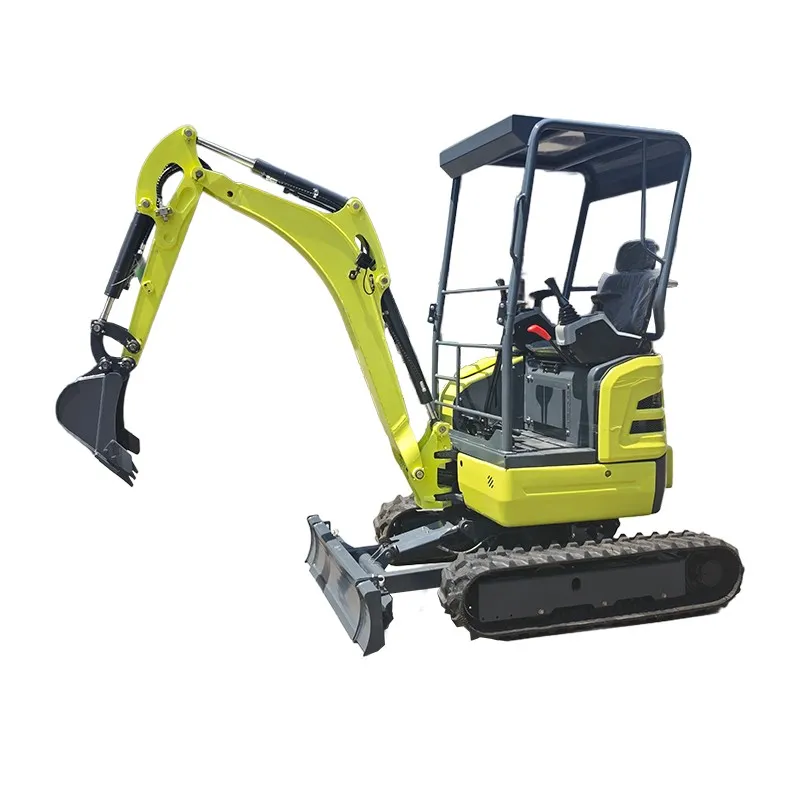
mini excavator cost
When someone asks what's the mini excavator cost?, my first instinct is to ask what they're really trying to figure out. Most people just look at the initial purchase price online and think that's the whole story. That's the biggest mistake. The real cost is a moving target, shaped by what you're digging, where you're working, and frankly, how much downtime you can stomach. I've seen too many guys buy the cheapest unit from a fly-by-night brand, only to have it sit broken in the yard for weeks waiting for a $2,000 hydraulic pump that's on backorder from overseas. That's not a cost, that's a business killer.
The Initial Price Tag is Just the Entry Fee
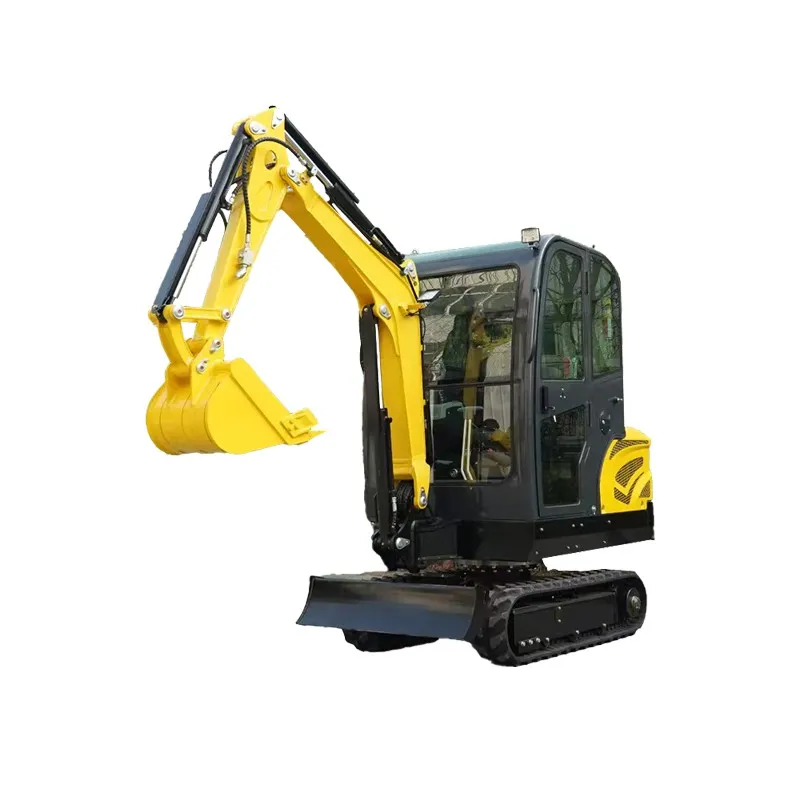
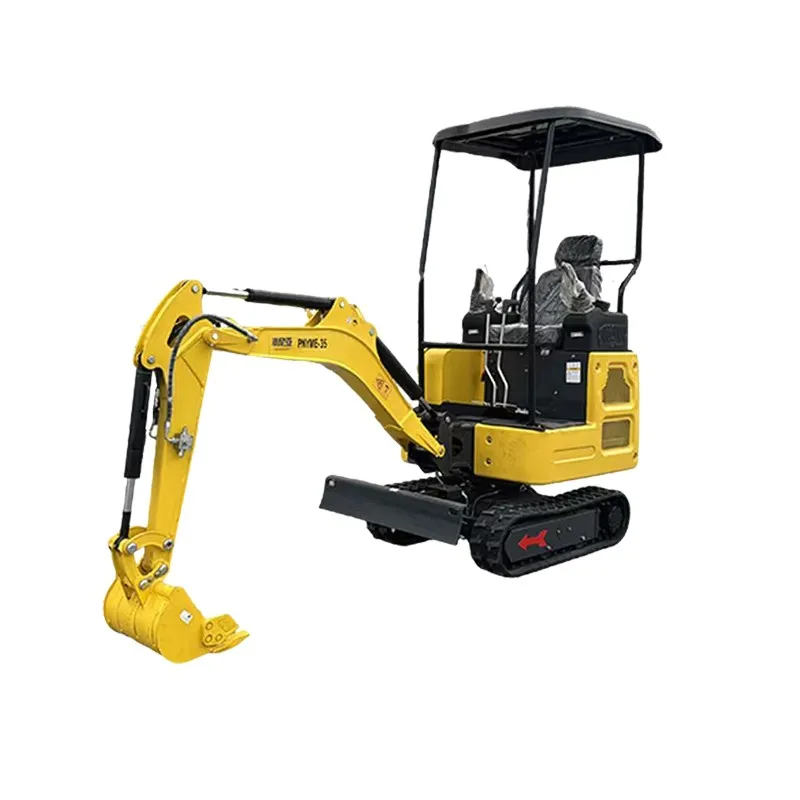
Let's start with the obvious: the machine's price. For a solid 1-ton class machine, you might see figures from $15,000 to over $30,000. A reputable Chinese manufacturer like Shandong Pioneer Engineering Machinery Co., Ltd typically offers a solid value proposition here. Their models, exported globally to places like the U.S. and Germany, often come in at a competitive point because of their integrated manufacturing under Shandong Hexin. But here's the judgment call: is that lower price a sign of smart manufacturing or a red flag for future parts headaches? From my experience, it's less about the country of origin now and more about the company's longevity and parts network. A company that's been around since 2004 and just invested in a new facility in 2023, like Pioneer did moving to Ningyang County, is betting on its future. That tells me something about their commitment.
The configuration wildly swings this price. You're not just buying a digger. You're buying an engine tier (Kubota? Yanmar? Chinese brand?), hydraulic system specs, and the choice of attachments. A standard bucket is one thing, but add a hydraulic thumb, a breaker line, or a tilt rotator, and you can easily add 15-20% to the base mini excavator cost. I always advise clients to map out their top three most frequent tasks. If you're mostly doing trenching for utilities, maybe the tilt rotator is a luxury. But if you're doing intricate landscaping around tree roots, it might pay for itself in saved labor in a season.
Then there's the shipping and customs labyrinth. That quoted FOB price from https://www.sdpioneer.com looks great until you have to get it to your job site in Texas or Ontario. I've had shipments held up for weeks over missing paperwork or a vague customs description. This isn't a direct machine cost, but it's a real cost in project delays. Factor in at least a few thousand for logistics, and don't expect it to be quick on your first order. Building a relationship with a supplier that has a smooth export process, as evidenced by their reach into markets like Canada and Australia, is a hidden value that saves money over time.
The True Cost Unfolds in the Dirt
This is where the rubber meets the mud. Ownership cost. Depreciation is the silent killer. A no-name brand might depreciate like a rock thrown in a pond. A machine from an established exporter with a track record holds its value better because the next buyer has more confidence they can find parts. I calculate a rough annual depreciation of 15-20% for a solid mid-tier machine, but it's not linear. The first year hits hardest.
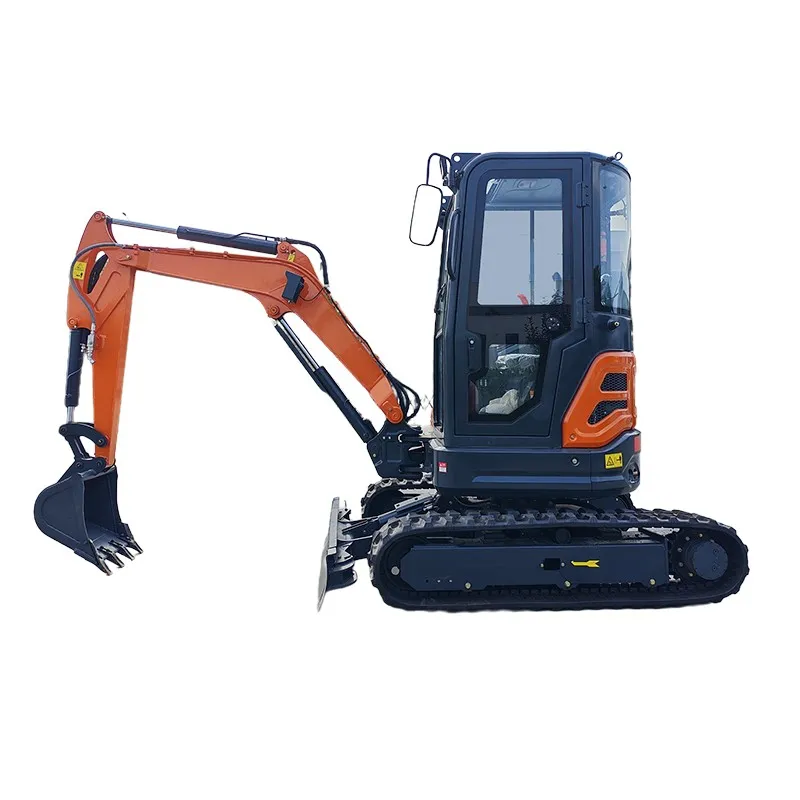
Fuel and maintenance are the predictable bleed. A 3.5-ton machine with a solid Yanmar engine might sip fuel compared to an older, less efficient model. But the real variable is preventative maintenance (PM). Do you follow the service schedule to the letter? I learned the hard way on an early job: skipping an early hydraulic oil filter change led to a pump failure that cost more than two years' worth of PM. Now I'm religious about it. The cost of filters and fluids is trivial. The cost of a major component failure is catastrophic.
The single biggest line item in the true cost equation is downtime. Your machine earning nothing in the shop is the ultimate expense. This circles back to parts and service support. When a track tensioner cylinder blew on a site I was managing, our dealer had the part in a local warehouse. We were back running in 48 hours. If we'd imported a grey-market machine with no local support, we'd have been down for a month. When evaluating a supplier, their global distribution network isn't just a sales pitch; it's a direct insurance policy against downtime. A company that has won the trust of customers worldwide, as Pioneer states, has likely invested in this support structure. That's not fluff; that's a cost-saving reality.
Attachments and the Hidden Configuration Trap
Think of the machine as a power source. The attachments are the tools. And mismatched tools waste the whole investment. I see guys buy a 1.8-ton machine and then try to run a massive breaker that requires a 5-ton machine's hydraulic flow. It doesn't work, it damages the machine, and it's a total waste of capital. You must match the attachment to the machine's auxiliary hydraulic flow (gallons per minute) and pressure (PSI/Bar). The manufacturer's specs are gospel here.
Quick couplers are another cost decision. Manual pin-on attachments are cheaper upfront but will murder your productivity and your labor's patience. A hydraulic quick coupler system adds to the initial mini excavator price but allows you to switch from a bucket to a grapple to a breaker in under a minute. Over a year, the labor savings alone justify it. It's a capital cost that directly lowers operational cost. It's a no-brainer for any serious operation.
Then there's the wear parts on the attachments themselves. Bucket teeth, cutting edges, breaker tool steel. These are consumables. You can buy cheap, generic teeth that wear out in a week on rocky ground, or you can invest in branded, hardened steel ones that last a month. The cheaper option has a lower sticker cost but a much higher cost per hour of operation. This is a granular, in-the-trenches decision that separates hobbyists from pros. I keep a log for each machine: attachment hours, wear part replacements, cost. It's the only way to see the real picture.
The Financing vs. Cash Buy Dilemma
This is more art than science. Paying cash upfront avoids interest, obviously. But it also ties up a large chunk of capital that could be used for other things—marketing, another piece of equipment, a buffer for slow pay. For a new business, preserving cash flow is often smarter than avoiding finance charges. I've done both. When interest rates were low, financing even with a decent cash reserve made sense. Now, the calculation is tighter.
Leasing is another animal. It can look attractive with low monthly payments, but you have to read the fine print on usage hours, wear-and-tear clauses, and the buyout option at the end. I once leased a machine for a two-year, defined-project gig where I knew the exact hours I'd need. It was perfect. For open-ended general use, I prefer ownership. At the end of the day, you own an asset, even if it's depreciated.
The key is to run the total cost of ownership (TCO) under both scenarios. Factor in the interest or lease payments, the tax implications (consult an accountant, seriously), and the residual value of the machine if you own it. Sometimes, the math shows that a slightly more expensive, more reliable machine financed over five years has a lower TCO than a cheap, cash-purchase machine that spends more time in repair. The cost is in the total lifecycle, not the monthly payment.
Case in Point: A Value-Based Purchase
Let me give you a real, recent example. A small landscaping contractor I consult for needed a 3.5-ton machine for residential jobs. He was fixated on a super-cheap, unknown brand. We sat down and built a 5-year TCO model. We factored in a 30% higher downtime assumption for the cheap brand, a 5% lower fuel efficiency, and a steeper depreciation curve. We then looked at a mid-range option from a established exporter like the mentioned Shandong Pioneer—a company with a 20-year history and clear investment in its new manufacturing base.
The initial price difference was about $8,000. But over five years, when we added estimated repair costs, resale value, and the projected revenue loss from downtime, the more reliable machine was actually projected to cost $3,000 less to own and operate. The higher upfront cost was an investment in predictability. He went with the value option. Eight months in, zero unscheduled downtime, and he's already landed two bigger jobs because he could guarantee his equipment would be on site and running.
The lesson? The sticker price is a distraction. You're buying a productivity tool. Its cost is measured in the work it gets done reliably over its life, not the number on the invoice. It's about the total cost of earning, not just spending. That requires looking at the manufacturer's backbone—their history, their facility investments, their global support footprint. That's what turns a piece of iron into a profit center. Anything else is just an expensive lawn ornament waiting to happen.
Related Products
Related Products