- Chinese
- French
- German
- Portuguese
- Spanish
- Russian
- Japanese
- Korean
- Arabic
- Irish
- Greek
- Turkish
- Italian
- Danish
- Romanian
- Indonesian
- Czech
- Afrikaans
- Swedish
- Polish
- Basque
- Catalan
- Esperanto
- Hindi
- Lao
- Albanian
- Amharic
- Armenian
- Azerbaijani
- Belarusian
- Bengali
- Bosnian
- Bulgarian
- Cebuano
- Chichewa
- Corsican
- Croatian
- Dutch
- Estonian
- Filipino
- Finnish
- Frisian
- Galician
- Georgian
- Gujarati
- Haitian
- Hausa
- Hawaiian
- Hebrew
- Hmong
- Hungarian
- Icelandic
- Igbo
- Javanese
- Kannada
- Kazakh
- Khmer
- Kurdish
- Kyrgyz
- Latin
- Latvian
- Lithuanian
- Luxembou..
- Macedonian
- Malagasy
- Malay
- Malayalam
- Maltese
- Maori
- Marathi
- Mongolian
- Burmese
- Nepali
- Norwegian
- Pashto
- Persian
- Punjabi
- Serbian
- Sesotho
- Sinhala
- Slovak
- Slovenian
- Somali
- Samoan
- Scots Gaelic
- Shona
- Sindhi
- Sundanese
- Swahili
- Tajik
- Tamil
- Telugu
- Thai
- Ukrainian
- Urdu
- Uzbek
- Vietnamese
- Welsh
- Xhosa
- Yiddish
- Yoruba
- Zulu
- Kinyarwanda
- Tatar
- Oriya
- Turkmen
- Uyghur

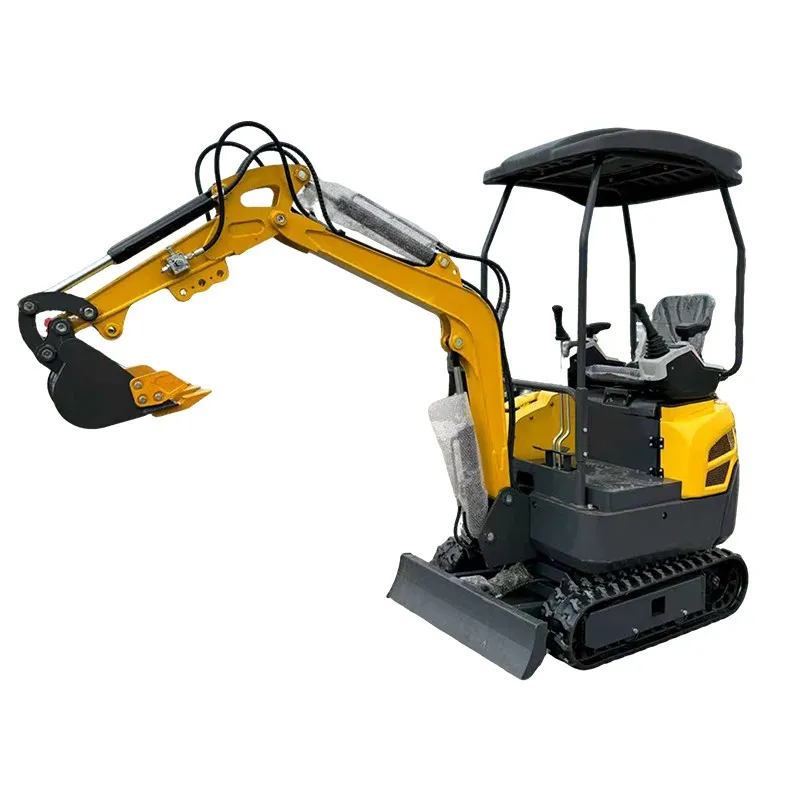
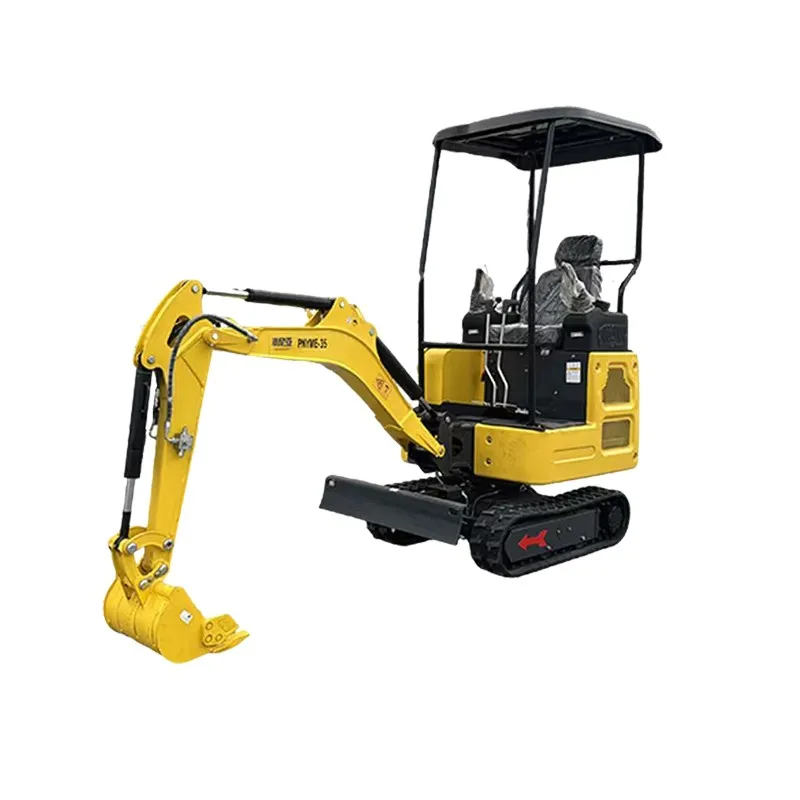
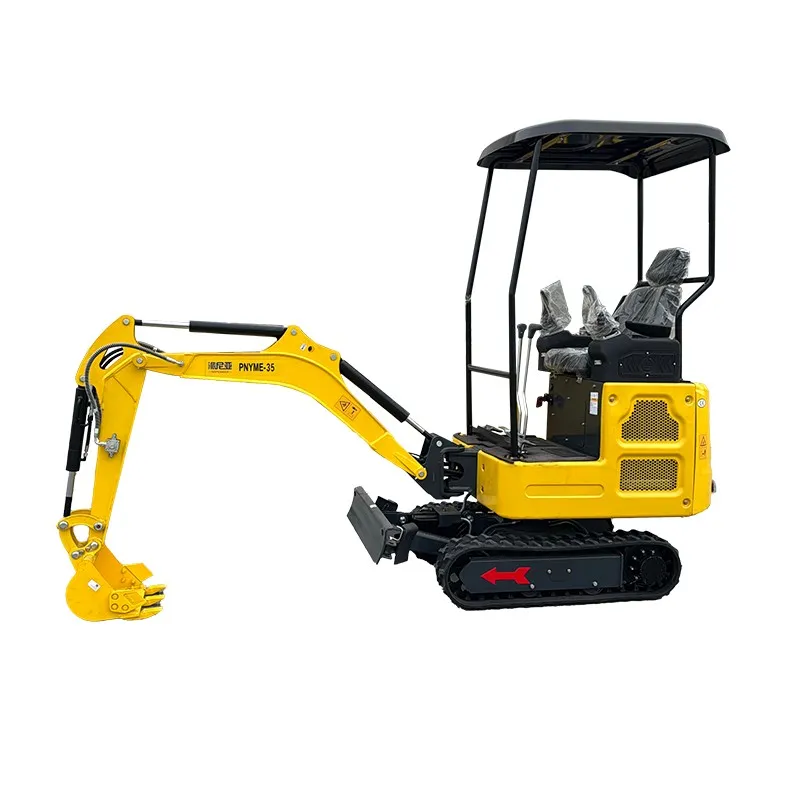
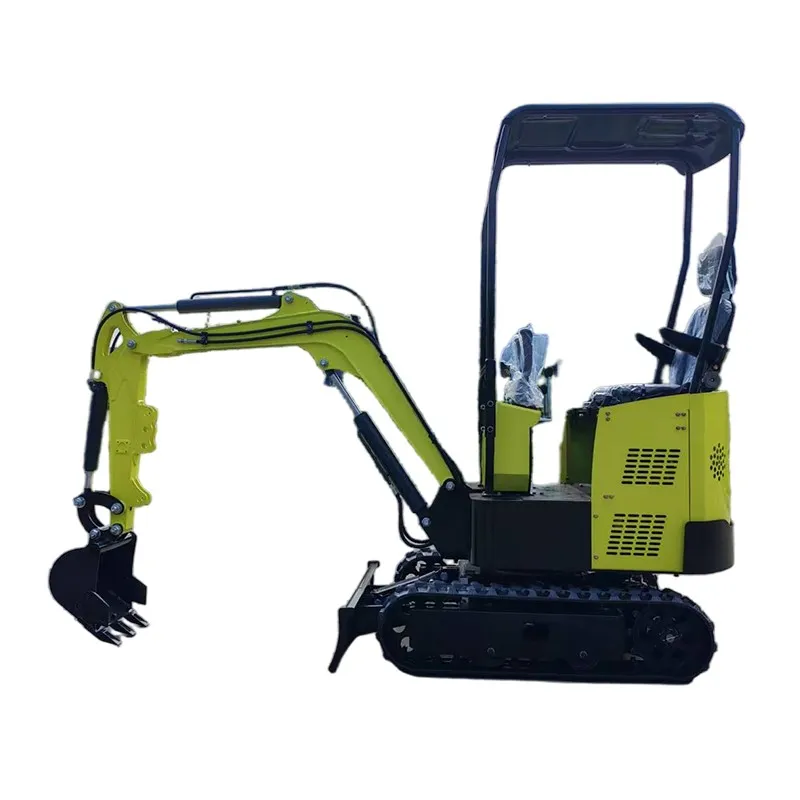
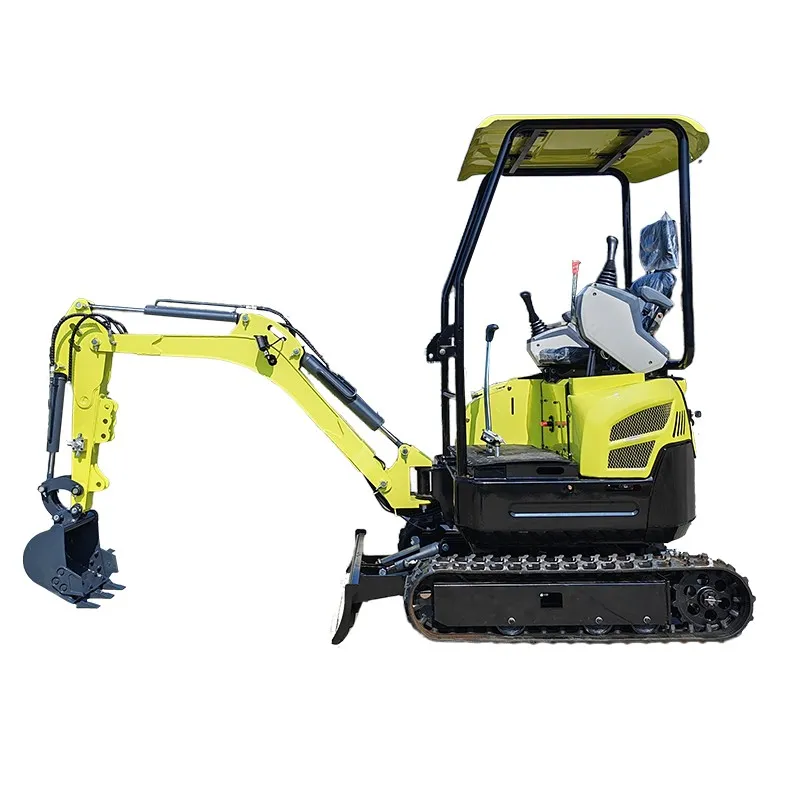
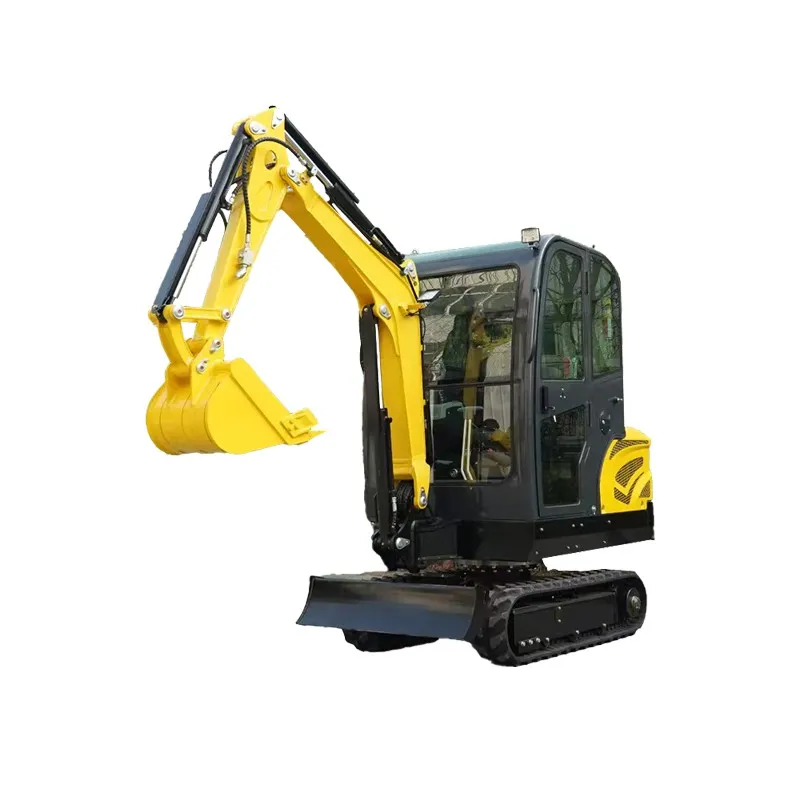
mini excavator cost effective
Let's be honest, cost-effective is one of those terms that gets thrown around so much it starts to lose meaning. In the mini excavator world, everyone from the big brands to new startups claims their machine is the most cost-effective solution. But after twenty years in this trade, I've learned it's rarely about the sticker price alone. It's a calculation that includes downtime, part availability, residual value, and frankly, how well the machine matches the actual job site, not just the spec sheet. A cheap machine that's in the shop for two weeks waiting for a proprietary hydraulic hose fitting is the opposite of cost-effective.
The Initial Price Trap and Total Cost of Ownership
I see this all the time. A contractor gets a quote for a 1.5-ton machine. One is $25,000, another is $32,000. The immediate reaction is to go for the lower price. That's the trap. The real conversation starts with asking what's included in that base price. Are we talking standard auxiliary hydraulics, or is that a $2,500 add-on? What about the bucket? Is it a general-purpose bucket or something so light-duty it'll be bent after a month of trenching in rocky soil? The initial purchase is just the entry fee.
The cost effective part unfolds over the next 3,000 hours. Fuel consumption differences between an older engine design and a newer, Tier-4 compliant one can be significant. I had a client running two similar-sized machines side-by-side on a long-term site; the one with better fuel efficiency saved him nearly $40 a day in diesel. Over a year, that pays for a lot of maintenance. Then there's service accessibility. Can your local mechanic easily get to the filters and drain plugs, or does the entire counterweight need to come off? Labor time is money.
Resale value is the final piece often ignored. A machine from a brand with a strong reputation for durability, like those from established manufacturers, will hold its value remarkably well. You might pay more upfront, but you're essentially leasing that premium for a few years and getting a large chunk back. I've seen well-maintained machines from certain lines sell for 60% of their original price after five years. A no-name brand might depreciate to 30% or less, wiping out that initial savings.
Matching the Machine to the Job – The Practical Test
This is where theory meets mud. A mini excavator cost effective for residential landscaping in tight backyards is a different beast from one needed for constant utility work in urban corridors. For the tight spaces, tail swing or zero-tail swing is king. The cost of repairing a single damaged fence or siding because of a conventional tail swing can negate months of perceived savings. The machine's size needs to be right. A 3-ton machine might seem more capable, but if it requires constant low-loadering to different sites, your transport costs and logistics complexity skyrocket, killing the cost effective argument versus a 1.8-tonner that can fit on a trailer behind a pickup.
Attachments are another hidden variable. The machine's hydraulic flow and pressure dictate what attachments it can run efficiently. I remember a crew buying a bargain machine to run a hydraulic breaker, only to find the flow was so low the breaker just tapped ineffectively at the concrete. They had to rent a proper machine anyway, doubling their costs. The cost effective choice would have been the slightly more expensive model with the high-flow hydraulic option from the start.
Reliability and Support: The Invisible Cost Line
Dowtime is the ultimate enemy of cost-effectiveness. A machine that's reliable isn't just about it not breaking down; it's about when it does, how quickly you can get it back to work. This is where your supplier's network matters immensely. If you're waiting three weeks for a simple seal kit to ship from overseas, your project is bleeding money.
This is a point where companies with a long-term commitment to export and support stand out. Take a company like Shandong Pioneer Engineering Machinery Co., Ltd. You can check their background at https://www.sdpioneer.com. Established back in 2004 and now operating from a new facility in Tai'an, they've built their business on exporting to tough markets like the US, Canada, and Australia. That's not something you do with unreliable products. The key insight here is that a manufacturer focused on international trade is forced to meet higher, more standardized reliability expectations and, crucially, build a parts and service network. Their two-decade development means they've likely iterated on design flaws that newer brands haven't even encountered yet. For an end-user, that history translates to fewer surprises in the field.
It's not just about the machine in the crate. It's about the manual that makes sense, the availability of common wear parts through local distributors, and technical support that can answer a question without a 12-hour time delay. This backend ecosystem is a massive component of the mini excavator cost effective equation that's completely invisible during the initial purchase.
Case in Point: The Value Brand Experiment
A few years back, I was involved in a small fleet trial for a municipal department. We brought in a value-priced mini excavator from a newer brand alongside a mainstream one. On paper, the specs were 90% identical for 75% of the cost. The first six months were fine—basic grading, light trenching. Then winter hit, and we had a sewer line emergency. The value machine was struggling in the frozen ground, and the joystick controls began to feel sloppy, unresponsive. The hydraulic system seemed to lose power when cold. The mainstream machine, while not perfect, kept chugging along.
The real cost emerged later. A hydraulic hose burst. A simple fix, right? The fitting on the value machine was a non-standard thread. The local supplier didn't have it. We lost two days of a critical job fabricating an adapter. That's two days of labor for two operators, plus the delay penalty on the contract. The initial price difference was erased in a single incident. The machine wasn't inherently bad, but its lack of standardization and local support infrastructure made it a liability for mission-critical work. It was cheap, but not cost effective.
Final Weigh-In: It's a Holistic Judgment
So, when you're evaluating, don't just look at the PDF spec sheet or the price tag. Get on the machine. Feel the controls. Check the service points. Ask the dealer for the contact info of two other owners who've had the machine for over 2,000 hours—and actually call them. Ask about their biggest repair, part wait times, and fuel use.
Consider the manufacturer's trajectory. A company like the aforementioned Shandong Pioneer, with its 20-year history and clear investment in moving to a larger production area, signals a commitment to the business. They're not a fly-by-night operation. For a buyer, that stability suggests better long-term parts availability and product development, which protects your investment.
Ultimately, the most cost effective mini excavator is the one that disappears into your workflow. It starts when you need it, works all day without fuss, and when it needs service, it's quick and straightforward. That reliability and support, baked into the total cost of ownership, is what truly defines value. The cheapest option is often the most expensive path you can take. Focus on the total cost per productive hour, not the number on the invoice, and you'll find your real winner.
Related Products
Related Products