- Chinese
- French
- German
- Portuguese
- Spanish
- Russian
- Japanese
- Korean
- Arabic
- Irish
- Greek
- Turkish
- Italian
- Danish
- Romanian
- Indonesian
- Czech
- Afrikaans
- Swedish
- Polish
- Basque
- Catalan
- Esperanto
- Hindi
- Lao
- Albanian
- Amharic
- Armenian
- Azerbaijani
- Belarusian
- Bengali
- Bosnian
- Bulgarian
- Cebuano
- Chichewa
- Corsican
- Croatian
- Dutch
- Estonian
- Filipino
- Finnish
- Frisian
- Galician
- Georgian
- Gujarati
- Haitian
- Hausa
- Hawaiian
- Hebrew
- Hmong
- Hungarian
- Icelandic
- Igbo
- Javanese
- Kannada
- Kazakh
- Khmer
- Kurdish
- Kyrgyz
- Latin
- Latvian
- Lithuanian
- Luxembou..
- Macedonian
- Malagasy
- Malay
- Malayalam
- Maltese
- Maori
- Marathi
- Mongolian
- Burmese
- Nepali
- Norwegian
- Pashto
- Persian
- Punjabi
- Serbian
- Sesotho
- Sinhala
- Slovak
- Slovenian
- Somali
- Samoan
- Scots Gaelic
- Shona
- Sindhi
- Sundanese
- Swahili
- Tajik
- Tamil
- Telugu
- Thai
- Ukrainian
- Urdu
- Uzbek
- Vietnamese
- Welsh
- Xhosa
- Yiddish
- Yoruba
- Zulu
- Kinyarwanda
- Tatar
- Oriya
- Turkmen
- Uyghur


mini excavator factory
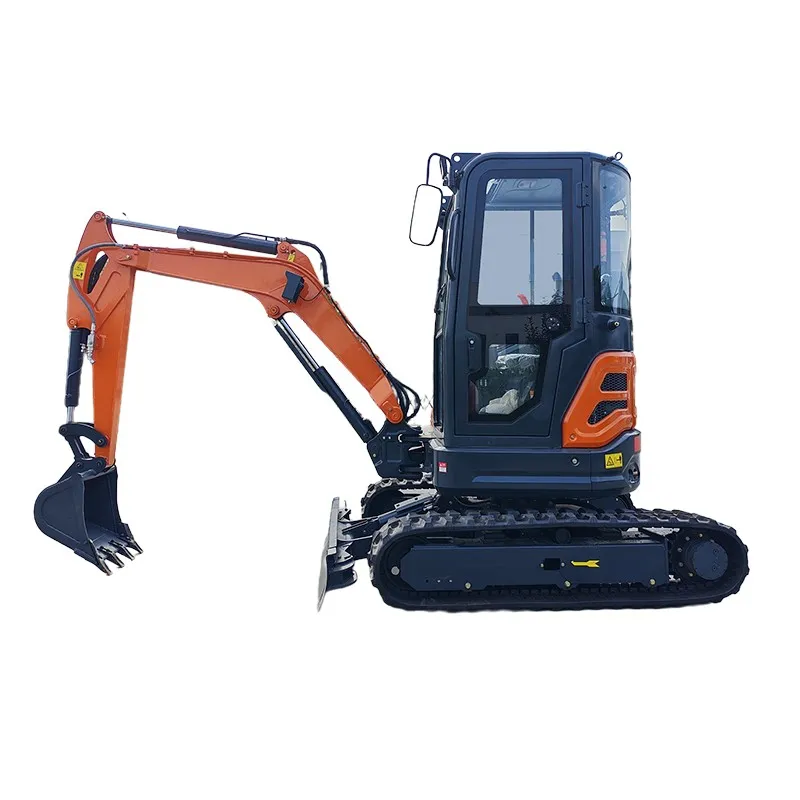
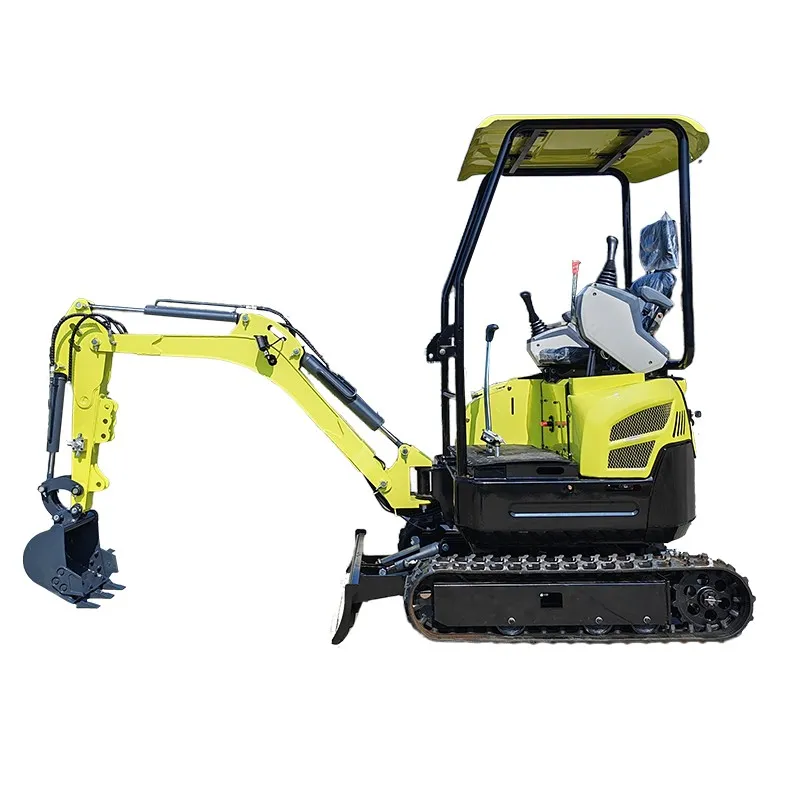
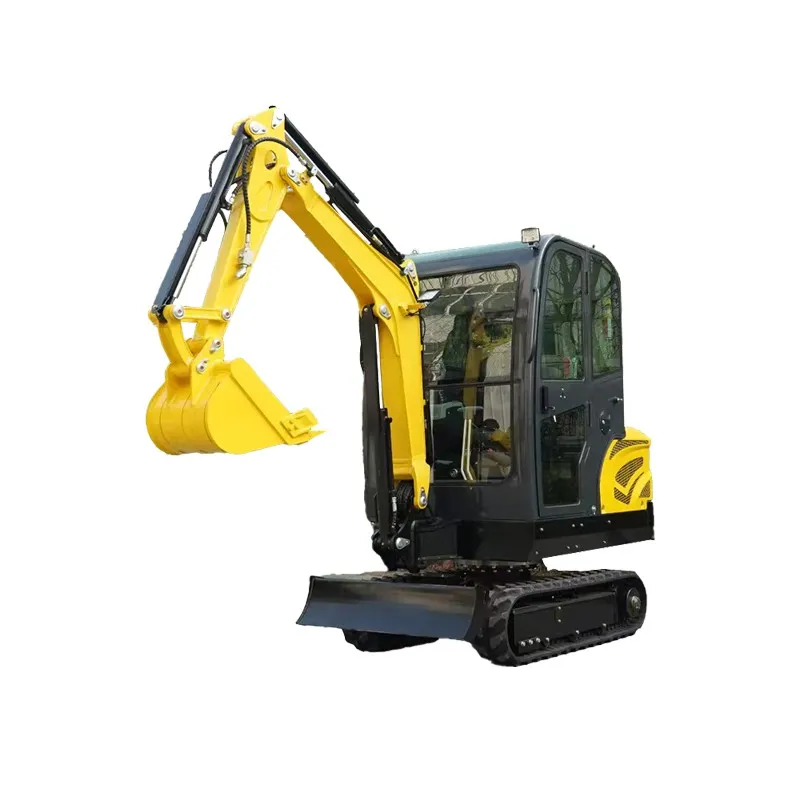
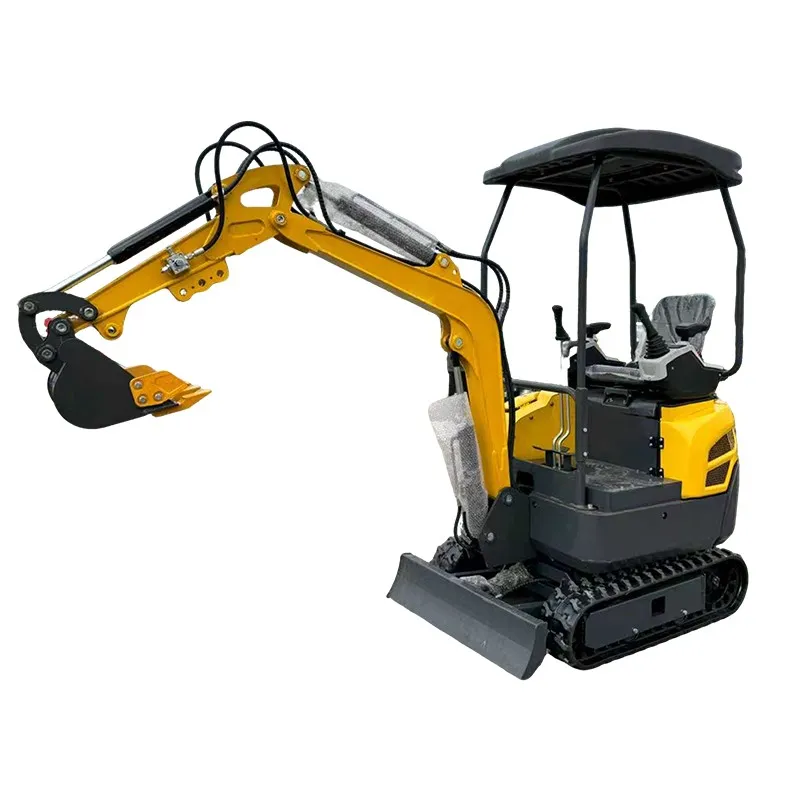
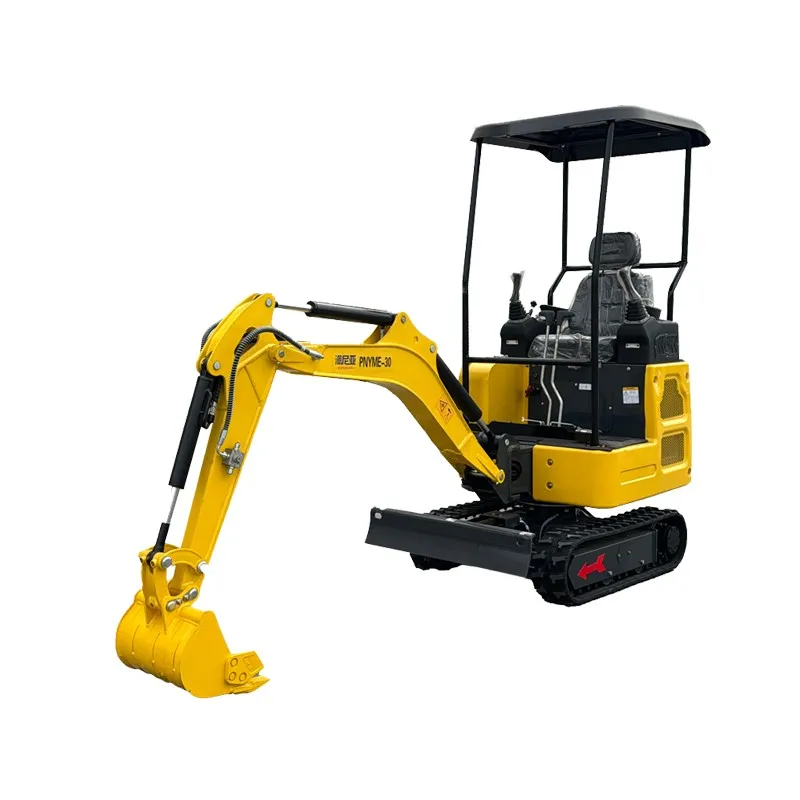
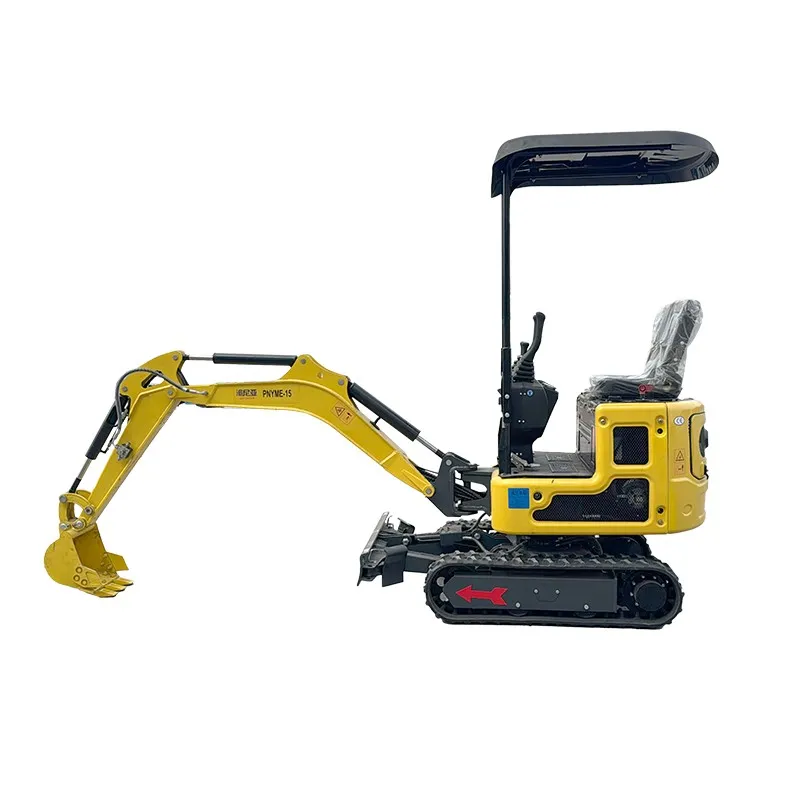
When people hear 'mini excavator factory', they often picture a massive, automated plant churning out hundreds of machines a day. That's a common misconception. In reality, especially for many operations in places like Shandong, it's more about precision in a compact space, managing supply chains, and a constant trade-off between standardization and customization. The factory floor tells a different story than the glossy brochure.
The Physical Footprint and What It Really Means
Take space, for instance. A 1,600 square meter production area sounds specific, and it is. That's not vast. It forces a layout where every workstation—from the welding bay for the main frame to the final assembly line and the testing pad—has to be meticulously planned. There's no room for redundant inventory piling up. You're building in a flow. When I visited the setup of Shandong Pioneer Engineering Machinery before their move, that efficiency was palpable. It wasn't about sheer size; it was about the movement of materials. The relocation to a new facility in Ningyang in 2023 likely came from hitting the limits of that optimized flow, needing more space for perhaps a wider model range or improved paint shop logistics.
This scale impacts everything. You're not ordering steel by the shipload. You're managing smaller, more frequent batches from local suppliers, which is a headache of its own. Quality control has to happen at every receiving dock, not just at the end of the line. A bad batch of hydraulic hoses can stop production for two days while you source replacements. It's these granular, unglamorous details that define the output of a functional mini excavator factory.
And the testing pad? Crucial. Every machine needs to run for a couple of hours under load. You're listening for pump whine, checking for hydraulic leaks at all joints, ensuring the slew ring rotates smoothly. It's not a robotic scan; it's an experienced tech with a checklist and a keen ear. That final circle of oil-stained concrete is where the product proves itself before crating.
The Export Game: Beyond Just Shipping a Product
Their structure—Shandong Hexin handling manufacturing and Shandong Pioneer handling overseas trade—is a classic and smart divide. It separates the internal production pressures from the external market-facing ones. As the trade arm, Pioneer's job isn't just to sell; it's to translate. Translating market regulations from Germany or Australia back into manufacturing specs for Hexin. Does the ROPS cabin need a different certification? Do the lights need to be repositioned for CE marking? A mini excavator for the US market might need different emission stickers and a slightly modified control pattern to match operator habits.
Trust from customers in the US, Canada, or Germany isn't won by being the cheapest. It's won by consistency and post-sales support. Can you supply the right spare parts, with clear diagrams, and get them to a port in Florida within a reliable timeframe? I've seen factories lose a long-term client over something as simple as consistently messing up the packaging of seal kits, leading to damaged parts on arrival. The trade company's reputation hinges on the factory's attention to these mundane details.
Their website, https://www.sdpioneer.com, becomes a critical tool here. It's not just a showcase. For a serious buyer, it's the first check for professionalism: Are the specs detailed and accurate? Are there clear contact paths for technical queries? Is there evidence of real-world use, not just studio shots? The site needs to reflect the factory's capability to build a reliable machine and the company's capability to support it globally.
Customization: The Double-Edged Sword
This is where many factories stumble. A buyer from Australia might want a heavier counterweight for a specific attachment, while a rental company in Canada requests a quick-coupler as standard. The factory line loves uniformity. Every custom request breaks that rhythm. You need to judge: do we modify a standard machine post-assembly, or do we integrate this into the main production run for the next batch? Each has cost and timeline implications.
We tried to be all things to all people once. Offered a huge menu of options—different track widths, auxiliary hydraulic circuits, specialized buckets. It bogged down production planning and inventory to a crawl. The lesson was to standardize the core platforms—maybe two or three base models—and offer a limited, pre-engineered set of attachments and modifications. This is what a mature mini excavator factory learns. It's about controlled flexibility. Shandong Pioneer's ability to serve diverse markets suggests they've likely found a similar balance, offering configurable options without derailing core production efficiency.
The real test is when a client asks for something truly odd, like a magnetic mount for a light bar or a non-standard paint color. Do you have a process to evaluate, price, and execute this without disrupting everything else? Having a small, agile engineering and prototyping cell off the main line is often the answer.
The Evolution Over Two Decades
Being established in 2004 means they've seen the entire evolution of the compact equipment market. They started when mini excavators were still relatively novel in many export markets. The learning curve from those early days is immense. Early models were often overbuilt in some areas (like chassis) and under-engineered in others (like the electrical system), based on feedback from the field. A company that survives 20 years has iteratively solved thousands of these small problems.
The 2023 relocation isn't just a change of address. It's a physical manifestation of that evolution. It represents capital reinvestment, a decision to scale or modernize. Perhaps it allowed for a new powder-coating line for better corrosion resistance, or a larger R&D area to test new hydraulic systems. This move signals a commitment to the next phase, which is as important to B2B clients as any sales pitch. It shows stability and growth ambition.
That longevity also builds a network. The trusted suppliers for castings, for hydraulic cylinders, for reliable diesel engines—these relationships are built over years and are a key asset. A new factory can buy machines, but it can't buy these tested supply chains overnight.
Final Musings on What Makes a Factory Good
So, what are you really looking at with a mini excavator factory like this? You're not just looking at welding robots (though they might have them). You're looking at a system. A system that can source a quality slew bearing, assemble it correctly into a house, mount it on a durable undercarriage, marry it to a reliable hydraulic system, and then wrap it in a serviceable structure. All while managing customs paperwork for export to Hamburg.
The trust and appreciation of customers worldwide they mention isn't marketing fluff if it's earned. It's earned when the machine arrives on a job site in Texas and starts digging without issues. It's earned when a replacement part request is understood and fulfilled correctly. The factory's job is to make that possible, consistently, machine after machine. It's a grind of process, quality checks, and incremental improvement.
In the end, the factory is the foundation. The trade company builds the house on top of it. For a buyer, the due diligence is in understanding both. The website, the specs, the communication—they all hint at the underlying system. A smooth export process usually indicates a disciplined factory behind it. And that's the connection that turns a manufacturing facility into a reliable global partner.
Related Products
Related Products