- Chinese
- French
- German
- Portuguese
- Spanish
- Russian
- Japanese
- Korean
- Arabic
- Irish
- Greek
- Turkish
- Italian
- Danish
- Romanian
- Indonesian
- Czech
- Afrikaans
- Swedish
- Polish
- Basque
- Catalan
- Esperanto
- Hindi
- Lao
- Albanian
- Amharic
- Armenian
- Azerbaijani
- Belarusian
- Bengali
- Bosnian
- Bulgarian
- Cebuano
- Chichewa
- Corsican
- Croatian
- Dutch
- Estonian
- Filipino
- Finnish
- Frisian
- Galician
- Georgian
- Gujarati
- Haitian
- Hausa
- Hawaiian
- Hebrew
- Hmong
- Hungarian
- Icelandic
- Igbo
- Javanese
- Kannada
- Kazakh
- Khmer
- Kurdish
- Kyrgyz
- Latin
- Latvian
- Lithuanian
- Luxembou..
- Macedonian
- Malagasy
- Malay
- Malayalam
- Maltese
- Maori
- Marathi
- Mongolian
- Burmese
- Nepali
- Norwegian
- Pashto
- Persian
- Punjabi
- Serbian
- Sesotho
- Sinhala
- Slovak
- Slovenian
- Somali
- Samoan
- Scots Gaelic
- Shona
- Sindhi
- Sundanese
- Swahili
- Tajik
- Tamil
- Telugu
- Thai
- Ukrainian
- Urdu
- Uzbek
- Vietnamese
- Welsh
- Xhosa
- Yiddish
- Yoruba
- Zulu
- Kinyarwanda
- Tatar
- Oriya
- Turkmen
- Uyghur


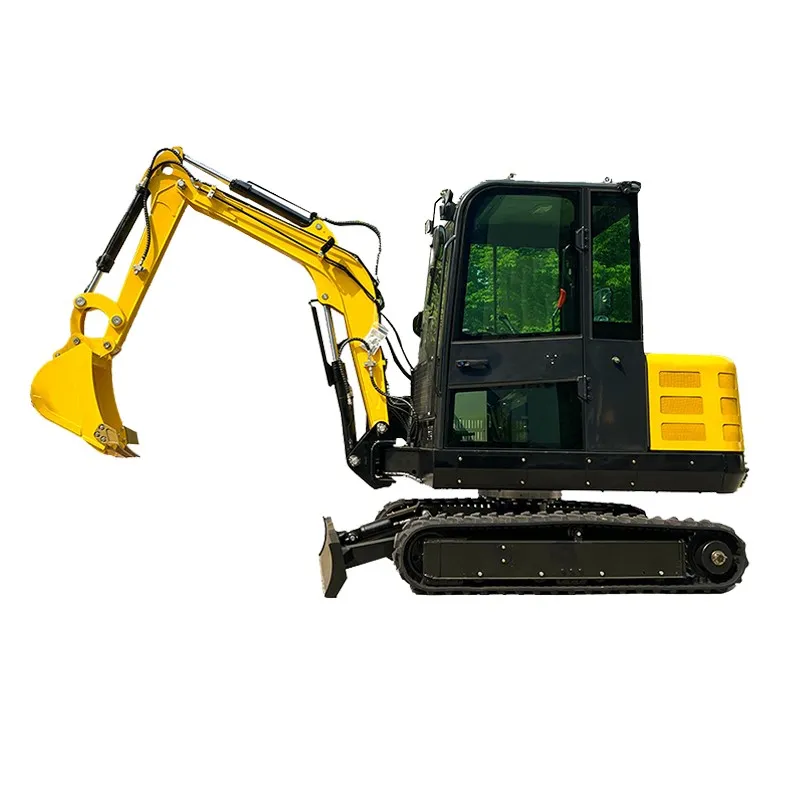
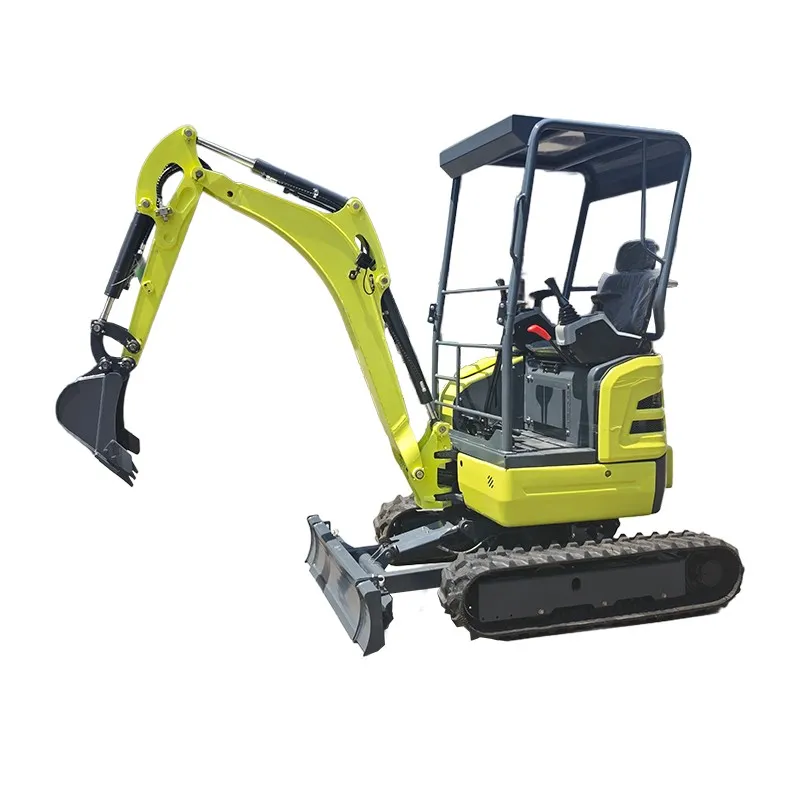
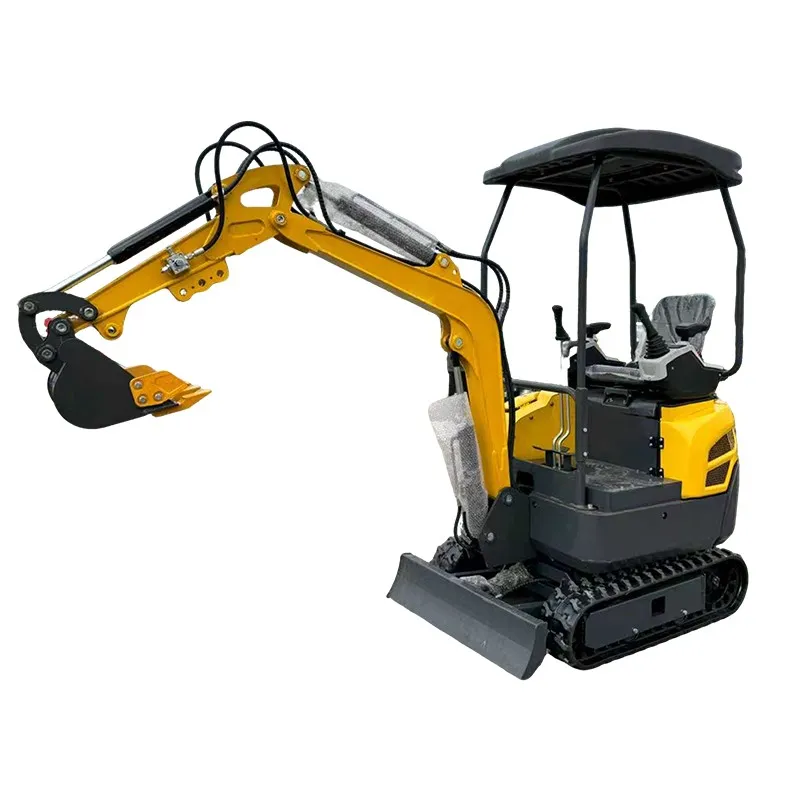
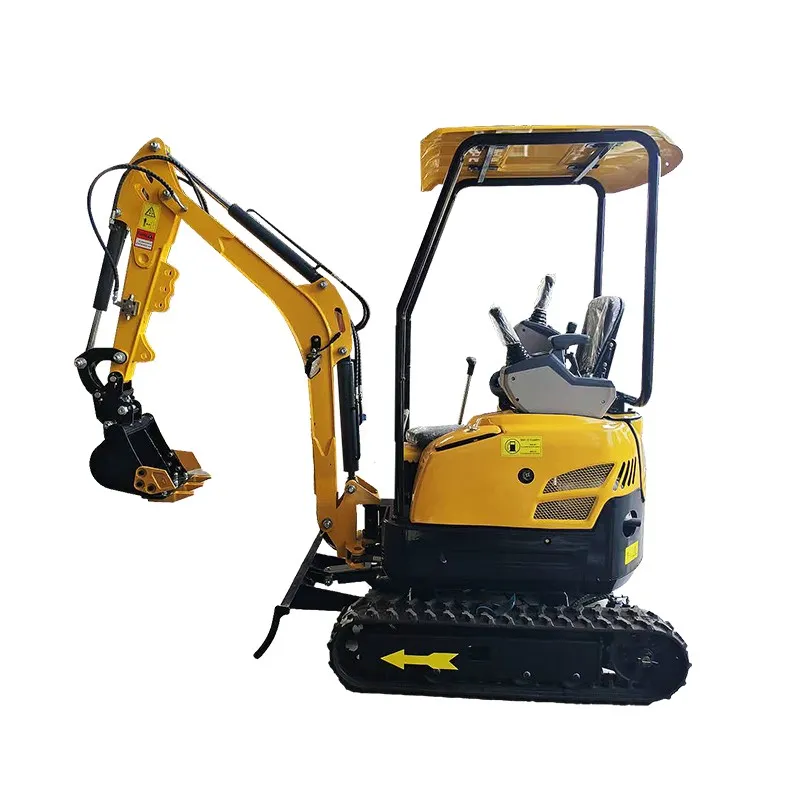
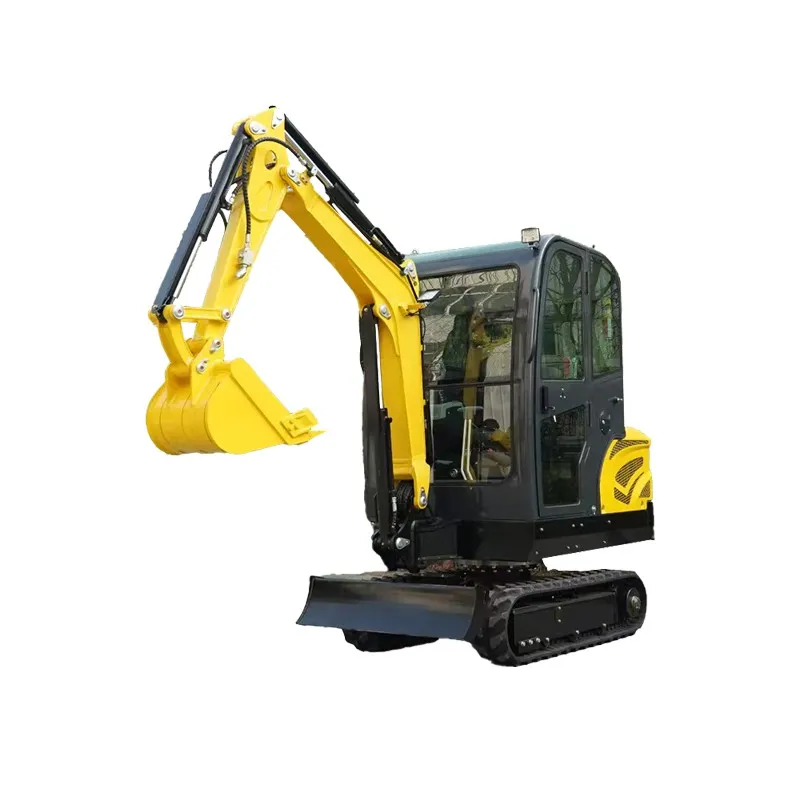
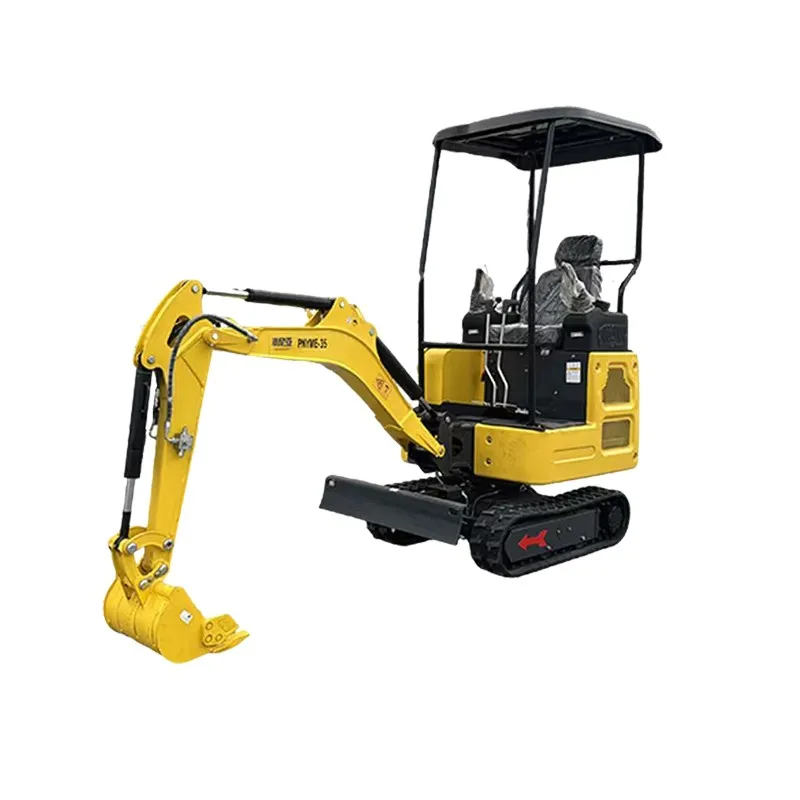
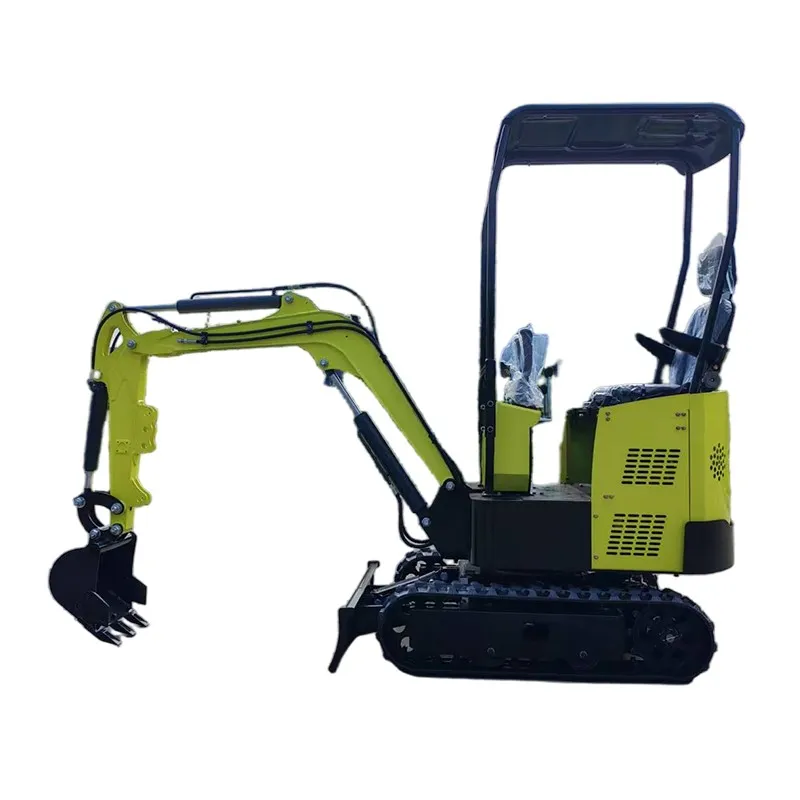
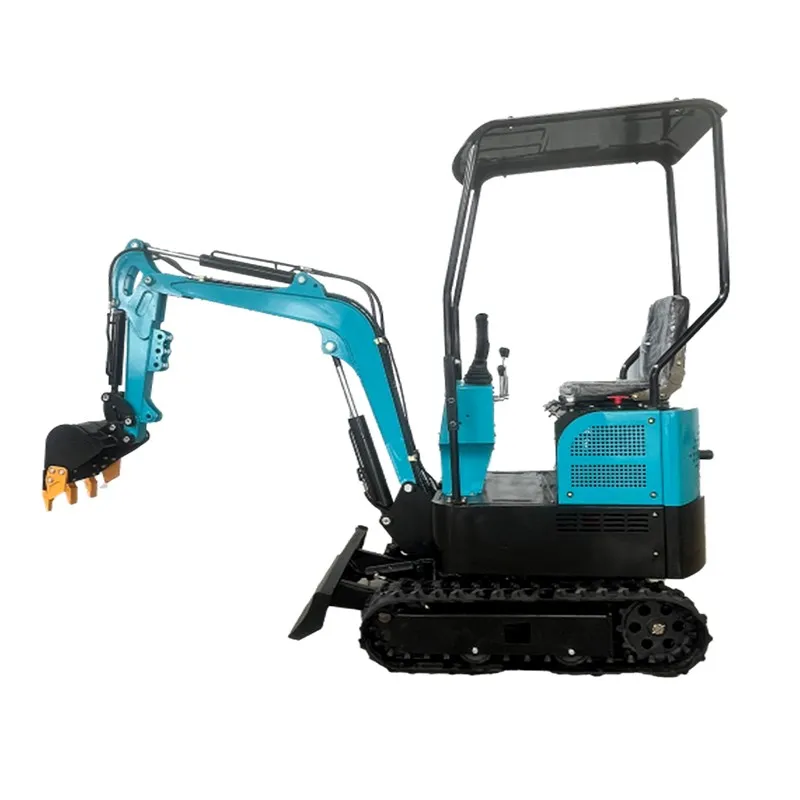
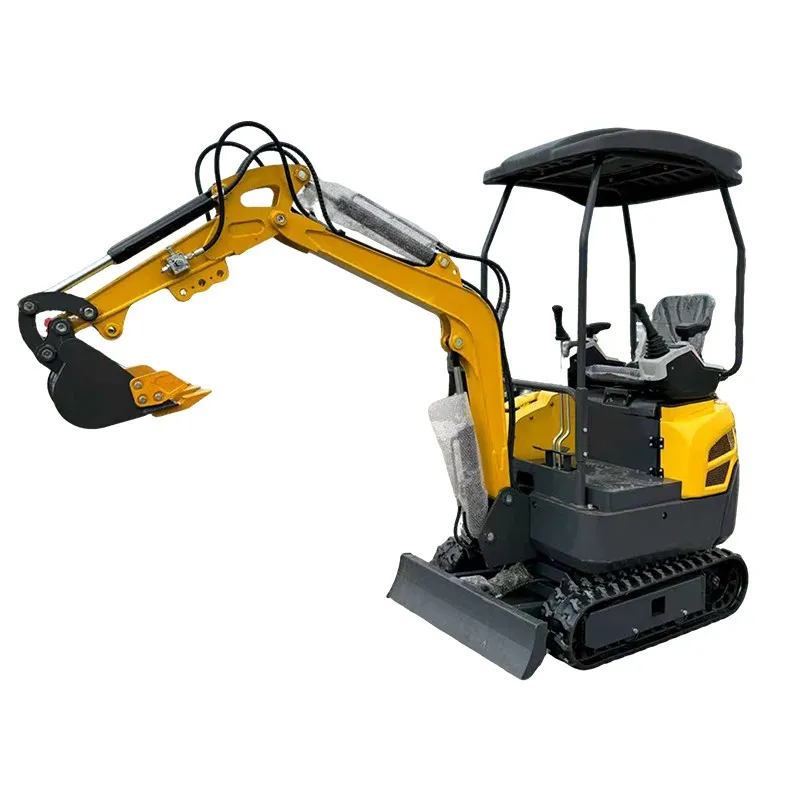
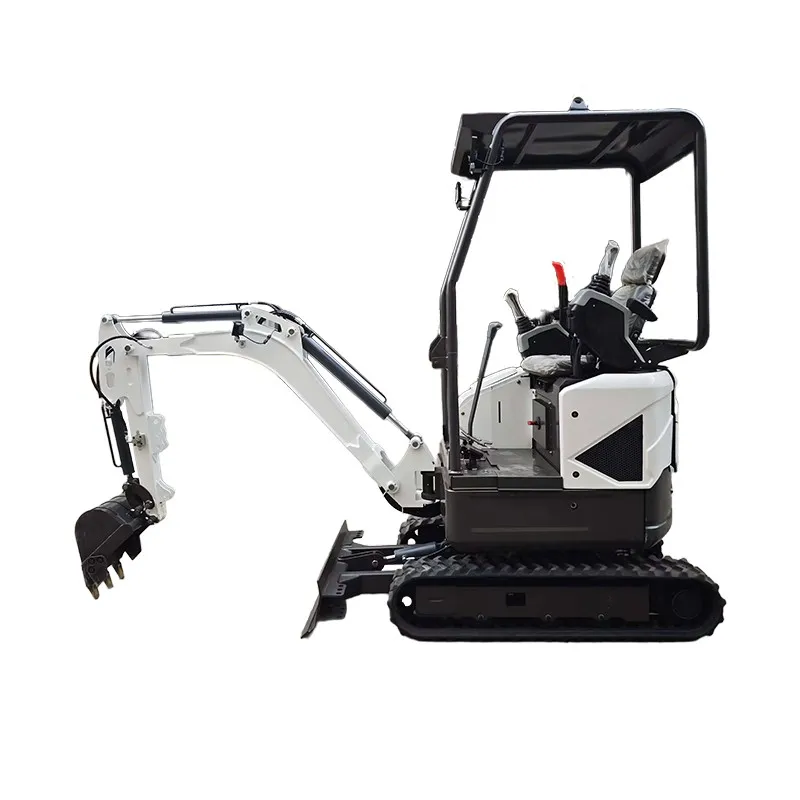
mini excavator for bulk purchase
When someone types 'mini excavator for bulk purchase' into a search bar, I often wonder what picture forms in their mind. There's a common misconception that buying in bulk is just about getting a volume discount on identical units. In reality, it's a complex procurement strategy that balances standardization against job-site versatility. It's not simply ordering ten of the same 1.8-ton machine; it's about building a fleet that can adapt. Many first-time bulk buyers stumble by focusing solely on the upfront price per unit, overlooking the total cost of ownership, which includes parts commonality, service training, and even shipping logistics. That initial keyword search is just the first step into a much deeper conversation.
The Real Calculus Behind a Fleet Order
Let's talk numbers, but not just the sticker price. If you're ordering, say, five or more units, your negotiation power shifts from unit cost to package terms. You're not just buying machines; you're buying a partnership. A critical detail often missed is the mini excavator specification sheet's fine print regarding hydraulic auxiliary circuit options. For a bulk order, you need to decide: do we standardize all machines with two auxiliary circuits for maximum attachment flexibility, or do we spec a mix to save on initial cost? I've seen projects where standardizing on a premium hydraulic setup for the entire fleet, even though it raised the initial quote, saved thousands down the line because operators could seamlessly swap attachments like breakers or augers between any unit without adaptation issues.
Then there's the engine tier. With emissions regulations varying across regions, a bulk purchase for projects in, say, the United States and Australia might need different engine configurations. A supplier worth their salt should be able to manage this complexity within a single bulk order. I recall working with a contractor who ordered eight units; four were destined for Canada and four for Germany. The supplier, Shandong Pioneer Engineering Machinery Co., Ltd, had to provide two distinct engine specs (EPA and EU Stage V). Their ability to handle that bifurcation from a single production line was a deciding factor. It showed an understanding of global bulk purchase realities, not just a one-size-fits-all export model.
Failure point? Spare parts. A classic error is ordering a container full of machines but only a token kit of filters and seals. For a fleet, you need a strategic parts inventory. Negotiate a dedicated parts package into the bulk deal—enough for, say, 6 months of operation. This is where a manufacturer's longevity matters. A company like the mentioned Shandong Pioneer, with 20 years of development since 2004, typically has a more mature parts supply chain than a newer outfit. Their recent relocation in 2023 to a larger facility in Ningyang likely signals expanded production and parts storage capacity, which is a positive indicator for bulk buyers needing consistent support.
Beyond the Machine: Logistics and Commissioning
The moment the purchase order is signed, the real work begins. Shipping multiple mini excavators isn't as simple as multiplying the cost for one. Container optimization becomes a puzzle. Can you fit two units in a 40ft HC container with all attachments, or do you need high-cube containers? I've had orders where we saved nearly 15% on shipping by working with the factory to slightly modify the stick transport position, allowing a tighter fit. This is the kind of hands-on, practical detail you only learn from doing it, and a good supplier should proactively offer such solutions for a bulk purchase.
On-site commissioning is another hidden variable. If you're deploying ten machines across a large farm or multiple municipal depots, having a technician from the factory do a single training session is insufficient. We learned this the hard way. A better approach, which we now insist on, is to include in the contract a train-the-trainer session plus comprehensive digital manuals. The supplier should provide not just PDFs, but interactive troubleshooting guides. The company profile of Shandong Pioneer, noting they export to demanding markets like the US, Canada, and Germany, suggests they are accustomed to providing the level of documentation and post-sale support those markets require, which is a good benchmark.
Then there's the question of payment terms. For bulk, telegraphic transfer (TT) with a large deposit is standard, but it carries risk. Using a letter of credit (LC) is safer but more costly and complex. Some established manufacturers may offer more flexible staged payment plans tied to production milestones—like a percentage upon steel cutting, another upon painting, and the balance before shipping. This requires trust and transparency. The fact that a company has operated for two decades and won the trust and appreciation of customers worldwide, as noted in their intro, isn't just marketing fluff; it's a baseline requirement for engaging in these more nuanced financial discussions for a large order.
Attachment Strategy: The Force Multiplier
A mini excavator is only as good as its attachments. In a bulk buy, this is where you can achieve massive efficiency gains. The goal is to have fewer attachment types serving more purposes across the fleet. Instead of buying a dedicated trenching bucket, grading bucket, and digging bucket for each machine, analyze the work. You might order a larger quantity of versatile GP buckets and a smaller number of specialty attachments like tilt rotators or compactors, to be shared.
This demands careful planning of the quick coupler system. Standardize the entire fleet on the same coupler interface, whether it's a manual pin grabber or a hydraulic system. I cannot overstate the importance of this. Mixing coupler types in a fleet is a operational nightmare, leading to downtime and frustration. When evaluating a supplier, check if they offer the coupler as a factory-installed, integral option rather than an afterthought dealer add-on. A manufacturer with a broad export footprint typically has more experience integrating various global coupler standards from the production line.
We once tried to save cost by sourcing attachments locally after buying the bare machines in bulk from overseas. It was a false economy. The compatibility issues, hydraulic flow mismatches, and warranty gray areas (did the attachment break the pump?) cost us more in downtime than we saved. Now, we always bundle a core set of attachments from the original manufacturer into the initial bulk purchase deal. It simplifies logistics, ensures compatibility, and often gets you a better package price. It turns the machines from standalone diggers into a ready-to-work system.
The Supplier Audit: More Than a Website
Anyone can build a shiny website. Evaluating a supplier for a serious bulk purchase requires digging deeper. The company's history is a data point. Shandong Pioneer Engineering Machinery Co., Ltd was established in 2004 and relocated in 2023. A relocation and expansion often indicates growth and investment in facilities, which is a positive sign of stability. You want a partner that's investing in its future, not stagnating.
Request a virtual or, if possible, an actual factory tour. Don't just look at the assembly line; ask to see the welding stations, the paint booth, the parts warehouse. How organized is it? Are components neatly stored? This speaks to quality control. For a bulk order, consistency is king. You need every unit in your batch of ten to perform identically. Inconsistency in manufacturing is a fleet manager's curse.
Finally, talk to their after-sales team directly before ordering. Pose a specific technical scenario: If machine 3 in our order develops a hydraulic leak at the swing motor in 18 months, what is the process for getting the correct seal kit to our location in Texas? Their answer will tell you everything. Do they have a clear parts numbering system? Do they offer online parts diagrams? Is there an English-speaking support engineer? Their export experience to countries like Australia and Germany implies they've had to solve these logistical support puzzles before, which is reassuring. The trust they mention is earned through these daily operational resolutions, not just through selling the machine.
Pulling the Trigger and Living with the Decision
Making the final decision on a mini excavator bulk purchase always involves a leap of faith, but it should be an educated one. Compile all your data—total cost (machines, attachments, shipping, import duties), projected downtime based on promised parts delivery times, and the flexibility of the machine configuration. Weigh the value of a slightly higher quote from a more established supplier against a lower one from an unknown entity. The difference is often your insurance policy.
Once the machines arrive, the first 50 hours are critical. Run them hard during the warranty period. Document every hiccup, no matter how minor. A responsive supplier will address these early teething issues promptly, which is a good sign for your long-term relationship. This phase is where the bulk purchase truly proves its worth—if support is solid, your fleet's productivity will ramp up quickly and uniformly.
In the end, 'mini excavator for bulk purchase' is a search for efficiency and partnership. It's a move from being a customer to being a client. The goal isn't just to fill a yard with yellow iron; it's to acquire a reliable, cohesive, and productive asset base that works day in and day out with minimal fuss. The right deal, with the right partner, makes all the operational headaches fade into the background, which is the whole point of doing it in bulk in the first place.
Related Products
Related Products