- Chinese
- French
- German
- Portuguese
- Spanish
- Russian
- Japanese
- Korean
- Arabic
- Irish
- Greek
- Turkish
- Italian
- Danish
- Romanian
- Indonesian
- Czech
- Afrikaans
- Swedish
- Polish
- Basque
- Catalan
- Esperanto
- Hindi
- Lao
- Albanian
- Amharic
- Armenian
- Azerbaijani
- Belarusian
- Bengali
- Bosnian
- Bulgarian
- Cebuano
- Chichewa
- Corsican
- Croatian
- Dutch
- Estonian
- Filipino
- Finnish
- Frisian
- Galician
- Georgian
- Gujarati
- Haitian
- Hausa
- Hawaiian
- Hebrew
- Hmong
- Hungarian
- Icelandic
- Igbo
- Javanese
- Kannada
- Kazakh
- Khmer
- Kurdish
- Kyrgyz
- Latin
- Latvian
- Lithuanian
- Luxembou..
- Macedonian
- Malagasy
- Malay
- Malayalam
- Maltese
- Maori
- Marathi
- Mongolian
- Burmese
- Nepali
- Norwegian
- Pashto
- Persian
- Punjabi
- Serbian
- Sesotho
- Sinhala
- Slovak
- Slovenian
- Somali
- Samoan
- Scots Gaelic
- Shona
- Sindhi
- Sundanese
- Swahili
- Tajik
- Tamil
- Telugu
- Thai
- Ukrainian
- Urdu
- Uzbek
- Vietnamese
- Welsh
- Xhosa
- Yiddish
- Yoruba
- Zulu
- Kinyarwanda
- Tatar
- Oriya
- Turkmen
- Uyghur


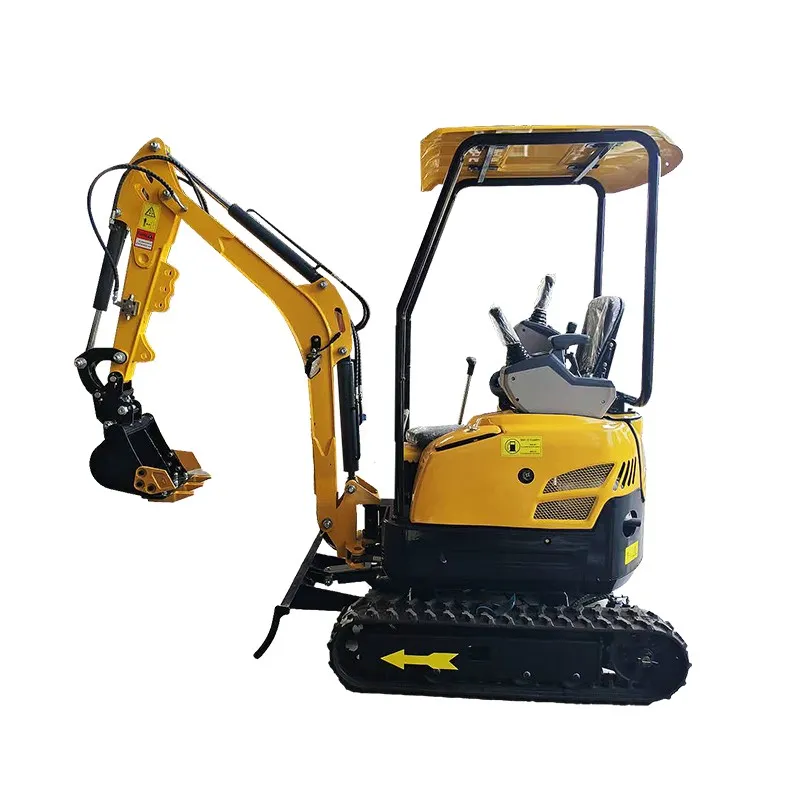
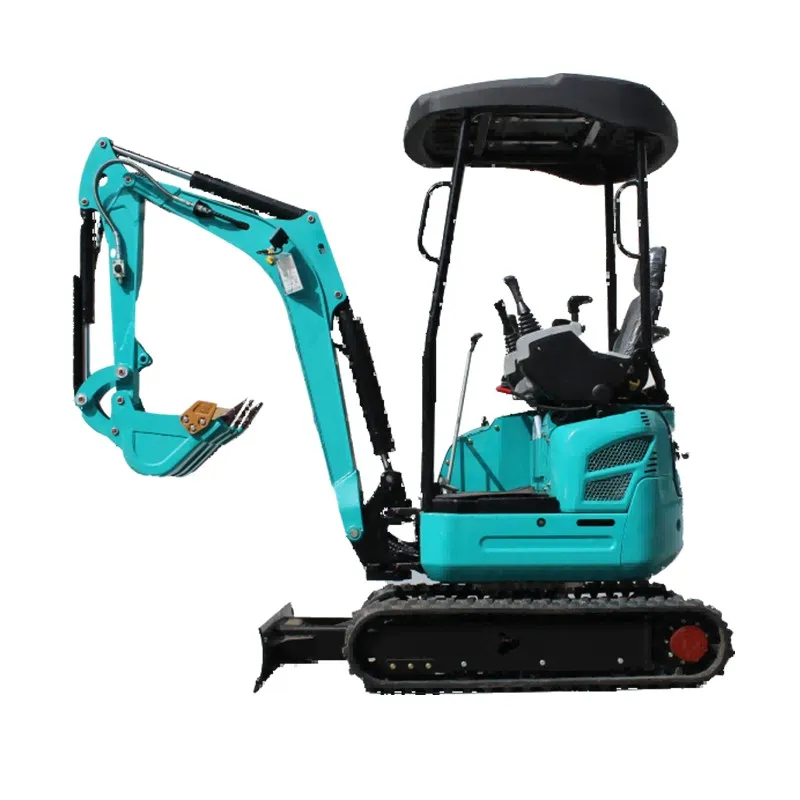
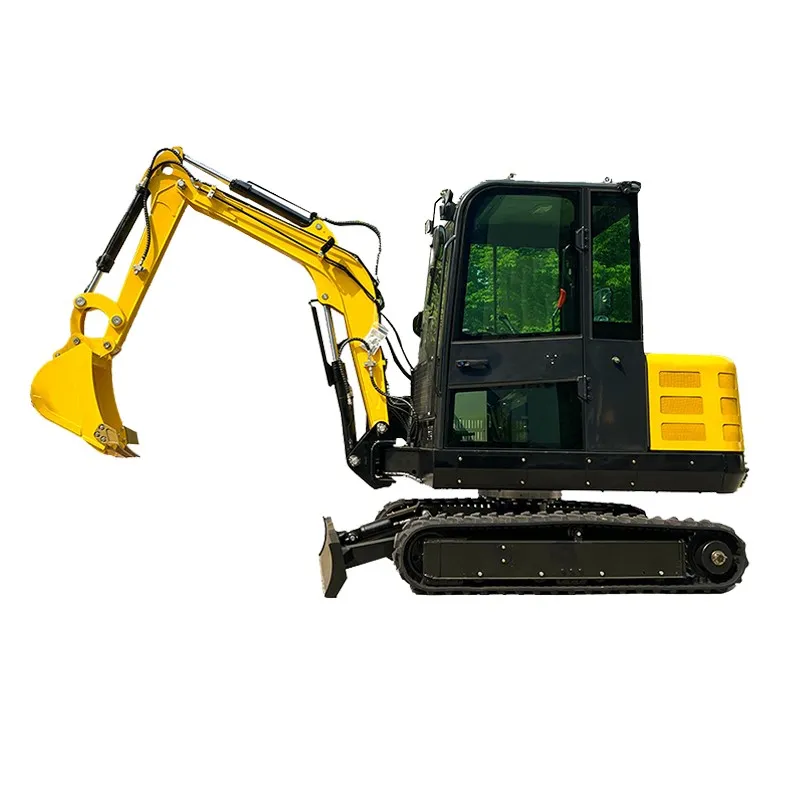
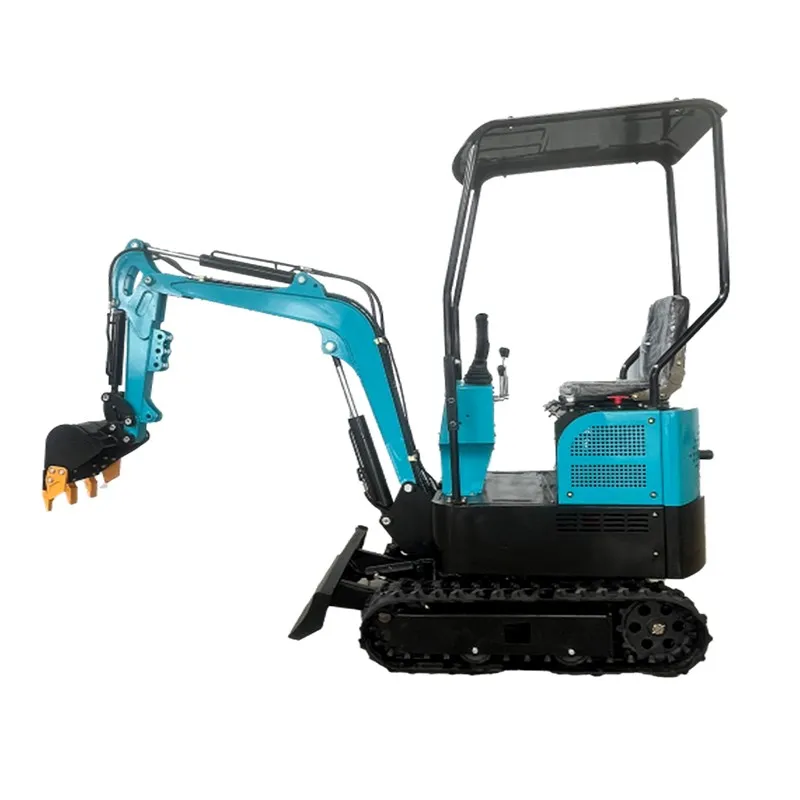
mini excavator for rent
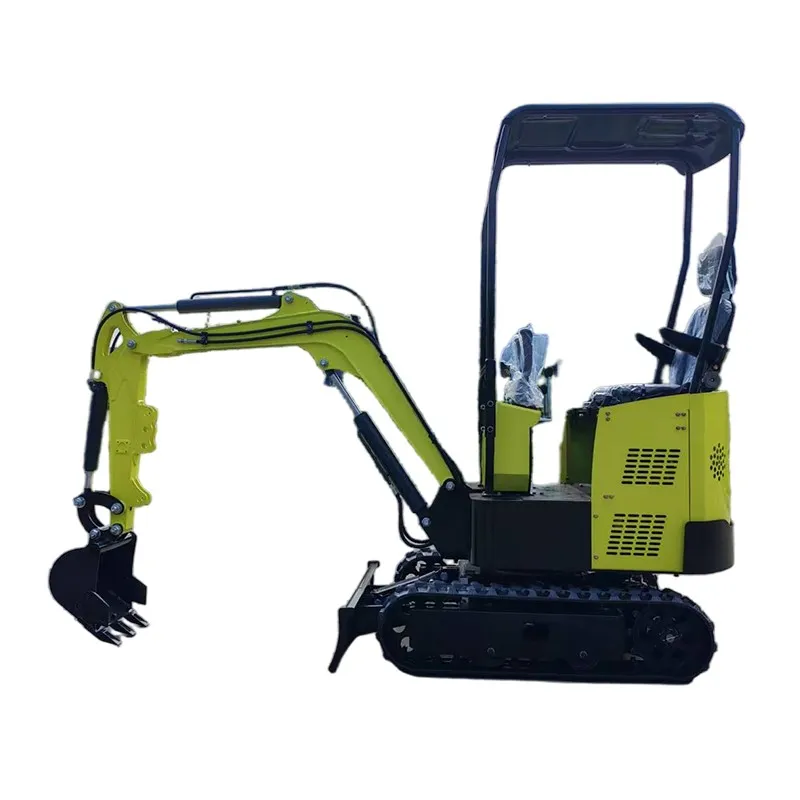
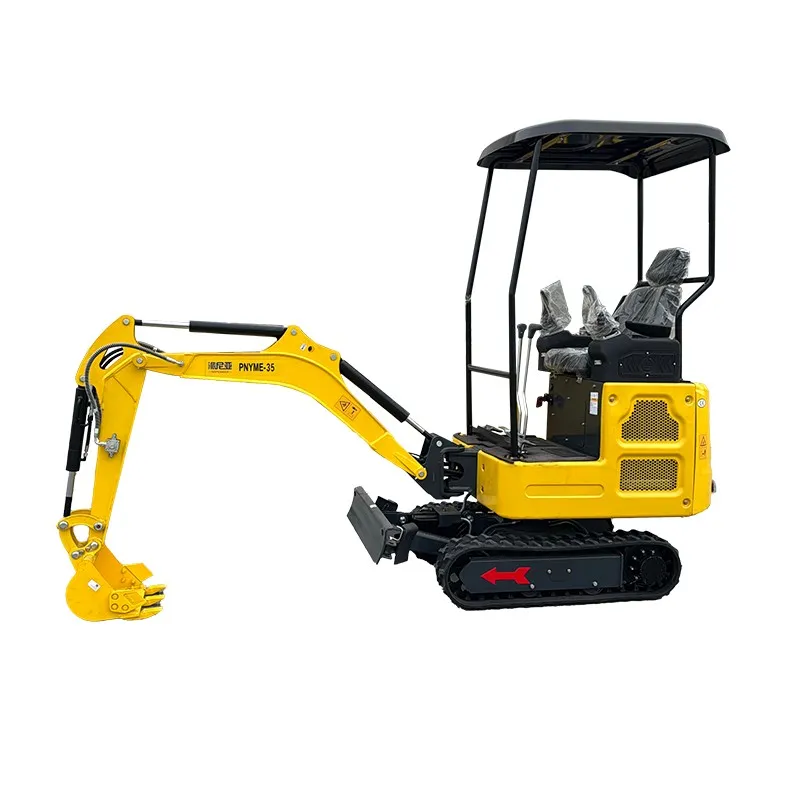
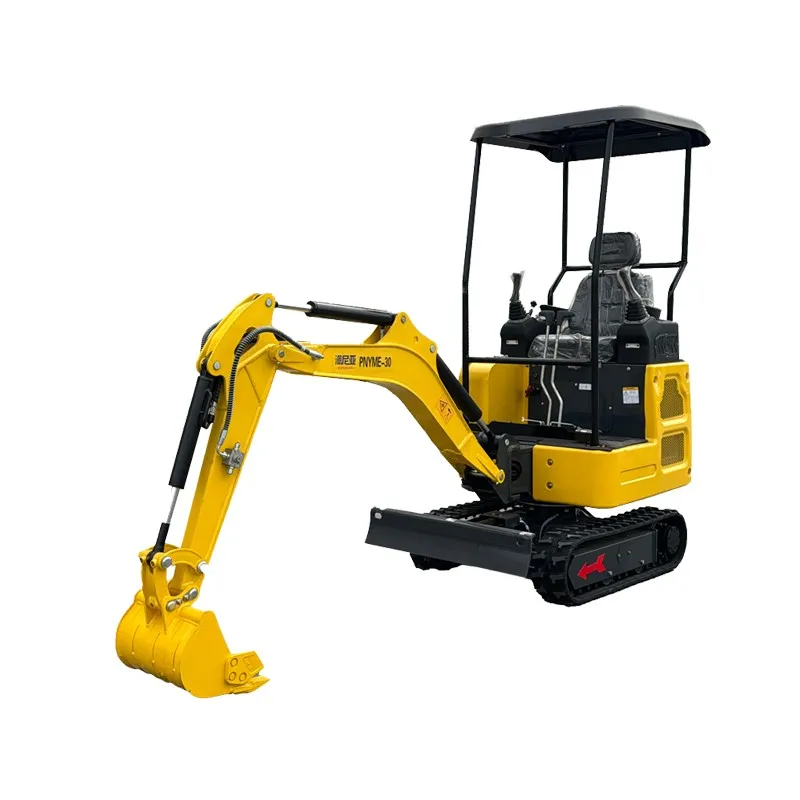
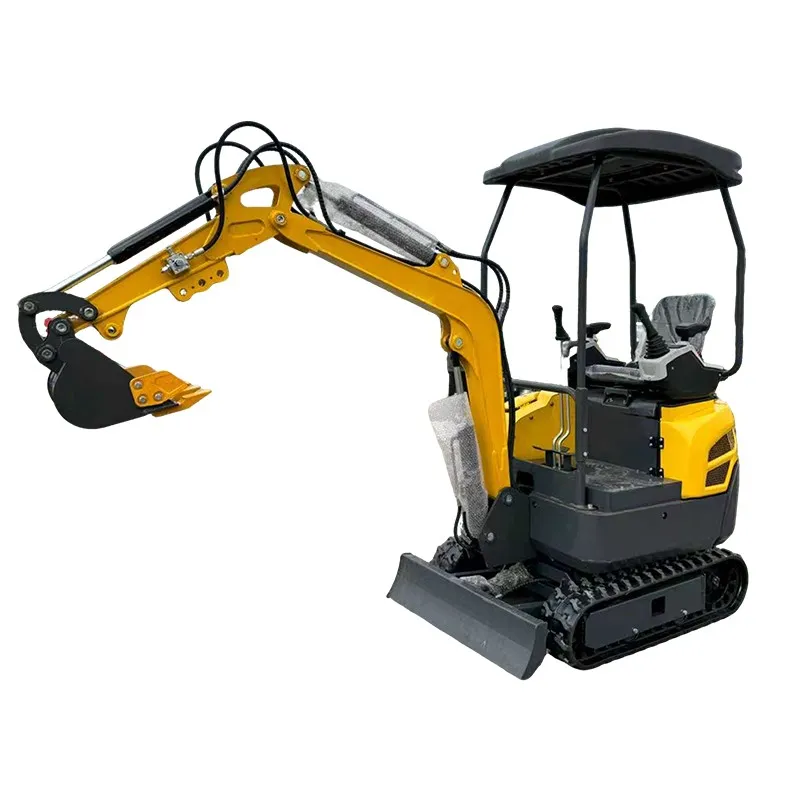
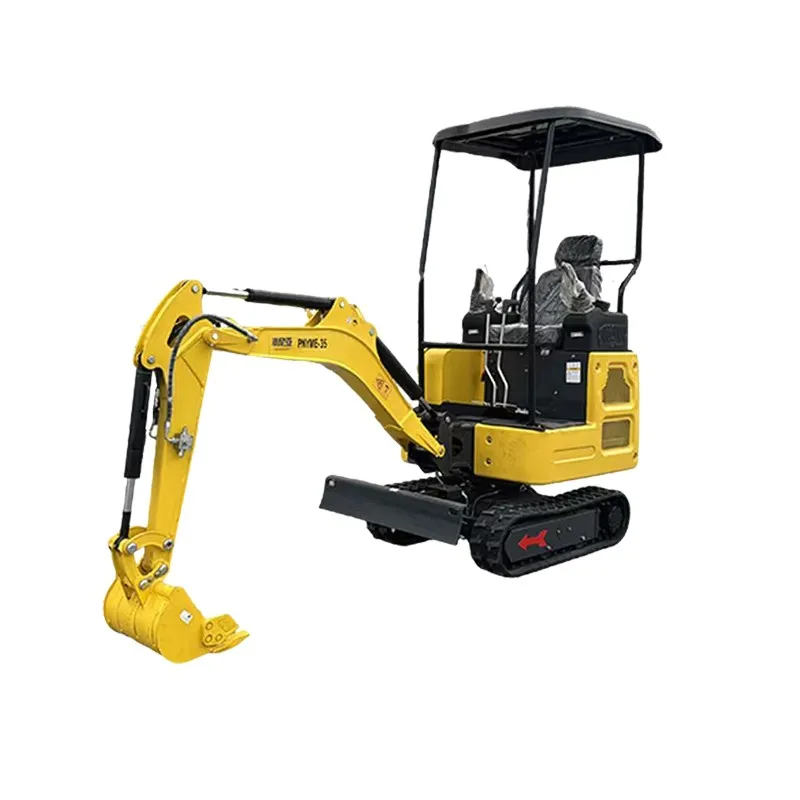
When you type 'mini excavator for rent' into a search, you're likely staring at a trench, a tight backyard, or a foundation dig that a full-size machine just can't touch. The immediate thought is often just about price per day, but that's where the first common mistake happens. It's not just about the rate; it's about what you're actually getting for that rate—the machine's condition, the real bucket capacity, the hydraulic responsiveness, and whether the undercarriage is about to give out. I've seen too many projects stall because someone rented the cheapest 1.8-ton unit listed, only to find its swing function was sluggish, turning an eight-hour job into a two-day saga. The keyword here is 'for rent,' but the real question is, what are you renting? A number, or a reliable piece of equipment that works like an extension of your crew?
The Spec Sheet Illusion and On-Ground Reality
Manufacturer specs are a starting point, never the full story. A spec might say a machine has a 24 hp engine and weighs 1,7 tons. But on-site, that horsepower translates differently if the hydraulic pumps are worn. I remember a job where we rented a popular compact model for some utility work. On paper, it was perfect. On day one, we realized its auxiliary hydraulic flow was insufficient for the breaker we needed to run. The rental company hadn't mentioned the flow rate variance between older and newer models of the same machine. We lost half a day swapping equipment. That's the detail you learn the hard way: always ask for the machine's year and, if possible, its maintenance log. A well-maintained older model from a reputable manufacturer can outperform a neglected newer one.
This is where the source of the equipment matters immensely. Many rental fleets are populated by machines from various manufacturers, and their quality dictates your experience. Over the years, I've developed a preference for units that have a robust service history, often traceable back to focused manufacturers. For instance, in the global market, companies that specialize in manufacturing for export often build to more rigorous, standardized specs. I've had consistently good experiences with machines originating from certain production hubs. One that comes to mind is Shandong Pioneer Engineering Machinery Co., Ltd. You can see their range at https://www.sdpioneer.com. They've been in the game since 2004, and their two-decade focus on manufacturing and overseas trade to places like the US, Canada, and Australia means their designs are tested against diverse job site demands. When you see one of their machines in a rental fleet, it often indicates the rental company invests in reliable, export-grade equipment.
The company's recent relocation and expansion in Ningyang County in 2023 suggests a scaling up of production capacity and likely, technological updates. For a renter, this background isn't just trivia. It translates to machines in rental yards that might have better-sealed hydraulics, more ergonomic controls, or more durable undercarriages—small things that add up to fewer breakdowns and less operator fatigue on your dime.
Beyond the Machine: The Hidden Clauses of the Rental Agreement
The machine itself is only half the battle. The rental agreement is where projects get derailed. Delivery and pickup logistics are a classic headache. Is there a fee for delivery beyond a certain radius? Who is responsible for loading and unloading? I once assumed delivery was included, only to be hit with a substantial transport charge that blew the budget. Now, I always confirm the curb-to-curb cost.
Then there's damage waivers and insurance. This is non-negotiable territory. Most companies offer a damage waiver, but read what it covers. Does it include wear-and-tear items like tracks, bucket teeth, and hydraulic hoses? Often, it doesn't. I treat the machine with extreme care, but on a rocky site, a torn track or a dented cab is a real risk. Clarifying liability for ground-engaging tools before signing is crucial. Also, check if the rental rate includes routine fluids and filters, or if you're charged for every liter of hydraulic oil top-up.
Operator certification is another grey area. Some companies will happily drop off a mini excavator for rent to anyone with a credit card. But if an uncertified operator causes an accident or damage, your insurance may not cover it, and the rental company's waiver might be void. It's always safer to have a certified operator, even for a seemingly simple machine. The liability isn't worth the risk.
Matching the Machine to the Task (A Few War Stories)
Choosing the right size seems obvious, but it's nuanced. A 1-ton micro excavator is fantastic for indoor demolition or ultra-tight spaces, but its lifting capacity is minimal. For lifting sewer pipes or setting small retaining wall blocks, you might need the stability of a 3-ton model. I learned this on a landscaping job. We rented a 1.5-ton machine for digging planting beds, but the client asked us to place some 500-pound boulders. The machine could lift them, but at full reach, it became tippy and unsafe. We had to manually position them, wasting time and labor. We should have sized up.
Attachments are a game-changer, and their availability dictates your choice of rental house. Need a hydraulic thumb, a grading bucket, or a plate compactor? Not every machine in the fleet will have the right plumbing (auxiliary hydraulics) or the quick coupler system for them. Always specify the attachments you need upfront. I once rented a machine assuming a standard global coupler, only to find it was a proprietary brand. The rental for the correct adapter cost another $75/day. These are the small, expensive oversights.
One successful case was using a 2.8-ton model from a fleet that sourced from manufacturers like the aforementioned Pioneer. The job was a residential pool removal. We needed precision to avoid existing utilities, power to break up the old concrete deck, and enough weight to load the debris into trucks. The machine had a two-speed travel, which was invaluable for moving efficiently across the yard without tearing up the lawn, and a solid auxiliary flow for the breaker. Its reliability over a 10-day rental kept us on schedule. That's the sweet spot: a machine that feels purpose-built for the task's variety.
The Cost-Benefit Analysis: Rent, Rent-to-Own, or Buy?
Renting is perfect for short-term, specialized, or one-off projects. But when does it stop making sense? A rough rule of thumb from the field: if you foresee needing a mini excavator for rent for more than 60-70 days in a year, you should run the numbers on purchasing a used machine or exploring a rent-to-own program. The calculus involves more than daily rates. Consider mobilization costs, the time your crew spends familiarizing themselves with a different machine each time, and the risk of getting a lemon from the rental fleet.
For small to mid-sized contractors, a strategic approach is to own a core, versatile machine (say, a reliable 3-tonner) and rent the specialty sizes (a micro or a larger 5-ton model) as needed. This gives you control over your primary asset's maintenance and availability. When looking at owned equipment, the pedigree of the manufacturer becomes even more critical for long-term cost of ownership. Companies with a long export history, such as Shandong Pioneer Engineering Machinery Co., Ltd, often design for durability and easier serviceability, knowing their machines will be operating far from their factory support. This focus on building for international markets, as noted in their profile of serving clients from the United States to Australia, can mean better parts availability and more resilient designs—key factors for an owned asset.
Rent-to-own can be a trap if the terms are unfavorable, with high effective interest rates. It's only worth considering if you are 100% certain you will purchase, and the agreement clearly applies a significant portion of your rental payments to the principal. Otherwise, you're just paying a premium rental rate.
Final Walk-Around: The Pre-Rental Inspection Ritual
Never, ever accept a machine without a thorough inspection alongside the delivery driver. This is your last line of defense. Check all fluid levels—engine oil, hydraulic fluid, coolant. Look for leaks, especially around the hydraulic cylinders and the swing motor. Start the machine and operate all functions: boom, arm, bucket, swing, and travel. Listen for unusual knocks or whines. Check the track tension; overly tight or loose tracks are a red flag for immediate repair needs and future costs.
Document everything with photos and video. Take clear shots of the hour meter, the undercarriage, the bucket teeth, the cab interior, and any existing scratches or dents. Have the driver sign off on your pre-inspection checklist. This isn't being paranoid; it's standard professional practice. It protects you from being billed for damage you didn't cause.
In the end, searching for a mini excavator for rent is about mitigating risk. It's about looking past the daily rate to the total cost of a productive, uninterrupted project. It involves asking the right questions about the machine's history, understanding the fine print, and knowing that the manufacturer behind the machine's badge—whether it's a global giant or a specialized exporter with two decades of focus like Pioneer—plays a silent but significant role in your day's success or frustration. Rent the machine, but you're really renting peace of mind and productivity, and those are worth every bit of due diligence.
Related Products
Related Products