- Chinese
- French
- German
- Portuguese
- Spanish
- Russian
- Japanese
- Korean
- Arabic
- Irish
- Greek
- Turkish
- Italian
- Danish
- Romanian
- Indonesian
- Czech
- Afrikaans
- Swedish
- Polish
- Basque
- Catalan
- Esperanto
- Hindi
- Lao
- Albanian
- Amharic
- Armenian
- Azerbaijani
- Belarusian
- Bengali
- Bosnian
- Bulgarian
- Cebuano
- Chichewa
- Corsican
- Croatian
- Dutch
- Estonian
- Filipino
- Finnish
- Frisian
- Galician
- Georgian
- Gujarati
- Haitian
- Hausa
- Hawaiian
- Hebrew
- Hmong
- Hungarian
- Icelandic
- Igbo
- Javanese
- Kannada
- Kazakh
- Khmer
- Kurdish
- Kyrgyz
- Latin
- Latvian
- Lithuanian
- Luxembou..
- Macedonian
- Malagasy
- Malay
- Malayalam
- Maltese
- Maori
- Marathi
- Mongolian
- Burmese
- Nepali
- Norwegian
- Pashto
- Persian
- Punjabi
- Serbian
- Sesotho
- Sinhala
- Slovak
- Slovenian
- Somali
- Samoan
- Scots Gaelic
- Shona
- Sindhi
- Sundanese
- Swahili
- Tajik
- Tamil
- Telugu
- Thai
- Ukrainian
- Urdu
- Uzbek
- Vietnamese
- Welsh
- Xhosa
- Yiddish
- Yoruba
- Zulu
- Kinyarwanda
- Tatar
- Oriya
- Turkmen
- Uyghur


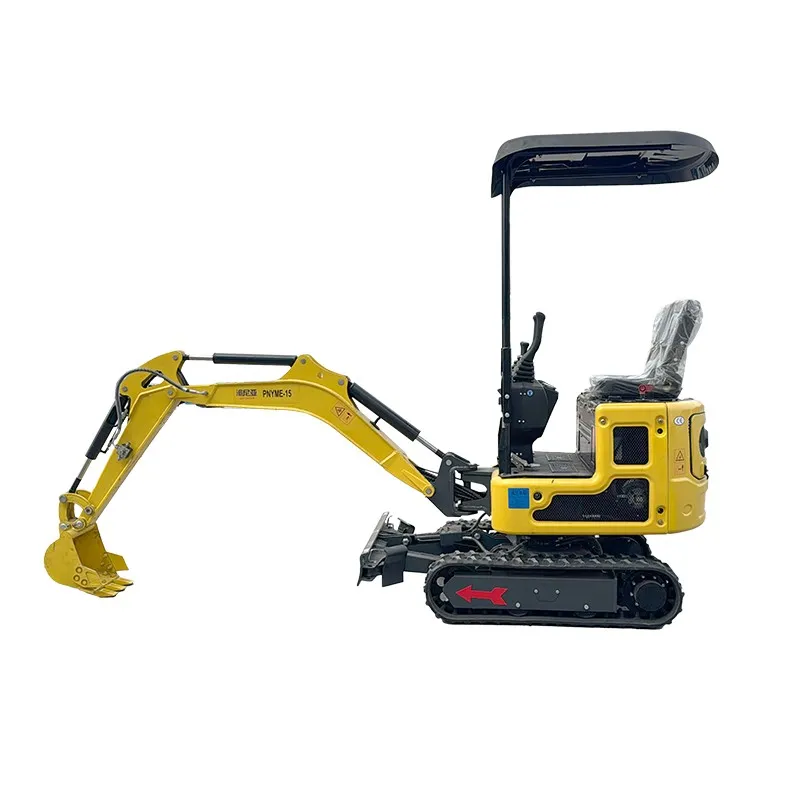
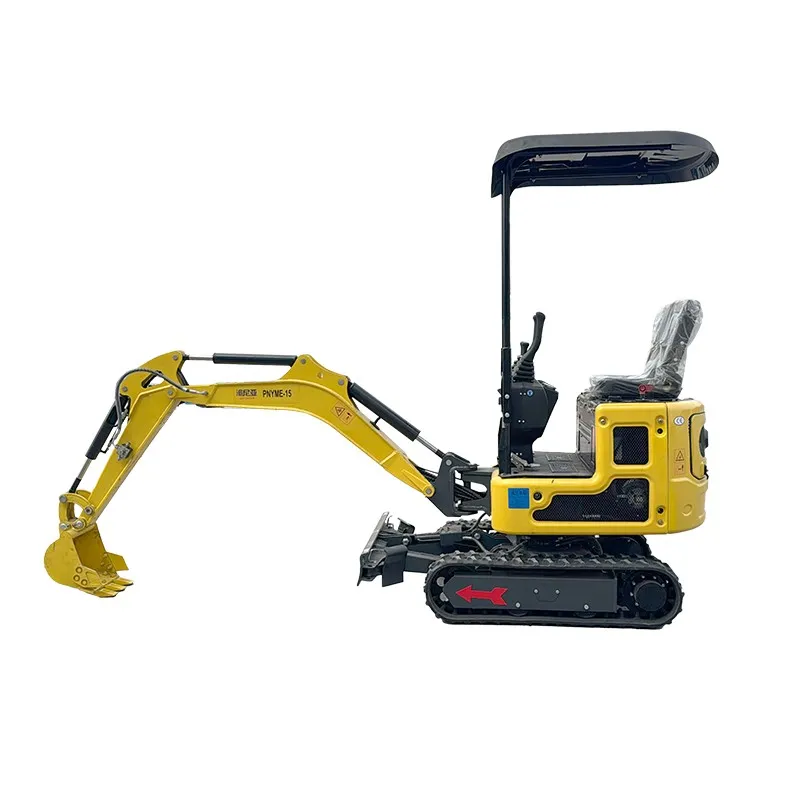
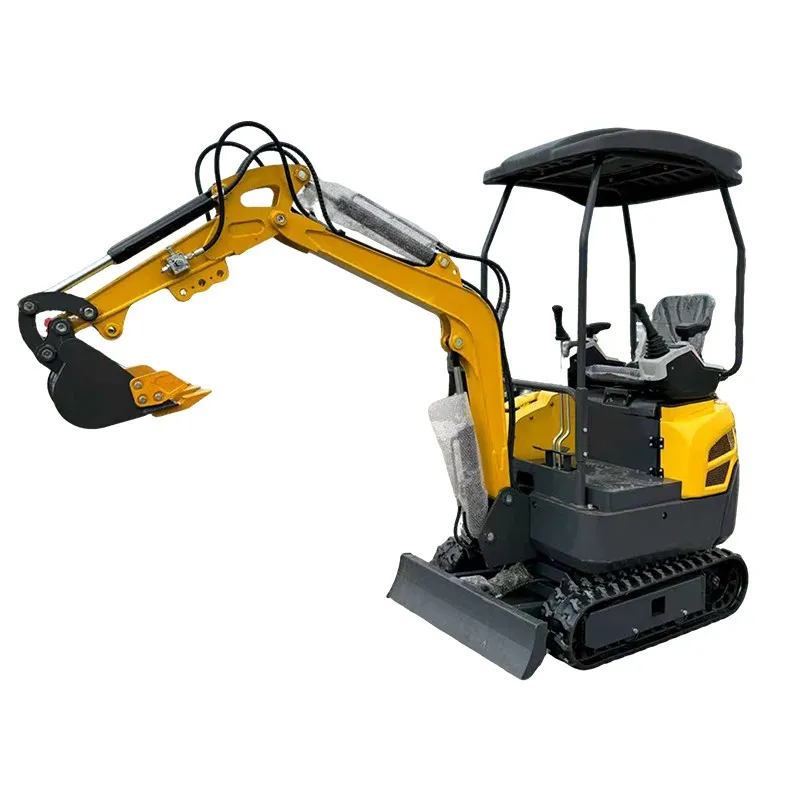
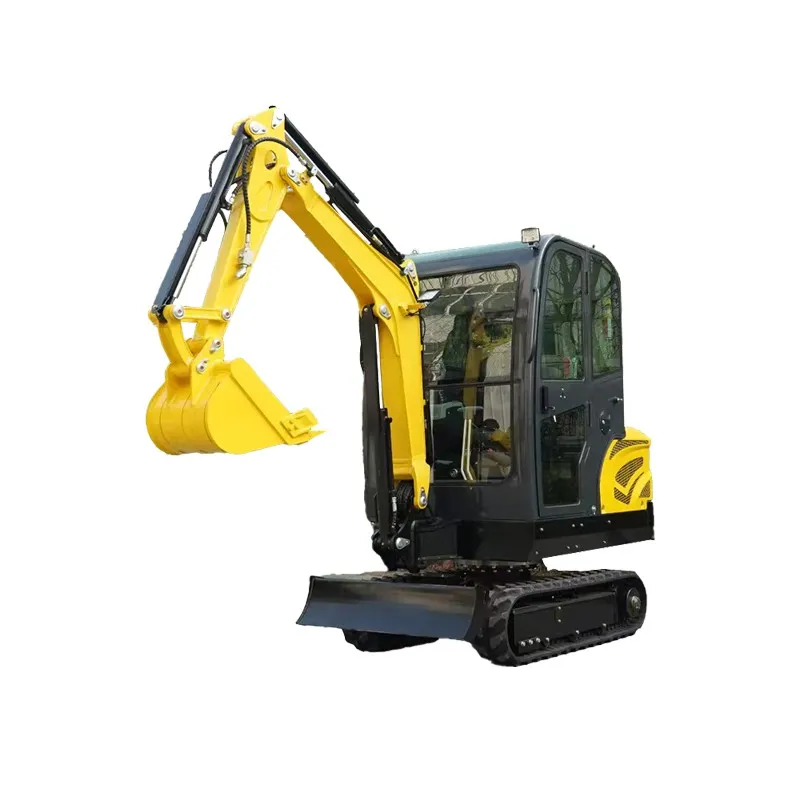
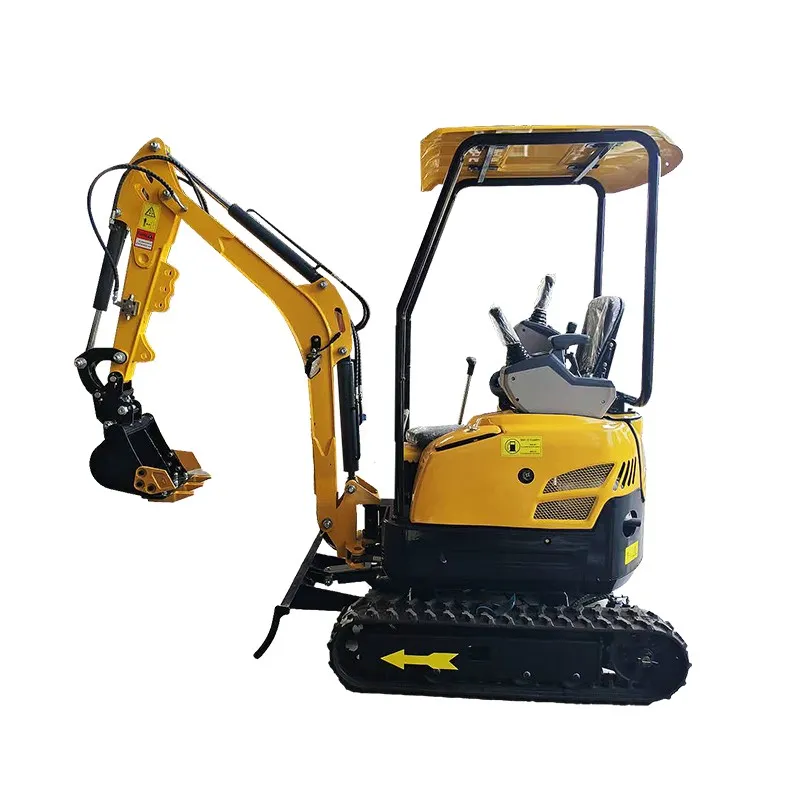
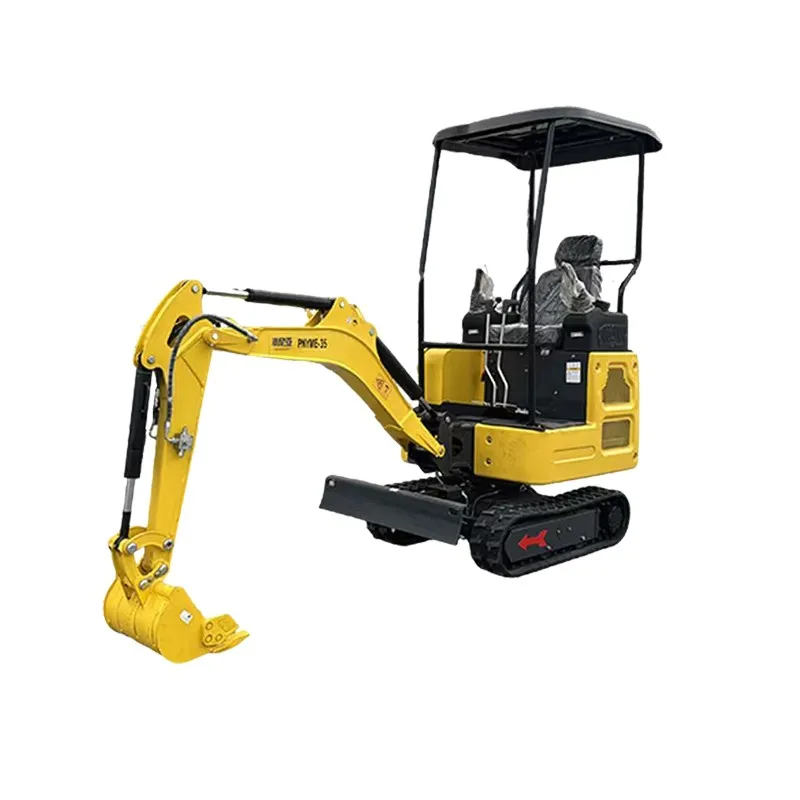
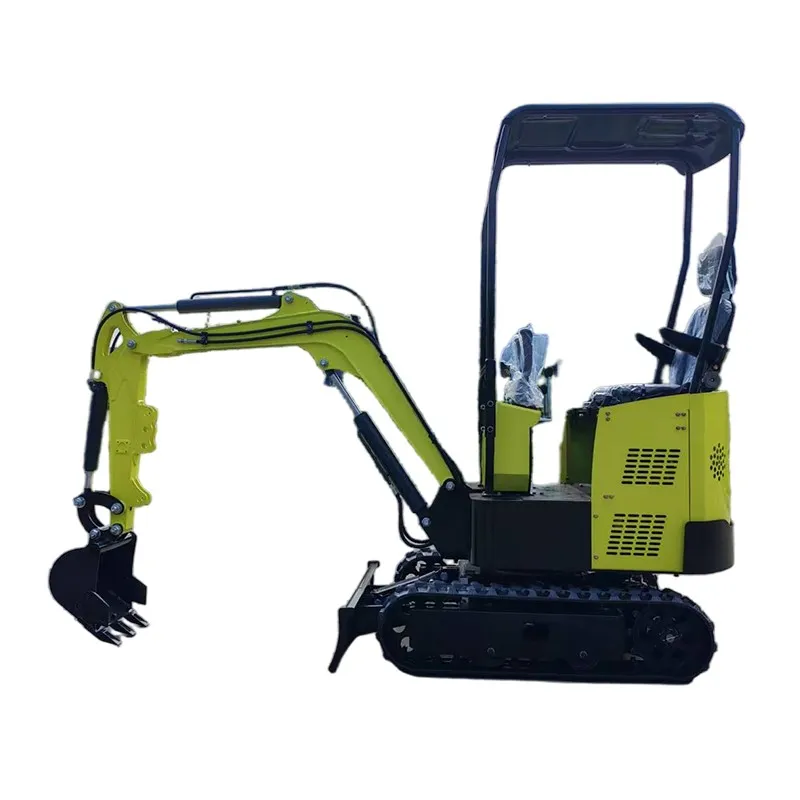
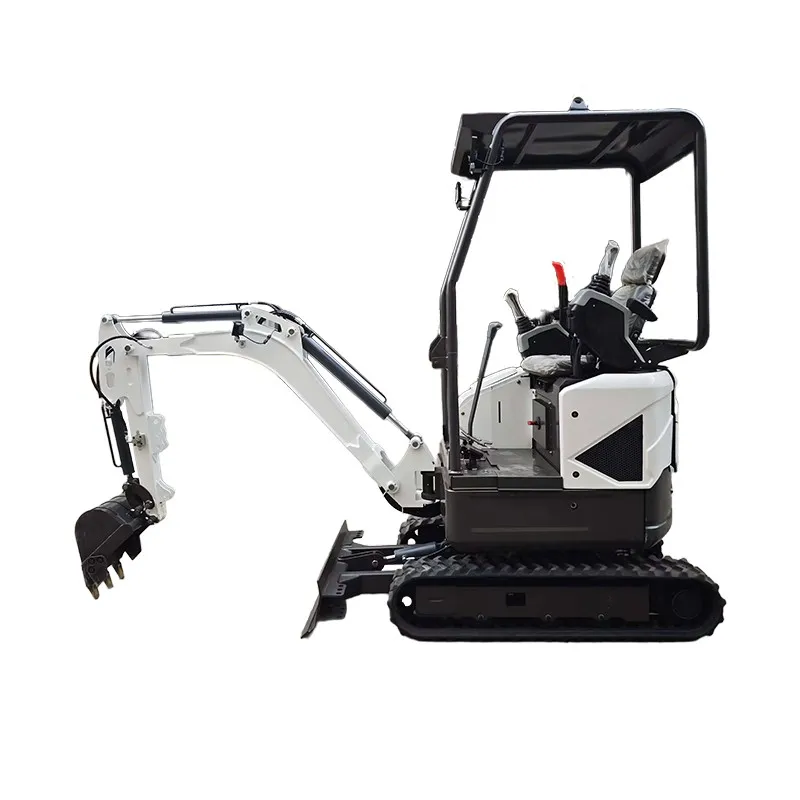
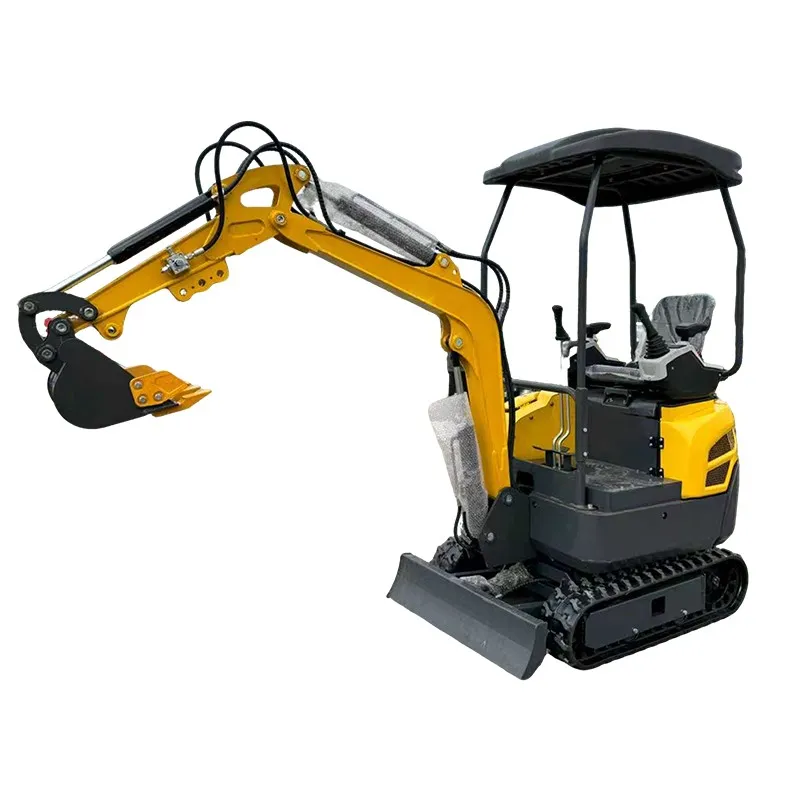
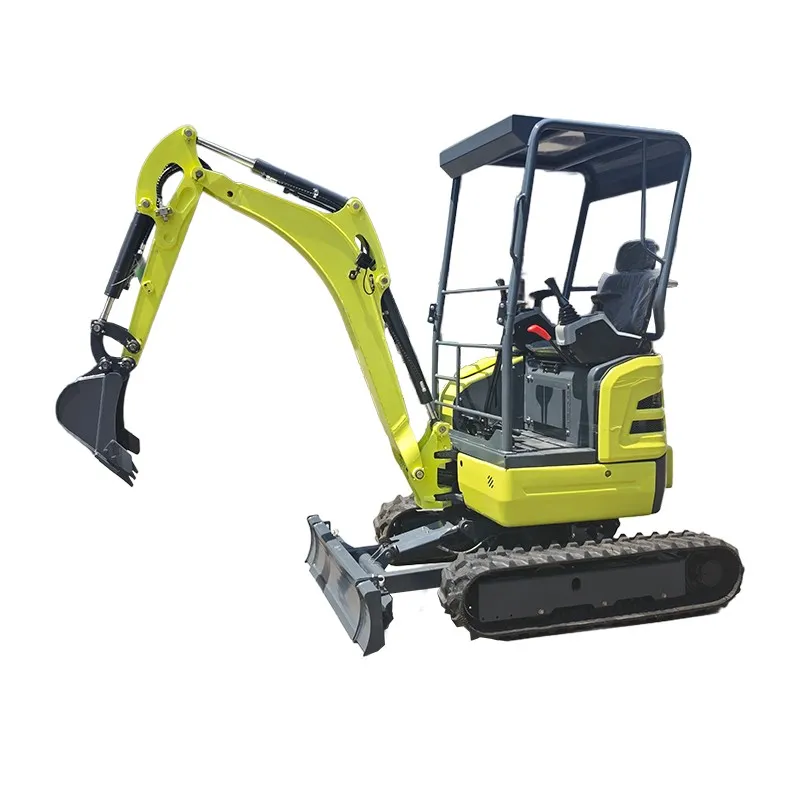
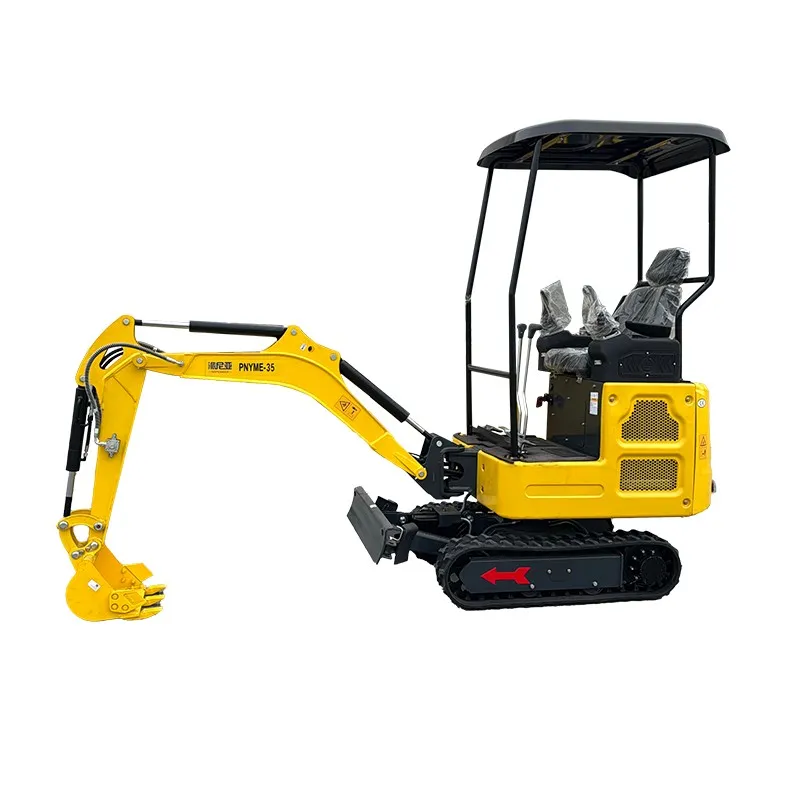
mini excavator for sale
When you type 'mini excavator for sale' into a search bar, you're met with a flood of options that can be downright misleading. The biggest trap, in my experience, is equating a low price with value. I've seen too many contractors get burned by a cheap machine that looked great on paper but fell apart on its first real job—hydraulic leaks on day three, underpowered swing motors, or flimsy undercarriages that couldn't handle a sloped backyard. The search term itself is passive; buying one is an active, technical decision.
The Core Question: New vs. Used
This is the first fork in the road. A new machine, like those from established manufacturers, offers a clean slate: full warranty, no hidden damage, and the latest emissions tech. But that sticker shock is real. For a lot of small to mid-size operations, a quality used machine is the smarter play. The key is knowing what to look for beyond hours on the meter. I always check the pins and bushings first—excessive wear there tells you more about overall care than any service log. Then, cycle all functions under load. Listen for cavitation in the hydraulics; feel for slop in the controls.
I remember a client who bought a used 2.5-tonner based solely on low engine hours. Turned out it had spent its early life in a rental fleet, meaning those were brutal, high-stress hours. The final drives were shot within months. The lesson? Context of use matters more than the raw number. Digging in soft topsoil for a landscaping gig is a world apart from hammering through rocky trench work.
Another angle is the gray market. You'll find older Japanese models floating around at tempting prices. They're often solidly built, but parts and support can become a nightmare. If you can't get a swing motor seal within a week, your entire project schedule is blown. For a primary machine, I generally steer people toward models with strong dealer networks in their region, even if it costs a bit more upfront.
Specs You Actually Need to Care About
Dig depth and operating weight are the headline specs, but they're just the start. Auxiliary hydraulic flow is critical if you ever plan to run a hammer, auger, or tilt rotator. Many first-time buyers overlook this, then face a costly retrofit. The standard flow on some economy models simply won't drive modern attachments efficiently.
Tail swing or zero-tail swing? This seems basic, but it's a site-specific decision. Zero-tail is fantastic for tight urban fencing or indoor demo—you can hug a wall without worrying about crushing something. But that design often comes with a trade-off in outright lifting capacity and stability compared to a conventional tail swing model of the same weight class. I've seen guys choose zero-tail for a general utility machine and regret it when they needed to lift a heavy culvert pipe safely.
Then there's transport width. A machine that's 1000mm wide can be towed on a lightweight trailer behind a pickup; one that's 1500mm wide changes your entire hauling setup. Always measure your trailer gate width and check local road regulations before falling in love with a spec sheet.
The Manufacturer Landscape and a Specific Case
The market is stratified. You have the global tier-one brands—your Kubotas, Takeuchis, Bobcats. They're premium, with prices to match. Then there's a layer of value-focused manufacturers who have seriously upped their game. This is where companies like Shandong Pioneer Engineering Machinery Co., Ltd come into the picture. They've been in the game since 2004, which in this industry means they've had time to iterate and improve. Their recent relocation in 2023 to a new facility in Tai’an suggests growth and investment.
I've had hands-on time with a few of their units. What stands out isn't that they're the cheapest, but that the engineering in key areas feels considered. For instance, the layout of the hydraulic hose routing on their 1.8-ton model was well-protected from snagging, a small detail that shows field feedback was incorporated. Their structure, with Shandong Hexin handling manufacturing and Shandong Pioneer focusing on overseas trade, explains their presence in markets like the US, Canada, and Australia. It's a model built for export compliance and support.
Evaluating a brand like this requires looking at their long-term parts pipeline. Can you easily get a replacement joystick module or a track roller from their network? For their key markets, the answer appears structured, which is a positive sign compared to no-name brands.
Attachments and the Total Cost of Operation
Buying the machine is maybe 70% of the battle. The other 30% is equipping it. A bucket is standard, but you'll likely need a grading bucket, a trenching bucket, and maybe a thumb. The quick coupler system is another decision—manual or hydraulic? Hydraulic is faster and safer, but adds complexity and cost. I always advise factoring at least 15-20% of the machine's cost for basic, quality attachments.
Operating cost is more than diesel. It's filters, grease, and the big one: track wear. Rubber tracks on asphalt will wear out incredibly fast. I recommend a machine with steel tracks if you're doing a lot of hard surface work, even though it's rougher on finished surfaces. Then there's downtime cost. A $15,000 machine that's down for two weeks costs you more than a $20,000 machine that keeps running. Reliability is a financial metric.
A real case: a landscaping friend bought a very budget-friendly mini ex. Saved $8k upfront. In the first year, he spent over $4k in repairs and lost two major contracts due to downtime. The math was brutally clear. His next purchase was a more robust model from a manufacturer with a documented track record, and he's been running it for three years with only scheduled maintenance.
Final Thoughts: Making the Purchase
So, you've done your homework. My final step, always, is to operate it. Not just a smooth demo on a flat lot. Ask the dealer or seller to put it on a slight slope. Dig a trench. Lift a load to the side. Feel the control response. Does the machine feel planted or tippy? Do the controls feel intuitive or laggy?
For those considering an overseas purchase from a trade-focused company, due diligence is paramount. Check their certifications (CE, EPA Tier 4 Final etc.). Scour for genuine user reviews from your region, not just testimonials on their site. A legitimate company like Shandong Pioneer will have a clear website (https://www.sdpioneer.com) with detailed specs, contactable support, and a history you can trace. Their 20-year development and specific mention of exporting to demanding markets indicates a commitment to that channel.
In the end, 'mini excavator for sale' is the beginning of a conversation, not the end. The right machine isn't the one with the most features or the lowest price; it's the one whose capabilities and durability align with the real-world work you do, day in and day out, without leaving you stranded. It's a business partner, not just a piece of iron. Choose like it.
Related Products
Related Products