- Chinese
- French
- German
- Portuguese
- Spanish
- Russian
- Japanese
- Korean
- Arabic
- Irish
- Greek
- Turkish
- Italian
- Danish
- Romanian
- Indonesian
- Czech
- Afrikaans
- Swedish
- Polish
- Basque
- Catalan
- Esperanto
- Hindi
- Lao
- Albanian
- Amharic
- Armenian
- Azerbaijani
- Belarusian
- Bengali
- Bosnian
- Bulgarian
- Cebuano
- Chichewa
- Corsican
- Croatian
- Dutch
- Estonian
- Filipino
- Finnish
- Frisian
- Galician
- Georgian
- Gujarati
- Haitian
- Hausa
- Hawaiian
- Hebrew
- Hmong
- Hungarian
- Icelandic
- Igbo
- Javanese
- Kannada
- Kazakh
- Khmer
- Kurdish
- Kyrgyz
- Latin
- Latvian
- Lithuanian
- Luxembou..
- Macedonian
- Malagasy
- Malay
- Malayalam
- Maltese
- Maori
- Marathi
- Mongolian
- Burmese
- Nepali
- Norwegian
- Pashto
- Persian
- Punjabi
- Serbian
- Sesotho
- Sinhala
- Slovak
- Slovenian
- Somali
- Samoan
- Scots Gaelic
- Shona
- Sindhi
- Sundanese
- Swahili
- Tajik
- Tamil
- Telugu
- Thai
- Ukrainian
- Urdu
- Uzbek
- Vietnamese
- Welsh
- Xhosa
- Yiddish
- Yoruba
- Zulu
- Kinyarwanda
- Tatar
- Oriya
- Turkmen
- Uyghur


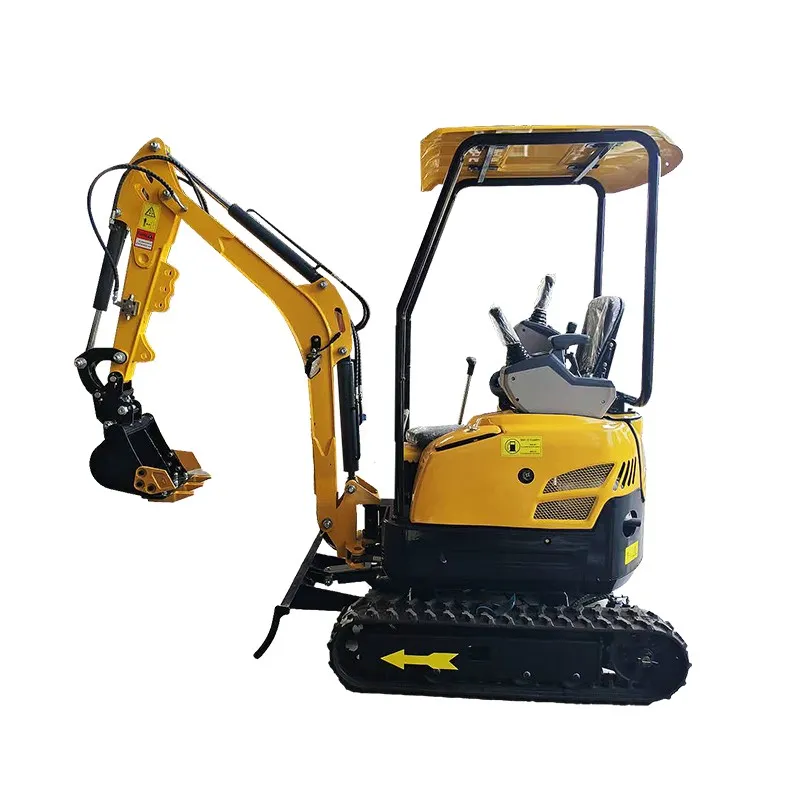
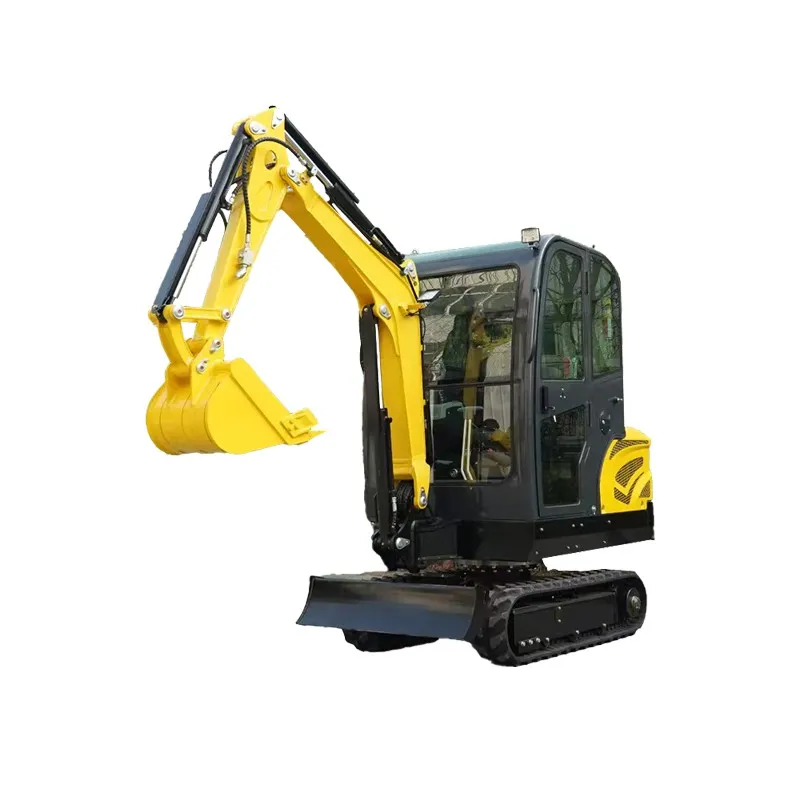
mini excavator for sale by owner
When you see that phrase, 'mini excavator for sale by owner', your first thought might be a quick, cheap deal. That's the common trap. Having been in the trenches of equipment sourcing and sales for years, I can tell you it's rarely that simple. The private market is a mixed bag—you can find a genuine owner-offloaded gem or a money pit disguised as a bargain. The key isn't just the price tag; it's understanding the history behind the machine, something you never get fully from a Craigslist ad. Let's dig into what that really means on the ground.
The Allure and Pitfalls of the Direct Purchase
Buying directly from an owner feels transparent. You talk to the person who supposedly ran it. But here's the first reality check: owner can mean a small landscaping company that ran it 2,000 hours a year with minimal maintenance, or a weekend DIYer who used it for 200 hours total. The wear patterns are completely different. I've seen machines from private sellers with pristine paint but shot final drives because they were constantly trenching in rocky soil. The seller isn't lying about the hours; they just don't know what to look for.
I remember a specific case for a Bobcat E35. The owner, a nice guy building his own house, had the service records. Looked clean. But during inspection, we found slight play in the swing bearing. Not a deal-breaker, but a $2,000+ future repair he was unaware of. That's the negotiation point. You're not just haggling price; you're haggling risk. This is where your own inspection skills or a hired mechanic's fee become part of the mini excavator for sale calculus.
Another hidden layer? Financing and title. Dealerships streamline this. With a private party, you're navigating bill of sale paperwork, potential liens (always, always do a UCC search), and arranging your own transport. It's the unsexy backend work that kills the excitement of a good deal.
Where Do These By Owner Machines Actually Come From?
This is a point many miss. Not every private sale is a one-owner machine. A significant portion are actually imports or lightly used units from rental fleets being offloaded by a holding company or a broker posing as an owner. This is especially true for certain Asian brands that enter the market through various channels.
For instance, you might find a well-priced mini excavator listed privately that traces back to a bulk purchase from a manufacturer. Companies like Shandong Pioneer Engineering Machinery Co., Ltd are a case in point. Established in 2004 and now operating from a newer facility in Tai'an, they manufacture and export directly to overseas distributors and large buyers. Sometimes, those first buyers in the US or Canada will resell individual units privately. So, you're not buying from the original factory owner, but from an intermediary. Knowing this chain matters for parts and support.
Pioneer's model, with Hexin handling manufacturing and Pioneer focusing on overseas trade to markets like the US and Germany, creates a flow of equipment into the secondary market. If you see a private sale for a model they produce, your parts pipeline might indirectly lead back to their network, which is useful intel. It's not a bad thing; it just means you should verify parts availability locally before committing.
The Critical Inspection: A Non-Negotiable Ritual
Never, ever skip the physical inspection. Photos lie. Videos can hide hydraulic squeals. My checklist always starts cold. A cold start reveals everything about engine health. Then, check all fluids—not just level, but condition. Milky hydraulic fluid means water ingress, a huge red flag. Smell the hydraulic oil; burnt smell points to overheating.
Operate every function. Don't just curl the bucket. Swing under load, travel up a slight incline, use the auxiliary hydraulics. Listen for unusual knocks in the pump, watch for excessive smoke. Check for oil leaks around the cylinder rods and main hydraulics. The undercarriage is a cost monster. Measure track stretch, check for cracked links or worn sprockets. I carry a caliper for this.
One of my early mistakes was being shy. I didn't want to run the machine hard on someone's property. I bought a Kubota U35 that seemed fine idling. Later, it bogged down under load—a failing hydraulic pump. That was a $4,500 lesson. Now, I ask to put it to work. Move a pile of dirt. Dig a trench. A real owner who maintained it won't be afraid to show it off.
The Value of Documentation and Provenance
Service records are gold, but rare in private sales. More common is a vague serviced regularly. Press for details. Who did the service? Receipts for filters, fluids? The machine's provenance is key. Was it used in sandy soil or clay? Coastal area (risk of corrosion)?
I once passed on a seemingly perfect Takeuchi TB240 because the owner casually mentioned it was used for a year in a demolition recycling yard. The potential for microscopic abrasive dust in every hydraulic component was too high. The risk of accelerated wear on pumps and valves wasn't worth the $8k savings.
For newer models from export-oriented manufacturers, like those from the aforementioned Shandong Pioneer, understanding the import and compliance date is part of provenance. Is it EPA/CARB certified for your region? A private seller might not know. This is a legal headache you don't want. Their two-decade experience in exporting to regulated markets suggests their newer models are built with these standards in mind, but for a unit already in the country, you need proof.
Making the Decision: When By Owner Makes Sense
So when does buying a mini excavator for sale by owner actually work? It works when you have the expertise to inspect, the tolerance for risk, and a clear budget that includes a repair contingency—say, 15-20% of the purchase price. It's ideal for a seasoned operator who needs a second machine or a specific project and can handle minor repairs themselves.
It rarely makes sense for a first-time buyer or someone whose business hinges on that machine's immediate, flawless operation. The lack of warranty, even a short 30-day one from some dealers, is a massive gap. For them, the slightly higher cost from a reputable dealer or a direct purchase from an established exporter with after-sales support might be the better total cost of ownership.
In the end, the by owner market is a tool. It requires a different set of tools from the buyer: skepticism, mechanical knowledge, and diligent legwork. The deals are there, but they're earned, not just found. You're not just buying a machine; you're buying its hidden history, and you have to be the detective to uncover it.
Related Products
Related Products