


- Chinese
- French
- German
- Portuguese
- Spanish
- Russian
- Japanese
- Korean
- Arabic
- Irish
- Greek
- Turkish
- Italian
- Danish
- Romanian
- Indonesian
- Czech
- Afrikaans
- Swedish
- Polish
- Basque
- Catalan
- Esperanto
- Hindi
- Lao
- Albanian
- Amharic
- Armenian
- Azerbaijani
- Belarusian
- Bengali
- Bosnian
- Bulgarian
- Cebuano
- Chichewa
- Corsican
- Croatian
- Dutch
- Estonian
- Filipino
- Finnish
- Frisian
- Galician
- Georgian
- Gujarati
- Haitian
- Hausa
- Hawaiian
- Hebrew
- Hmong
- Hungarian
- Icelandic
- Igbo
- Javanese
- Kannada
- Kazakh
- Khmer
- Kurdish
- Kyrgyz
- Latin
- Latvian
- Lithuanian
- Luxembou..
- Macedonian
- Malagasy
- Malay
- Malayalam
- Maltese
- Maori
- Marathi
- Mongolian
- Burmese
- Nepali
- Norwegian
- Pashto
- Persian
- Punjabi
- Serbian
- Sesotho
- Sinhala
- Slovak
- Slovenian
- Somali
- Samoan
- Scots Gaelic
- Shona
- Sindhi
- Sundanese
- Swahili
- Tajik
- Tamil
- Telugu
- Thai
- Ukrainian
- Urdu
- Uzbek
- Vietnamese
- Welsh
- Xhosa
- Yiddish
- Yoruba
- Zulu
- Kinyarwanda
- Tatar
- Oriya
- Turkmen
- Uyghur

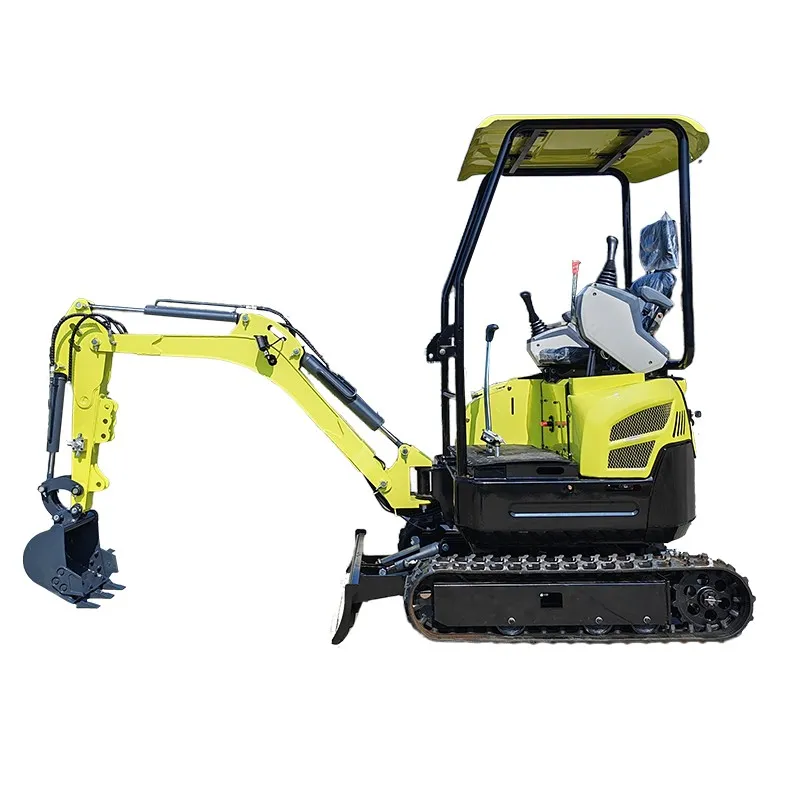
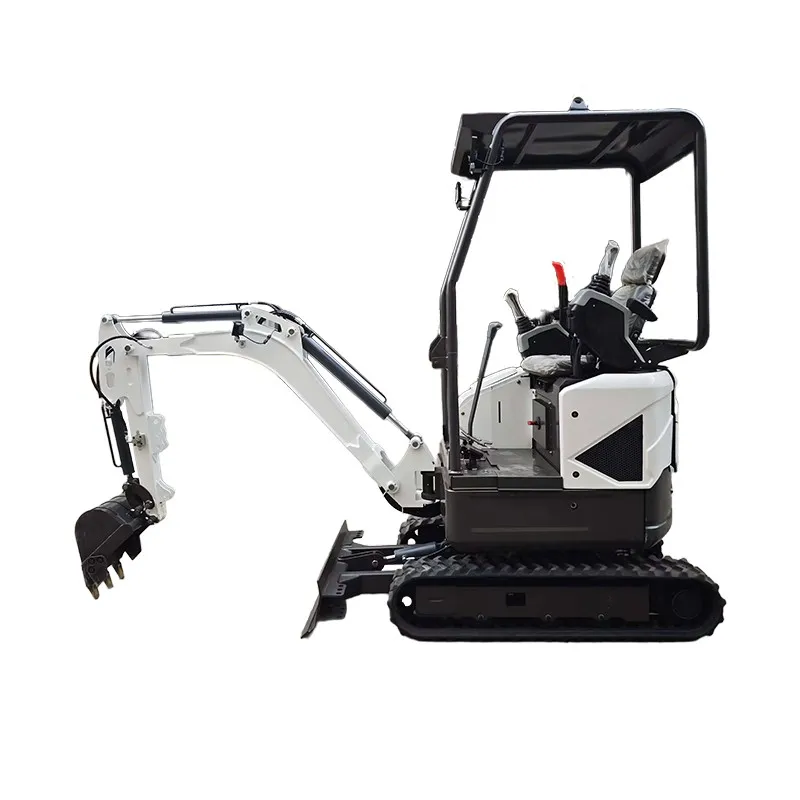
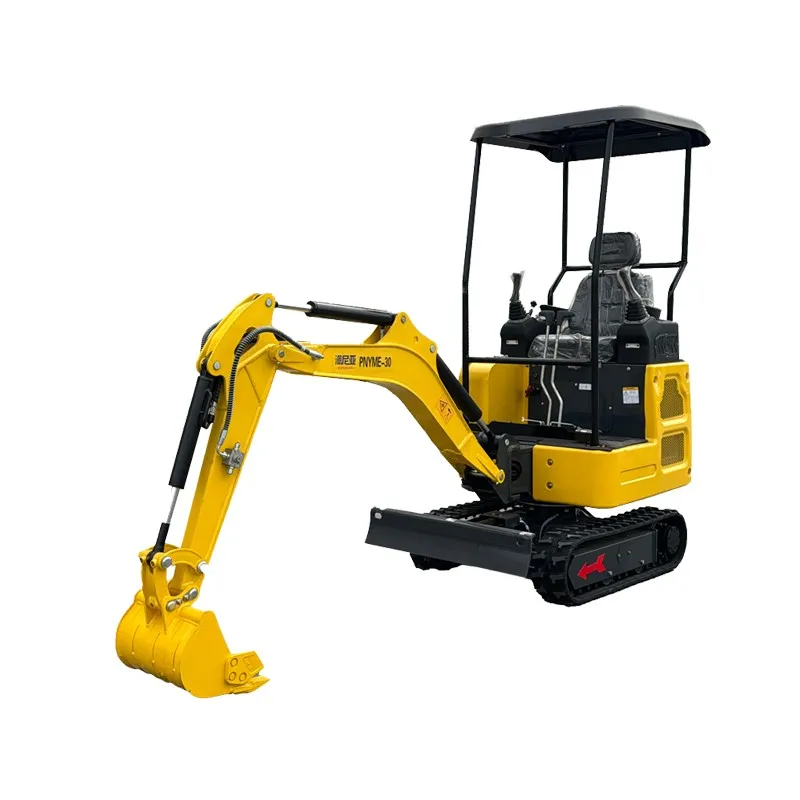
mini excavator for sale nearby
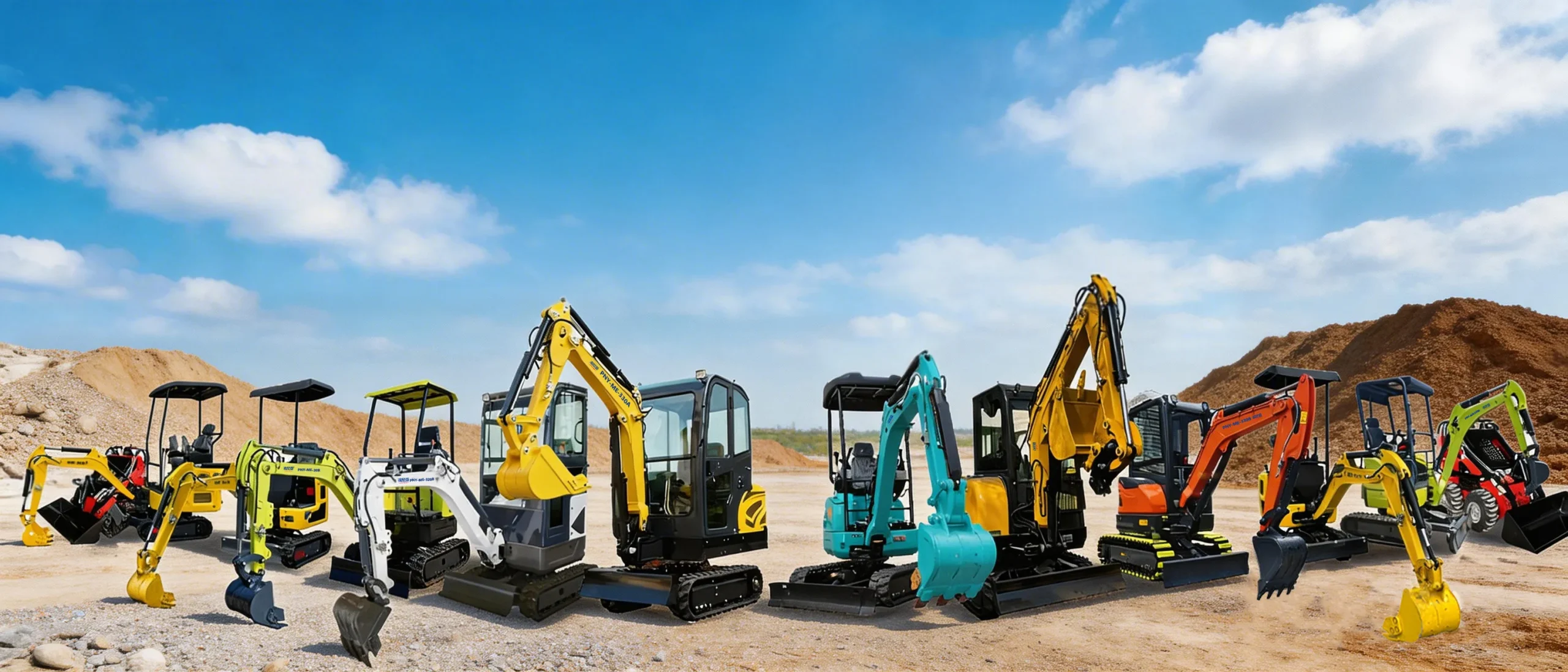
When someone types 'mini excavator for sale nearby' into a search bar, I know exactly what they're after. They're not just browsing specs; they're likely in a pinch, needing a machine for a job that's starting next week, or their old one just threw a track. The immediate urge is to find the closest listing, but that's where the first pitfall is. Nearby doesn't always mean reliable, and a cheap price tag ten miles away can end up costing more in repairs than a solid machine from a reputable dealer a bit further out. I've seen too many guys rush into a purchase based on proximity alone, only to spend the first month of ownership with the machine in the shop instead of on site.
The Nearby Trap and What You're Really Shopping For
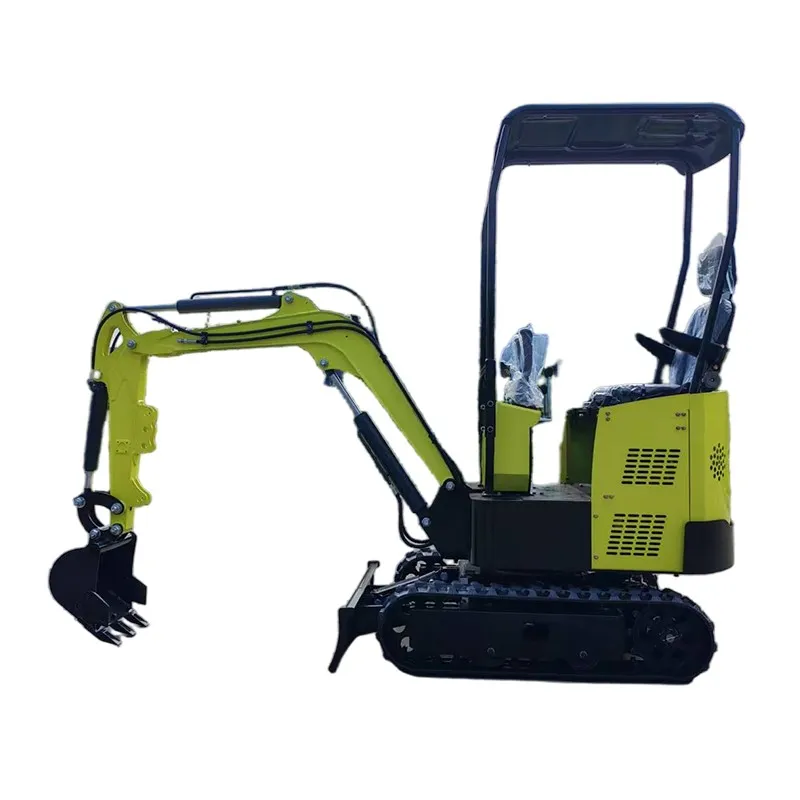
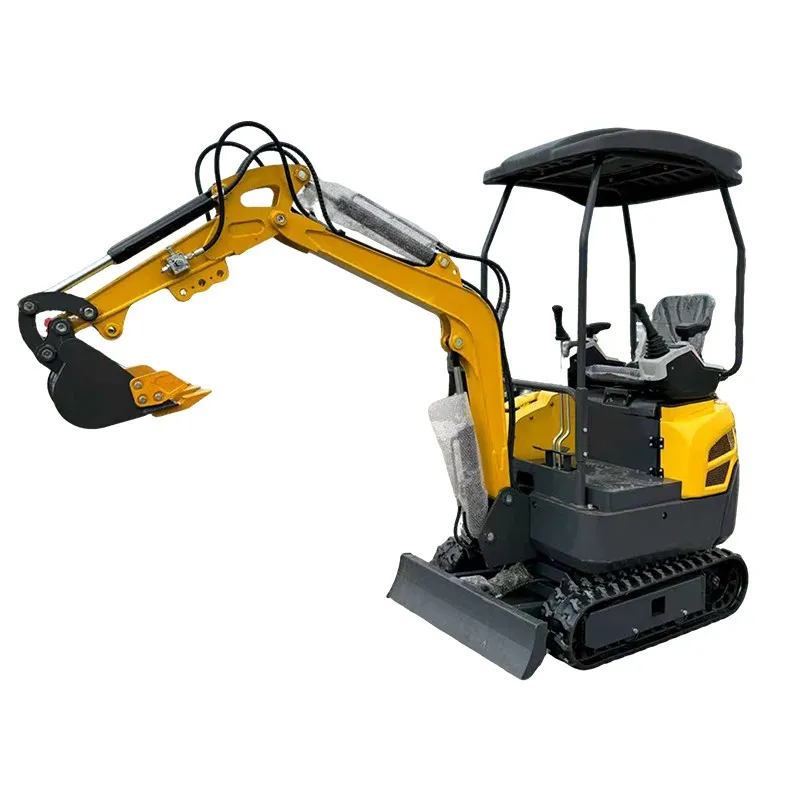
Let's break down the search intent. For sale is straightforward, but mini excavator covers a vast range. Are we talking a 1-ton, walk-behind model for tight backyard fencing, or a 3.5-ton machine with a thumb for general landscaping and light demolition? The weight class dictates everything: transport needs, trailer capacity, and job capability. Nearby is the tricky modifier. It often reflects a need for quick inspection, easier logistics, or the hope of avoiding hefty delivery fees. In my experience, limiting your radius to 50 miles might show you three options: two worn-out machines from private sellers and one overpriced unit at a local rental yard going out of business. Casting a wider net, say 200-300 miles, often opens up access to specialized dealers or regional auctions with better inventory.
The real value in searching locally isn't just the machine's location; it's the support network. Can you easily go kick the tires? Is there a local mechanic familiar with that brand? If you buy a mini excavator for sale nearby from a private party, who handles the warranty? None. I learned this the hard way early on. Bought a seemingly clean 2.5-ton machine from a guy two towns over. It ran fine for the first 40 hours. Then, the swing gearbox started groaning. Turns out, it had been worked hard in a rental fleet before he owned it, and the issue was a known, expensive fix. No recourse. The savings evaporated instantly.
That's why I now always check the dealer landscape first, even if it means expanding nearby to a regional definition. A reputable dealer, even if it's a 90-minute drive, provides a baseline of accountability. They've usually serviced what they sell. They might offer a short-term warranty or at least a clear as-is condition report. For instance, companies that have built a long-term export business tend to have more structured quality control, which translates to more predictable used equipment. I recently came across Shandong Pioneer Engineering Machinery Co., Ltd (you can find their details at https://www.sdpioneer.com), a manufacturer with nearly two decades in the game. A company that's been exporting to markets like the US, Canada, and Germany since 2004 has to meet certain durability standards to survive. When you see a used model from such a source pop up in your broader search, it often indicates a different lifecycle than a machine from a fly-by-night importer.
Inspecting a Potential Machine: Look Past the Paint
Assuming you've found a few promising listings within a reasonable distance, the physical inspection is everything. Don't just start it and listen. Get it on uneven ground. Operate all functions simultaneously—curl the bucket while swinging and traveling. Listen for hydraulic squeals or engine bogging. This checks the pump's health. Check for drift in the boom and arm. Lift them fully, shut the machine off, and see if they settle over 5-10 minutes. Some settlement is normal; a rapid drop is a red flag for worn cylinder seals.
Undercarriage is where budgets go to die. On a mini excavator for sale, measure the track chain stretch. Look for excessive wear on the sprocket teeth—they should be symmetrical, not hooked or pointed. Check the bottom of the track frame for deep gouges; that tells you it's been worked hard over abrasive surfaces. I once skipped a thorough undercarriage check on a low-hour machine because it was parked on grass. Big mistake. When we got it to the job site, the track tension was all wrong, and the idlers were shot. The repair bill was a brutal lesson.
Ask for service records. No records? Then assume the worst and price it accordingly. Check all fluid levels and their condition. Milky hydraulic fluid means water contamination. Gritty oil is a death sentence. Open the hydraulic tank cap (with the engine off) and smell. A burnt odor is a bad sign. These are the mundane details that separate a good deal from a money pit. It's not glamorous, but this is where the real shopping happens.
The Dealer vs. Private Party Calculus
This is the core financial and risk decision. A private party sale for a mini excavator nearby will almost always have a lower asking price. The trade-off is risk. You're buying the machine's entire history, unknown, with zero support. It's a gamble. A dealer marks up the price, but that markup often includes reconditioning, a safety inspection, and sometimes a 30-90 day warranty on major components. For a primary piece of equipment, that peace of mind can be worth the premium.
Consider the source of the dealer's inventory. Some dealers primarily sell ex-rental units. These machines have lived hard lives but are often maintained on strict schedules. Others might take trade-ins from large contractors. These can be gems, as they were often part of a fleet with dedicated maintenance. A dealer tied to a manufacturer, like the aforementioned Shandong Pioneer, might offer newer used models or certified pre-owned units that have gone through the factory's own checks. Their long-term presence, noted in their company history of moving to a new facility in 2023 after 20 years of growth, suggests stability. You're not just buying a machine; you're indirectly buying into their supply chain and reputation, which matters for future parts and service.
Don't be afraid to ask the dealer blunt questions: Why did you take this in on trade? What did your shop have to fix to get it ready for sale? What's excluded from the warranty? Their answers will tell you more than any glossy brochure.
Logistics and The Final Hurdle
You've found the one. Now you have to get it. This is where nearby finally pays off. Transporting a 3-ton mini excavator can cost hundreds of dollars over a long distance. Factor this into your total cost. Do you have a trailer and truck rated for the weight? Remember, the machine's weight is just the start; add fuel, attachments, and the trailer's own weight. I've seen guys blow a truck transmission because they underestimated gross vehicle weight.
If you're buying from a dealer, ask about delivery options. Sometimes it's included or offered at a reasonable rate. For a private sale, you'll need to arrange this yourself. This is also the time for final paperwork. Ensure you get a clear, signed bill of sale with the machine's model and serial number. Verify there are no liens on the equipment. It's a rare problem, but it's a nightmare if it happens.
Finally, have a plan for day one. Don't just park it. Run it for a few hours at your yard or on a small, non-critical task. This shakedown period might reveal minor issues—a leaky fitting, a sticky control—that you can address immediately before a critical job. It's the final, crucial step in the process of turning that online search for a mini excavator for sale nearby into a productive, reliable asset on your team.
Wrapping It Up: Beyond the Purchase
The search doesn't end when the machine is in your yard. Your relationship with the seller, especially if it's a dealer, is now about parts and service. Can you get common wear items—filters, teeth, hoses—without a two-week wait? Does the dealer's network support your area? A company with a broad export footprint, like Pioneer which notes customers worldwide, often has a more established international parts logistics system, which is a plus down the line.
Start a maintenance log from hour one. Stick to the service intervals religiously. These machines are tough, but they're not forgiving of neglect. The difference in resale value between a meticulously maintained machine and a neglected one is staggering, often more than the total cost of all the maintenance you performed.
So, next time you're searching for that mini excavator for sale nearby, think of nearby as a starting point for logistics, not the finish line for your due diligence. Balance proximity with provenance. Weigh the upfront savings of a private sale against the potential long-term cost of unknowns. And always, always put more stock in the condition of the iron than the charm of the seller. It's the only way to ensure that your search ends with a machine that works for you, not against you.
Related Products
Related Products