- Chinese
- French
- German
- Portuguese
- Spanish
- Russian
- Japanese
- Korean
- Arabic
- Irish
- Greek
- Turkish
- Italian
- Danish
- Romanian
- Indonesian
- Czech
- Afrikaans
- Swedish
- Polish
- Basque
- Catalan
- Esperanto
- Hindi
- Lao
- Albanian
- Amharic
- Armenian
- Azerbaijani
- Belarusian
- Bengali
- Bosnian
- Bulgarian
- Cebuano
- Chichewa
- Corsican
- Croatian
- Dutch
- Estonian
- Filipino
- Finnish
- Frisian
- Galician
- Georgian
- Gujarati
- Haitian
- Hausa
- Hawaiian
- Hebrew
- Hmong
- Hungarian
- Icelandic
- Igbo
- Javanese
- Kannada
- Kazakh
- Khmer
- Kurdish
- Kyrgyz
- Latin
- Latvian
- Lithuanian
- Luxembou..
- Macedonian
- Malagasy
- Malay
- Malayalam
- Maltese
- Maori
- Marathi
- Mongolian
- Burmese
- Nepali
- Norwegian
- Pashto
- Persian
- Punjabi
- Serbian
- Sesotho
- Sinhala
- Slovak
- Slovenian
- Somali
- Samoan
- Scots Gaelic
- Shona
- Sindhi
- Sundanese
- Swahili
- Tajik
- Tamil
- Telugu
- Thai
- Ukrainian
- Urdu
- Uzbek
- Vietnamese
- Welsh
- Xhosa
- Yiddish
- Yoruba
- Zulu
- Kinyarwanda
- Tatar
- Oriya
- Turkmen
- Uyghur


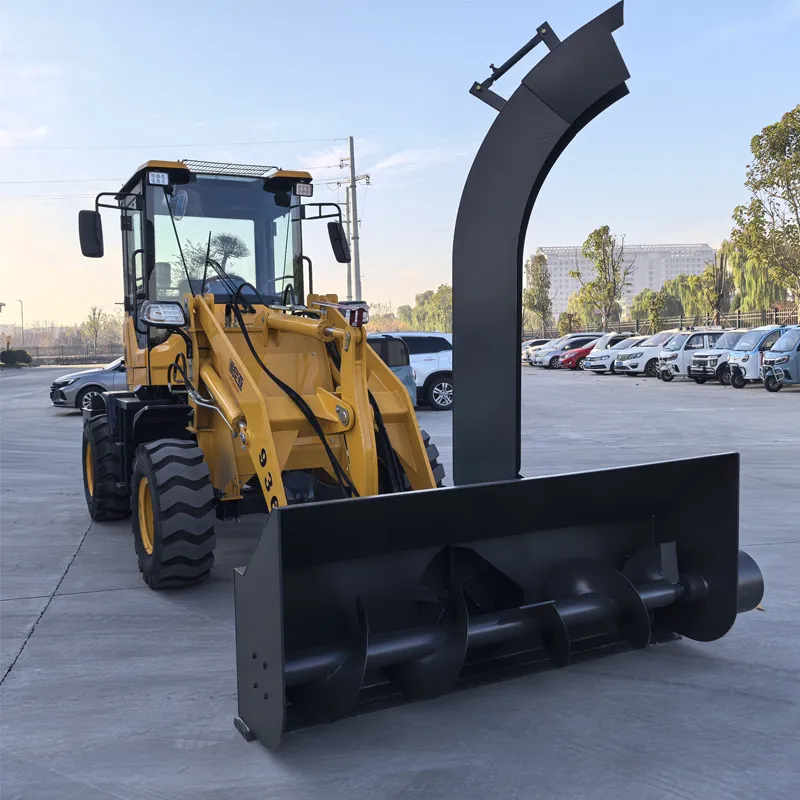
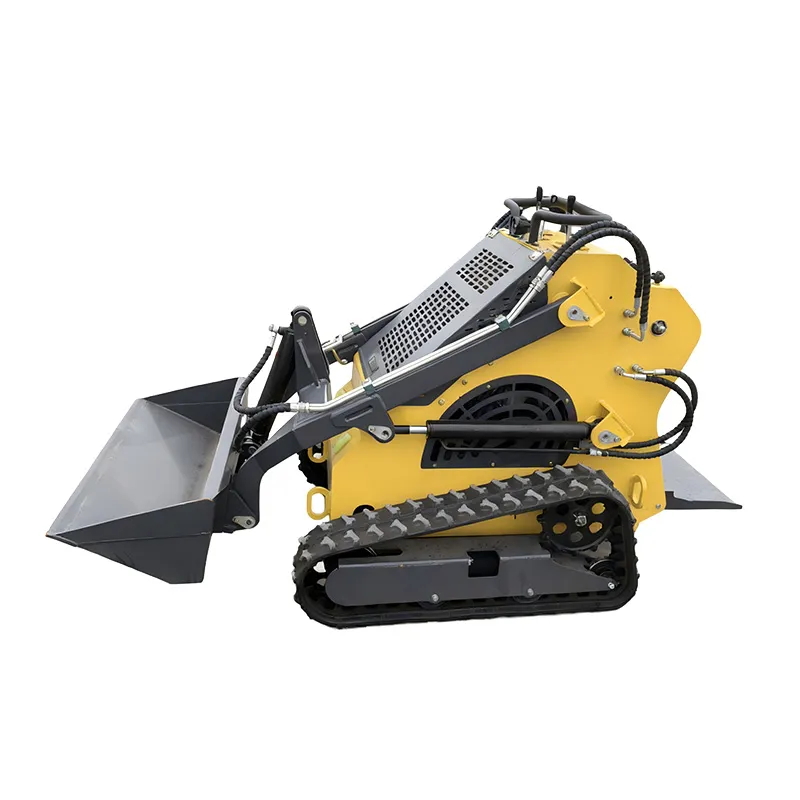
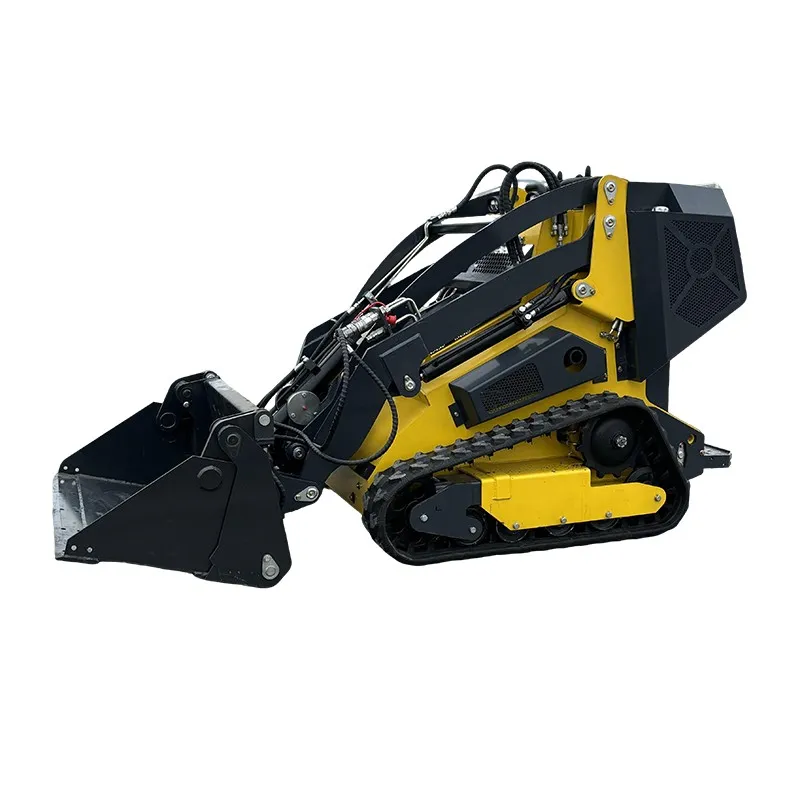
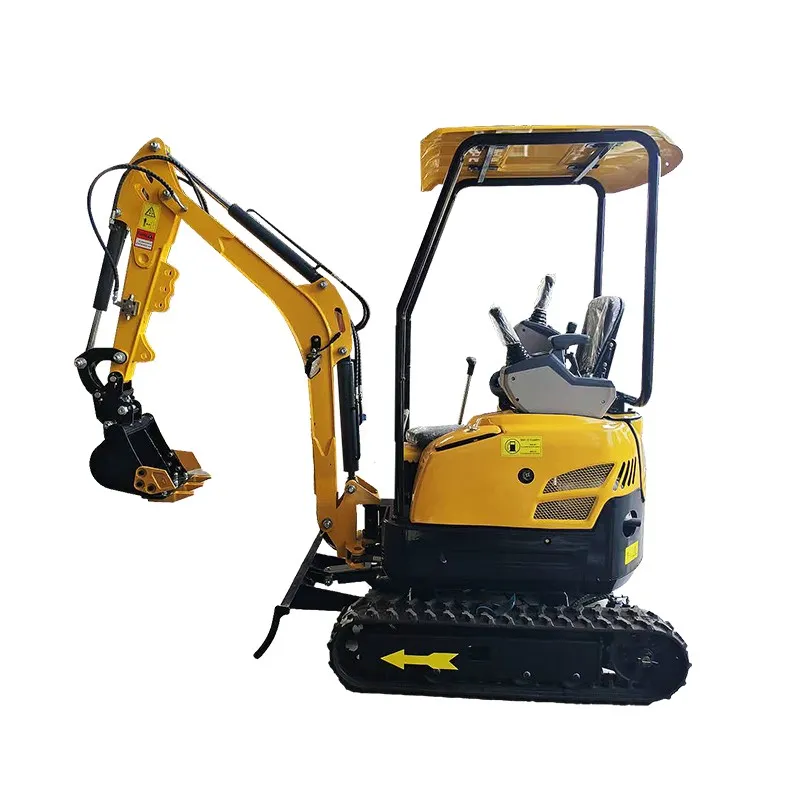
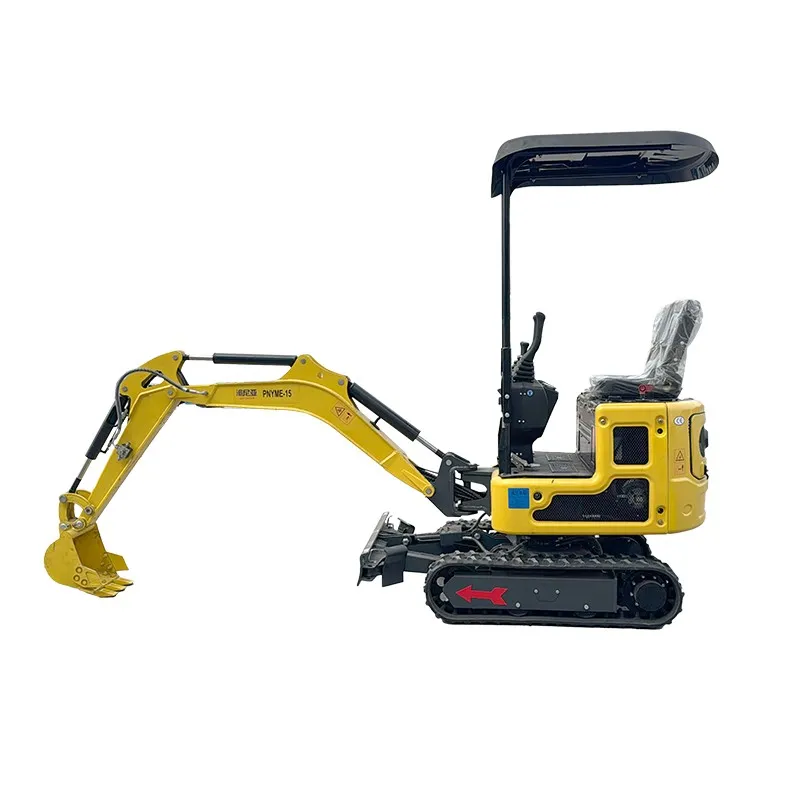
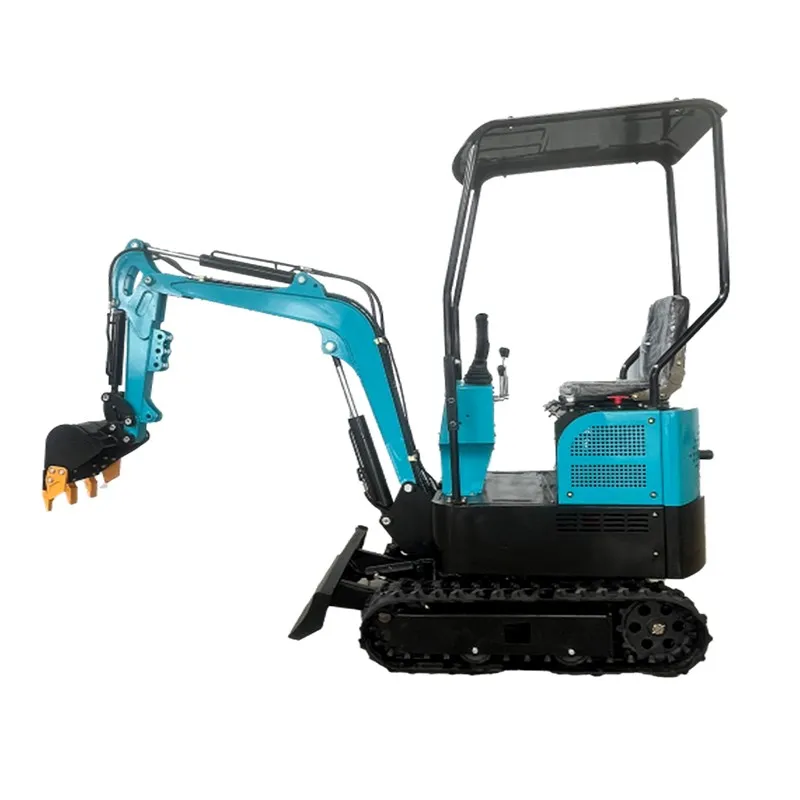
mini excavator loader combo
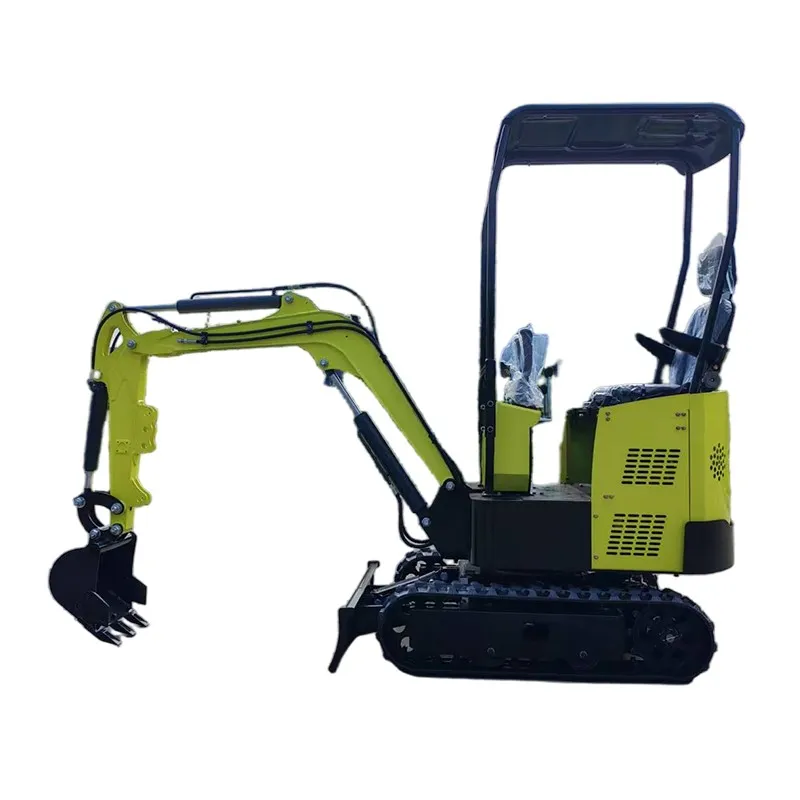
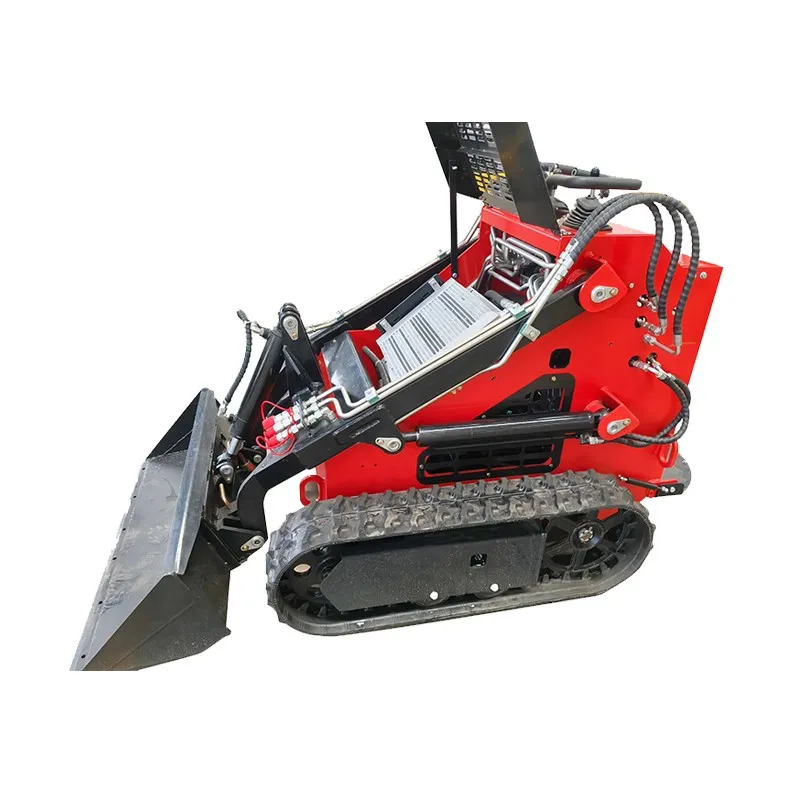
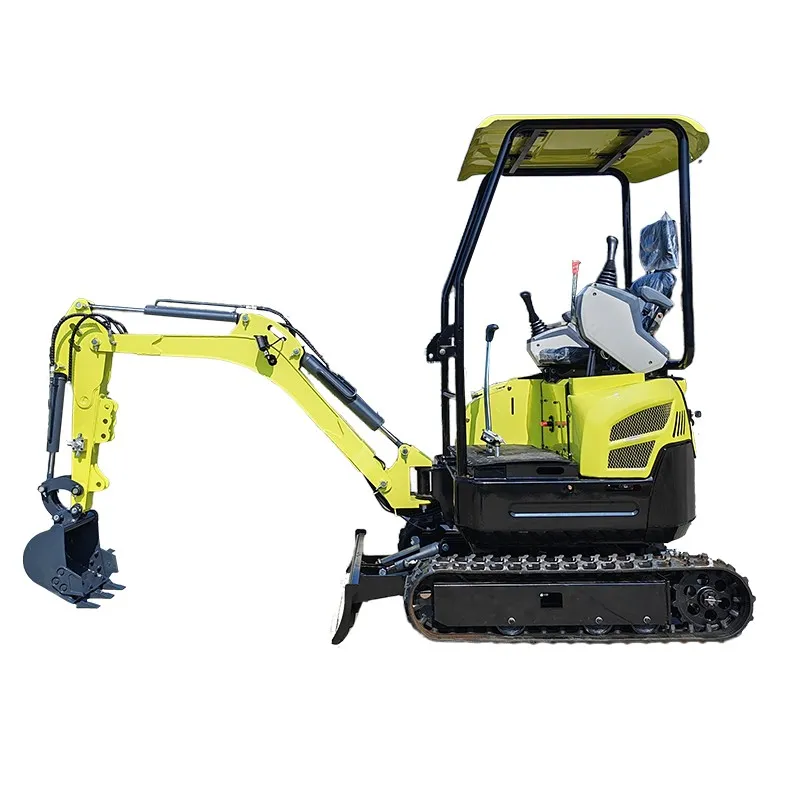
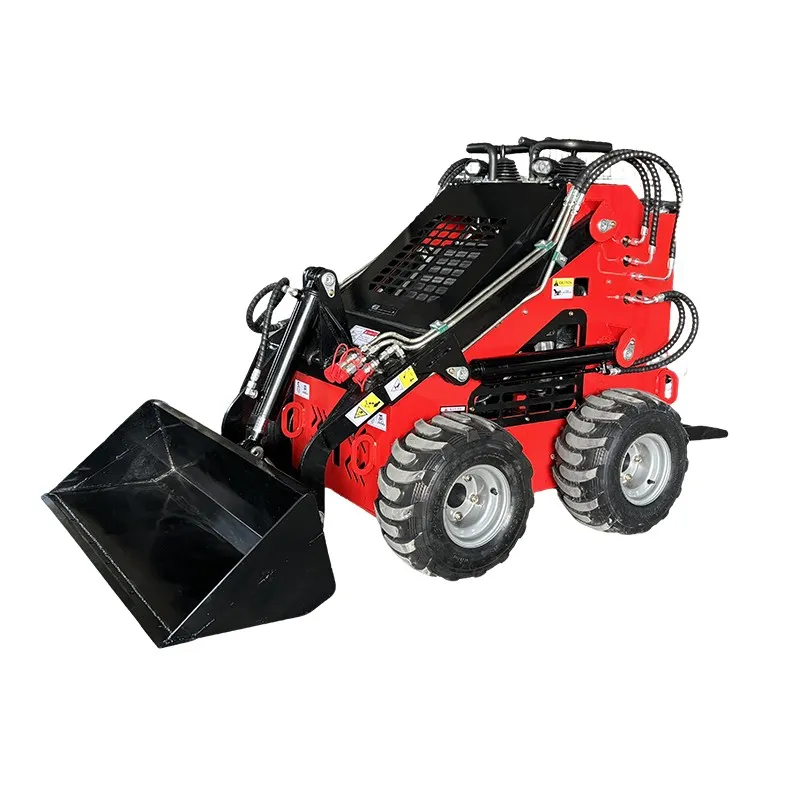
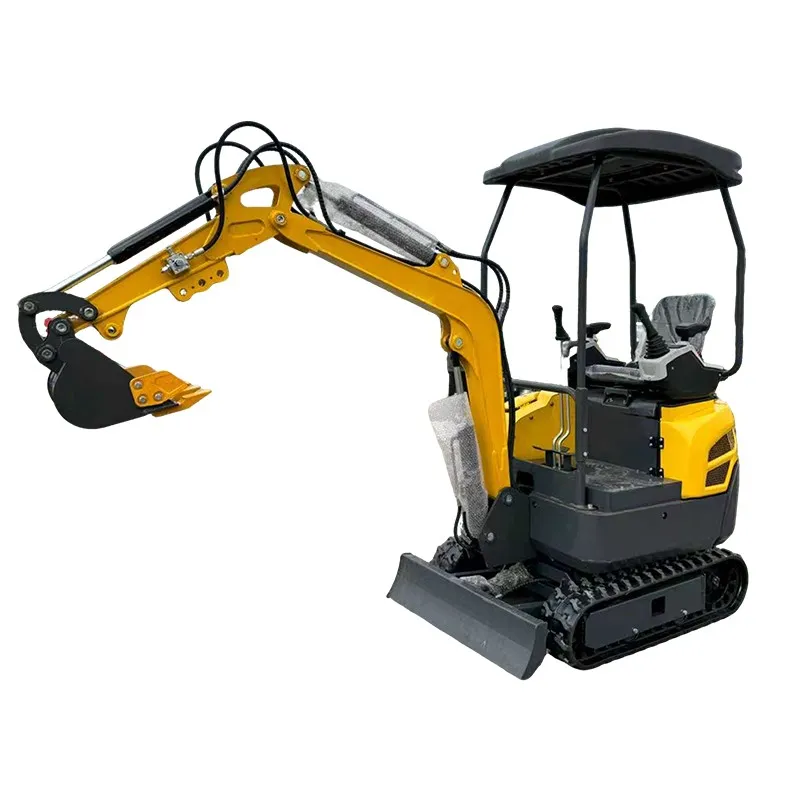
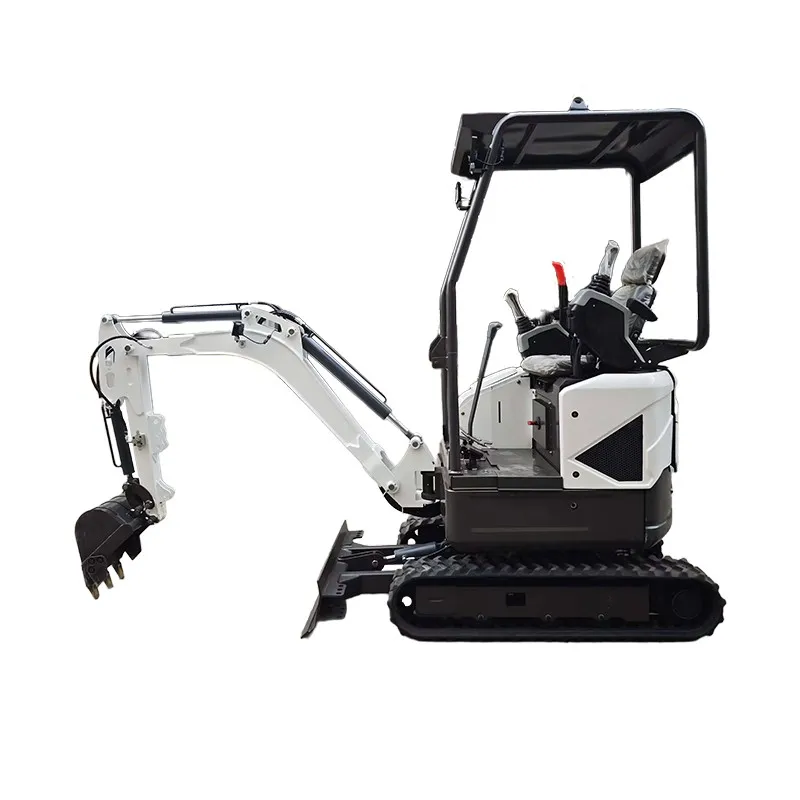
When you hear 'mini excavator loader combo', most people picture a single, all-in-one machine. That's the first misconception. In reality, we're usually talking about a mini excavator paired with a compact track or skid-steer loader as a versatile duo. The real magic isn't in a mythical hybrid, but in how these two machines complement each other on tight urban sites, backyards, and utility work. I've seen too many contractors buy one thinking it replaces the need for the other, only to find their efficiency stuck in the mud.
Defining the Workflow, Not Just the Gear
The core idea is a system. You use the loader combo for bulk material handling, backfilling, and site cleanup—anything that needs speed and a bucket. Then, for precision digging, trenching close to foundations, or working in extremely confined spaces, you jump into the mini excavator. It's a dance. Trying to dig a precise footer for a garden wall with a loader’s bucket is frustrating and slow; likewise, using an excavator to move a pile of gravel 50 feet is a waste of fuel and time.
I recall a landscaping job in a historic district with alley access only. We had a Bobcat T590 as the loader and a Takeuchi TB216 as the excavator. The loader brought in all the pavers and base material, then the excavator, with its zero-tail-swing, did the digging between fences without a scratch. One without the other would have doubled the project time. The synergy is the whole point.
Where people get tripped up is in the attachments. They'll invest in a combo but then cheap out on a generic bucket or a poorly made hydraulic thumb for the excavator. That's a false economy. A dedicated trenching bucket for the excavator and a multi-purpose bucket for the loader change the game. The machine is only as good as the tool on the end of its arm.
On-Site Realities and Common Pitfalls
Transport is the first hidden hurdle. You need a trailer and truck capable of handling both, or you're making two trips. I've made that mistake early on, underestimating the combined weight. Now, it's a flatbed gooseneck or nothing. Then there's the ground conditions. A compact track loader is brilliant on soft turf, but if you're constantly switching between a muddy dig site and a finished lawn, you're tracking mess everywhere. Sometimes, for smaller combos, using the excavator as an anchor to winch the loader out of a slick spot is a field trick you won't find in any manual.
Maintenance doubles, but so does downtime risk if you neglect it. Two engines, two hydraulic systems, more filters and fluids. It's not twice the work, but it's a significant bump. The key is synchronized service intervals. Run both on the same schedule—every 250 hours or so—so it becomes one routine task, not two scattered headaches.
A specific failure I learned from: using a mini excavator for lifting heavy stones with a chain, relying solely on the boom hydraulics. Without a proper lifting eye or calibrated load chart, you risk a sudden drop or, worse, a stability tip. These machines are tough, but they're not mobile cranes. The loader, with its lift arms and a proper fork attachment, is almost always the safer choice for vertical lifting. Knowing the limits of each machine in the combo is critical for safety and avoiding expensive repairs.
The Manufacturing and Supply Chain Perspective
Having dealt with various suppliers, the origin and design philosophy matter immensely. There's a flood of look-alike machines on the market, but the difference lies in the hydraulics, the durability of the undercarriage, and the quality of the welding. A company that has evolved its manufacturing over decades tends to have worked these kinks out.
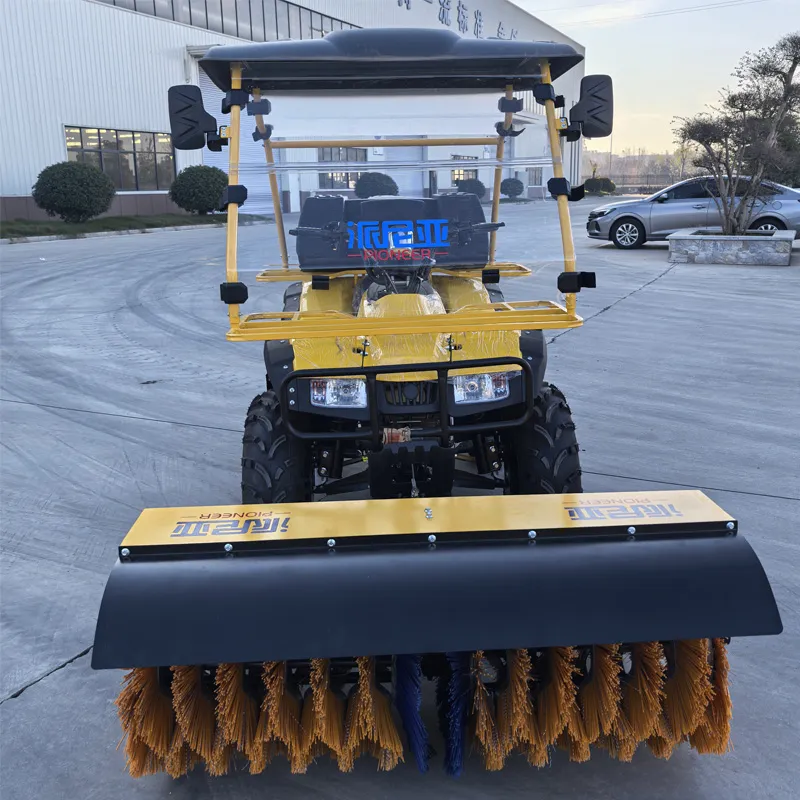
For instance, a manufacturer like Shandong Pioneer Engineering Machinery Co., Ltd (you can find their details at https://www.sdpioneer.com) presents an interesting case. Established back in 2004 and recently relocating to a new facility in 2023, that kind of long-term development and physical expansion usually signals a focus on production capacity and process refinement. When a company like this, operating through its manufacturing arm Shandong Hexin and trade arm Shandong Pioneer, exports consistently to markets with strict standards like the U.S., Canada, and Australia, it suggests their mini excavator and loader models have to meet a certain threshold of reliability and performance to gain that global trust. It's less about flashy specs and more about consistent build quality that survives rental fleets and daily contractor abuse.
This isn't an endorsement, but an observation from the field. The machines that last aren't always the biggest names; sometimes they're the ones from factories that have been through multiple product cycles, learning what breaks and reinforcing it. When evaluating a combo, I always look for that history of iteration—evidence of real-world feedback baked into the design of the boom, the seat layout, the placement of service points.
Attachment Synergy: The Force Multiplier
This is where the combo concept truly shines. The loader can be fitted with a breaker for demolition, while the excavator uses a grading bucket to simultaneously level the area. Or, the excavator digs a trench, and the loader, with a loader combo setup including a laser-graded attachment, handles the fine backfilling and compaction. The investment in a quick-attach system for both machines is non-negotiable. It pays for itself in saved labor time within weeks.
We once had a drainage installation project with rocky soil. The excavator, fitted with a ripper tooth, loosened the ground. The loader, with a rock grapple, cleared the debris. Swapping these attachments took minutes. Without that flexibility, we'd have been waiting for a larger, more disruptive machine to access the residential site.
The financial calculus is straightforward but often ignored. You're not just buying two machines; you're buying a reduction in idle time for your crew and a solution for a wider range of tasks without mobilizing additional equipment. The ROI comes from job versatility and bidding confidence, not just from the purchase price.
Final Thoughts: A Strategic Toolkit
So, is a mini excavator loader combo right for every operation? No. For large-scale, open-field work, it's inefficient. But for the vast middle ground of residential construction, municipal work, and tight-access landscaping, it's arguably the most productive pair of assets a small to mid-sized crew can own. It's a strategic choice.
The trend I see is toward more sophisticated hydraulics in these compact machines—features like auxiliary hydraulic circuits on both, allowing for more complex attachments. This further blurs the line between their traditional roles and makes the partnership even more potent.
In the end, it boils down to understanding that you're managing a small, mobile system. Success isn't just about operating each machine well; it's about choreographing their interaction on-site. That's the real expertise, and no spec sheet can teach it. You learn it by doing, by making a few mistakes, and by realizing that the whole is indeed greater than the sum of its parts.
Related Products
Related Products