- Chinese
- French
- German
- Portuguese
- Spanish
- Russian
- Japanese
- Korean
- Arabic
- Irish
- Greek
- Turkish
- Italian
- Danish
- Romanian
- Indonesian
- Czech
- Afrikaans
- Swedish
- Polish
- Basque
- Catalan
- Esperanto
- Hindi
- Lao
- Albanian
- Amharic
- Armenian
- Azerbaijani
- Belarusian
- Bengali
- Bosnian
- Bulgarian
- Cebuano
- Chichewa
- Corsican
- Croatian
- Dutch
- Estonian
- Filipino
- Finnish
- Frisian
- Galician
- Georgian
- Gujarati
- Haitian
- Hausa
- Hawaiian
- Hebrew
- Hmong
- Hungarian
- Icelandic
- Igbo
- Javanese
- Kannada
- Kazakh
- Khmer
- Kurdish
- Kyrgyz
- Latin
- Latvian
- Lithuanian
- Luxembou..
- Macedonian
- Malagasy
- Malay
- Malayalam
- Maltese
- Maori
- Marathi
- Mongolian
- Burmese
- Nepali
- Norwegian
- Pashto
- Persian
- Punjabi
- Serbian
- Sesotho
- Sinhala
- Slovak
- Slovenian
- Somali
- Samoan
- Scots Gaelic
- Shona
- Sindhi
- Sundanese
- Swahili
- Tajik
- Tamil
- Telugu
- Thai
- Ukrainian
- Urdu
- Uzbek
- Vietnamese
- Welsh
- Xhosa
- Yiddish
- Yoruba
- Zulu
- Kinyarwanda
- Tatar
- Oriya
- Turkmen
- Uyghur

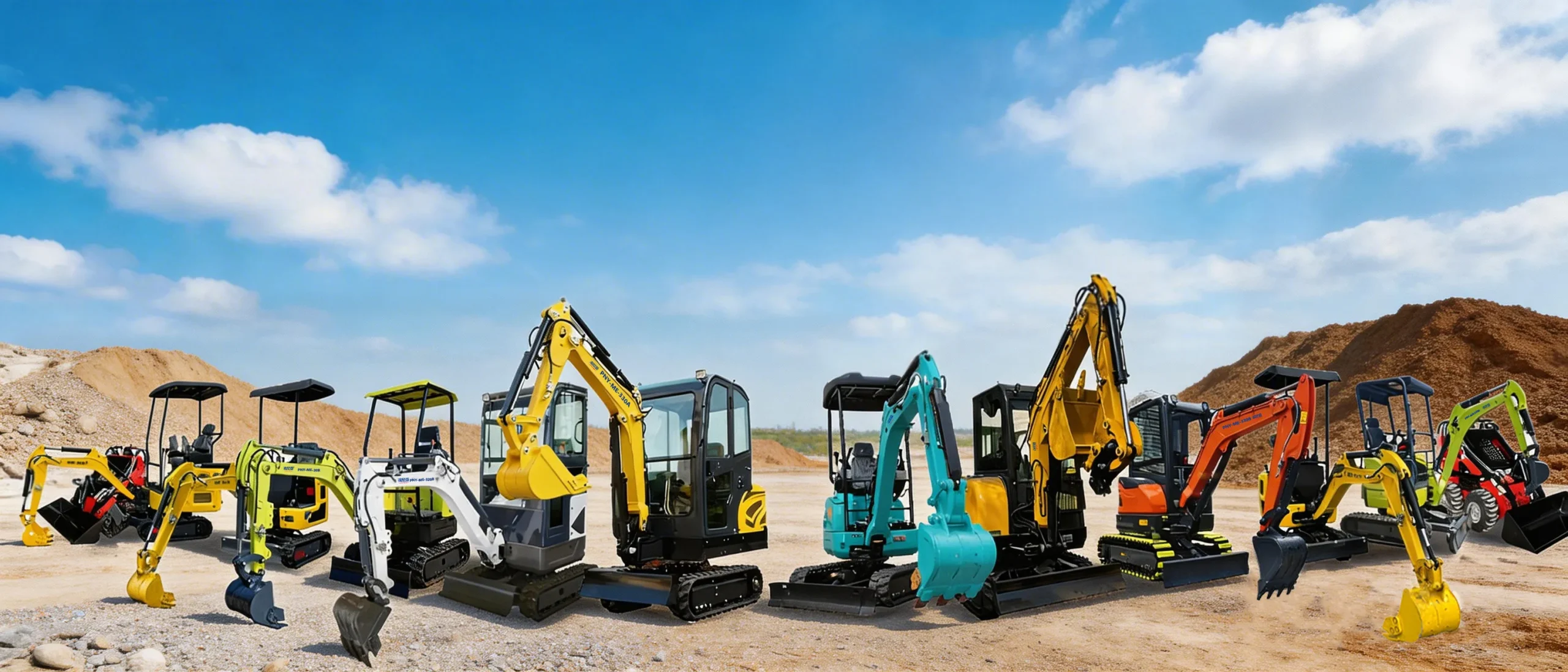
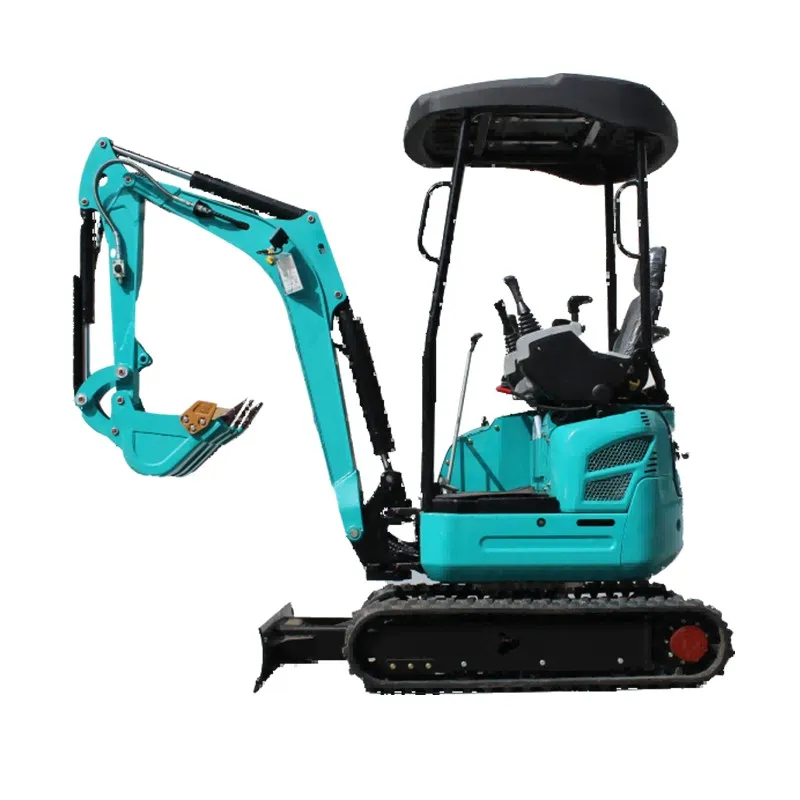
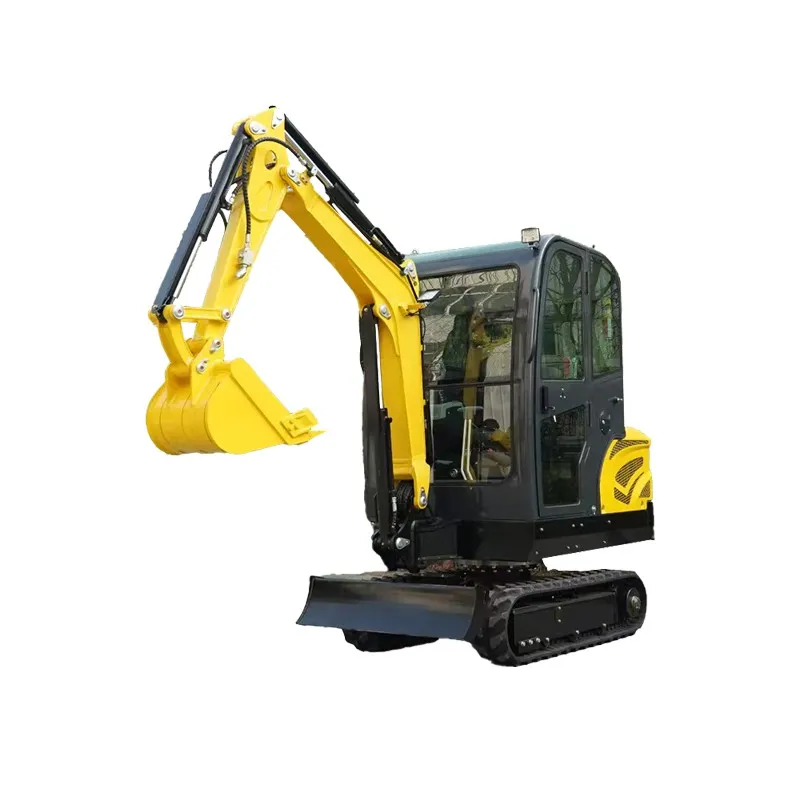
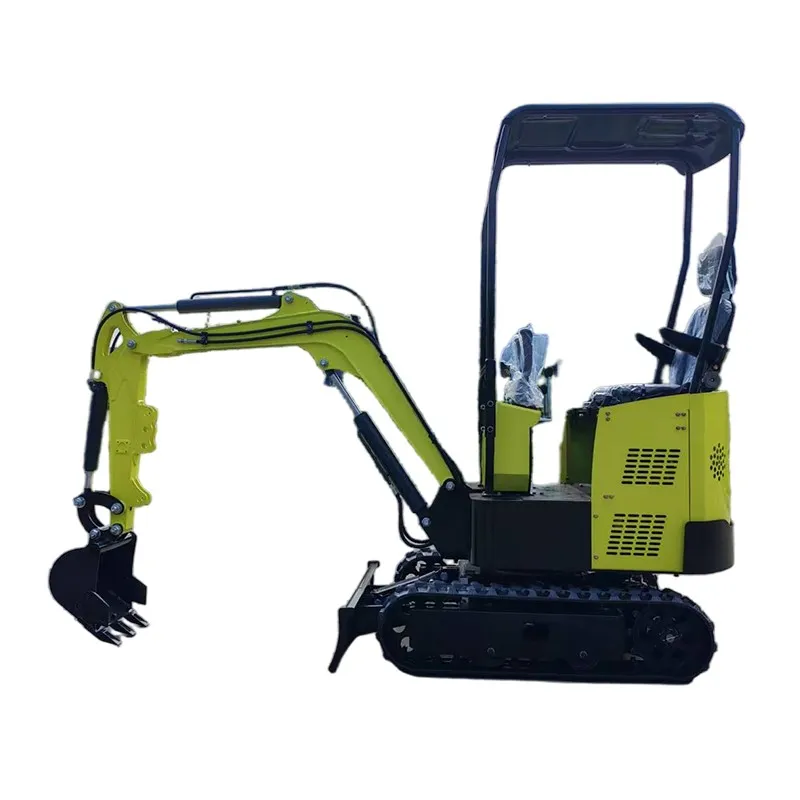
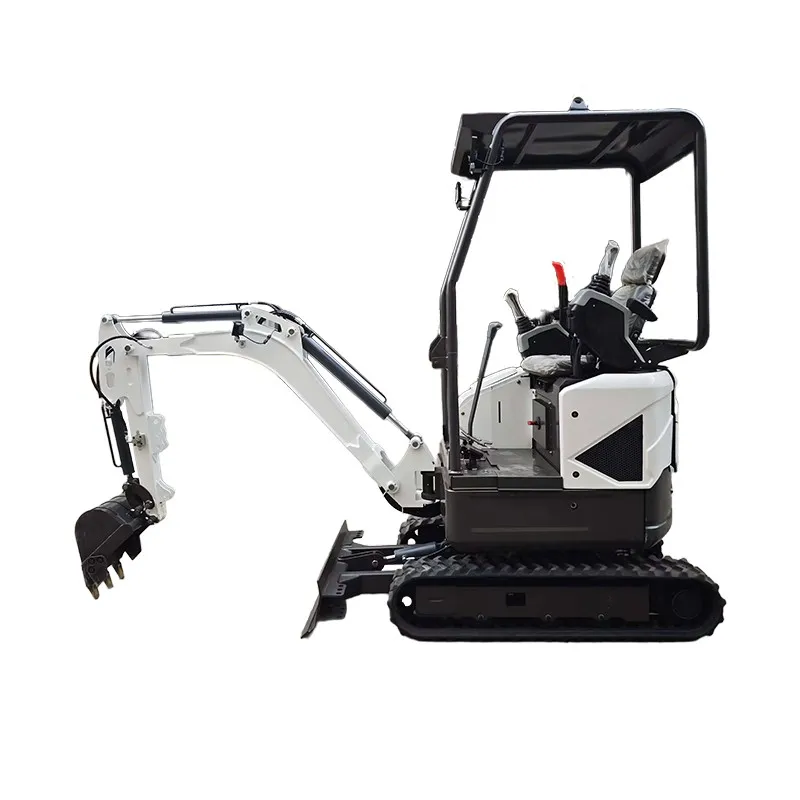
mini excavator price
When someone asks about 'mini excavator price', the first thing that comes to mind is the number on the spec sheet or the website quote. But that's just the starting point, and frankly, it's where a lot of people get tripped up. They see a $25,000 machine from one brand and a $32,000 machine that looks similar from another and think it's a simple choice. The reality is, the sticker price is almost a decoy. The real cost, and the real value, is buried in the details you only learn after you've owned a few, shipped them across oceans, and had them break down on a tight job site. I've seen companies make the cheap upfront choice only to spend double on repairs and downtime within the first 1,000 hours. The price isn't for the machine; it's for the total package of engineering, support, and reliability that keeps it running.
The Illusion of the Sticker Price
Let's get specific. You browse a site like sdpioneer.com and see a 1.8-ton model listed. The figure looks competitive. But what does that include? Standard bucket? Shipping to your nearest port? That's usually it. The moment you need a hydraulic breaker line, a wider track option for soft ground, or even just a larger bucket for a different material, the mini excavator price starts climbing. I remember sourcing a unit for a landscaping contractor in Australia; the base machine was perfect, but we hadn't factored in the cost of getting the right counterweight configuration for the attachments he already owned. That was a $2,000 lesson learned post-purchase.
Then there's the hidden factory. A company like Shandong Pioneer Engineering Machinery, which has been around since 2004 and recently moved to a new facility in Ningyang, often represents a different value proposition than a brand-new trading company. Their 20 years of development means their engineering has iterated. The welding on the boom, the routing of hydraulic hoses away from heat sources, the quality of the cylinder seals—these things aren't in the brochure, but they directly determine your long-term operating cost. A cheaper machine might use a lower-grade hydraulic pump that's noisier, less efficient, and has a shorter service life. You pay less today, but more in fuel and a major overhaul later.
This is where the export experience they mention matters. Shipping to markets like Germany or Canada means the machines have to meet certain, often unspoken, standards of fit and finish. A dealer in Stuttgart isn't going to accept sloppy wiring or poorly calibrated control valves. So, when you see that a manufacturer has a history of exporting to these regions, it's a proxy for a baseline of quality control that justifies a higher initial price. It's not a guarantee, but it's a data point you can't ignore.
Beyond the Machine: The Cost of Getting It to Work
Logistics is the silent budget killer. That attractive FOB price from China becomes a different beast once you add sea freight, insurance, port charges, and inland trucking. For a single mini excavator, the logistics cost can sometimes reach 15-25% of the machine's purchase price, especially to landlocked areas. I've coordinated shipments where the customs clearance delay at the destination port cost more in storage fees than the profit margin on the sale. When evaluating a mini excavator supplier, you're not just buying their product; you're buying their logistics network and experience.
A reliable supplier should be able to give you a clear CIF (Cost, Insurance, and Freight) quote to your major port. They should handle the export documentation, crating, and loading seamlessly. From my dealings, manufacturers with their own dedicated export division, like the Shandong Pioneer overseas trade team, tend to run a tighter ship—literally. They've seen all the common paperwork errors and shipping damage scenarios. This logistical competence prevents headaches that ultimately add cost and time on your end.
And let's talk about the crate. It sounds trivial, but a well-designed, steel-reinforced wooden crate is the difference between a machine that arrives ready for pre-delivery inspection and one that shows up with a dented cab or a leaking hose from a forklift tine that punched through flimsy wood. The cost of that better crate is baked into the overall price, but it saves you from a world of hassle and repair claims.
The Attachment Equation
No mini excavator works alone. Its value is multiplied by its attachments. But compatibility isn't universal. The auxiliary hydraulic flow rate and pressure, the quick coupler system, and even the electrical connections for automated attachments can vary. A machine might seem affordable until you realize you need a $1,500 adapter kit and a flow divider to run your favorite brand of tilt rotator efficiently, negating your initial savings.
Some manufacturers build their machines to be more attachment-agnostic with standard, high-flow hydraulics and common plumbing interfaces. Others have proprietary systems that lock you into their (sometimes more expensive) attachment ecosystem. When you get a quote, ask for the specs on the auxiliary hydraulics. Ask if the plumbing for a breaker or auger is pre-installed or if it's a costly field retrofit. I've seen projects stall because the machine arrived without the necessary hydraulic ports, and getting them installed locally doubled the expected cost and time.
This is another area where a manufacturer's longevity pays off. A company operating since 2004 has likely refined its attachment interface over several model generations based on customer feedback. They might offer a more thoughtful default configuration that saves you money down the line.
Durability: The Price of a Reputation
Durability is the ultimate arbiter of price. It's easy to build a machine that runs well for 500 hours. The test is what happens at 2,000, 3,000, 5,000 hours. This is where material choices and assembly quality separate the contenders from the pretenders. The undercarriage: are the rollers and idlers sealed and lubricated for life, or do they require frequent greasing? The structure: is the boom welded with precision and stress-relieved, or is it prone to cracking at the welds under cyclical loading?
I recall a batch of machines where the swing bearing, a critical and expensive component, failed prematurely. The root cause was traced back to a sub-tier supplier of bearings that the manufacturer had switched to in order to cut costs. The savings on the mini excavator price for the end-user was maybe $800. The cost to replace that bearing, including labor and downtime, was over $3,000. The manufacturer with a 20-year reputation has more to lose from such a failure and is generally more invested in vetting their supply chain.
This ties directly to the trust Shandong Pioneer mentions earning worldwide. That trust isn't marketing fluff; it's earned by delivering machines that don't fall apart. It means they've presumably sorted out their casting suppliers, their hydraulic hose fittings, their paint process to resist corrosion. This reliability has a cost, but it defends against catastrophic operational costs.
The Real Calculation: Total Cost of Ownership
So, when we circle back to mini excavator price, the only sane way to evaluate it is through Total Cost of Ownership (TCO). TCO = Purchase Price + Shipping & Customs + Initial Modifications/Attachments + Fuel & Lubricants + Routine Maintenance + Unexpected Repairs + Downtime Cost - Residual Value.
The purchase price is just one line item. A machine that costs $5,000 more upfront might have a significantly lower TCO because it sips less fuel, its filters are cheaper and last longer, and its major components don't fail within the first five years. Its higher build quality also means it holds its value better when you go to resell it. I've tracked this with fleets: the machines with the slightly higher initial ticket often have a 20-30% lower cost per operating hour over a 5-year period.
Therefore, the most important question for a supplier isn't What's your best price? It's Can you provide a breakdown of expected maintenance costs and common wear parts pricing? and What's the typical service interval for the major components? A confident manufacturer, one with a solid track record like a two-decade-old firm that's just expanded its production area, should be able to have that conversation. They know their product's lifecycle. That conversation reveals more about the true price than any website listing ever will.
In the end, the smart buy isn't the cheapest machine. It's the one whose total cost of ownership, supported by a manufacturer's proven ability to build and export a reliable product, makes the most financial sense for the years you'll own it. The number on the quote is just the beginning of the story.
Related Products
Related Products