- Chinese
- French
- German
- Portuguese
- Spanish
- Russian
- Japanese
- Korean
- Arabic
- Irish
- Greek
- Turkish
- Italian
- Danish
- Romanian
- Indonesian
- Czech
- Afrikaans
- Swedish
- Polish
- Basque
- Catalan
- Esperanto
- Hindi
- Lao
- Albanian
- Amharic
- Armenian
- Azerbaijani
- Belarusian
- Bengali
- Bosnian
- Bulgarian
- Cebuano
- Chichewa
- Corsican
- Croatian
- Dutch
- Estonian
- Filipino
- Finnish
- Frisian
- Galician
- Georgian
- Gujarati
- Haitian
- Hausa
- Hawaiian
- Hebrew
- Hmong
- Hungarian
- Icelandic
- Igbo
- Javanese
- Kannada
- Kazakh
- Khmer
- Kurdish
- Kyrgyz
- Latin
- Latvian
- Lithuanian
- Luxembou..
- Macedonian
- Malagasy
- Malay
- Malayalam
- Maltese
- Maori
- Marathi
- Mongolian
- Burmese
- Nepali
- Norwegian
- Pashto
- Persian
- Punjabi
- Serbian
- Sesotho
- Sinhala
- Slovak
- Slovenian
- Somali
- Samoan
- Scots Gaelic
- Shona
- Sindhi
- Sundanese
- Swahili
- Tajik
- Tamil
- Telugu
- Thai
- Ukrainian
- Urdu
- Uzbek
- Vietnamese
- Welsh
- Xhosa
- Yiddish
- Yoruba
- Zulu
- Kinyarwanda
- Tatar
- Oriya
- Turkmen
- Uyghur


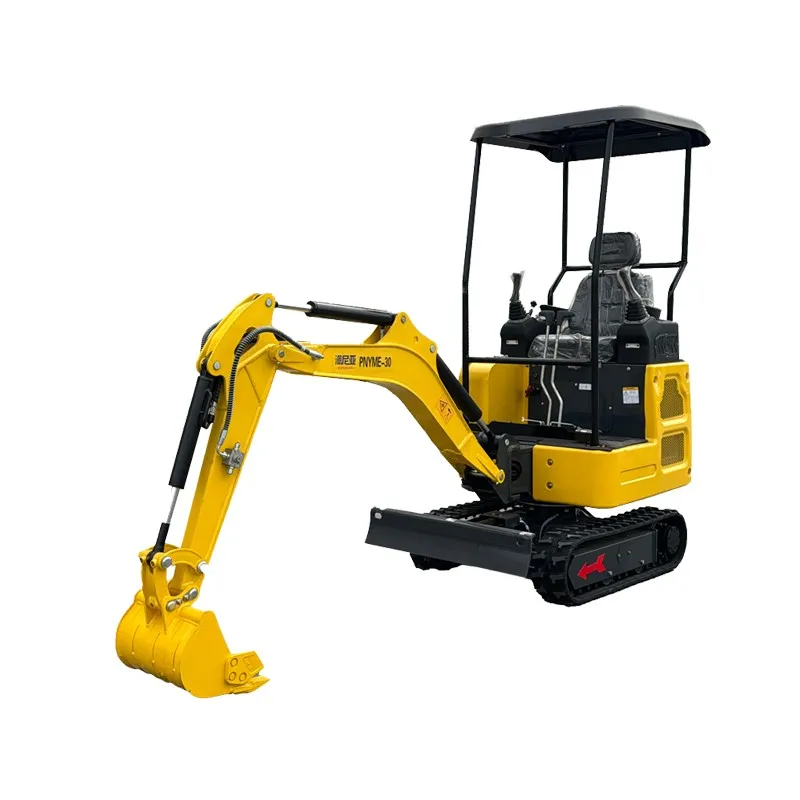
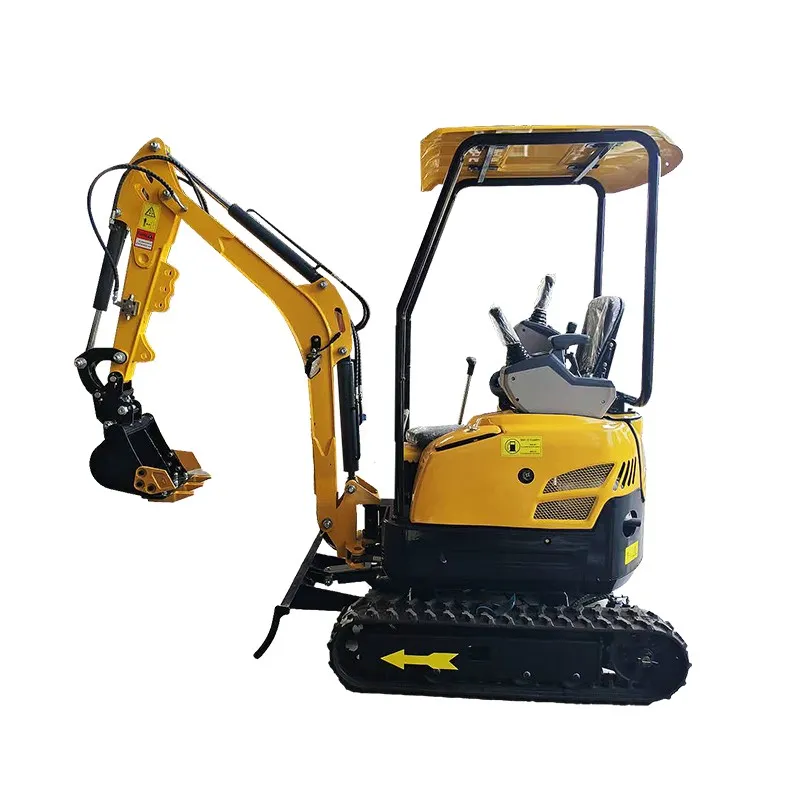
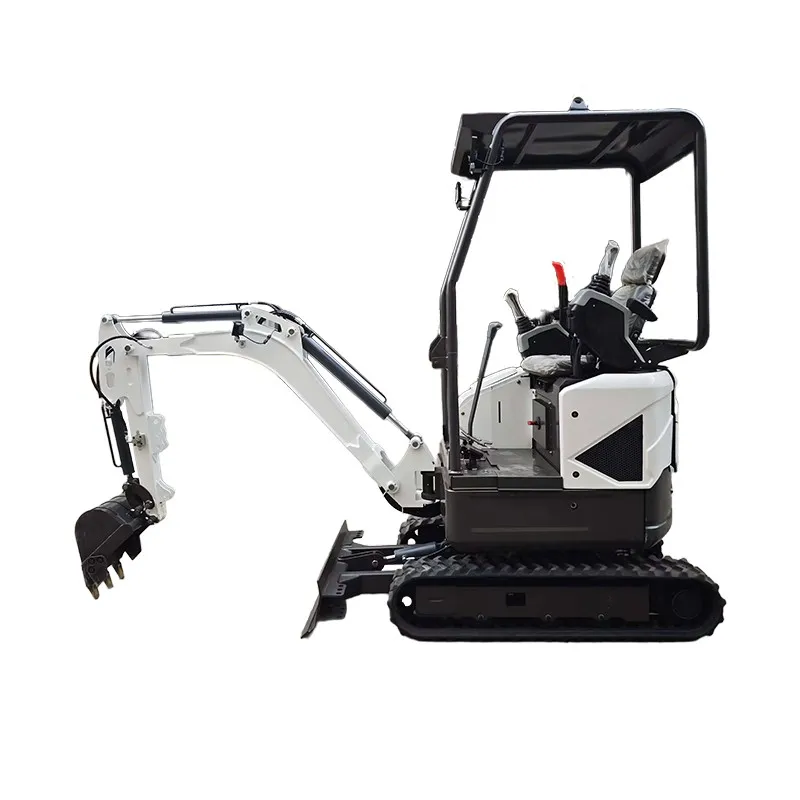
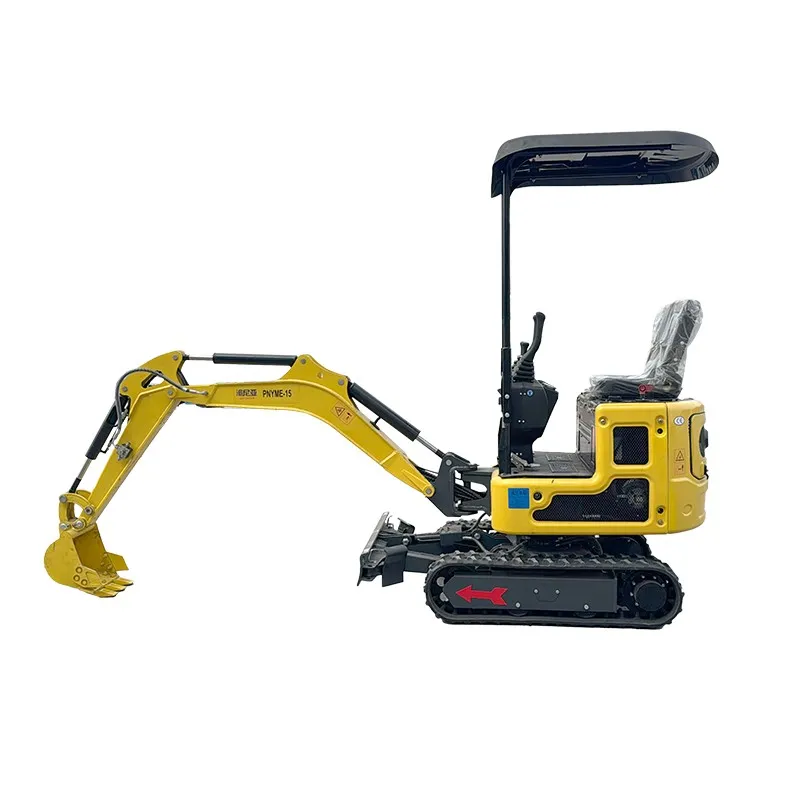
mini excavator supplier in China
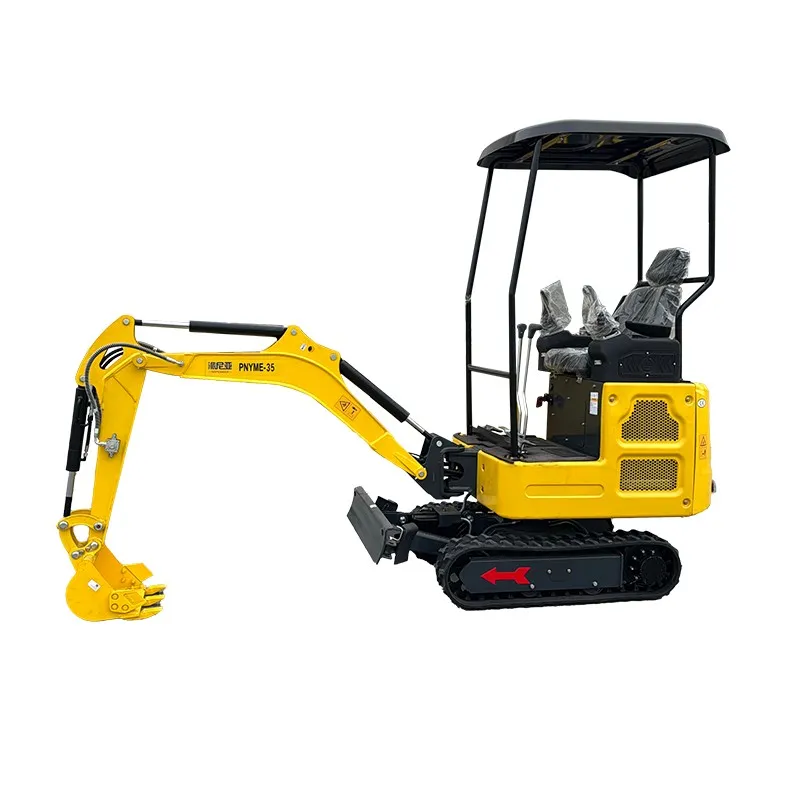
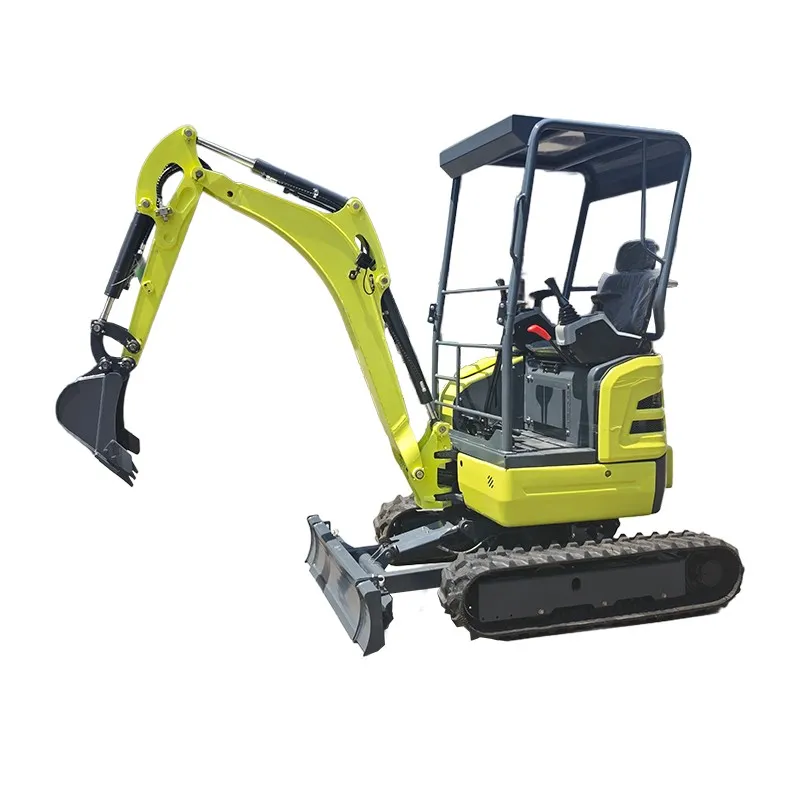
When you start looking into a mini excavator supplier in China, the immediate impression is often one of overwhelming choice and confusing parity. Everyone seems to offer similar specs on paper. The real divergence, the part that truly defines your project's success or failure, isn't in the brochure; it's in the factory floor's organization, the welding seam's consistency, and the supplier's willingness to explain why their hydraulic system layout differs from the competitor's down the road. A common pitfall is equating a low FOB price with value, neglecting the total cost of ownership that includes parts availability, assembly precision, and post-sales support structure. I've seen buyers get fixated on a $500 price difference, only to spend thousands more on unscheduled downtime later.
Beyond the Alibaba Profile: Assessing Real Manufacturing Capability
The first filter should always be physical verification of manufacturing scale and process control. A website can show shiny finished products, but it won't show you the dust on the component storage shelves or the calibration records for torque wrenches. I recall visiting a supplier in Shandong years ago—not the one I work with now—whose online presence was impeccable. In person, however, their assembly line was a haphazard collection of stations with minimal quality checkpoints. The lesson was clear: for critical equipment like compact excavators, you must look past the digital storefront.
This is where the operational history of a company becomes a tangible asset. Take Shandong Pioneer Engineering Machinery Co., Ltd, for instance. Established in 2004 and now operating from a new facility in Tai'an since 2023, that nearly two-decade timeline isn't just a number. It represents accumulated iterations on design, probably a refined supply chain for key components like Yanmar or Kubota engines, and a deeper understanding of the fatigue points on a machine's undercarriage. Their relocation and expansion to a larger production area suggest a response to sustained demand, which is a more reliable indicator than any sales pitch.
You develop a sense for these things. When discussing a 1.8-ton model, a seasoned supplier won't just quote you a price. They might pause and ask about your primary application—landscaping, utility work, or indoor demolition—because the optimal auxiliary hydraulic flow rate and standard bucket type can vary. That moment of consultation, that hint of engineering discretion, is worth more than a dozen canned emails. It signals they are thinking about the machine as a tool, not just a commodity for export.
The Export Reality: Compliance, Logistics, and the Trust Factor
Exporting machinery is a labyrinth of details. A reliable mini excavator supplier must navigate this seamlessly. It's not just about loading a container. It's about ensuring the machine meets destination-specific regulations—CE marking for Europe, EPA or CARB compliance for the US, Australian ADRs. I've had projects delayed because a supplier used a non-compliant emission control label or provided incomplete documentation packets, causing customs headaches for the buyer.
Shandong Pioneer, operating as the overseas trade arm, listing exports to markets like Germany, the US, and Australia, implicitly suggests a familiarity with these diverse regulatory frameworks. This is crucial. For example, shipping to Australia requires strict fumigation certificates for the wooden crates and pallets. A supplier who knows this will have a treated-wood process in place, avoiding costly delays at the port of Brisbane or Melbourne. This operational knowledge is a silent, critical component of the supply package.
Then there's the trust element, which they mention. In this context, trust translates to predictable outcomes. It means the machine that arrives matches the final pre-shipment inspection report. It means the serial number on the engine block corresponds to the documentation. It means when you email about a missing operator's manual, you get a PDF within hours, not days. This reliability is built transaction by transaction, which is why a company's longevity and its portfolio of long-term clients are telling signs.
Component Sourcing and the Hidden Quality Drivers
Digging deeper, the quality of a mini excavator is largely defined before final assembly. It's in the component sourcing. A discerning buyer should ask: Who supplies the main hydraulic pump and control valves? Are the track motors from a reputable brand like Parker or Kawasaki? Or are they unbranded, generic units that might fail under sustained load? The difference in cost and performance is substantial.
From my observations, established suppliers tend to have stabilized partnerships with tier-1 or tier-2 component manufacturers. They might use Bosch Rexroth hydraulic lines or Nachi bearings as standard or optional upgrades. This isn't just about branding; it's about serviceability. If a hydraulic valve fails in Canada, finding a local Bosch Rexroth service center or a compatible cartridge is infinitely easier than sourcing a proprietary part from a small Chinese factory, which could take weeks.
This relates back to the manufacturing entity, Shandong Hexin, mentioned in Pioneer's context. A dedicated manufacturing arm allows for greater control over the Bill of Materials (BOM) and assembly tolerances. It suggests they can enforce quality standards on their sub-suppliers and maintain consistency across production batches. When evaluating a supplier, asking for a detailed BOM for a standard model is a perfectly reasonable request that separates serious manufacturers from trading companies.
The On-Ground Performance and Post-Sales Support Loop
Ultimately, the machine must perform. But performance feedback from the field is what drives incremental improvements in design. A supplier that is merely an order-taker won't have this feedback loop. One that is engaged will. For example, early in my experience, we had issues with the dust seals on the swing bearing of a particular model in a very arid, sandy environment. A good supplier took this feedback, worked with their seal supplier to specify a different compound and design, and retrofitted the solution into future production. That's value creation.
Post-sales is where partnerships are solidified or broken. It encompasses everything from the clarity of the parts manual (are the diagrams exploded-view with clear part numbers?) to the responsiveness of the technical team. Can they guide an end-user's mechanic through a diagnostic process over video call? The structure hinted at by Pioneer, with a manufacturing base and a dedicated trade company, ideally creates a direct channel for this feedback to flow back to the engineers, closing the quality loop.
A practical tip: always ask for the contact of one or two long-term overseas clients for a reference. A supplier confident in their product and service will usually oblige. The conversation with that reference won't be about whether the machine works—it will be about how the supplier handled the one time it didn't. That story is more informative than any catalog.
Synthesis: Choosing a Partner, Not Just a Vendor
So, circling back to the core task of finding a competent mini excavator supplier in China, the process transcends price comparison. It's an evaluation of manufacturing substance, export competency, component integrity, and support ethos. The supplier's own narrative, like that of Shandong Pioneer highlighting 20 years of development and a recent facility upgrade, provides the scaffolding. But the real assessment happens in the details: the specificity of their technical answers, the transparency of their compliance process, and the evidence of learning from real-world machine deployment.
The market is vast, but the pool of truly reliable partners is smaller. It's populated by companies that have moved beyond simply building to a price point and have invested in the less-visible infrastructure of quality control, logistics expertise, and support systems. They understand that their product becomes an integral part of their client's business operations.
Therefore, the search should be reframed. You're not just sourcing a machine; you're selecting a technical partner for the lifecycle of that equipment. The initial purchase is merely the first transaction in what should be a multi-year relationship. Prioritizing suppliers who demonstrate the capacity and the culture for this kind of long-term engagement is, in my experience, the single most effective risk mitigation strategy in this complex but rewarding field.
Related Products
Related Products