


- Chinese
- French
- German
- Portuguese
- Spanish
- Russian
- Japanese
- Korean
- Arabic
- Irish
- Greek
- Turkish
- Italian
- Danish
- Romanian
- Indonesian
- Czech
- Afrikaans
- Swedish
- Polish
- Basque
- Catalan
- Esperanto
- Hindi
- Lao
- Albanian
- Amharic
- Armenian
- Azerbaijani
- Belarusian
- Bengali
- Bosnian
- Bulgarian
- Cebuano
- Chichewa
- Corsican
- Croatian
- Dutch
- Estonian
- Filipino
- Finnish
- Frisian
- Galician
- Georgian
- Gujarati
- Haitian
- Hausa
- Hawaiian
- Hebrew
- Hmong
- Hungarian
- Icelandic
- Igbo
- Javanese
- Kannada
- Kazakh
- Khmer
- Kurdish
- Kyrgyz
- Latin
- Latvian
- Lithuanian
- Luxembou..
- Macedonian
- Malagasy
- Malay
- Malayalam
- Maltese
- Maori
- Marathi
- Mongolian
- Burmese
- Nepali
- Norwegian
- Pashto
- Persian
- Punjabi
- Serbian
- Sesotho
- Sinhala
- Slovak
- Slovenian
- Somali
- Samoan
- Scots Gaelic
- Shona
- Sindhi
- Sundanese
- Swahili
- Tajik
- Tamil
- Telugu
- Thai
- Ukrainian
- Urdu
- Uzbek
- Vietnamese
- Welsh
- Xhosa
- Yiddish
- Yoruba
- Zulu
- Kinyarwanda
- Tatar
- Oriya
- Turkmen
- Uyghur

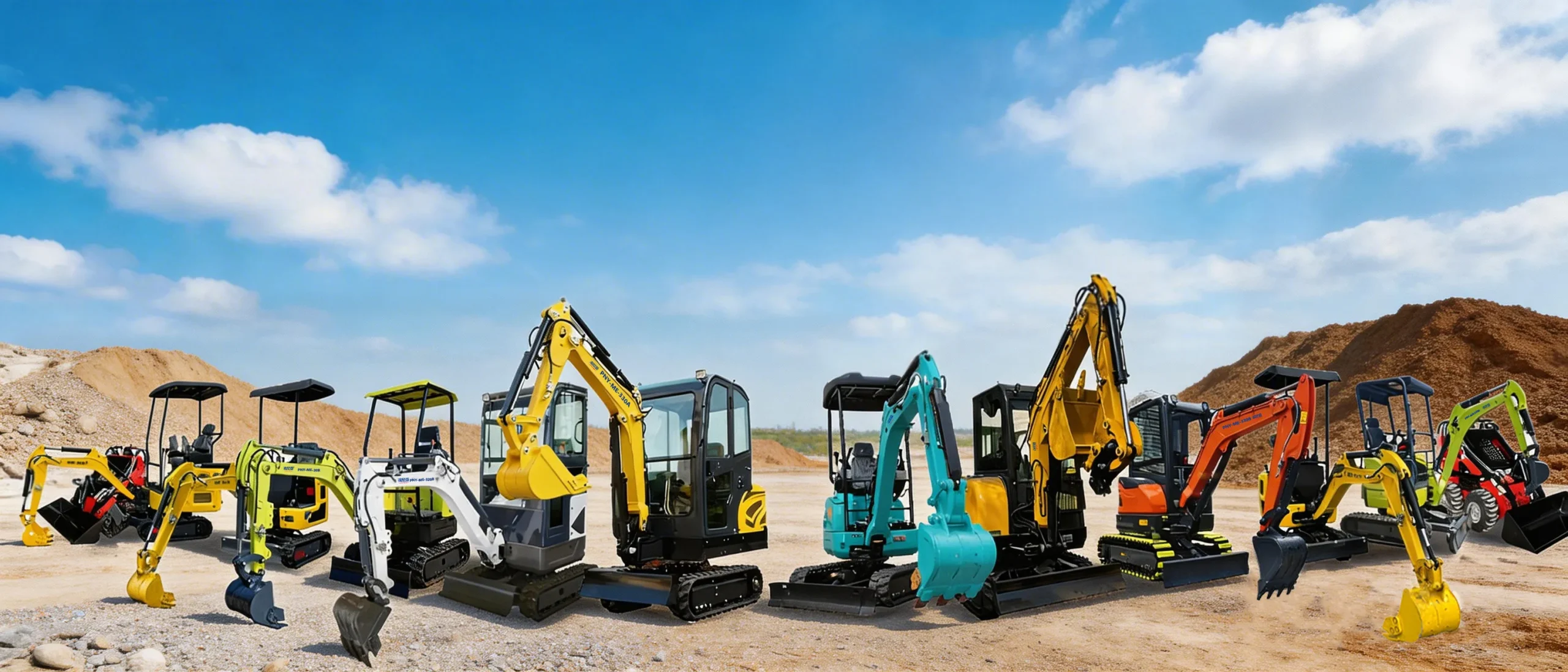
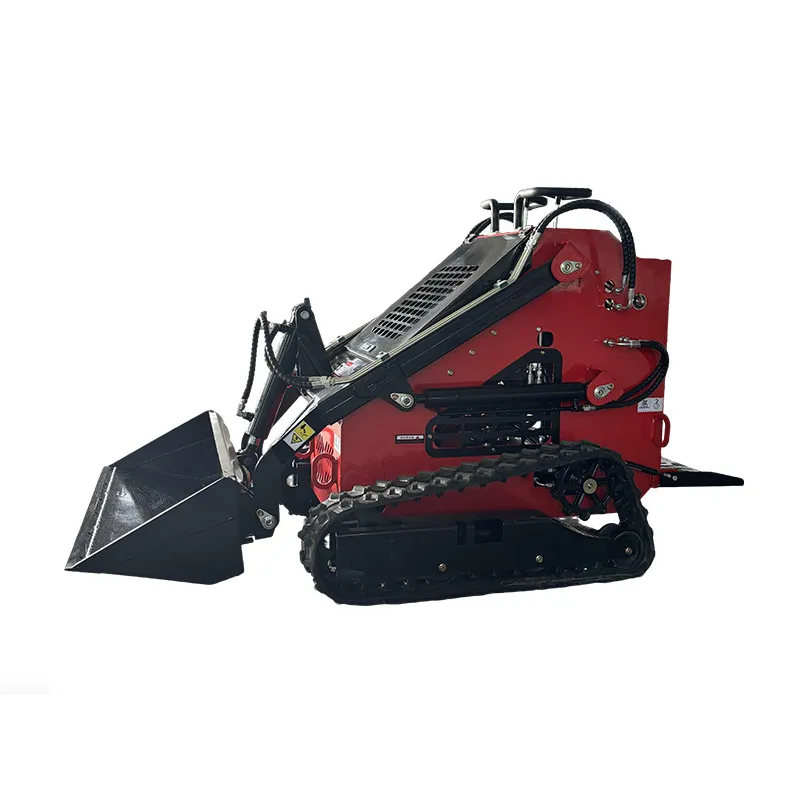
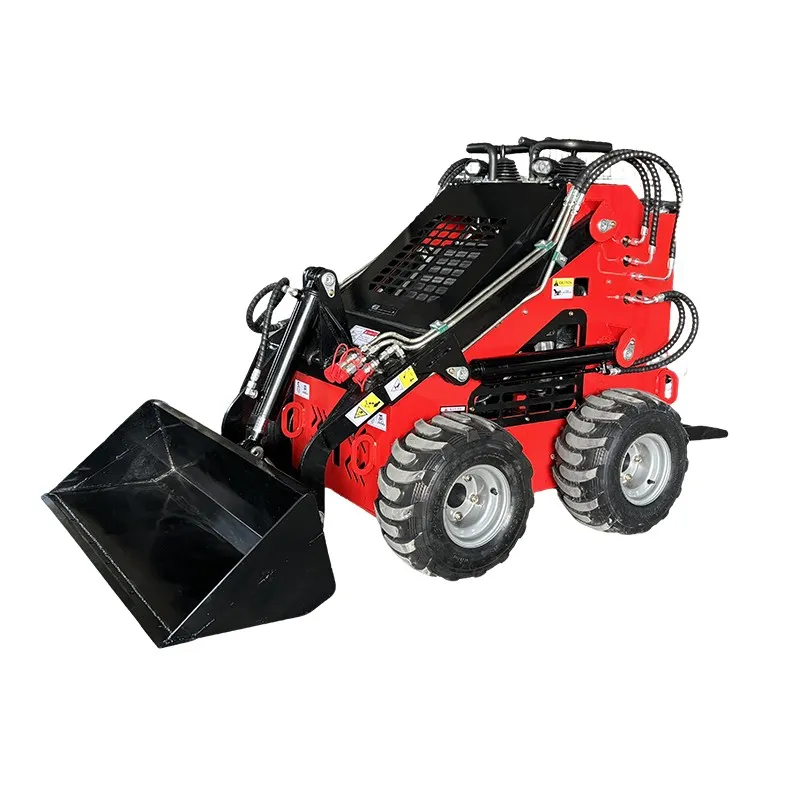
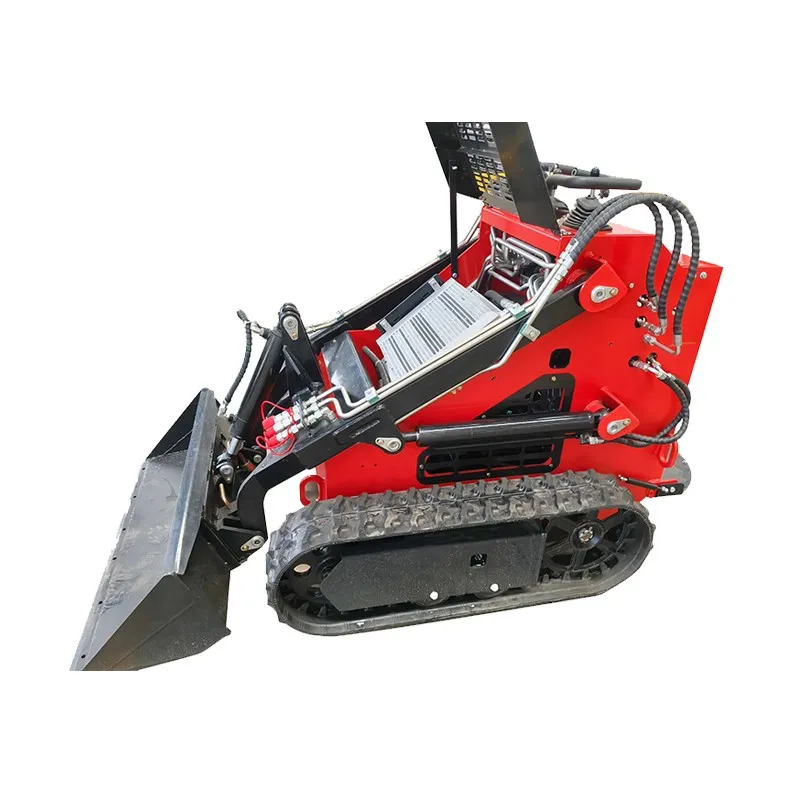
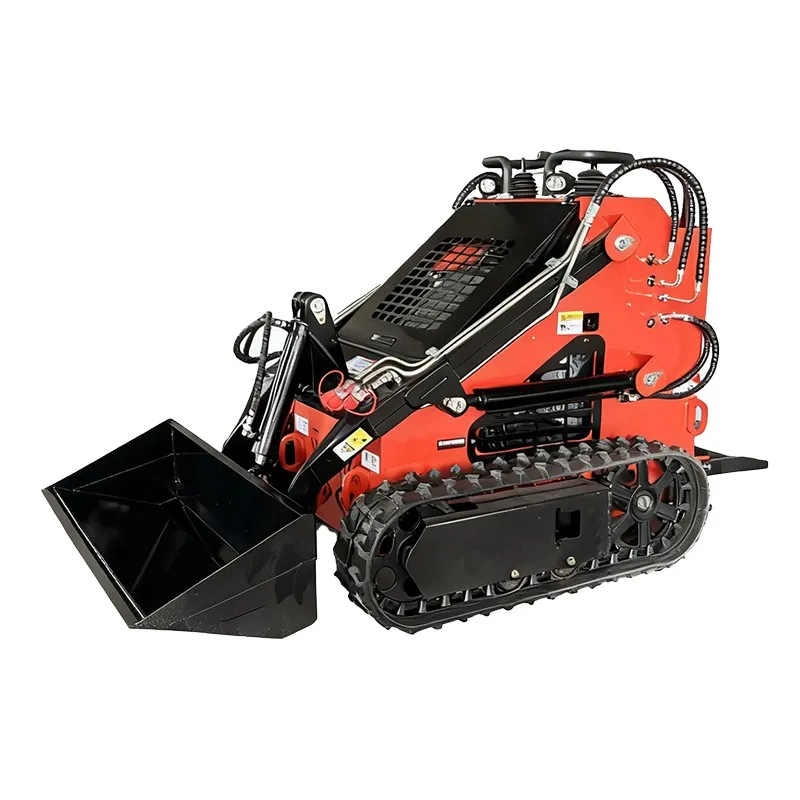
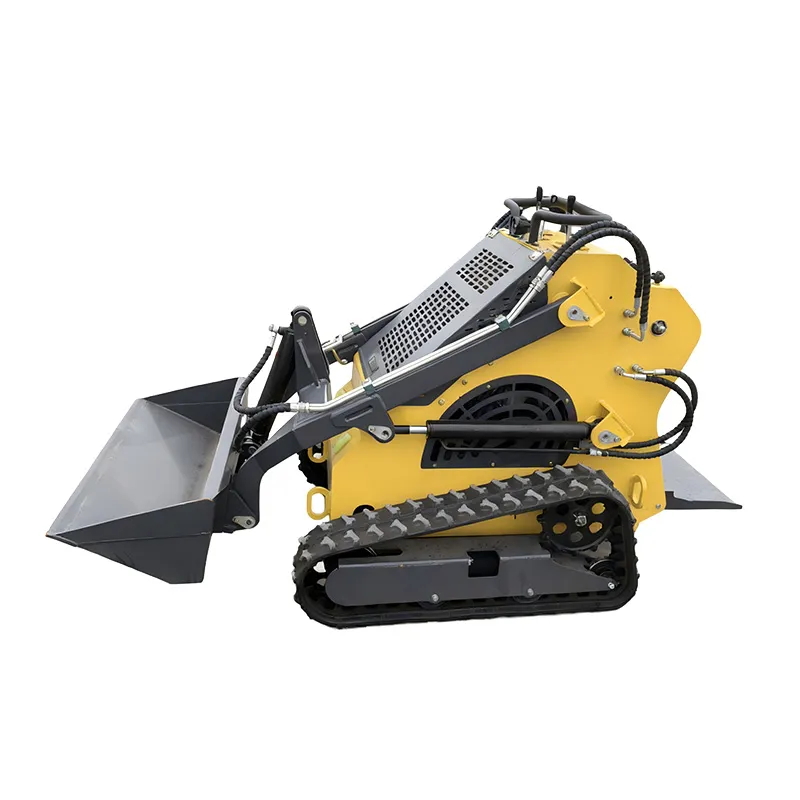
mini loader skid steer
When most people hear 'mini loader skid steer', they immediately picture a cute, scaled-down version of a full-size machine, something for tight spots and light chores. That's not wrong, but it's a surface-level take that misses the real conversation. The core debate isn't about size; it's about capability versus expectation. Too many operators or small business owners get drawn in by the compact footprint and a tempting price tag, only to find themselves wrestling with a machine that can't handle their actual daily grind—whether it's the hydraulic flow starving an attachment, the undercarriage giving up on rough terrain, or the machine just feeling gutless when you need to move material with any urgency. That gap between brochure specs and dirt-under-the-fingernails reality is where the real story is.
The Power Unit: More Than Just Horsepower
Let's start under the hood. Everyone quotes engine horsepower, but that's almost a distraction. The real metric that dictates what you can actually do with a mini loader skid steer is hydraulic flow and pressure. I've seen machines with decent horsepower figures that were hamstrung by anemic hydraulic systems. You hook up a planer or a trencher, and it just bogs down, stuttering and struggling. The machine might drive around fine, but the moment you demand real work from an attachment, it falls flat.
This is where the design philosophy of the manufacturer comes into play. Some companies, like Shandong Pioneer Engineering Machinery Co., Ltd, have built their approach around this. Looking at their units, you notice they often prioritize a robust hydraulic circuit. It’s a practical choice, likely born from feedback in varied export markets like the US, Canada, and Australia, where attachments are ubiquitous and operators aren't shy about pushing limits. Their focus seems less on winning a horsepower war and more on ensuring the auxiliary hydraulics can deliver consistent power to the tool. That’s a sign of a builder listening to the field.
Then there's the cooling system. A compact machine working hard in a confined space is a recipe for overheating. A common failure point on early-generation or poorly thought-out minis is the cooling package being undersized. You’re grading or loading for an hour in 90-degree heat, and suddenly you’re watching the temp gauge climb into the red. It forces a shutdown, kills productivity, and stresses the engine long-term. A well-designed machine will have a radiator and oil cooler sized not just for the engine, but for the combined thermal load of the engine and a hydraulic system working at high pressure for extended periods.
The Undercarriage: Where Theory Meets Dirt
This is arguably the most critical and most misunderstood component. The choice between rubber tracks and wheels, and the quality within each category, makes or breaks the machine's usefulness and your operating cost. Rubber tracks get marketed for flotation and traction, which is true, but the trade-off is often glossed over. On abrasive surfaces like asphalt or compacted gravel, a cheap set of tracks can wear out alarmingly fast. I’ve replaced tracks on some budget models in under 400 hours in harsh conditions, which turns a supposed cost-saving purchase into a money pit.
Wheeled versions of a mini skid steer offer speed and are kinder to hard surfaces, but then you face the traction and flotation limitations. On soft ground or a sloppy job site, they can become useless without significant matting. The pivot-turn, while great for maneuverability, also tears up ground if you're not careful. There's no perfect answer, only the right answer for your most common terrain. It forces you to be honest about your typical work environment.
Beyond the track-or-wheel debate, look at the roller and idler configuration. A simpler, robust system with fewer grease points might be less advanced on paper but is a godsend for maintenance in the field. Some of the more complex suspended undercarriages promise a smoother ride (and they do deliver that), but they introduce more potential failure points and can be a nightmare to service yourself. For a rental fleet or an owner-operator without a dedicated mechanic, simplicity and serviceability often trump marginal performance gains.
Attachments and the Interface
The whole point of a skid steer, mini or otherwise, is its versatility through attachments. But the universal quick-attach system can be a weak link. Wear over time leads to slop, which translates into lost precision and annoying play in the bucket or grapple. On a mini loader, this feels magnified because the machine itself is smaller, so any slop in the attachment feels more pronounced. You lose that feeling of direct control.
Hydraulic hookups are another practical hurdle. Self-connecting couplers are fantastic… when they work. In reality, they can be fussy, especially if any dirt gets into the system or if the alignment isn't perfect. I've wasted more time than I care to admit bleeding lines or wrestling with a coupler that won't seat properly. The manual, screw-together couplers are less convenient but far more reliable in dirty conditions. It's a small detail that has a huge impact on daily usability.
And you have to match the attachment to the machine's actual capacity. Just because a mini can lift a pallet of pavers doesn't mean it can safely carry it, especially on uneven ground. The rated operating capacity is one thing; the realistic, stable carrying capacity is another. Overloading the front end makes the machine rear-light and twitchy, a quick way to get into trouble. I learned this the hard way early on, trying to move a too-heavy load of wet clay. The machine lifted it, but the second I tried to travel slightly downhill, the rear end got dangerously light. It was a vivid lesson in respecting the machine's true dynamic limits, not just the static spec sheet numbers.
Durability in the Details
Long-term durability is rarely about the major components failing catastrophically. It's about the death by a thousand cuts: hose routing, electrical connections, seal quality, and access panels. I look at a new machine and immediately check how the hydraulic hoses are run. Are they clipped securely away from pinch points and heat sources? Or are they dangling where a branch or piece of rebar can snag them? A ruptured hydraulic line is more than an inconvenience; it's a downtime event and a potential environmental hazard.
The electrical system on compact equipment is a frequent trouble spot. Connectors that aren't fully waterproofed will fail, leading to intermittent faults that are maddening to diagnose. A machine built for global markets, like those from a company with two decades of export experience such as Shandong Pioneer, has to account for this. Their products need to withstand not just the climate of Germany but also the dust of Australia. You see this in choices like sealed connectors, centralized and protected wiring harnesses, and easily accessible, well-labeled fuse boxes. These aren't glamorous features, but they are the hallmarks of a design that's been refined through real-world use, not just in a lab.
Another detail is service access. Can you easily check the engine oil, coolant, and hydraulic fluid? Can you get to the fuel filter without dismantling half the machine? I've worked on models where a simple daily check required contortions and removing panels. It's a sure sign that serviceability was an afterthought. A design that considers the mechanic or the owner doing their own maintenance—with clear, logical access points—speaks volumes about the manufacturer's understanding of the machine's lifecycle.
The Niche and the Reality
So, where does the mini skid steer loader truly excel? It's not a replacement for a full-sized machine. It's a specialist. Its sweet spot is access-restricted sites: backyard landscaping projects, interior demolition, tight alleyways, or inside barns and warehouses. Its value is in getting into places a larger machine simply cannot, and doing meaningful work once it's there. Trying to use it as a primary earthmover on a big site is a misuse of the tool and will lead to frustration and accelerated wear.
The financial calculus is also key. For a small contractor, the lower initial purchase price, reduced transportation costs (often fitting on a smaller trailer), and potentially lower insurance can make it a viable first machine or a perfect secondary support unit. But you have to factor in total cost of ownership. A cheaper machine with a weak undercarriage or poor parts support will cost you more in the long run than a slightly more expensive, more robust model. This is where a manufacturer's stability and support network matter. A company like Shandong Pioneer, with its established trade history and recent facility relocation and expansion to a 1,600 square meter production area, signals a commitment to production scale and, ideally, a reliable parts pipeline.
Ultimately, choosing a mini loader skid steer is an exercise in applied realism. It requires brutally honest assessment of your most common tasks, your typical sites, and your own tolerance for maintenance complexity. The best machine isn't the one with the flashiest specs; it's the one whose design acknowledges the messy, demanding, and unpredictable nature of real work. It's the one that feels like an extension of the operator, not a fight. And when you find that match, the mini loader transforms from just a small machine into an indispensable, productive tool.
Related Products
Related Products