


- Chinese
- French
- German
- Portuguese
- Spanish
- Russian
- Japanese
- Korean
- Arabic
- Irish
- Greek
- Turkish
- Italian
- Danish
- Romanian
- Indonesian
- Czech
- Afrikaans
- Swedish
- Polish
- Basque
- Catalan
- Esperanto
- Hindi
- Lao
- Albanian
- Amharic
- Armenian
- Azerbaijani
- Belarusian
- Bengali
- Bosnian
- Bulgarian
- Cebuano
- Chichewa
- Corsican
- Croatian
- Dutch
- Estonian
- Filipino
- Finnish
- Frisian
- Galician
- Georgian
- Gujarati
- Haitian
- Hausa
- Hawaiian
- Hebrew
- Hmong
- Hungarian
- Icelandic
- Igbo
- Javanese
- Kannada
- Kazakh
- Khmer
- Kurdish
- Kyrgyz
- Latin
- Latvian
- Lithuanian
- Luxembou..
- Macedonian
- Malagasy
- Malay
- Malayalam
- Maltese
- Maori
- Marathi
- Mongolian
- Burmese
- Nepali
- Norwegian
- Pashto
- Persian
- Punjabi
- Serbian
- Sesotho
- Sinhala
- Slovak
- Slovenian
- Somali
- Samoan
- Scots Gaelic
- Shona
- Sindhi
- Sundanese
- Swahili
- Tajik
- Tamil
- Telugu
- Thai
- Ukrainian
- Urdu
- Uzbek
- Vietnamese
- Welsh
- Xhosa
- Yiddish
- Yoruba
- Zulu
- Kinyarwanda
- Tatar
- Oriya
- Turkmen
- Uyghur

mini mini excavator
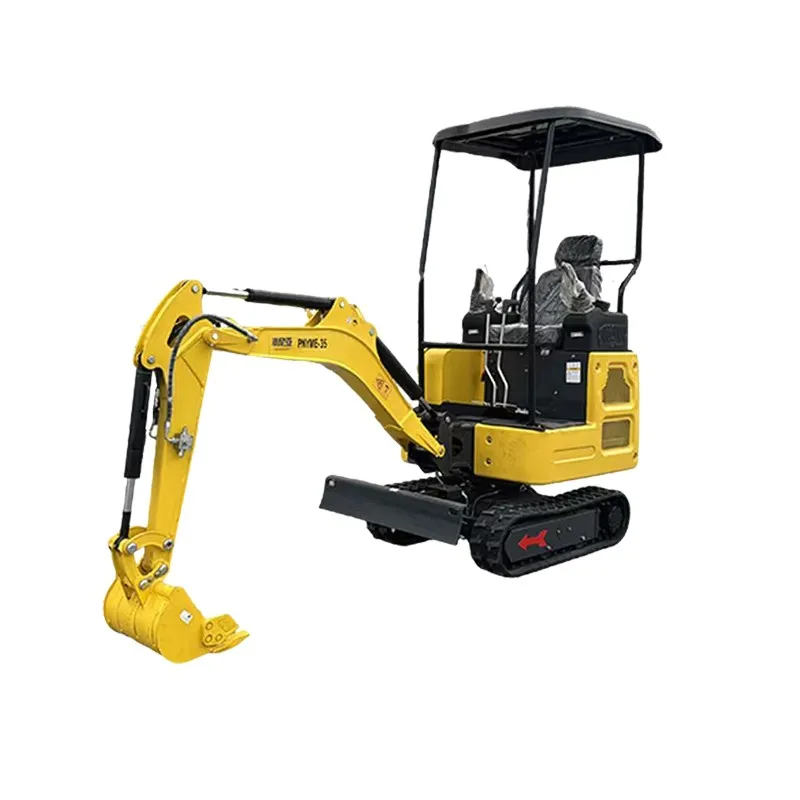
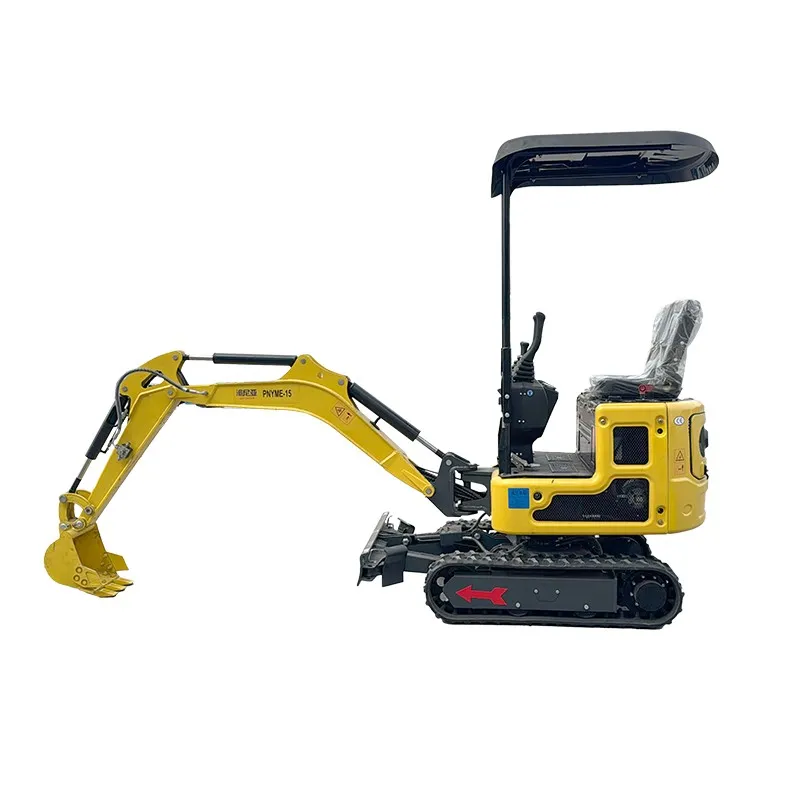
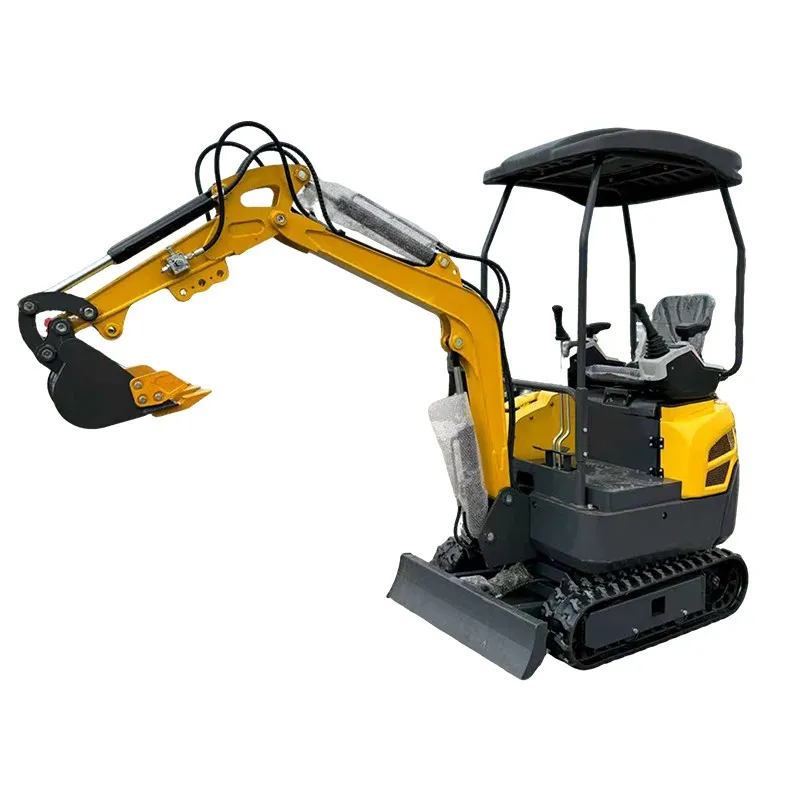
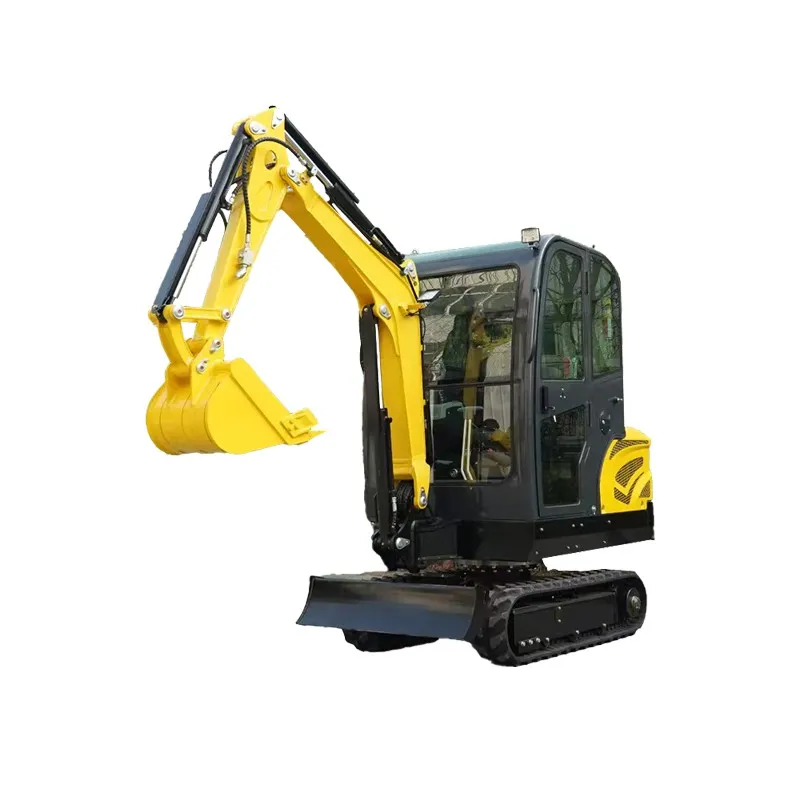
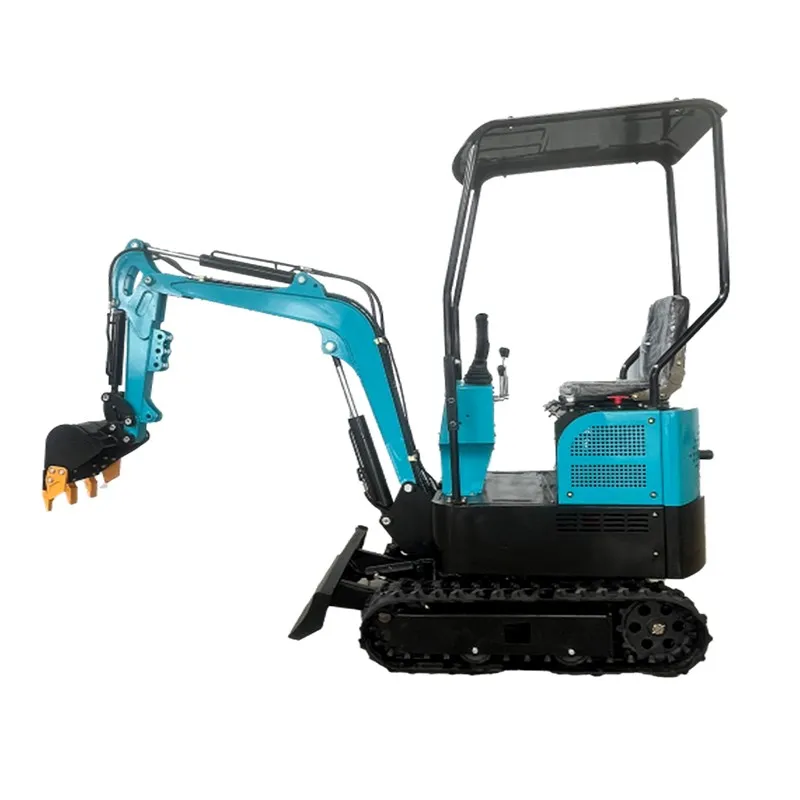
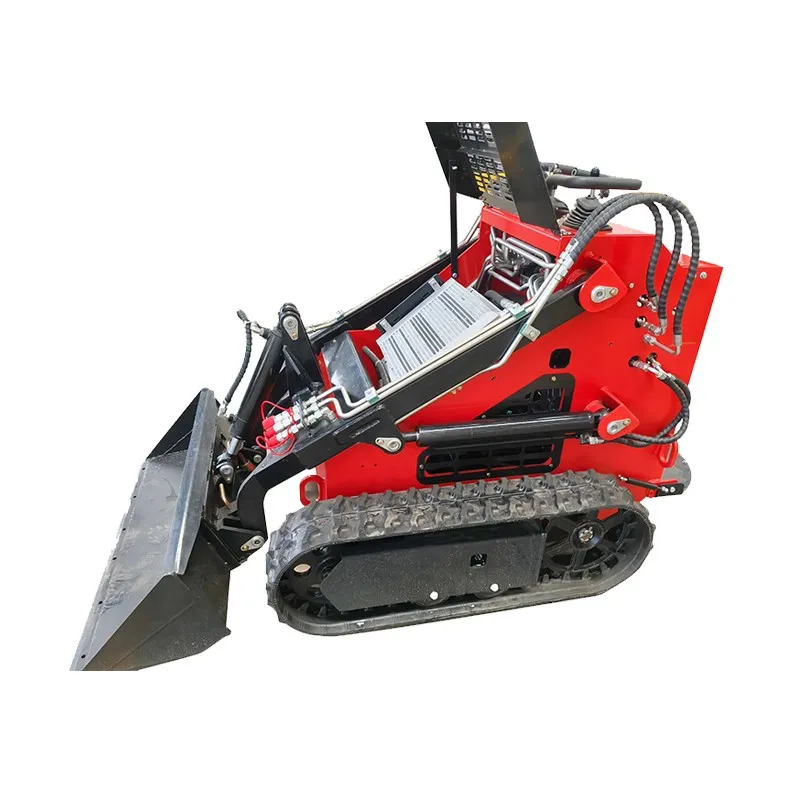
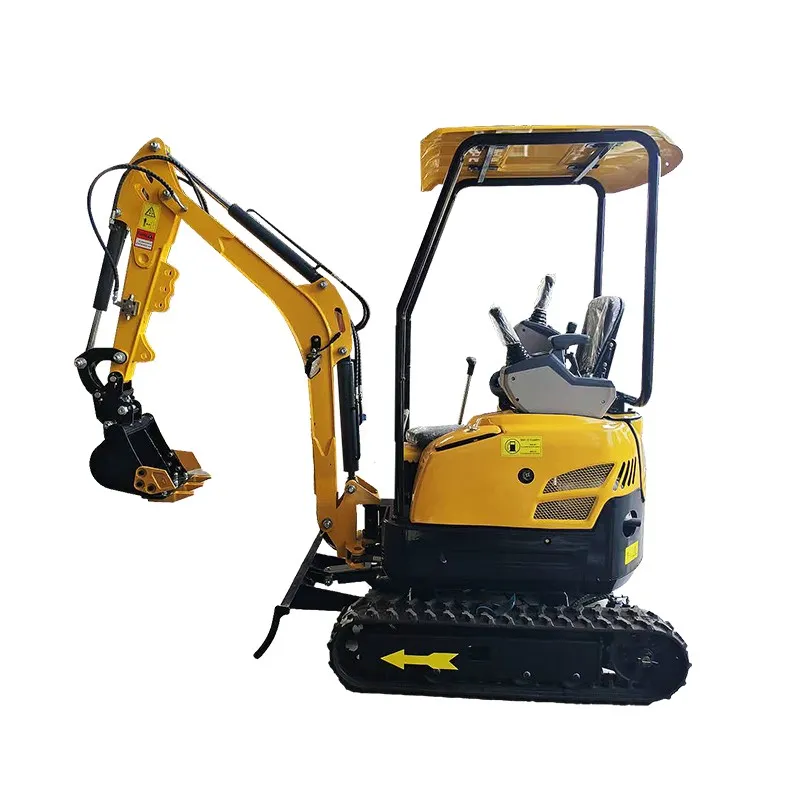
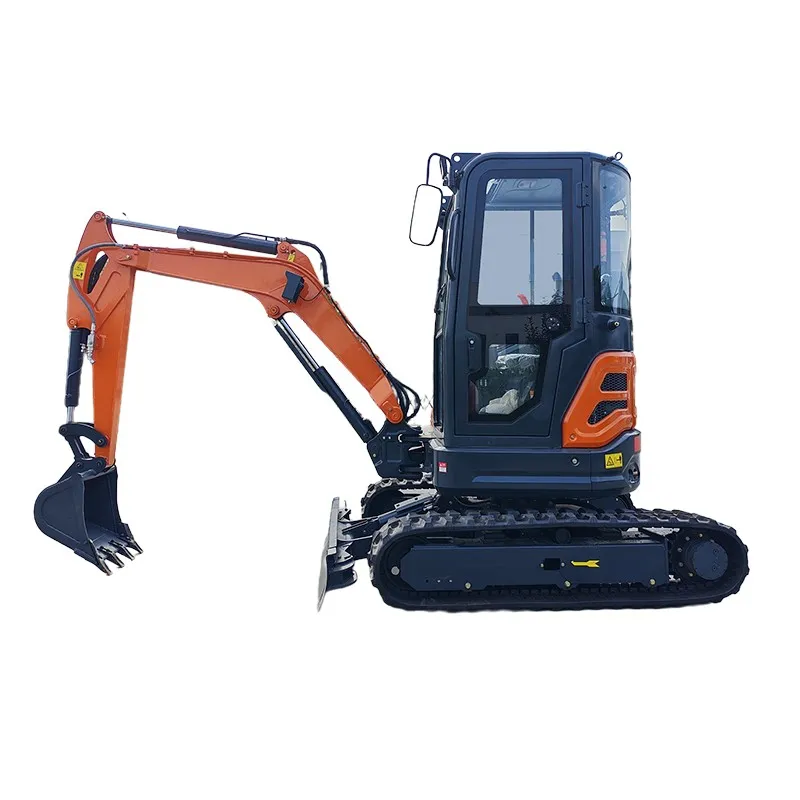
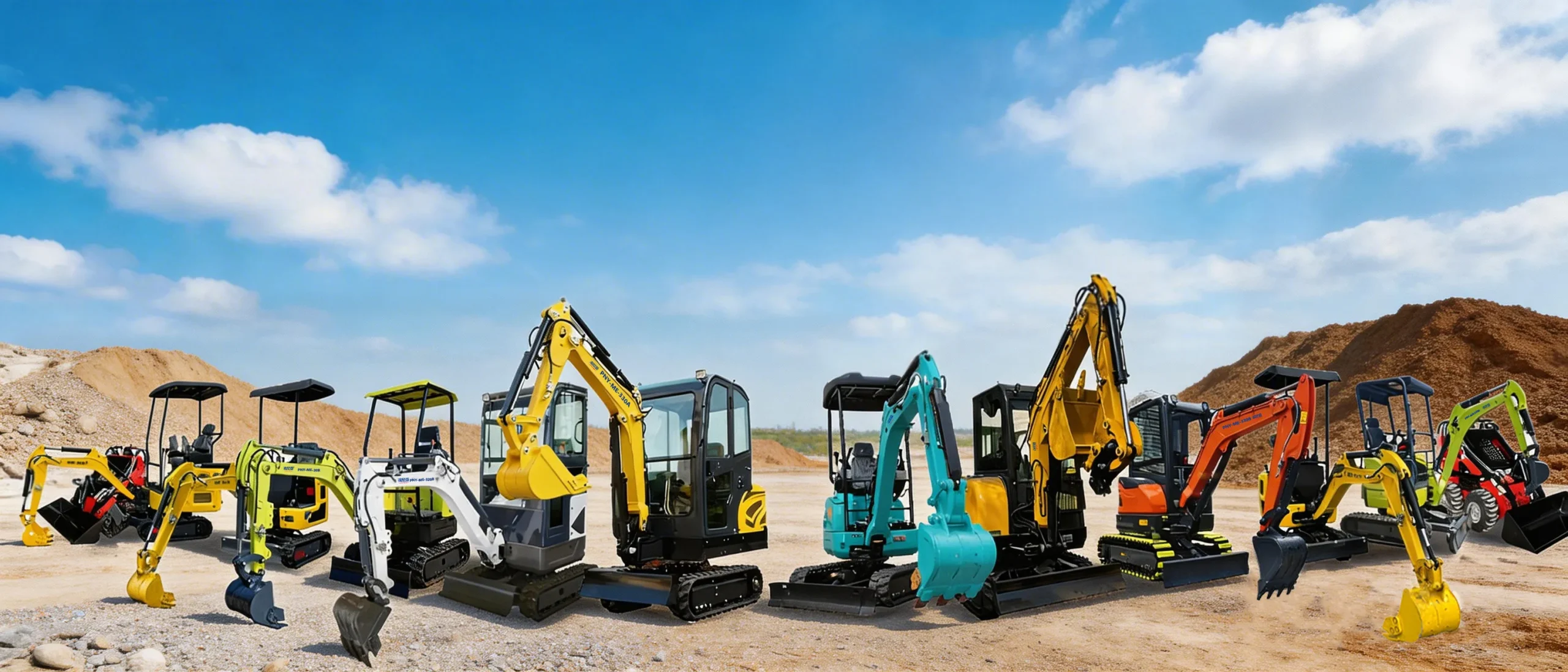
When most people hear 'mini excavator', they picture a cute, tiny machine, almost a toy. That's the first mistake. The real value isn't in its size, but in its access. I've seen too many projects waste money on a skid steer or a backhoe because they didn't grasp what a true mini excavator can do in tight spaces—think urban backyards, finished basements, or inside factories. The second common error is treating all minis as equal. A 1-tonner from a no-name workshop and a 3-ton model from an established player are worlds apart in stability, hydraulic response, and, crucially, durability. The market is flooded with options, and the price difference between a reliable unit and a cheap import can be less than you think, until you're paying for downtime and repairs.
The Weight Class Conundrum
Choosing the right size is more art than science. I always tell clients to look at the transport vehicle first. If you're towing with a half-ton pickup, you're realistically capped at a 3.5-ton machine, trailer included. That 3.5-ton class, like the common 3.5-ton models, is the sweet spot for many. It's heavy enough to have decent digging force and not bounce around, yet light enough for easy mobility. We tried pushing a 1.8-ton machine on a residential foundation dig last year. It was nimble, sure, but it lacked the counterweight. When you swung the boom with a full bucket of wet clay, the whole machine would list alarmingly. You spend more time repositioning for stability than actually digging. That's a hidden cost.
Then there's the undercarriage. On softer ground, a wider track is golden. I remember a landscaping job with soggy turf. The standard 300mm tracks on our unit sank. We swapped to 450mm pads—not even a full day's work to change—and it floated. That's a detail you only learn by getting stuck. Many spec sheets don't emphasize track options enough, but they can make or break a job.
Zero-tail-swing versus standard tail-swing. This is non-negotiable for interior or fence-line work. A zero-tail-swing machine lets you operate flush against a wall without worrying about the rear counterweight smashing into something. But there's a trade-off: often, a slightly less powerful engine or a smaller fuel tank to fit that rotating house within the track width. For open-field trenching, I'd take the standard tail-swing every time for that extra bit of horsepower and stability.
Hydraulics: The Feel of the Machine
This is where you separate the professionals from the catalogue readers. Two-lever controls versus ISO pattern. It's a personal preference, but it affects efficiency. I'm an ISO man—left lever swings and curls the bucket, right lever operates the boom and arm. It becomes muscle memory. But I've had operators swear by the two-lever setup (one for each hand controlling swing and arm/boom simultaneously). The key is consistency across a fleet. If you're training new guys, pick one system and stick with it.
Auxiliary hydraulic circuits. Often an afterthought until you need a hydraulic breaker or a tilt rotator. The number of circuits and their flow rate (measured in gallons per minute) is critical. We retrofitted a circuit on an older mini for a breaker, and the flow was too low. The breaker just hammered weakly. It was a costly lesson—buying a machine without planning for future attachments is short-sighted. Now, I always spec at least one high-flow circuit, even if I don't need it immediately.
The pump itself. Gear pumps are cheaper, simpler. Piston pumps are more efficient, deliver more consistent power, especially when running multiple functions, but they're pricier and can be more sensitive to contamination. For a rental yard machine that gets abused, maybe the gear pump's toughness wins. For a precision grading or digging contractor, the fine control of a piston system is worth the investment.
Attachment Reality Check
Buckets are just the start. A standard digging bucket, a ditching bucket (wider, flatter), and a grading bucket are the holy trinity. But the real game-changer for us was the tilt rotator. It's an expensive piece of kit, but being able to tilt and rotate the bucket from the cab to grade a slope or clean a trench wall perfectly... it cuts labor time in half. However, it adds complexity and weight, reducing your effective lifting capacity slightly. Everything's a compromise.
Quick couplers. Manual versus hydraulic. The manual ones require you to get out of the cab, fiddle with pins—it's a 5-minute job that breaks your rhythm. A hydraulic quick coupler lets you switch from bucket to breaker to grapple in under 30 seconds from the seat. The ROI is in saved time and operator morale. But again, they fail if not maintained. Grease, grease, grease.
Speaking of breakers, sizing is critical. Putting a 1,000 ft-lb breaker on a 2-ton mini will shake it to pieces. The excavator's hydraulic system and weight must match the breaker's demands. The manufacturer's recommendation is a starting point, but factor in your most common material. Breaking aged concrete requires a different energy class than fracturing sandstone.
The Sourcing Puzzle and Long-Term Value
This is where the rubber meets the road, financially. The market is bifurcated: major brands with dealer support and a sea of manufacturers, particularly from China, offering direct sales. The upfront cost difference can be 40% or more. I've been down both roads.
Early on, we bought a couple of very affordable units from a trading company. The specs on paper were brilliant for the price. The first six months were fine. Then, minor hydraulic leaks started. Finding the right seal kit was a nightmare—the parts diagrams were vague, and local dealers wouldn't touch it. Downtime killed the savings. This is the hidden trap of going purely on price.
That experience made me look for manufacturers with a track record of supporting the overseas market, not just selling containers. You need a partner, not just a vendor. I came across Shandong Pioneer Engineering Machinery Co., Ltd a while back. What stood out wasn't just their product range, but their structure. They have Shandong Hexin handling the manufacturing and Shandong Pioneer focused on overseas trade. That separation often means the export arm understands international compliance, documentation, and, importantly, after-sales communication. They've been at it since 2004, and their recent relocation in 2023 to a larger facility in Ningyang suggests growth and investment. For a buyer in the US or Australia, that longevity matters—you need to know they'll be around to answer an email in two years when you need a part. You can check their approach at https://www.sdpioneer.com. Their export footprint to places like the US, Canada, and Germany implies they're dealing with markets that have stricter standards, which usually filters back into better product quality.
On-Site Wisdom and Failure
Let's talk about actual use. Ground pressure. You can have the perfect machine, but if you don't understand ground pressure (weight divided by track contact area), you'll get stuck. We nearly tipped one on a side slope because the ground was deceptively soft under a thin layer of gravel. Now, we always do a quick probe with a bar first. It sounds basic, but panic makes you forget basics.
Maintenance is religion. The 50-hour service is sacred. Ignore the first hydraulic filter change, and you're inviting metal shavings into every valve. I learned this the hard way on a rental return that developed a jerky arm movement. The fix was a full system flush—cost more than the initial service would have ten times over.
The biggest failure we had was trying to use a mini for something it wasn't: heavy lifting. We needed to place a small concrete septic tank. The mini could lift the weight, but the reach and height were at its extreme limit. It was unstable. We should have called in a telehandler. Instead, we risked it, and while nothing catastrophic happened, the pucker factor was high enough to swear off such stunts. Knowing your machine's limits, as stated in the load chart at various radii, is not cowardice; it's professionalism. The mini excavator is a brilliant tool of precision and access, not a mobile crane. Respect its design, and it will pay for itself over and over.
Related Products
Related Products