- Chinese
- French
- German
- Portuguese
- Spanish
- Russian
- Japanese
- Korean
- Arabic
- Irish
- Greek
- Turkish
- Italian
- Danish
- Romanian
- Indonesian
- Czech
- Afrikaans
- Swedish
- Polish
- Basque
- Catalan
- Esperanto
- Hindi
- Lao
- Albanian
- Amharic
- Armenian
- Azerbaijani
- Belarusian
- Bengali
- Bosnian
- Bulgarian
- Cebuano
- Chichewa
- Corsican
- Croatian
- Dutch
- Estonian
- Filipino
- Finnish
- Frisian
- Galician
- Georgian
- Gujarati
- Haitian
- Hausa
- Hawaiian
- Hebrew
- Hmong
- Hungarian
- Icelandic
- Igbo
- Javanese
- Kannada
- Kazakh
- Khmer
- Kurdish
- Kyrgyz
- Latin
- Latvian
- Lithuanian
- Luxembou..
- Macedonian
- Malagasy
- Malay
- Malayalam
- Maltese
- Maori
- Marathi
- Mongolian
- Burmese
- Nepali
- Norwegian
- Pashto
- Persian
- Punjabi
- Serbian
- Sesotho
- Sinhala
- Slovak
- Slovenian
- Somali
- Samoan
- Scots Gaelic
- Shona
- Sindhi
- Sundanese
- Swahili
- Tajik
- Tamil
- Telugu
- Thai
- Ukrainian
- Urdu
- Uzbek
- Vietnamese
- Welsh
- Xhosa
- Yiddish
- Yoruba
- Zulu
- Kinyarwanda
- Tatar
- Oriya
- Turkmen
- Uyghur


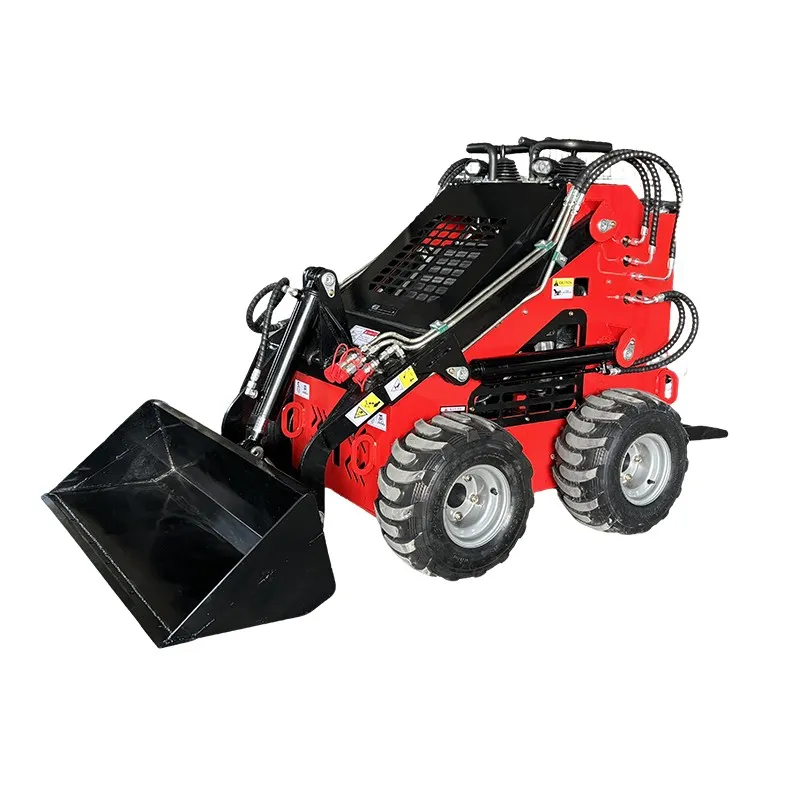
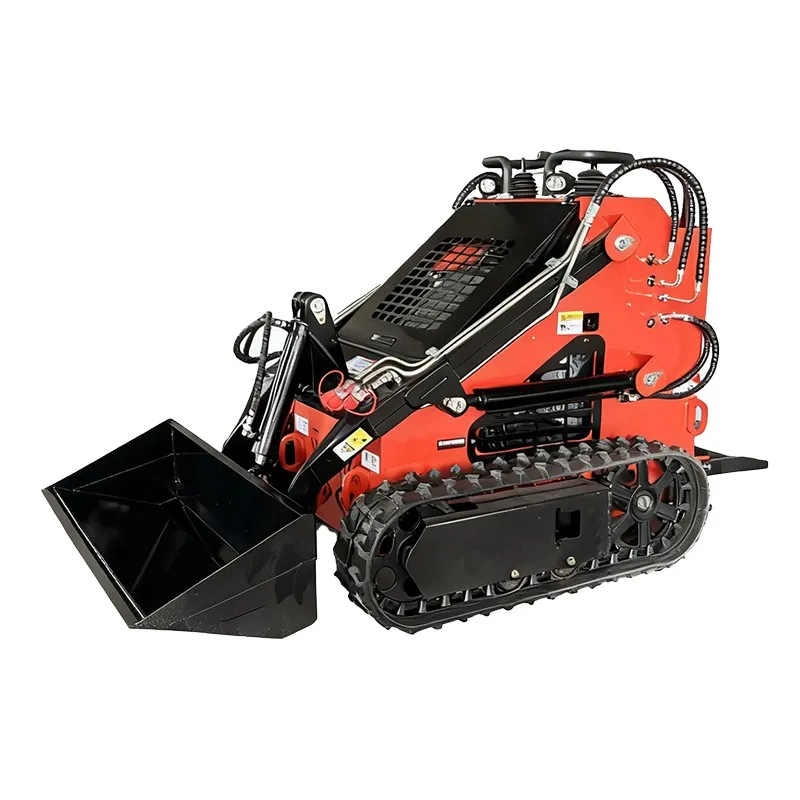
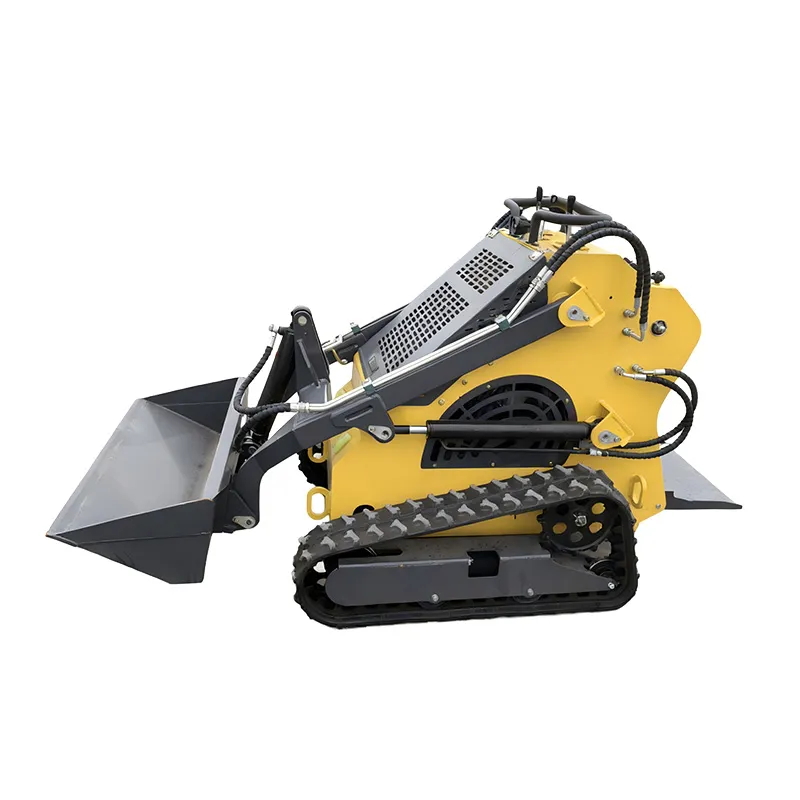
mini skid steer loader for sale
When you type 'mini skid steer loader for sale' into a search bar, you're immediately hit with a wall of options that can be more confusing than helpful. The biggest misconception I see is people equating a low price with a good deal, without understanding what they're actually getting into. Having been through the process of sourcing, using, and even regretting purchases, I've learned it's less about the machine in the ad and more about the support, parts, and real-world application behind it.
The Core Question: New vs. Used
This is always the first fork in the road. A brand-new mini skid steer from a major dealer gives you peace of mind with a warranty, but the depreciation hit is instant and significant. For a lot of small contractors or landscaping outfits, that capital outlay just doesn't make sense. The used market is where things get interesting, and also risky. I've seen machines that look pristine on a dealer's lot but have hidden hydraulic issues from being run too hard, too cold. Conversely, a well-maintained used model from a reputable source can be a goldmine. The key is service history—if it doesn't exist, walk away. No amount of saved upfront cash is worth a blown final drive motor two months in.
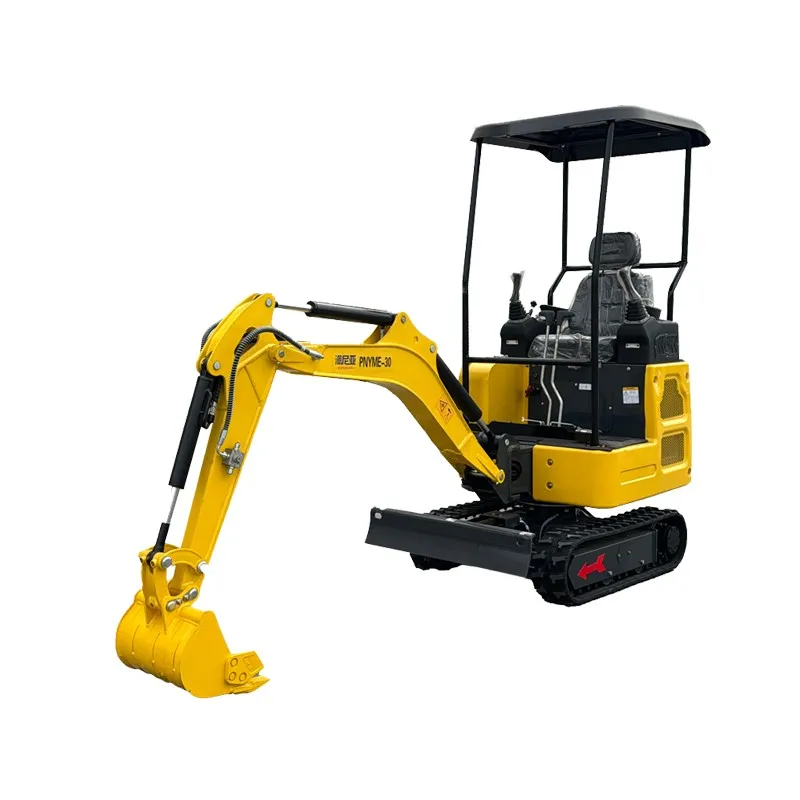
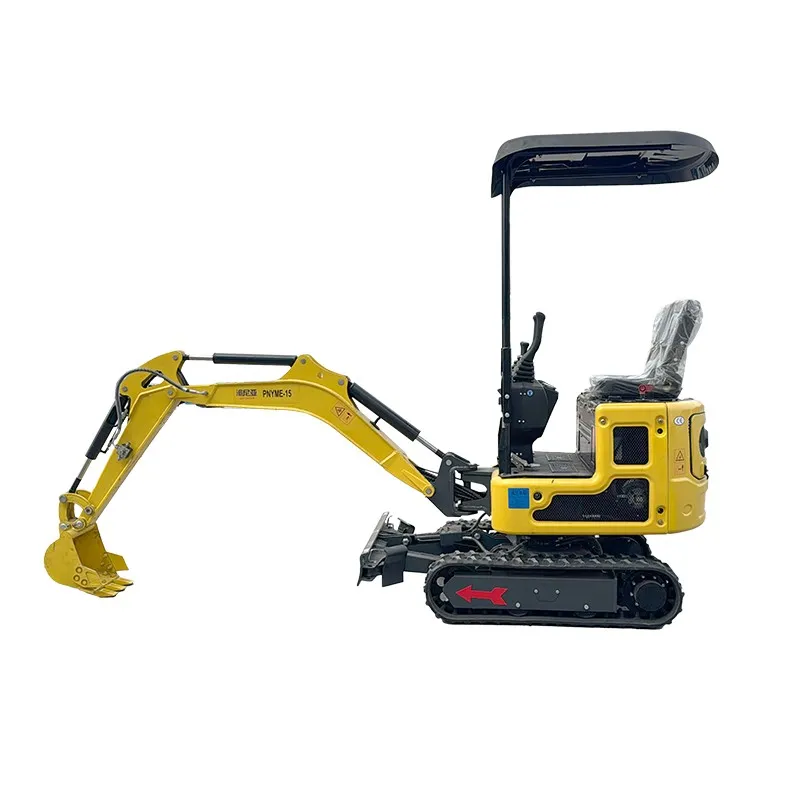
Then there's the gray market or direct import angle. This is where companies like Shandong Pioneer Engineering Machinery Co., Ltd come into the picture for many buyers looking for new equipment at a competitive price point. You can find their units listed online, often with specs that match or exceed big-name brands. The attraction is obvious on paper. But going this route isn't a simple click-and-buy. I've talked to guys who've done it. The machine itself might arrive and run fine initially, but the real test is at the 500-hour mark. Will you get the technical support? Can you get a specific seal kit shipped without a 6-week lead time? That's the gamble.
Looking at their site at https://www.sdpioneer.com, you see a company with nearly two decades of history, which is a positive signal in this space. They mention exporting to the US, Canada, Germany, Australia—markets with strict standards. That suggests a baseline level of quality control to meet those regulations. Their recent relocation to a new facility in Ningyang also hints at scaling up production. But as a buyer, your relationship isn't with the factory; it's with the distributor or dealer who actually stocks the parts and has a technician on call. That's the critical link that's often missing in these transactions.
Specs You Can't Ignore (Beyond Horsepower)
Everyone looks at engine horsepower and rated operating capacity first. That's fine, but it's the baseline. The details that actually determine if a machine works for you are often buried. Hydraulic flow rate, measured in gallons per minute (GPM), is a big one. It directly powers your attachments. A machine with a high horsepower but low GPM will struggle to run a high-flow mulcher efficiently, making it useless for that application. I learned this the hard way on a jobsite, trying to run a cold-planer with a unit that just didn't have the hydraulic guts for it. Wasted half a day.
Then there's the machine's physical dimensions. Will it fit through a standard backyard gate? Can it be towed behind your existing 1/2-ton truck, or do you need to upgrade your trailer and vehicle? The weight distribution on the trailer matters too. I've seen setups that are technically within weight limits but are dangerously tongue-light, making for a white-knuckle drive to every job. These are the real costs that aren't in the 'for sale' listing.
Attachment compatibility is its own rabbit hole. The quick-attach system is supposed to be universal, but variations exist. Will the mini skid steer loader you're looking at accept the attachments you already own, or will you need costly adapters? Some of the value-priced models from overseas manufacturers use their own proprietary pattern. Locking yourself into a single source for attachments can erase any initial savings over time.
The Dealer Network: Your Real Safety Net
This is, without a doubt, the most important factor after the machine itself. A strong local dealer is an insurance policy. When your machine throws an error code at 7 AM on a Monday, can you call someone who will answer, diagnose it over the phone, and have the part ready for you to pick up? Or are you waiting for an email response from a time zone 12 hours away? The latter scenario costs you money, reputation, and sanity.
This is the primary challenge when considering a direct import or a brand without an established North American or European support network. A company like Shandong Pioneer may manufacture a solid machine—and from their company intro, their 20-year development and global exports to demanding markets suggest they're not a fly-by-night operation—but their physical presence is in China. The trust and appreciation they've won worldwide, as they state, hinges entirely on their distributor partners. If the dealer you buy from is just a drop-shipper with a warehouse, you're on your own. I'd always recommend physically visiting a dealer before buying. See their parts department. Talk to their head mechanic. That tells you more than any brochure.
For used machines, the dealer's reputation is even more critical. A good used equipment dealer will have reconditioned the unit, not just steam-cleaned it. They'll offer a limited warranty, even if it's just 90 days. That warranty is a statement of confidence in the product they're selling. The shady ones operate on as-is, where-is basis. I've bought as-is before. Sometimes you win, sometimes you learn a very expensive lesson about main hydraulic pump replacements.
Operational Costs: The Hidden Bottom Line
The purchase price is just the entry fee. You need to budget for ongoing costs realistically. Fuel consumption is one thing, but filter costs can be surprising. For some of the less common imported models, oil, fuel, and hydraulic filters might not be on the shelf at your local NAPA. You might be ordering them in batches online, which means you need to keep an inventory. That's cash sitting on a shelf.
Tire choice is another operational decision with financial impact. Solid tires are great for avoiding flats on demolition sites, but they give a rougher ride and can transmit more shock through the machine's frame. Pneumatic tires are smoother but vulnerable. Then you have the track option—great for low ground pressure and traction, but a full set of replacement rubber tracks is a major expense. I've priced it out: a set of tracks can cost 15-20% of the entire value of an older used machine. You have to match the machine to your most common job type, not the occasional one-off.
Finally, consider resale value. A well-known brand with a dealer network will always hold its value better. A niche or unknown brand will depreciate faster. When it's time to upgrade, you'll feel the difference. This makes the total cost of ownership calculation for a cheaper, less-supported unit much less attractive over a 5-year period.
Making the Decision: A Practical Framework
So, faced with a list of mini skid steer loaders for sale, how do you choose? Start by writing down your non-negotiables: minimum hydraulic flow, maximum width to fit through gates, must-have attachment compatibility. That will immediately cut the list in half. Then, for the remaining options, research the dealer support for each one within a 50-mile radius of your base. If there isn't any, cross it off unless you are a very skilled mechanic with a high risk tolerance.
For the models that pass the first two tests, get hands-on. Demand a demo, preferably with the attachment you use most. Don't just drive it around a paved lot. Ask to put it in a corner with some actual material to move. Feel the controls, listen to the hydraulics under strain, check for visible leaks. Look at the service points—are the grease zerks accessible or buried behind panels? This hands-on hour is worth weeks of online research.
In the end, the right machine is the one that disappears into being a reliable tool on your jobsite. You stop thinking about it. It just works. That reliability is almost never the cheapest line item on the initial quote. It's a product of the machine's design, the manufacturer's quality control, and most importantly, the support ecosystem around it. Whether you're looking at a established brand or evaluating a global exporter like Shandong Pioneer, your due diligence needs to cover all three. Skip any one, and that search for a 'mini skid steer loader for sale' might just lead you to an expensive lesson parked in your yard.
Related Products
Related Products