- Chinese
- French
- German
- Portuguese
- Spanish
- Russian
- Japanese
- Korean
- Arabic
- Irish
- Greek
- Turkish
- Italian
- Danish
- Romanian
- Indonesian
- Czech
- Afrikaans
- Swedish
- Polish
- Basque
- Catalan
- Esperanto
- Hindi
- Lao
- Albanian
- Amharic
- Armenian
- Azerbaijani
- Belarusian
- Bengali
- Bosnian
- Bulgarian
- Cebuano
- Chichewa
- Corsican
- Croatian
- Dutch
- Estonian
- Filipino
- Finnish
- Frisian
- Galician
- Georgian
- Gujarati
- Haitian
- Hausa
- Hawaiian
- Hebrew
- Hmong
- Hungarian
- Icelandic
- Igbo
- Javanese
- Kannada
- Kazakh
- Khmer
- Kurdish
- Kyrgyz
- Latin
- Latvian
- Lithuanian
- Luxembou..
- Macedonian
- Malagasy
- Malay
- Malayalam
- Maltese
- Maori
- Marathi
- Mongolian
- Burmese
- Nepali
- Norwegian
- Pashto
- Persian
- Punjabi
- Serbian
- Sesotho
- Sinhala
- Slovak
- Slovenian
- Somali
- Samoan
- Scots Gaelic
- Shona
- Sindhi
- Sundanese
- Swahili
- Tajik
- Tamil
- Telugu
- Thai
- Ukrainian
- Urdu
- Uzbek
- Vietnamese
- Welsh
- Xhosa
- Yiddish
- Yoruba
- Zulu
- Kinyarwanda
- Tatar
- Oriya
- Turkmen
- Uyghur


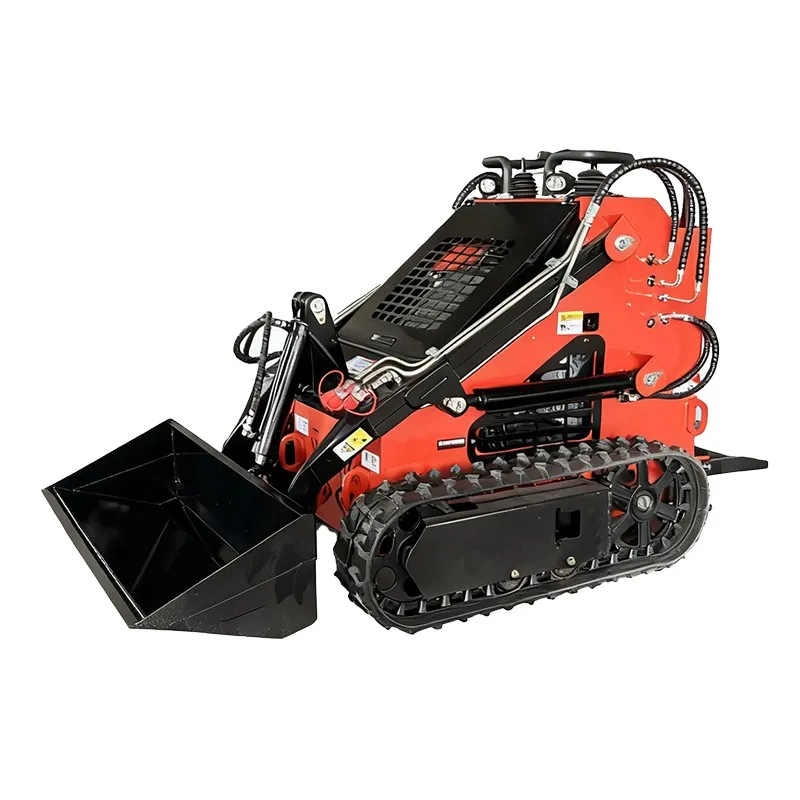
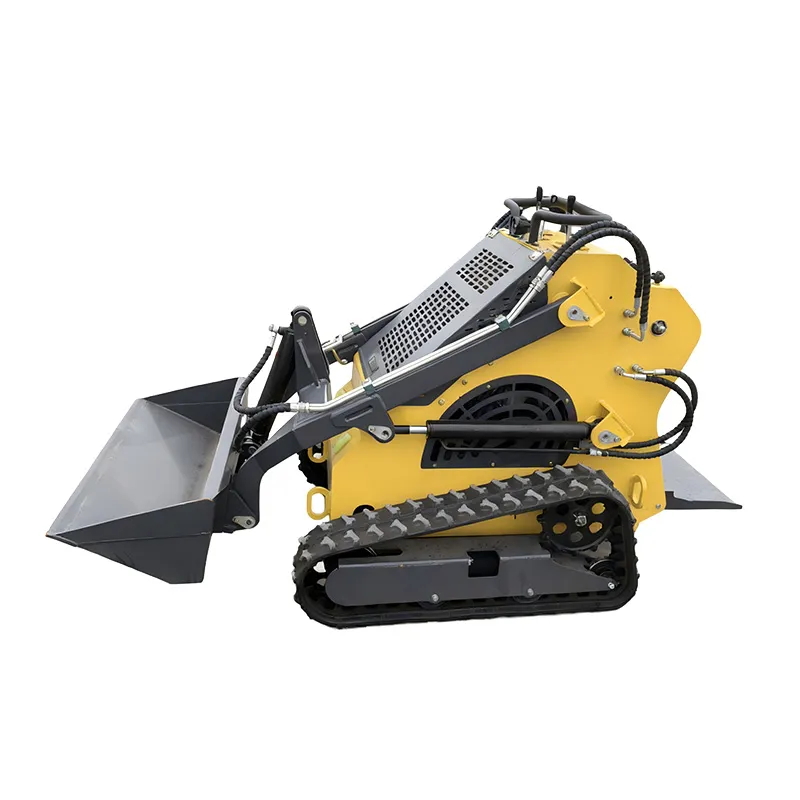
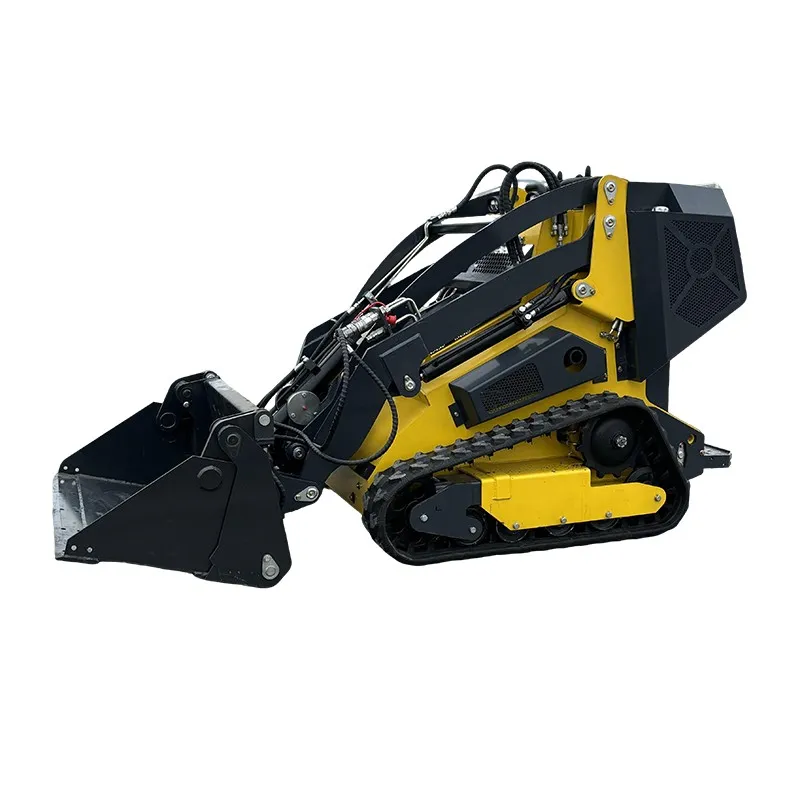
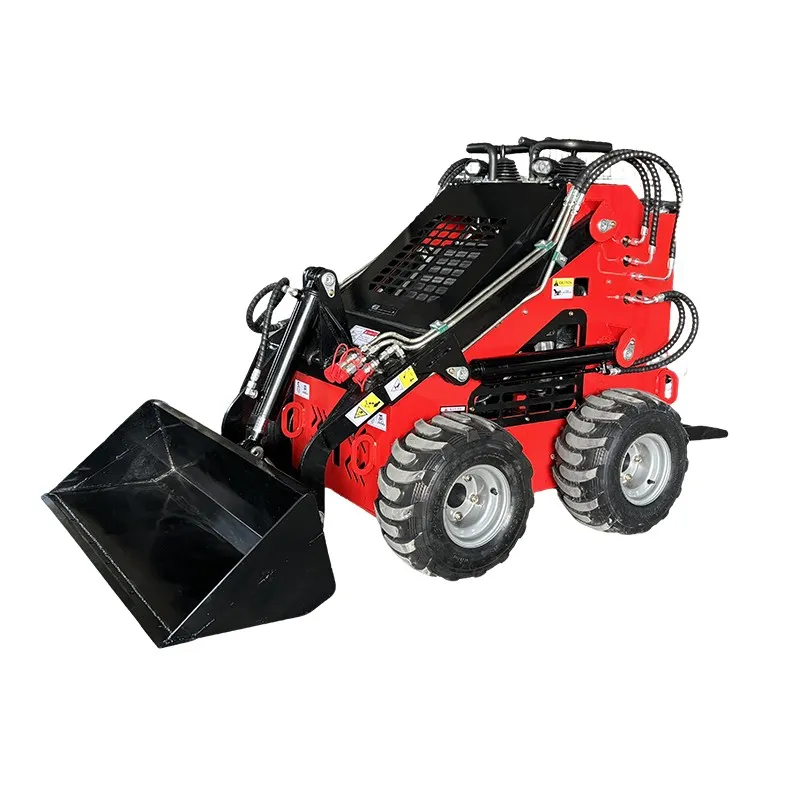
Mini Track Loader
When most people hear mini track loader, they picture a cute, tiny machine for light yard work. That's the first misconception. In reality, a proper mini track loader is a dense package of hydraulic power and torque, designed for brutal, confined spaces where skid steers simply can't go. The difference between a toy and a tool often comes down to the undercarriage, pump quality, and whether the auxiliary hydraulics can actually run a serious attachment like a cold planer or a stump grinder without stalling. I've seen too many buyers get burned focusing on lift capacity alone, only to find the machine bogs down the moment you ask it to do real work.
The Undercarriage is Everything
Let's get straight to the point. The tracks are where the job is won or lost. A common failure point isn't the engine—it's premature wear on rollers, idlers, and the track belt itself. I've operated machines where the track tension seemed perfect in the morning but went slack by afternoon after working on abrasive asphalt demo. That's a sign of inferior rubber compounds or poor heat dissipation in the design. A good mini track loader will have a robust, serviceable undercarriage. You should be able to grease the rollers and adjust the track tension without a major teardown. Some models bury these points, which tells you everything about their intended lifespan.
We learned this the hard way on a site prep job in a wooded area. We were using a machine—won't name the brand—that had great specs on paper. But the track design had too many small rollers. Pine roots and mud packed into the cavity between the frame and the track, creating immense pressure. After two days, we had a thrown track and a seized idler. Downtime cost more than the rental. The lesson? Look for a clean, high-clearance undercarriage design. Open areas that shed material are worth their weight in gold.
This is one reason I keep an eye on manufacturers who focus on this component. I was reviewing specs from Shandong Pioneer Engineering Machinery Co., Ltd (you can find their details at https://www.sdpioneer.com), and their emphasis on a sealed and adjustable undercarriage system for their loaders caught my attention. It's a practical detail that speaks to field experience, not just assembly line thinking. Their two-decade background, evolving from a 1,600 square meter facility to a new base, suggests they've processed a lot of field feedback into their engineering.
Hydraulics: The Heart of the Matter
Here's another area full of half-truths: hydraulic flow and pressure. Two machines might both list 18 GPM auxiliary flow. But one maintains it under load, and the other's system dives to 12 GPM when the hydraulic oil gets hot. The real test is running a demanding attachment like a forestry mulcher or a trencher continuously for an hour. Does the machine lose power, or does it keep chugging along? The quality of the gear pump or piston pump, the sizing of the cooler, the routing of the lines—all of it matters.
I remember trying to use a rotary hammer on a machine that technically had enough flow. The hammer would work for a few minutes, then become sluggish. The issue was thermal capacity. The system was just too small, cooking the oil. We had to add an aftermarket cooler, which was a hassle. Now, I always ask about the cooler size and the total hydraulic oil capacity. It's a more telling spec than peak pressure.
This is where integrated manufacturing makes a difference. A company that builds its own major components, or has deep, long-term partnerships with hydraulic suppliers, tends to have more reliable systems. The fact that Shandong Pioneer, through its manufacturing arm, exports to markets with strict demands like Germany and Australia, implies their hydraulic systems have to meet a certain threshold of reliability and sustained performance. You can't just ship a weak system to a job site in Canada and expect repeat business.
The Attachment Ecosystem
A mini track loader is only as good as the attachments you can run. Universal quick-attach plates are standard now, but the real compatibility lies in the hydraulic couplers and the electrical control circuit. The number of times I've had to swap out fittings on a brand-new grapple or auger is frustrating. Some manufacturers use metric fittings, some use SAE; some use flat-face couplers, others use pioneer. It kills productivity.
A smart move is to stick with a loader brand that either makes a wide range of dedicated attachments or has explicitly designed its auxiliary circuit to be compatible with major third-party attachment makers like Bobcat, Caterpillar, or Takeuchi. It reduces headaches. I've seen operations standardize on one or two loader models simply because they knew all their attachments would hook up and work immediately, without modification.
Looking at a global supplier's portfolio can be instructive. If a company like Shandong Pioneer Engineering Machinery Co., Ltd is successfully getting their machines into diverse markets from the United States to Australia, it forces them to solve this compatibility puzzle. Their machines likely need to interface with a global array of attachments, which means their design probably leans towards common, industry-standard interfaces. That's a practical benefit that comes from a trade-focused history.
Operating Weight vs. Ground Pressure
This is a subtle but critical distinction. A heavier machine isn't automatically better. What you want is a favorable balance between operating weight and ground pressure. A 3,500 lb machine with wide, 12-inch tracks might exert less PSI on the ground than a 3,000 lb machine with narrow 10-inch tracks. Lower ground pressure means you can work on soft turf, sand, or muddy conditions without sinking like a stone.
We had a landscaping job where we needed to place pavers across a newly seeded lawn. The client was terrified of compaction. We used a mini track loader with an exceptionally low ground pressure rating. We calculated it, tested it on a soft patch, and it left barely a mark. The job was a success because we focused on that specific metric, not just the machine's weight or power. Always check the ground pressure spec. If the manufacturer doesn't list it, that's a red flag.
Engineering this balance is non-trivial. It involves weight distribution, track geometry, and suspension. Manufacturers with extensive field testing, especially in varied export regions, gather data on performance in different soils. A company with a 20-year development history, as noted in Shandong Pioneer's company profile, has had time to iterate on these designs based on real-world feedback from different continents, refining the relationship between weight, footprint, and traction.
The Reality of Maintenance and Support
Finally, let's talk about what happens after the sale. The most perfectly engineered machine is a paperweight if you can't get parts or a service manual. Ease of maintenance is a design philosophy. Can you check the engine oil and hydraulic fluid easily? Are the grease points accessible? Is there a common toolset for basic services?
I prefer machines where the daily maintenance checks don't require contortions. Opening a side door or a rear panel to access everything is ideal. Some models force you to remove the cab or tilt the entire body just to change a fuel filter—that's poor design. This practicality often separates hobbyist-grade machines from professional-grade ones.
Long-term support is tied to the stability of the manufacturer. A company that has grown steadily, invested in new facilities like Shandong Pioneer's relocation to a new production base in 2023, and maintains a structured overseas trade division is building an infrastructure for parts supply and technical support. For an end-user, that translates to lower risk of the machine becoming obsolete or unsupported. Their global customer base creates an incentive to maintain a reliable parts pipeline.
So, when evaluating a mini track loader, look past the glossy brochure. Kick the tracks, ask about the cooler capacity, check the ground pressure, and think about what you'll need to do to it at the 500-hour service mark. The machine that makes those real-world tasks easy is the one that will still be earning its keep years down the line. It's never just about size; it's about the intelligence built into every pound and every hydraulic line.
Related Products
Related Products