- Chinese
- French
- German
- Portuguese
- Spanish
- Russian
- Japanese
- Korean
- Arabic
- Irish
- Greek
- Turkish
- Italian
- Danish
- Romanian
- Indonesian
- Czech
- Afrikaans
- Swedish
- Polish
- Basque
- Catalan
- Esperanto
- Hindi
- Lao
- Albanian
- Amharic
- Armenian
- Azerbaijani
- Belarusian
- Bengali
- Bosnian
- Bulgarian
- Cebuano
- Chichewa
- Corsican
- Croatian
- Dutch
- Estonian
- Filipino
- Finnish
- Frisian
- Galician
- Georgian
- Gujarati
- Haitian
- Hausa
- Hawaiian
- Hebrew
- Hmong
- Hungarian
- Icelandic
- Igbo
- Javanese
- Kannada
- Kazakh
- Khmer
- Kurdish
- Kyrgyz
- Latin
- Latvian
- Lithuanian
- Luxembou..
- Macedonian
- Malagasy
- Malay
- Malayalam
- Maltese
- Maori
- Marathi
- Mongolian
- Burmese
- Nepali
- Norwegian
- Pashto
- Persian
- Punjabi
- Serbian
- Sesotho
- Sinhala
- Slovak
- Slovenian
- Somali
- Samoan
- Scots Gaelic
- Shona
- Sindhi
- Sundanese
- Swahili
- Tajik
- Tamil
- Telugu
- Thai
- Ukrainian
- Urdu
- Uzbek
- Vietnamese
- Welsh
- Xhosa
- Yiddish
- Yoruba
- Zulu
- Kinyarwanda
- Tatar
- Oriya
- Turkmen
- Uyghur


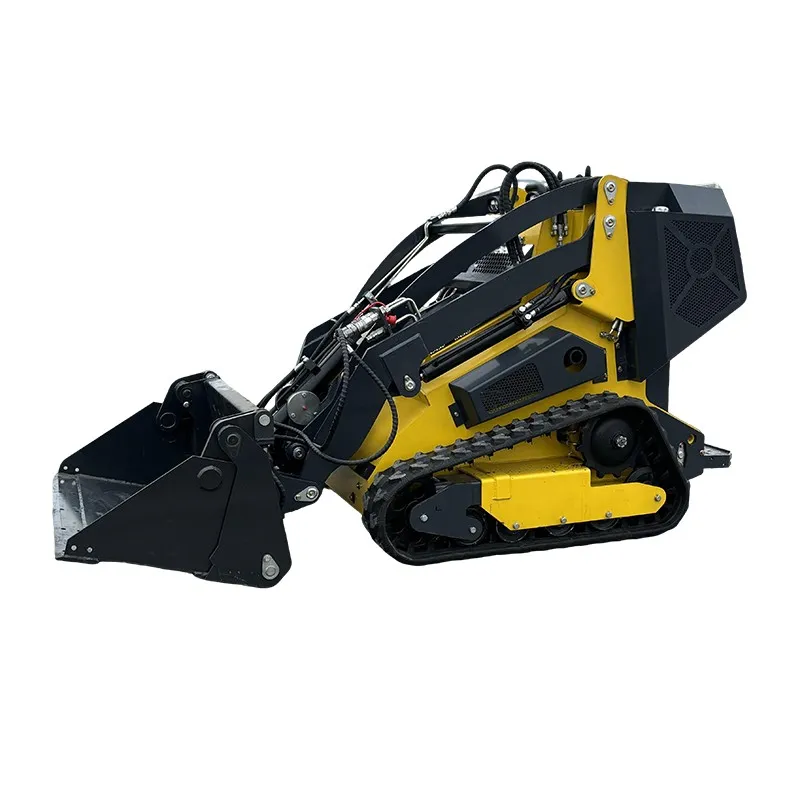
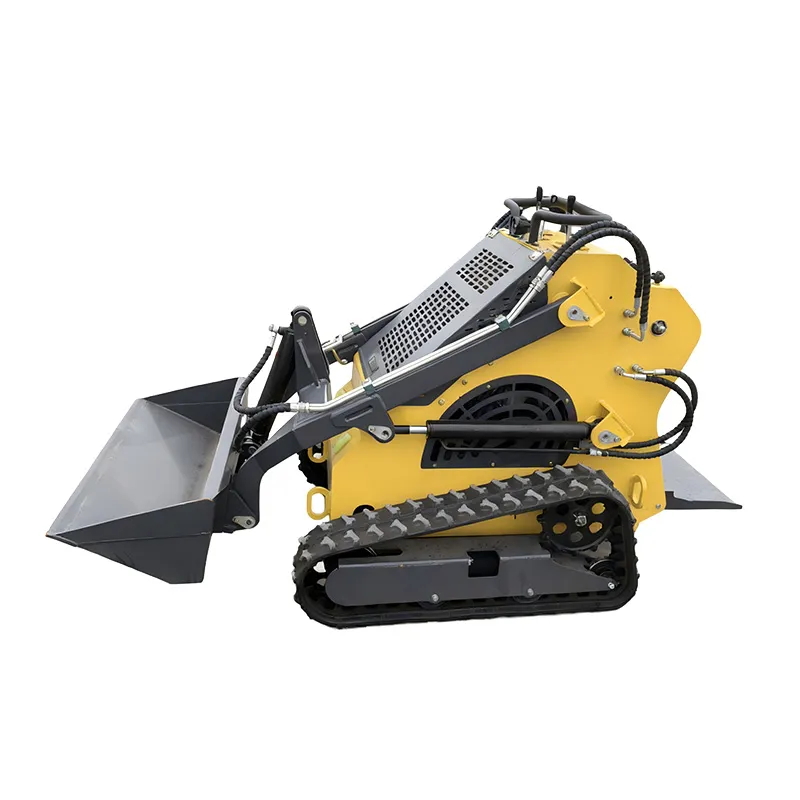
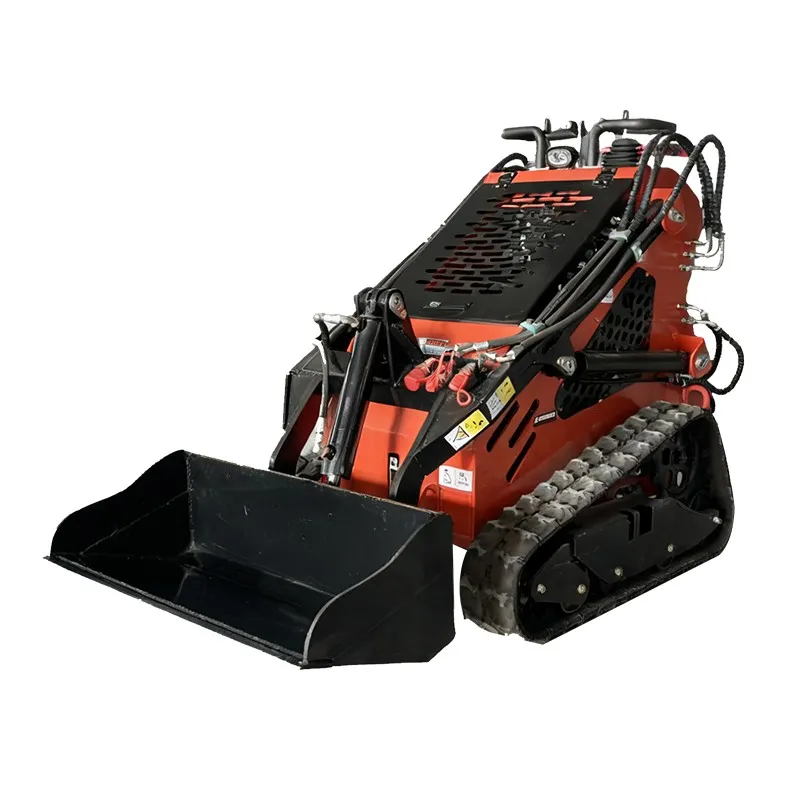
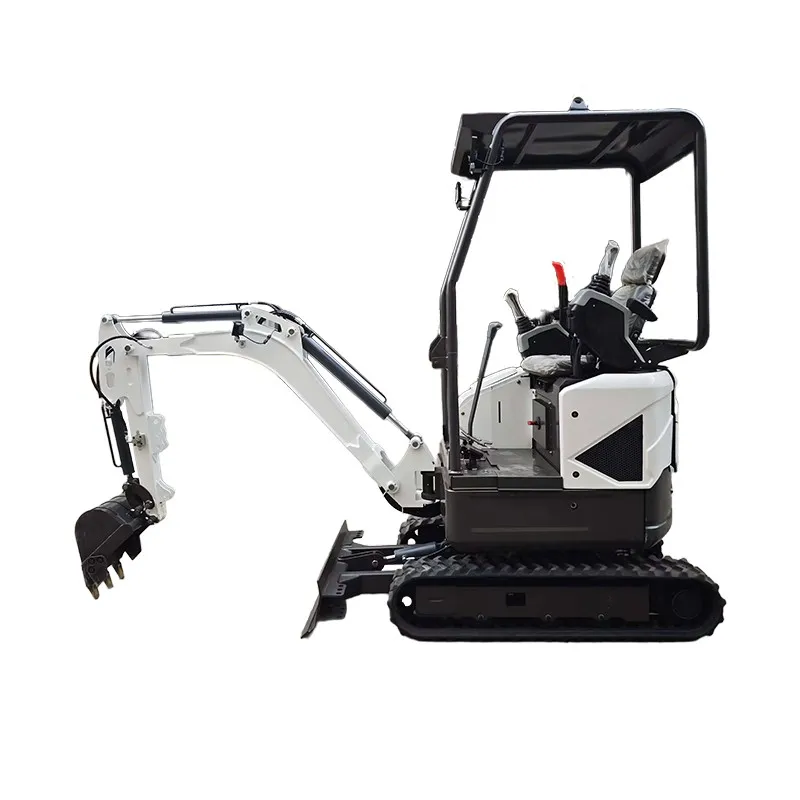
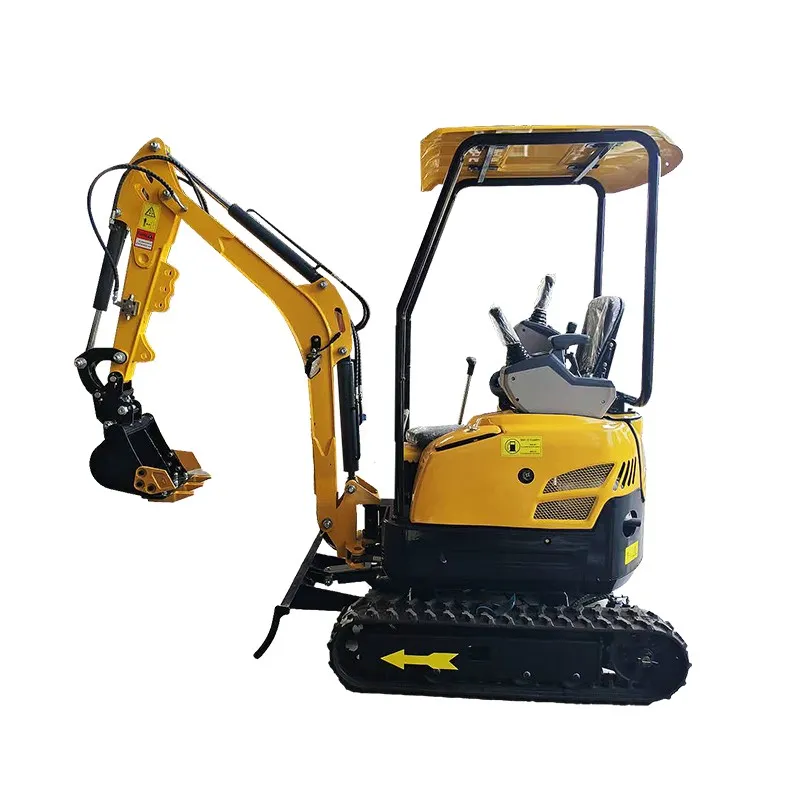
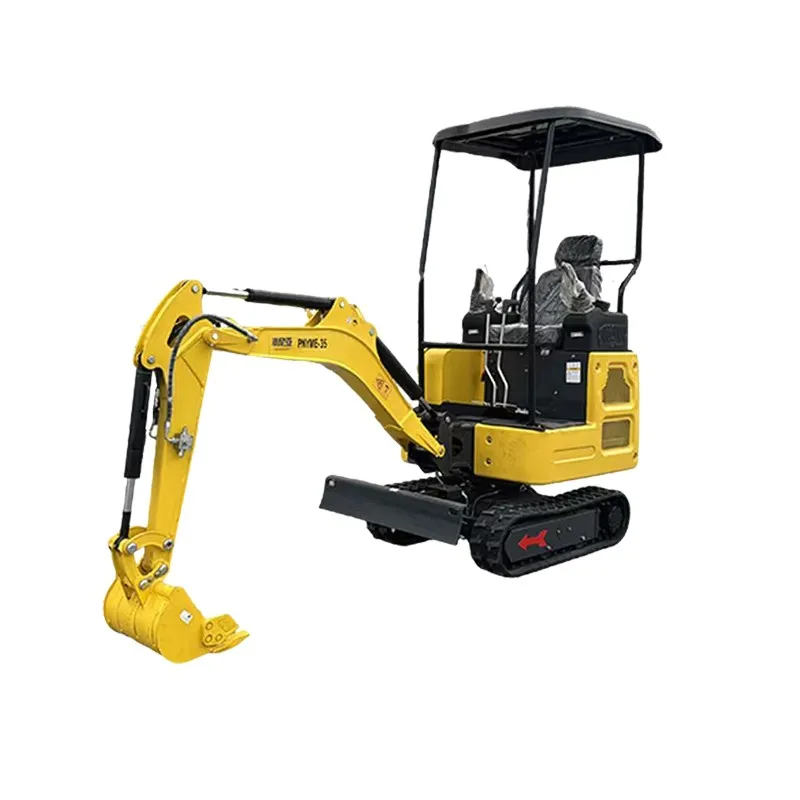
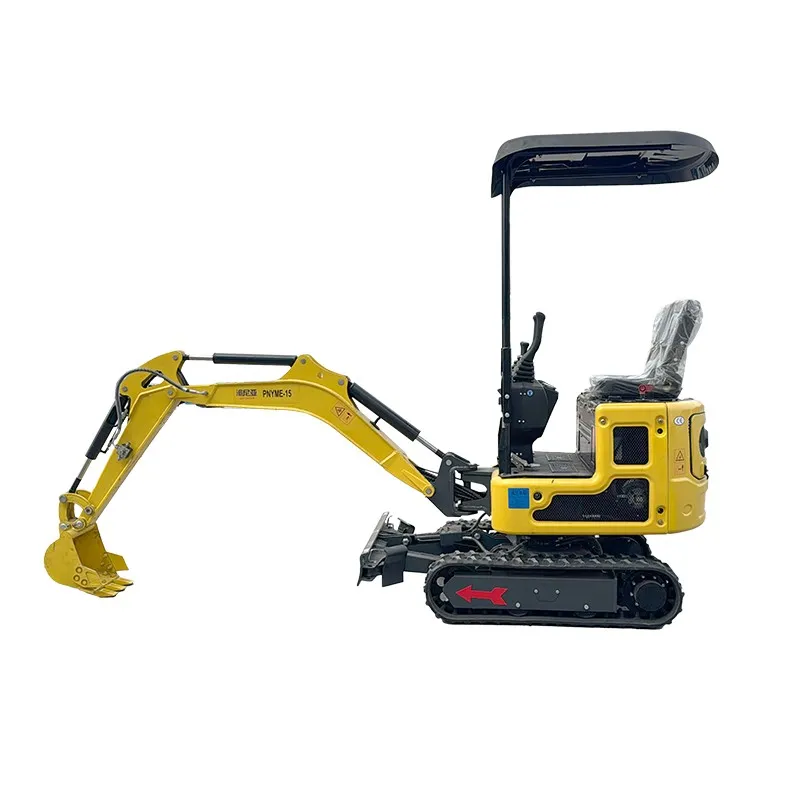
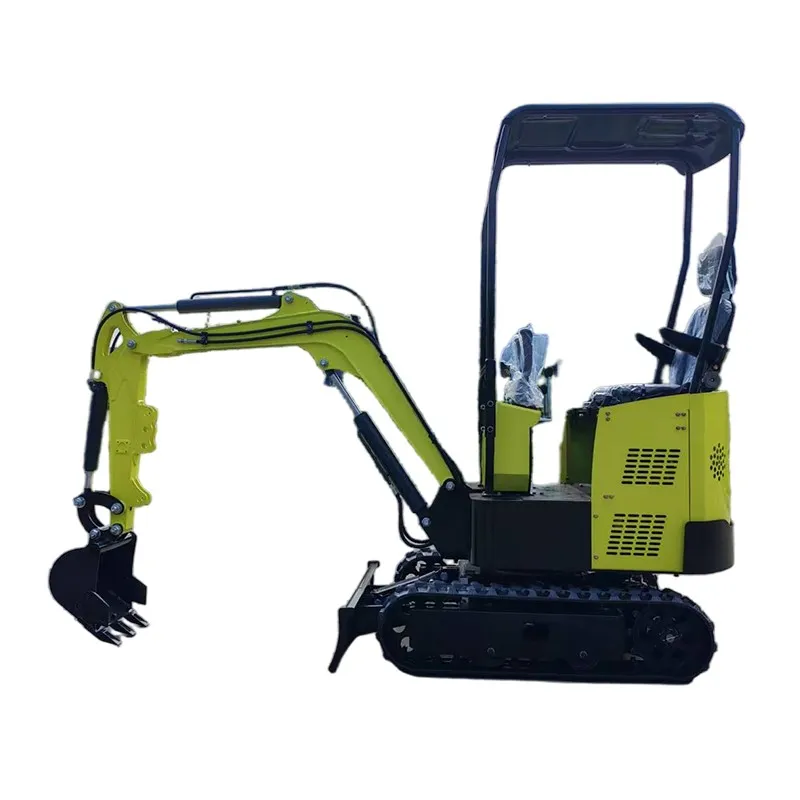
mini track skid steer Loader
When most folks hear 'mini track skid steer loader', they picture a cute, tiny machine for tight spots. That's not wrong, but it's where the first big mistake happens. The real story isn't just about size; it's about the system—the undercarriage, the hydraulic response, and whether it can actually deliver a full day's work without overheating or shaking itself apart. I've seen too many jobsites where a shiny new mini-track ends up sidelined because someone bought on specs alone, not on how it integrates into real, gritty workflow.
The Undercarriage is Everything
Let's get straight to the point. The tracks. This is where brands separate from toys. A true mini track skid steer loader for professional use needs a robust undercarriage system. Not just thick rubber, but the geometry of the rollers, the idler tension, and the drive motor integration. I remember a project in early winter, muddy as hell, using a unit where the tracks had a slight 'give' at the pivot points. In dry conditions, it was fine. In that mud? It started throwing tracks every other hour. The problem wasn't the mud; it was a design that saved on a hardened bushing at a critical joint. The machine was down, the crew was waiting, and the so-called 'cost-saving' machine cost us a day and a half in labor.
That's why you look at companies that engineer from the ground up, literally. I've been following the output from Shandong Pioneer Engineering Machinery Co., Ltd for a while now. They don't just assemble parts. Visiting their operation, you see the focus on the chassis and track frame as a core component. Their relocation to a new facility in Tai’an in 2023 seemed to double down on this. It’s not about fancy cabins; it’s about the stuff you don't see—the welding on the track frame, the grade of steel. That’s what tells you if a machine has longevity.
Contrast that with some models that slap tracks onto a wheeled machine's design. The stress points are all wrong. You'll get premature wear on the final drives, and the machine will start to 'walk' sideways on slopes because the track footprint isn't optimized for the center of gravity. A proper mini-track should feel planted, not tippy. It's a feeling you get in the seat after running a few dozen different models.
Hydraulics: The Pulse of Productivity
Here's another common pitfall: judging hydraulic power by pump output alone. Big numbers sell brochures. On site, it's about smoothness, controllability, and thermal management. A jerky, on/off style auxiliary hydraulic circuit makes precision work—like using a grapple to place landscaping rocks—a nightmare. You're fighting the machine all day.
I recall testing a unit where the specs promised high flow. And it delivered, but in violent surges. The issue was in the valve bank design and the lack of a decent load-sensing system. It was all or nothing. For fine grading or delicate material handling, it was useless. You need a machine that lets you 'feather' the controls. This is where the engineering experience of a manufacturer really shows. Companies that have been in the trenches, like Pioneer, which has been exporting to tough markets like the US, Canada, and Australia since 2004, tend to get this feedback loop. Their systems are tuned for actual operator use, not just bench-test performance.
Heat is the silent killer. Running a breaker or a cold planer on a mini-track is a severe test. I've seen machines where the hydraulic oil temp spikes after 90 minutes, forcing you to shut down to avoid damage. The solution isn't a bigger cooler; it's a smarter circuit design that manages pressure drops and return flow. It's an unsexy detail, but it's the difference between a machine that works and one that just exists.
The Attachment Ecosystem
No loader is an island. Its value is multiplied by its attachments. But the universal quick-attach system can be a universal headache if not executed precisely. Wear over time, slop in the lock mechanism—it leads to dangerous attachment wobble and lost hydraulic efficiency.
We standardized on a particular coupler pattern for our fleet, but found that not all mini track skid steer loader models from different makers had the exact same pin spacing or lock cylinder placement. Even a 2mm difference means you're grinding down your attachment plates or living with a dangerous rattle. It's a logistics and safety mess. This is a plea to manufacturers: adhere to the published standards rigorously. From what I've seen in Pioneer's product line, they treat this with seriousness, likely because their global customer base demands interoperability. Their website, https://www.sdpioneer.com, clearly specs these interfaces, which saves a ton of backend hassle.
The auxiliary hydraulic connections are another point. Self-sealing couplers are a must, but their quality varies wildly. Cheap ones leak, collect dirt, and fail. It's a $50 part that can cause $5000 in downtime. When evaluating a machine, I always check the brand of those couplers. It's a small window into the builder's philosophy on quality.
Durability in the Details
Everyone talks about the engine. Sure, a reliable, serviceable diesel is key. But durability is built in the corners. How are the wiring harnesses routed? Are they protected from abrasion against the frame? Are the grease zerks for the loader arms easily accessible, or do you need the hands of a child to reach them?
I learned this the hard way with a machine that had the main wiring run along a sharp edge of the frame plate. Vibration wore through the insulation in six months, leading to a cascade of electrical gremlins. The fix was a $2 piece of loom and an hour of labor, but the design flaw caused weeks of intermittent faults. Now, I pop the side panels and look. A company with two decades of development, as noted in Shandong Pioneer's company history, tends to iterate on these pain points. Their 20-year journey from a 1,600 square meter plant to a new, expanded facility suggests they've had the time to collect field data and refine these exact details.
Another detail: the door or cab seal. A mini-track kicks up immense dust. A poor seal means you're breathing it all day, and it gets into every switch and circuit board. It seems trivial until you're the one cleaning dust out of a joystick potentiometer.
The Operator's Reality Check
At the end of the day, all these specs and features converge on the operator. Comfort isn't a luxury; it's a productivity feature. A cramped, noisy, vibrating cab will exhaust an operator by lunch, leading to mistakes and lower output. The best mini track skid steer loader I've run had a suspension seat, logical control layout, and excellent sight lines to the bucket corners and tracks.
But here's the trade-off: too much glass, too much suspension, too much sound dampening can add weight and cost, and can actually isolate the operator from the machine's 'feel'. You need to sense the machine loading up, the tracks slipping. It's a balance. Manufacturers who sell globally, serving diverse clients from German precision farms to Australian rough terrain, have to find that balance. Pioneer's mention of winning the trust of customers worldwide implies they're navigating these differing operator expectations, which usually results in a more thoughtfully rounded machine.
Finally, serviceability. Can you check the radiator screen without removing six bolts? Is the oil filter facing the right way? The true test of a machine's design is at its 1,000-hour service, done in a dusty field, not in a clean dealership bay. The design should guide the maintenance, not fight it.
So, when you're looking at a mini-track, move past the compact hype. Think about the mud, the heat, the grease zerks, and the coupler wobble. Think about the company behind it—their history, their focus. Does their story, like a 20-year export-focused journey from Jining to a new base in Tai’an, suggest they've learned these lessons the hard way? That's what you're really buying: not just a machine, but the accumulated experience—and avoided failures—of its builders. That's what keeps a machine running when the job gets tough.
Related Products
Related Products