- Chinese
- French
- German
- Portuguese
- Spanish
- Russian
- Japanese
- Korean
- Arabic
- Irish
- Greek
- Turkish
- Italian
- Danish
- Romanian
- Indonesian
- Czech
- Afrikaans
- Swedish
- Polish
- Basque
- Catalan
- Esperanto
- Hindi
- Lao
- Albanian
- Amharic
- Armenian
- Azerbaijani
- Belarusian
- Bengali
- Bosnian
- Bulgarian
- Cebuano
- Chichewa
- Corsican
- Croatian
- Dutch
- Estonian
- Filipino
- Finnish
- Frisian
- Galician
- Georgian
- Gujarati
- Haitian
- Hausa
- Hawaiian
- Hebrew
- Hmong
- Hungarian
- Icelandic
- Igbo
- Javanese
- Kannada
- Kazakh
- Khmer
- Kurdish
- Kyrgyz
- Latin
- Latvian
- Lithuanian
- Luxembou..
- Macedonian
- Malagasy
- Malay
- Malayalam
- Maltese
- Maori
- Marathi
- Mongolian
- Burmese
- Nepali
- Norwegian
- Pashto
- Persian
- Punjabi
- Serbian
- Sesotho
- Sinhala
- Slovak
- Slovenian
- Somali
- Samoan
- Scots Gaelic
- Shona
- Sindhi
- Sundanese
- Swahili
- Tajik
- Tamil
- Telugu
- Thai
- Ukrainian
- Urdu
- Uzbek
- Vietnamese
- Welsh
- Xhosa
- Yiddish
- Yoruba
- Zulu
- Kinyarwanda
- Tatar
- Oriya
- Turkmen
- Uyghur


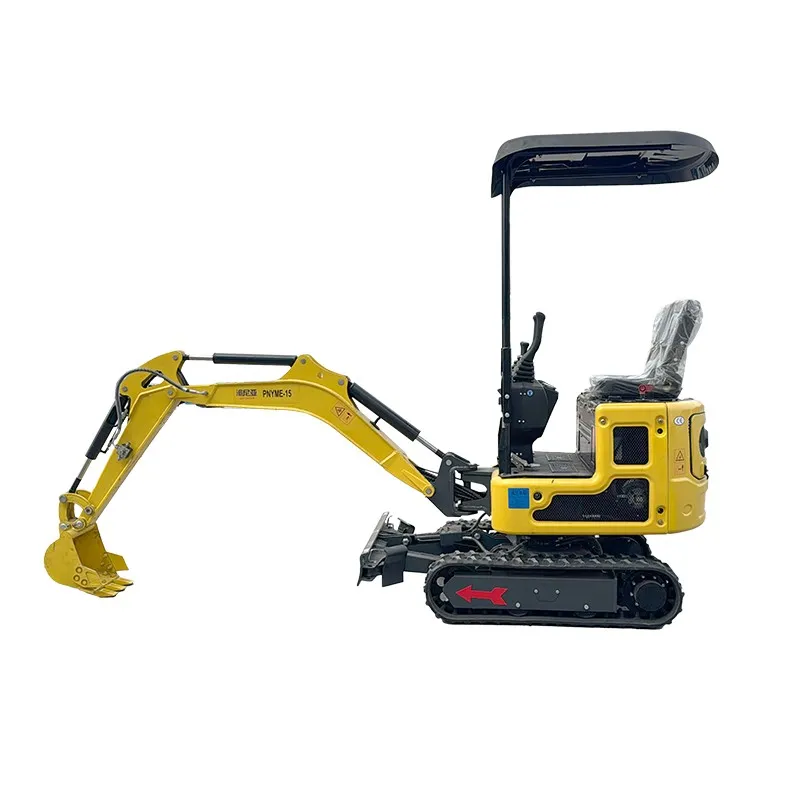
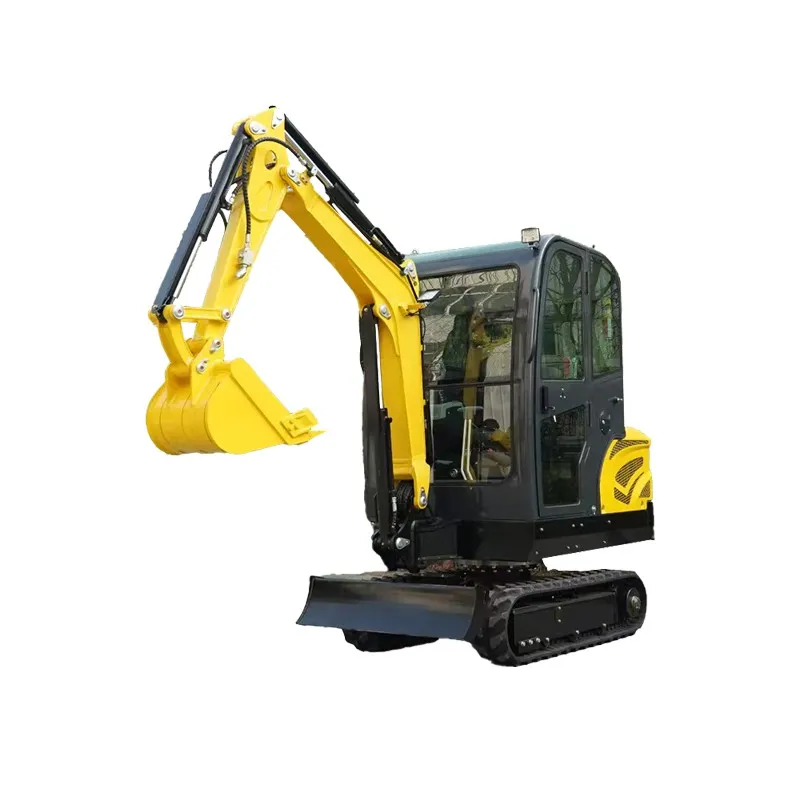
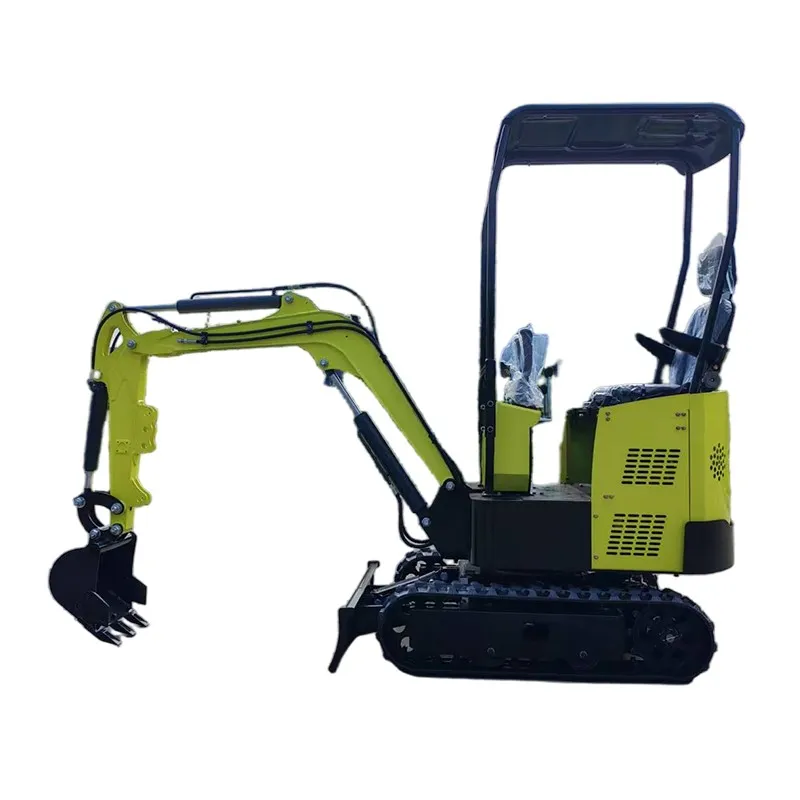
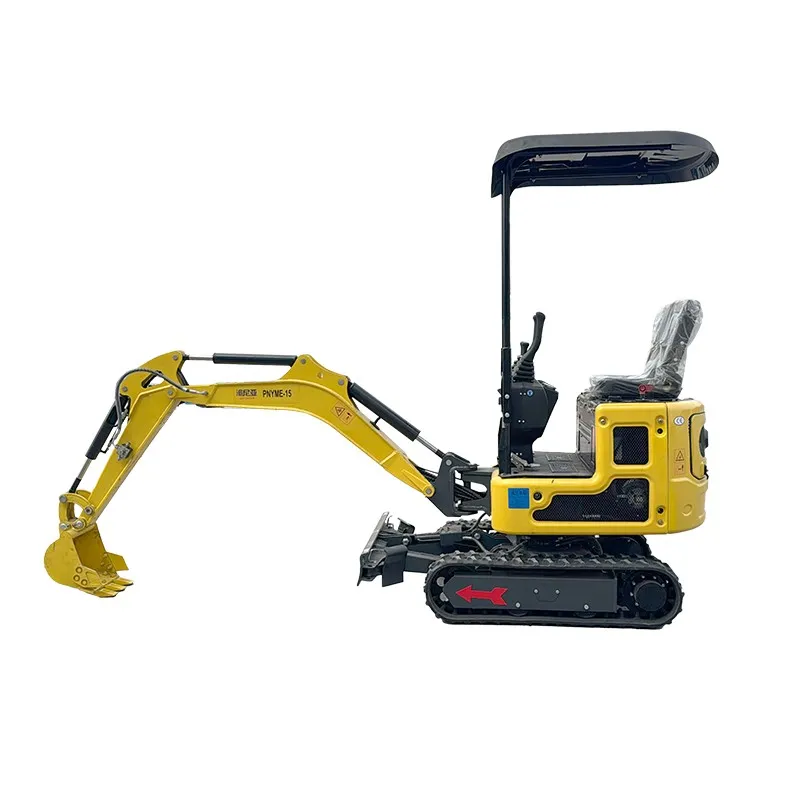
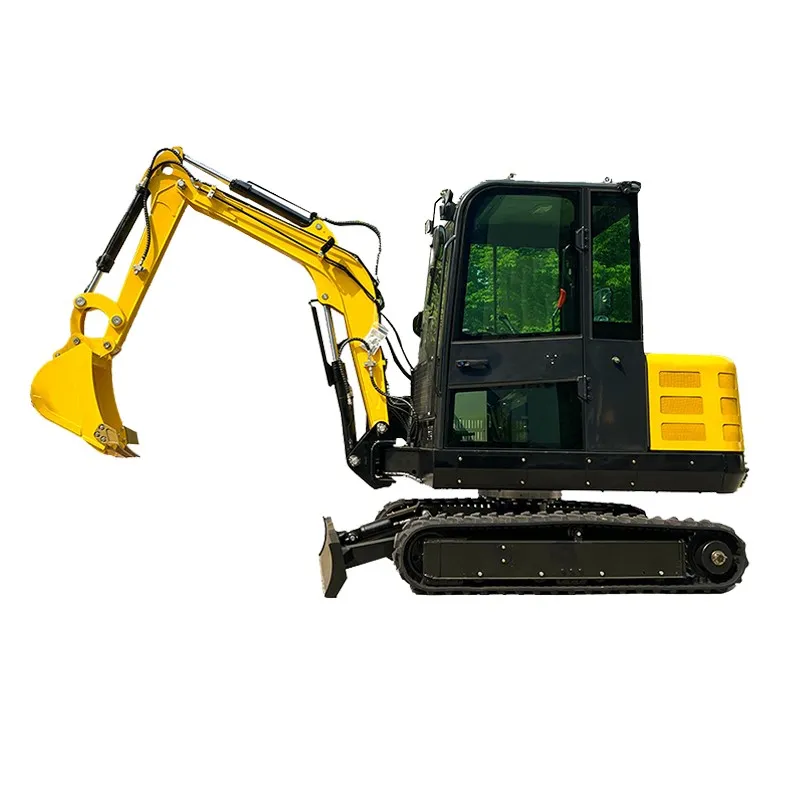
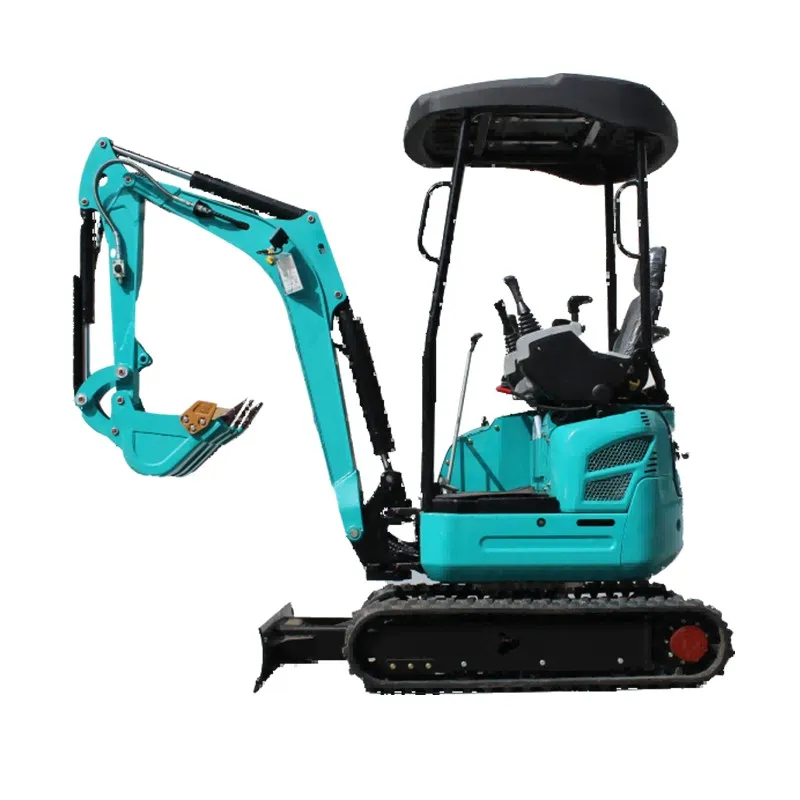
mini x excavator
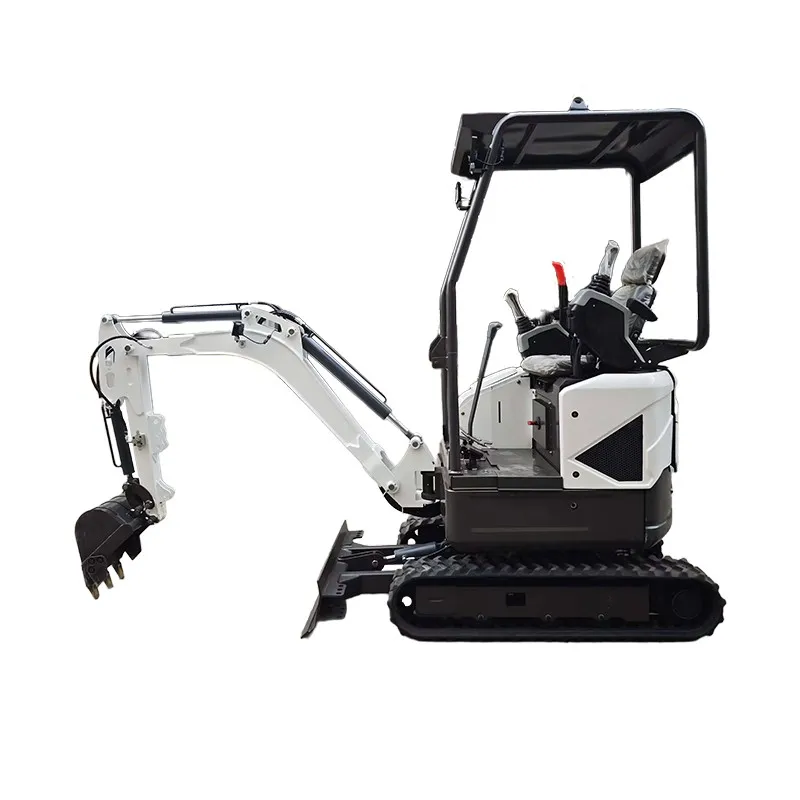
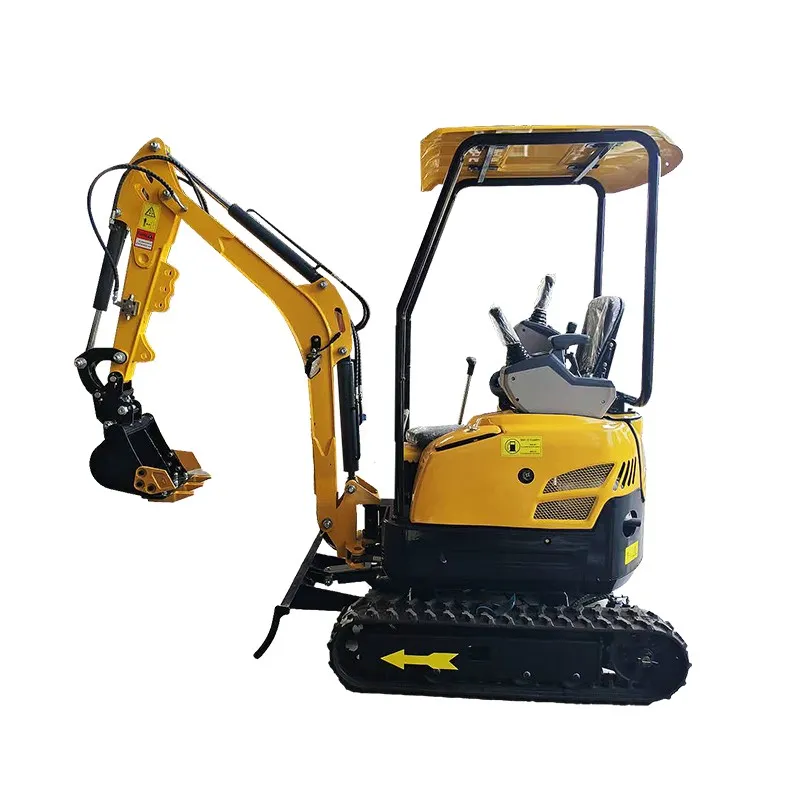
Look, everyone talks about the mini x excavator these days. It's become this buzzword, almost a catch-all for any small digging machine. But that's where the first mistake happens. In the field, we know there's a massive difference between a toy and a tool. A real mini excavator isn't just a scaled-down version; it's a purpose-built machine for tight access, precision work, and minimizing ground disturbance. I've seen too many guys get burned ordering something online that looks right on paper but falls apart when you need to actually trench for a utility line or dig a foundation in a backyard with a 36-inch gate. The specs lie. The undercarriage, the hydraulic pump quality, the swing torque—that's where the real story is.
Defining the X in Context
So, what's with the X? Sometimes it's just a model designation, like in a Takeuchi TB240 or a Yanmar VIO. Other times, it's shorthand from a manufacturer for a specific feature set—maybe an extended arm or extra auxiliary hydraulic circuits. In my experience, when a client or a spec sheet mentions a mini x excavator, they're usually pointing toward a machine in the 1 to 3-ton class that's expected to handle more than just basic digging. They want versatility: the ability to run a hydraulic breaker, a grapple, or a tilt rotator. That X almost implies an expectation of extra capability.
This is where the rubber meets the road, or rather, the steel tracks meet the mud. I remember a job demo for a landscape contractor. He was looking at two machines, both labeled as 1.8-ton mini excavators. One had a single auxiliary hydraulic port, standard. The other, the so-called X model from the dealer, had two standard lines with proportional control. The difference in cost was about 15%. He went cheap. Two months later, he was on the phone, frustrated because he couldn't efficiently run a tilt-rotator and a grapple for his tree clearing work without a major, expensive re-plumb. The X wasn't marketing fluff; it was a direct pipeline to future functionality.
It's a lesson in total cost of ownership. The initial price tag is just the entry fee. The real expense is in downtime, adapters, and lost productivity when the machine can't do what you suddenly need it to do. For a rental fleet or a serious contractor, specifying the right hydraulic system from the get-go is non-negotiable. That often means looking past the basic model number.
Site Realities and Common Pitfalls
Let's get practical. The biggest selling point of a mini excavator is access. But I've watched operators get a brand-new machine stuck because they didn't account for the actual width with the tracks fully extended. Specs say 35 inches, but with the grousers, it's 38. That's the difference between clearing a gate and having to knock down a fence post. Always, always measure the physical machine, not the brochure.
Another classic: lifting capacity over the side versus over the end. You'll see a nice, big lifting capacity number advertised. What they don't shout about is that this is usually measured over the front, with the bucket curled in and the machine in its most stable configuration. Try lifting a heavy culvert pipe over the side at a decent reach, and you'll feel the machine get light real fast. I learned this the hard way early on, nearly tipping a machine on a slope. Now, the load chart is my bible. If a manufacturer doesn't provide a detailed, accessible load chart, that's a red flag for me.
Then there's serviceability. Can you easily check the hydraulic fluid? Is there a common grease point you can't reach without a mirror and a three-jointed arm? I've spent more cursed hours than I'd like to admit contorted in a compact engine bay. A well-thought-out machine, like some of the units I've seen from established factories, designs this in from the start. Panels come off easily, filters are reachable. It sounds minor until you're doing a 250-hour service in the rain.
The Manufacturing Angle: Where Reliability is Built
This brings me to the source. There's a flood of machines on the market, and the origin story matters. A lot of the durable, no-nonsense machines that hold up in rental yards come from regions with deep industrial supply chains. Shandong Province in China, for instance, has become a major hub. It's not about cheap labor anymore; it's about clusters of foundries, hydraulic component suppliers, and experienced welding shops. A company that's been operating there for decades has access to that ecosystem.
Take a firm like Shandong Pioneer Engineering Machinery Co., Ltd. You look at their timeline—established in 2004, now with a new, larger facility—that's two decades of navigating supply chains and refining designs. They're not a startup assembling parts from a catalog. When a manufacturer has its own dedicated manufacturing arm (like their Shandong Hexin) and a separate trade company (Shandong Pioneer) handling overseas sales, it suggests a focus. The factory worries about build quality and QC; the trade side worries about meeting specific market regulations for places like the U.S., Canada, or Australia. That separation can be a good thing.
I'm not saying they're perfect. No brand is. But when I evaluate a machine, I look for that history. A company that survived the last 20 years, especially in the volatile machinery market, has learned some hard lessons about durability and what international customers actually need. They've had to adapt. Their products making it to job sites in Germany or Australia isn't an accident; it means their machines have passed some fairly stringent dealer and customer scrutiny on performance and parts support.
Attachment Synergy: Unlocking True Potential
A mini excavator is just a power pack. Its true personality comes from the attachments. And this is where the machine's hydraulic system, again, is paramount. A high-flow system isn't just for running a big cold planer. It's about efficiency. A properly sized flow to a hydraulic grapple means you can close the jaws quickly and hold pressure without the engine bogging down. It's the difference between smoothly sorting demolition debris and fighting the controls all day.
The trend now is towards intelligent hydraulics. Some of the better mini x excavator models offer adjustable flow and pressure settings for the auxiliary circuits right from the operator's joystick. This lets you fine-tune the attachment on the fly. Need a breaker to have a faster, lighter hit for breaking up thin concrete? Dial it down. Need maximum power for a stubborn boulder? Crank it up. This level of control was unheard of on compact machines a decade ago.
My advice is to never buy the machine without a plan for the attachments. And test them together. We once had a compact roller that would stall a particular brand of excavator because of a weird pressure spike in the return line. It wasn't the roller's fault or the excavator's fault in isolation; it was an incompatibility. The dealer had to install a relief valve. Knowing that before purchase saves huge headaches.
The Operator's Touch: It's Not Just a Lever
Finally, all this tech is useless without a skilled operator. A good op can make an average machine look great. They understand the machine's balance, how to use the blade for stability, how to feather the controls for precise grading. I've seen guys dig a foundation sump with a 1-ton machine that was cleaner than another guy with a 3-ton. It's about finesse.
This is why controls matter so much. The industry is split between standard two-lever controls and ISO pattern. Some machines offer a switchable pattern. For a rental business, that's gold. It reduces the learning curve for different operators. For a dedicated owner-operator, get what you're comfortable with. But the feel—the responsiveness and feedback through the joysticks—is a huge factor in productivity and fatigue. Don't just start the machine; run it through its paces. Dig a hole, level a patch, try to pick up a small pipe. Feel for lag or jerkiness.
In the end, choosing the right mini excavator is a balance of hard specs and soft feel. It's about understanding the hidden requirements of your jobs, the total cost of operation, and partnering with a manufacturer or dealer that has the longevity to support you. It's not the flashiest piece of iron on the site, but when it's the right one, it's the workhorse that gets the tough, confined jobs done and makes the profit on a tight-margin project. Forget the hype. Look at the hydraulics, check the service points, and always, always read the fine print on the load chart.
Related Products
Related Products