


- Chinese
- French
- German
- Portuguese
- Spanish
- Russian
- Japanese
- Korean
- Arabic
- Irish
- Greek
- Turkish
- Italian
- Danish
- Romanian
- Indonesian
- Czech
- Afrikaans
- Swedish
- Polish
- Basque
- Catalan
- Esperanto
- Hindi
- Lao
- Albanian
- Amharic
- Armenian
- Azerbaijani
- Belarusian
- Bengali
- Bosnian
- Bulgarian
- Cebuano
- Chichewa
- Corsican
- Croatian
- Dutch
- Estonian
- Filipino
- Finnish
- Frisian
- Galician
- Georgian
- Gujarati
- Haitian
- Hausa
- Hawaiian
- Hebrew
- Hmong
- Hungarian
- Icelandic
- Igbo
- Javanese
- Kannada
- Kazakh
- Khmer
- Kurdish
- Kyrgyz
- Latin
- Latvian
- Lithuanian
- Luxembou..
- Macedonian
- Malagasy
- Malay
- Malayalam
- Maltese
- Maori
- Marathi
- Mongolian
- Burmese
- Nepali
- Norwegian
- Pashto
- Persian
- Punjabi
- Serbian
- Sesotho
- Sinhala
- Slovak
- Slovenian
- Somali
- Samoan
- Scots Gaelic
- Shona
- Sindhi
- Sundanese
- Swahili
- Tajik
- Tamil
- Telugu
- Thai
- Ukrainian
- Urdu
- Uzbek
- Vietnamese
- Welsh
- Xhosa
- Yiddish
- Yoruba
- Zulu
- Kinyarwanda
- Tatar
- Oriya
- Turkmen
- Uyghur

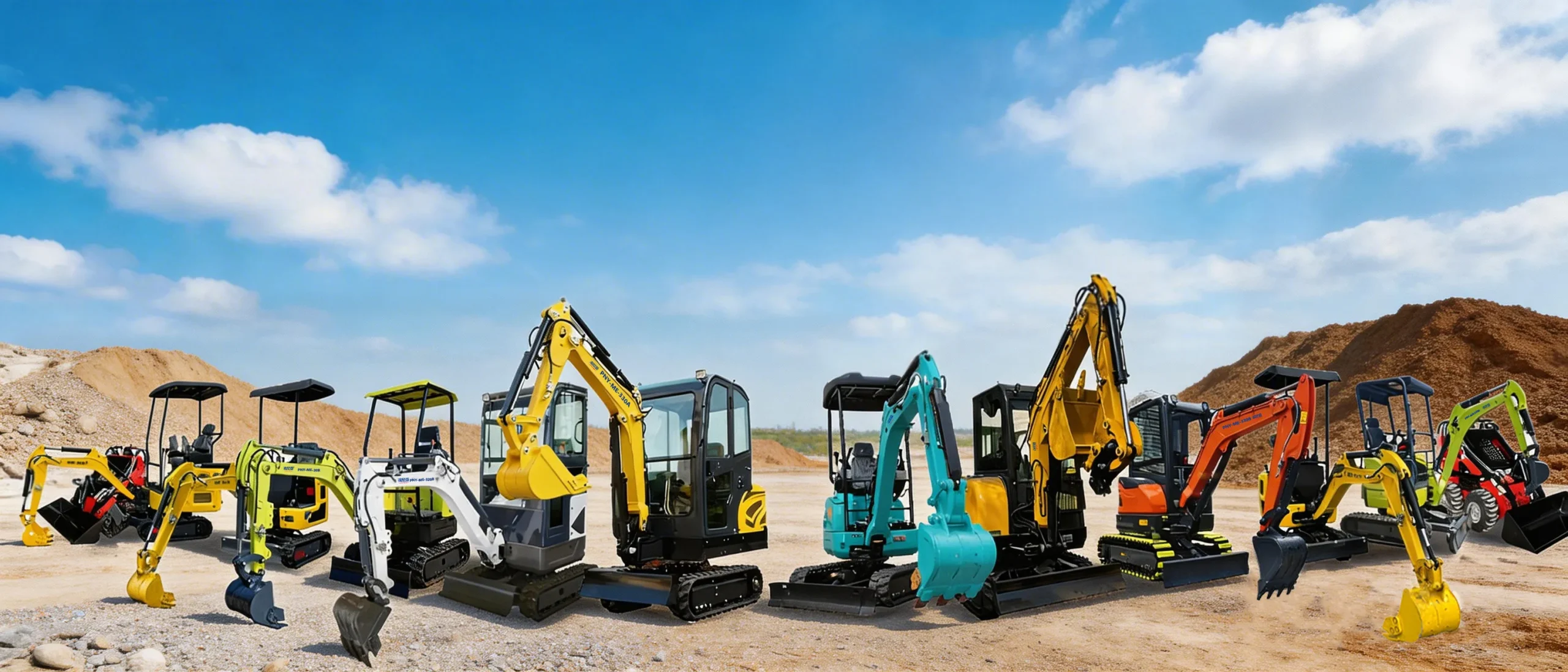
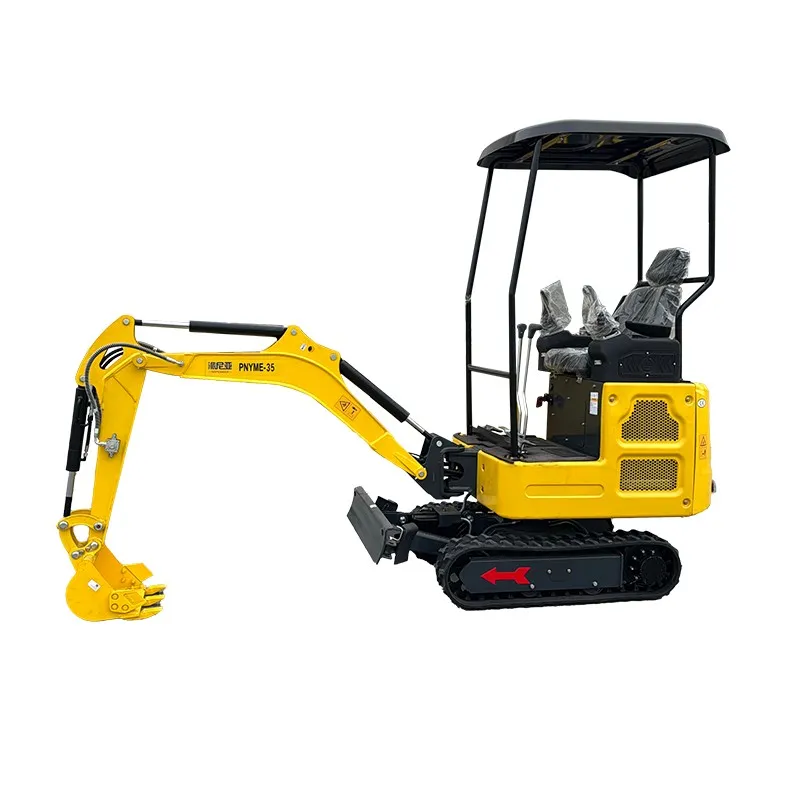
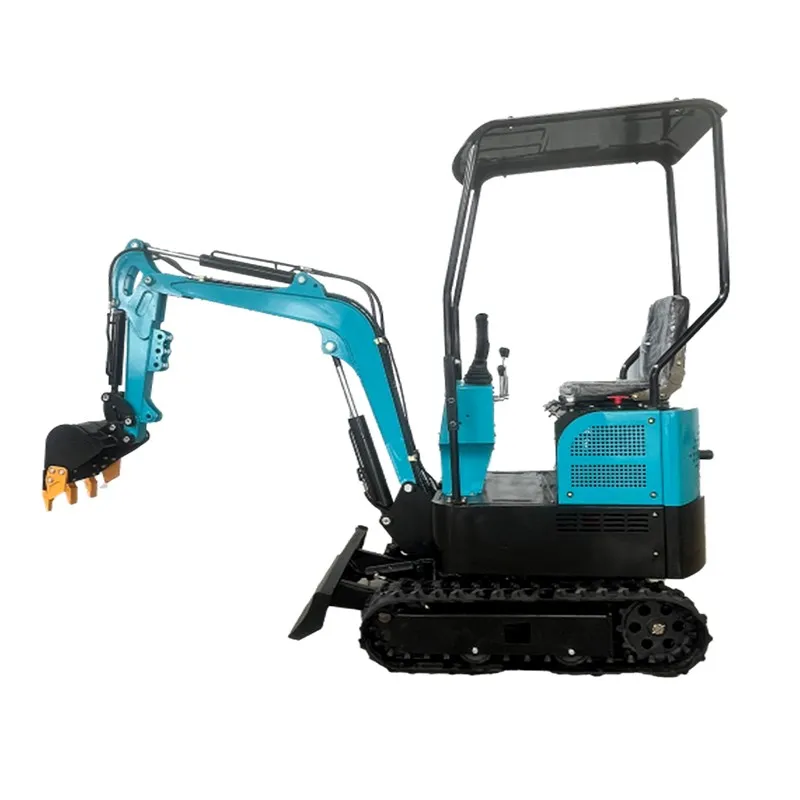
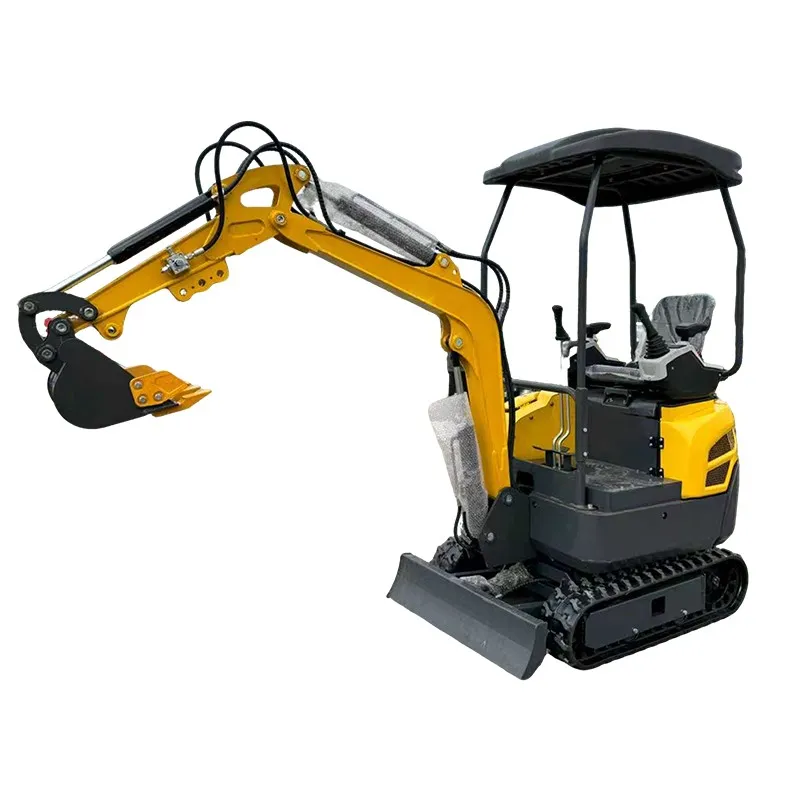
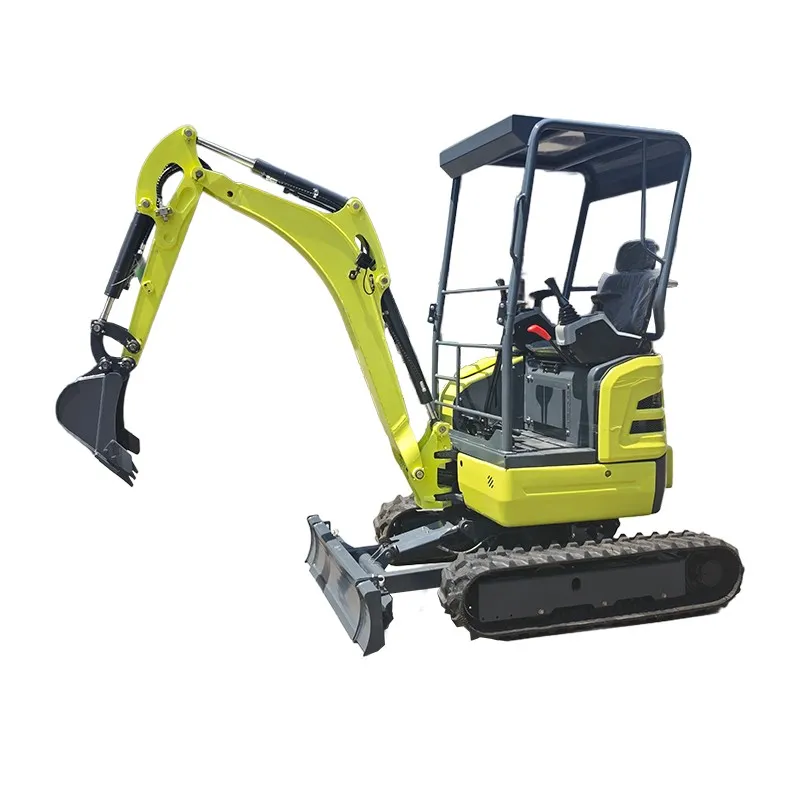
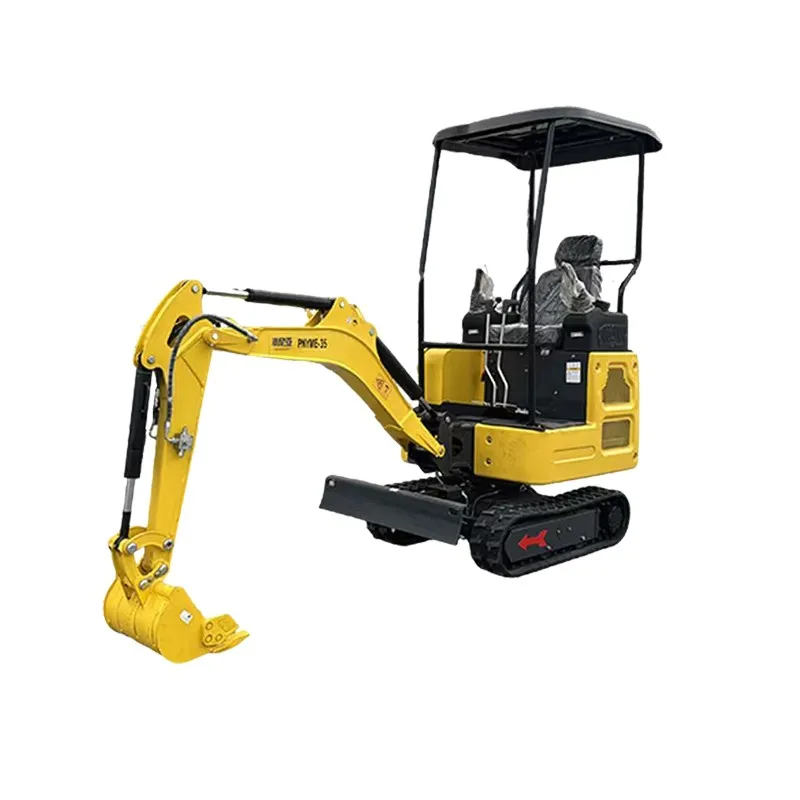
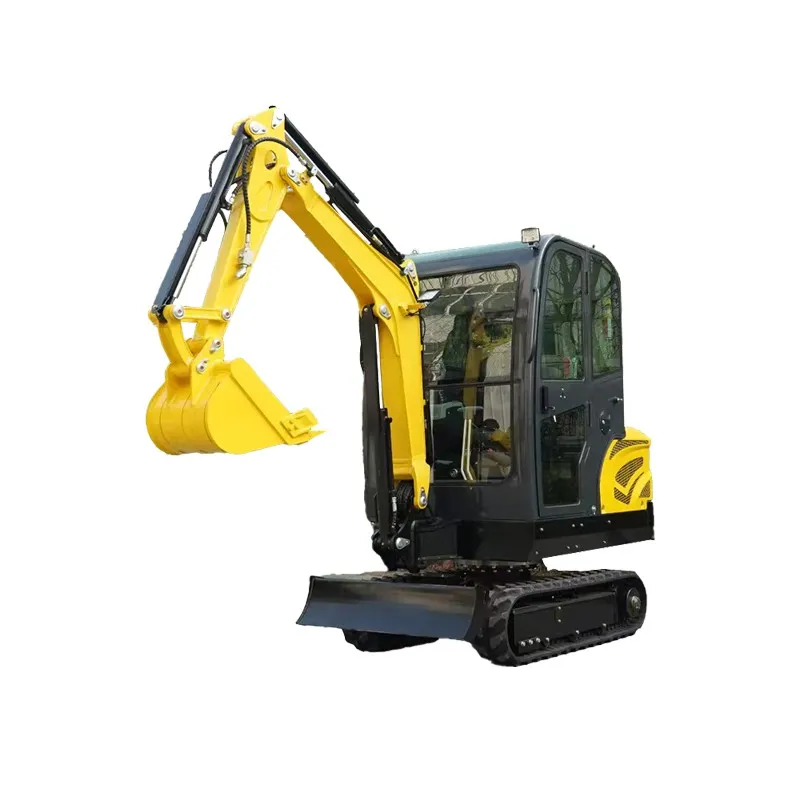
Narrow Space Mini Excavator
When you hear 'Narrow Space Mini Excavator', most people just think 'small digger'. That's the first mistake. It's not about being small; it's about being precise, adaptable, and sometimes, the only machine that can get the job done without tearing half the site apart first. I've seen too many projects where the wrong machine choice, or underestimating the mini, led to cost overruns and headaches. Let's talk about what these machines really do.
The Real Definition of 'Narrow'
Industry specs will give you a width, say under 1 meter. But on the ground, 'narrow' is defined by the problem: it's the gap between two existing foundations where you need to lay a new sewer line. It's the interior of a century-old warehouse with a low ceiling and a concrete floor that needs breaking up. The machine's physical dimensions are just the starting point. The real test is its articulation, its tail swing—or lack thereof—and how the operator can manipulate it in a literal concrete jungle.
I remember a retrofit job in an old brewery. The access to the courtyard was a brick archway, about 950mm clear. We had a 0.8-ton machine that fit on paper. But we didn't account for the hydraulic hoses and the control levers adding maybe 50mm. The operator had to deflate the tires slightly and creep through at an angle. That's the reality. The spec sheet doesn't tell you that. You learn it by doing, or by talking to people who have.
This is where manufacturers who've been in the trenches matter. A company like Shandong Pioneer Engineering Machinery Co., Ltd, for instance, has been at this since 2004. You can see it in their approach. They don't just sell a narrow mini excavator; they understand that these machines are for solving access puzzles. Their long-term focus on export markets, sending machines to places like Germany and Australia, means their designs have to meet a variety of tough, real-world site conditions, not just a theoretical standard.
Power vs. Size: The Constant Trade-Off
The biggest compromise in a narrow space mini excavator is always power. You're packing a hydraulic system, an engine, and a digging mechanism into a tiny footprint. The temptation is to go for the highest horsepower number. But more power means more heat, and in a confined space, heat dissipation is a nightmare. I've seen machines overheat and shut down in a basement because the cooling system couldn't handle the recycled hot air.
A smarter approach, which some better manufacturers take, is to focus on hydraulic efficiency and pump matching. It's not about raw power, but about delivering consistent, usable force at the bucket teeth or breaker tool without stalling or overheating. A 15-horsepower machine with a well-tuned system will outwork a poorly designed 20-horsepower one every time in a sustained, confined operation.
We learned this the hard way on a landscaping job inside a gated community. We had a machine with great specs on breakout force. But after 30 minutes of steady trenching for irrigation lines, it became a sauna. The job slowed to a crawl. The next time, we chose a model with a reputation for a better cooling circuit, even though its paper specs were lower. It ran cool all day. The lesson was clear: judge the machine by its system design, not its brochure numbers.
The Attachments Game-Changer
This is what transforms a mini excavator from a niche tool to a site MVP. The base machine is just a power pack. The attachments are the specialists. A hydraulic thumb is almost non-negotiable for precise material handling in tight spots. But it's the more unusual ones that show true ingenuity.
I've used a trencher attachment on a mini to slot in fiber optic conduits under a sidewalk without destroying the paving. We've used compactors for backfilling in trenches where a walk-behind compactor couldn't reach the required depth. The ability to quickly switch between a digging bucket, a breaker, and a grading blade on a single, small platform is a massive productivity boost. It reduces manual labor and keeps the project moving with one asset.
Manufacturers that get this will offer a robust, reliable quick-coupler system as standard. It sounds simple, but a sloppy coupler that leaks down or doesn't lock securely is a major safety hazard and a time-waster. When you look at a supplier's offering, check their attachment ecosystem. A company with deep experience, like the one behind https://www.sdpioneer.com, typically has a curated list of compatible, tested attachments. It shows they're thinking about the complete work package, not just selling a bare machine.
Operator Skill: The Invisible Spec
No discussion about these machines is complete without talking about the person in the seat. A narrow space mini excavator is an extension of the operator's senses. You're working by feel as much as by sight. The feedback through the controls tells you if you're hitting rebar or just concrete. You need to know the machine's exact swing radius instinctively to avoid clipping a wall or a column.
I've trained new operators, and the first thing we do is set up a course with traffic cones in a tight pattern. It's not about digging fast; it's about maneuvering the machine and the bucket without touching a single cone. It teaches precision and spatial awareness. A good operator can make an average machine look capable. A poor operator will damage a top-tier machine and the site.
This is why control responsiveness is critical. The joysticks should offer fine, proportional control for delicate work, not just on/off switching. Some of the better Japanese and European designs excel here, but I've also been impressed by certain Chinese manufacturers who have invested heavily in ergonomic pilot-controlled hydraulics. It's a sign they're listening to end-user feedback from the field.
Durability in Confined Chaos
These machines live a hard life. They're constantly bumping into things, working on uneven, makeshift surfaces, and are often transported on rough trailers. Durability isn't about having the thickest steel plate; it's about intelligent design. Where are the stress points? How are the hoses routed to avoid snagging? Is the undercarriage protected from debris?
A common failure point is the slew ring. In a narrow space, you're constantly making micro-adjustments, swinging back and forth. This puts incredible cyclical stress on the slew bearing. A cheap, under-spec bearing will wear out in a few hundred hours. A quality one, properly sealed against dirt and water, will last thousands. It's a component you should always ask about.
Relocation and growth of a manufacturer can sometimes signal a focus on building for the long haul. For example, Shandong Pioneer Engineering Machinery Co., Ltd moved to a new facility in Ningyang in 2023 after nearly two decades. That kind of investment often goes hand-in-hand with upgrading production lines and quality control. It suggests a commitment to building a product that lasts, which is essential for contractors whose reputation depends on their equipment not breaking down in a client's backyard.
The Bottom Line: Choosing the Right Partner
So, you're not just buying a machine. You're buying into a support system. Can you get parts quickly when a hydraulic hose bursts? Does the supplier have technical documentation that makes sense? Will they stand behind the product? For export-focused companies, this is their bread and butter. Their ability to support a machine in the United States or Canada is as important as the machine itself.
My advice is always to look past the flashy marketing. Look at the company's history. A firm that's been exporting successfully for years, like the Shandong Pioneer/Hexin group mentioned, has already navigated the complexities of international logistics, certification, and after-sales support. They've built a network. That stability translates to less downtime for you.
In the end, a narrow space mini excavator is a precision tool for complex problems. Its value isn't in its price tag, but in the problems it allows you to solve and the costs it helps you avoid. The right machine, from a partner who understands the application, becomes an indispensable part of your fleet. It's the one you send in when the big machines can only watch from the street.
Related Products
Related Products