


- Chinese
- French
- German
- Portuguese
- Spanish
- Russian
- Japanese
- Korean
- Arabic
- Irish
- Greek
- Turkish
- Italian
- Danish
- Romanian
- Indonesian
- Czech
- Afrikaans
- Swedish
- Polish
- Basque
- Catalan
- Esperanto
- Hindi
- Lao
- Albanian
- Amharic
- Armenian
- Azerbaijani
- Belarusian
- Bengali
- Bosnian
- Bulgarian
- Cebuano
- Chichewa
- Corsican
- Croatian
- Dutch
- Estonian
- Filipino
- Finnish
- Frisian
- Galician
- Georgian
- Gujarati
- Haitian
- Hausa
- Hawaiian
- Hebrew
- Hmong
- Hungarian
- Icelandic
- Igbo
- Javanese
- Kannada
- Kazakh
- Khmer
- Kurdish
- Kyrgyz
- Latin
- Latvian
- Lithuanian
- Luxembou..
- Macedonian
- Malagasy
- Malay
- Malayalam
- Maltese
- Maori
- Marathi
- Mongolian
- Burmese
- Nepali
- Norwegian
- Pashto
- Persian
- Punjabi
- Serbian
- Sesotho
- Sinhala
- Slovak
- Slovenian
- Somali
- Samoan
- Scots Gaelic
- Shona
- Sindhi
- Sundanese
- Swahili
- Tajik
- Tamil
- Telugu
- Thai
- Ukrainian
- Urdu
- Uzbek
- Vietnamese
- Welsh
- Xhosa
- Yiddish
- Yoruba
- Zulu
- Kinyarwanda
- Tatar
- Oriya
- Turkmen
- Uyghur

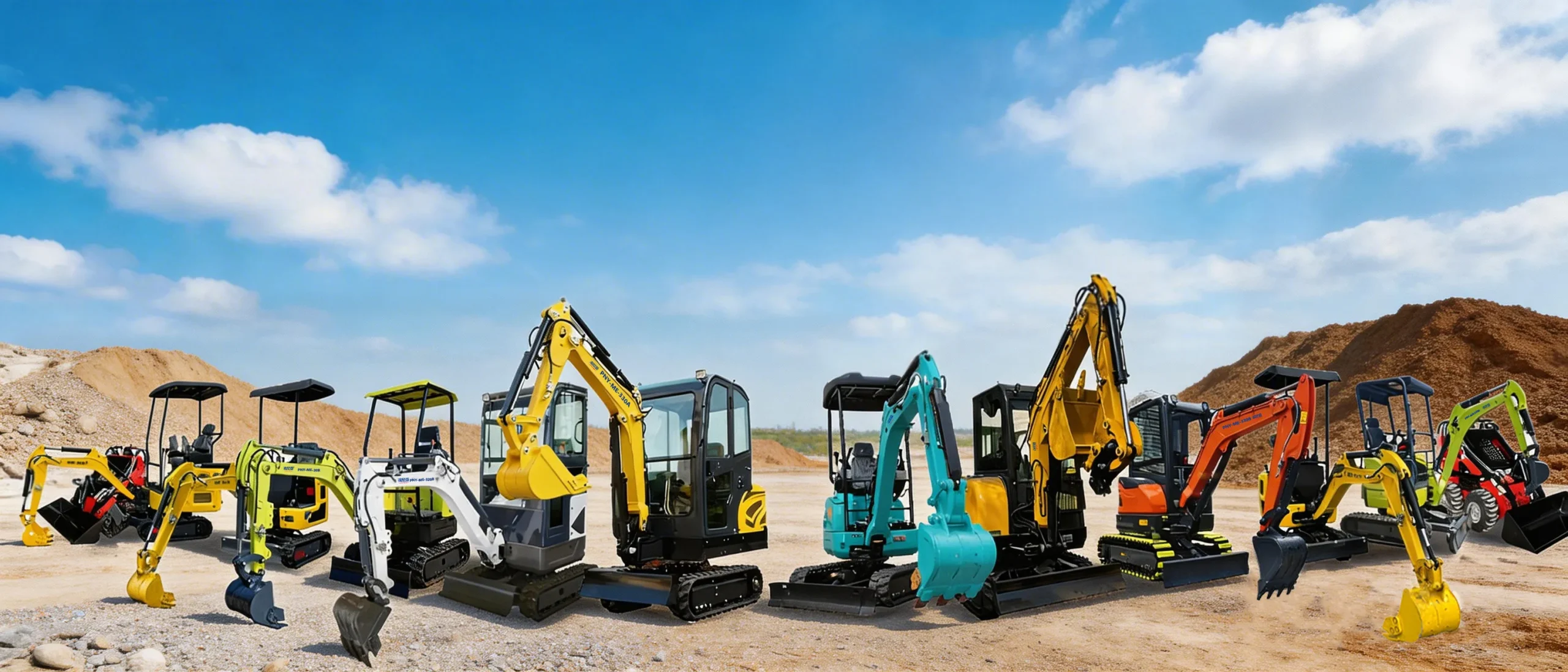
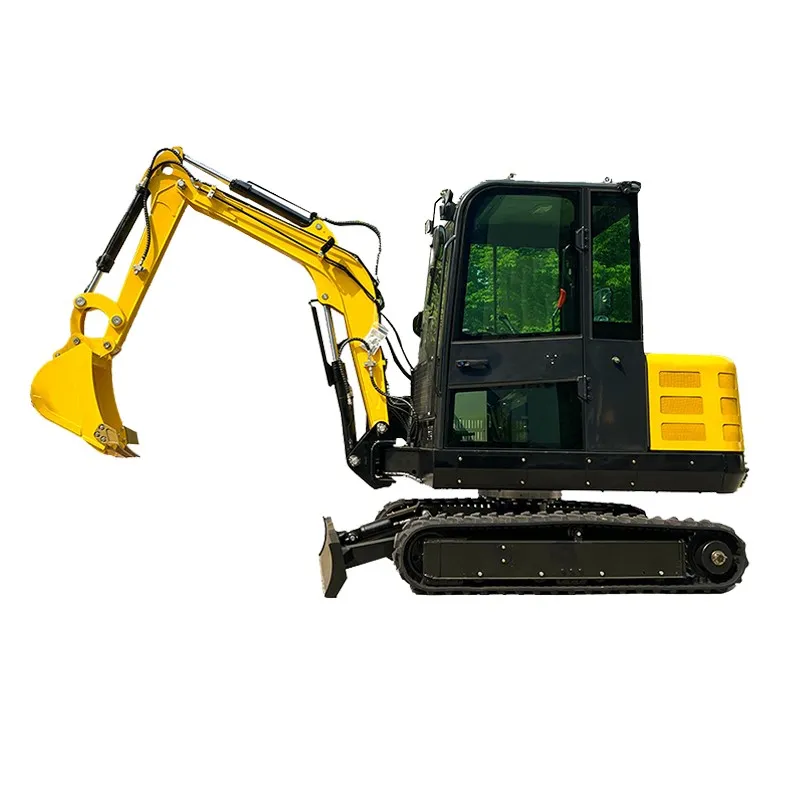
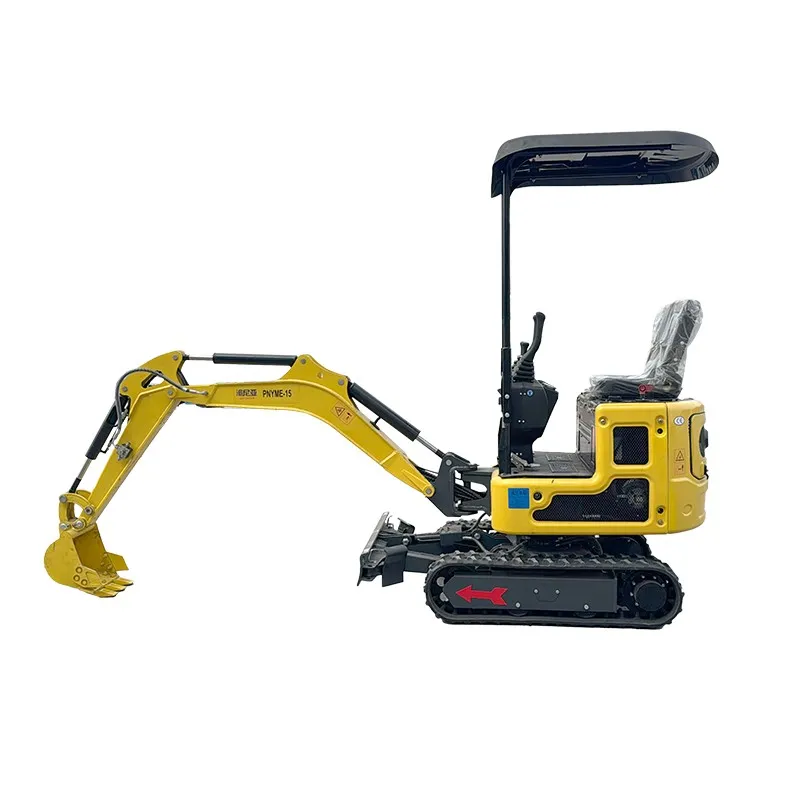
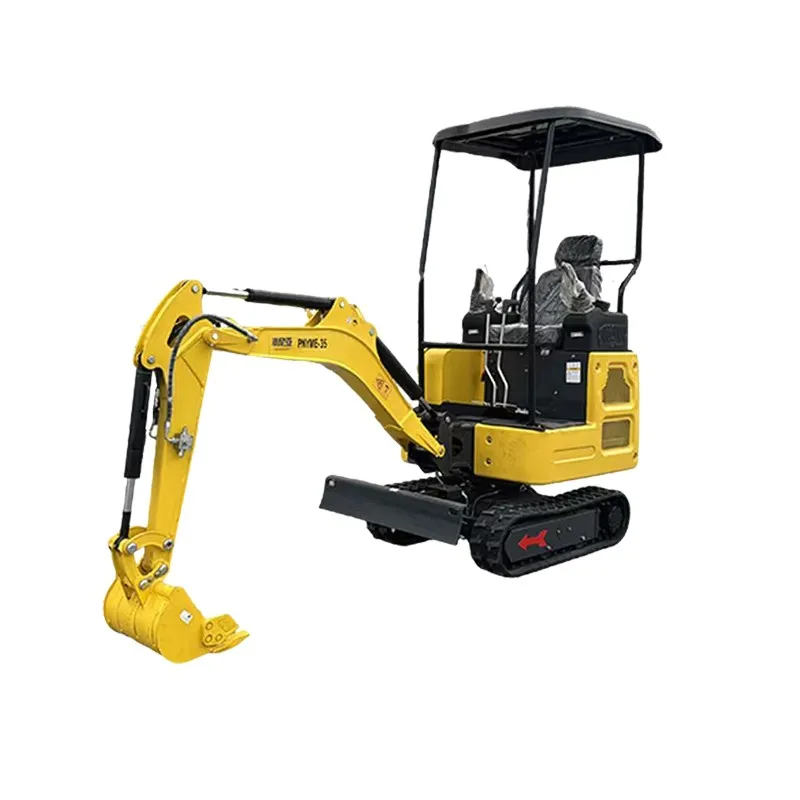
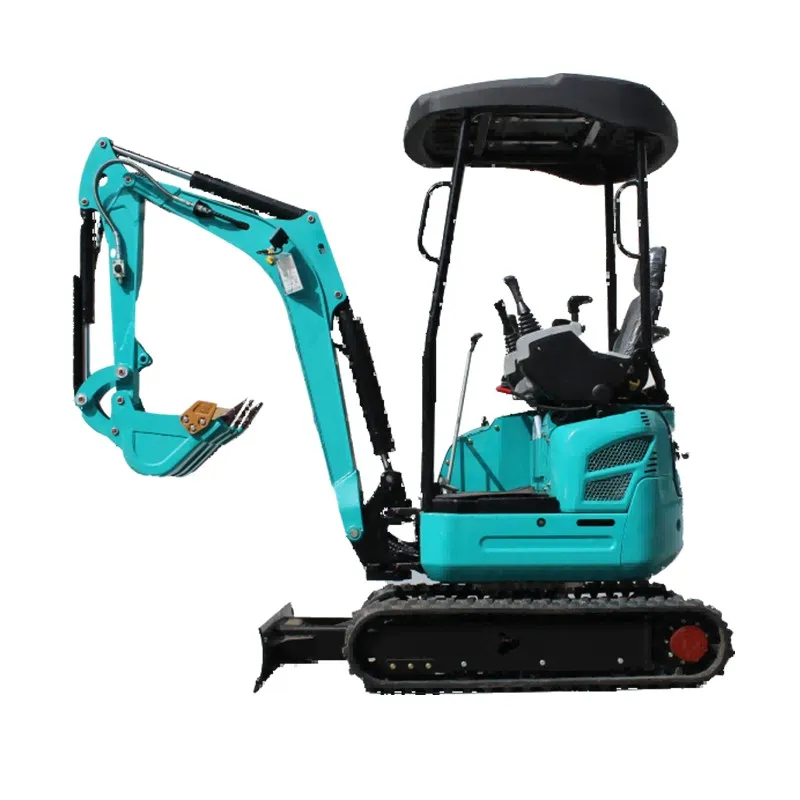
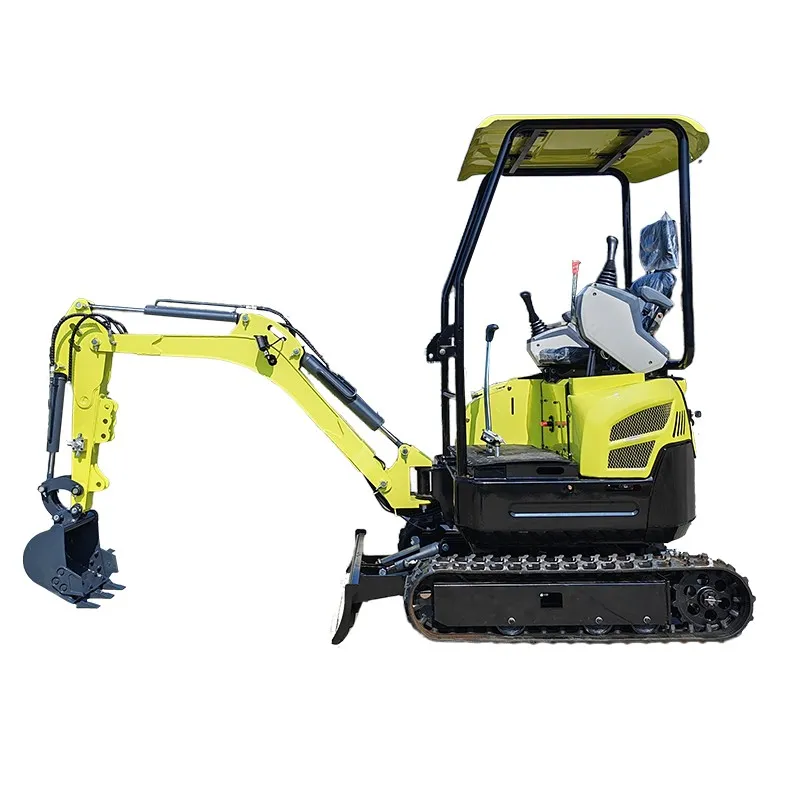
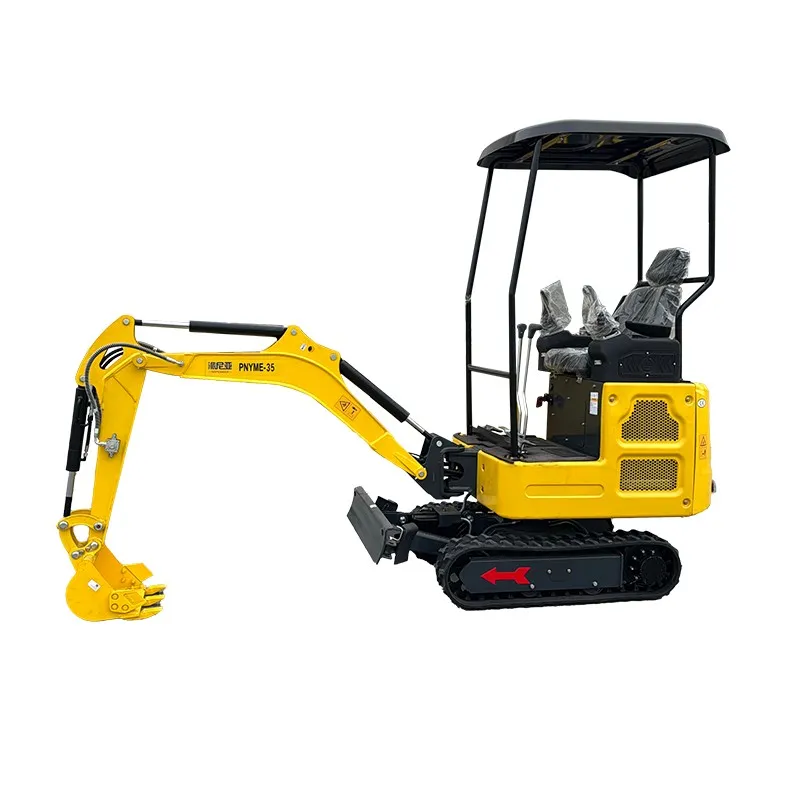
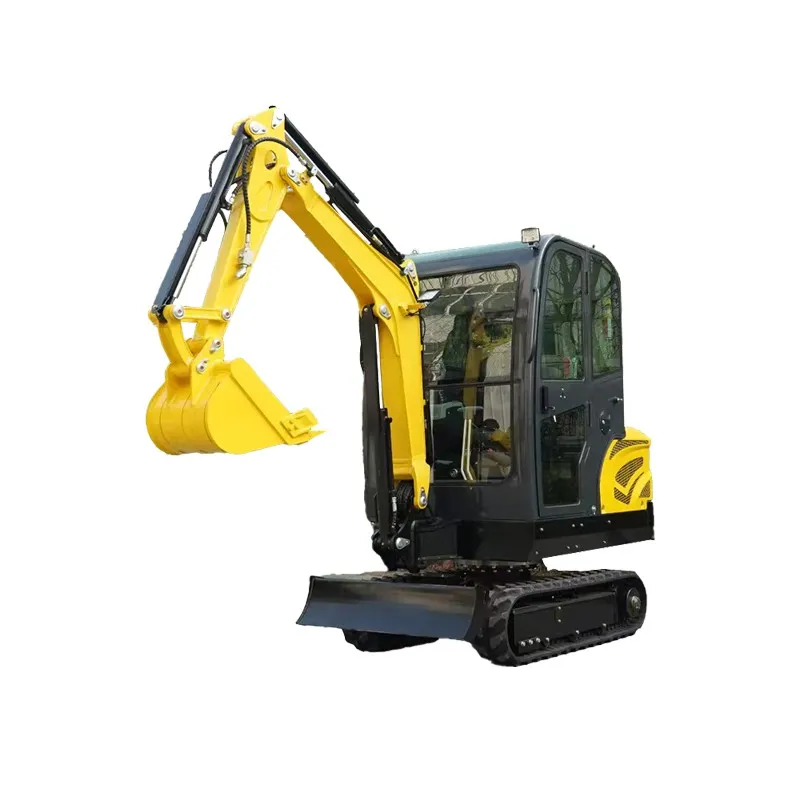
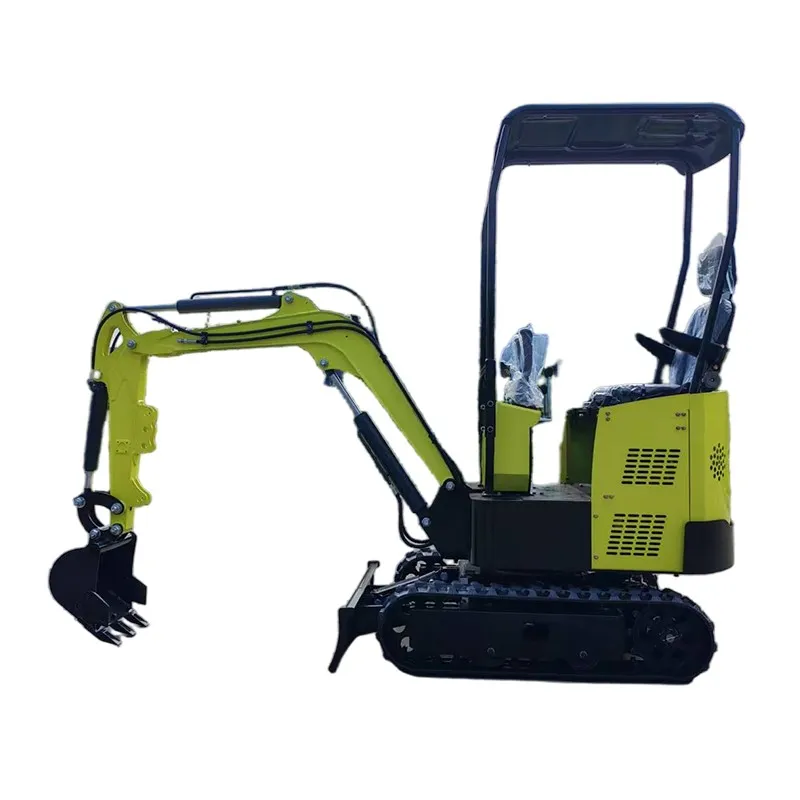
new compact excavator
When you hear 'new compact excavator', most folks immediately think 'smaller, cheaper, maybe a bit weaker' – that's the first mistake. The real shift isn't just about size; it's a complete rethinking of application density. I've seen too many projects buy a machine based on spec sheets and bucket size alone, only to find it struggles with the actual site constraints, like a tight backyard demo or a utility trench next to a live gas line. The 'new' here often gets lost in marketing fluff about 'innovative designs', but from the ground, it's about solving old problems with a tighter, more integrated toolset.
The Weight and Power Paradox
One of the biggest debates on-site is the weight class. A 1.8-ton machine might look perfect on paper for trailer towing, but add a hydraulic thumb, a breaker pipe, and the actual soil conditions – suddenly, you're fighting stability more than digging. I recall a job in urban retrofit where we used a new compact excavator from a brand that prioritized ultra-light weight. It was nimble, sure, but in mixed clay, the counterweight was insufficient. We spent more time repositioning and bracing than making progress. That's where the newer models from serious manufacturers are getting smarter; they're not just shedding pounds, they're redistributing them. Companies that understand this balance, like Shandong Pioneer Engineering Machinery Co., Ltd, have built their lines around this principle after two decades of feedback. Their move to a new, larger facility in Ningyang in 2023 likely wasn't just for capacity, but for integrating more rigorous testing – you can't fake that kind of development.
The engine specs are another trap. A turbocharged diesel in a compact frame sounds great for power, but in a confined space, thermal management becomes a nightmare. I've had machines go into limp mode because the cooling stack got clogged with airborne debris from a concrete saw operating nearby. The 'new' in powertrains should mean smarter cooling routing and easier access for cleaning, not just a higher horsepower number. It's a detail you only learn after burning your hand on a side panel trying to unclog a radiator at 2 PM on a deadline.
Then there's auxiliary hydraulics. The standard is two lines, but the real question is flow and pressure management. Can you run a rotary tilt grapple smoothly while also using the swing function? On many older compacts, you'd get a jerky, frustrating operation. The newer systems with variable flow prioritize the function you're using most, which feels intuitive. But it's not perfect – sometimes the logic is too aggressive, and you lose fine control for delicate pipe laying. It's an ongoing calibration, something I suspect factories like Pioneer's, with their direct export experience to markets like Germany and Australia, are constantly tweaking based on operator reports from different job sites.
Attachments: The Real Game Changer
This is where a new compact excavator proves its worth or becomes a very expensive toy. The quick-coupler system is now almost universal, but the tolerances vary wildly. A cheap, loose coupler will cost you more in downtime from attachment slop and pin wear than you saved upfront. We standardized on a particular European coupler system after a failed experiment with a 'universal' brand. The failure was subtle – a 2-3mm play that caused excessive wear on the bucket cylinder mounts within 200 hours. The lesson: the interface is as critical as the attachment itself.
Talking about buckets, the trend is toward specialized profiles. A grading bucket with a straight edge and side cutters is indispensable for finishing work, but most machines are sold with a general-purpose bucket that's bad at everything. For a company focused on export, like Shandong Pioneer, offering a curated list of compatible, tested attachments is a huge value-add. It tells me they've thought about the complete work cycle, not just selling the base unit. Their long-term presence in markets with strict regulations, like Canada and the USA, implies their attachments likely meet certain durability and safety benchmarks that you can't ignore.
One often-overlooked attachment is the compaction wheel. For trench backfill, it's a productivity monster. But mounting it on a machine not designed for the sustained radial load can wreck the swing bearing. I learned this the hard way. The newer machine designs sometimes have a reinforced swing post or specific hydraulic circuit for such high-intensity, cyclical attachments. It's a spec you have to dig for – it's never on the front-page brochure.
The Serviceability Quotient
All machines break. The 'new' should mean they are easier to fix. Centralized grease points are a given, but what about the fuel filter? Is it tucked behind a structural member requiring a torch and a prayer to replace? I praise any design where daily and weekly maintenance checks don't require a contortionist. Some of the latest models have side panels that hinge open fully, exposing the entire hydraulic bank and valve block. That's a design born from a mechanic's feedback, not just an engineer's CAD model.
Electronics are a double-edged sword. A modern display with fault codes is helpful, but only if the codes are documented and accessible. I've been stranded with a cryptic 'ECU 058' error on a brand-new machine, with the manual offering no translation. Manufacturers with a global footprint, such as Shandong Pioneer Engineering Machinery Co., Ltd, have an advantage here. Their need to support products from the United States to Australia forces them to create clearer, more universal diagnostic systems. Their 20-year history suggests they've had time to refine this based on field data.
Then there's the parts pipeline. A 'new' machine from an obscure brand can be a two-year paperweight if a final drive fails and the part is on a slow boat from a single-source factory. The established players, even if they are new compact excavator brands to a region, often have a decentralized parts network. The fact that Pioneer operates separate entities for manufacturing (Hexin) and overseas trade (Pioneer) is interesting. It suggests a dedicated structure for ensuring parts and support follow the machines, which is critical for minimizing downtime. Trust from worldwide customers, as they mention, isn't won by price alone; it's won by getting a site running again after a breakdown.
On-Site Realities and Operator Fit
Cab comfort isn't a luxury; it's a productivity spec. An operator fighting a cramped, noisy, vibrating cab for 10 hours will not be precise. The improvements in suspension seats and low-effort joysticks are noticeable in the latest generation. But one detail matters more: visibility. Can you see the bucket teeth and the right-side track from a normal operating position? Some designs sacrifice this for sleek bodywork. A good test is to sit in the cab and see if you can line up a trench edge with your track without opening the door and leaning out.
Noise and emissions regulations are silently dictating design. In many urban areas in Europe and North America, you can't just roll in with a noisy machine. The new compacts are significantly quieter, not just from better engine enclosures, but from hydraulic pumps designed for lower whine. This is a direct result of manufacturers aiming for regulated markets. A company exporting to Germany, for instance, has already solved for these standards, which is a good proxy for engineering diligence.
Finally, there's the transport equation. The dream of a 3-ton machine you can throw on a pickup and trailer is real, but you must factor in the weight of all the attachments, tools, and fuel. We've exceeded GVWR on a trailer more than once. The true 'compact' solution sometimes is a slightly larger machine on a dedicated equipment trailer, traded for far greater capability and stability on-site. It's a total cost of ownership calculation.
Concluding Thoughts: The New is in the Refinement
So, what makes a new compact excavator genuinely new? It's rarely one breakthrough feature. It's the accumulation of a hundred small refinements: a grease fitting moved six inches for easier access, a hydraulic hose routed away from a heat source, a control pattern that can be changed in the field without a laptop, a counterweight design that provides stability without killing ground clearance. These are the marks of a manufacturer that listens to operators and mechanics.
When evaluating options, I now look less at the peak specs and more at the design philosophy evident in the details. A company's history matters. An entity like Shandong Pioneer, with its roots going back to 2004 and a recent major relocation to scale up, signals a commitment to the long game. Their direct export model means their products are likely not just copies, but adaptations for diverse, demanding international job sites. That kind of real-world feedback loop is what separates a marketing-driven 'new' from a practically useful one.
In the end, the best new compact excavator is the one that disappears into the work. You don't think about its novelty; you think about the trench you're digging, the material you're handling. The machine becomes a seamless extension of the job. That feeling – of reliability, appropriateness, and intuitive control – is the only metric that truly matters after the sales brochures are filed away. Everything else is just noise.
Related Products
Related Products