- Chinese
- French
- German
- Portuguese
- Spanish
- Russian
- Japanese
- Korean
- Arabic
- Irish
- Greek
- Turkish
- Italian
- Danish
- Romanian
- Indonesian
- Czech
- Afrikaans
- Swedish
- Polish
- Basque
- Catalan
- Esperanto
- Hindi
- Lao
- Albanian
- Amharic
- Armenian
- Azerbaijani
- Belarusian
- Bengali
- Bosnian
- Bulgarian
- Cebuano
- Chichewa
- Corsican
- Croatian
- Dutch
- Estonian
- Filipino
- Finnish
- Frisian
- Galician
- Georgian
- Gujarati
- Haitian
- Hausa
- Hawaiian
- Hebrew
- Hmong
- Hungarian
- Icelandic
- Igbo
- Javanese
- Kannada
- Kazakh
- Khmer
- Kurdish
- Kyrgyz
- Latin
- Latvian
- Lithuanian
- Luxembou..
- Macedonian
- Malagasy
- Malay
- Malayalam
- Maltese
- Maori
- Marathi
- Mongolian
- Burmese
- Nepali
- Norwegian
- Pashto
- Persian
- Punjabi
- Serbian
- Sesotho
- Sinhala
- Slovak
- Slovenian
- Somali
- Samoan
- Scots Gaelic
- Shona
- Sindhi
- Sundanese
- Swahili
- Tajik
- Tamil
- Telugu
- Thai
- Ukrainian
- Urdu
- Uzbek
- Vietnamese
- Welsh
- Xhosa
- Yiddish
- Yoruba
- Zulu
- Kinyarwanda
- Tatar
- Oriya
- Turkmen
- Uyghur


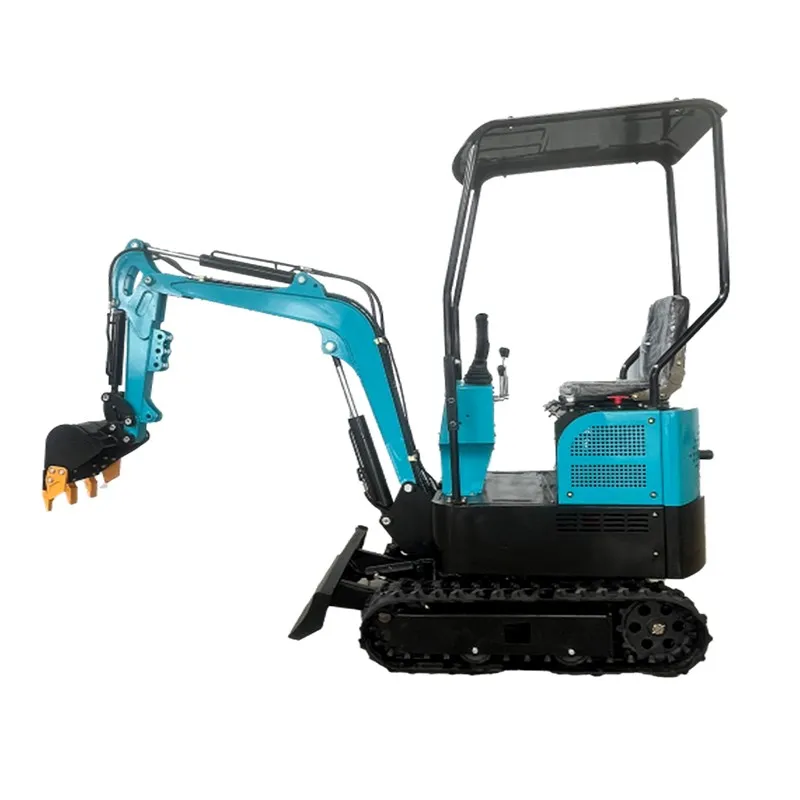
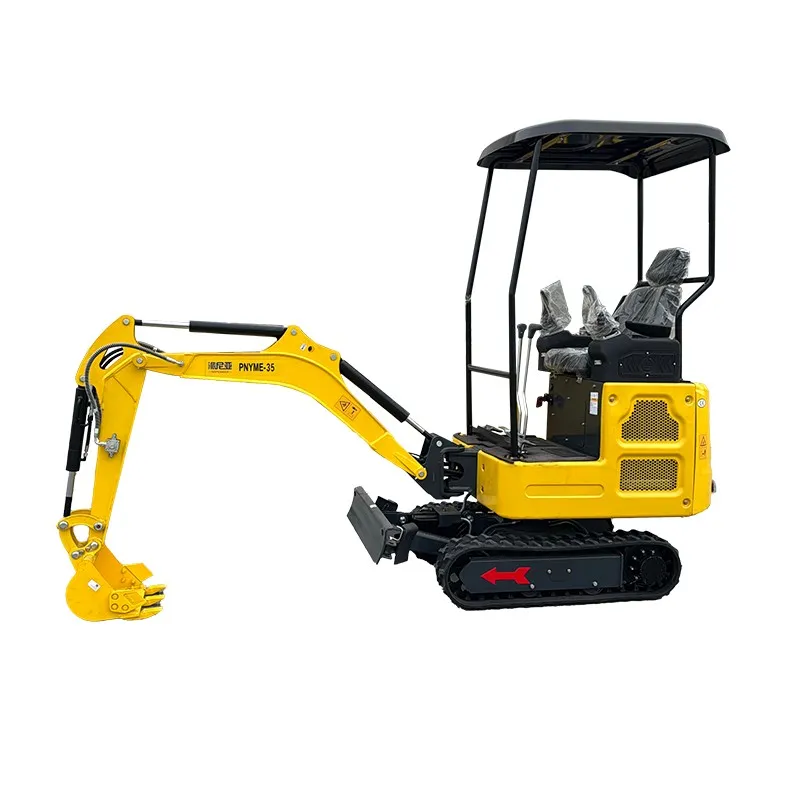
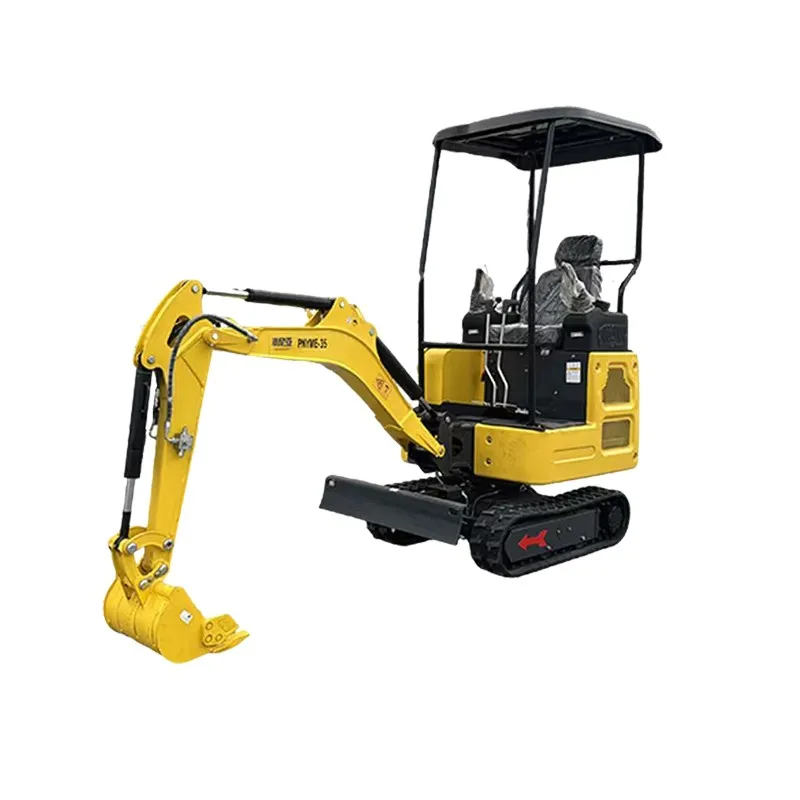
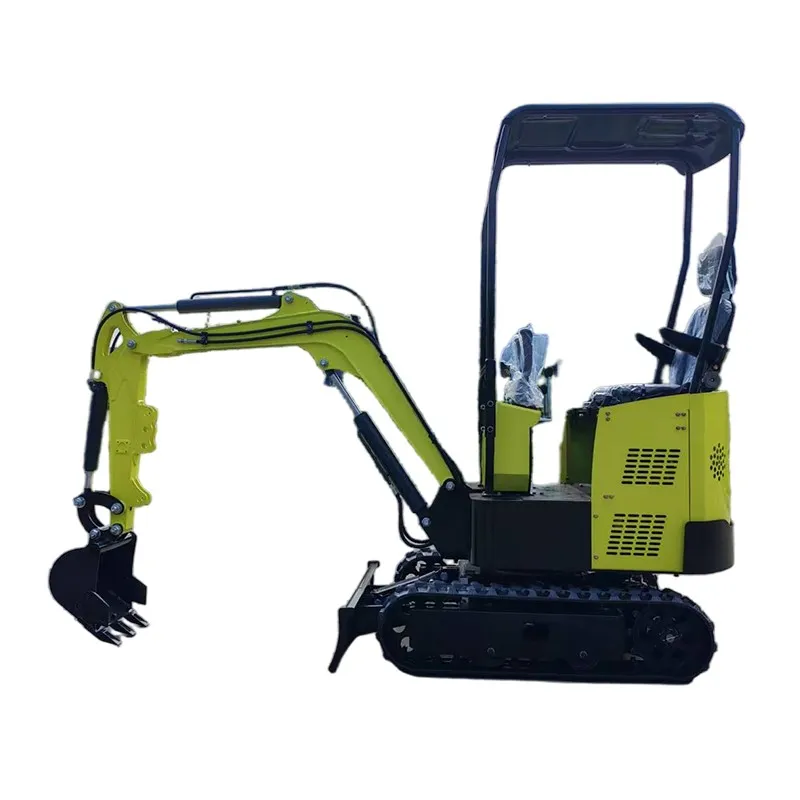
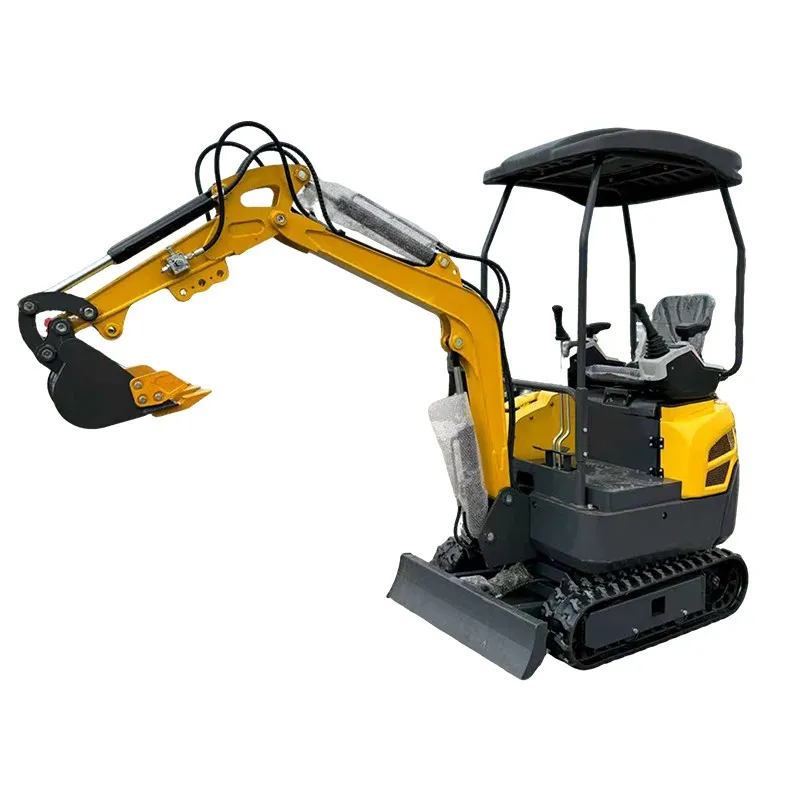
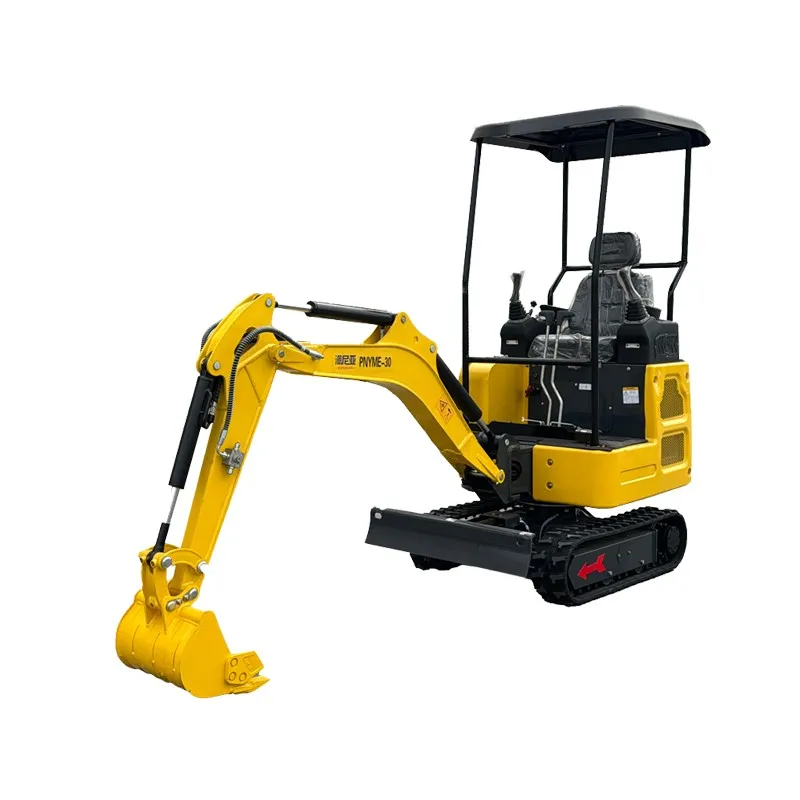
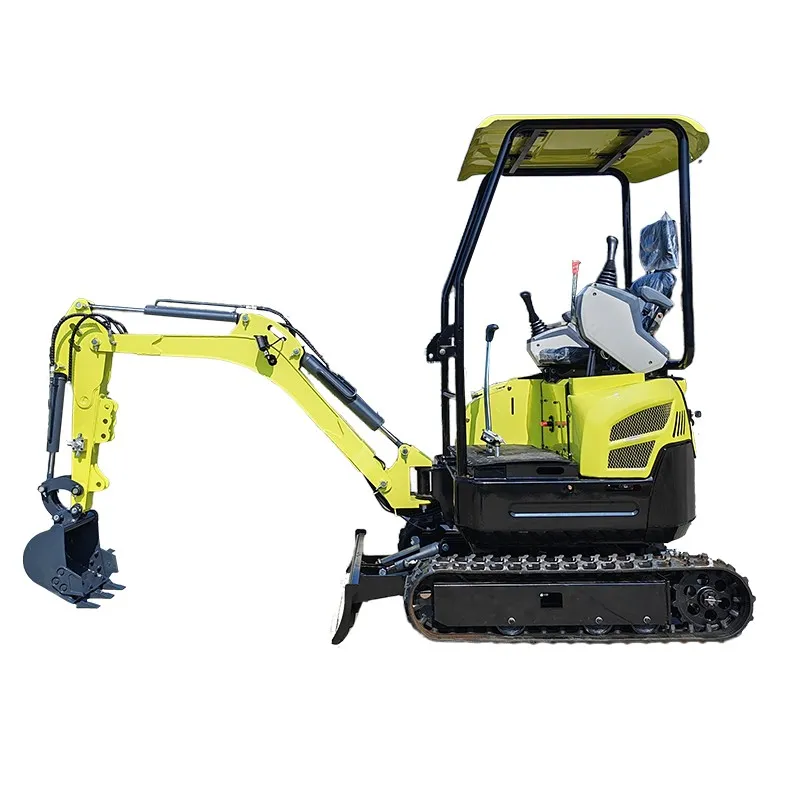
new kubota mini excavator for sale
You see that search term, 'new Kubota mini excavator for sale', and it seems straightforward. But here's the thing most people miss right off the bat: new doesn't always mean straight from Kubota's factory door. In this trade, it can mean a brand-new unit from an independent manufacturer that's built to Kubota's original specs, often with interesting tweaks. That distinction is everything—it's the difference between paying a premium for the badge and getting 95% of the machine for a significantly different price point. I've seen guys get hung up on the OEM label without realizing where the real value sometimes sits, especially for certain applications.
The New in New Kubota Mini Excavator Isn't Always What You Think
Let me explain. Kubota's own mini excavators, like the U10-5 or K008-5, are fantastic, no argument. But their supply chain and pricing are rigid. When a project demands a reliable machine but the budget sheet has tighter constraints, the parallel market becomes relevant. We're talking about companies that have reverse-engineered these platforms over decades. They produce what we call compatible or replica units. The key is finding a manufacturer that doesn't just copy, but understands the engineering. The swing torque, the hydraulic pressure curves, the pump durability—these are where they either match up or fall short.
I remember a site about three years back. We needed a compact machine for utility work in a residential area. The budget was tight, but we couldn't afford downtime. We took a chance on a new Kubota-spec machine from a Chinese exporter. The immediate reaction was skepticism. But upon inspection, the undercarriage, the boom welding, the brand-name hydraulic fittings—it showed a level of intent. It wasn't a cheap knock-off; it was a deliberate rebuild of a proven design. That machine ran for 1800 hours before we had a minor pump seal issue. The cost savings upfront covered the entire repair ten times over.
This is where a company's history matters. You want a supplier that's been in the trenches of manufacturing, not just trading. I've dealt with Shandong Pioneer Engineering Machinery Co., Ltd before. They're one of those firms that started in the mid-2000s (2004, to be precise, in Jining) and have evolved. Moving to a new, larger facility in Ningyang in 2023 isn't just about space; it's a signal of investment in production lines and quality control. When you're looking at a new kubota mini excavator for sale from such a source, you're not just buying a product; you're buying their 20 years of accumulated adjustment and refinement on that platform.
Where Specifications Meet Real Dirt
Okay, so let's get practical. What should you actually look for in the specs list when evaluating these options? Don't just glance at operating weight and digging depth. Dig deeper (pun intended). Check the auxiliary hydraulic circuit flow rate. For a mini ex, that's what determines your attachment versatility—whether a hydraulic breaker will actually perform or just shudder. Many spec sheets list a max flow, but the standard continuous flow is what you'll live with.
The engine is another point. Kubota uses their own renowned diesel engines. The compatible units often do too—but it might be a slightly different model series. Verify the engine model and its service network in your region. A reliable manufacturer will be transparent about this. I recall a unit where they used a Kubota engine, but it was an industrial model more common in generators. Getting filters became a hassle until we found the right cross-reference. A lesson learned: ask for the full engine model code and research its parts availability locally before committing.
Then there's the steel. Sounds simple, but the grade of steel used in the boom, arm, and bucket cylinders is critical for fatigue resistance. A reputable maker will often specify it, or you can infer from the warranty they offer on the structure. A one-year warranty on the main structure is standard; two years indicates more confidence. I've pressed suppliers on this, and the answers can be revealing. Some will talk about sourcing from specific mills, others will give a vague high-tensile answer. The former gets more of my attention.
The Pitfalls and How to Sidestep Them
It's not all smooth sailing. The biggest risk isn't getting a machine that doesn't work—it's getting one that works just well enough to pass the 50-hour mark, then starts nickel-and-diming you with failures. The weak points are usually in the peripherals: the swing bearing seals, the track tensioner design, the wiring harness quality. These are the items a less scrupulous factory will cheap out on to hit a price point.
One failed experiment of mine involved a machine that looked perfect on paper. It arrived, and the fit and finish were decent. But the control pattern felt… spongy. The issue traced back to the pilot hydraulic lines. They used a lower-grade hose that had more expansion under pressure, robbing the controls of that crisp, direct feel. We replaced the lines, which fixed it, but it was an unnecessary cost and downtime. The supplier? They vanished from the market a year later.
This is why dealing with an established entity with a physical footprint is crucial. A company like Shandong Pioneer, which operates both a manufacturing arm (Hexin) and their own overseas trade division, has more skin in the game. They're not just a reseller. If you visit their site at https://www.sdpioneer.com, you can see their range. Their export history to places like the U.S., Canada, and Australia means they've had to meet certain durability expectations. They've built a reputation over 20 years, which is a currency more valuable than a single cheap sale. When you're evaluating a new kubota mini excavator for sale from them, you're leveraging that accumulated trust. You can ask them pointed questions about parts, about modifications, and get answers based on actual production experience.
The Final Decision: It's About Total Cost, Not Sticker Price
So, how do you pull the trigger? First, reconcile your application with the machine's true purpose. Is this for light landscaping, or are you trenching in rocky soil? The compatible units often shine in the light to medium duty range. For extreme, daily commercial trenching, the OEM Kubota might still be the go-to for its proven longevity under brutal conditions. But for many small contractors, the value proposition tips the other way.
Get the full documentation package before buying. Parts manual, service manual, electrical diagrams. If a supplier hesitates to provide these, walk away. A good supplier will have these ready, often in decent English. I use these documents as a proxy for quality. A well-organized, detailed manual suggests attention to detail in the factory.
Finally, think about parts. Ask for a shortlist of the top 10 wear items (bucket teeth, track pads, filters, seals) and get a quote for them upfront. Better yet, order a starter kit with the machine. The ease and cost of the first parts order will tell you more about your future relationship than any sales pitch. A company that exports globally will have a parts logistics system in place. The fact that Shandong Pioneer Engineering Machinery mentions exports to Germany and Australia implies they're dealing with markets that have high standards for after-sales support.
Wrapping It Up: A Tool, Not a Trophy
At the end of the day, a mini excavator is a tool. The goal is to move dirt, dig trenches, and make money. The emotional appeal of the OEM brand is real, but the financial logic of a well-made compatible unit is often stronger. The market for a new kubota mini excavator for sale is broader than most realize.
It comes down to due diligence. You have to look past the initial search term. Investigate the manufacturer's history, their physical assets, their export pedigree. Scrutinize the specs that matter for your work. Plan for parts from day one.
My own fleet now has a mix. The Kubota badge is on the machines that run 12 hours a day, every day. But for the supplemental machines, the ones that move between smaller jobs, we've had excellent results with units from dedicated manufacturers who have focused on perfecting a specific, proven design. It's a pragmatic approach. And in this business, pragmatism usually wins.
Related Products
Related Products