- Chinese
- French
- German
- Portuguese
- Spanish
- Russian
- Japanese
- Korean
- Arabic
- Irish
- Greek
- Turkish
- Italian
- Danish
- Romanian
- Indonesian
- Czech
- Afrikaans
- Swedish
- Polish
- Basque
- Catalan
- Esperanto
- Hindi
- Lao
- Albanian
- Amharic
- Armenian
- Azerbaijani
- Belarusian
- Bengali
- Bosnian
- Bulgarian
- Cebuano
- Chichewa
- Corsican
- Croatian
- Dutch
- Estonian
- Filipino
- Finnish
- Frisian
- Galician
- Georgian
- Gujarati
- Haitian
- Hausa
- Hawaiian
- Hebrew
- Hmong
- Hungarian
- Icelandic
- Igbo
- Javanese
- Kannada
- Kazakh
- Khmer
- Kurdish
- Kyrgyz
- Latin
- Latvian
- Lithuanian
- Luxembou..
- Macedonian
- Malagasy
- Malay
- Malayalam
- Maltese
- Maori
- Marathi
- Mongolian
- Burmese
- Nepali
- Norwegian
- Pashto
- Persian
- Punjabi
- Serbian
- Sesotho
- Sinhala
- Slovak
- Slovenian
- Somali
- Samoan
- Scots Gaelic
- Shona
- Sindhi
- Sundanese
- Swahili
- Tajik
- Tamil
- Telugu
- Thai
- Ukrainian
- Urdu
- Uzbek
- Vietnamese
- Welsh
- Xhosa
- Yiddish
- Yoruba
- Zulu
- Kinyarwanda
- Tatar
- Oriya
- Turkmen
- Uyghur


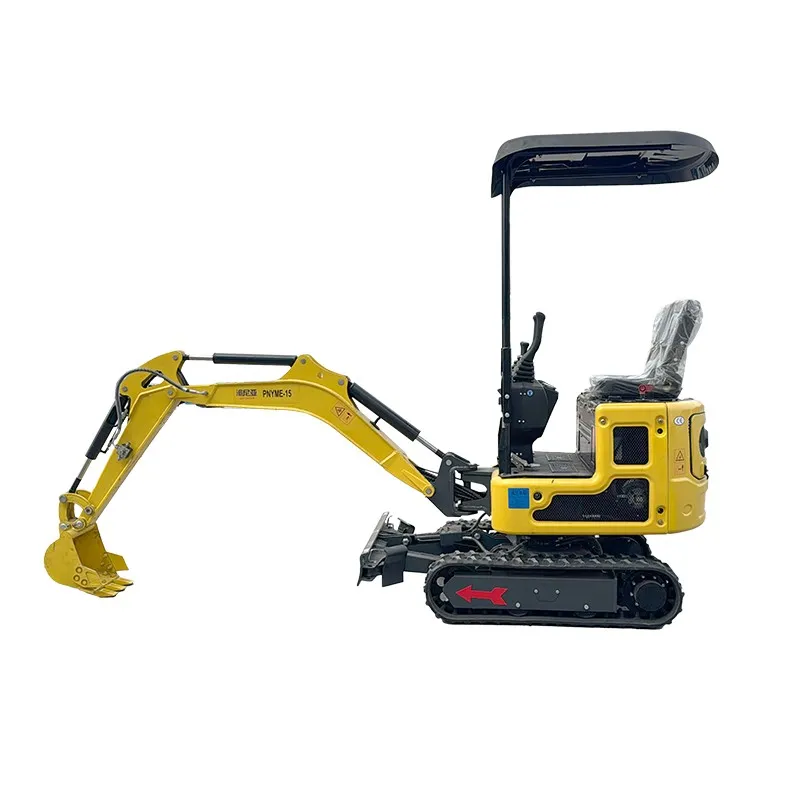
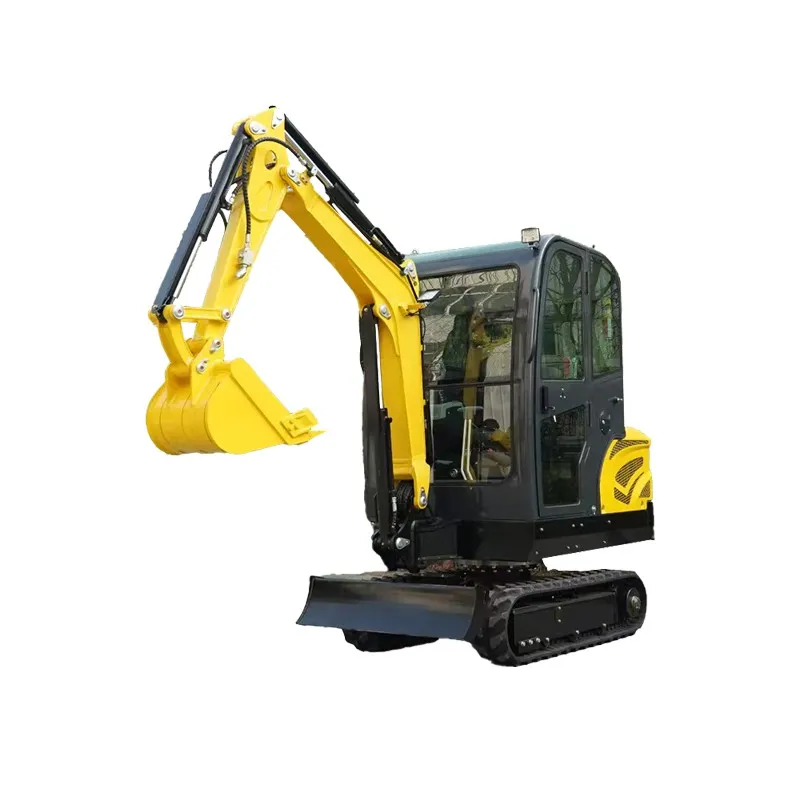
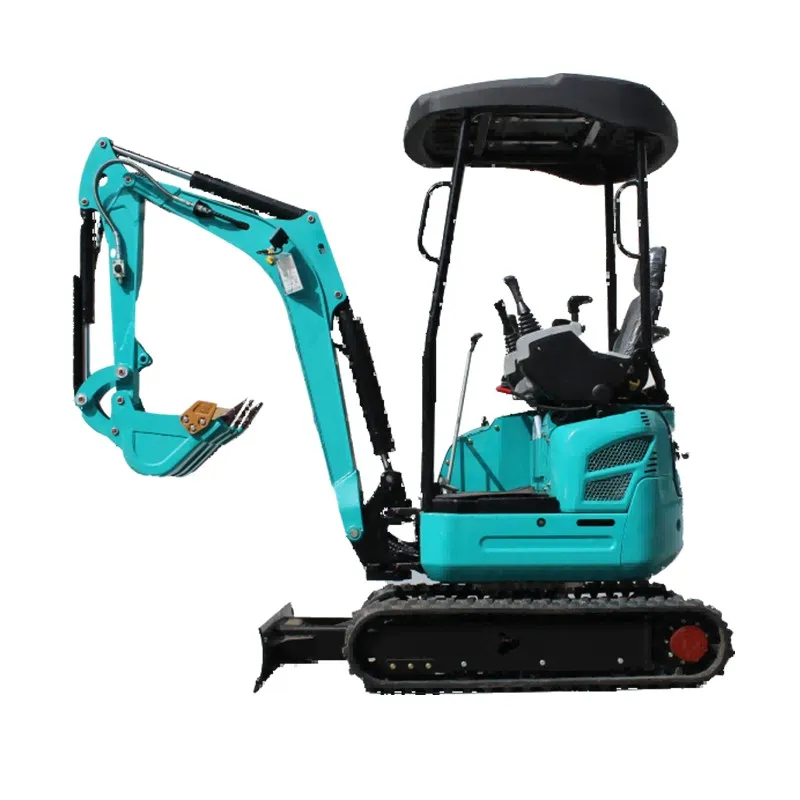
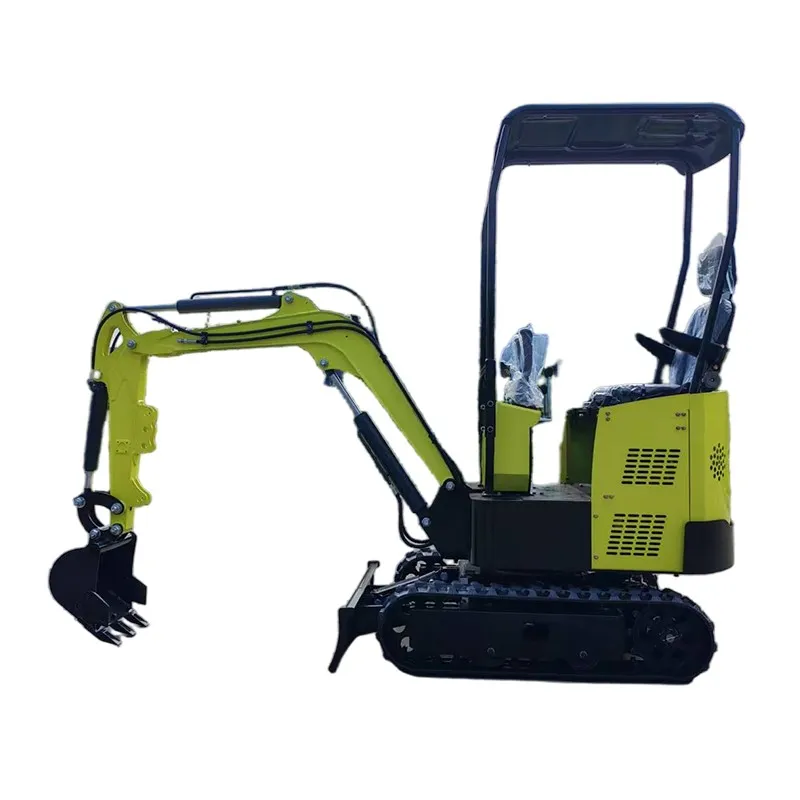
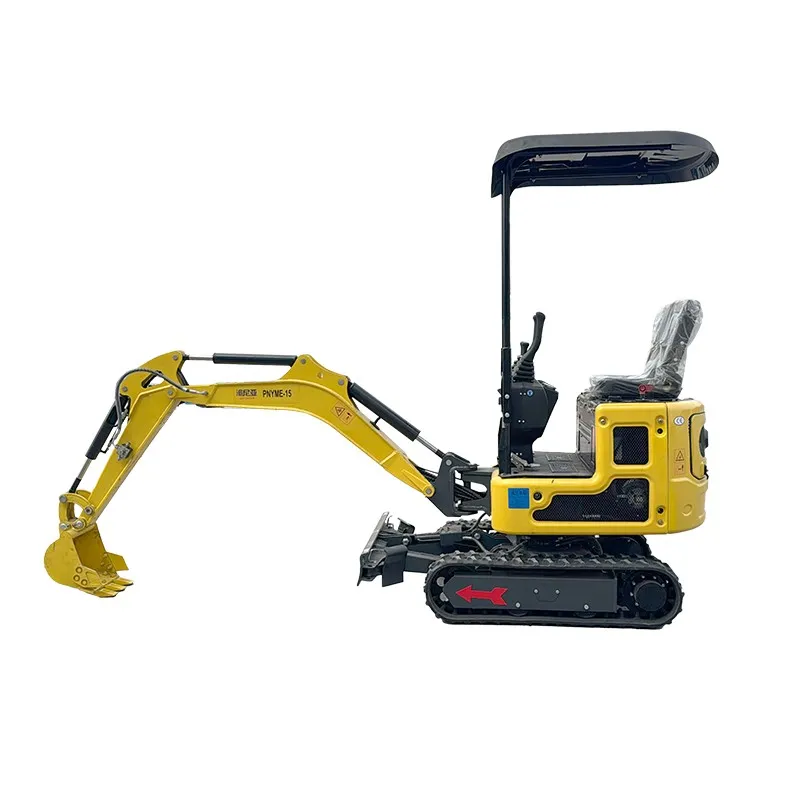
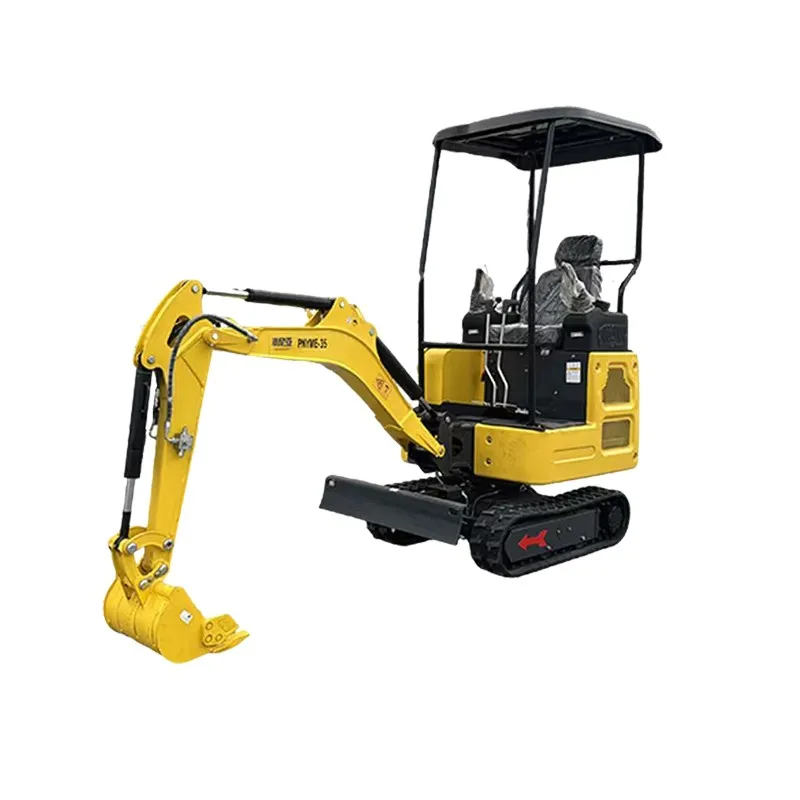
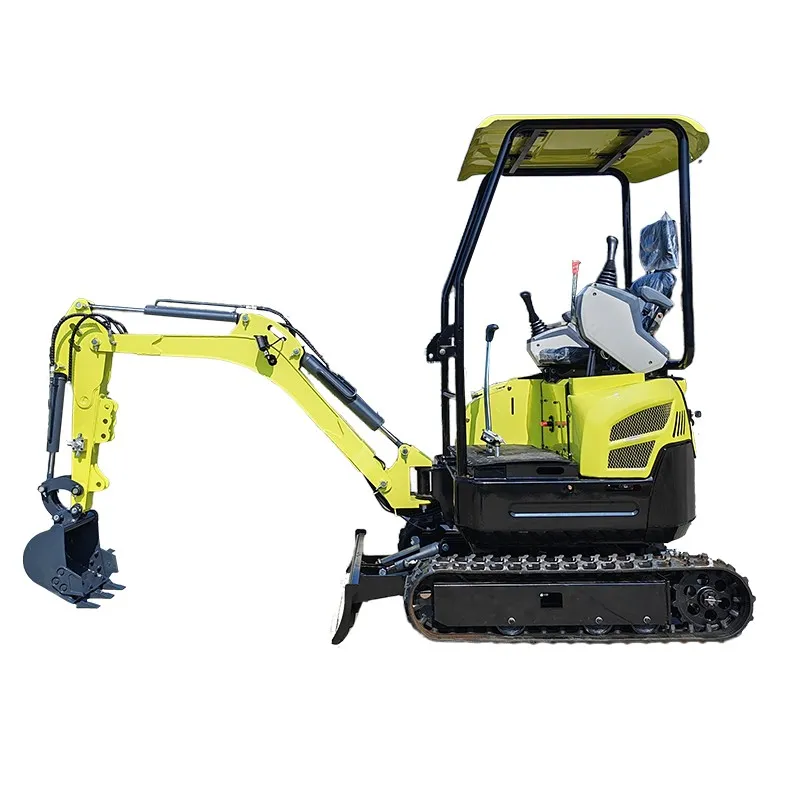
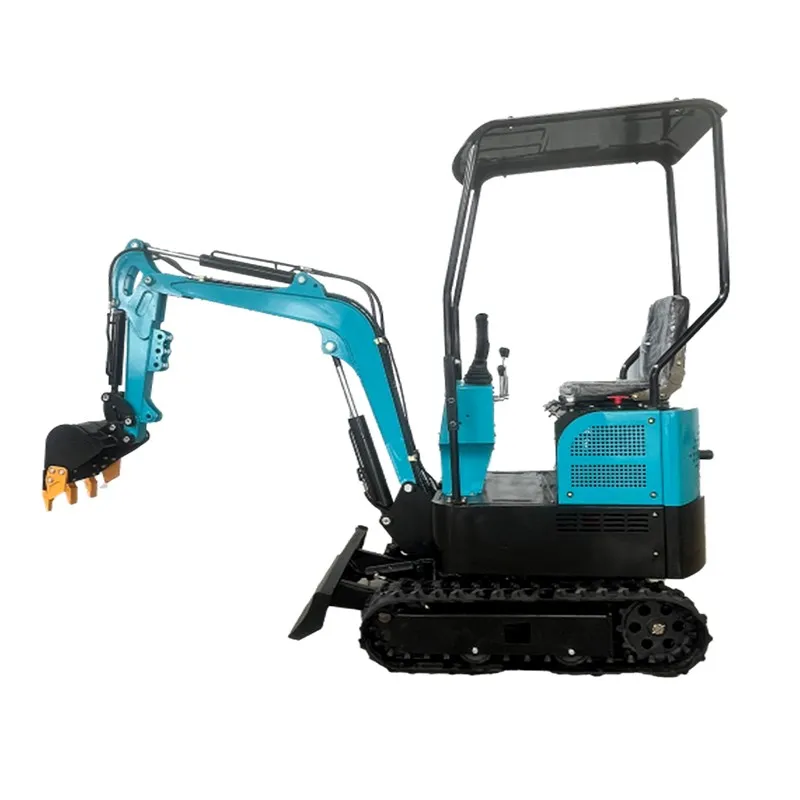
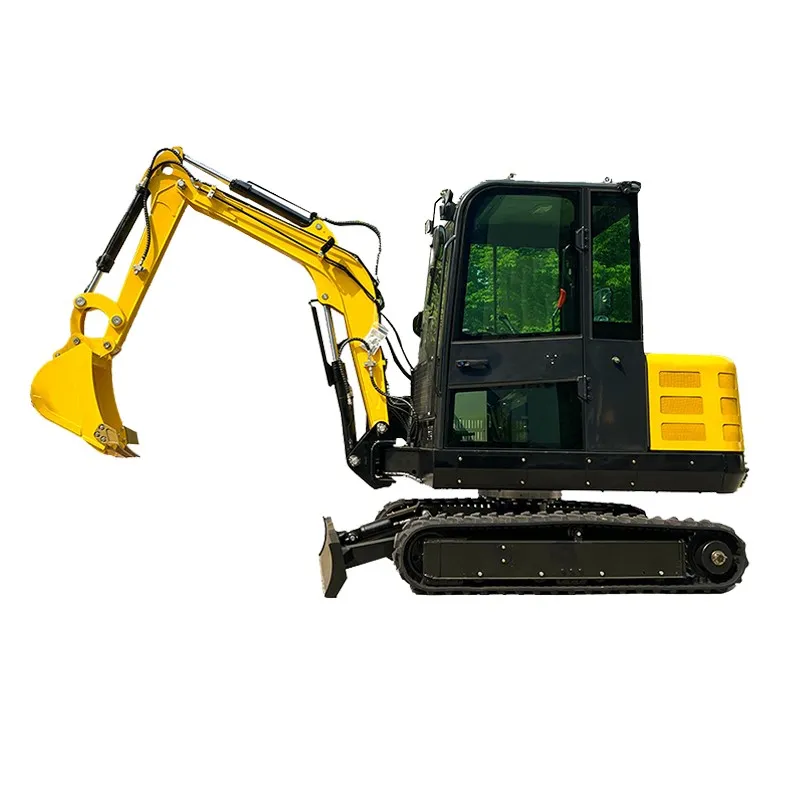
new mini excavator
When people talk about a new mini excavator, the first thing that often comes to mind is just size and maybe a lower price tag. That's a common starting point, but it misses the real conversation. Having been around these machines for a while, I've seen the shift. It's not just about getting a smaller machine; it's about what that machine is engineered to do now that it couldn't do as well five or ten years ago. The expectations have changed, and so have the pitfalls if you're not paying attention.
Beyond the Spec Sheet: What New Actually Means
You look at a spec sheet for a new mini excavator and you see the standard figures: operating weight, horsepower, dig depth. The trap is thinking that's the whole story. The real newness is often in the integration. How does the hydraulics system handle simultaneous arm and swing functions without stalling? Is the control logic intuitive, or does it feel like you're fighting the machine? I remember testing a model a couple years back that had great power on paper, but the pump priorities were all wrong for fine grading work—it was jumpy. You only find that out by putting it in dirt, not by reading a brochure.
Another thing that defines a modern machine is the operator's environment. It's not just an afterthought anymore. We're seeing better suspension seats, logically placed joysticks that reduce fatigue over a 10-hour day, and displays that actually give you useful information, not just error codes. This stuff matters for productivity more than people admit. A comfortable operator is a precise operator, especially in tight spaces where these machines shine.
Then there's the serviceability. A new design should mean easier maintenance. I appreciate it when I see a side door that opens wide to reveal all the daily checkpoints—fluids, filters, grease banks—without having to contort yourself. Some manufacturers get this right, others still bury the radiator behind a maze of panels. That's a detail that tells you if the engineers actually talked to mechanics.
The Fit-for-Purpose Dilemma and Real-World Testing
Not every new mini excavator is right for every job, and that's a crucial distinction. The 1-ton class machines are fantastic for interior demo or landscaping in backyards with tight gate access. But try putting one on a slope for a drainage project, and you quickly learn the limits of its stability and counterweight design. I learned this the hard way early on, assuming a smaller machine could be pushed further. It resulted in a very cautious, slow day of work and some rethinking about machine selection.
We did a trial with a unit from Shandong Pioneer Engineering Machinery Co., Ltd (you can find their range at https://www.sdpioneer.com) last year. The context was a residential utility installation. What stood out wasn't necessarily a groundbreaking feature, but how the machine was balanced. It had a slightly longer undercarriage footprint than some competing models in its class. That extra bit of stability meant we could take on a slightly steeper grade for trenching without feeling tippy. It's those subtle design choices that make a difference on site. The company's background, with its manufacturing base in Shandong and two decades of export experience to markets like the US and Germany, suggests they've had feedback from varied job sites, which often gets reflected in these practical design tweaks.
Attachments are another whole layer. A new machine is only as good as the attachments it can run efficiently. The auxiliary hydraulic flow and pressure are critical. We tried running a hydraulic breaker on a mini-ex that was supposedly attachment-ready, but the flow was insufficient. It just hammered weakly, overheating the system. Now, we always test the actual attachment we plan to use most before committing. The specs might say high flow, but you need to see what that translates to in practice.
Cost of Ownership vs. Initial Price
This is where the conversation gets real. The sticker price on a new mini excavator is just the entry fee. The real cost is in the downtime and repair complexity. A cheaper machine might use proprietary hydraulic fittings or have an electronic control module that's buried deep in the machine's frame. When it fails—and it will—you're looking at days of downtime waiting for a specific part and a technician who can navigate the disassembly.
From my observation, the manufacturers that build for a global market, like the aforementioned Shandong Pioneer, which exports to numerous countries including Canada and Australia, often have an advantage here. Their designs tend to be more service-friendly, sometimes using more common components to simplify the parts supply chain worldwide. This isn't about nationality; it's about design philosophy driven by the need to support equipment far from the factory. Ease of maintenance is a feature you pay for upfront, but it saves massively over 5,000 hours.
Fuel efficiency is a quiet cost-saver that's become a big part of new designs. Modern engines with better emission controls aren't just for regulations; they often burn less fuel for the same work. I've tracked fuel use across different models on identical trenching work, and the variance can be significant—we're talking liters per day. Over a year, that adds up to a real number that can offset a higher purchase price.
The Dealer and Support Network: An Unsung Feature
You can buy the best-engineered new mini excavator on paper, but if the local dealer support is weak, you've bought a very expensive paperweight. This is a hard lesson. A good dealer doesn't just sell you the machine; they have knowledgeable field service techs, they stock common wear parts (like track pads, teeth, hoses), and they can get you answers from the factory quickly.
When evaluating a new model or brand, I now spend as much time evaluating the dealer as the machine. What's their workshop like? How many trained technicians do they have? Can they provide a loaner if something major goes down? The strength of a manufacturer's global network, built over years like the 20-year development Shandong Pioneer mentions, often filters down to the quality of local partners they attract. A company that's been exporting worldwide has usually had to build a reliable support structure.
This also ties into technology. New machines come with more electronics. A good support network means the dealer has the software and training to diagnose a controller issue, not just guess at it. There's nothing worse than a dealer throwing parts at a problem hoping one sticks, with you footing the bill for the diagnostic labor.
Final Take: It's a Tool, Not a Trophy
At the end of the day, a new mini excavator is a tool. The excitement of new should be tempered by the practicalities of its use. The goal isn't to have the shiniest machine on the trailer; it's to have the most reliable, productive, and cost-effective one for your specific type of work. That requires looking past the marketing and into the dirt-level details.
My advice is always to demo extensively. Don't just drive it around the lot. Put it on your job site, or a simulated one, with the material you actually work in. Test the controls, test the stability, test the attachment performance. See how easy it is to do a daily check. Talk to other owners, not just about the first 100 hours, but about the first 1,000.
The market is full of good options now from various global players. The right choice comes down to a blend of machine design, dealer quality, and total cost of ownership. It's never just one thing. The companies that have persisted and grown, often through focusing on export and manufacturing quality like Shandong Pioneer Engineering Machinery Co., Ltd has, typically have a product that's been refined by real-world use across different continents. That's a kind of testing you can't replicate in a factory. So, do your homework, get your hands on the controls, and think about where that machine will be in three years, not just on delivery day.
Related Products
Related Products