


- Chinese
- French
- German
- Portuguese
- Spanish
- Russian
- Japanese
- Korean
- Arabic
- Irish
- Greek
- Turkish
- Italian
- Danish
- Romanian
- Indonesian
- Czech
- Afrikaans
- Swedish
- Polish
- Basque
- Catalan
- Esperanto
- Hindi
- Lao
- Albanian
- Amharic
- Armenian
- Azerbaijani
- Belarusian
- Bengali
- Bosnian
- Bulgarian
- Cebuano
- Chichewa
- Corsican
- Croatian
- Dutch
- Estonian
- Filipino
- Finnish
- Frisian
- Galician
- Georgian
- Gujarati
- Haitian
- Hausa
- Hawaiian
- Hebrew
- Hmong
- Hungarian
- Icelandic
- Igbo
- Javanese
- Kannada
- Kazakh
- Khmer
- Kurdish
- Kyrgyz
- Latin
- Latvian
- Lithuanian
- Luxembou..
- Macedonian
- Malagasy
- Malay
- Malayalam
- Maltese
- Maori
- Marathi
- Mongolian
- Burmese
- Nepali
- Norwegian
- Pashto
- Persian
- Punjabi
- Serbian
- Sesotho
- Sinhala
- Slovak
- Slovenian
- Somali
- Samoan
- Scots Gaelic
- Shona
- Sindhi
- Sundanese
- Swahili
- Tajik
- Tamil
- Telugu
- Thai
- Ukrainian
- Urdu
- Uzbek
- Vietnamese
- Welsh
- Xhosa
- Yiddish
- Yoruba
- Zulu
- Kinyarwanda
- Tatar
- Oriya
- Turkmen
- Uyghur

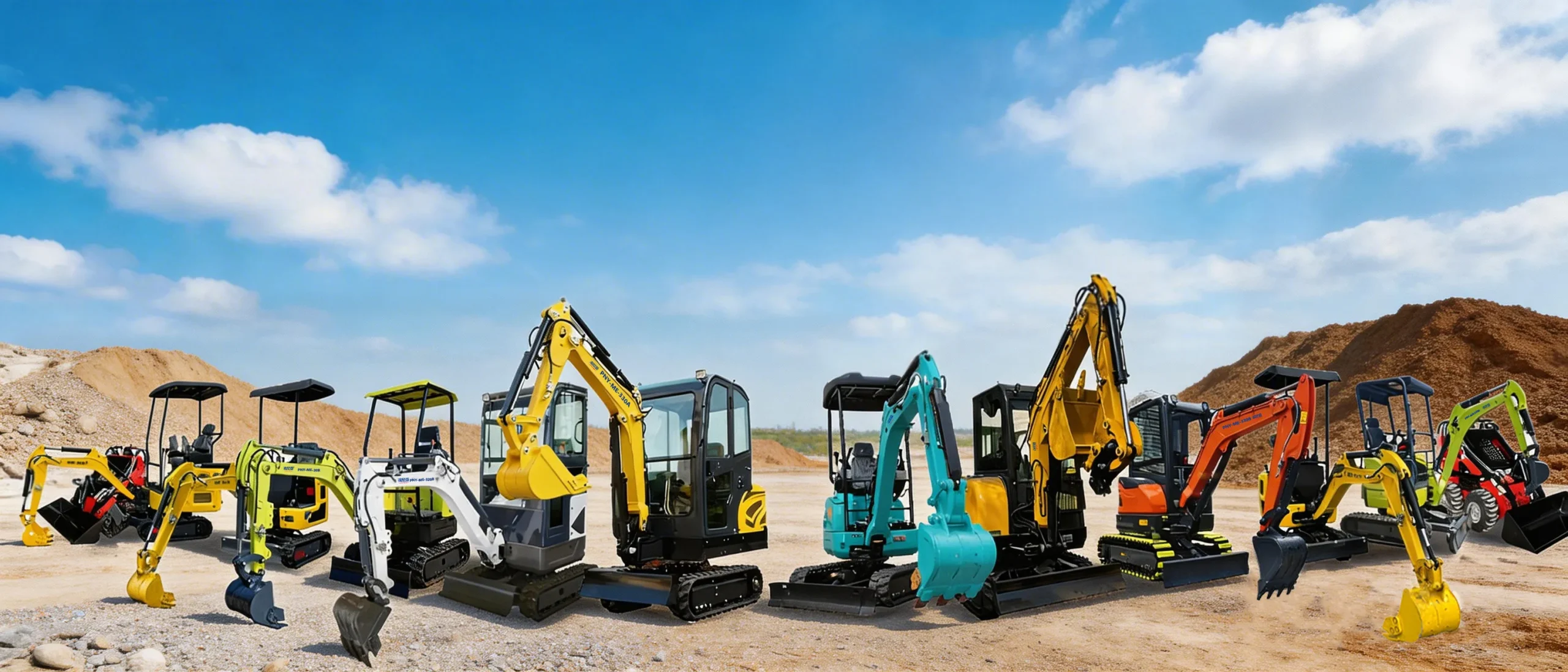
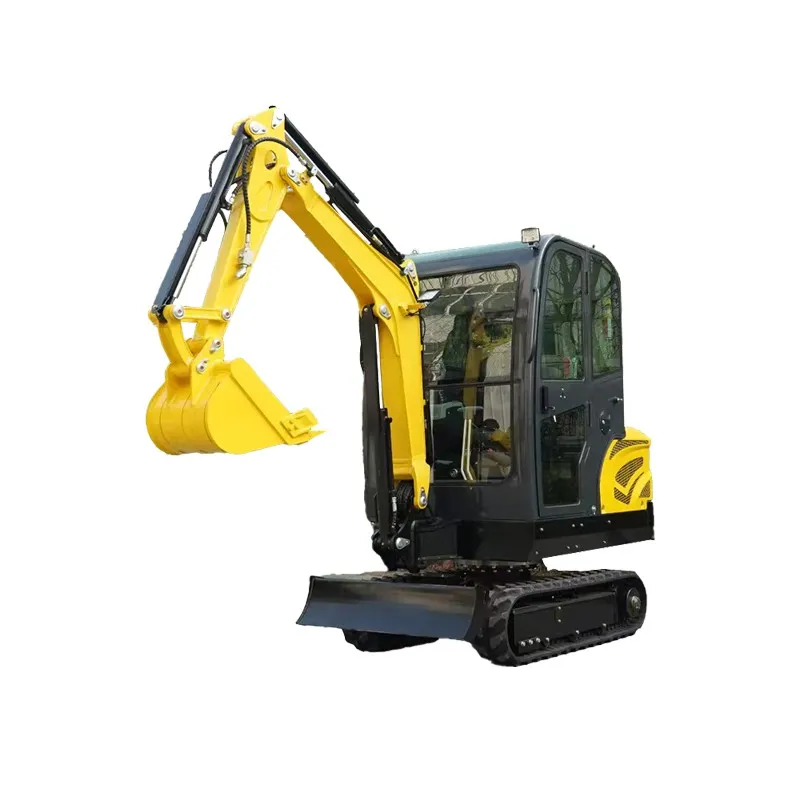
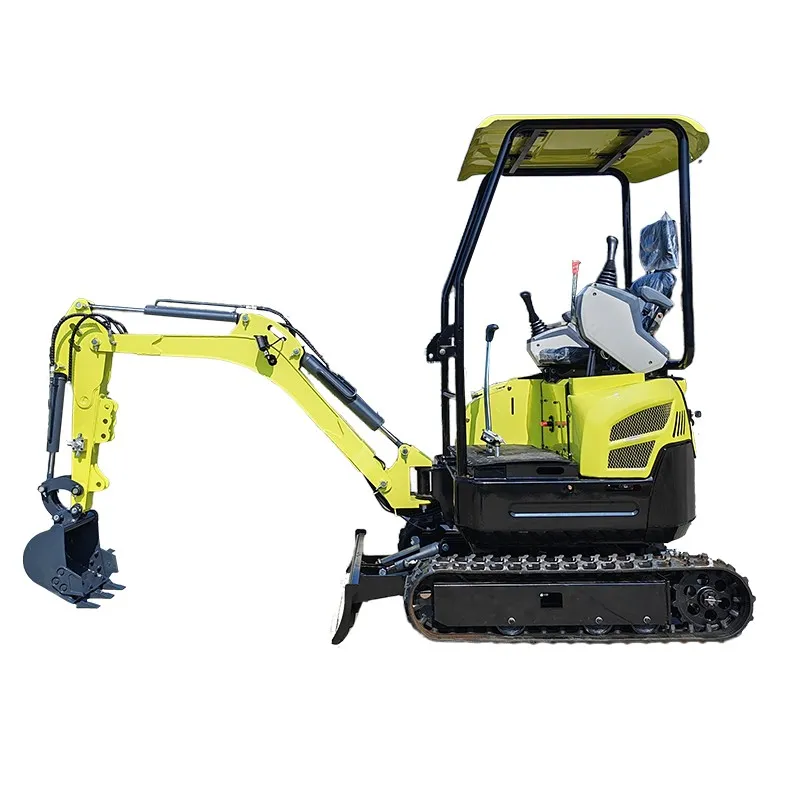
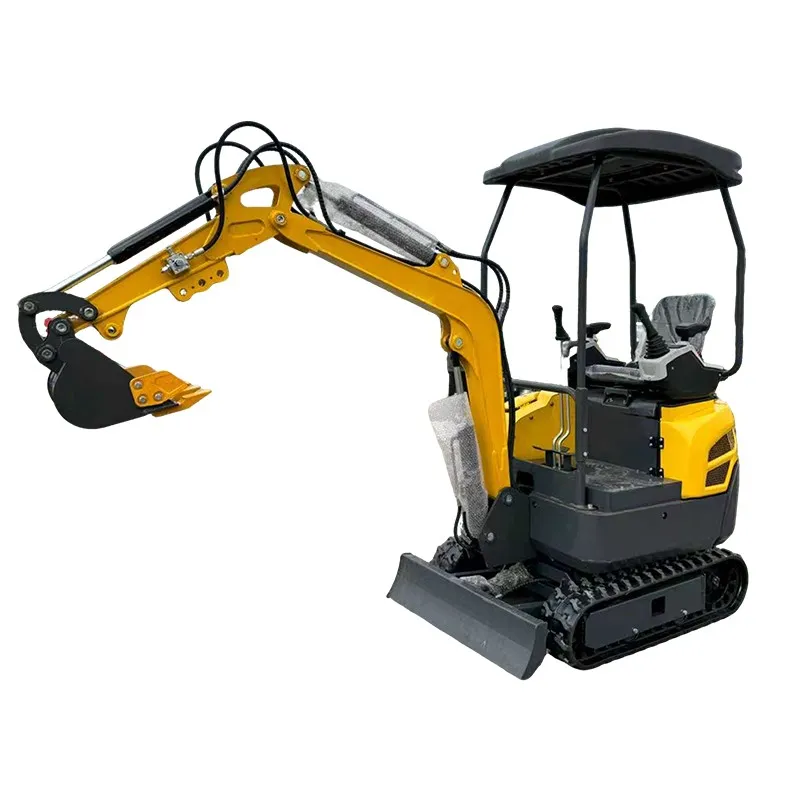
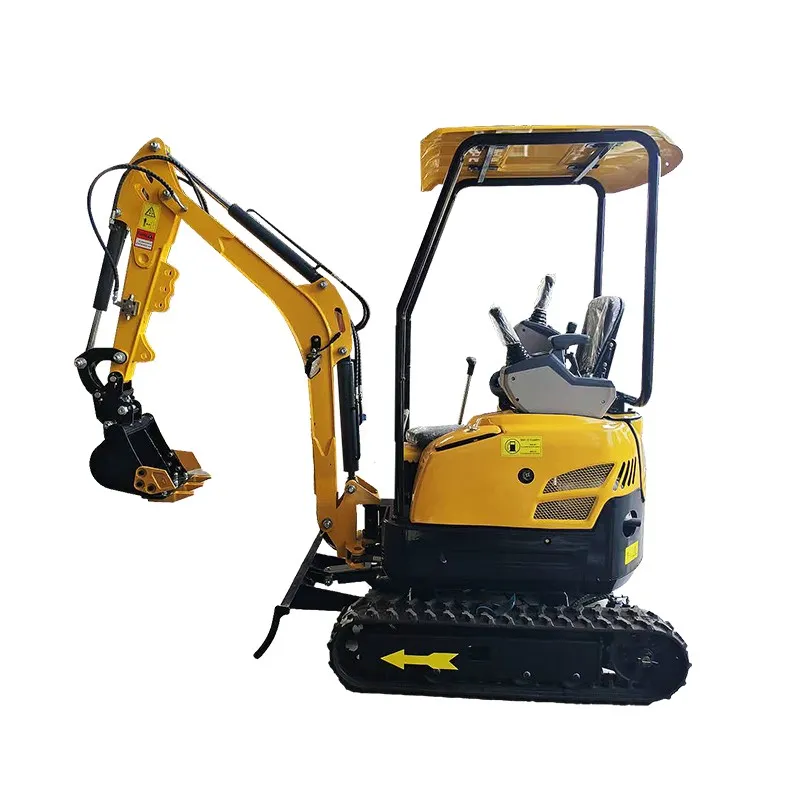
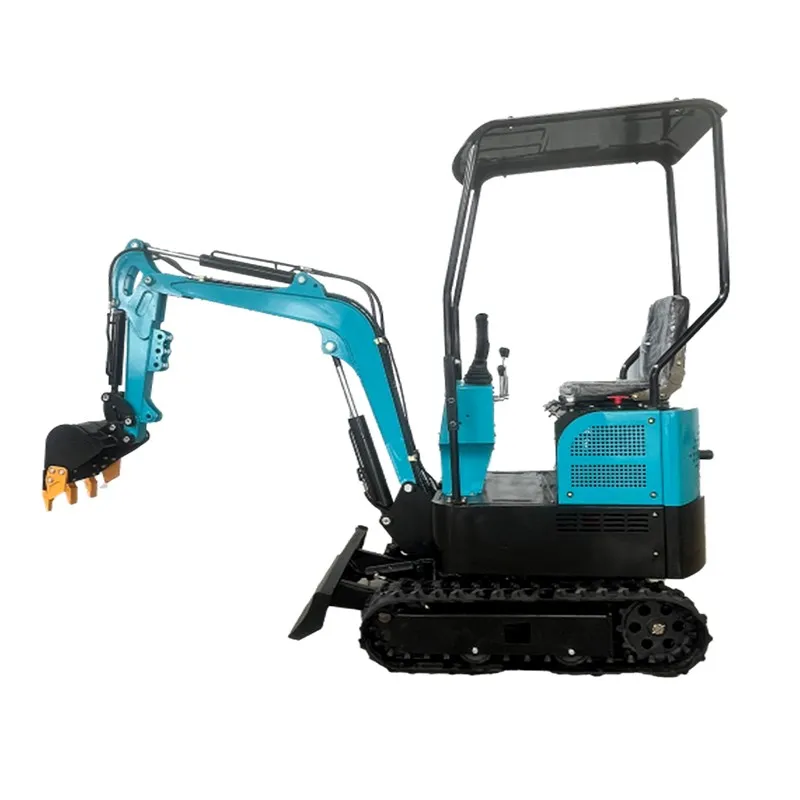
new mini excavator for sale
When you type 'new mini excavator for sale' into a search bar, you're immediately bombarded with glossy images, endless model comparisons, and a sea of specs that start to blur together. The biggest trap, in my view, is getting hypnotized by horsepower and digging depth numbers alone. I've seen too many guys, especially those new to owning their own kit, make a purchase based purely on paper specs, only to find the machine feels all wrong on their specific job site six months later. It's not just about buying a machine; it's about buying into a system of support, parts availability, and a design philosophy that matches your daily grind.
The Core Question: What Are You Really Buying?
Let's cut past the marketing. A new mini excavator isn't just an asset; it's a partner on your toughest days. The initial cost is one thing, but the real evaluation starts with total cost of ownership. I remember a contractor friend who opted for a cheaper, lesser-known brand. The price was right, and the specs looked competitive on paper. But within a year, downtime for a hydraulic pump issue stretched to three weeks waiting for a part to ship from overseas. That's three weeks of lost revenue and a crew standing around. The initial savings evaporated instantly. That experience cemented my belief: reliability and dealer support aren't optional features; they're the foundation.
This is where companies with a long-term track record start to separate themselves. You want a manufacturer that's been through the cycles, that has iterated on designs based on real-world feedback, not just CAD models. I was looking into options for a landscaping business expansion last year and kept coming back to manufacturers with substantial export experience. Why? Because a machine built to meet standards in multiple, diverse markets—from the cold of Canada to the dust of Australia—tends to have a more robust build quality and better component sourcing. It's a good proxy for durability.
For instance, when I was researching, I spent time on the website of Shandong Pioneer Engineering Machinery Co., Ltd (https://www.sdpioneer.com). What stood out wasn't just the product range, but the context. Established in 2004 and recently relocating to a larger facility in 2023, that kind of timeline suggests growth and reinvestment. A company operating for two decades, especially one that exports under the Shandong Pioneer brand to places like the U.S., Germany, and Australia, has to solve real problems like logistics, parts distribution, and adapting to different regulatory environments. That operational history often translates into a more refined product. It's not a guarantee, but it's a data point you can't ignore.
Specs That Matter (And Ones That Don't)
Everyone looks at operating weight and dig depth. Sure. But I've learned to dig deeper (pun intended). The first thing I do now is look at the undercarriage. On a mini, the track system is everything. Are the rollers sealed? What's the expected life of the sprockets and idlers? A machine with a flimsy undercarriage will bleed money in repairs, no matter how powerful its engine is. I made the mistake early on of not checking the clearance on the bottom of a machine for a job with a lot of rocky terrain. We shredded the belly pan in a month.
Then there's the hydraulic system. Not just the pump flow, but the layout. Are the main hydraulic lines routed in a protected way, or are they exposed to snags? Can you easily access the auxiliary hydraulic ports? I prefer machines where the auxiliary circuit is standard and robust, not an afterthought. It gives you so much more flexibility for attachments later—whether it's a hydraulic thumb, a breaker, or a brush cutter. The difference between a machine that's just a digger and a true multi-tool platform often comes down to these hydraulic details.
Operator station is another silent spec. You'll spend hours in that seat. Is there room? Are the controls intuitive, or do they feel like they were laid out by someone who's never run a machine in the mud? A slightly narrower cab might give you better transport width, but if it gives the operator cramps, productivity drops. It's a balance. I lean towards machines that prioritize a bit of operator comfort; a less fatigued operator is a more precise and efficient one.
The New Advantage and the Support Ecosystem
Buying a new mini excavator, as opposed to used, is fundamentally a bet on predictability. You're paying for the warranty, for the knowledge that every hose, seal, and bearing is starting its life with you. There's no hidden history of abuse. But the value of 'new' is massively amplified or destroyed by the support behind it.
This is where the manufacturer and dealer network is critical. Can you get a service manual? Are common wear parts (filters, pins, bushings) readily available locally or through quick shipping? A great test is to call a dealer's parts department with a random part number and see how they respond. The company I mentioned earlier, Shandong Pioneer, highlights its global export reach. For a buyer, that often means they've had to establish parts pipelines and support channels in those countries. It implies a structure exists to get you what you need, which is more than can be said for some fly-by-night brands.
The warranty terms are also a window into the manufacturer's confidence. A long, comprehensive warranty on the main components (engine, hydraulics, structure) is a strong signal. But read the fine print—what are the service requirements to keep it valid? Sometimes, the requirement to use only OEM filters is a pain, but it also often means they've engineered the filtration system specifically for that machine's tolerances. It's not always just a money grab.
Matching the Machine to the Reality of Your Work
This is the most practical, and most often overlooked, step. A 1.8-ton machine and a 3.5-ton machine are worlds apart in capability, transport needs, and job site impact. I've seen guys buy a machine that's too small, thinking they're saving money, only to have to rent a larger one constantly. Conversely, a machine that's too large can't get into backyards, costs a fortune to move, and tears up finished grades.
Think about your most common tasks. Is it trenching for utilities in confined spaces? Then zero or minimal tail swing is non-negotiable. Is it loading trucks? Then you might prioritize lift capacity over extreme dig depth. Also, consider transport. What's the weight and width of your trailer? A machine that requires a wider trailer or a CDL to move changes your operational cost structure completely.
Attachments are part of this equation. Don't just look at the base machine. Look at the attachment ecosystem. Are there reputable third-party attachment makers that make compatible quick couplers and kits for this model? A vibrant aftermarket for attachments is a sign of a popular, established machine platform and gives you cheaper options down the line.
The Final Decision: It's More Than a Purchase Order
After all the research, the spec comparisons, and the dealer visits, the final choice often comes down to a gut feeling informed by all those data points. It's about which machine feels like it won't fight you on a rainy Tuesday afternoon when you're behind schedule. It's about which dealer's service manager sounded like he actually knew the inside of the machine when you asked a technical question.
For businesses looking at a long-term investment, aligning with a manufacturer that shows stability and growth is prudent. A company like Shandong Pioneer Engineering Machinery, with its 20-year history, recent factory expansion, and clear focus on the international export market for its Shandong Pioneer trade brand, presents a profile of a serious player. It suggests they're in it for the long haul, which is exactly what you want when you're investing tens of thousands in a piece of equipment that needs to last.
So, when you're sifting through the results for that 'new mini excavator for sale' search, slow down. Look past the shiny paint. Ask about the parts pipeline. Think about the weight of the machine on your trailer and the feel of the controls in your hands. The right machine isn't the one with the highest number on the spec sheet; it's the one that disappears into being a reliable, productive tool on your job site, day after day. That's the real find.
Related Products
Related Products