- Chinese
- French
- German
- Portuguese
- Spanish
- Russian
- Japanese
- Korean
- Arabic
- Irish
- Greek
- Turkish
- Italian
- Danish
- Romanian
- Indonesian
- Czech
- Afrikaans
- Swedish
- Polish
- Basque
- Catalan
- Esperanto
- Hindi
- Lao
- Albanian
- Amharic
- Armenian
- Azerbaijani
- Belarusian
- Bengali
- Bosnian
- Bulgarian
- Cebuano
- Chichewa
- Corsican
- Croatian
- Dutch
- Estonian
- Filipino
- Finnish
- Frisian
- Galician
- Georgian
- Gujarati
- Haitian
- Hausa
- Hawaiian
- Hebrew
- Hmong
- Hungarian
- Icelandic
- Igbo
- Javanese
- Kannada
- Kazakh
- Khmer
- Kurdish
- Kyrgyz
- Latin
- Latvian
- Lithuanian
- Luxembou..
- Macedonian
- Malagasy
- Malay
- Malayalam
- Maltese
- Maori
- Marathi
- Mongolian
- Burmese
- Nepali
- Norwegian
- Pashto
- Persian
- Punjabi
- Serbian
- Sesotho
- Sinhala
- Slovak
- Slovenian
- Somali
- Samoan
- Scots Gaelic
- Shona
- Sindhi
- Sundanese
- Swahili
- Tajik
- Tamil
- Telugu
- Thai
- Ukrainian
- Urdu
- Uzbek
- Vietnamese
- Welsh
- Xhosa
- Yiddish
- Yoruba
- Zulu
- Kinyarwanda
- Tatar
- Oriya
- Turkmen
- Uyghur


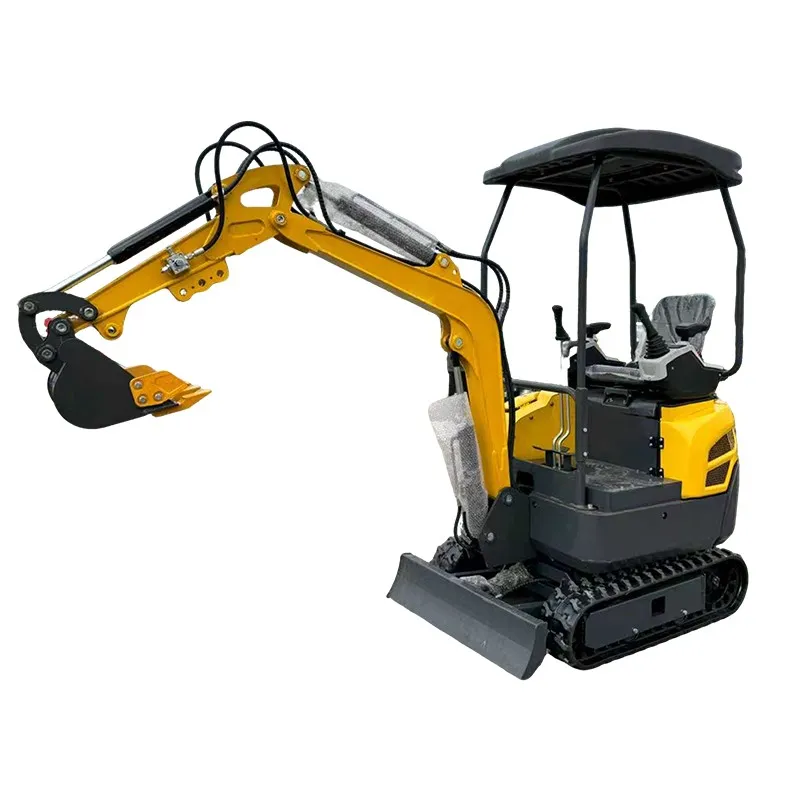
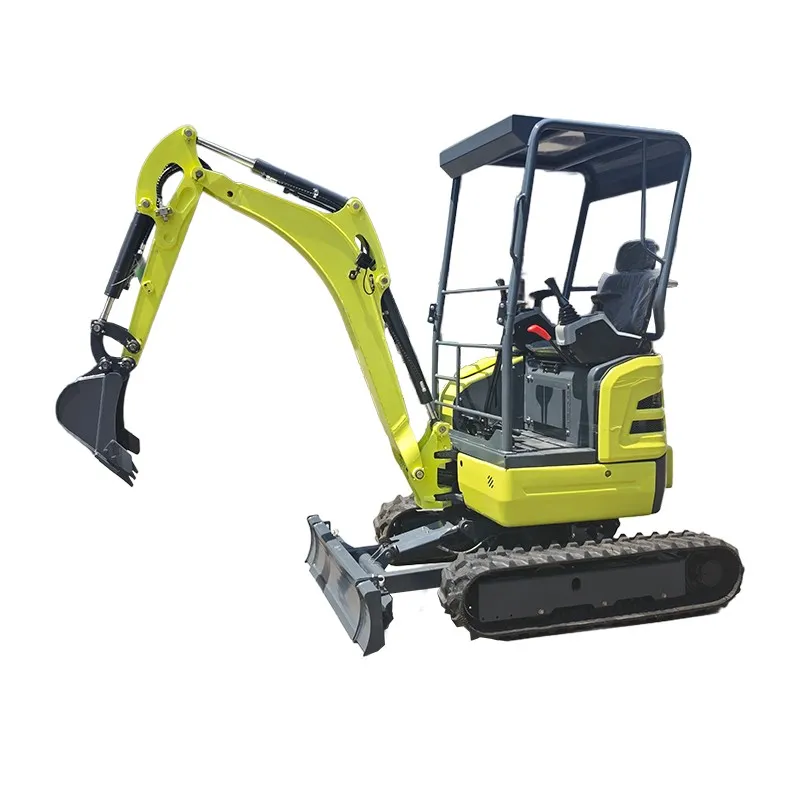
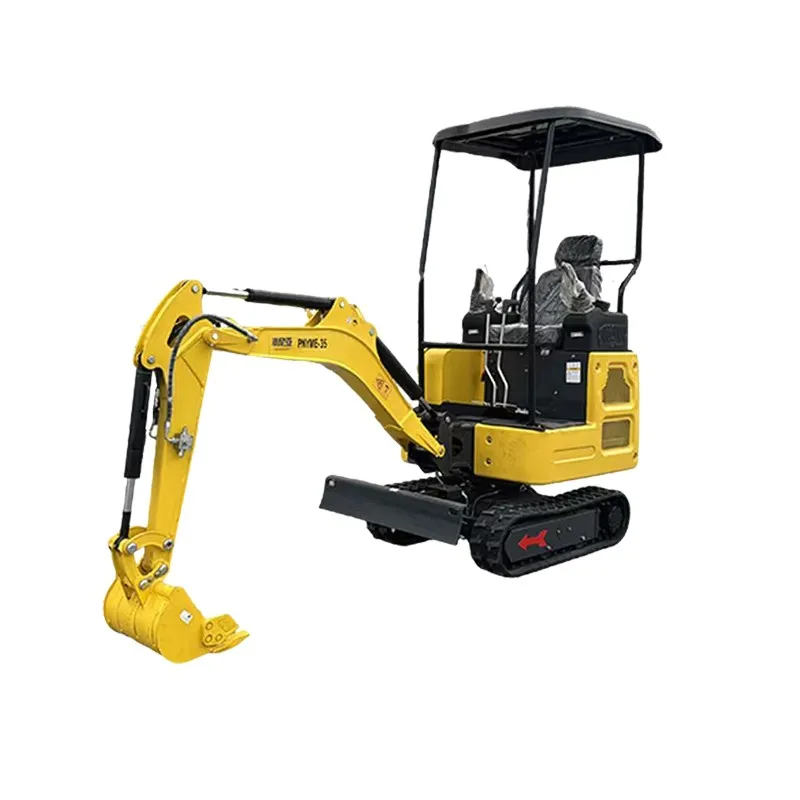
new mini excavator prices
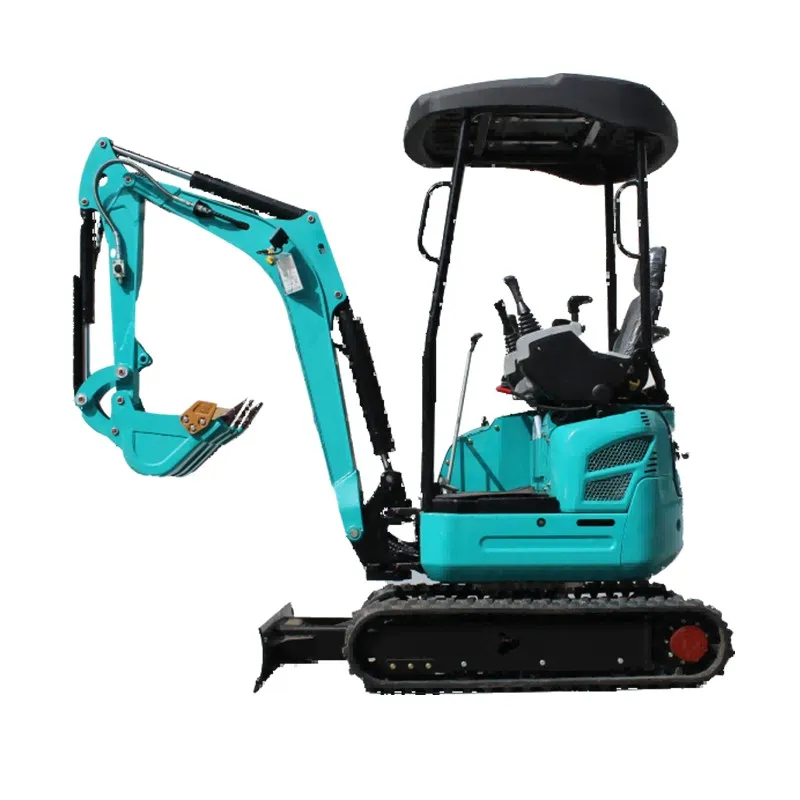
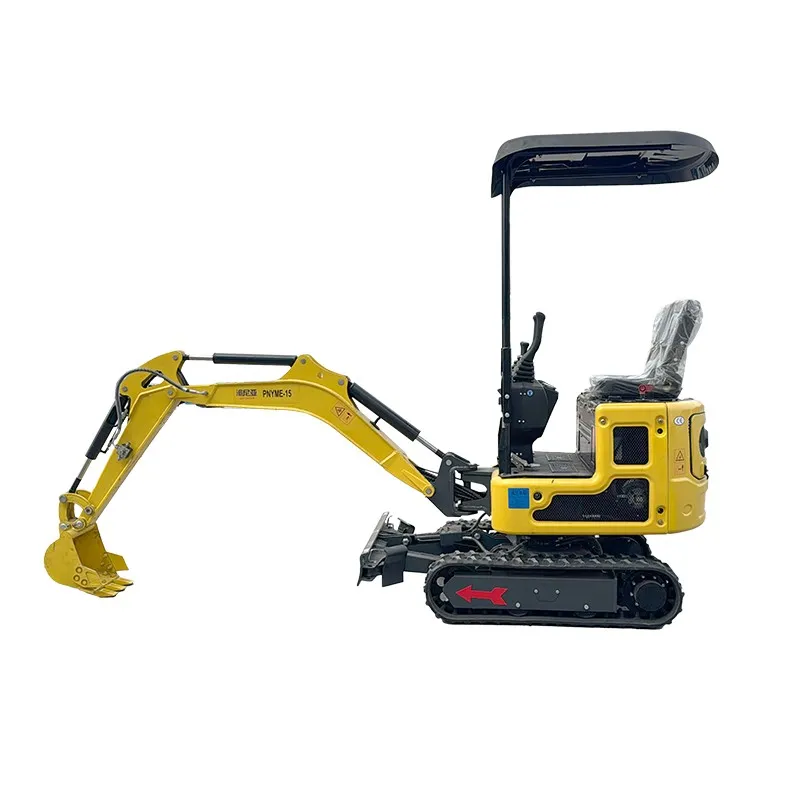
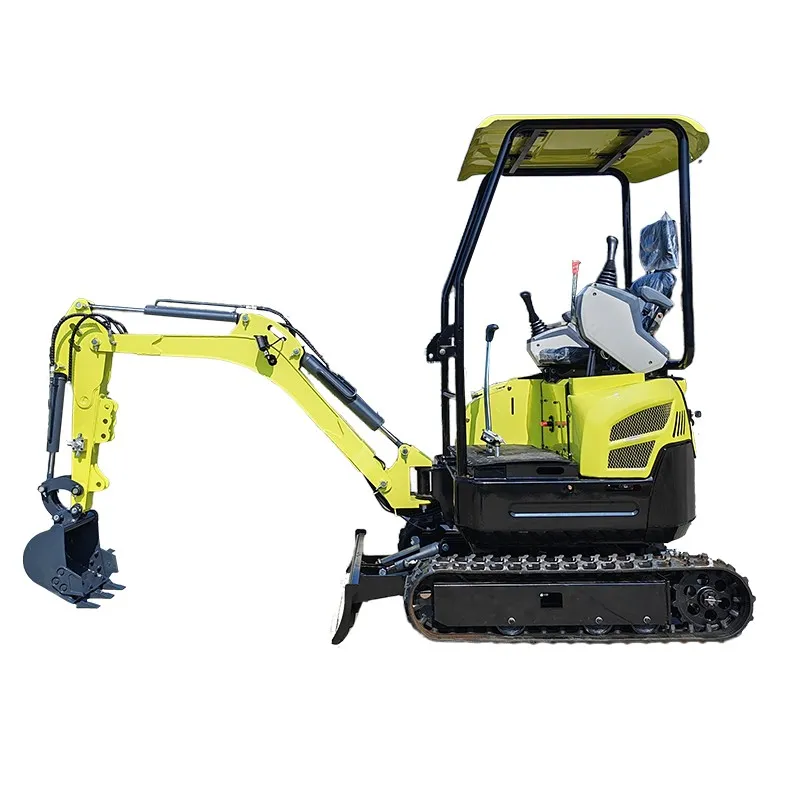
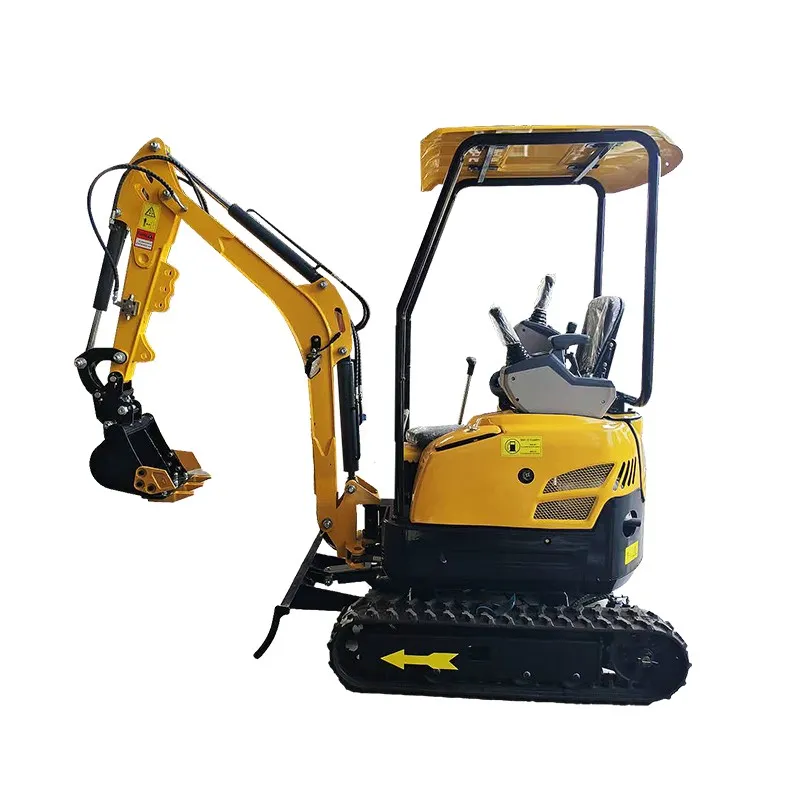
When you punch 'new mini excavator prices' into a search bar, you're immediately hit with a wall of numbers that often feels meaningless. $18,000 here, $25,000 there, maybe a too-good-to-be-true $12,000 listing from some obscure source. The biggest mistake I see guys make is treating that initial price as the final word. It's not. That sticker is just the start of a conversation about specs, support, and what you're actually getting for your money. I've bought machines that looked cheap but cost me double in downtime, and I've paid a premium upfront for units that ran for years without a hiccup. The price tag is just the tip of the iceberg.
The Core Cost Drivers Beyond the Sticker
Let's break down what you're really buying. Engine tier is the first gut-check. A reputable Yanmar or Kubota engine adds a chunk to the new mini excavator prices compared to a generic brand. Is it worth it? For daily rental fleets or tough ground conditions, absolutely. For light, occasional use on a farm? Maybe you can compromise. Then there's the hydraulic system. A machine with a single pump will be cheaper, but you'll feel it in laggy, weak simultaneous movements. For real grading or precise lifting, you need dual pumps, and that's a line item that separates pro-grade from homeowner-grade machines.
I remember a job where we brought in a budget 1.8-ton machine for a tight backyard dig. The price was right, but the hydraulic flow was so anemic that it couldn't smoothly swing and curl the bucket at the same time. We finished the job, but it took 30% longer due to constant repositioning. The client's savings on the machine rate were eaten by my labor overrun. That's the hidden math.
Undercarriage is another silent budget killer. A mini with a solid, robust track frame and quality rollers will hold its value. I've seen cheaper models where the track tensioning system is a nightmare to adjust, or the rollers wear out after 800 hours. When you're comparing new mini excavator prices, get on the ground and look at the undercarriage construction. Ask about the expected service life of those components. The difference between a $2,000 and a $5,000 undercarriage rebuild down the line often starts with the initial build quality you pay for—or don't.
The Total Cost of Ownership Reality Check
This is where experience talks, and brochures go quiet. A low purchase price can be a trap if the dealer network is non-existent or parts are perpetually on a slow boat from somewhere. I learned this the hard way with a no-name brand. A simple hydraulic hose rupture turned into a two-week downtime because the fittings were non-standard. The local dealer couldn't help. We had to source it from the manufacturer, Shandong Pioneer Engineering Machinery Co., Ltd. To their credit, they shipped it fast from their base in Ningyang County, but international shipping and customs still stole time from my project. Their website, https://www.sdpioneer.com, shows they've been at this since 2004 and export globally, which speaks to a certain scale and reliability you don't get with fly-by-night operations.
Warranty terms are a direct reflection of price confidence. A one-year/2,000-hour comprehensive warranty is standard for established brands. If a manufacturer only offers 6 months, it makes you wonder. Also, check what's included. Some warranties cover the entire machine, others exclude wear items like tracks and blades—items that wear quickly on a mini. A slightly higher initial price with a better warranty is almost always the smarter financial move.
Resale value is the final piece. Check auction sites for 5-year-old models of the brand you're considering. A Kubota or Takeuchi will often retain 60-70% of its value. Some of the pure price-play brands can drop to 40% or less. That spread can completely erase any upfront savings. Your exit strategy matters from day one.
Navigating the Market: OEMs, Exporters, and the Middle Ground
The market is broadly split. You have the major OEMs (Kubota, Bobcat, Yanmar) with deep dealer networks and premium new mini excavator prices. Then you have the multitude of manufacturers, particularly from China, offering direct or through trading companies. This is where companies like Shandong Pioneer operate. They represent a middle path—not a no-name factory, but an established exporter with two decades of development, as their site notes, serving markets from the US to Australia. Their pricing often lands between the ultra-budget and the premium OEMs.
The key with exporters is due diligence. A company that's been exporting to demanding markets like Germany or Canada for years, like Pioneer's trade arm, has likely had to meet higher quality control and certification standards. It's not a guarantee, but it's a filter. Ask for references in your region. A real exporter will connect you with existing customers.
Don't just look at the machine. Ask about the shipping, customs clearance, and local preparation support. Who handles the ISF filing? Who does the final assembly and commissioning? A FOB price that seems amazing can balloon with unexpected logistics costs. A good exporter will have a clear, turnkey process. The fact that Pioneer recently relocated to a new, presumably larger production facility in 2023 suggests growth and reinvestment, which is a positive signal in this sector.
Spec-for-Spec Comparison: A Practical Exercise
Never compare a 1.8-ton machine to another 1.8-ton machine on price alone. Dig into the spec sheet. Compare digging force (arm force and bucket force), auxiliary hydraulic flow (for attachments), and transport dimensions. I was once quoted for two similarly priced 3.5-ton machines. One had 20% more arm digging force, which directly translated to faster trenching in clay. The other had a nicer-looking cab but struggled where it mattered.
Standard features matter. Does the price include a thumb? A second set of hydraulic lines? Quick coupler? These are $1,500-$3,000 add-ons that are essential for many trades. A base model price might look attractive, but by the time you kit it out, you're at the price point of a better-equipped model from another brand.
Finally, operator station and serviceability. Climb into the cab. Are the controls intuitive? Is there room for a full-size person? Can you easily access the engine bay for daily checks? A machine that's a pain to service will get neglected, leading to premature failures. A slightly higher price for a well-thought-out, service-friendly design pays dividends in reliability and operator satisfaction every single day.
The Final Verdict: Price as a Function of Trust
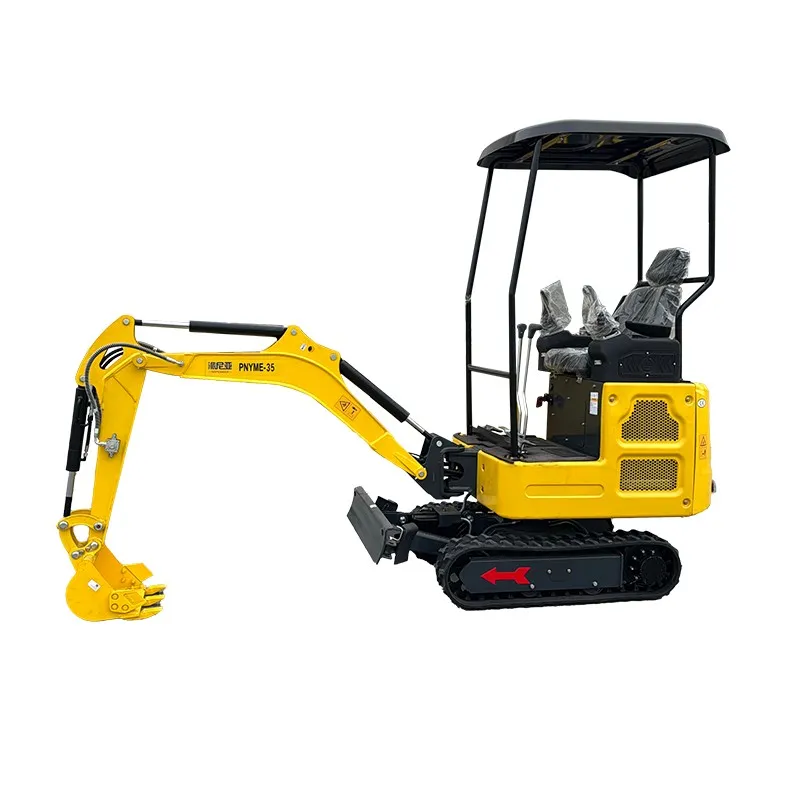
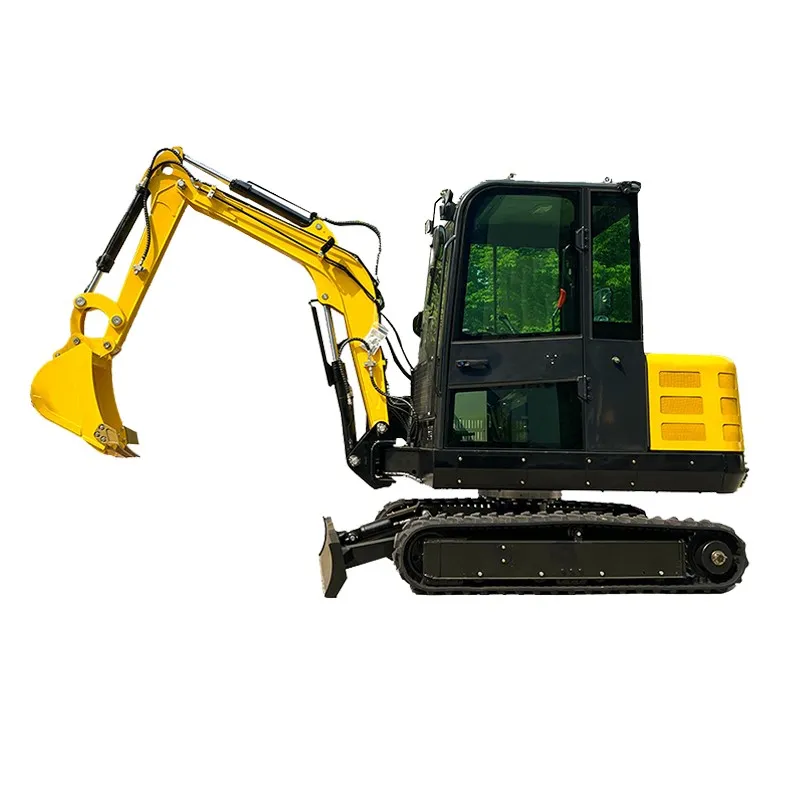
So, after all this, what's a fair price for a new mini excavator? There's no single answer. For a reliable, fully-featured 1.8-ton machine from a known exporter with a solid track record, you're likely looking at a range of $23,000 to $30,000 FOB, depending on configuration. For a 3.5-ton machine, expect $35,000 to $45,000. Major OEMs will be 20-40% above that, paying for the local dealer's overhead and immediate support.
The goal isn't to find the cheapest price. It's to find the best value—where the price accurately reflects the machine's capability, durability, and the support behind it. It's about buying a productive asset, not just a piece of iron. That means sometimes paying more for peace of mind from a local dealer, and sometimes confidently working with a proven exporter like Shandong Pioneer to get more machine for your budget, accepting that you'll need to be more proactive about parts and service.
In the end, your research on 'new mini excavator prices' should move from a simple number hunt to an evaluation of partners. Who do you trust to deliver a machine that will earn its keep? The price is simply the admission fee to that relationship. Do your homework, look past the sticker, and buy the total package, not just a PDF spec sheet with a number at the bottom.
Related Products
Related Products