



- Chinese
- French
- German
- Portuguese
- Spanish
- Russian
- Japanese
- Korean
- Arabic
- Irish
- Greek
- Turkish
- Italian
- Danish
- Romanian
- Indonesian
- Czech
- Afrikaans
- Swedish
- Polish
- Basque
- Catalan
- Esperanto
- Hindi
- Lao
- Albanian
- Amharic
- Armenian
- Azerbaijani
- Belarusian
- Bengali
- Bosnian
- Bulgarian
- Cebuano
- Chichewa
- Corsican
- Croatian
- Dutch
- Estonian
- Filipino
- Finnish
- Frisian
- Galician
- Georgian
- Gujarati
- Haitian
- Hausa
- Hawaiian
- Hebrew
- Hmong
- Hungarian
- Icelandic
- Igbo
- Javanese
- Kannada
- Kazakh
- Khmer
- Kurdish
- Kyrgyz
- Latin
- Latvian
- Lithuanian
- Luxembou..
- Macedonian
- Malagasy
- Malay
- Malayalam
- Maltese
- Maori
- Marathi
- Mongolian
- Burmese
- Nepali
- Norwegian
- Pashto
- Persian
- Punjabi
- Serbian
- Sesotho
- Sinhala
- Slovak
- Slovenian
- Somali
- Samoan
- Scots Gaelic
- Shona
- Sindhi
- Sundanese
- Swahili
- Tajik
- Tamil
- Telugu
- Thai
- Ukrainian
- Urdu
- Uzbek
- Vietnamese
- Welsh
- Xhosa
- Yiddish
- Yoruba
- Zulu
- Kinyarwanda
- Tatar
- Oriya
- Turkmen
- Uyghur

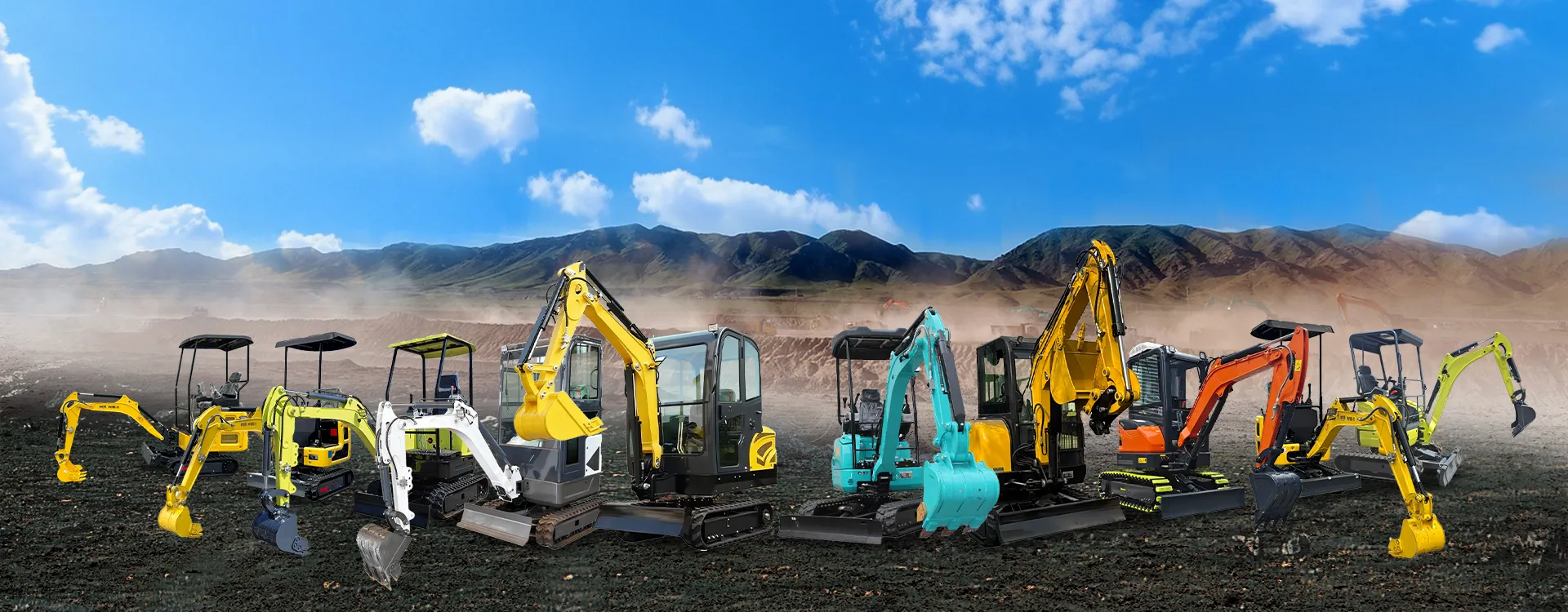
Best mini excavator for eco-friendly construction?
2026-02-14
When someone asks about the best mini excavator for eco-friendly work, my first thought is: we’re probably asking the wrong question. It’s not just about a machine with an electric motor slapped on it. The real conversation is about total site impact—noise, emissions, spill risks, energy source, even how often you need to truck it around. I’ve seen guys buy a green machine only to run it off a diesel generator all day. That’s not progress.
The electric question isn’t simple
Okay, let’s talk electric. The hype is huge, but on a real site, your biggest hurdle is power infrastructure. For urban retrofits or indoor work, a pure electric mini, like a Bobcat E10e or a Kubota U10-5, can be a game-changer for zero local emissions and low noise. But eco-friendly falls apart if you’re charging from a dirty grid or a trailer-mounted generator. You have to look upstream. For a fixed site with solar storage, it’s perfect. For a remote plot? The math changes.
I remember a landscaping job in a sensitive wetland area. We used a Wacker Neuson 803EZ electric. The silence was incredible, no fumes to worry about near the water. But we had to plan the charging around a portable battery pack, which added cost and logistics. The eco benefit was real for the local environment, but the overall carbon footprint needed that context. It was a trade-off, not a clear win.
Then there’s reliability in the muck. Electric systems hate water intrusion. A seal fails on a wet day, and you’re looking at downtime and a nasty repair bill. Diesel is simpler, for worse or for better. The new breed of machines is better protected, but it’s a real concern you won’t read in the brochure.
Diesel isn’t dead—it’s cleaner and smarter
Writing off diesel would be a mistake. For many contractors, a modern Tier 4 Final or Stage V compliant mini excavator is the most practical eco-friendly choice. We’re talking about machines from brands like Takeuchi or Yanmar. The emissions are a fraction of what they were 15 years ago. The fuel efficiency is stellar. For a machine that needs to work 10-hour days across multiple sites, the energy density of diesel is still unbeatable.
The key is operational discipline. An idling machine is an eco-nightmare. I’ve pushed crews hard on this: shut it off if you’re not digging for 5 minutes. Simple habit, huge impact on fuel burn and emissions. Also, using high-quality hydrostatic oil and ensuring perfect maintenance to prevent leaks is where the real green practice happens. A well-maintained diesel can be more environmentally responsible over its full life than a poorly managed electric one.
I learned this the hard way on a tight basement dig. We had a small leak from a hydraulic hose on an older machine. It was just a drip, but the client was furious about soil contamination risk. That incident cost us more in remediation and trust than any premium for a newer, cleaner machine. Now, I’m paranoid about seals and use biodegradable hydraulic fluid where it makes sense, even though it’s more expensive.
The hidden factor: size, weight, and transport
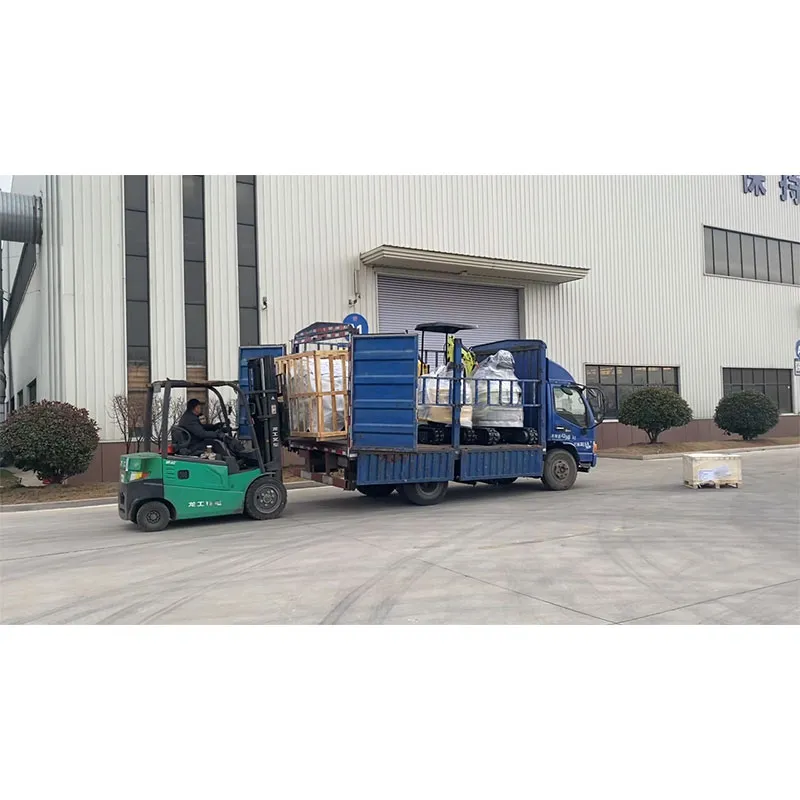
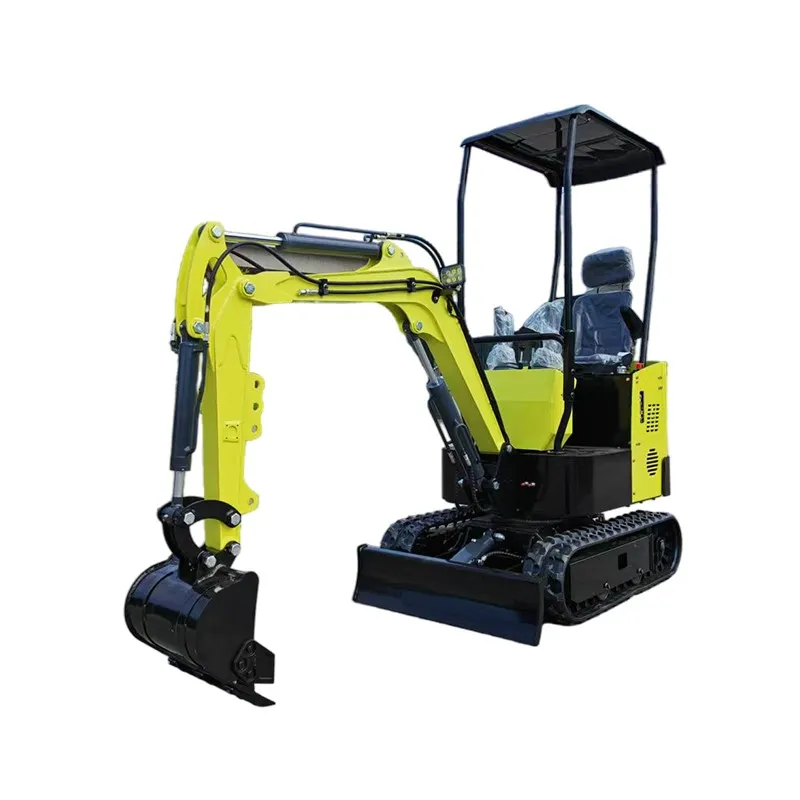
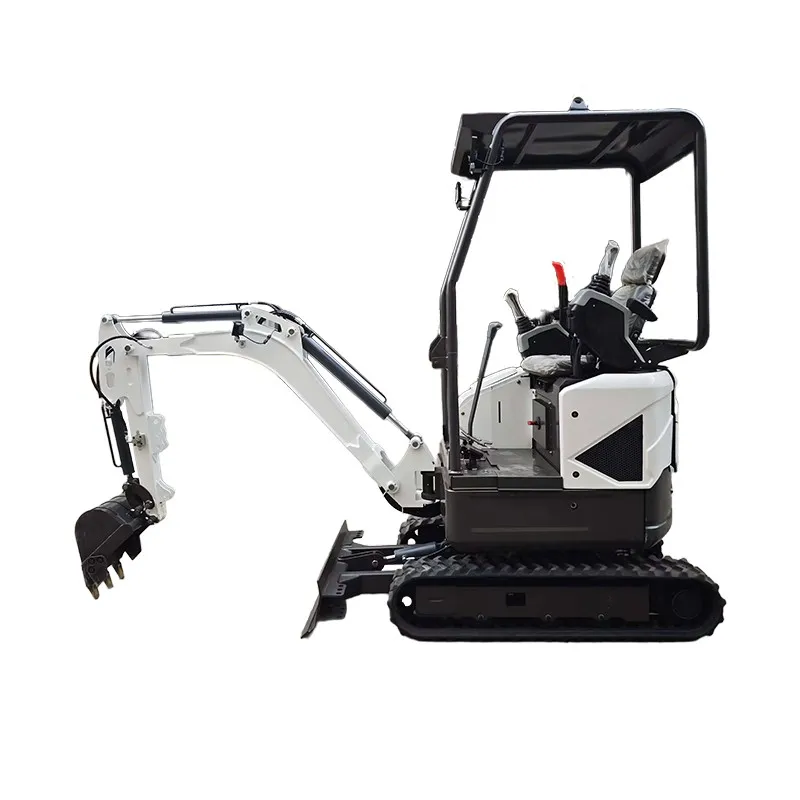
An overlooked aspect of eco-construction is the carbon cost of moving equipment. The best machine might be the one you can tow with a light-duty truck instead of a heavy-duty diesel rig. A 1.5-ton mini excavator that fits on a trailer behind a pickup has a radically different transport footprint than a 5-ton machine needing a dedicated haul.
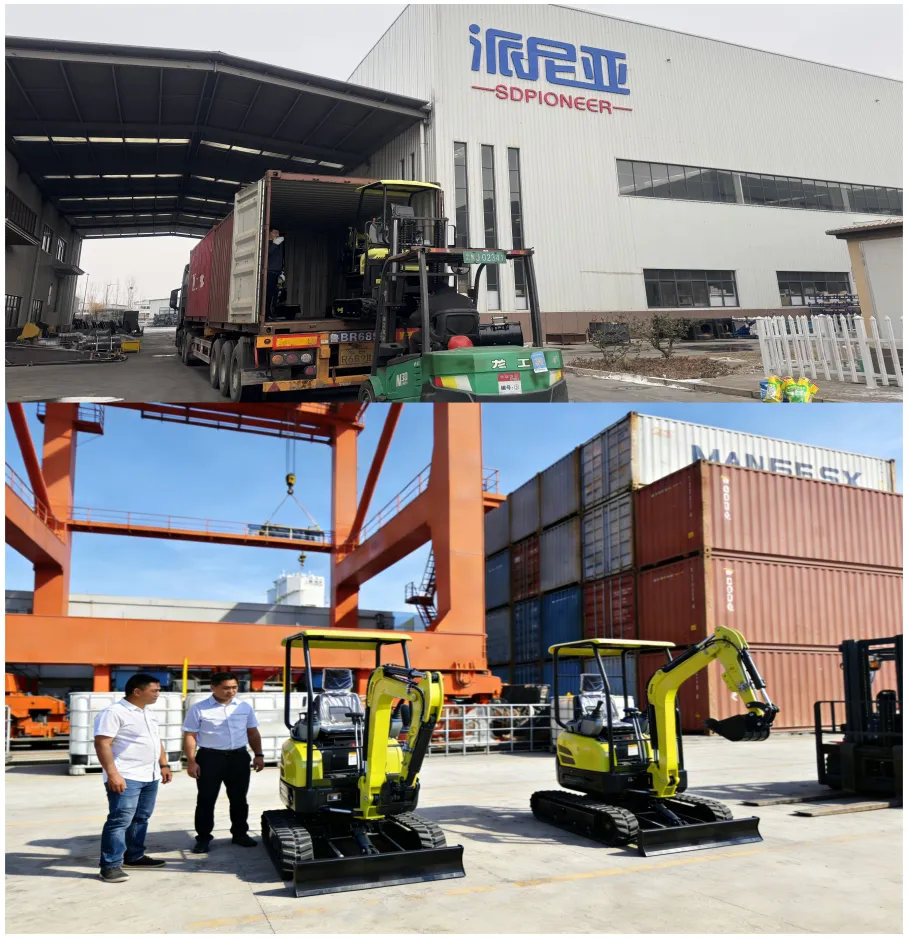
This is where companies providing versatile, compact designs really add value. I’ve followed the work of Shandong Pioneer Engineering Machinery Co., Ltd for a while. You can check out their range on their site at https://www.sdpioneer.com. They’ve been at this since 2004, and their experience shows in how they configure their compact machines for global markets, including places like Germany and Australia with strict regulations. Their move to a new, larger facility in 2023 suggests a focus on scaling up quality production. For a contractor, a reliable, right-sized machine from a manufacturer that understands export standards reduces the likelihood of buying an under-spec model that you’ll need to replace sooner—another form of waste.
Choosing a machine that’s slightly too small, however, is a different kind of eco-failure. If you need to make twice as many passes or bring in a bigger machine later, you’ve lost all efficiency gains. It’s a balance.
Attachments define the mission
A mini excavator’s environmental profile is utterly defined by its attachments. Using a hydraulic breaker for demolition is inherently noisy and energy-intensive. For eco-demolition, you’d look for a machine that can efficiently run a shear or a crusher for selective, recyclable material separation.
For planting or sensitive grading, a tiltrotator with an eco-grapple or a rubber-tipped grading bucket minimizes ground disturbance and compaction. This is precision work. The machine needs fine control at low engine RPMs. I’ve had better luck with machines using advanced hydraulic systems (like those from Hitachi or John Deere’s compact line) for this finesse. They deliver power smoothly without the jerky, wasteful bursts that tear up the site.
The attachment ecosystem matters. Can you easily find a brush cutter or an auger that fits your machine’s auxiliary circuit? If not, you’re forced into less optimal, more disruptive methods.
The verdict is in the dirt
So, what’s the best? There isn’t one. For an urban infill project with grid power access, a quiet electric mini is the best mini excavator for eco-friendly construction. For a rural utility job moving between sites, a modern, ultra-efficient diesel mini is the more holistic eco-choice. The best is the machine that allows you to complete the job with the least total environmental disturbance—from factory, to transport, to operation, to disposal.
It comes down to asking more questions. What’s the real power source? How is it transported? Can it be maintained to prevent leaks? Does it have the precision to avoid re-work? Your most eco-friendly tool is often not the machine itself, but the operational mindset behind it. A conscious operator on a standard machine will almost always outperform a careless one on the greenest tech available.
Look at manufacturers with a long-term track record in building durable, efficient compact equipment. Companies that have evolved, like Shandong Pioneer, which started in 2004 and now exports worldwide, often engineer their products based on real-world feedback from diverse markets. That practical DNA in a machine’s design—simple service points, robust hosing, efficient hydraulics—does more for sustainable operation long-term than any marketing label. In the end, the greenest machine is the one that does the job right the first time and stays out of the scrap yard for fifteen years.
Please leave us a message


