



- Chinese
- French
- German
- Portuguese
- Spanish
- Russian
- Japanese
- Korean
- Arabic
- Irish
- Greek
- Turkish
- Italian
- Danish
- Romanian
- Indonesian
- Czech
- Afrikaans
- Swedish
- Polish
- Basque
- Catalan
- Esperanto
- Hindi
- Lao
- Albanian
- Amharic
- Armenian
- Azerbaijani
- Belarusian
- Bengali
- Bosnian
- Bulgarian
- Cebuano
- Chichewa
- Corsican
- Croatian
- Dutch
- Estonian
- Filipino
- Finnish
- Frisian
- Galician
- Georgian
- Gujarati
- Haitian
- Hausa
- Hawaiian
- Hebrew
- Hmong
- Hungarian
- Icelandic
- Igbo
- Javanese
- Kannada
- Kazakh
- Khmer
- Kurdish
- Kyrgyz
- Latin
- Latvian
- Lithuanian
- Luxembou..
- Macedonian
- Malagasy
- Malay
- Malayalam
- Maltese
- Maori
- Marathi
- Mongolian
- Burmese
- Nepali
- Norwegian
- Pashto
- Persian
- Punjabi
- Serbian
- Sesotho
- Sinhala
- Slovak
- Slovenian
- Somali
- Samoan
- Scots Gaelic
- Shona
- Sindhi
- Sundanese
- Swahili
- Tajik
- Tamil
- Telugu
- Thai
- Ukrainian
- Urdu
- Uzbek
- Vietnamese
- Welsh
- Xhosa
- Yiddish
- Yoruba
- Zulu
- Kinyarwanda
- Tatar
- Oriya
- Turkmen
- Uyghur

New Mini Excavator for Sale: 2026 Factory Price & Specs
2026-10-12
- Why Choose a New Mini Excavator in 2026?
- Technical Specifications: What to Look For
- Manufacturing Excellence: The Backbone of Quality
- Applications: Where Mini Excavators Excel
- How to Choose the Right Mini Excavator
- Common Mistakes When Buying Mini Excavators
- Maintenance Tips for Longevity
- Factory Direct Pricing: Understanding the 2026 Market
- Frequently Asked Questions (FAQ)
- Conclusion: Invest in Quality and Reliability
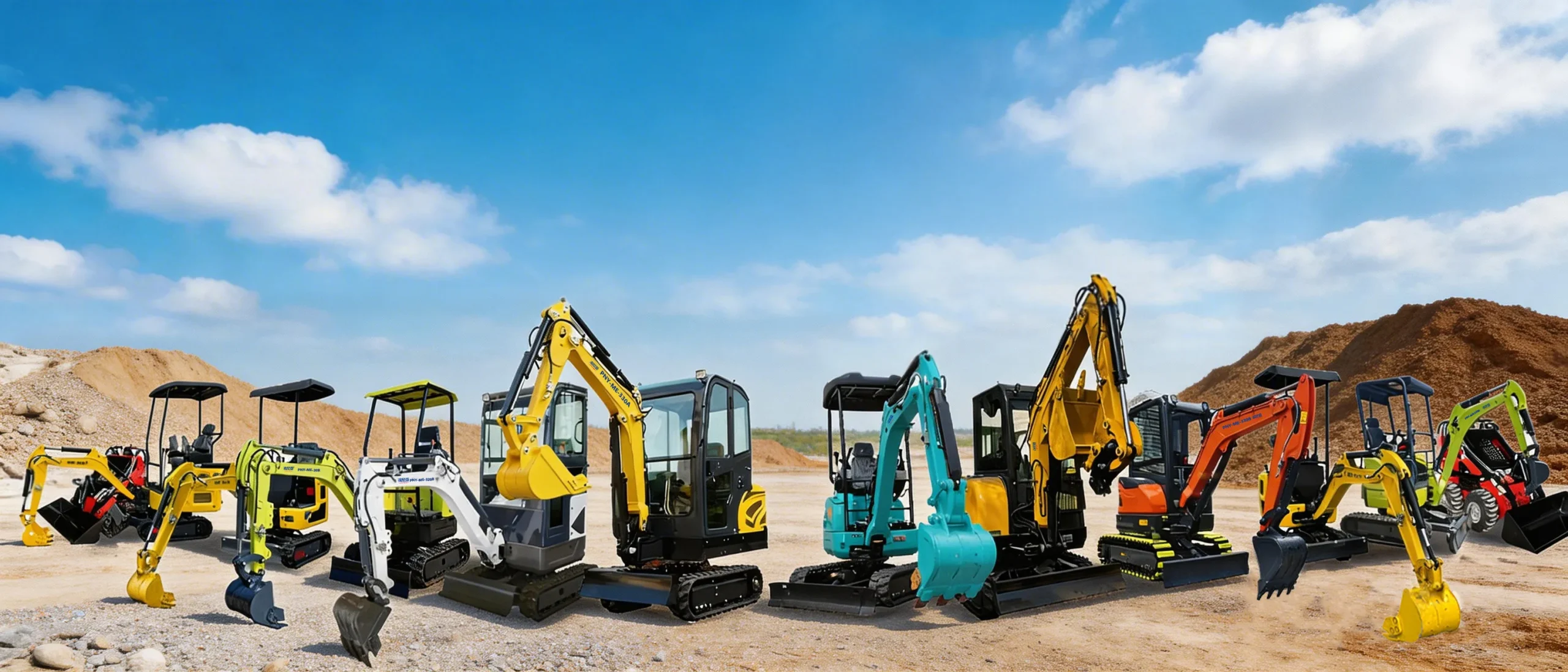
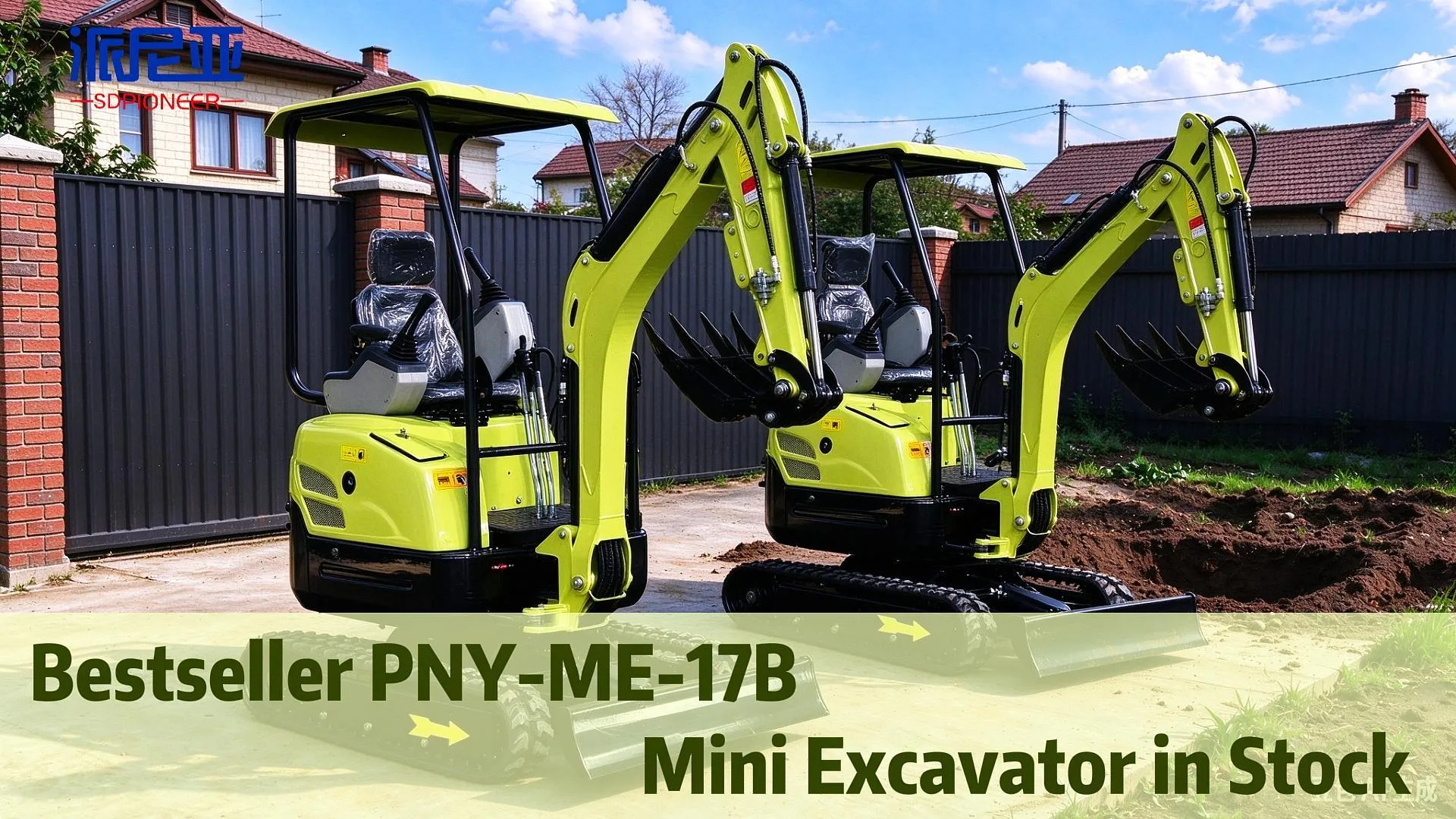
Looking for a new mini excavator for sale in 2026? This guide covers essential specifications, factory-direct pricing strategies, and technical insights to help contractors and dealers make informed purchasing decisions. We analyze hydraulic efficiency, engine performance, and attachment compatibility to ensure you select equipment that maximizes ROI. With over two decades of manufacturing expertise, our facility delivers high-precision micro construction machinery tailored for urban landscaping, utility work, and agricultural applications.
Why Choose a New Mini Excavator in 2026?
The demand for compact construction equipment has surged due to urbanization and the need for precise, low-impact machinery. A new mini excavator offers significant advantages over used models, including warranty coverage, latest emission compliance, and advanced hydraulic technology. In 2026, buyers prioritize fuel efficiency and operator comfort, which directly impact productivity on job sites.
Investing in new equipment ensures access to modern telemetry systems and ergonomic designs. These features reduce operator fatigue and minimize downtime. For businesses aiming to scale operations, understanding the technical nuances of mini excavators is crucial for selecting the right asset.
Key Benefits of Modern Micro Excavation Equipment
- Enhanced Fuel Efficiency: Modern engines optimize fuel consumption without sacrificing power output.
- Lower Emissions: Compliance with stringent environmental standards reduces carbon footprint.
- Advanced Hydraulics: Smooth operation and precise control improve task accuracy.
- Warranty Protection: Comprehensive coverage safeguards your investment against unexpected repairs.
- Resale Value: New machines retain higher value compared to aged equipment.
Technical Specifications: What to Look For
When evaluating a new mini excavator for sale, technical specifications dictate performance. Key parameters include operating weight, digging depth, bucket capacity, and hydraulic flow rate. Understanding these metrics helps match the machine to specific project requirements.
For instance, a 1-ton excavator suits tight residential spaces, while a 5-ton model handles heavier demolition tasks. Engine horsepower determines lifting capacity and travel speed. Hydraulic pressure influences attachment performance, such as breakers or augers.
Core Performance Metrics Table
| Specification | 1-2 Ton Class | 3-5 Ton Class | 6-8 Ton Class |
|---|---|---|---|
| Operating Weight | 1,000 – 2,000 kg | 3,000 – 5,000 kg | 6,000 – 8,000 kg |
| Engine Power | 10 – 20 HP | 25 – 40 HP | 45 – 60 HP |
| Max Digging Depth | 1.5 – 2.2 m | 2.5 – 3.5 m | 3.5 – 4.5 m |
| Bucket Capacity | 0.02 – 0.05 m³ | 0.08 – 0.15 m³ | 0.15 – 0.25 m³ |
| Hydraulic Flow | 15 – 25 L/min | 30 – 50 L/min | 55 – 75 L/min |
This table provides a baseline for comparison. Always verify specific model data with the manufacturer, as configurations vary based on attachments and optional features.
Manufacturing Excellence: The Backbone of Quality
Quality in mini excavators stems from rigorous manufacturing processes and component precision. Our production capabilities reflect two decades of industry evolution. Established in July 2004 in Jining, Shandong Province, our company began with a focused mission: to produce high-quality excavator components. Initially operating from a 1,600-square-meter facility, we specialized in arms, booms, and buckets.
In August 2023, we relocated to a modern industrial zone in Ningyang County, Tai’an City, Shandong Province. This expansion allowed us to integrate complete equipment assembly lines alongside our component manufacturing. Today, Shandong Hexin (manufacturing) and Shandong Pioneer (overseas trade) work in tandem to deliver superior micro construction machinery to global markets.
Trusted by Industry Leaders
Our commitment to quality has earned the trust of Fortune Global 500 companies. Major clients include Komatsu, Shantui, Sumitomo, XCMG, Caterpillar, and Sinotruk. These partnerships validate our engineering standards and supply chain reliability. By producing over 300 types of key excavator components, we maintain strict control over material integrity and dimensional accuracy.
This vertical integration ensures that every new mini excavator for sale meets international safety and performance benchmarks. Our expertise extends beyond standard models to include intelligent energy storage cabinet systems, showcasing our adaptability to emerging technological trends.
Applications: Where Mini Excavators Excel
Mini excavators are versatile tools suitable for diverse industries. Their compact size and powerful performance make them ideal for confined spaces where larger machinery cannot operate. Understanding application-specific needs helps in selecting the right configuration.
Urban Landscaping and Gardening
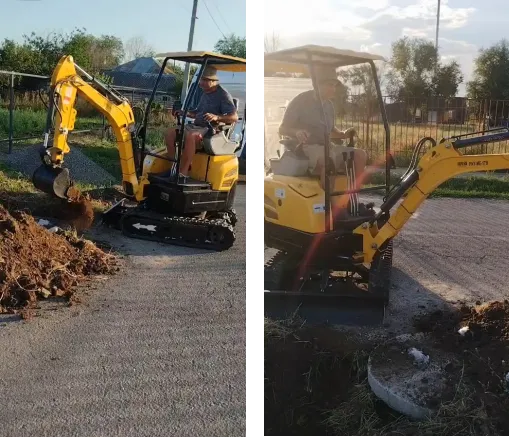
In residential areas, space is limited. Mini excavators navigate narrow gates and backyard entrances with ease. They perform tasks such as tree planting, pond digging, and patio preparation. Rubber tracks minimize ground disturbance, preserving existing lawns and hardscapes.
Utility Installation and Repair
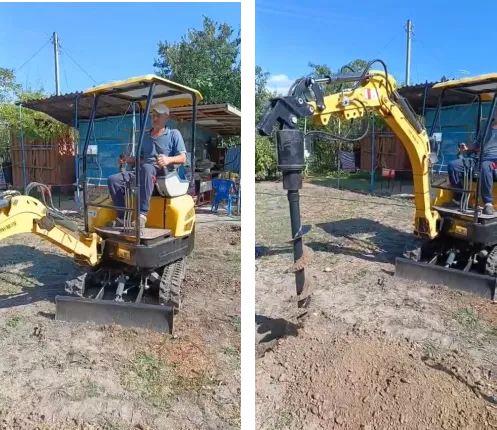
Utility companies rely on mini excavators for trenching water, gas, and electrical lines. The ability to add augers allows for efficient post-hole digging. Precise hydraulic control prevents damage to existing underground infrastructure, a critical factor in urban repair projects.
Agricultural and Farming Tasks
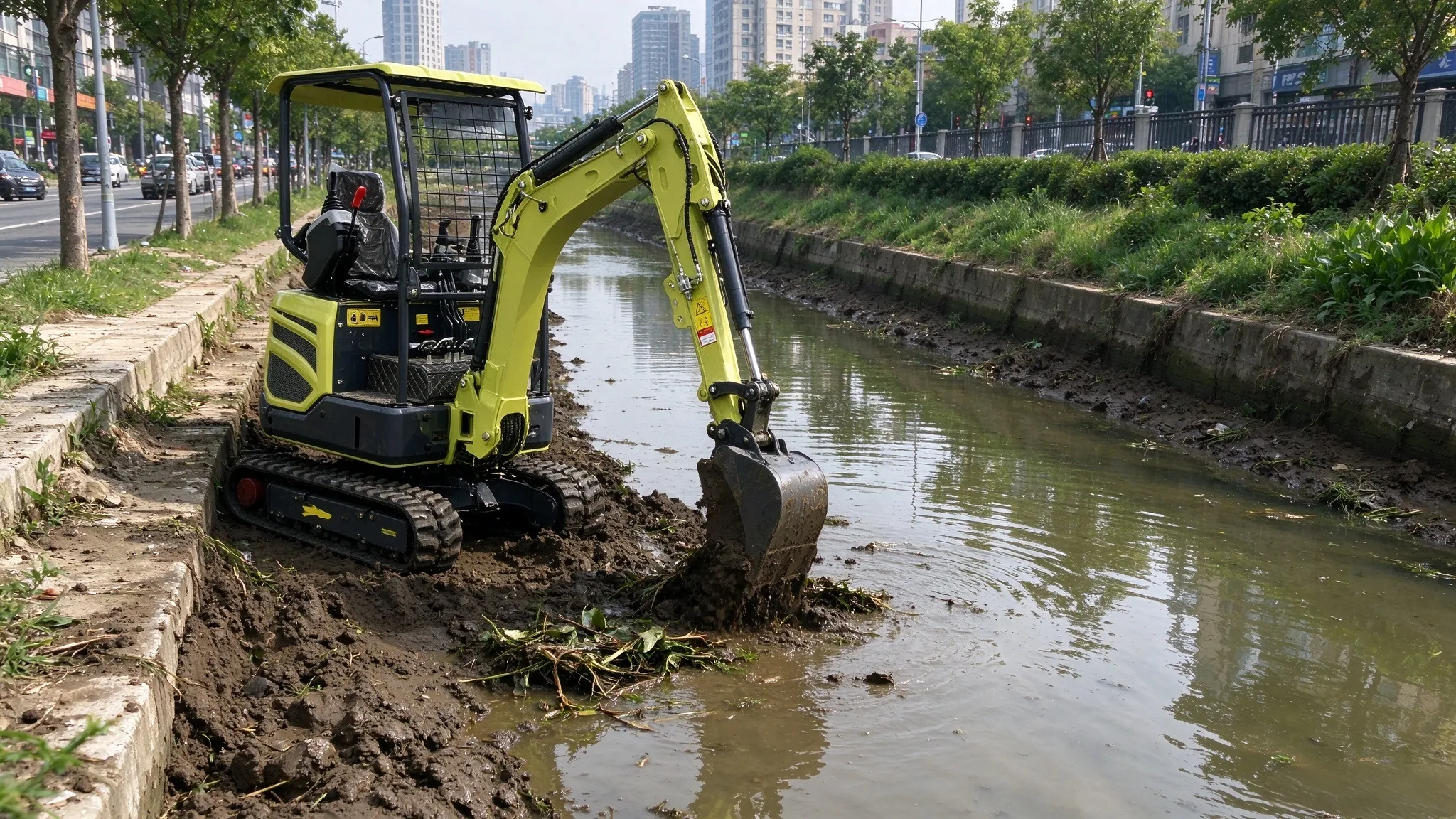
Farmers use mini excavators for drainage ditch cleaning, fence post installation, and barn cleanup. Their versatility reduces the need for multiple specialized machines. Attachments like grapples and thumbs enhance material handling capabilities, improving overall farm efficiency.
Interior Demolition and Renovation
For indoor projects, electric or low-emission mini excavators are preferred. They remove flooring, break concrete, and clear debris without violating indoor air quality standards. Zero-tail-swing designs allow rotation within tight rooms, maximizing workspace utilization.
How to Choose the Right Mini Excavator
Selecting the appropriate machine involves balancing performance needs with budget constraints. Consider the following factors to make an informed decision.
1. Assess Job Site Conditions
Evaluate terrain type, space constraints, and access points. Rough terrain requires robust undercarriages and higher ground clearance. Tight spaces benefit from zero-tail-swing models. Ensure the machine’s transport dimensions fit your trailer or truck.
2. Determine Attachment Requirements
Identify necessary attachments such as buckets, breakers, augers, or grapples. Verify hydraulic compatibility, including flow rate and pressure. Some models offer auxiliary hydraulic lines as standard, while others require optional kits.
3. Evaluate Operator Comfort and Safety
Operator productivity depends on comfort. Look for adjustable seats, intuitive controls, and adequate visibility. Safety features like ROPS (Roll-Over Protective Structure) and FOPS (Falling Object Protective Structure) are essential for compliance and protection.
4. Consider Maintenance Accessibility
Easy access to filters, fluid checkpoints, and engine components reduces maintenance time. Regular servicing is vital for longevity. Choose models with user-friendly service panels and clear maintenance schedules.
Common Mistakes When Buying Mini Excavators
Avoiding common pitfalls ensures a satisfactory purchase experience. Many buyers overlook critical details that affect long-term usability.
- Ignoring Total Cost of Ownership: Focus solely on purchase price without considering fuel, maintenance, and repair costs.
- Underestimating Power Needs: Choosing an underpowered machine for heavy tasks leads to inefficiency and premature wear.
- Neglecting Dealer Support: Lack of local parts availability and technical support can cause prolonged downtime.
- Overlooking Transport Logistics: Failing to account for machine weight and dimensions can result in costly transportation issues.
- Skipping Test Drives: Not operating the machine before purchase prevents assessment of comfort and control responsiveness.
Maintenance Tips for Longevity
Proper maintenance extends the lifespan of your mini excavator. Follow these best practices to keep your equipment in optimal condition.
Daily Inspections
Check fluid levels (engine oil, hydraulic fluid, coolant) before each use. Inspect tracks or tires for damage and tension. Look for hydraulic leaks around hoses and cylinders. Clean air filters to ensure proper engine breathing.
Regular Servicing
Adhere to the manufacturer’s service intervals. Replace engine oil and filters regularly. Grease pivot points daily to prevent wear. Inspect battery terminals for corrosion and secure connections. Monitor track tension and adjust as needed.
Storage Practices
Store the machine in a dry, covered area to protect against weather elements. If storing for extended periods, run the engine periodically to circulate fluids. Lower attachments to the ground to relieve hydraulic pressure. Cover exposed metal surfaces to prevent rust.
Factory Direct Pricing: Understanding the 2026 Market
Pricing for a new mini excavator for sale varies based on specifications, attachments, and shipping terms. Factory-direct purchasing eliminates middlemen, offering competitive rates. In 2026, raw material costs and logistics influence final prices. However, established manufacturers like ours leverage economies of scale to provide stable pricing.
Buyers should request detailed quotes including FOB (Free On Board) or CIF (Cost, Insurance, and Freight) terms. Clarify warranty coverage and spare parts inclusion. Transparent pricing builds trust and facilitates smoother transactions. Our overseas trade division, Shandong Pioneer, ensures clear communication and reliable export services to regions including the United States, Canada, Germany, and Australia.
Frequently Asked Questions (FAQ)
What is the average lifespan of a mini excavator?
With proper maintenance, a mini excavator can last between 10,000 to 15,000 operating hours. Regular servicing and timely replacement of wear parts significantly extend its useful life.
Can mini excavators handle heavy-duty tasks?
While designed for light to medium tasks, larger mini excavators (6-8 tons) can handle moderate demolition and trenching. For heavy-duty rock breaking or large-scale earthmoving, standard excavators are more suitable.
Are electric mini excavators available?
Yes, electric mini excavators are gaining popularity, especially for indoor use and environmentally sensitive areas. They offer zero emissions and quieter operation, though runtime depends on battery capacity.
How do I transport a mini excavator?
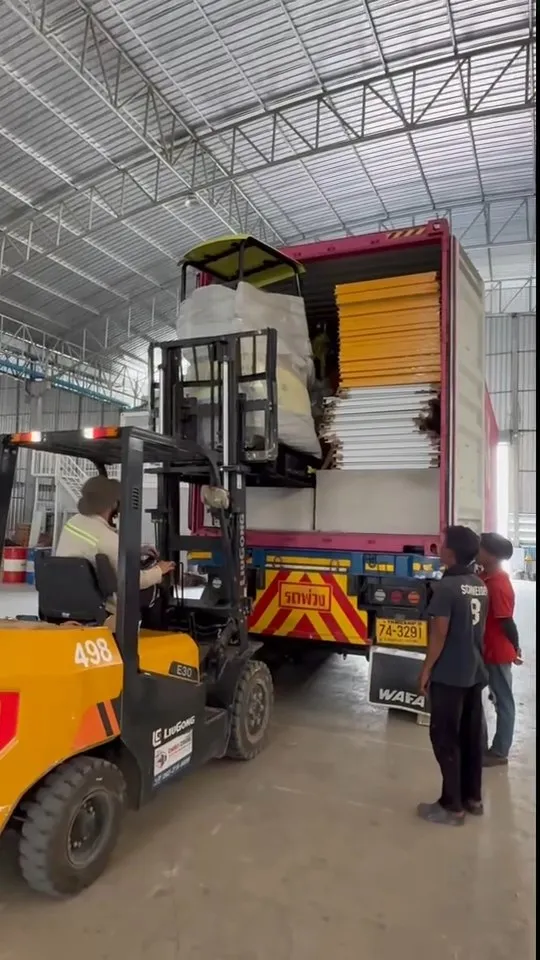
Mini excavators can be transported using trailers or trucks. Ensure the transport vehicle has sufficient weight capacity and securement points. Use ramps for loading and unloading, and lock tracks or wheels during transit.
What warranty is typically offered?
Warranties vary by manufacturer but commonly cover major components like the engine and hydraulic system for 1-2 years or a specific number of operating hours. Always review warranty terms before purchase.
Conclusion: Invest in Quality and Reliability
Choosing a new mini excavator for sale is a strategic investment for your business. By prioritizing technical specifications, manufacturing quality, and after-sales support, you ensure long-term productivity and profitability. Our company, with its rich history since 2004 and strong partnerships with global industry leaders, stands ready to provide high-performance micro construction machinery tailored to your needs.
Whether you are in landscaping, utilities, agriculture, or demolition, our range of mini excavators offers the versatility and durability required for modern job sites. Benefit from our factory-direct pricing and comprehensive export services to countries worldwide.
Ready to enhance your fleet? Contact our team today to discuss your specific requirements and receive a customized quote. Explore our full range of products and technical solutions to find the perfect match for your projects.

Please leave us a message