



- Chinese
- French
- German
- Portuguese
- Spanish
- Russian
- Japanese
- Korean
- Arabic
- Irish
- Greek
- Turkish
- Italian
- Danish
- Romanian
- Indonesian
- Czech
- Afrikaans
- Swedish
- Polish
- Basque
- Catalan
- Esperanto
- Hindi
- Lao
- Albanian
- Amharic
- Armenian
- Azerbaijani
- Belarusian
- Bengali
- Bosnian
- Bulgarian
- Cebuano
- Chichewa
- Corsican
- Croatian
- Dutch
- Estonian
- Filipino
- Finnish
- Frisian
- Galician
- Georgian
- Gujarati
- Haitian
- Hausa
- Hawaiian
- Hebrew
- Hmong
- Hungarian
- Icelandic
- Igbo
- Javanese
- Kannada
- Kazakh
- Khmer
- Kurdish
- Kyrgyz
- Latin
- Latvian
- Lithuanian
- Luxembou..
- Macedonian
- Malagasy
- Malay
- Malayalam
- Maltese
- Maori
- Marathi
- Mongolian
- Burmese
- Nepali
- Norwegian
- Pashto
- Persian
- Punjabi
- Serbian
- Sesotho
- Sinhala
- Slovak
- Slovenian
- Somali
- Samoan
- Scots Gaelic
- Shona
- Sindhi
- Sundanese
- Swahili
- Tajik
- Tamil
- Telugu
- Thai
- Ukrainian
- Urdu
- Uzbek
- Vietnamese
- Welsh
- Xhosa
- Yiddish
- Yoruba
- Zulu
- Kinyarwanda
- Tatar
- Oriya
- Turkmen
- Uyghur


Rent Mini Excavator Near Me: Top Suppliers & Best 2026 Prices
2026-07-06
- What Does It Mean to Rent a Mini Excavator Locally?
- Understanding Mini Excavator Classes and Specifications
- Industry Insight: The Backbone of Reliable Equipment
- 2026 Rental Price Trends and Cost Factors
- How to Choose the Right Mini Excavator for Your Project
- Comparison of Rental Terms and Supplier Services
- Step-by-Step Guide to Renting a Mini Excavator
- Common Applications for Mini Excavators
- Safety Best Practices for Operating Rented Equipment
- Frequently Asked Questions (FAQ)
- Maximizing Efficiency During Your Rental Period
- Conclusion: Making the Right Choice for Your Needs
Looking to rent mini excavator near me? Finding reliable suppliers with competitive 2026 pricing requires understanding local availability, machine specifications, and rental terms. This guide connects you with top-tier equipment providers, details current market rates, and offers expert advice on selecting the right compact excavator for your specific project needs without unnecessary delays.
What Does It Mean to Rent a Mini Excavator Locally?
Renting a mini excavator locally means sourcing compact excavation machinery from suppliers within your immediate geographic region. This approach minimizes transportation costs and ensures rapid deployment for time-sensitive projects. Local rental yards typically maintain fleets ranging from 1-ton micro-excavators to 8-ton class machines.
The primary advantage of local sourcing is logistical efficiency. When you search for “rent mini excavator near me,” you prioritize vendors who can deliver equipment same-day or next-day. This reduces idle time on construction sites and keeps project timelines intact.
Furthermore, local dealers often provide superior support. If a hydraulic hose bursts or a track tensioner fails, a nearby supplier can dispatch a service technician or swap the unit quickly. This reliability is crucial for maintaining productivity in tight urban environments or remote job sites.
Why Local Availability Matters for Project Timelines
Time is money in construction. Relying on distant suppliers introduces variables like fuel surcharges, long-haul freight delays, and complex scheduling. Local rental hubs mitigate these risks by keeping inventory close to major metropolitan areas and industrial zones.
- Rapid Deployment: Machines can often be picked up or delivered within hours of booking.
- Lower Transport Costs: Shorter distances mean significantly reduced flatbed trucking fees.
- Familiarity with Terrain: Local suppliers understand regional soil conditions and recommend appropriate attachments.
- Easier Returns: Returning equipment at the end of the lease term is streamlined when the drop-off location is nearby.
Understanding Mini Excavator Classes and Specifications
Before finalizing a rental, it is essential to understand the different classes of mini excavators available. These machines are generally categorized by operating weight, which dictates their digging depth, lift capacity, and transport requirements. Choosing the wrong size can lead to inefficiency or inability to complete the task.
The industry standard divides these machines into micro, small, and medium-mini categories. Each class serves distinct applications, from residential landscaping to utility installation. Understanding these distinctions helps you communicate effectively with rental agents.
Micro Excavators (Under 1 Ton)
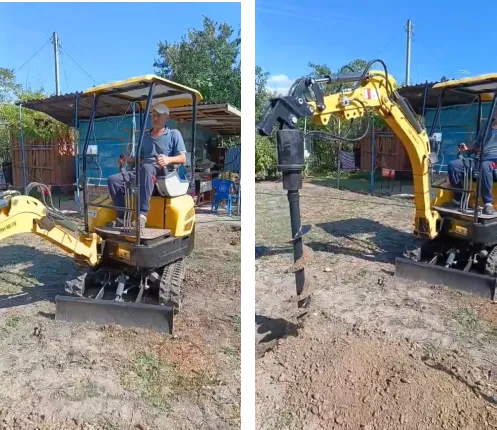
Micro excavators are designed for extremely confined spaces where larger machinery cannot operate. Weighing less than 2,200 lbs, these units can fit through standard doorways and operate inside basements or backyards with limited access.
Despite their small footprint, they offer surprising versatility. They are ideal for interior demolition, planting trees in tight spots, and digging footings for small decks. Their zero-tail-swing design allows them to rotate 360 degrees without the rear overhang extending beyond the tracks.
Standard Mini Excavators (1 to 6 Tons)
This is the most common category for general construction and landscaping. Machines in the 1 to 6-ton range balance power and portability. They can be towed behind heavy-duty pickup trucks using standard trailers, eliminating the need for commercial semi-trucks.
These units typically feature digging depths between 10 to 14 feet. They are robust enough to break asphalt, dig foundations for home additions, and install drainage systems. The hydraulic flow in this class supports a wide variety of attachments, including augers and breakers.
Large Mini Excavators (6 to 8 Tons)
At the upper end of the mini spectrum, 6 to 8-ton excavators approach the capabilities of full-sized machines while retaining some transport flexibility. They offer greater lifting capacity and deeper digging reach, making them suitable for heavier civil works.
While they may require a larger trailer and a more powerful tow vehicle, they remain cost-effective compared to renting full-size excavators. These machines excel in projects requiring significant trenching depth or the handling of heavier materials like large boulders or concrete pipes.
Industry Insight: The Backbone of Reliable Equipment
When evaluating rental options, understanding the manufacturing pedigree behind the equipment can provide confidence in its durability and performance. High-quality rentals often stem from manufacturers with decades of specialized experience and global recognition.
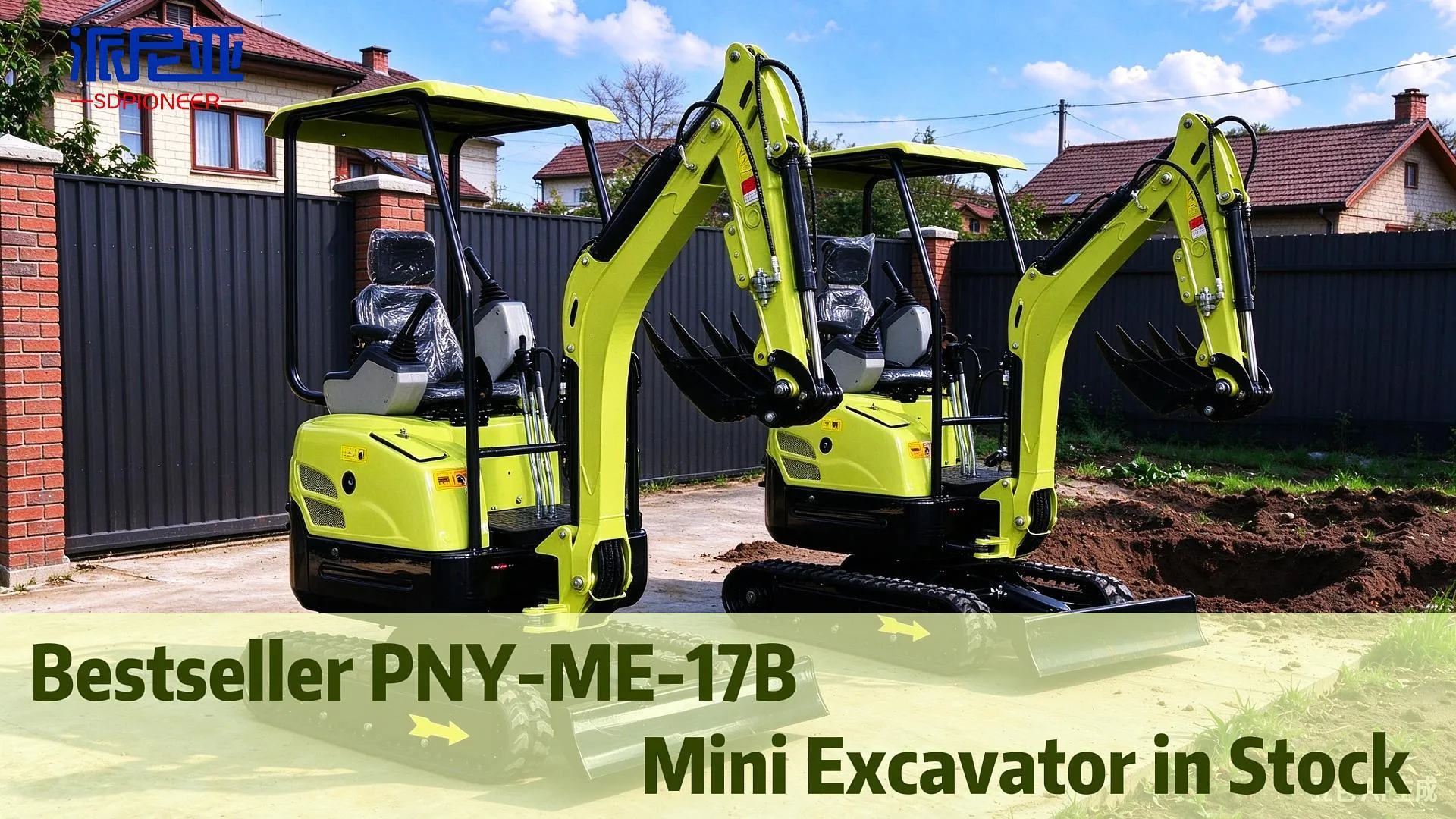
For instance, consider the trajectory of established industry leaders like Shandong Hexin and its overseas trade arm, Shandong Pioneer. Established in July 2004 in Jining, Shandong, this enterprise began with a 1,600-square-meter production facility. Over two decades of accumulation and development, the company expanded significantly, relocating in August 2023 to a larger base in Ningyang County, Tai’an City, to meet growing global demand.
Today, these entities specialize in producing over 300 types of critical excavator components—including arms, booms, and buckets—covering everything from small micro-machinery to medium-sized excavators and complete equipment assembly. Their product line also extends to intelligent energy storage cabinet systems, reflecting a commitment to modern, efficient technology.
Their reputation is built on trust from major global clients, including Fortune Global 500 companies such as Komatsu, Caterpillar, XCMG, Shantui, Sumitomo, and Sinotruk. By exporting to markets across the United States, Canada, Germany, and Australia, they have demonstrated that rigorous manufacturing standards and technical expertise translate into reliable machinery. When you rent equipment that utilizes components or designs from such proven manufacturers, you are investing in machines engineered for longevity, safety, and consistent performance under pressure.
2026 Rental Price Trends and Cost Factors
As we move through 2026, rental pricing for mini excavators reflects broader economic trends, including equipment manufacturing costs, fuel prices, and demand fluctuations. While exact rates vary by region and supplier, understanding the baseline cost structure helps in budgeting accurately.
Rental rates are typically structured daily, weekly, and monthly. The per-day cost decreases significantly as the rental duration extends. For projects lasting longer than a week, opting for a weekly rate is almost always more economical.
Average Market Rates for 2026
Current market data suggests that daily rates for standard 1-6 ton mini excavators range broadly depending on the machine’s age and features. Weekly rentals offer a discount of approximately 20-30% compared to multiplying the daily rate by seven.
Monthly rentals provide the best value, often costing only slightly more than two weeks of rental time. This pricing model encourages long-term commitments for extended construction phases. Always inquire about weekend specials, where some suppliers charge only one day’s rate for Friday-to-Monday pickups.
Key Factors Influencing Rental Costs
Several variables impact the final invoice amount beyond the base rental fee. Being aware of these factors prevents unexpected charges and helps in comparing quotes from different local suppliers effectively.
- Machine Age and Condition: Newer models with advanced hydraulics and Tier 4 Final engines command higher rates but offer better fuel efficiency and reliability.
- Attachments Included: Basic buckets are usually included, but specialized attachments like hydraulic hammers, augers, or tilt rotators incur additional daily fees.
- Delivery and Pickup: Transportation costs depend on distance and traffic conditions. Urban deliveries may face congestion charges or restricted access fees.
- Insurance and Damage Waivers: Opting for damage protection plans adds to the upfront cost but limits liability in case of accidental damage.
- Seasonal Demand: Prices peak during spring and summer when construction activity is highest. Off-season rentals in late autumn or winter may yield discounts.
How to Choose the Right Mini Excavator for Your Project
Selecting the appropriate machine involves analyzing your specific job site constraints and task requirements. A mismatch between the equipment and the job can lead to stalled progress, safety hazards, and increased costs. A systematic evaluation ensures optimal performance.
Start by assessing the physical dimensions of your work area. Measure gate widths, overhead clearances, and ground stability. Then, define the primary tasks: is it deep trenching, precise grading, or heavy lifting? This clarity guides the selection process.
Evaluating Site Access and Constraints
Physical access is often the limiting factor in equipment selection. If your site has narrow gates or fragile landscaping, a zero-tail-swing model is mandatory. These machines allow the operator to work close to walls or fences without damaging surrounding structures.
Ground pressure is another critical consideration. Rubber tracks exert less pressure than steel tracks, making them ideal for lawns, driveways, and finished surfaces. Steel tracks provide superior traction in muddy or rocky conditions but can damage paved areas.
Matching Attachments to Task Requirements
The versatility of a mini excavator lies in its ability to accept various attachments. Ensure the rental unit has the necessary hydraulic auxiliary circuits (standard or high flow) to power your chosen tools.
For digging trenches, a narrow ditching bucket is essential. Demolition work requires a hydraulic breaker, while fencing projects benefit from an auger. Confirming compatibility before signing the rental agreement avoids downtime caused by incompatible connections.
Comparison of Rental Terms and Supplier Services
Not all rental agreements are created equal. Suppliers differ in their maintenance policies, replacement protocols, and customer support levels. Comparing these terms is just as important as comparing price tags. A slightly higher daily rate might be justified by superior service guarantees.
Review the fine print regarding breakdown procedures. Does the supplier promise a replacement unit within 24 hours? Are there penalties for returning the machine dirty? Understanding these nuances protects your project from unforeseen disruptions.
| Feature | Premium Local Suppliers | Budget Rental Options |
|---|---|---|
| Maintenance Support | On-site service or immediate swap | Customer responsible for minor fixes |
| Equipment Age | Newer fleet (last 3-5 years) | Mixed ages, potentially older units |
| Delivery Speed | Same-day or next-morning | 2-3 days advance notice required |
| Attachment Variety | Wide selection included | Limited stock, extra fees apply |
| Flexibility | Easy extension of rental period | Strict return deadlines |
Understanding Insurance and Liability
Rental contracts invariably include clauses regarding damage and theft. Most suppliers offer a Damage Waiver (DW) for an additional fee. This waiver typically covers accidental damage but excludes negligence, such as overturning the machine or submerging it.
It is vital to verify whether your existing business insurance policy covers rented heavy equipment. If not, purchasing the supplier’s waiver is a prudent investment. Always document the machine’s condition with photos and videos before leaving the yard to establish a baseline.
Step-by-Step Guide to Renting a Mini Excavator
Navigating the rental process efficiently ensures you get the right machine at the best price without administrative headaches. Following a structured approach helps you avoid common pitfalls and prepares you for a smooth rental experience from inquiry to return.
This workflow applies to both individual homeowners and professional contractors. Preparation is key; having your site details and ID ready accelerates the approval process.
- Step 1: Define Project Needs: Determine the required digging depth, lift capacity, and site access limitations. Decide if you need specific attachments like a hammer or auger.
- Step 2: Search Local Suppliers: Use the query “rent mini excavator near me” to identify vendors within a 20-mile radius. Check their online inventory for real-time availability.
- Step 3: Request Quotes: Contact at least three suppliers. Ask for all-inclusive pricing covering delivery, taxes, and environmental fees. Inquire about weekly vs. daily rate breakpoints.
- Step 4: Verify Requirements: Confirm what identification and proof of insurance are needed. Some suppliers require a trade license for commercial rentals.
- Step 5: Inspect the Equipment: Upon delivery or pickup, inspect tracks, hoses, and fluid levels. Test all functions including boom, arm, bucket curl, and swing before the driver leaves.
- Step 6: Document Condition: Take timestamped photos of any existing scratches, dents, or leaks. Sign the rental agreement only after discrepancies are noted.
- Step 7: Operate Safely: Follow all safety guidelines. Do not exceed load limits. Keep the machine clean to avoid cleaning fees upon return.
- Step 8: Return Promptly: Return the machine at the agreed time with a full tank of fuel (unless otherwise specified). Provide the keys and complete the check-out inspection.
Common Applications for Mini Excavators
Mini excavators are ubiquitous in modern construction due to their adaptability. Their compact size allows them to perform tasks that would otherwise require extensive manual labor or larger, more disruptive machinery. Understanding these applications helps justify the rental investment.
From residential renovations to municipal infrastructure projects, these machines handle a diverse array of duties. Their precision makes them invaluable for work near existing structures or utilities.
Residential Landscaping and Hardscaping
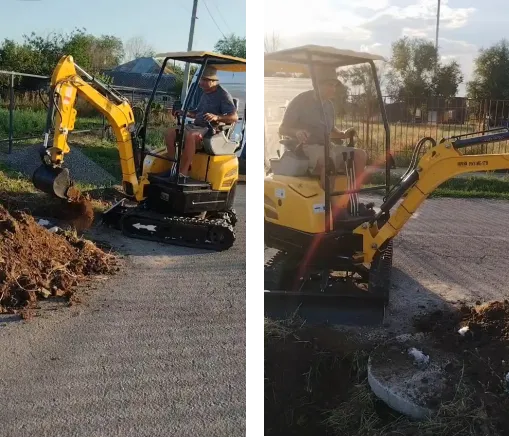
Homeowners frequently rent mini excavators for backyard transformations. Tasks include digging ponds, removing old patios, and grading soil for new lawns. The ability to navigate through side gates makes them perfect for suburban properties.
They are also essential for installing retaining walls and fire pits. The precise control allows operators to dig exact depths for foundation blocks, ensuring structural integrity while minimizing disturbance to the surrounding garden.
Utility Installation and Repair
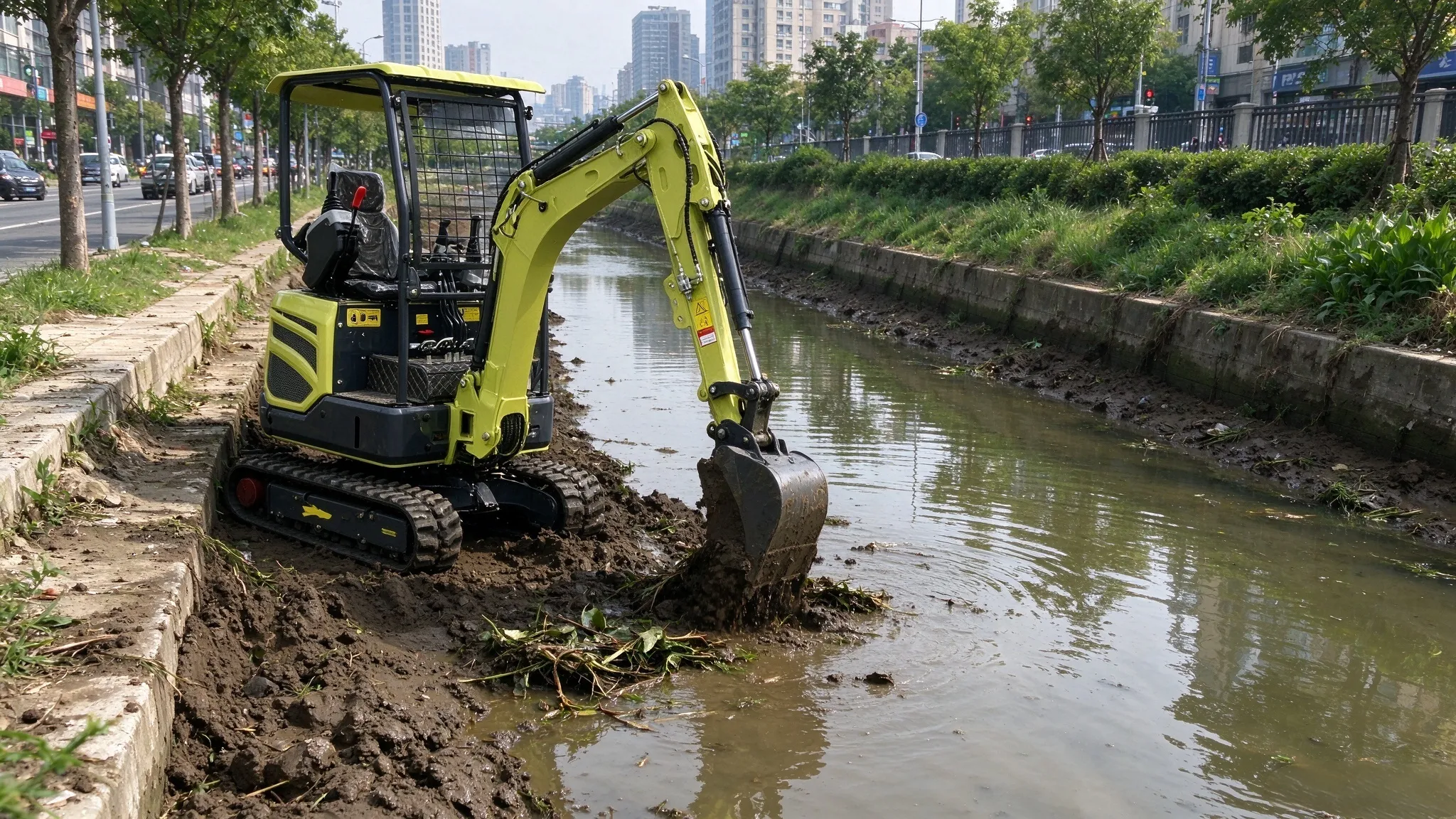
Contractors rely on mini excavators for digging trenches for water lines, gas pipes, and electrical conduits. Their narrow buckets can create precise trenches with minimal surface disruption, reducing restoration costs later.
In urban settings, these machines are used to expose underground utilities for repair without shutting down entire streets. Their agility allows them to work in traffic lanes or tight corners where larger excavators cannot maneuver.
Demolition and Debris Removal
Small-scale demolition is a core strength of mini excavators. Equipped with hydraulic breakers, they can crack concrete driveways, tear down small walls, and remove old swimming pools.
The grapple attachment is highly effective for sorting and loading debris into dump trucks. This capability streamlines the cleanup process, turning a multi-day manual job into a matter of hours.
Safety Best Practices for Operating Rented Equipment
Safety is paramount when operating heavy machinery, especially for those who may not use excavators daily. Accidents can result in severe injury or property damage. Adhering to established safety protocols protects both the operator and the job site.
Always receive a brief orientation from the rental provider if you are unfamiliar with the specific model. Even experienced operators should review the machine’s unique controls and safety features before starting the engine.
Pre-Operation Checks
Before engaging any hydraulics, conduct a thorough walk-around inspection. Look for loose tracks, leaking hoses, or low fluid levels. Ensure the seatbelt functions correctly and the rollover protective structure (ROPS) is intact.
Check the work area for overhead power lines, underground utilities, and unstable ground. Call 811 (in the US) or the local equivalent to have utilities marked before digging. Never assume you know where pipes or cables are buried.
Operational Guidelines
Maintain a stable stance by keeping the tracks parallel to the slope when working on inclines. Avoid lifting loads over the side of the machine, as this compromises stability. Always keep the bucket low to the ground when traveling to maintain a low center of gravity.
Be mindful of bystanders. Establish a clear safety zone around the swinging radius of the machine. Use a spotter if visibility is limited. Never leave the machine running unattended, and always lower the attachment to the ground before shutting off the engine.
Frequently Asked Questions (FAQ)
Addressing common queries helps clarify doubts regarding the rental process, costs, and operational requirements. These answers reflect industry standards and common practices observed among leading equipment suppliers in 2026.
Do I need a special license to rent a mini excavator?
In most jurisdictions, no special commercial license is required to rent or operate a mini excavator for personal or light commercial use. However, suppliers typically require a valid driver’s license and proof of insurance. Some companies may ask for references or a demonstration of competency if you lack prior experience.
Can I tow a mini excavator with my pickup truck?
Yes, most mini excavators under 6 tons can be towed by a heavy-duty pickup truck, provided you have the correct trailer and hitch setup. You must verify your truck’s towing capacity against the combined weight of the excavator and trailer. Units over 6 tons usually require a commercial truck and a low-boy trailer.
What happens if the rented excavator breaks down?
Reputable suppliers include breakdown support in their rental agreements. If the machine fails due to mechanical issues not caused by operator error, the supplier will typically repair it on-site or deliver a replacement unit promptly. Always report issues immediately to minimize project delays.
Are attachments included in the rental price?
Standard buckets (digging and grading) are usually included in the base rental rate. Specialized attachments like hydraulic breakers, augers, tilting buckets, or grapples often incur an additional daily or weekly fee. Clarify this during the quoting process to avoid surprise charges.
How far in advance should I book a mini excavator?
During peak construction seasons (spring and summer), it is advisable to book at least one to two weeks in advance to ensure availability of the specific size and attachments you need. In off-peak months, a few days’ notice is often sufficient, though early booking still secures better rates.
Maximizing Efficiency During Your Rental Period
To get the most value from your rental, planning and execution are critical. Efficient use of the machine ensures you complete the project within the rental window, avoiding costly extensions. Strategic planning also enhances safety and reduces wear on the equipment.
Prepare the site before the machine arrives. Clear away obstacles, mark utility lines, and stage materials. This allows the operator to start working immediately upon delivery, maximizing every billable hour.
Optimizing Workflow and Movement
Plan your digging pattern to minimize unnecessary movement. Position the spoil pile strategically so the machine does not have to swing excessively or travel far to dump soil. Efficient workflow reduces fuel consumption and speeds up project completion.
Utilize the machine’s full range of motion safely. Practice precise movements to reduce the need for re-digging or manual correction. Smooth operation not only saves time but also demonstrates competence, which can be beneficial if you plan to rent frequently.
Fuel Management and Refueling
Monitor fuel levels closely throughout the day. Running a diesel engine dry can introduce air into the system, causing starting difficulties and potential damage. Most rental agreements require returning the machine with a full tank, so factor in time for refueling before return.
Use the correct grade of diesel fuel as specified by the manufacturer. Contaminated fuel is a leading cause of engine failure in rented equipment. If possible, refuel from a clean, reputable source to ensure engine longevity during your rental period.
Conclusion: Making the Right Choice for Your Needs
Finding the right partner to rent mini excavator near me is a strategic decision that impacts your project’s timeline, budget, and safety. By understanding the various machine classes, evaluating local supplier services, and adhering to safety protocols, you can leverage these powerful tools effectively.
The 2026 market offers diverse options tailored to every need, from micro-excavators for tight indoor spaces to robust 8-ton units for heavy trenching. The key lies in matching the equipment’s capabilities with your specific site constraints and project goals. Whether you choose a rental fleet backed by global manufacturing giants or a local specialist, prioritizing quality and reliability ensures success.
Who is this best for? This solution is ideal for contractors managing residential renovations, landscapers expanding their service offerings, and homeowners tackling significant DIY earthmoving projects. If your work involves precision digging in confined areas or requires frequent mobilization, a local mini excavator rental is the optimal choice.
Ready to proceed? Start by auditing your site requirements and contacting local suppliers for detailed quotes. Prioritize vendors who offer transparent pricing, well-maintained fleets, and responsive support. Taking these steps ensures a seamless rental experience and successful project execution.

Please leave us a message


