



- Chinese
- French
- German
- Portuguese
- Spanish
- Russian
- Japanese
- Korean
- Arabic
- Irish
- Greek
- Turkish
- Italian
- Danish
- Romanian
- Indonesian
- Czech
- Afrikaans
- Swedish
- Polish
- Basque
- Catalan
- Esperanto
- Hindi
- Lao
- Albanian
- Amharic
- Armenian
- Azerbaijani
- Belarusian
- Bengali
- Bosnian
- Bulgarian
- Cebuano
- Chichewa
- Corsican
- Croatian
- Dutch
- Estonian
- Filipino
- Finnish
- Frisian
- Galician
- Georgian
- Gujarati
- Haitian
- Hausa
- Hawaiian
- Hebrew
- Hmong
- Hungarian
- Icelandic
- Igbo
- Javanese
- Kannada
- Kazakh
- Khmer
- Kurdish
- Kyrgyz
- Latin
- Latvian
- Lithuanian
- Luxembou..
- Macedonian
- Malagasy
- Malay
- Malayalam
- Maltese
- Maori
- Marathi
- Mongolian
- Burmese
- Nepali
- Norwegian
- Pashto
- Persian
- Punjabi
- Serbian
- Sesotho
- Sinhala
- Slovak
- Slovenian
- Somali
- Samoan
- Scots Gaelic
- Shona
- Sindhi
- Sundanese
- Swahili
- Tajik
- Tamil
- Telugu
- Thai
- Ukrainian
- Urdu
- Uzbek
- Vietnamese
- Welsh
- Xhosa
- Yiddish
- Yoruba
- Zulu
- Kinyarwanda
- Tatar
- Oriya
- Turkmen
- Uyghur

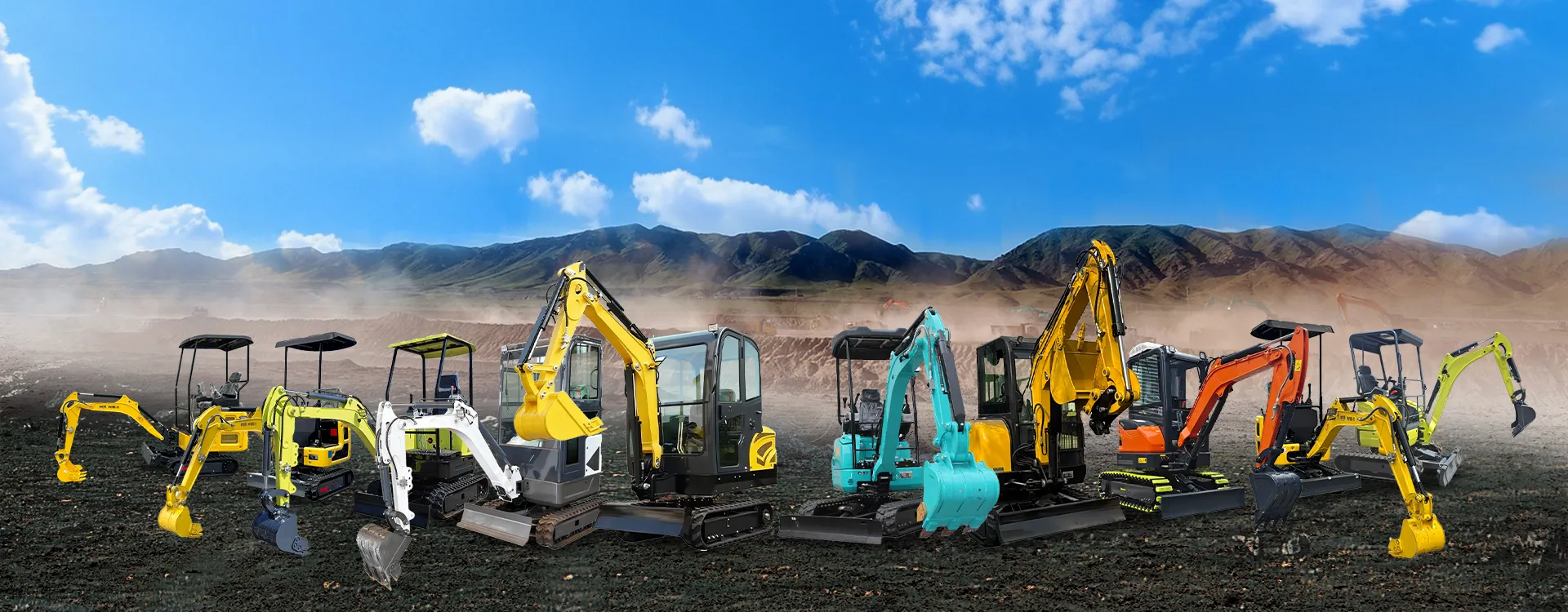
Renting eco-friendly mini excavators?
2026-01-31
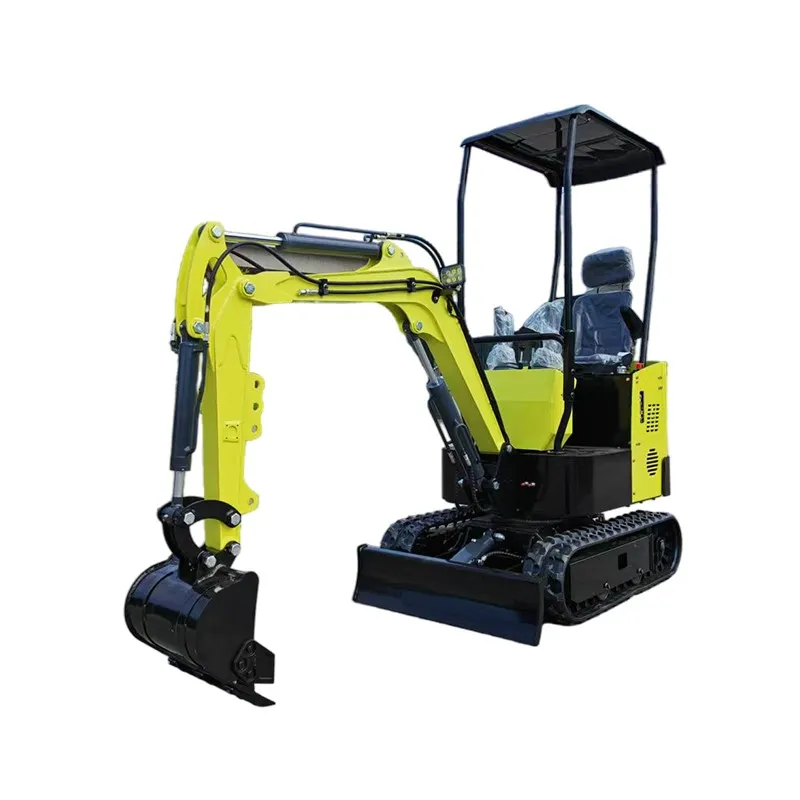
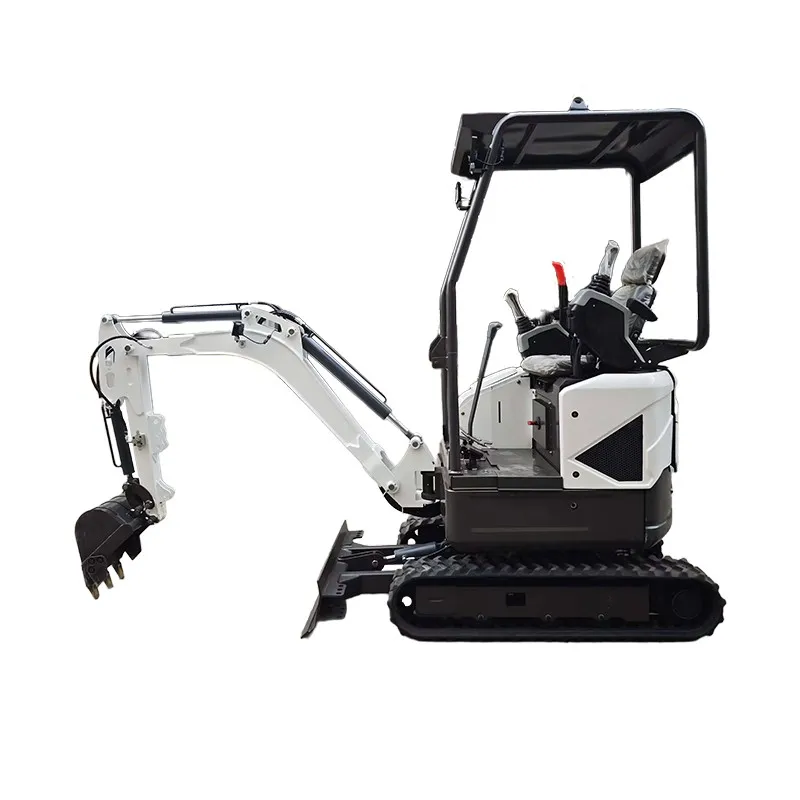
Let’s cut through the hype. When you hear eco-friendly mini excavator, what comes to mind? For most, it’s just lower emissions. But if you’re in the trenches managing urban utility work or a tight residential landscaping project, the reality is more nuanced. It’s not just about the machine being green on a spec sheet; it’s about how that translates on-site—noise compliance, fuel efficiency that actually saves money, and maintenance that doesn’t eat into your rental period. I’ve seen plenty of contractors rent a green machine only to find its performance so anemic it defeats the purpose. The real question isn’t whether to rent one, but which one, and for what specific job.
The Eco-Friendly Label: More Than Just an Engine
Manufacturers love slapping that label on anything with a slightly cleaner exhaust. But from a renter’s perspective, you need to dissect it. Is it a pure electric model, a hybrid, or just a Tier 4 Final diesel with good after-treatment? Each has a totally different operational profile. For instance, a pure electric eco-friendly mini excavator is fantastic for indoor demolition or hospitals where fumes are a no-go, but if your site lacks easy charging access, you’re stuck. The eco-benefit plummets if you need a diesel generator to power it—seen that happen.
Then there’s noise. True eco-friendliness in dense urban areas often hinges on decibel levels more than emissions. I recall a job near a school zone with strict noise ordinances before 9 AM. We rented a model boasting electric quietness, but its hydraulic pump was notoriously whiny. Passed the emission test, failed the neighbor test. The green aspect has to be holistic.
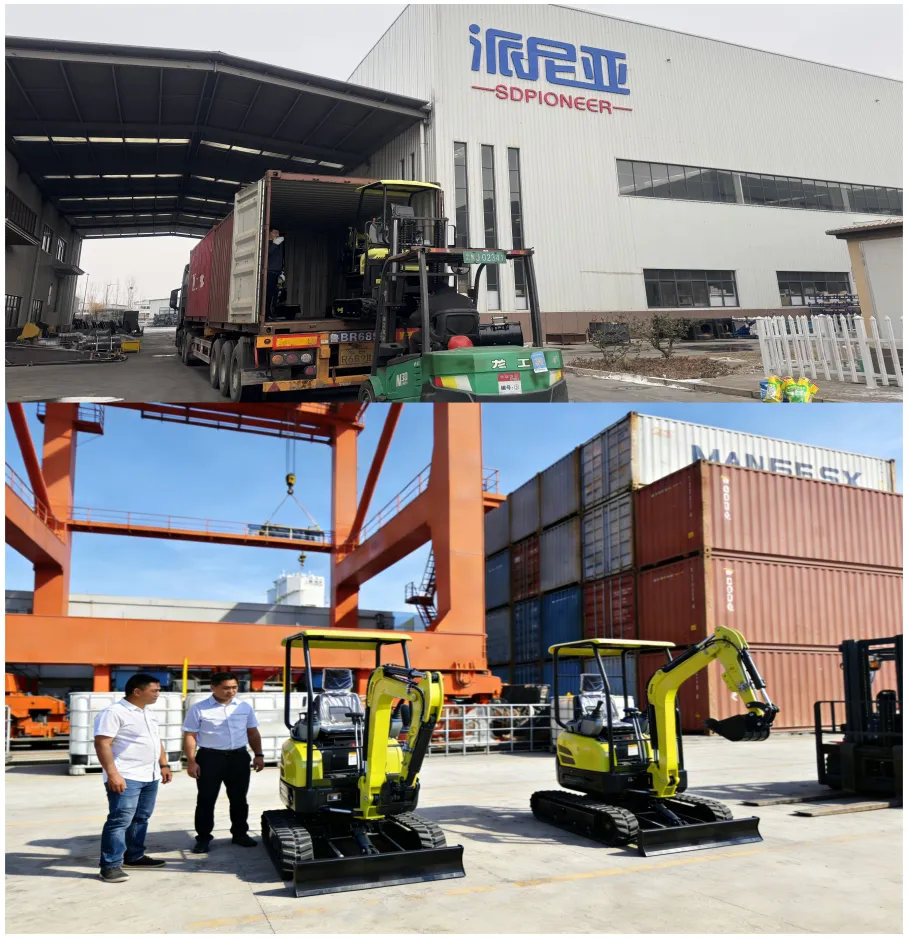
This is where specs from companies that focus on manufacturing matter. I’ve looked at machines from firms like Shandong Pioneer Engineering Machinery Co., Ltd. (you can find their range at https://www.sdpioneer.com). They’ve been in the game since 2004, and their shift to a new manufacturing base in 2023 seems geared towards scaling this kind of specialized production. Their export footprint to places like Germany and Australia suggests they’re building to standards that meet diverse regulatory environments, which is a good signal for performance consistency.
The Rental Calculus: Total Cost vs. Sticker Rate
Everyone looks at the daily or weekly rate. The savvy look at the total cost of operation. An eco-friendly mini excavator might rent at a 10-15% premium. You need to justify that. Fuel savings are the obvious start. A modern electric mini ex can run a full 8-hour shift on a charge for a fraction of the cost of diesel—but only if the battery lives up to its rating in cold weather. I had one whose runtime dropped by 40% in near-freezing conditions; the project timeline stretched, killing the savings.
Maintenance during the rental period is another hidden factor. Diesel particulate filters (DPF) on Tier 4 machines can regenerate unexpectedly. If you don’t operate it at high enough load for long enough—common in stop-start rental work—you risk a forced regeneration that wastes hours. Electric models have fewer moving parts, but what if the battery management system faults? Does the rental company provide a swap, or are you down for days? Always ask about the support protocol.
It’s about matching the machine to the duty cycle. For continuous, heavy trenching, a robust diesel might still be the most efficient overall. For sporadic, precision work in sensitive areas, electric wins. There’s no one-size-fits-all.
On-the-Ground Realities and Gotchas
Let’s talk about attachments. The eco-power train must handle them. An electric machine’s hydraulic flow might be optimized for efficiency, not peak power. We tried using a heavy-duty breaker on one, and it constantly overheated, going into limp mode. The manufacturer’s brochure showed it compatible, but real-world performance differed. Now, I always insist on a short demo with my intended attachment before signing the rental contract.
Another reality: operator familiarity. Send a veteran used to roaring diesels onto a whisper-quiet electric machine, and they might over-rev the electric motors, thinking it’s not working hard, or miss auditory cues from the hydraulics. A brief orientation is non-negotiable to avoid damage and realize the efficiency gains.
Companies that design for a global market, like the aforementioned Shandong Pioneer, often have to consider these operator ergonomics and attachment compatibility from the start for diverse clients from the US to Australia. That engineering focus can result in a more rental-ready machine, as it’s built for varied use-cases, not just a single market.
When It Makes Sense (And When It Doesn’t)
So, when should you absolutely consider renting one? First, regulated environments: inner-city sites, indoor projects, near schools or hospitals. The compliance benefit alone outweighs the cost. Second, long-duration, fixed-site projects where you can set up charging infrastructure. The total cost of energy becomes a major advantage. Third, public-facing projects where demonstrating environmental responsibility is part of the bid or public relations.
When to avoid? Remote sites with no power. Short-duration, high-power-demand projects (like breaking thick concrete) where the eco-machine’s continuous power output is insufficient. Also, if the rental company’s service network isn’t familiar with the technology. A broken traditional excavator can be fixed by most mechanics; a specialized electric one might need a factory-trained tech who’s days away.
It’s a tool, not a religion. Choose the right tool for the job, with the total cost and outcome in mind.
The Future is Contextual, Not Just Electric
The trend is clear, but the path isn’t just a straight line to all-electric. Hybrids that capture swing energy, more efficient hydraulic systems, and even hydrogen fuel cell prototypes are in the mix. For renters, this means more choices, but also more complexity in selection.
The key takeaway for anyone running projects is this: Eco-friendly is now a legitimate, practical category in equipment rental, not a gimmick. But its value is entirely situational. It demands more homework—checking real-world specs, understanding site constraints, and vetting the rental partner’s support. The goal isn’t to be green for green’s sake; it’s to complete the job more effectively, with fewer headaches, and sometimes, that aligns perfectly with renting a well-chosen eco-friendly mini excavator.
Suppliers evolving with this market, building a 20-year history like Pioneer and expanding their manufacturing footprint globally, are ones to watch. They’re responding to the same on-ground feedback we operators have. That alignment between maker and user is what will eventually make the rental decision a no-brainer for more and more job sheets.
Please leave us a message


