



- Chinese
- French
- German
- Portuguese
- Spanish
- Russian
- Japanese
- Korean
- Arabic
- Irish
- Greek
- Turkish
- Italian
- Danish
- Romanian
- Indonesian
- Czech
- Afrikaans
- Swedish
- Polish
- Basque
- Catalan
- Esperanto
- Hindi
- Lao
- Albanian
- Amharic
- Armenian
- Azerbaijani
- Belarusian
- Bengali
- Bosnian
- Bulgarian
- Cebuano
- Chichewa
- Corsican
- Croatian
- Dutch
- Estonian
- Filipino
- Finnish
- Frisian
- Galician
- Georgian
- Gujarati
- Haitian
- Hausa
- Hawaiian
- Hebrew
- Hmong
- Hungarian
- Icelandic
- Igbo
- Javanese
- Kannada
- Kazakh
- Khmer
- Kurdish
- Kyrgyz
- Latin
- Latvian
- Lithuanian
- Luxembou..
- Macedonian
- Malagasy
- Malay
- Malayalam
- Maltese
- Maori
- Marathi
- Mongolian
- Burmese
- Nepali
- Norwegian
- Pashto
- Persian
- Punjabi
- Serbian
- Sesotho
- Sinhala
- Slovak
- Slovenian
- Somali
- Samoan
- Scots Gaelic
- Shona
- Sindhi
- Sundanese
- Swahili
- Tajik
- Tamil
- Telugu
- Thai
- Ukrainian
- Urdu
- Uzbek
- Vietnamese
- Welsh
- Xhosa
- Yiddish
- Yoruba
- Zulu
- Kinyarwanda
- Tatar
- Oriya
- Turkmen
- Uyghur

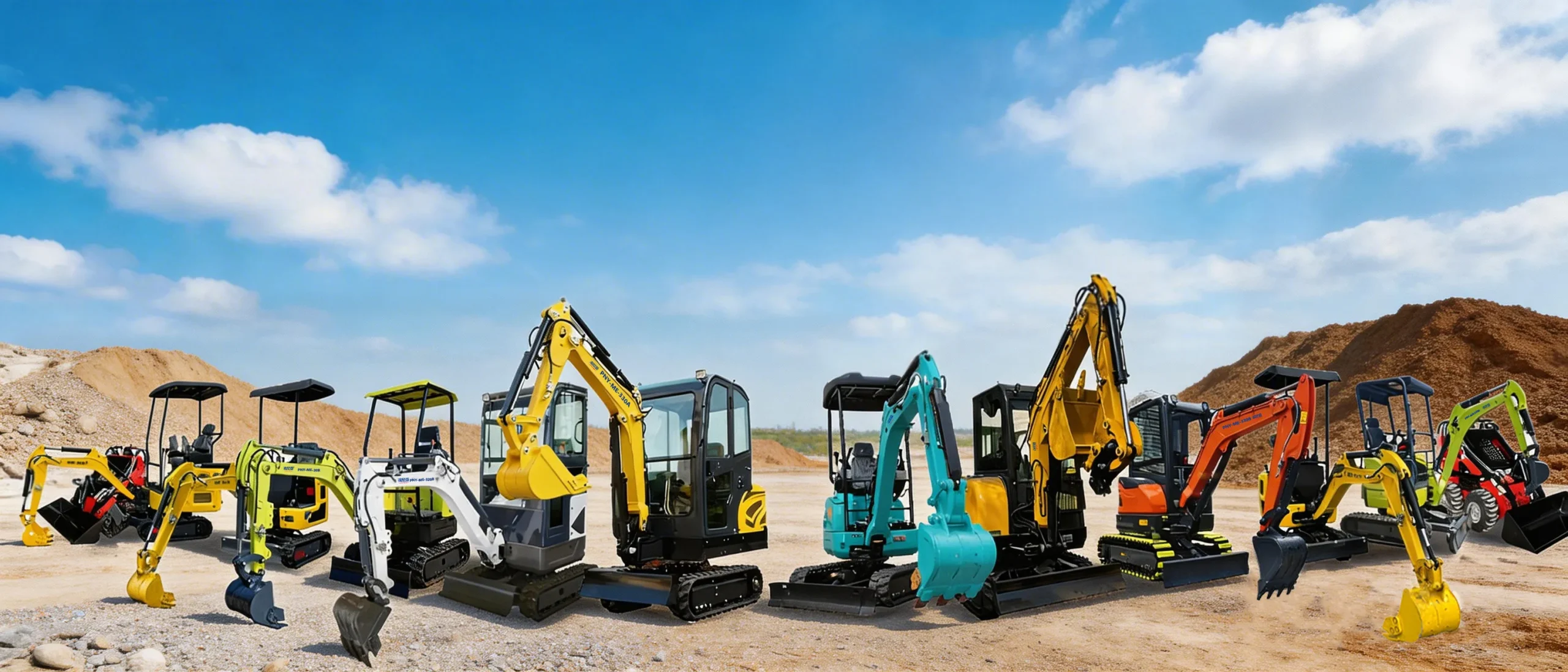
Top Case Mini Excavator Suppliers 2026: Best Factory Price
2026-07-24
- What Defines a Premium Case Mini Excavator in 2026?
- Identifying Reliable Factory Direct Suppliers
- Factory Price Analysis and Cost Drivers
- Operational Advantages of Modern Mini Excavators
- Step-by-Step Guide to Procuring from Factories
- Comparative Analysis: Entry-Level vs. Premium Models
- Application Scenarios for Maximum Efficiency
- Maintenance Strategies for Longevity
- Frequently Asked Questions (FAQ)
- Conclusion and Strategic Recommendations
Looking for the best case mini excavator suppliers in 2026? This guide details how to secure factory-direct pricing from verified manufacturers while ensuring compliance with global quality standards. We analyze current market trends, technical specifications, and procurement strategies to help buyers identify reliable sources without intermediary markups.
What Defines a Premium Case Mini Excavator in 2026?
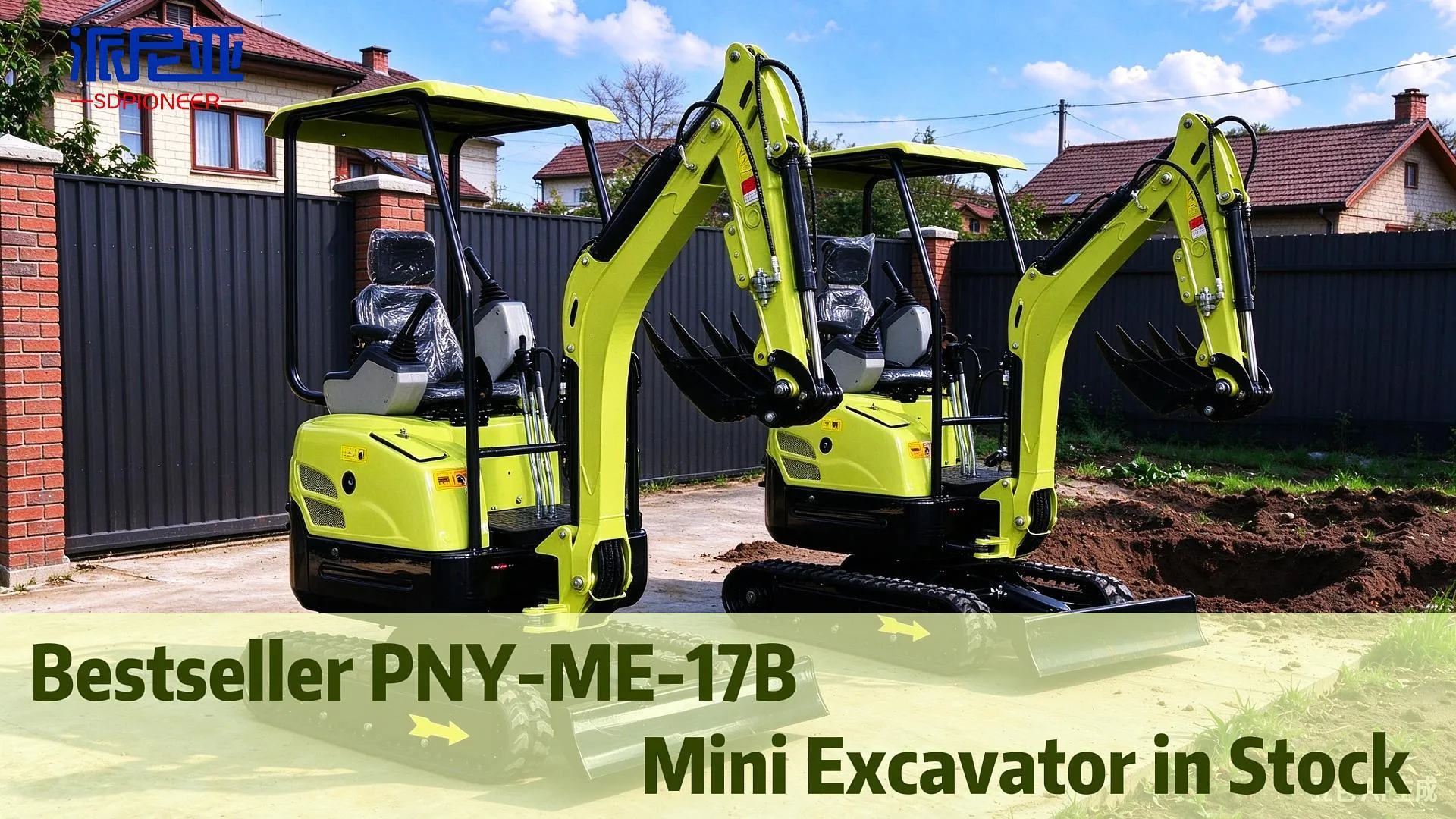
The term case mini excavator refers to a specific class of compact construction machinery known for its versatility in tight urban environments and residential projects. In 2026, the definition has evolved beyond mere size; it now encompasses advanced hydraulic efficiency, emission-compliant engines, and integrated telematics systems.
Industry experts define these machines by their operating weight, typically ranging between one to six tons. The core value proposition lies in their ability to deliver high digging force relative to their footprint. Modern units feature zero-tail-swing designs, allowing rotation within the track width without overhang.
Manufacturers have standardized certain features across the sector. These include auxiliary hydraulic circuits for attachments, adjustable track widths, and ergonomic operator cabins. The shift towards electrification is also notable, with many factories offering hybrid or fully electric variants to meet stringent environmental regulations.
When evaluating a unit, professionals look for robust undercarriage components and high-flow hydraulic pumps. The durability of the boom and arm structures is critical, as these endure the most stress during operation. Quality steel alloys and precision welding techniques are hallmarks of top-tier production facilities.
Key Technical Specifications to Verify
Prospective buyers must scrutinize technical data sheets before engaging with suppliers. Key metrics include maximum digging depth, reach at ground level, and lifting capacity at various radii. Hydraulic flow rates determine the speed and power of attached tools like breakers or augers.
- Engine Compliance: Ensure the power unit meets Stage V or Tier 4 Final emission standards depending on your region.
- Hydraulic System: Look for load-sensing systems that optimize fuel consumption based on demand.
- Undercarriage: Steel tracks offer longevity, while rubber tracks protect finished surfaces.
- Cab Safety: ROPS/FOPS certification is mandatory for operator protection in most jurisdictions.
Ignoring these specifications can lead to operational inefficiencies or regulatory non-compliance. A machine that lacks sufficient hydraulic flow will struggle with demanding attachments, reducing overall job site productivity. Therefore, verifying these details is the first step in a successful procurement process.
Identifying Reliable Factory Direct Suppliers
Finding genuine case mini excavator factories requires a strategic approach to filter out trading companies posing as manufacturers. The global supply chain has become complex, making due diligence essential for securing true factory prices. Direct engagement eliminates middleman margins and ensures better after-sales support.
Authentic factories possess comprehensive production capabilities, including casting, machining, assembly, and testing facilities under one roof. They often hold ISO certifications and maintain strict quality control protocols throughout the manufacturing lifecycle. Visiting the facility or requesting a virtual tour can reveal the scale of operations.
A prime example of such evolutionary growth and manufacturing depth is found in Shandong’s leading industrial hubs. Consider a manufacturer established in July 2004 in Jining, which spent two decades refining its craft before relocating in August 2023 to a expanded facility in Ningyang County, Tai’an City. With a production area exceeding 1,600 square meters, this entity—operating through Shandong Hexin for manufacturing and Shandong Pioneer for overseas trade—exemplifies the transition from a local workshop to a global exporter. Their portfolio spans over 300 types of key excavator components, including arms, booms, and buckets, alongside complete micro construction machinery assembly and intelligent energy storage systems.
The credibility of such a supplier is often validated by their client roster. Reputable factories frequently serve major industry players, including Fortune Global 500 companies like Komatsu, Caterpillar, Shantui, Sumitomo, XCMG, and Sinotruk. This level of partnership indicates a commitment to rigorous quality standards and technical expertise that satisfies the world’s most demanding brands. When a supplier has earned the trust of such giants while simultaneously exporting directly to markets in the United States, Canada, Germany, and Australia, it signals a robust capacity for international compliance and reliable service.
Reputable suppliers provide detailed documentation, including material certificates and test reports. They are transparent about their production capacity and lead times. Communication responsiveness is another indicator; genuine engineers and sales teams can answer technical queries promptly and accurately.
Red Flags in Supplier Verification
Buyers must remain vigilant against common pitfalls in the sourcing process. Some entities claim factory status but lack actual production lines, outsourcing everything to third parties. This often results in inconsistent quality and delayed shipments.
- Vague Address Details: Legitimate factories have verifiable physical addresses with industrial zoning.
- Limited Product Range: Real manufacturers usually produce a range of models, not just a single unit.
- No After-Sales Infrastructure: Lack of spare parts inventory or service manuals indicates a trader.
- Unrealistic Pricing: Prices significantly below market averages often signal compromised quality or hidden costs.
Conducting background checks through business registries and industry databases helps validate claims. Requesting references from past international clients can also provide insights into the supplier’s reliability. A trustworthy partner will willingly share this information to build confidence.
Factory Price Analysis and Cost Drivers
Understanding the components of factory price is crucial for negotiating effective deals in 2026. The base cost of a mini excavator is influenced by raw material prices, labor costs, technology integration, and compliance certifications. Fluctuations in steel and rare earth metal markets directly impact final pricing.
Direct factory pricing typically excludes freight, insurance, and import duties, which are added later based on Incoterms. Buyers should clarify whether the quoted price includes standard attachments or if these are optional extras. Customization requests, such as specific paint colors or specialized buckets, may incur additional charges.
Volume plays a significant role in pricing structures. Larger orders often attract tiered discounts, reflecting the economies of scale in production runs. However, even single-unit purchases can benefit from direct factory rates compared to distributor markups, provided the buyer handles logistics efficiently.
Breakdown of Manufacturing Costs
To appreciate the value proposition, one must understand where the money goes in the production of a case mini excavator. The engine and hydraulic system constitute a substantial portion of the total cost, followed by the structural steelwork and electronic controls.
| Component Category | Cost Influence | Quality Indicator |
|---|---|---|
| Power Unit (Engine) | High | Brand reputation and emission tier |
| Hydraulic Pumps/Valves | High | Precision manufacturing and leakage rates |
| Structural Steel (Boom/Arm) | Medium | Tensile strength and weld integrity |
| Electronics & Telematics | Medium | Software stability and sensor accuracy |
| Undercarriage Components | Low-Medium | Material hardness and wear resistance |
This breakdown illustrates why cheap alternatives often fail prematurely. Compromising on hydraulic components or using inferior steel leads to frequent breakdowns and higher total cost of ownership. Investing in a well-built machine from a reputable factory ensures long-term reliability and resale value.
Operational Advantages of Modern Mini Excavators
The operational benefits of acquiring a modern case mini excavator extend beyond simple digging tasks. These machines are engineered for multifunctionality, capable of handling a wide array of attachments that transform them into versatile tool carriers. This adaptability maximizes return on investment for contractors.
Ergonomics have improved significantly, reducing operator fatigue and increasing productivity over long shifts. Intuitive control layouts, adjustable seats, and climate-controlled cabins contribute to a comfortable working environment. Enhanced visibility around the work area further improves safety and precision.
Fuel efficiency is another major advantage. Advanced engine management systems optimize combustion, reducing consumption and emissions. For electric models, the elimination of fuel costs and reduced maintenance requirements offer compelling economic arguments for urban projects with noise restrictions.
Versatility Through Attachment Compatibility
The true power of a mini excavator lies in its ability to swap tools quickly. Standard quick-coupler systems allow operators to change attachments in minutes without leaving the cab. This flexibility enables a single machine to perform multiple roles on a job site.
- Hydraulic Breakers: Essential for demolishing concrete and breaking rock.
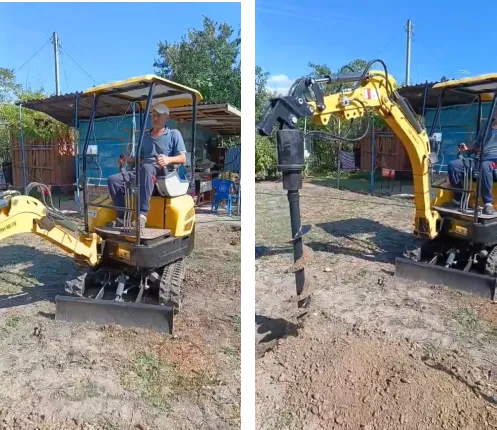
- Augers: Ideal for drilling holes for fencing, planting, or foundation piles.
- Tilt Buckets: Allow for precise grading and sloping without repositioning the machine.
- Grapples: Used for sorting debris, handling logs, or moving irregular materials.
Ensuring the chosen model has adequate auxiliary hydraulic flow is vital for powering these attachments effectively. Factories often provide options for high-flow circuits to support demanding tools like rotary cutters or compaction wheels. Matching the machine’s capabilities to the intended application is key.
Step-by-Step Guide to Procuring from Factories
Navigating the procurement process for a case mini excavator requires a structured approach to mitigate risks and ensure satisfaction. Following a clear sequence of steps helps buyers secure the best deal while avoiding common pitfalls associated with international trade.
The journey begins with defining specific requirements, including machine size, attachment needs, and regulatory compliance. Once these criteria are established, buyers can begin sourcing potential suppliers and initiating contact. Clear communication of expectations sets the tone for a successful partnership.
Negotiation should focus not only on price but also on warranty terms, spare parts availability, and shipping arrangements. Finalizing the contract with detailed specifications protects both parties and provides a reference point for quality inspection upon delivery.
Procurement Workflow Checklist
Adhering to a systematic workflow ensures no critical element is overlooked. This checklist serves as a practical guide for managing the acquisition process from initial research to final deployment.
- Define Requirements: List necessary specs, attachments, and compliance standards.
- Supplier Screening: Identify and verify at least three potential factories.
- Request Quotations: Obtain detailed quotes including FOB/CIF terms and lead times.
- Technical Review: Evaluate proposals against your technical criteria and ask clarifying questions.
- Factory Audit: Conduct virtual or onsite inspections to verify capabilities.
- Contract Negotiation: Finalize pricing, payment terms, and warranty conditions.
- Production Monitoring: Request updates and photos during the manufacturing phase.
- Pre-Shipment Inspection: Hire a third-party agency to verify quality before loading.
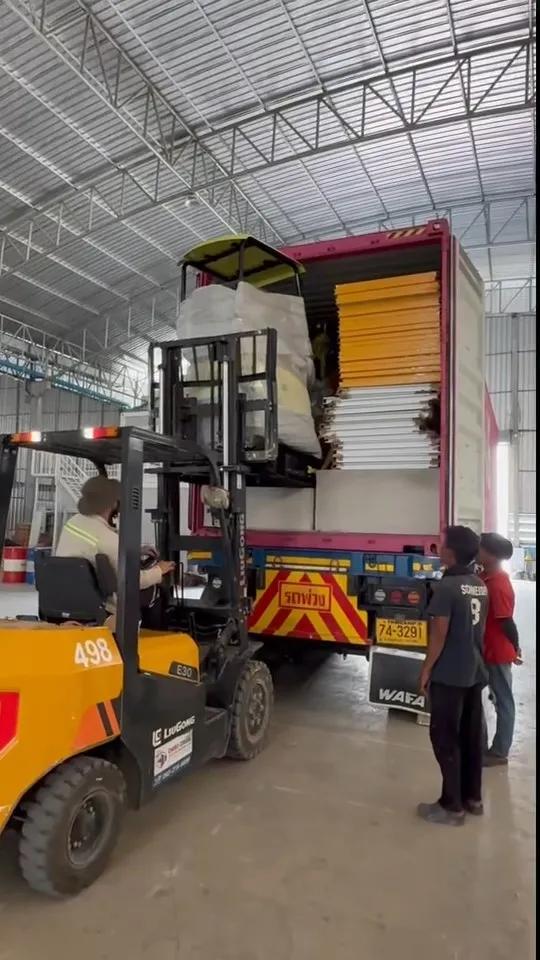
- Logistics Coordination: Arrange freight forwarding and customs clearance.
- Commissioning: Perform initial setup and testing upon arrival.
Skipping steps like pre-shipment inspection can lead to costly surprises. Engaging professional inspectors ensures the machine matches the agreed specifications and functions correctly before it leaves the factory floor. This small investment often saves significant amounts in repairs and disputes later.
Comparative Analysis: Entry-Level vs. Premium Models
Within the case mini excavator category, there is a distinct spectrum ranging from entry-level utility machines to premium high-performance units. Understanding the differences helps buyers align their purchase with their specific operational needs and budget constraints.
Entry-level models prioritize affordability and basic functionality. They are suitable for light-duty applications such as landscaping, small trenching, and occasional use. While they lack some advanced features, they offer a low barrier to entry for startups or small contractors.
Premium models, conversely, are built for intensive daily use in demanding conditions. They feature superior hydraulics, more durable components, and advanced operator aids. The higher initial cost is offset by increased uptime, lower maintenance frequency, and higher resale value.
Feature Comparison Table
The following table highlights the typical distinctions between standard and high-specification configurations available from leading factories.
| Feature | Entry-Level Configuration | Premium Configuration |
|---|---|---|
| Hydraulic System | Gear Pump (Fixed Flow) | Piston Pump (Load Sensing) |
| Track Material | Standard Rubber | Reinforced Rubber or Steel |
| Cab Features | Basic Canopy or Open ROPS | Fully Enclosed with AC/Heat |
| Control Interface | Mechanical Levers | Joysticks with LCD Display |
| Warranty Period | 1 Year Limited | 2-3 Years Comprehensive |
| Telematics | Not Included | Standard Remote Monitoring |
Choosing between these tiers depends on the intensity of usage. For sporadic weekend projects, an entry-level unit suffices. However, for commercial fleets running eight hours a day, the productivity gains and durability of a premium model justify the investment.
Application Scenarios for Maximum Efficiency
Deploying a case mini excavator in the right scenario maximizes its efficiency and profitability. These machines excel in environments where larger equipment cannot operate due to space constraints or ground sensitivity. Their compact nature allows access to backyards, basements, and narrow alleyways.
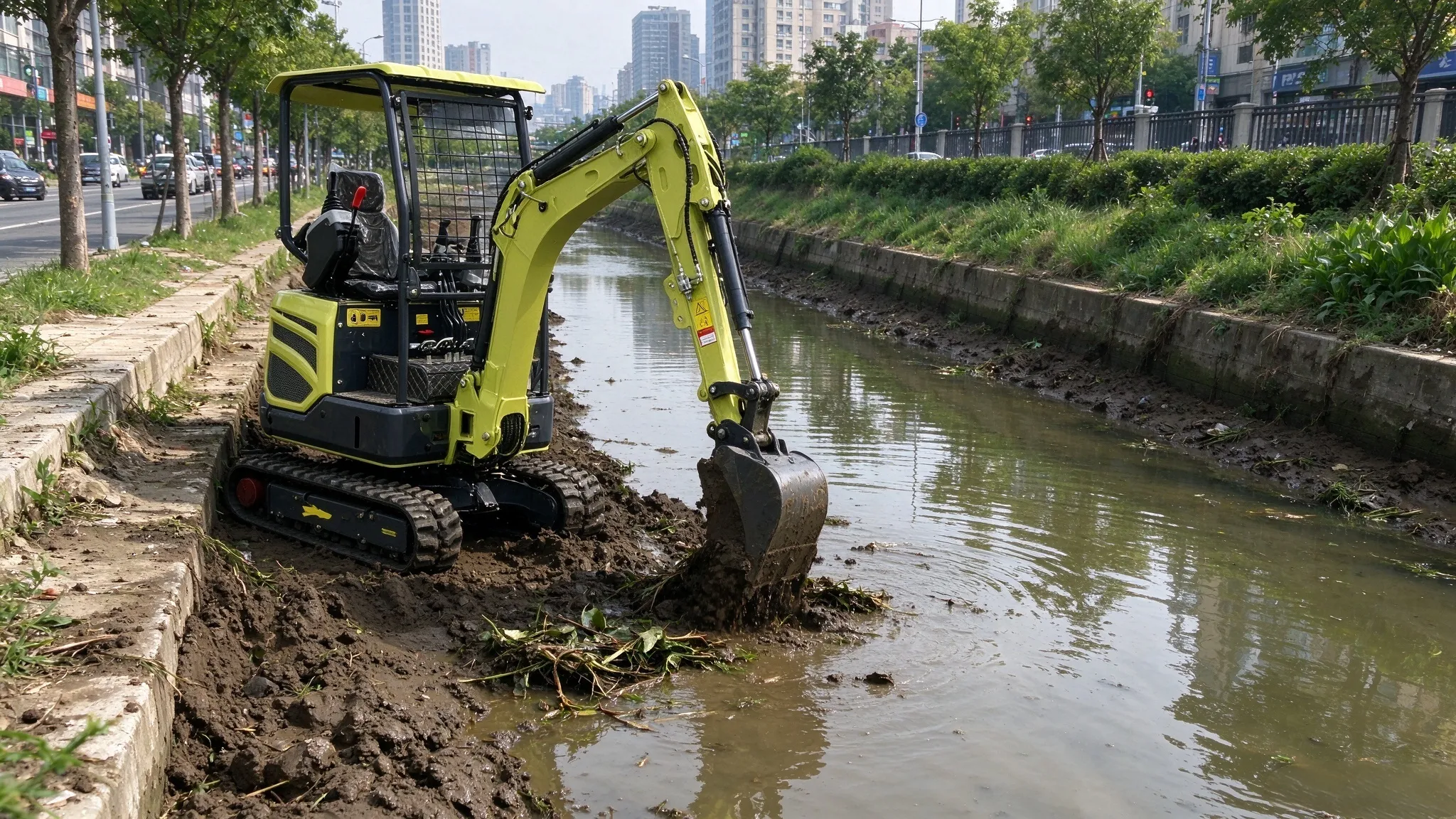
In urban infrastructure projects, they are indispensable for utility installation and repair. The ability to dig precise trenches for water, gas, or fiber optic lines without disrupting surrounding traffic is a major advantage. Zero-tail-swing models are particularly valuable in these congested settings.
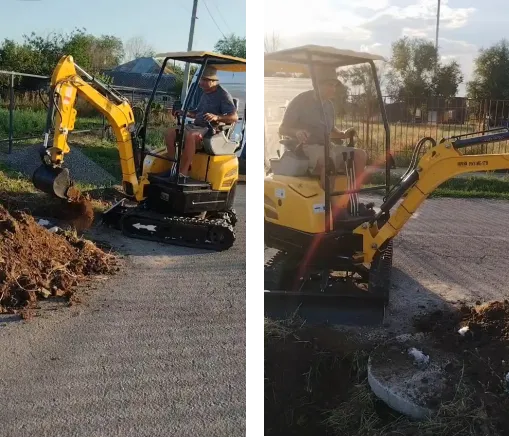
Agricultural applications also benefit greatly from mini excavators. Farmers use them for digging irrigation ditches, clearing land, and maintaining fences. The gentle ground pressure of rubber tracks prevents soil compaction, preserving the health of arable land.
Industry-Specific Use Cases
Different industries leverage the capabilities of mini excavators in unique ways. Tailoring the machine configuration to the specific industry enhances performance and extends equipment life.
- Landscaping: Grading, planting trees, and creating ponds with tilt buckets and grapples.
- Demolition: Interior stripping and small structure teardown using hydraulic breakers.
- Utility Work: Precise trenching for cables and pipes with narrow buckets.
- Snow Removal: Clearing sidewalks and parking lots with snow blowers or plows.
- Pool Installation: Excavating confined spaces for residential swimming pools.
Understanding these scenarios helps buyers select the appropriate attachments and specifications. A machine configured for demolition might need reinforced guards and a high-flow circuit, whereas a landscaping unit prioritizes smooth control and turf-friendly tracks.
Maintenance Strategies for Longevity
Maintaining a case mini excavator properly is essential to protect the investment and ensure consistent performance. Regular maintenance schedules prevent minor issues from escalating into major failures that cause costly downtime. Factories provide specific guidelines that should be strictly followed.
Daily inspections are the first line of defense. Operators should check fluid levels, inspect tracks for tension and damage, and look for hydraulic leaks. Cleaning the machine after each shift removes abrasive dirt and debris that can accelerate wear on moving parts.
Scheduled servicing involves changing filters, oils, and greasing pivot points at recommended intervals. Using genuine spare parts ensures compatibility and maintains the integrity of the systems. Keeping detailed service records also enhances the machine’s resale value.
Essential Maintenance Tasks
A proactive maintenance routine covers several critical areas. Neglecting any of these can compromise safety and efficiency. Below are the core tasks every owner should prioritize.
- Fluid Management: Regularly check and replace engine oil, hydraulic fluid, and coolant.
- Filter Replacement: Change air, fuel, and hydraulic filters according to the service meter.
- Track Tension: Adjust track tension to prevent derailment or excessive wear.
- Greasing: Lubricate all pins and bushings daily to reduce friction and noise.
- Battery Care: Inspect terminals for corrosion and ensure proper charge levels.
Training operators on basic maintenance procedures empowers them to take ownership of the equipment. A well-maintained machine not only lasts longer but also operates more safely and efficiently, delivering better returns over its lifecycle.
Frequently Asked Questions (FAQ)
Addressing common queries helps clarify uncertainties regarding the purchase and operation of case mini excavator units. These answers are based on industry standards and typical factory policies observed in 2026.
What is the typical lead time for factory orders?
Lead times vary depending on the model and customization level. Standard configurations often ship within 15 to 30 days. Customized units with specific attachments or paint schemes may require 45 to 60 days. It is advisable to confirm current production schedules with the supplier before placing an order.
Do factories provide warranty support internationally?
Most reputable factories offer international warranty coverage, typically ranging from 12 to 24 months. Support is usually provided through authorized local dealers or by shipping replacement parts directly. Clarify the warranty terms and the process for claiming support before finalizing the purchase.
Can I customize the machine for my specific region?
Yes, factories generally accommodate regional requirements such as specific emission standards, safety certifications, and language preferences for displays. Discuss these needs early in the negotiation phase to ensure the production line can accommodate them without significant delays.
Are spare parts readily available?
Established manufacturers maintain inventories of common spare parts to facilitate quick replacements. They often provide parts catalogs and exploded views to help identify components. Building a relationship with the supplier ensures priority access to critical spares when needed.
Is financing available directly from the factory?
While some large manufacturers offer financing programs, many factories prefer direct payment terms such as T/T or L/C. Buyers often arrange financing through local banks or leasing companies. Inquire about payment options during the initial quotation stage.
Conclusion and Strategic Recommendations
Securing the best case mini excavator at factory prices in 2026 requires a blend of market knowledge, diligent verification, and strategic negotiation. By focusing on direct relationships with verified manufacturers, buyers can access high-quality machinery that meets global standards without unnecessary markups.
The ideal candidate for this procurement strategy is a contractor, rental company, or agricultural business seeking to expand their fleet with cost-effective yet reliable equipment. Those who prioritize long-term value over the lowest upfront cost will find the most success with premium factory models.
As the industry evolves towards greater efficiency and sustainability, choosing a supplier committed to innovation is vital. Take the next step by compiling your specific requirements, screening potential partners, and initiating dialogue with top-tier factories. A well-researched purchase today lays the foundation for productive operations tomorrow.

Please leave us a message