



- Chinese
- French
- German
- Portuguese
- Spanish
- Russian
- Japanese
- Korean
- Arabic
- Irish
- Greek
- Turkish
- Italian
- Danish
- Romanian
- Indonesian
- Czech
- Afrikaans
- Swedish
- Polish
- Basque
- Catalan
- Esperanto
- Hindi
- Lao
- Albanian
- Amharic
- Armenian
- Azerbaijani
- Belarusian
- Bengali
- Bosnian
- Bulgarian
- Cebuano
- Chichewa
- Corsican
- Croatian
- Dutch
- Estonian
- Filipino
- Finnish
- Frisian
- Galician
- Georgian
- Gujarati
- Haitian
- Hausa
- Hawaiian
- Hebrew
- Hmong
- Hungarian
- Icelandic
- Igbo
- Javanese
- Kannada
- Kazakh
- Khmer
- Kurdish
- Kyrgyz
- Latin
- Latvian
- Lithuanian
- Luxembou..
- Macedonian
- Malagasy
- Malay
- Malayalam
- Maltese
- Maori
- Marathi
- Mongolian
- Burmese
- Nepali
- Norwegian
- Pashto
- Persian
- Punjabi
- Serbian
- Sesotho
- Sinhala
- Slovak
- Slovenian
- Somali
- Samoan
- Scots Gaelic
- Shona
- Sindhi
- Sundanese
- Swahili
- Tajik
- Tamil
- Telugu
- Thai
- Ukrainian
- Urdu
- Uzbek
- Vietnamese
- Welsh
- Xhosa
- Yiddish
- Yoruba
- Zulu
- Kinyarwanda
- Tatar
- Oriya
- Turkmen
- Uyghur


Top Mini Excavator Manufacturer 2026: Factory Direct Price
2026-05-19
- What Defines a Top Mini Excavator Manufacturer in 2026?
- Why Choose Factory Direct Pricing for Mini Excavators?
- Core Components and Engineering Standards
- Selecting the Right Mini Excavator for Your Application
- Step-by-Step Guide to Ordering Factory Direct
- Maintenance Best Practices for Longevity
- Frequently Asked Questions (FAQ)
- Future Trends in Mini Excavator Technology
- Conclusion: Making the Strategic Choice
Looking for a reliable mini excavator manufacturer in 2026? Factory direct pricing eliminates middlemen, offering significant cost savings without compromising quality. This guide details how to identify top-tier production facilities, understand current industry standards, and select the right compact excavation equipment for your specific operational needs. By sourcing directly, buyers gain access to customized configurations and comprehensive after-sales support essential for long-term project success.
What Defines a Top Mini Excavator Manufacturer in 2026?
The landscape of compact construction machinery has evolved rapidly. A leading mini excavator producer in 2026 is distinguished not just by output volume, but by technological integration and manufacturing precision. Industry experts define top-tier facilities as those that maintain strict quality control protocols while adapting to global emission standards and operator safety requirements.
Modern manufacturing hubs focus on modularity. This approach allows for rapid customization of hydraulic systems and undercarriage options. Unlike generic assembly lines, premium factories utilize robotic welding and automated testing benches to ensure every unit meets rigorous durability benchmarks before leaving the floor.
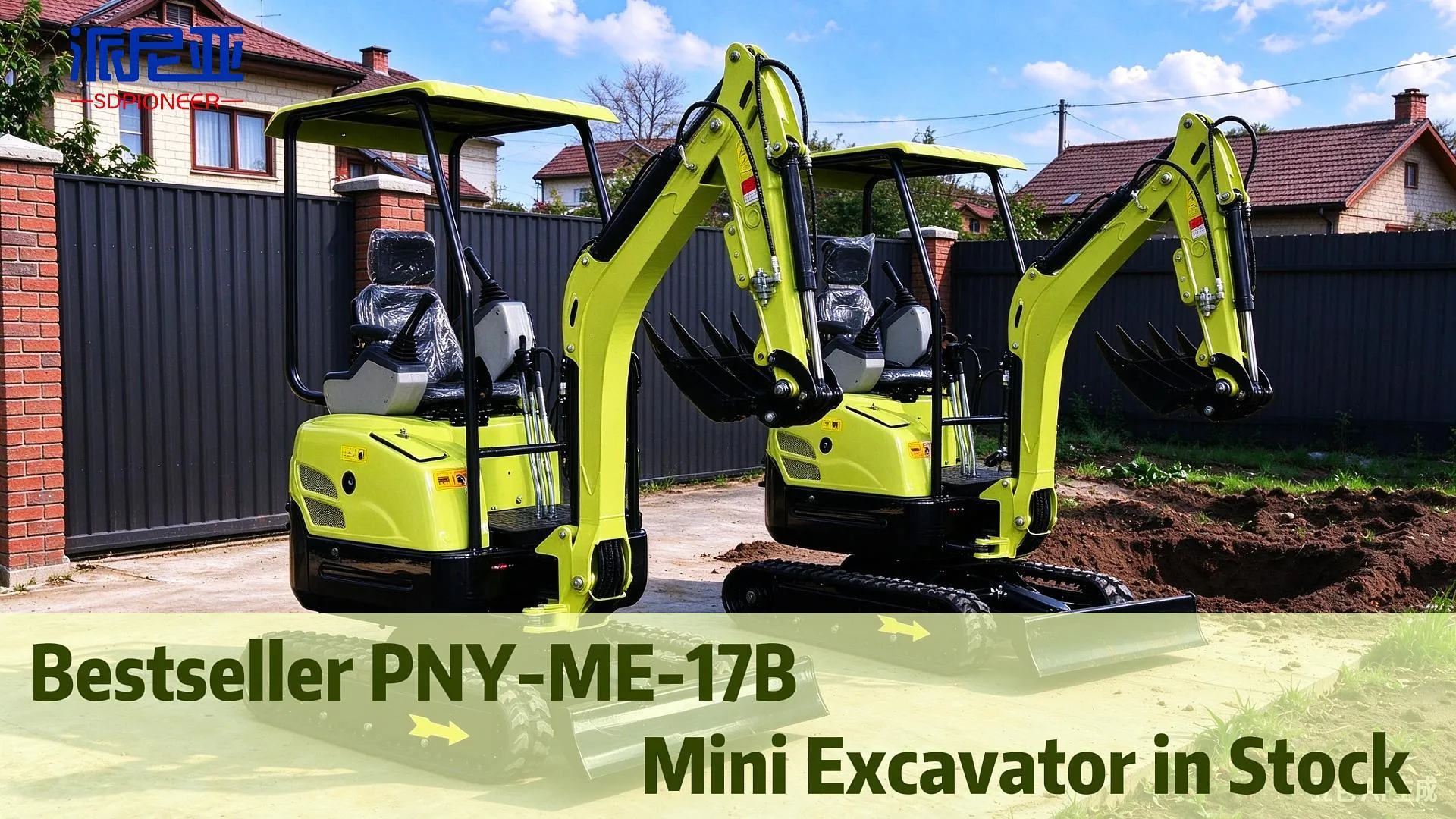
Buyers seeking factory direct prices must verify the manufacturer’s capability to produce core components in-house. Facilities that cast their own blocks or machine their own hydraulic valves often provide better consistency and faster parts availability. This vertical integration is a key marker of a true industry leader rather than a simple assembler. A prime example of this evolution is Shandong Hexin. Established in July 2004 in Jining, Shandong, the company spent two decades refining its craft before relocating in August 2023 to a state-of-the-art facility in Ningyang County, Tai’an City. With a robust production infrastructure, Shandong Hexin (manufacturing) and its overseas trade arm, Shandong Pioneer, have grown from a local workshop into a global supplier. Their expertise spans over 300 types of key excavator components—including arms, booms, and buckets—as well as complete micro construction machinery assembly. This depth of experience is validated by their partnerships with Fortune Global 500 giants such as Komatsu, Caterpillar, XCMG, and Sumitomo, proving that true manufacturing excellence is built on years of accumulated technical know-how and trusted service.
Key Technological Advancements in Compact Excavation
Recent years have seen a shift towards smarter hydraulics and enhanced ergonomics. The best manufacturers are integrating load-sensing systems that optimize fuel consumption based on real-time demand. This technology reduces operating costs significantly over the machine’s lifecycle.
- Advanced Hydraulic Efficiency: Modern systems minimize heat loss and deliver precise power to attachments, improving cycle times.
- Ergonomic Cab Design: Enhanced visibility, reduced noise levels, and intuitive joystick controls lower operator fatigue during long shifts.
- Telematics Integration: Remote monitoring allows fleet managers to track location, fuel usage, and maintenance needs instantly.
- Emission Compliance: Engines are calibrated to meet the latest global environmental regulations without sacrificing torque.
These features are no longer optional extras; they are standard expectations from a reputable mini excavator manufacturer. When evaluating potential suppliers, inquire specifically about their R&D investment in these areas to gauge their commitment to future-proofing their product line.
Why Choose Factory Direct Pricing for Mini Excavators?
Purchasing directly from the source offers undeniable financial and logistical advantages. The traditional supply chain involves multiple distributors, each adding a markup to cover their overhead and profit margins. By bypassing these intermediaries, buyers can secure equipment at a fraction of the retail cost.
Beyond price, factory direct engagement fosters a stronger relationship between the buyer and the builder. This direct line of communication ensures that specific site requirements are understood and addressed during the configuration phase. Customization becomes feasible, allowing for tailored boom lengths, bucket capacities, and track widths.
Furthermore, direct sourcing simplifies the after-sales process. Spare parts orders are processed faster, and technical support comes directly from the engineers who designed the machine. This reduces downtime and ensures that maintenance procedures are executed correctly, preserving the asset’s resale value.
Cost Breakdown: Dealer vs. Factory Direct
Understanding where costs accumulate in the supply chain helps justify the shift to direct purchasing. While dealers provide local inventory, their stock is often limited to standard configurations. Factories, conversely, build to order, reducing the risk of paying for unwanted features.
| Feature | Traditional Dealer Network | Factory Direct Purchase |
|---|---|---|
| Initial Cost | Higher due to multiple markups | Lower; wholesale pricing applied |
| Customization | Limited to in-stock options | High; built to specific specifications |
| Lead Time | Immediate for stock units only | Predictable production schedule |
| Technical Support | Varies by dealer expertise | Direct access to engineering teams |
| Parts Availability | Dependent on local warehouse | Direct shipment from main hub |
This comparison highlights that while dealers offer convenience for immediate small needs, large-scale projects or fleet expansions benefit immensely from the factory direct price model. The ability to specify exact requirements ensures the equipment performs optimally for the intended application.
Core Components and Engineering Standards
The longevity of a mini excavator depends heavily on the quality of its core components. A top manufacturer prioritizes the selection and testing of the engine, hydraulic pump, swing motor, and travel motors. These elements form the heart of the machine’s performance profile.
Engines sourced for premium compact excavators are typically from established global suppliers known for reliability and fuel efficiency. However, the integration is key. The manufacturer must ensure the engine mapping aligns perfectly with the hydraulic flow requirements to prevent lugging or overheating.
Hydraulic systems require particular attention. High-quality seals, hardened steel cylinders, and responsive control valves are non-negotiable. Leading factories conduct thousands of hours of endurance testing on these systems to guarantee they withstand the rigors of continuous digging, lifting, and swinging operations.
The Importance of Undercarriage Durability
The undercarriage absorbs the most abuse during operation. Whether working on rocky terrain, muddy construction sites, or paved urban streets, the tracks and rollers must maintain integrity. Premium manufacturers use high-strength steel and specialized heat treatment processes to enhance wear resistance.
- Track Tensioners: Automatic or easy-adjust tensioners maintain optimal track tightness, preventing derailment and excessive wear.
- Roller and Idler Quality: Sealed and lubricated components extend service intervals and reduce friction losses.
- Sprocket Design: Precision-machined sprockets ensure smooth engagement with the track links, reducing noise and vibration.
- Frame Reinforcement: The main chassis is reinforced at stress points to handle heavy attachment loads without cracking.
Neglecting undercarriage quality leads to frequent replacements and costly downtime. When evaluating a mini excavator manufacturer, request detailed specifications regarding their undercarriage materials and warranty terms. This often reveals the true build quality of the machine.
Selecting the Right Mini Excavator for Your Application
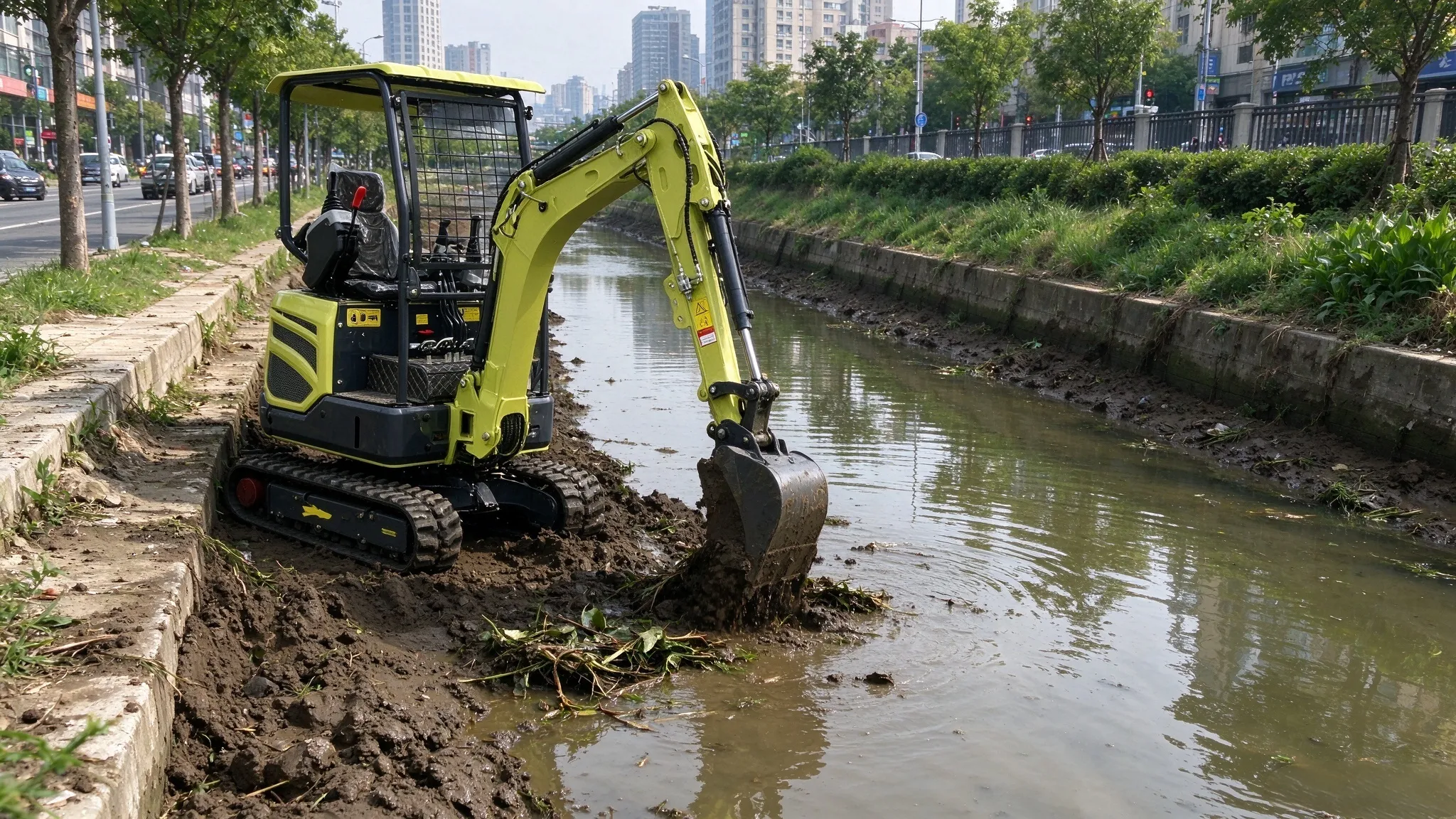
Not all compact excavators are created equal. The ideal machine depends entirely on the specific tasks it will perform. From narrow alleyway utility work to heavy-duty landscaping, the range of available models caters to diverse operational environments.
Weight class is the primary differentiator. Machines under one ton are perfect for indoor demolition and tight spaces, while those in the 3-to-5-ton range offer a balance of power and portability for general contracting. Larger mini excavators, approaching 8 tons, provide near-full-size performance in a compact footprint.
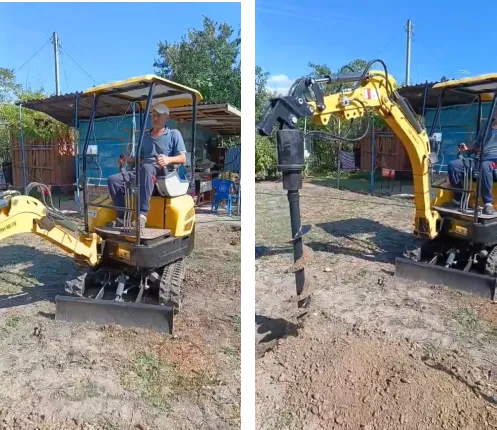
Attachment compatibility is another critical factor. A versatile machine should support a wide array of tools, including breakers, augers, grapples, and tilt buckets. The hydraulic flow rate and auxiliary plumbing options determine how effectively these attachments can be utilized.
Operational Scenarios and Model Matching
Matching the machine to the job site conditions maximizes productivity and minimizes wear. Understanding the nuances of different applications helps in making an informed purchasing decision directly from the factory.
| Application Scenario | Recommended Features | Ideal Weight Class |
|---|---|---|
| Urban Utility Work | Zero tail swing, rubber tracks, compact width | 1.0 – 2.5 Tons |
| Landscaping & Gardening | High flow hydraulics, angle blade, versatile bucket | 2.5 – 4.0 Tons |
| Demolition (Interior) | Protected hydraulics, cabin guards, low emission engine | 1.5 – 3.0 Tons |
| Trenching & Pipelaying | Long reach boom, dozer blade stability, deep dig capability | 4.0 – 6.0 Tons |
| Agricultural Use | Easy cleaning design, robust cooling system, auger drive | 3.0 – 5.0 Tons |
By identifying the primary use case, buyers can communicate precise requirements to the mini excavator manufacturer. This ensures the factory configures the machine with the appropriate boom geometry, track type, and hydraulic settings for optimal performance.
Step-by-Step Guide to Ordering Factory Direct
Navigating the direct purchasing process requires a structured approach to ensure clarity and satisfaction. Unlike buying off the lot, ordering from a factory involves a collaborative configuration phase. Following these steps streamlines the acquisition of your new equipment.
First, conduct a thorough needs analysis. Determine the maximum digging depth, lift capacity, and transport width constraints for your projects. This data forms the basis of your specification sheet. Next, identify reputable manufacturers with a proven track record in your required weight class.
Once a potential partner is identified, initiate contact with a detailed inquiry. Specify your desired engine brand, hydraulic preferences, and any special attachments. Request a formal quotation that includes shipping terms, estimated production time, and warranty details.
Verification and Quality Assurance Steps
Before finalizing the order, verification is crucial. Reputable factories welcome virtual tours or third-party inspections. This step confirms the production capacity and quality control measures currently in place at the facility.
- Request Documentation: Ask for ISO certifications, test reports, and compliance certificates for your target market.
- Review Contract Terms: Ensure clear clauses regarding payment schedules, delivery timelines, and spare parts provisioning.
- Arrange Inspection: Hire an independent inspector to verify the build quality before shipment leaves the factory floor.
- Confirm Logistics: Coordinate with freight forwarders experienced in heavy machinery transport to handle customs and delivery.
- Plan Training: Arrange for operator training materials or sessions to ensure your team can utilize the new equipment safely.
This systematic approach mitigates risks associated with international trade and ensures that the mini excavator received matches the agreed-upon specifications. It transforms the purchasing process from a transaction into a strategic partnership.
Maintenance Best Practices for Longevity
Investing in a high-quality machine is only the first step; proper maintenance ensures it remains a productive asset for years. Factory direct buyers often receive comprehensive maintenance manuals tailored to their specific serial number and configuration.
Daily inspections are the frontline defense against major failures. Operators should check fluid levels, inspect tracks for damage, and look for hydraulic leaks before starting the engine. Addressing minor issues immediately prevents them from escalating into costly repairs.
Scheduled servicing according to the manufacturer’s hour-meter intervals is vital. This includes changing engine oil, hydraulic filters, and fuel filters. Using genuine parts recommended by the mini excavator manufacturer guarantees compatibility and maintains warranty validity.
Common Maintenance Pitfalls to Avoid
Even with robust engineering, neglect can shorten a machine’s life. Understanding common mistakes helps operators and fleet managers avoid unnecessary downtime and expense. Awareness of these pitfalls promotes a culture of proactive care.
- Ignoring Grease Points: Failing to lubricate pivot points daily causes premature wear on pins and bushings, leading to sloppy operation.
- Using Incorrect Fluids: Substituting recommended hydraulic oil or coolant can damage seals and reduce system efficiency.
- Overlooking Track Tension: Tracks that are too loose or too tight accelerate wear on rollers and sprockets, increasing fuel consumption.
- Neglecting Air Filters: In dusty environments, clogged air filters restrict engine airflow, causing power loss and potential internal damage.
- Skipping Winterization: Failing to drain water or use antifreeze in cold climates can crack engine blocks and hydraulic tanks.
Adhering to a disciplined maintenance schedule protects your investment. Manufacturers often provide digital logs or apps to track service history, making it easier to stay on top of these critical tasks and maintain the machine’s resale value.
Frequently Asked Questions (FAQ)
Prospective buyers often have specific concerns when considering a direct purchase from a mini excavator manufacturer. Addressing these common questions provides clarity and builds confidence in the decision-making process.
What is the typical lead time for a factory direct order?
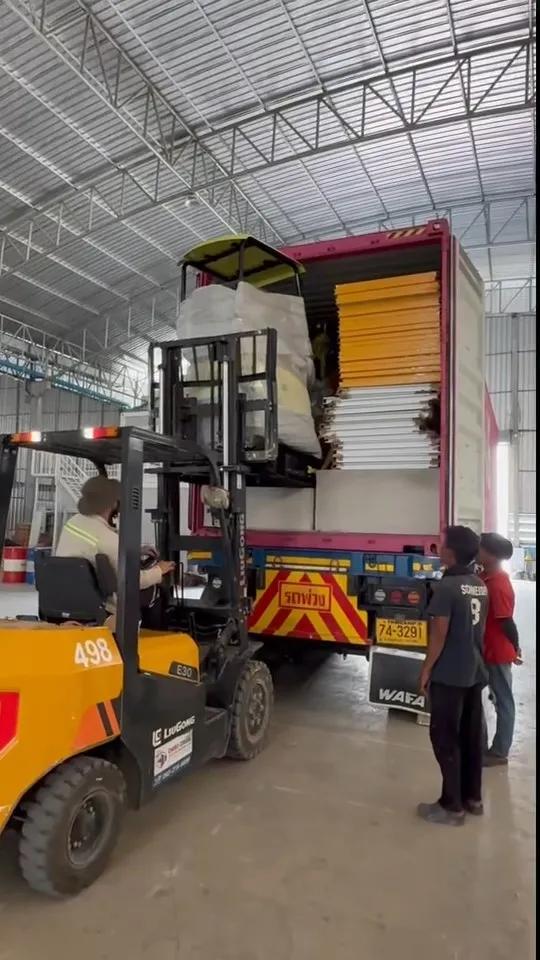
Production times vary based on customization levels and current order volume. Generally, standard configurations take 4 to 6 weeks, while highly customized units may require 8 to 10 weeks. Shipping time is additional and depends on the destination port.
Can I customize the color and branding of the excavator?
Yes, most top manufacturers offer OEM services. You can select custom paint colors and apply your company logo to the boom, arm, and cab. This is particularly beneficial for rental companies or contractors looking to strengthen their brand identity.
How does the warranty work for international buyers?
Warranties typically cover major components like the engine, pump, and swing motor for a specified period or hour count. Manufacturers often ship replacement parts via air freight for urgent warranty claims and provide remote technical guidance for repairs.
Are these machines compliant with US or EU emission standards?
Leading manufacturers produce engines that meet Tier 4 Final (USA) and Stage V (Europe) emission regulations. It is essential to specify your target market during the inquiry to ensure the correct engine calibration is installed.
What payment terms are usually offered?
Standard terms often involve a deposit upon order confirmation, with the balance due before shipment or against copy of the Bill of Lading. Letters of Credit (L/C) are also commonly accepted for larger orders to ensure security for both parties.
Future Trends in Mini Excavator Technology
The industry is moving towards greater sustainability and automation. As we look beyond 2026, electric mini excavators are gaining traction, especially for indoor and urban applications where zero emissions and low noise are mandatory. Battery technology improvements are extending operational hours, making electric models more viable for full-shift work.
Automation features are also emerging. Semi-autonomous functions, such as return-to-dig and grade control assistance, are becoming more accessible in the compact segment. These technologies help less experienced operators achieve professional results, addressing the skilled labor shortage in the construction sector.
Connectivity will continue to deepen. Future models will likely come with advanced telematics as standard, offering predictive maintenance alerts and seamless integration with construction management software. A forward-thinking mini excavator manufacturer is already investing in these technologies to stay ahead of the curve.
The Shift Towards Electrification
Electric propulsion offers distinct advantages beyond environmental compliance. Electric motors provide instant torque, resulting in snappier response times and smoother control. They also have fewer moving parts, which translates to reduced maintenance requirements and lower lifetime operating costs.
- Noise Reduction: Electric units operate almost silently, enabling work in noise-sensitive areas like hospitals and schools during extended hours.
- Energy Efficiency: Regenerative braking systems capture energy during swing and boom lowering, recharging the battery and extending runtime.
- Indoor Safety: Zero exhaust emissions eliminate the need for complex ventilation systems when working inside buildings.
- Lower TCO: Despite higher upfront costs, the savings on fuel and maintenance often result in a lower total cost of ownership over five years.
While diesel remains dominant for heavy-duty and remote applications, the trajectory is clear. Buyers planning for the future should consider manufacturers who offer both traditional and electric platforms, ensuring flexibility as regulations tighten and technology matures.
Conclusion: Making the Strategic Choice
Selecting the right equipment partner is a strategic decision that impacts project profitability and operational efficiency. A top mini excavator manufacturer in 2026 offers more than just hardware; they provide a partnership rooted in quality, innovation, and direct support. By choosing factory direct pricing, you unlock significant cost savings and the ability to tailor machines to your exact needs.
This approach is ideal for contractors expanding their fleets, rental companies seeking durable assets, and businesses requiring specialized configurations. The combination of advanced engineering, rigorous quality control, and streamlined logistics makes direct sourcing the smart choice for informed buyers.
To move forward, assess your specific project requirements and reach out to verified manufacturers for detailed consultations. Request quotes, compare technical specifications, and prioritize suppliers who demonstrate transparency and a commitment to long-term support. Investing in the right mini excavator today sets the foundation for successful projects tomorrow.

Please leave us a message


