



- Chinese
- French
- German
- Portuguese
- Spanish
- Russian
- Japanese
- Korean
- Arabic
- Irish
- Greek
- Turkish
- Italian
- Danish
- Romanian
- Indonesian
- Czech
- Afrikaans
- Swedish
- Polish
- Basque
- Catalan
- Esperanto
- Hindi
- Lao
- Albanian
- Amharic
- Armenian
- Azerbaijani
- Belarusian
- Bengali
- Bosnian
- Bulgarian
- Cebuano
- Chichewa
- Corsican
- Croatian
- Dutch
- Estonian
- Filipino
- Finnish
- Frisian
- Galician
- Georgian
- Gujarati
- Haitian
- Hausa
- Hawaiian
- Hebrew
- Hmong
- Hungarian
- Icelandic
- Igbo
- Javanese
- Kannada
- Kazakh
- Khmer
- Kurdish
- Kyrgyz
- Latin
- Latvian
- Lithuanian
- Luxembou..
- Macedonian
- Malagasy
- Malay
- Malayalam
- Maltese
- Maori
- Marathi
- Mongolian
- Burmese
- Nepali
- Norwegian
- Pashto
- Persian
- Punjabi
- Serbian
- Sesotho
- Sinhala
- Slovak
- Slovenian
- Somali
- Samoan
- Scots Gaelic
- Shona
- Sindhi
- Sundanese
- Swahili
- Tajik
- Tamil
- Telugu
- Thai
- Ukrainian
- Urdu
- Uzbek
- Vietnamese
- Welsh
- Xhosa
- Yiddish
- Yoruba
- Zulu
- Kinyarwanda
- Tatar
- Oriya
- Turkmen
- Uyghur

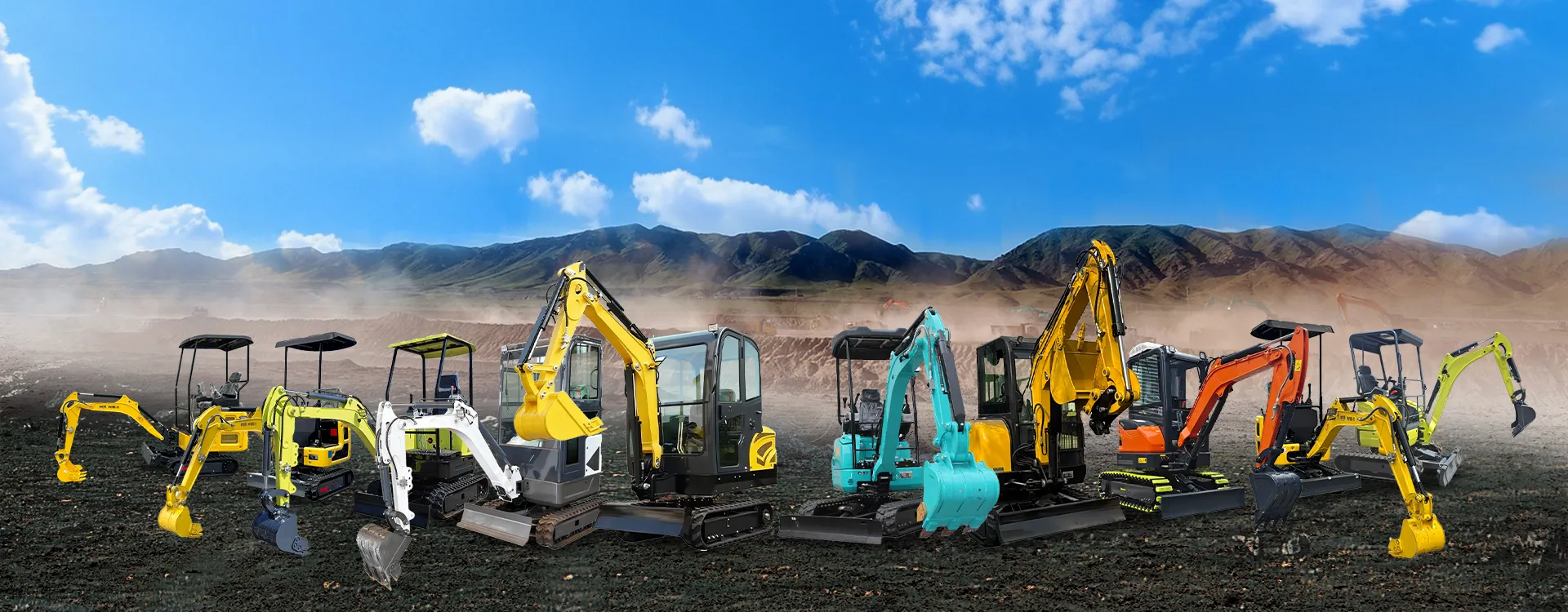
Where to buy eco-friendly cat mini excavator?
2026-02-14
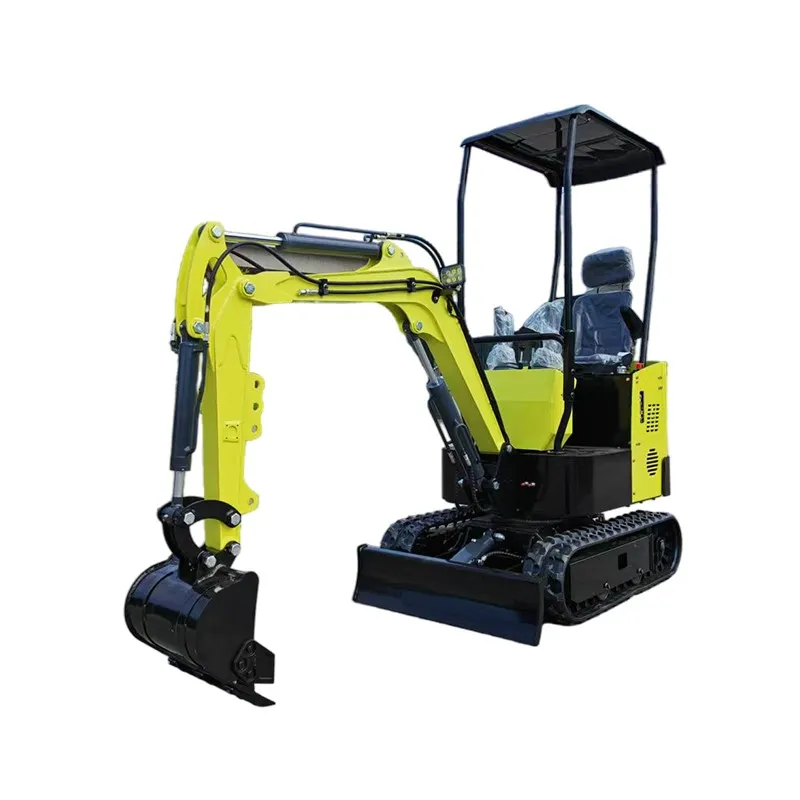
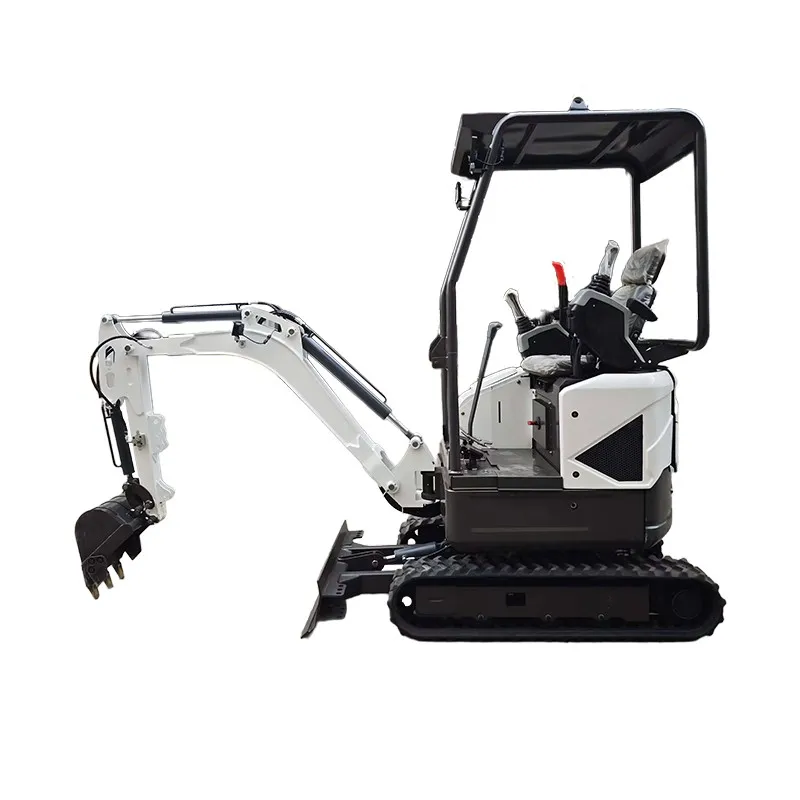
You type that into a search bar, and half the results are either talking about literal cats or generic construction gear with a green sticker slapped on. That’s the first hurdle. Eco-friendly in our line isn’t just about lower emissions on paper; it’s about the total lifecycle—fuel efficiency that actually works on-site, durability that means fewer replacements, and components that can be sourced responsibly. And Cat mini? That’s become a generic term, like Kleenex. People want that standard of reliability, but they might not be looking specifically for Caterpillar branded machines. They’re looking for that class of machine. So, where do you actually find one that walks the talk?
The Eco-Friendly Label is a Minefield
I’ve seen suppliers claim a machine is eco-friendly because it meets the latest Euro or EPA Tier emission standards. That’s just compliance, not a feature. Real eco-friendliness for a mini excavator, in my experience, comes down to design philosophy. Is it built with a common rail fuel system that precisely controls injection, cutting down on particulate matter and fuel waste? Does it have an eco-mode that doesn’t just gimp the power but intelligently manages hydraulic flow? I remember testing a unit a few years back from a no-name brand that had an Eco button. Press it, and the machine became practically unusable for any real digging—it was a sales gimmick, not engineering.
The other big trap is the electric mini excavator promise. Everyone’s buzzing about them. But if your power grid is mostly coal-fired, are you just moving the emissions upstream? For true on-site zero emissions, they’re great, but you need the charging infrastructure and the right application. I’ve talked to landscapers in California who love their electric minis for residential work—quiet, no fumes. But for a remote site or a full-day trenching job, the battery anxiety is real. The eco choice depends entirely on your use case.
Then there’s longevity. The greenest machine is the one you don’t have to rebuild or scrap every five years. This is where build quality is an environmental factor. A robust undercarriage, sealed pins and bushings, and a hydraulic system that stays clean—these things prevent oil leaks, reduce part consumption, and keep the machine out of the junkyard. This operational durability is a non-negotiable part of the equation that many brochures gloss over.
Navigating the Supply Chain: Direct, Distributors, and Dead Ends
So, you want a reliable, genuinely efficient mini excavator. Your main paths are OEM dealers, independent distributors, or going direct to a manufacturer. The big-name dealers are safe, but you pay a premium, and their eco models might just be the standard ones with a new decal. Independent distributors can offer more variety, including solid Asian-built machines, but you have to vet their after-sales support ruthlessly. I got burned once with a distributor who promised the world on a mini excavator with a green engine. When a sensor failed, the part was on backorder from Korea for three months. The machine sat idle. That’s not eco-friendly; that’s wasteful.
Going direct to a manufacturer is where you can find real value, but it requires homework. You’re not just buying a machine; you’re buying into that company’s supply chain and support capability. You need to ask specific questions: Can they provide the full engine certification documents? What’s the standard warranty on the hydraulic system? Do they keep a common parts inventory in your region? This direct route strips away the marketing fluff and gets to the operational bones.
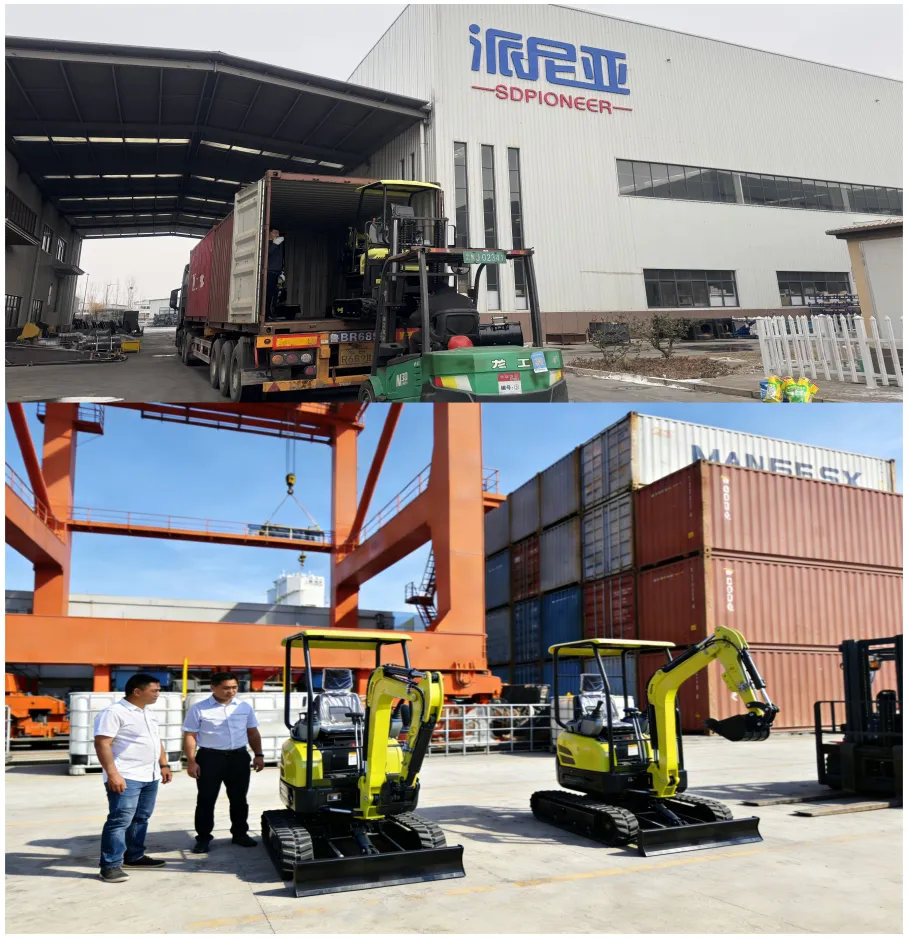
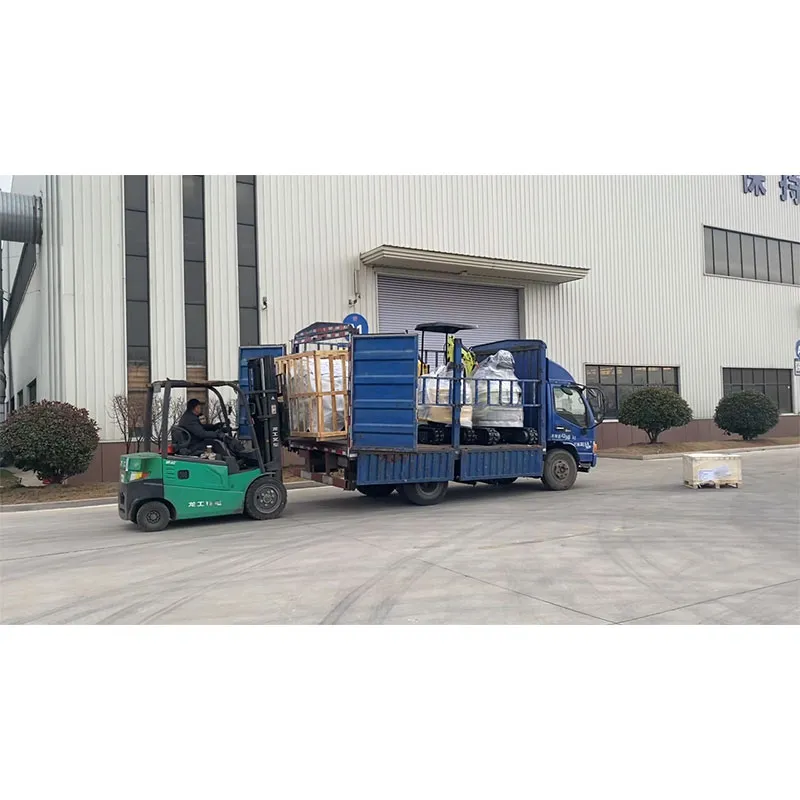
This is where a company like Shandong Pioneer Engineering Machinery Co., Ltd comes into the picture for many buyers. They operate as Shandong Pioneer for overseas trade, which is the entity you’d deal with for export. Their model is interesting because they’ve been at this for two decades, since 2004. That longevity in this competitive market suggests they’ve navigated the shifts in emission standards and customer demands. Relocating to a larger facility in Ningyang in 2023 typically signals an expansion in production capacity and, hopefully, R&D. For a buyer, that could mean access to more modern production lines and updated designs. Their website, https://www.sdpioneer.com, is a starting point, but the real intel comes from a direct conversation asking for project references in your specific country.
Case in Point: The Diesel vs. Electric Decision for a Landscaper
Let me give you a concrete example. A client running a landscaping business in the Pacific Northwest wanted to replace an old, smoky 2.5-ton machine. His priorities were noise (working in upscale neighborhoods), emissions (personal ethos), and enough power for digging tree pits and small foundations. We crunched the numbers. A top-tier diesel cat mini excavator with a modern Tier 4 Final engine was quiet and clean-burning, but not zero-emission. An electric model from a newer brand offered zero on-site emissions and near-silent operation.
The kicker was the total cost and logistics. The electric unit’s price was about 40% higher. He had a warehouse where he could install a Level 2 charger, but on a busy day with two jobs, could the battery last? The manufacturer claimed 6-8 hours of runtime, but under continuous heavy load, we estimated 4-5. The diesel machine could just be refueled in minutes. In the end, he went diesel. Why? The reliability of the technology was proven, the total cost over 5 years was lower, and the actual emissions from the new engine were minimal. For him, that was the pragmatic eco-friendly choice. The greenest machine on paper wasn’t the most sustainable for his business reality.
This highlights a crucial point: the perfect machine doesn’t exist. It’s always a compromise. Your job is to align the machine’s capabilities with 90% of your tasks, not 100%. Chasing a machine that can do everything often leads you to an over-specified, inefficient, and expensive unit that wastes more resources in the long run.
Key Specs to Grill Your Supplier About
Don’t just look at the operating weight and digging depth. Dig into the specs that matter for efficiency and longevity. Ask for the exact engine model and its certified emission tier. Look at the fuel tank capacity and the manufacturer’s estimated fuel consumption at various loads—not just the ideal number. A smaller tank with higher efficiency is often better than a huge tank on a thirsty engine.
Hydraulics are the heart of it. Ask if it’s a load-sensing system. These systems adjust pump flow to demand, drastically reducing energy waste compared to constant-flow systems. It’s a must for a true eco-friendly cat mini excavator alternative. Also, ask about the material of the hydraulic hoses and the recommended service interval for the fluid. Longer intervals often mean better filtration and cooler running systems.
Finally, the structure. Ask about the steel grade used in the boom and arm. Thicker, high-tensile steel in critical stress areas might add a bit to the initial weight but prevents cracking and fatigue failure years down the line. A supplier who can answer these questions confidently, like a company with extensive export experience to markets like the US, Canada, and Germany—where standards are high—is usually a safer bet. They’ve had to meet those scrutiny levels before.
The Verdict: It’s a Journey, Not a Click
You won’t find the answer to where to buy in a single link. It’s a process. Start with clarifying what eco-friendly means for your wallet, your jobsite, and your conscience. Is it carbon, noise, waste reduction, or all three? Then, identify a shortlist of 3-4 manufacturers or models that seem to fit. For those considering the direct-from-manufacturer route, evaluating a firm like Shandong Pioneer Engineering Machinery means looking past the website. Request a video tour of their new facility. Ask for contact details for two or three clients in a region with similar regulations to yours (they mention exports to Australia, Germany, etc., so this should be possible).
The actual purchase is just the beginning. How you operate and maintain the machine determines its real environmental footprint. Using the right biodegradable hydraulic fluid, following strict contamination control during servicing, and even proper storage all contribute. The greenest machine can be ruined by sloppy maintenance, leading to leaks and early failure.
So, back to the original question. Where do you buy one? You buy it from a source that provides not just a product, but transparent data, proven support, and a design that prioritizes efficiency in the real world. That source could be a local dealer with a great service team, or it could be a seasoned export manufacturer halfway across the globe. The key is to move beyond the keyword and into the gritty details of hydraulics, steel, and service agreements. That’s where you’ll find a machine that’s truly friendly—to both your project and the planet.
Please leave us a message


