


- Chinese
- French
- German
- Portuguese
- Spanish
- Russian
- Japanese
- Korean
- Arabic
- Irish
- Greek
- Turkish
- Italian
- Danish
- Romanian
- Indonesian
- Czech
- Afrikaans
- Swedish
- Polish
- Basque
- Catalan
- Esperanto
- Hindi
- Lao
- Albanian
- Amharic
- Armenian
- Azerbaijani
- Belarusian
- Bengali
- Bosnian
- Bulgarian
- Cebuano
- Chichewa
- Corsican
- Croatian
- Dutch
- Estonian
- Filipino
- Finnish
- Frisian
- Galician
- Georgian
- Gujarati
- Haitian
- Hausa
- Hawaiian
- Hebrew
- Hmong
- Hungarian
- Icelandic
- Igbo
- Javanese
- Kannada
- Kazakh
- Khmer
- Kurdish
- Kyrgyz
- Latin
- Latvian
- Lithuanian
- Luxembou..
- Macedonian
- Malagasy
- Malay
- Malayalam
- Maltese
- Maori
- Marathi
- Mongolian
- Burmese
- Nepali
- Norwegian
- Pashto
- Persian
- Punjabi
- Serbian
- Sesotho
- Sinhala
- Slovak
- Slovenian
- Somali
- Samoan
- Scots Gaelic
- Shona
- Sindhi
- Sundanese
- Swahili
- Tajik
- Tamil
- Telugu
- Thai
- Ukrainian
- Urdu
- Uzbek
- Vietnamese
- Welsh
- Xhosa
- Yiddish
- Yoruba
- Zulu
- Kinyarwanda
- Tatar
- Oriya
- Turkmen
- Uyghur

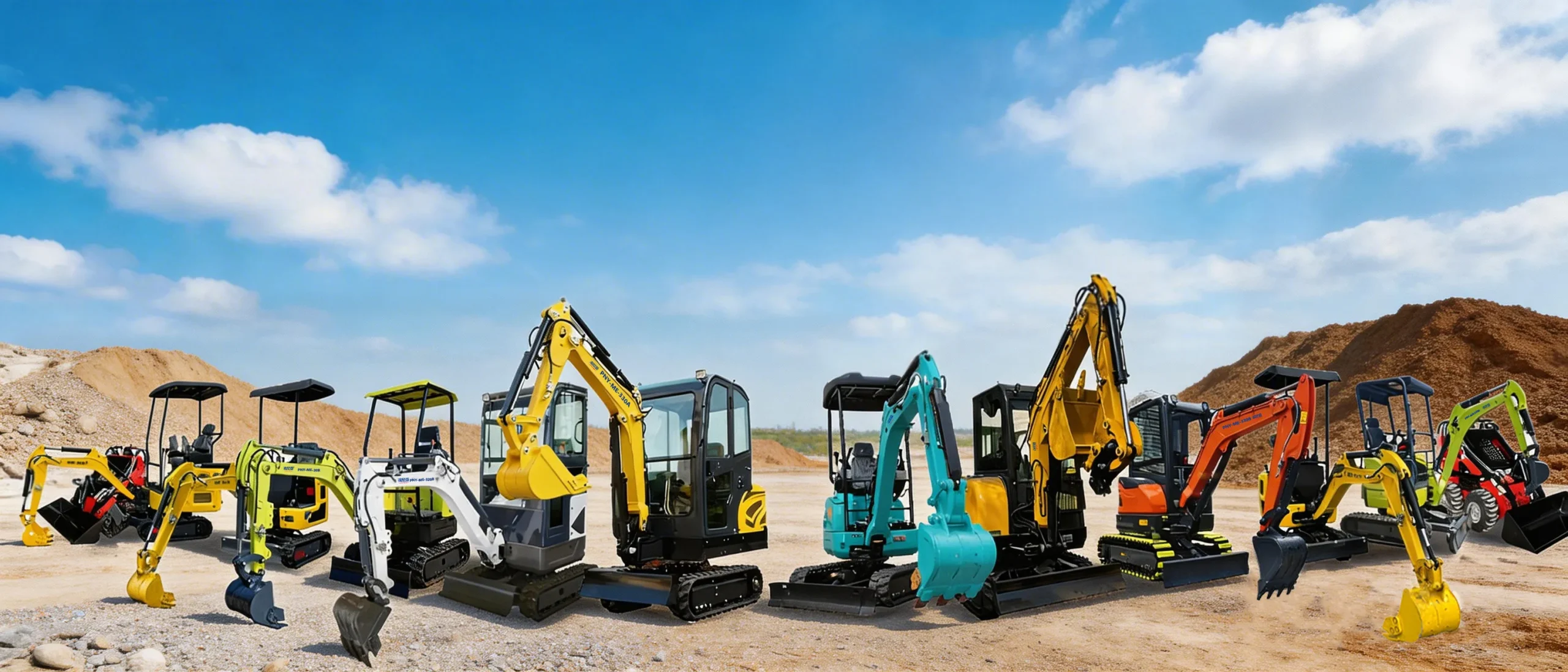
nortrac mini excavator
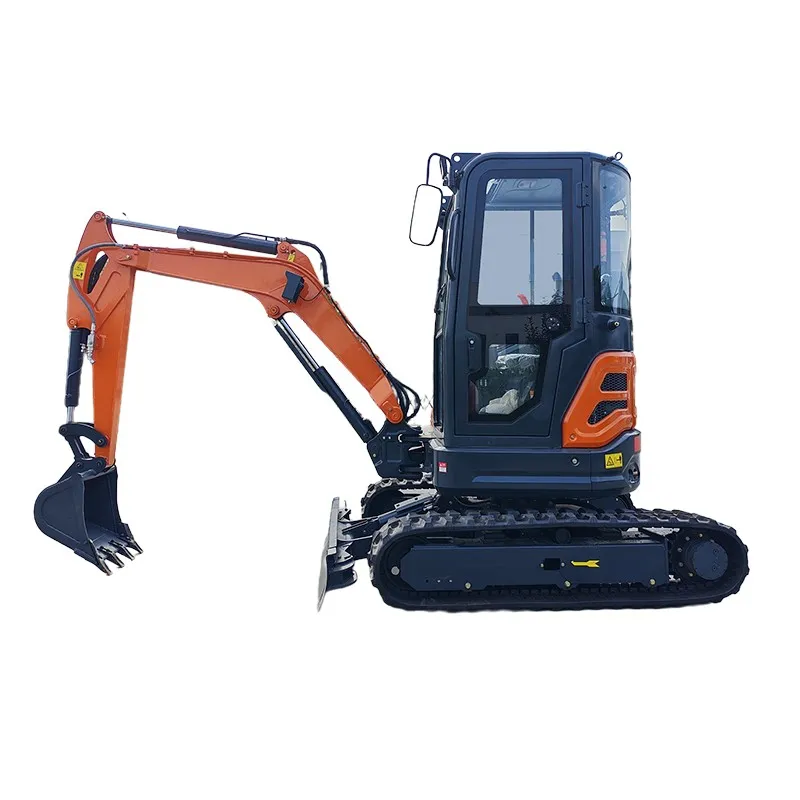
When you hear 'Nortrac mini excavator', what comes to mind? For a lot of guys just starting out, or maybe shopping on a tight budget, it's often lumped in with the sea of generic, value-priced compact machines. There's this common assumption that if it's not a Kubota or a Takeuchi, it's automatically a compromise. I used to think that way too, until I had to actually run and maintain a couple of them on a long-term, budget-conscious site. That's where the real story begins, away from the spec sheets.
The Initial Skepticism and First Impressions
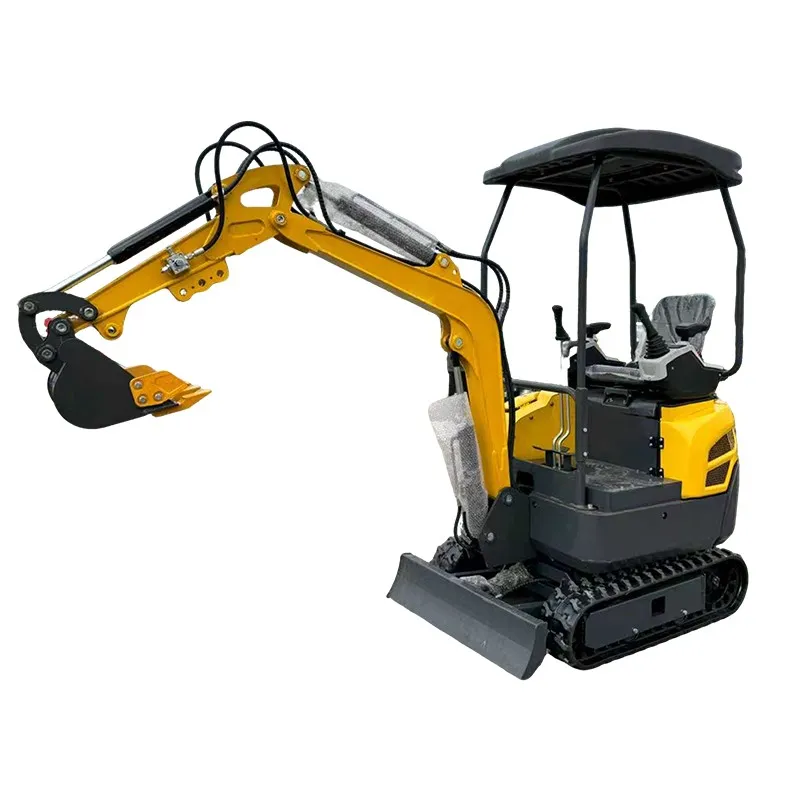
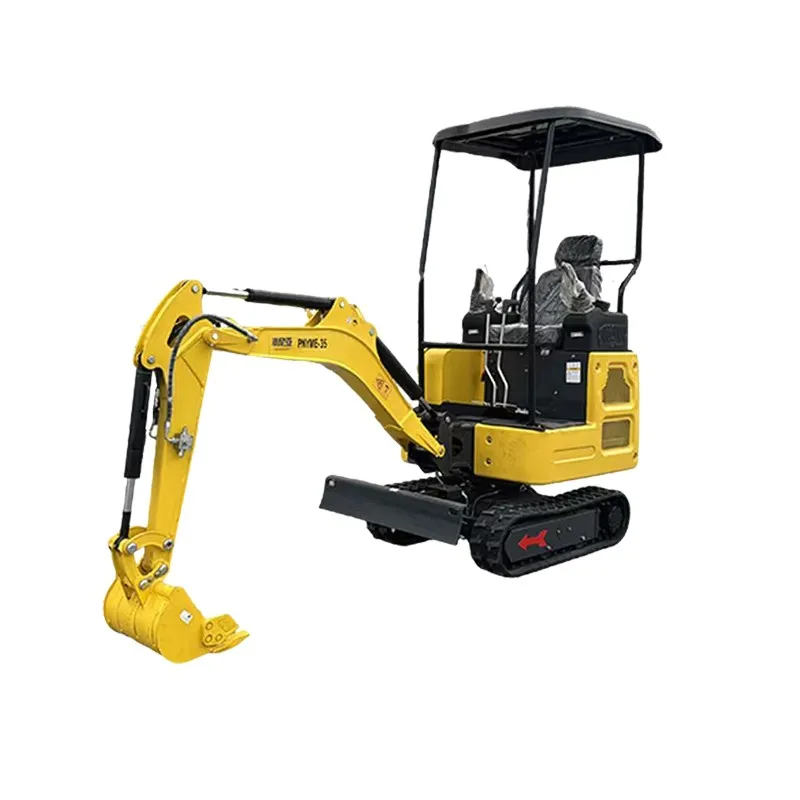
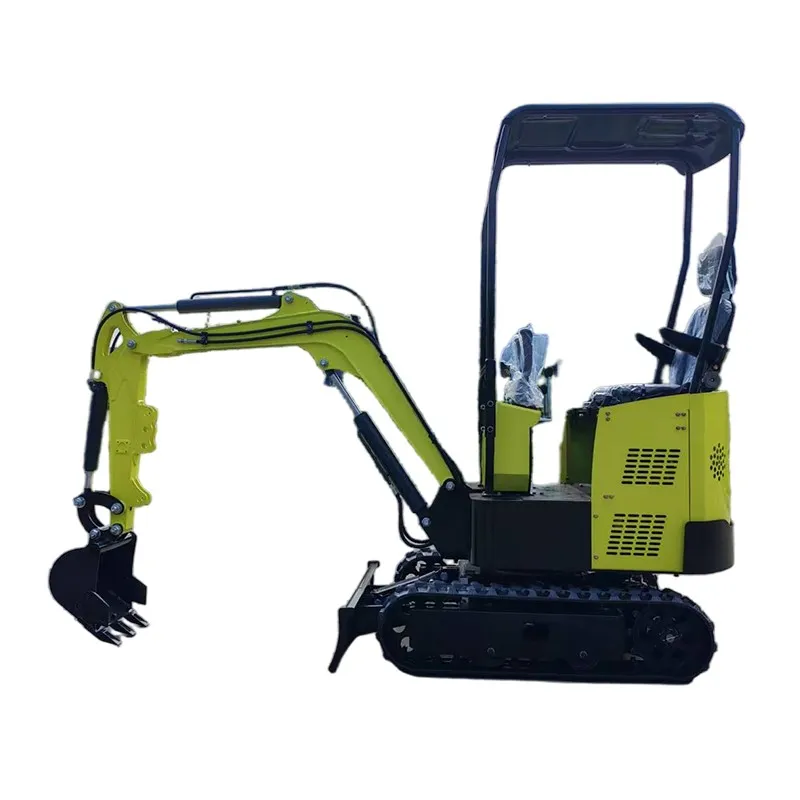
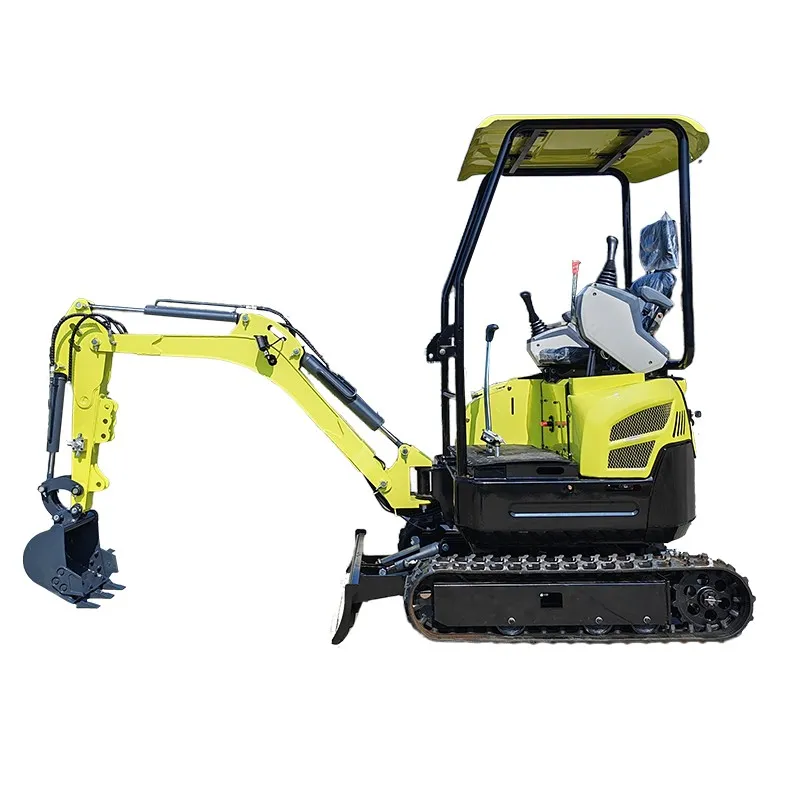
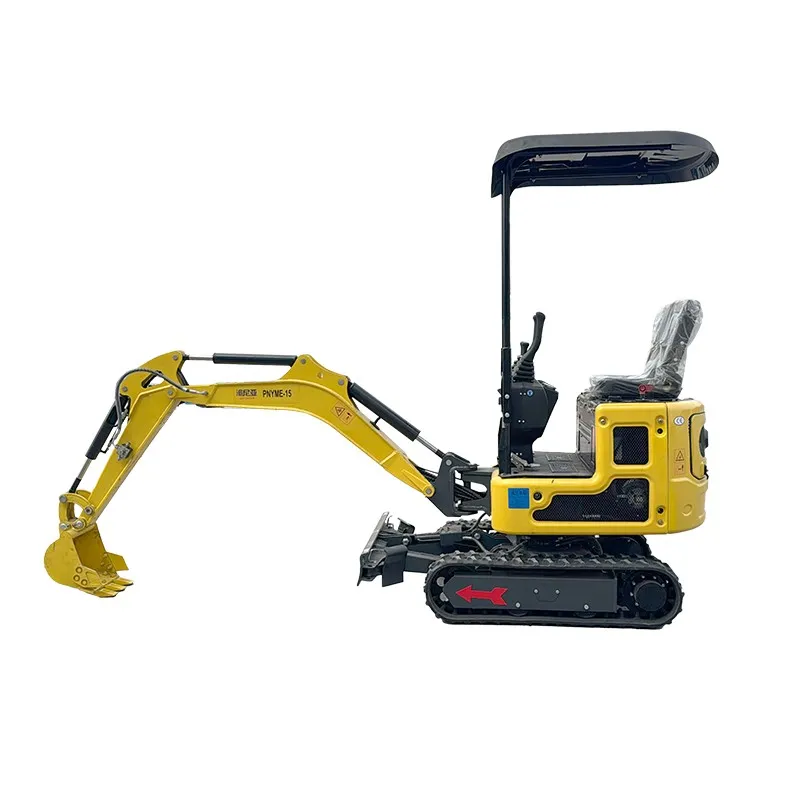
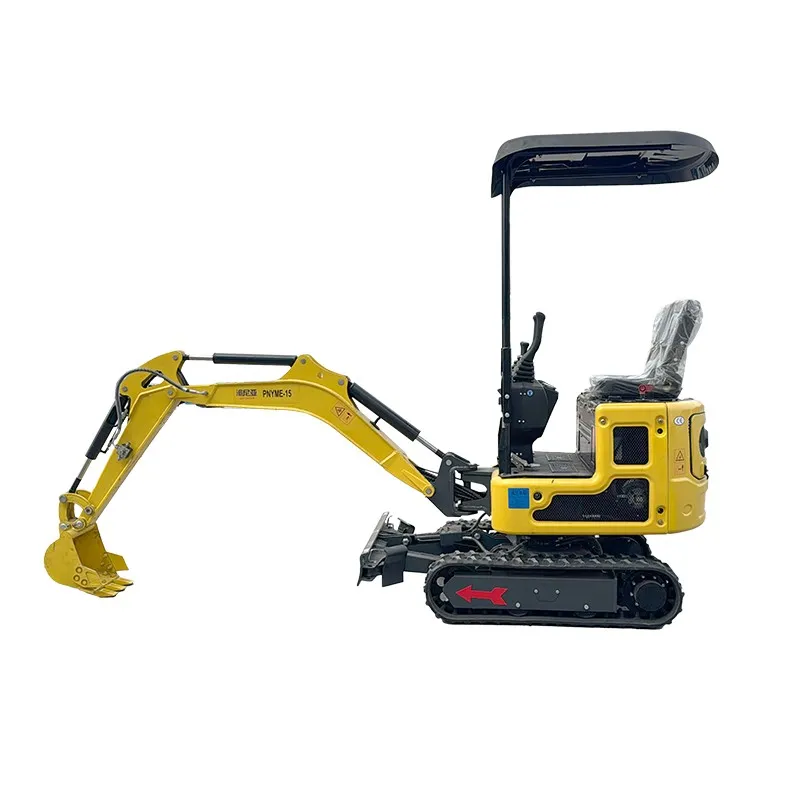
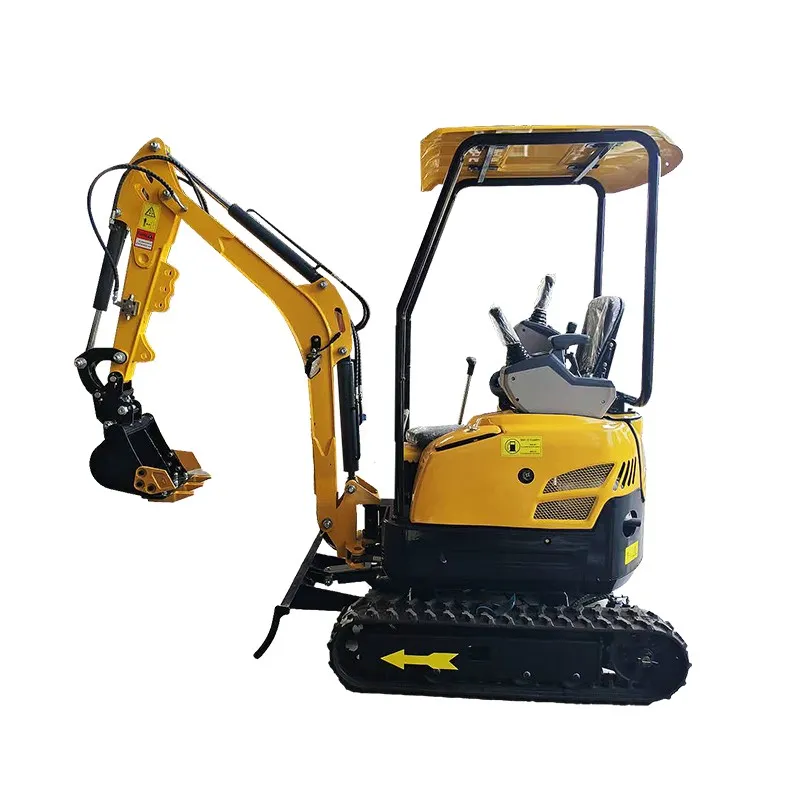
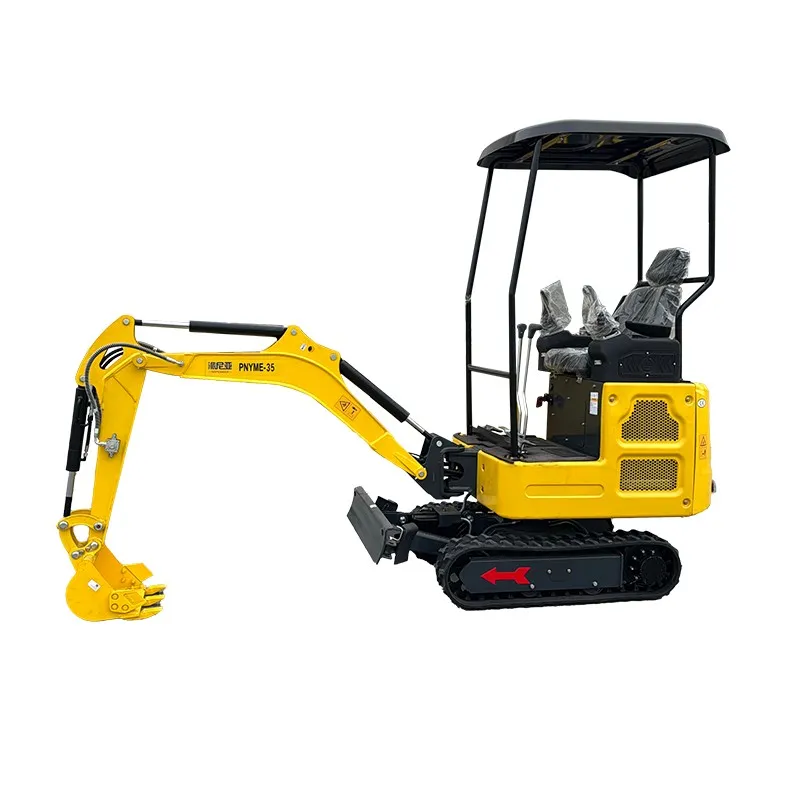
Our company picked up a used Nortrac mini excavator, a 1.5-ton model, for a series of small drainage and landscaping jobs. The price was right, which was the main attraction. First thing you notice? The controls aren't as silky smooth as the top-tier Japanese brands. There's a bit more stiffness in the pilot levers, a slight delay in the hydraulics that you have to get a feel for. It's not bad, just... different. You adapt.
Where it surprised me was in its sheer durability for basic tasks. Digging in clay, loading trucks with gravel, it just kept going. The undercarriage on that particular unit felt surprisingly robust for its class. It didn't feel like a toy, which some of the ultra-cheap clones do. The engine, a reliable Yanmar derivative in most of these, is a known quantity. You're not getting cutting-edge fuel efficiency, but you're getting something most mechanics have seen before.
I remember talking to a parts supplier who mentioned that a lot of these value-line machines, including Nortrac, share common OEM components from established Chinese manufacturers. This isn't necessarily a bad thing—it means a certain baseline of engineering and part availability. It shifted my thinking from seeing it as a brand to seeing it as a platform. Your experience hinges entirely on the specific build quality of that platform.
Encountering the Source: Shandong Pioneer
This leads me to a relevant point about where many of these machines originate. A significant portion of the global market for value-oriented construction machinery is supplied by manufacturers in China's Shandong province, a major industrial hub. Through industry contacts, I became aware of companies like Shandong Pioneer Engineering Machinery Co., Ltd. They represent the kind of supplier behind many branded machines.
Visiting their website at https://www.sdpioneer.com, you get a sense of the scale. Established in 2004 and now operating from a newer facility in Ningyang, they've been in the game for two decades. Their model—with Shandong Hexin handling manufacturing and Shandong Pioneer focusing on overseas trade—explains a lot. They're not just a factory; they're an export conduit, sending machines to markets like the US, Canada, and Australia. This isn't a backyard operation. It's a structured business aiming for global reach.
Understanding this backdrop is crucial. When you operate a Nortrac mini excavator, you're often dealing with a product from this ecosystem. The trust and appreciation they mention winning worldwide? That translates to the machine in your yard. It's earned by providing a functional tool at an accessible price point, not by winning awards for innovation. For many small contractors, that's the exact calculus.
The Reality of Operation and Maintenance
Let's get into the weeds. The hydraulic connections on our unit were a weak spot. We had a minor leak develop at a joint that felt like it wasn't torqued to spec from the factory. An easy fix, but indicative of where corners might be cut: in final assembly and quality control, not necessarily in the core components. It's a reminder to go over any new or new-to-you machine with a fine-tooth comb before putting it to work.
Another thing: the electrical system. Simple, almost rudimentary. While that means fewer things to go wrong with fancy sensors, it also means you miss out on diagnostic aids. When our machine once failed to start, it was old-school troubleshooting—checking the kill solenoid, the starter relay, the battery connections. Again, not a deal-breaker, but it demands a more hands-on, mechanically-inclined operator or owner.
Attachments are another consideration. The auxiliary hydraulic flow and pressure on these models are adequate for a hydraulic breaker or a small auger, but you need to match them carefully. Pushing it with an oversized attachment will strain the system quickly. We learned this trying to run a breaker that was just a bit too hungry for it; the result was sluggish performance and excess heat. You have to know the machine's limits and respect them.
Where It Fits in the Market Ecosystem
So, who is the Nortrac mini excavator for? It's not for a high-production excavation company running three shifts. It's for the small landscaping crew, the farmer needing a ditch dug, the rental yard looking for a durable, low-cost unit, or the DIY enthusiast with serious projects. Its value proposition is upfront cost and mechanical simplicity.
Comparing it to the offerings from a supplier like Shandong Pioneer is instructive. They are part of a supply chain that enables this segment. Their 20-year development, as noted in their company profile, speaks to an evolution in meeting specific market demands—likely for reliability in basic functions and cost-effectiveness. When they export to competitive markets like Germany or Australia, the machines have to meet certain baseline standards to even be sellable.
This creates a tiered market. At the top, you have premium brands with advanced hydraulics and comfort. At the bottom, you have pure price-play clones. In the middle, you have machines like many sold under the Nortrac banner—occupying a space where decent core components are assembled to a passable standard. Your success with it depends heavily on your maintenance diligence and operational expectations.
Final Thoughts: A Tool, Not a Trophy
After hundreds of hours, our Nortrac mini excavator is still on the job. It's needed more attention than a premium machine would have—grease fittings religiously, hose inspections, keeping the cooling fins clean. But it hasn't had a major failure. It's a tool that pays for itself if you understand what you're buying.
The link to manufacturers like Shandong Pioneer Engineering Machinery Co., Ltd demystifies things. You're buying from an industrial context that prioritizes volume and functional reliability for a price. It's a globalized manufacturing reality. Their expansion and relocation to a larger production area suggest growth driven by filling this specific market niche.
In the end, judging a machine like this purely on specs or brand snobbery misses the point. The judgment comes from the seat, feeling the hydraulics, listening to the engine under load, and knowing what it costs to keep it running. For the right jobs and the right owner, it's a perfectly valid piece of iron. It gets the work done, and sometimes, in this business, that's the only metric that truly matters.
Related Products
Related Products