- Chinese
- French
- German
- Portuguese
- Spanish
- Russian
- Japanese
- Korean
- Arabic
- Irish
- Greek
- Turkish
- Italian
- Danish
- Romanian
- Indonesian
- Czech
- Afrikaans
- Swedish
- Polish
- Basque
- Catalan
- Esperanto
- Hindi
- Lao
- Albanian
- Amharic
- Armenian
- Azerbaijani
- Belarusian
- Bengali
- Bosnian
- Bulgarian
- Cebuano
- Chichewa
- Corsican
- Croatian
- Dutch
- Estonian
- Filipino
- Finnish
- Frisian
- Galician
- Georgian
- Gujarati
- Haitian
- Hausa
- Hawaiian
- Hebrew
- Hmong
- Hungarian
- Icelandic
- Igbo
- Javanese
- Kannada
- Kazakh
- Khmer
- Kurdish
- Kyrgyz
- Latin
- Latvian
- Lithuanian
- Luxembou..
- Macedonian
- Malagasy
- Malay
- Malayalam
- Maltese
- Maori
- Marathi
- Mongolian
- Burmese
- Nepali
- Norwegian
- Pashto
- Persian
- Punjabi
- Serbian
- Sesotho
- Sinhala
- Slovak
- Slovenian
- Somali
- Samoan
- Scots Gaelic
- Shona
- Sindhi
- Sundanese
- Swahili
- Tajik
- Tamil
- Telugu
- Thai
- Ukrainian
- Urdu
- Uzbek
- Vietnamese
- Welsh
- Xhosa
- Yiddish
- Yoruba
- Zulu
- Kinyarwanda
- Tatar
- Oriya
- Turkmen
- Uyghur


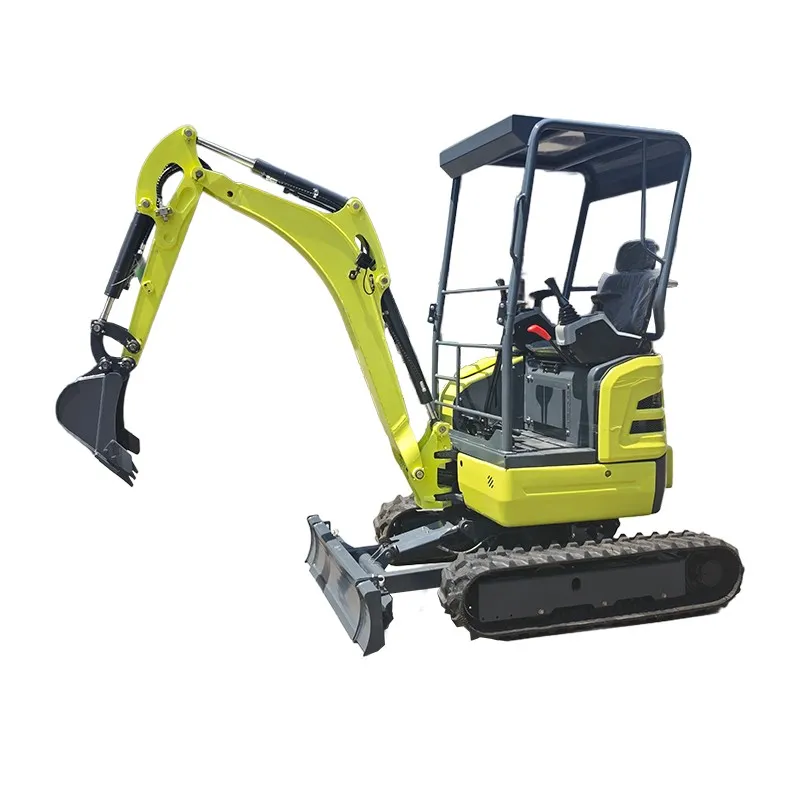
nuoman mini excavator
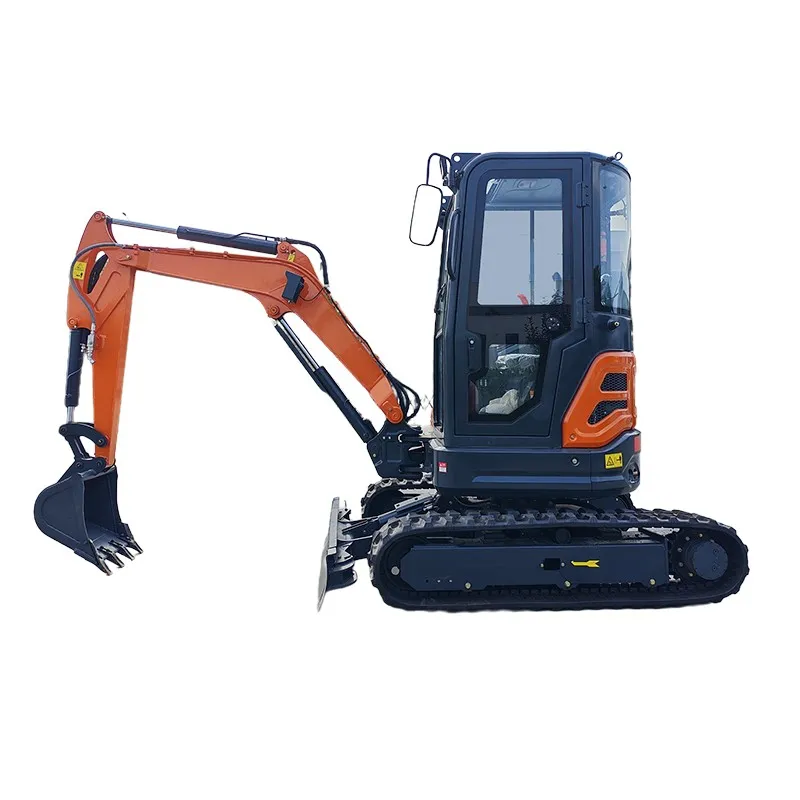
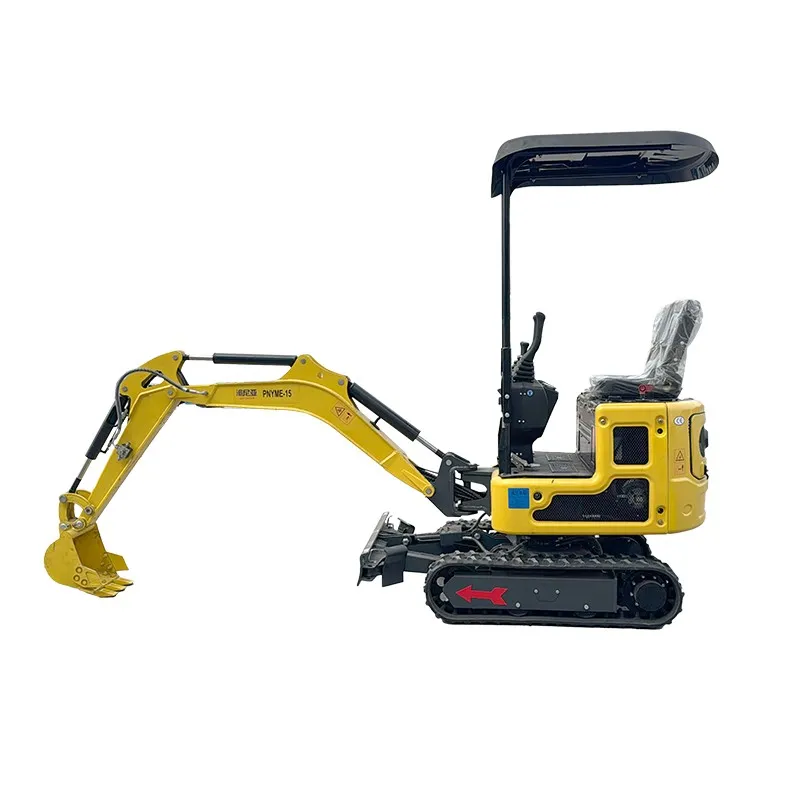
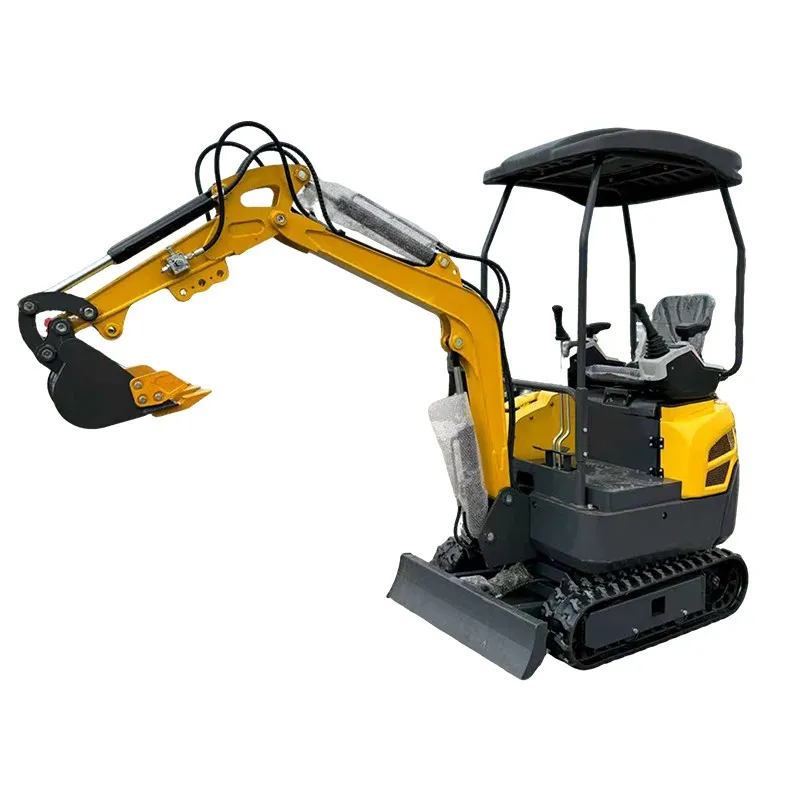
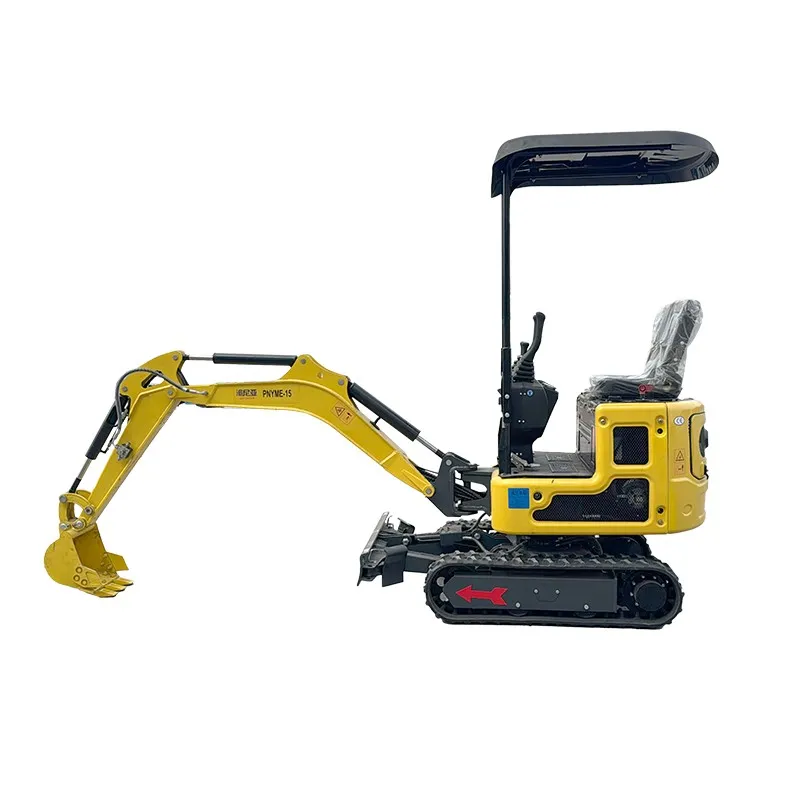
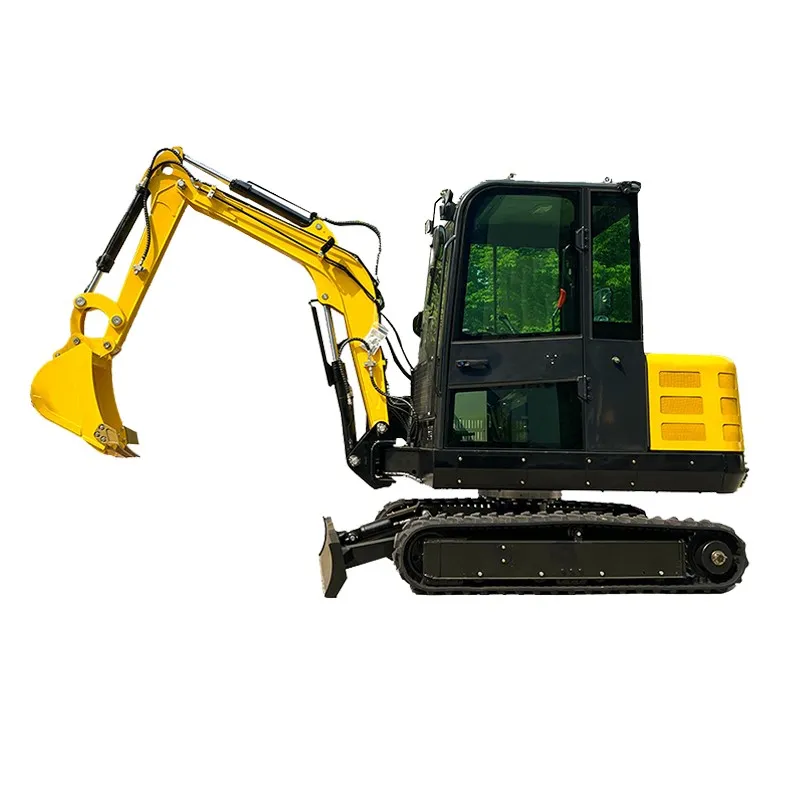
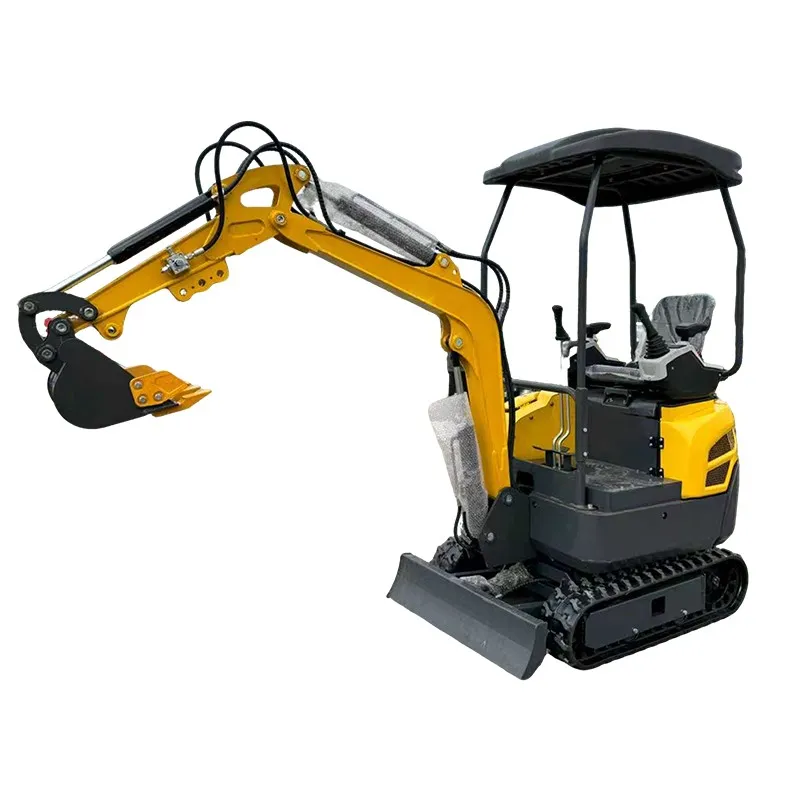
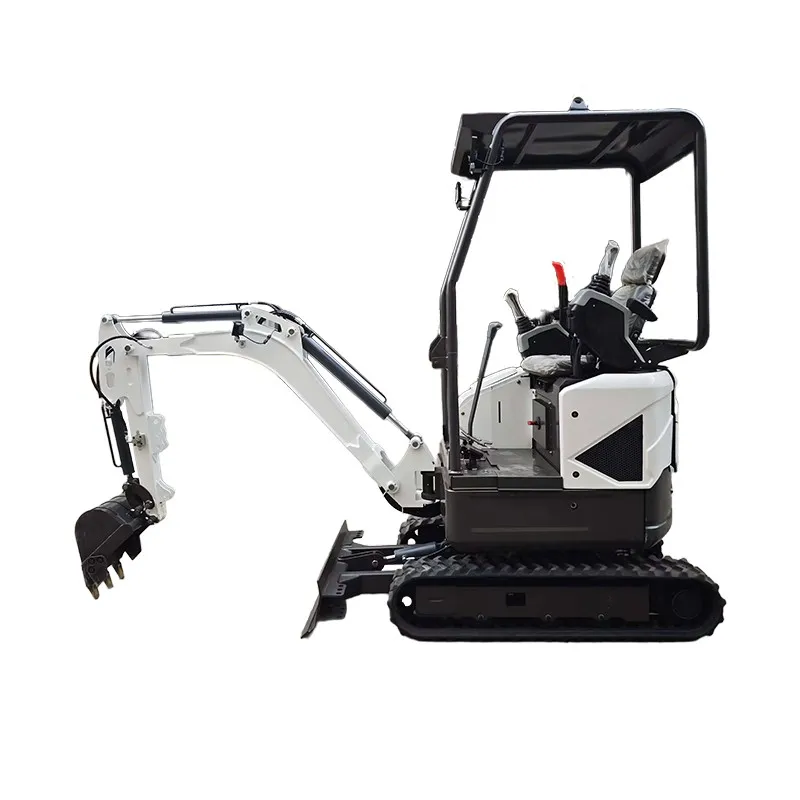
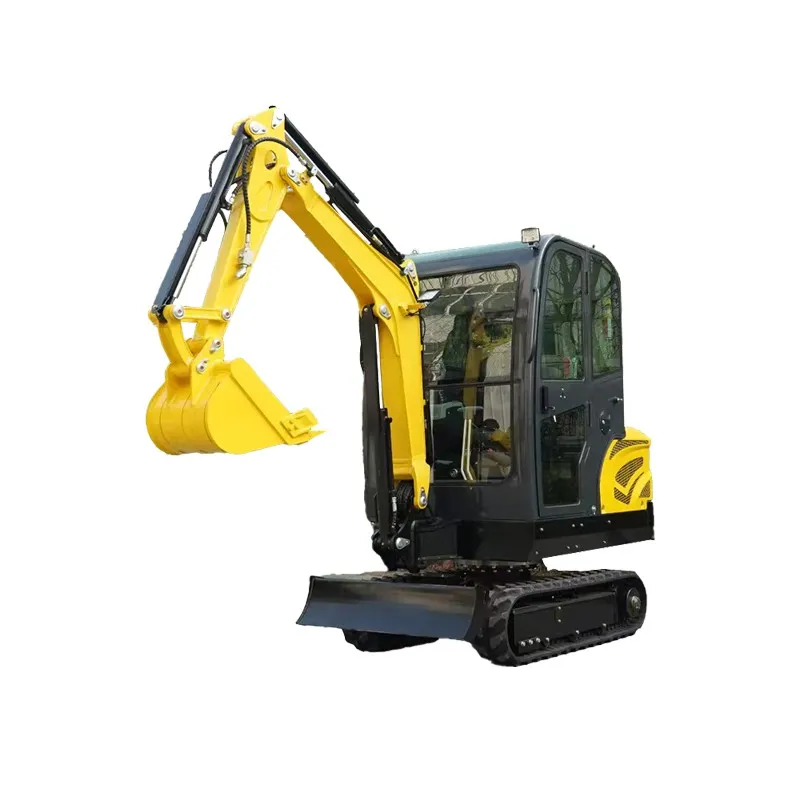
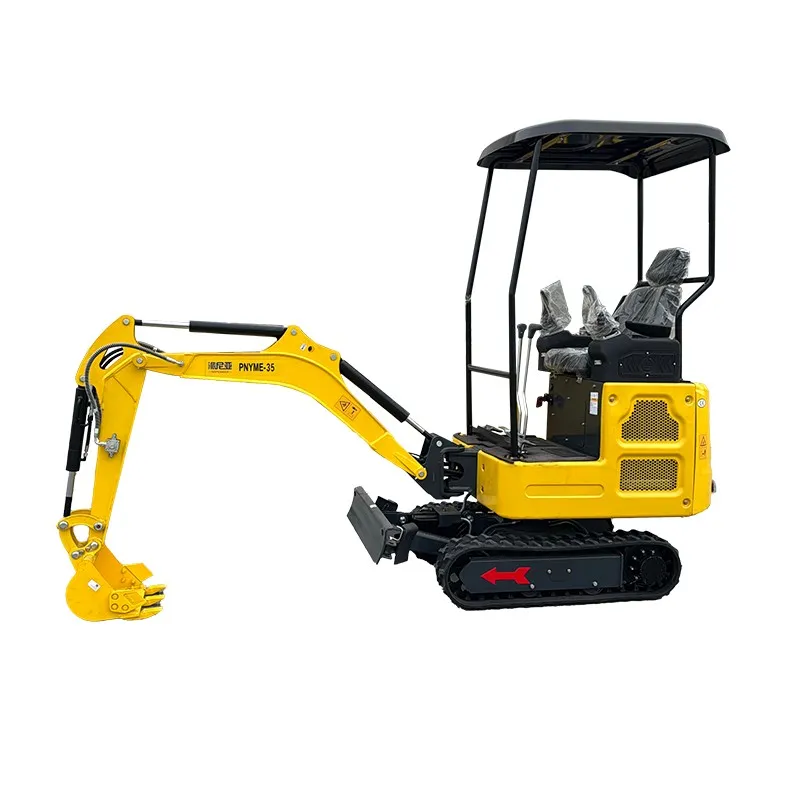
When you hear 'Nuoman mini excavator', the first thing that probably comes to mind is just another compact machine from China. That's the common trap—judging it purely by its price tag or a list of generic features you'd find on Alibaba. Having spent years on job sites from residential backyards to tight urban utility work, I've learned that the real story of a mini ex isn't in its brochure. It's in the feel of the hydraulics during a precise grading job, the accessibility of the service points after 500 hours, and frankly, whether the dealer actually has the right seal kit when you need it. Nuoman, particularly the models funneled through exporters like Shandong Pioneer, sits in this interesting space. They're not the disposable throwaways some assume, nor are they the premium brands you'd mortgage a truck for. They occupy a practical middle ground, but with caveats that only hands-on time reveals.
The On-Paper Promise vs. The Ground Reality
Let's talk specs first, because that's where everyone starts. A typical 1.8-ton Nuoman will list a Yanmar-derived engine, a decent digging force, and a competitive price. On paper, it ticks the boxes. But the first reality check comes with the auxiliary hydraulics. The standard setup often uses a simpler, single-way auxiliary circuit. For a basic thumb operation, it's fine. But if you're thinking of running a hydraulic breaker or a tilt rotator consistently, you'll feel the limitation. The system can feel sluggish, and the pressure drop is noticeable. I've seen contractors buy one assuming full compatibility with all attachments, only to spend extra on aftermarket valve kits. It's not a deal-breaker, but it's a cost and planning factor often missed in the initial excitement.
The undercarriage is another point. The steel used for the track links and rollers is adequate for general duty, but in highly abrasive conditions—think constant work on demolition sites or rocky terrain—the wear rate is higher than on a Kubota or Takeuchi. You'll be adjusting track tension more frequently, and the lifespan of the bottom rollers might be 20-30% shorter. This isn't a failure; it's a material choice that reflects the price point. Knowing this, you factor in earlier undercarriage maintenance or adjust your job allocation. Using it primarily for softer soils, landscaping, and light digging? It'll hold up just fine.
Where the Nuoman surprised me, honestly, was in the operator's station. The layout is logically borrowed from more established designs. The controls are proportional, not the jerky on/off type you might fear. The seat is surprisingly decent for a 10-hour day. However, the plastic used for the console and the gauge cluster feels brittle in extreme cold. I had a temperature sensor housing crack on a machine during a winter project in Canada. A minor part, but sourcing it took three weeks through the distributor. This highlights the critical need for a strong parts pipeline, which is where a supplier's reputation matters immensely.
The Dealer and Distributor Ecosystem: The Make-or-Break
This is arguably more important than the machine itself. A Nuoman excavator from a fly-by-night exporter is a liability. But from a company with a track record, it becomes a viable asset. This is where an entity like Shandong Pioneer Engineering Machinery Co., Ltd makes a difference. They're not just a trading name; their long-term operation, indicated by their 20-year history and recent facility relocation to a larger production area in Ningyang, suggests stability. When I've dealt with similar established exporters, the machine documentation, compliance certificates (like CE), and the initial parts kit are usually in order. Their website, https://www.sdpioneer.com, often serves as the first point of technical reference for many overseas buyers.
Their model of having Shandong Hexin handle manufacturing and Shandong Pioneer focus on overseas trade is common. It means they are structured for export. They've built channels to markets like the US, Canada, and Australia. This doesn't guarantee a perfect local dealer near you, but it does mean there's an organized source for technical queries and major component orders. The trust they mention winning globally is earned by consistently delivering a baseline product and support, not by being the cheapest on the market. You're buying into their system as much as the iron.
The real test is the second-year service. Anyone can sell a new machine. Can you get a swing motor seal kit or a final drive assembly 18 months later? With Pioneer, based on colleague feedback, the communication is there, though parts might still ship from China, leading to downtime. The savvy move is to proactively order common wear items with the initial purchase. I learned this the hard way early on, waiting for a hydraulic hose assembly that wasn't in my local dealer's inventory.
Niche Applications Where It Shines (And Where It Doesn't)
Through trial and error, I've found the sweet spot for these machines. They excel in rental fleets for light-duty work. Their lower capital cost means better ROI on hourly rentals for tasks like small pool digging, fence post holes, or light landscaping. Their simplicity is an advantage here—easier for casual operators to use without causing major damage. A contractor friend runs three in his rental yard, and they take the abuse well, with maintenance costs being predictable.
They also work for an owner-operator doing repetitive, less strenuous tasks. Think of a mason using it solely to move pallets of blocks and mix mortar, or a farmer digging drainage ditches a few weeks a year. For these uses, paying for a brand-name premium is hard to justify. The Nuoman mini excavator fills that gap effectively.
Where I'd hesitate is in heavy, continuous commercial applications. If you're a grading contractor running a machine 2,000 hours a year, the cumulative efficiency loss from the slightly slower hydraulics and the potential for more frequent repairs eats into the initial savings. The total cost of ownership might converge with a used, premium brand machine. It's a calculation you have to run based on your specific work profile.
Final Takeaways: A Tool, Not a Treasure
So, what's the verdict? The Nuoman mini excavator is a competent tool when sourced correctly and deployed appropriately. It's not a value alternative to a top-tier machine; it's a different product for a different segment of the market. Its value is unlocked by managing expectations and planning for its support network from day one.
Ignoring the brand stigma is key. The machine will perform 95% of what a newcomer to the field needs. The remaining 5%—the finesse, the longevity under extreme duress, the instant parts availability—is what you pay the premium for with other brands. For many small businesses, that 5% is a luxury they can postpone.
If you're considering one, your first call shouldn't be about price. It should be to a distributor like Shandong Pioneer to ask for a list of common spare parts in stock in your region and the contact details for a few long-term owners in a similar climate. Their answers will tell you more than any spec sheet ever could. The machine itself is just metal and hydraulics; the ecosystem behind it is what turns it from a purchase into a productive investment.
Related Products
Related Products