- Chinese
- French
- German
- Portuguese
- Spanish
- Russian
- Japanese
- Korean
- Arabic
- Irish
- Greek
- Turkish
- Italian
- Danish
- Romanian
- Indonesian
- Czech
- Afrikaans
- Swedish
- Polish
- Basque
- Catalan
- Esperanto
- Hindi
- Lao
- Albanian
- Amharic
- Armenian
- Azerbaijani
- Belarusian
- Bengali
- Bosnian
- Bulgarian
- Cebuano
- Chichewa
- Corsican
- Croatian
- Dutch
- Estonian
- Filipino
- Finnish
- Frisian
- Galician
- Georgian
- Gujarati
- Haitian
- Hausa
- Hawaiian
- Hebrew
- Hmong
- Hungarian
- Icelandic
- Igbo
- Javanese
- Kannada
- Kazakh
- Khmer
- Kurdish
- Kyrgyz
- Latin
- Latvian
- Lithuanian
- Luxembou..
- Macedonian
- Malagasy
- Malay
- Malayalam
- Maltese
- Maori
- Marathi
- Mongolian
- Burmese
- Nepali
- Norwegian
- Pashto
- Persian
- Punjabi
- Serbian
- Sesotho
- Sinhala
- Slovak
- Slovenian
- Somali
- Samoan
- Scots Gaelic
- Shona
- Sindhi
- Sundanese
- Swahili
- Tajik
- Tamil
- Telugu
- Thai
- Ukrainian
- Urdu
- Uzbek
- Vietnamese
- Welsh
- Xhosa
- Yiddish
- Yoruba
- Zulu
- Kinyarwanda
- Tatar
- Oriya
- Turkmen
- Uyghur


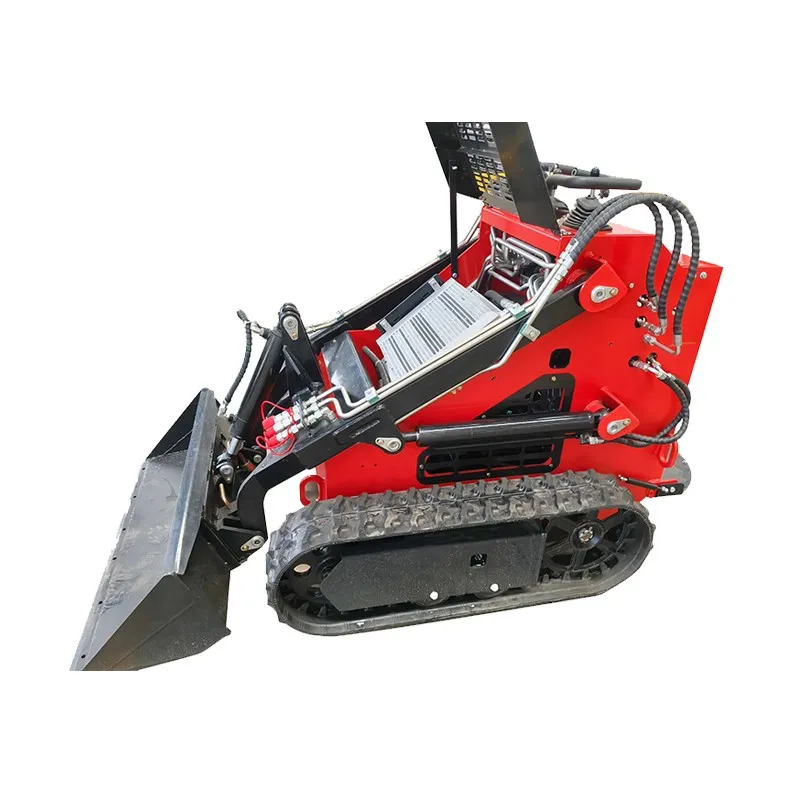
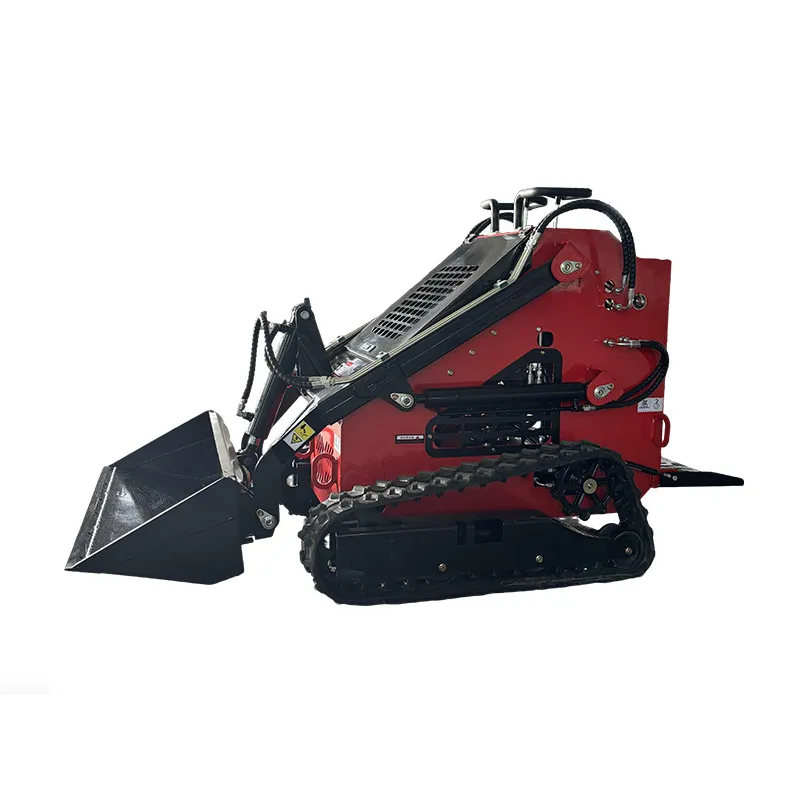
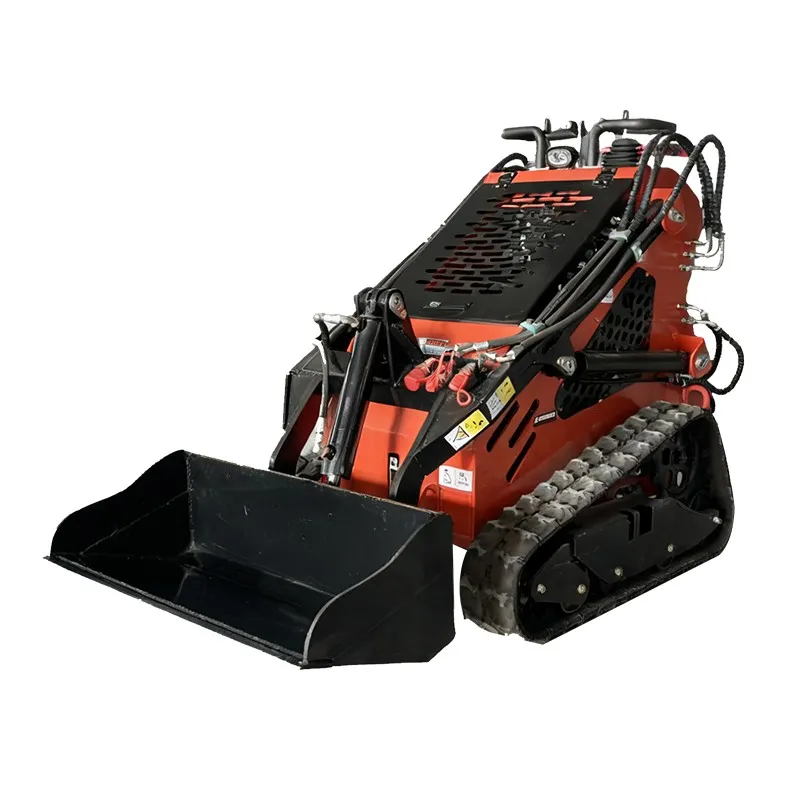
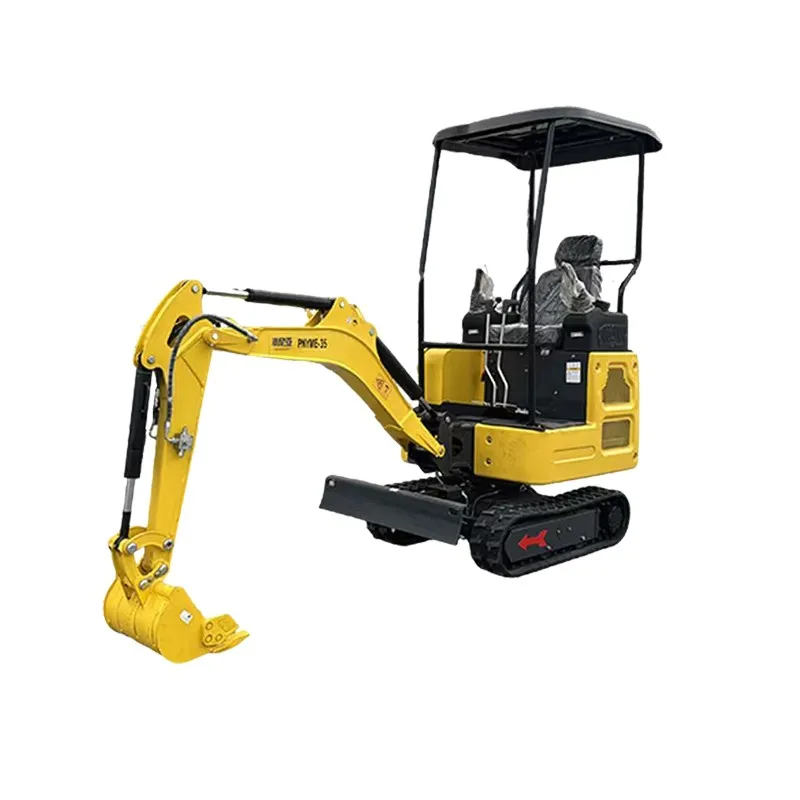
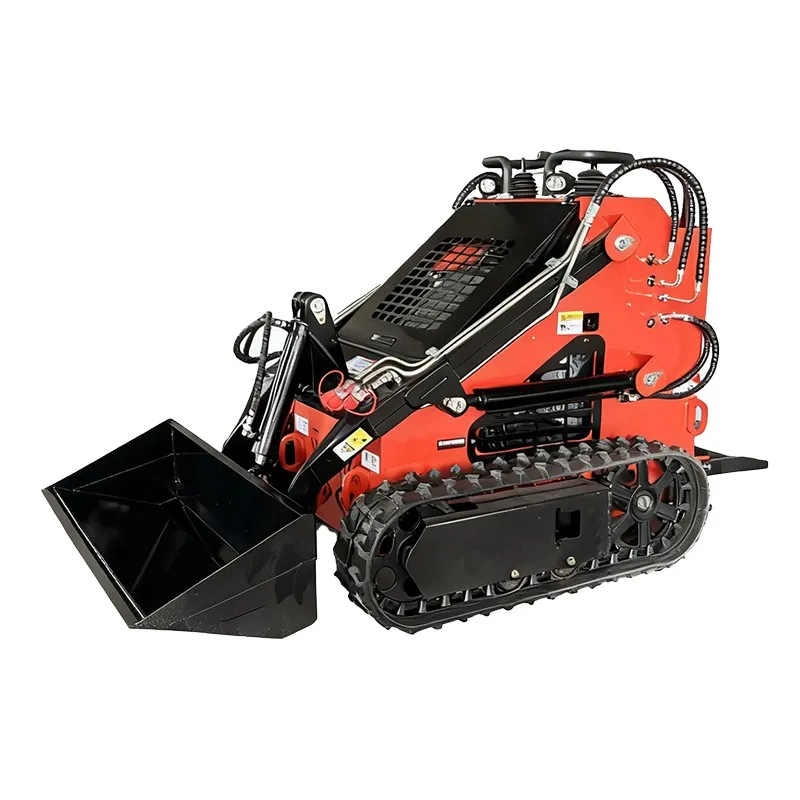
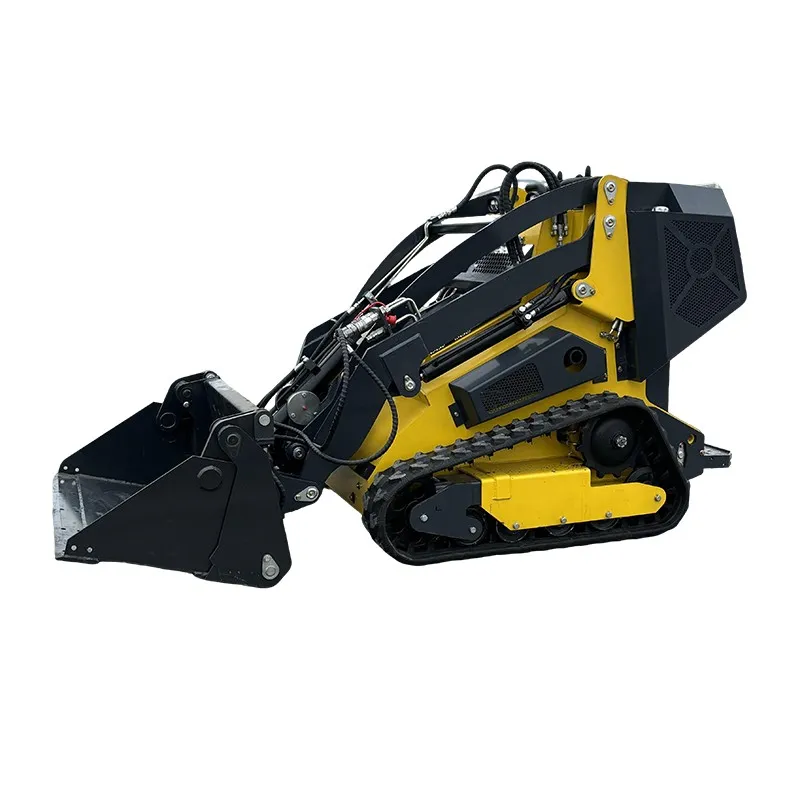
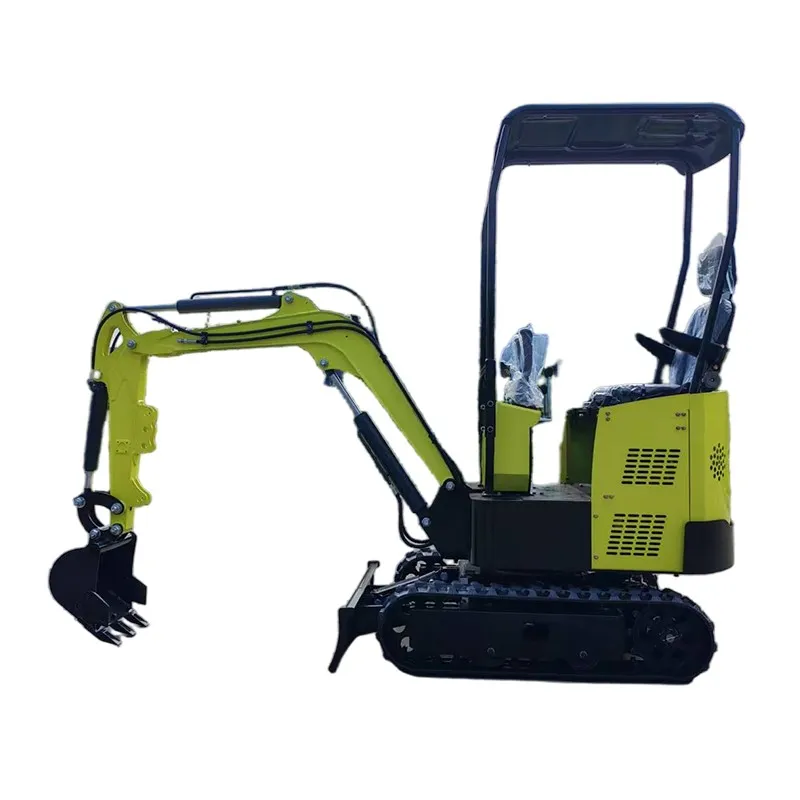
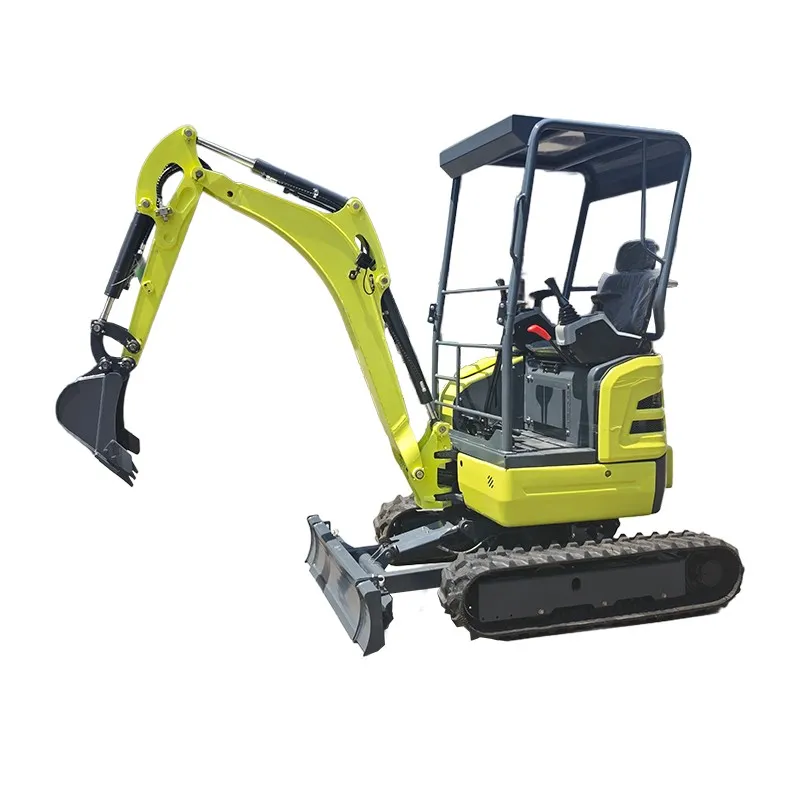
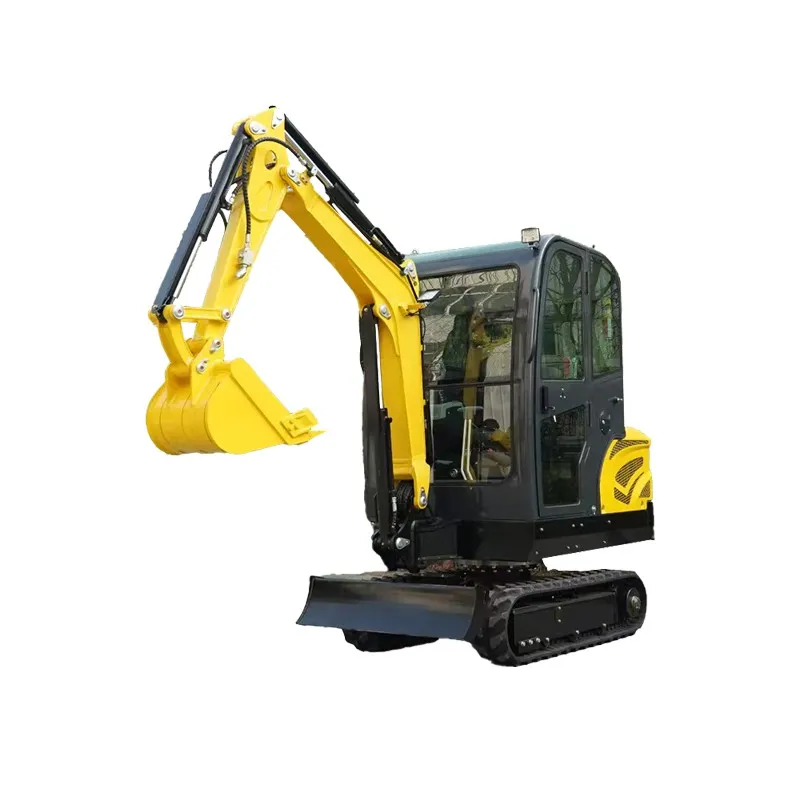
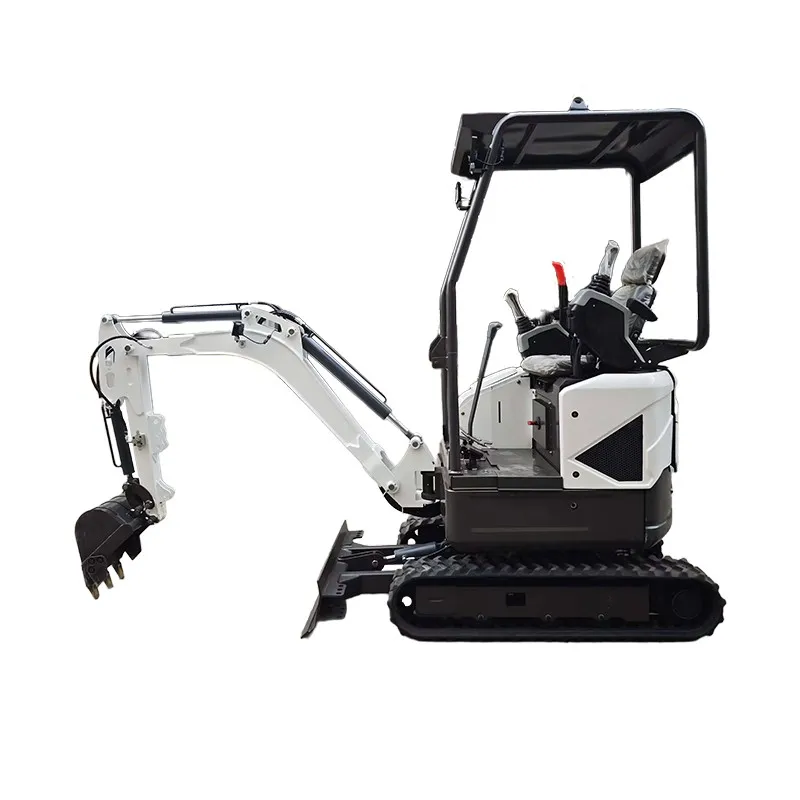
OEM Small digger
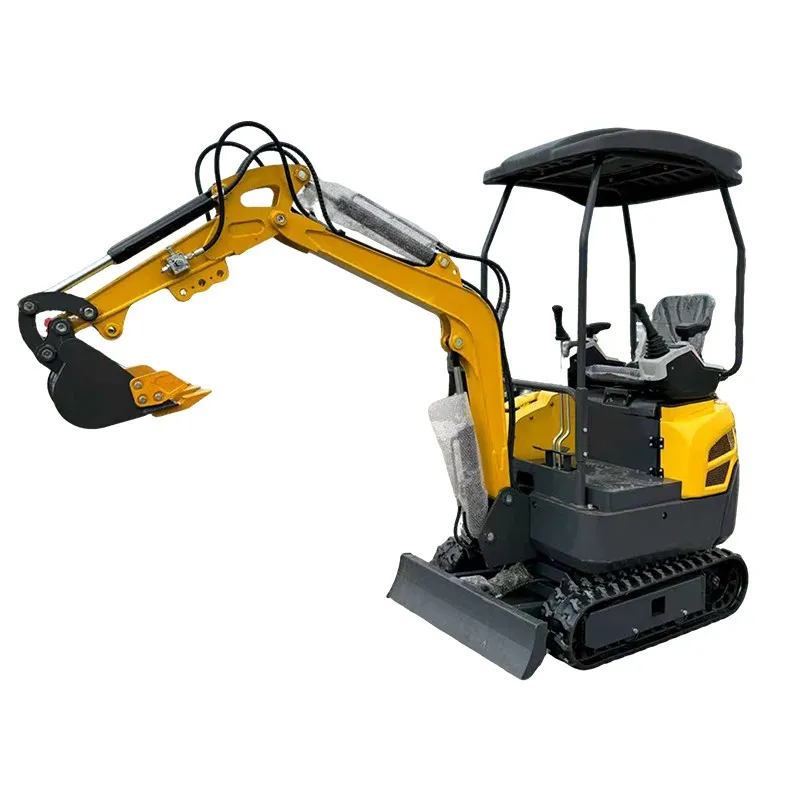
When you hear 'OEM small digger', what comes to mind? For many, it's a generic, budget machine from a nameless factory. That's the first misconception. In reality, the OEM landscape is stratified. There are assemblers bolting together catalog parts, and then there are engineering-focused manufacturers who treat OEM as a collaborative development process. The difference isn't just in the paint job; it's in the hydraulic schematics, the gradeability calculation for the undercarriage, and the serviceability of the main control valve block. I've seen projects fail because someone sourced a 'cheap OEM' unit only to find the hydraulic hoses routed directly over the exhaust manifold—a clear sign the designer never had to replace one in a muddy trench. The label itself means little; it's the engineering intent behind it that defines the machine.
The Anatomy of a Reliable OEM Partnership
True OEM manufacturing isn't about slapping your logo on a stock model. It's a dialogue. A client might want a specific Perkins engine for easier parts availability in Australia, or demand a custom auxiliary hydraulic circuit for a trenching attachment. The factory's ability to integrate this—not just physically, but ensuring the pump flow matches the new circuit's demands—is what separates a parts bin special from a purpose-built tool. I recall working with a manufacturer, Shandong Pioneer Engineering Machinery Co., Ltd, on a compact excavator variant. The initial prototype had a counterweight that was theoretically correct but, in a side-slope digging test, felt tippy. Their engineers didn't just argue with the CAD model; they came to the site, watched the test, and within a week had a redesigned counterweight with a lower center of gravity. That responsiveness is invaluable.
This is where companies with deep manufacturing roots show their value. Shandong Pioneer operates through its manufacturing arm, Shandong Hexin, which handles the production. Having the factory and the trade company so closely aligned, as their setup suggests, cuts down on the classic he said, she said communication breakdown between sales and the workshop floor. When you visit their facility—now in Ningyang County after nearly two decades in Jining—you see the accumulation of process knowledge. It's in the organized weld shop and the test bays, not just the square footage.
The proof is always in the field deployment. A batch of their 1.8-ton OEM machines went to a rental fleet in Canada. The feedback wasn't about major breakdowns, but about the small things: the clarity of the grease point markings, the accessibility of the battery disconnect, and the standardized metric fittings. These are details an assembler overlooks, but a seasoned OEM partner knows are critical for reducing downtime in harsh conditions. It's this practical, field-informed design iteration that builds a machine's reputation.
Common Pitfalls and the Hydraulic Learning Curve
One of the biggest traps in sourcing an OEM small digger is focusing solely on price per kilogram or the brand of the engine. The hydraulic system is the machine's nervous system, and it's where corners are most often cut. I've evaluated units where a reputable main pump was paired with off-brand control valves and cheap, non-abrasion-resistant hosing. The result? Inconsistent stick movement, overheating after 30 minutes of continuous trenching, and hose failures that spray expensive hydraulic oil over the jobsite. The total cost of ownership skyrockets.
Getting the hydraulics right requires specifying not just components, but the entire system's thermal capacity and filtration level. A good partner will discuss the micron rating of the return line filter and the sizing of the oil cooler relative to the expected ambient temperature in the target market. For instance, a machine destined for Germany, where it might work in cooler climates, has different cooling needs than one headed for Australia. Shandong Pioneer's experience exporting to such diverse regions implies they've had to solve for these variables repeatedly.
Another frequent oversight is the electrical system. It seems simple, but moisture ingress into connectors is a prime cause of unexplained electrical faults. A manufacturer that uses sealed Deutsch connectors or equivalent throughout the loom is thinking long-term. It's a cost item that doesn't look impressive on a spec sheet but saves countless diagnostic hours in the field. You learn to appreciate these details after you've spent a rainy afternoon tracing a short in a machine that used simple spade connectors.
From Prototype to Jobsite: The Validation Gap
A polished prototype in a factory yard can be deceiving. The real test is 500 hours of abuse on a real site. We once took delivery of an OEM mini excavator that performed flawlessly in factory acceptance tests. However, within the first 50 hours of rental duty, the rubber track pads began de-laminating. The issue wasn't the track quality per se, but the specific compound used, which couldn't handle the combination of summer asphalt heat and abrasive sand. The factory had tested for tensile strength, but not for this specific environmental cocktail.
This is where a manufacturer's willingness to engage in problem-solving post-sale is critical. A reliable partner doesn't disappear after the container ships. They analyze the failed component, source or develop a more suitable material, and supply a retrofit kit. This process builds trust. It transforms a transaction into a partnership. The fact that companies like Shandong Pioneer mention winning the trust and appreciation of customers worldwide on their site https://www.sdpioneer.com points directly to this cycle of feedback and improvement. It's not marketing fluff if it's backed by a process to handle such field failures.
The validation process should also include operator feedback. The ergonomics of the cab, the effort required for the slew pedal, the placement of the auxiliary hydraulic toggle—these are human factors that only become apparent with extended use. A design that looks good on paper might force the operator into an awkward posture. The best OEM collaborations involve sharing this granular feedback from early deployments so the manufacturer can refine the next production batch.
The Spec Sheet Illusion and Real-World Performance
Everyone compares digging force, engine horsepower, and transport weight. These are important, but they're not the whole story. I'm more interested in the machine's stability during a max-reach side cut, or how quickly it can cycle a bucket in a loading application. These metrics are harder to quantify on a sheet but are felt immediately by an operator. A machine with slightly lower rated digging force but a better-optimized hydraulic flow curve can often out-work a higher-spec competitor because it feels more responsive and controllable.
This touches on the concept of system integration. It's the difference between buying a collection of high-spec parts and buying a finely tuned instrument. The latter comes from manufacturers who have been through multiple design cycles. A company established in 2004, like the one mentioned, has had the time to go through these iterations. They've likely seen what happens when a certain valve block interacts with a certain pump over thousands of hours, and have adjusted their sourcing or design accordingly.
Transport dimensions are another critical, often under-scrutinized, spec. An extra 2 inches in width or height can be the difference between towing it behind a standard pickup truck under 3,500kg and requiring a larger, more expensive truck and trailer. A savvy OEM manufacturer designs the machine's structure with these legal transport limits in mind from the outset, rather than discovering the constraint after the prototype is built.
Sustainability of Supply and the Long Game
Finally, the OEM relationship is a long-term bet. You're not just buying a machine; you're buying into a supply chain for parts, technical documentation, and potential future models. The stability of the manufacturing partner is paramount. A relocation, like Shandong Pioneer's move to a new facility in Ningyang in 2023, is often a sign of growth and investment, not instability. It usually means expanded capacity and modernized equipment, which translates to better consistency and quality control for future orders.
The real test comes five or seven years down the line, when a customer needs a main hydraulic cylinder or an electronic control module. Can the OEM factory still supply it? Do they have a clear system for identifying the part number for that specific year and model? This logistical backbone is what supports a machine's residual value and makes it a viable asset for a fleet. It's a boring, unsexy aspect of the business, but it's the foundation of a reputable OEM small digger program.
In the end, the keyword 'OEM' is just a starting point. The value is excavated (pun intended) through the details: the engineering collaboration, the validation rigor, the systemic thinking, and the commitment to support. The machine that emerges from this process isn't just a commodity; it's a reliable piece of equipment that an operator can depend on to get the job done, shift after shift. That's the ultimate goal, and it's what separates a label from a legacy.
Related Products
Related Products