- Chinese
- French
- German
- Portuguese
- Spanish
- Russian
- Japanese
- Korean
- Arabic
- Irish
- Greek
- Turkish
- Italian
- Danish
- Romanian
- Indonesian
- Czech
- Afrikaans
- Swedish
- Polish
- Basque
- Catalan
- Esperanto
- Hindi
- Lao
- Albanian
- Amharic
- Armenian
- Azerbaijani
- Belarusian
- Bengali
- Bosnian
- Bulgarian
- Cebuano
- Chichewa
- Corsican
- Croatian
- Dutch
- Estonian
- Filipino
- Finnish
- Frisian
- Galician
- Georgian
- Gujarati
- Haitian
- Hausa
- Hawaiian
- Hebrew
- Hmong
- Hungarian
- Icelandic
- Igbo
- Javanese
- Kannada
- Kazakh
- Khmer
- Kurdish
- Kyrgyz
- Latin
- Latvian
- Lithuanian
- Luxembou..
- Macedonian
- Malagasy
- Malay
- Malayalam
- Maltese
- Maori
- Marathi
- Mongolian
- Burmese
- Nepali
- Norwegian
- Pashto
- Persian
- Punjabi
- Serbian
- Sesotho
- Sinhala
- Slovak
- Slovenian
- Somali
- Samoan
- Scots Gaelic
- Shona
- Sindhi
- Sundanese
- Swahili
- Tajik
- Tamil
- Telugu
- Thai
- Ukrainian
- Urdu
- Uzbek
- Vietnamese
- Welsh
- Xhosa
- Yiddish
- Yoruba
- Zulu
- Kinyarwanda
- Tatar
- Oriya
- Turkmen
- Uyghur


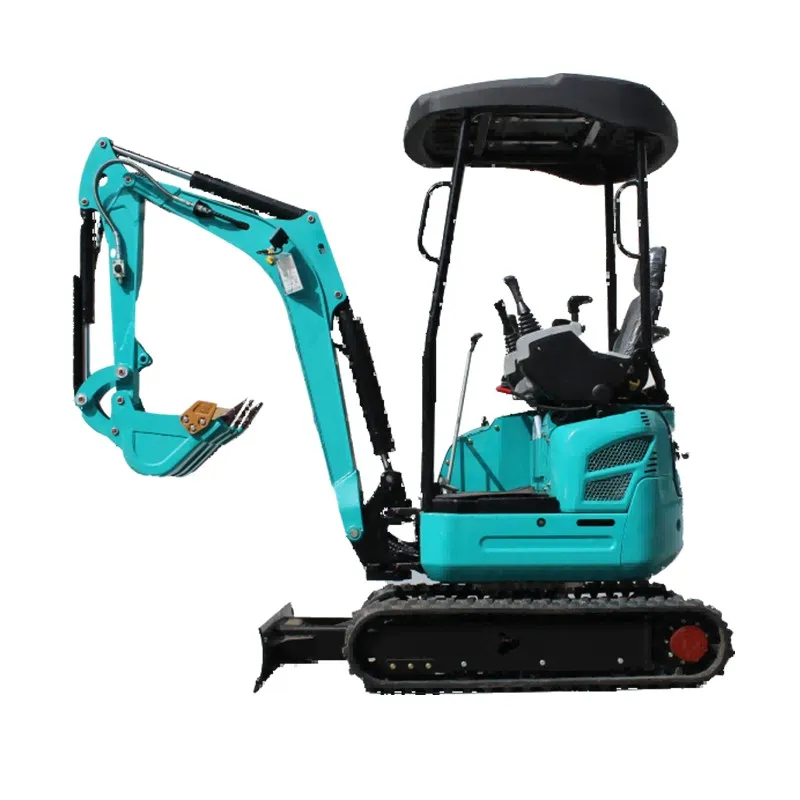
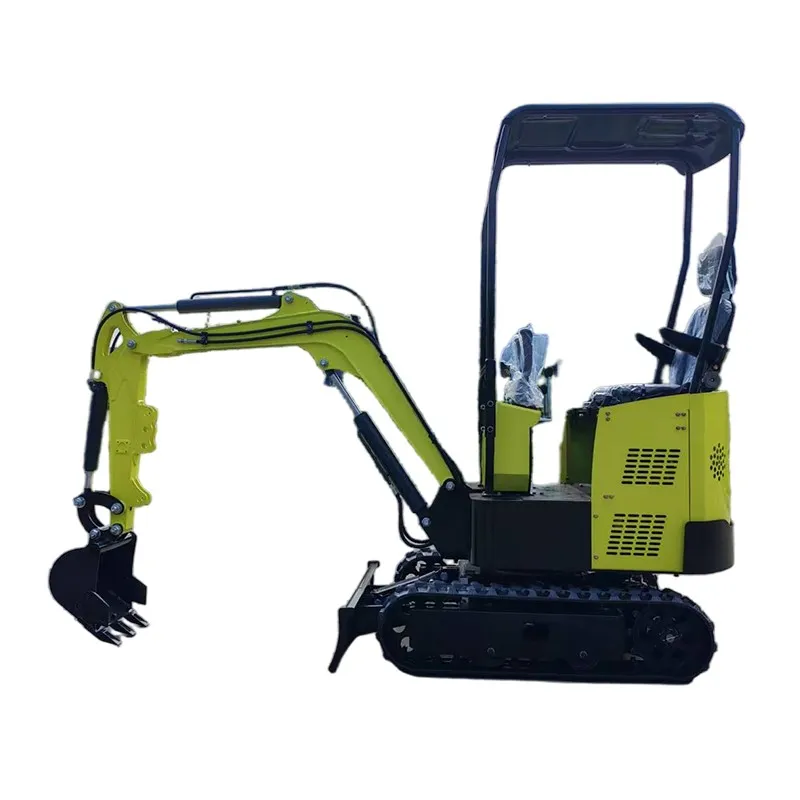
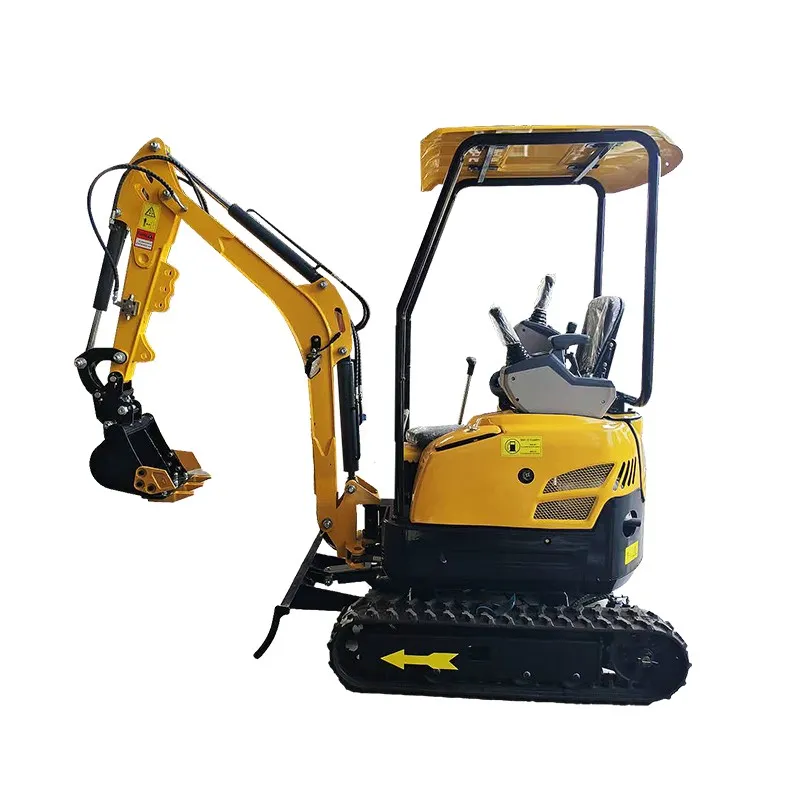
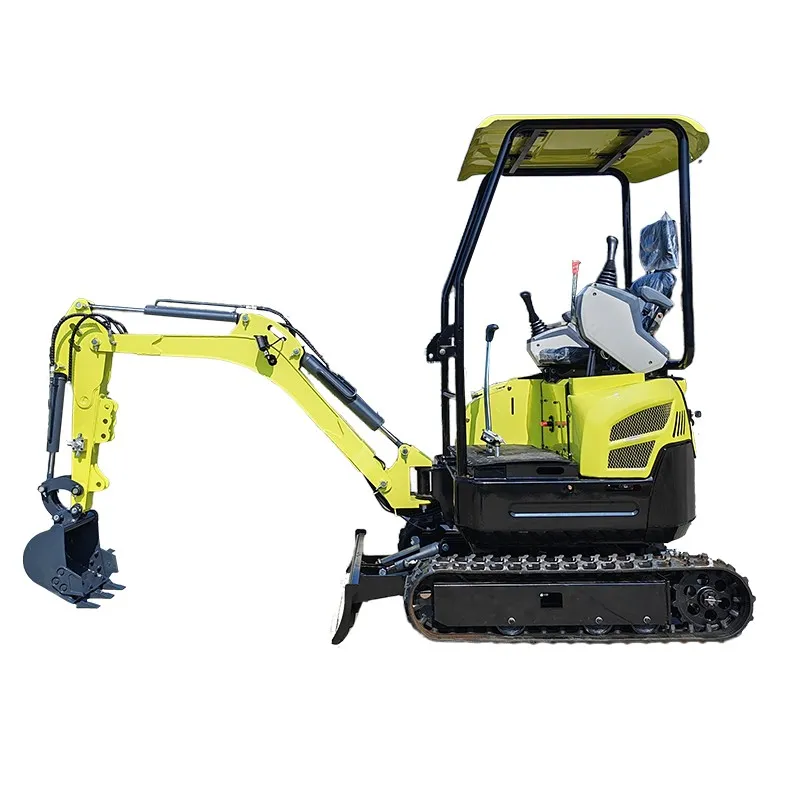
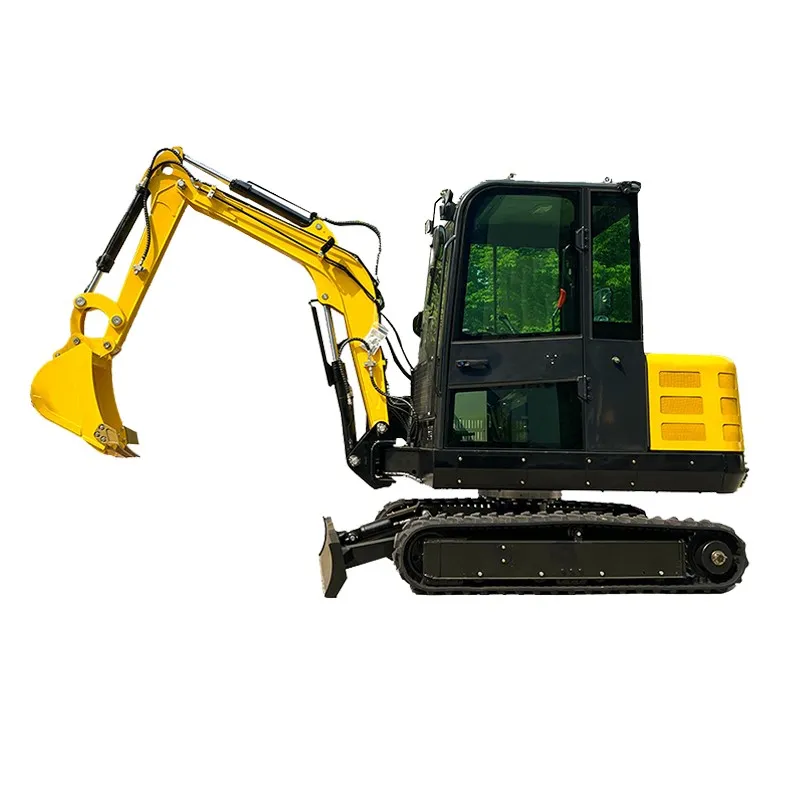
OEM small excavator
When you hear 'OEM small excavator', the immediate image for many is a generic, low-cost machine slapped together from a catalog of parts. That's the biggest misconception. The reality is far more nuanced, involving a complex dance between design intent, component sourcing, and the actual manufacturing capability of the factory. It's not just about putting a badge on a ready-made product; it's about building a product to your specifications, which is where things get interesting, and often, difficult.
The Foundation: What OEM Actually Means on the Ground
In our line of work, OEM isn't a magic word for cheap. It's a commitment. A client comes with a set of drawings, performance requirements, and a target price. Our job is to translate that into a physical machine that works, lasts, and can be serviced. For a small excavator, this starts with the core structure. The undercarriage, the main frame – these aren't commodities. I've seen projects stall because the initial quote was based on standard dimensions, but the client's design required a reinforced frame for a specific attachment, throwing the entire stress calculation and sourcing for hydraulic cylinders out of whack.
This is where long-term factory relationships matter. A company like Shandong Pioneer Engineering Machinery Co., Ltd (https://www.sdpioneer.com), with its two-decade history, typically has evolved past just assembly. They've likely dealt with enough iterations to have a library of validated designs for frames and booms. When they say they can do an OEM build, they're implying they have the engineering capacity to adapt their base platforms. Their recent relocation to a new facility in Ningyang in 2023 suggests an expansion, probably in manufacturing space or process capability, which directly impacts their ability to handle custom OEM orders efficiently.
The trap many first-time buyers fall into is focusing solely on the engine brand (Kubota, Yanmar) and the pump. While critical, that's just the power train. The real devil is in the detailing of the piping, the routing of hoses to avoid chafing, the placement of the control valves for accessibility. A good OEM partner will point these things out during design review. A bad one will just build exactly what's on the paper, leading to a machine that's a nightmare to maintain.
Component Sourcing: The Hidden Supply Chain
Nobody makes every single part. The ecosystem for a small excavator is vast. Track motors, swing drives, pilot control valves, seats, even the glass for the cab – all sourced. An OEM manufacturer's value is partly in their qualified vendor list. For instance, do they use genuine Rexroth or Parker hydraulic fittings, or local equivalents? The difference isn't always in immediate failure, but in consistent leakage rates over 500 hours of operation.
I recall a project where we specified a particular brand of rotary joint for the upper structure. The factory proposed a cheaper alternative, claiming equivalence. We approved it as a cost-saving measure. Big mistake. The failure rate was under 2%, but that 2% meant complete loss of swing function on the machine. The cost of field replacements and downtime dwarfed the initial savings. We reverted to the original spec. This is the daily judgment call: where can you compromise, and where must you absolutely not?
Companies like Shandong Pioneer, exporting to markets like Germany and Australia, have to navigate this constantly. Australian conditions demand extreme dust protection for hydraulics; German regulations have strict emission and sound requirements. Their ability to source and integrate components that meet these diverse market standards is a direct reflection of their OEM competency. It's not just about building it, it's about building it for a specific end-user environment.
Assembly & Quality Gates: More Than a Production Line
The assembly floor tells you everything. Is it organized, or chaotic? Are there torque wrenches with calibration tags visible at stations? For OEM small excavator production, the critical phases are the hydraulic system assembly and the final pressure testing. I've walked lines where hoses were installed without protective sleeves where they pass through metal, guaranteeing a rupture in six months. A professional setup will have clear work instructions at each station, especially for critical connections like the main pump to the control valve bank.
The test run is non-negotiable. A proper factory won't let a machine leave without a minimum 2-hour run-in under load. They'll be checking for overheating, unusual noises, hydraulic leakage (not just drips, but seepage), and the smoothness of all functions. The data from these tests – pressure readings, temperature curves – should be part of the delivery pack for an OEM product. It's the machine's birth certificate.
This is where the 20 years of accumulation for a manufacturer becomes tangible. It's the knowledge of exactly how much pre-load to apply to a swing bearing, or the optimal shimming for a final drive. This tacit knowledge reduces the variance between unit 1 and unit 100 of an OEM order, ensuring consistency. Without it, you get a prototype that works great and a production run full of gremlins.
The Commercial Tightrope: Cost, Communication, and Compromise
Let's be blunt: price is the primary driver for seeking an OEM arrangement in this segment. But the initial quote is a starting point, not the finish line. Every change, every can we make this bucket wider? has a ripple effect. Clear, technical communication is vital. Sending a PDF drawing is step one. Having a video call where both parties mark up the same drawing is step two. Misunderstanding here leads to expensive rework.
Payment terms and production scheduling are intertwined. A 30% deposit is standard to start sourcing long-lead items like engines. But you need milestones. A payment linked to the completion of the welded main structure, another after pre-delivery testing. This protects both sides. I've learned to build buffer time into the schedule. Promising a client a 60-day delivery when the factory says 55 days manages expectations. International logistics from a location in Shandong to, say, North America, adds another 30-45 days easily.
The trust mentioned by Shandong Pioneer, earned over years exporting globally, is essentially the currency that smooths this process. It means they understand Incoterms, they can handle export documentation, and they've likely seen most common commercial disputes before. They know a reliable OEM partnership is worth more than squeezing the last dollar out of a single order.
Final Reality Check: Beyond the Machine
The product is the small excavator. The package is everything else. Technical manuals that are actually readable, with clear exploded diagrams. A sensible parts numbering system. Availability of critical spare parts not just from the factory, but potentially from regional warehouses. For an OEM client, you're often responsible for after-sales support in your market. Your factory partner must enable that.
We made an error once by not securing the CAD files for the machine's sheet metal covers and brackets. When we needed a specific guard, we had to go back to the factory, pay for a new drawing, and wait for production. Now, it's a clause in the agreement: 2D and 3D data for wear parts and structural components are part of the delivery. A mature OEM supplier expects this request.
So, when evaluating an OEM small excavator partner, look past the brochure. Look at their history of adaptation (like Pioneer's evolution since 2004), their physical investment (the new production area), and their market footprint (exports to stringent markets). Ask for a tour of the line, ask to see their quality control records for hydraulic pressure tests. The conversation will quickly move from generic promises to specific, actionable details. That's where you find the real OEM capability, not in the marketing term itself.
Related Products
Related Products