- Chinese
- French
- German
- Portuguese
- Spanish
- Russian
- Japanese
- Korean
- Arabic
- Irish
- Greek
- Turkish
- Italian
- Danish
- Romanian
- Indonesian
- Czech
- Afrikaans
- Swedish
- Polish
- Basque
- Catalan
- Esperanto
- Hindi
- Lao
- Albanian
- Amharic
- Armenian
- Azerbaijani
- Belarusian
- Bengali
- Bosnian
- Bulgarian
- Cebuano
- Chichewa
- Corsican
- Croatian
- Dutch
- Estonian
- Filipino
- Finnish
- Frisian
- Galician
- Georgian
- Gujarati
- Haitian
- Hausa
- Hawaiian
- Hebrew
- Hmong
- Hungarian
- Icelandic
- Igbo
- Javanese
- Kannada
- Kazakh
- Khmer
- Kurdish
- Kyrgyz
- Latin
- Latvian
- Lithuanian
- Luxembou..
- Macedonian
- Malagasy
- Malay
- Malayalam
- Maltese
- Maori
- Marathi
- Mongolian
- Burmese
- Nepali
- Norwegian
- Pashto
- Persian
- Punjabi
- Serbian
- Sesotho
- Sinhala
- Slovak
- Slovenian
- Somali
- Samoan
- Scots Gaelic
- Shona
- Sindhi
- Sundanese
- Swahili
- Tajik
- Tamil
- Telugu
- Thai
- Ukrainian
- Urdu
- Uzbek
- Vietnamese
- Welsh
- Xhosa
- Yiddish
- Yoruba
- Zulu
- Kinyarwanda
- Tatar
- Oriya
- Turkmen
- Uyghur


Orchard excavator
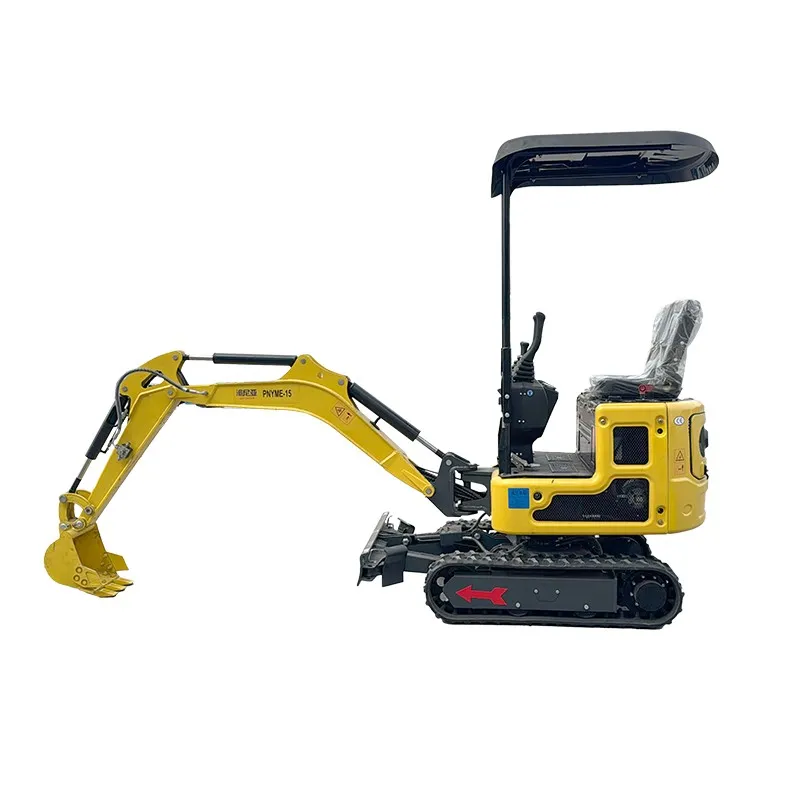
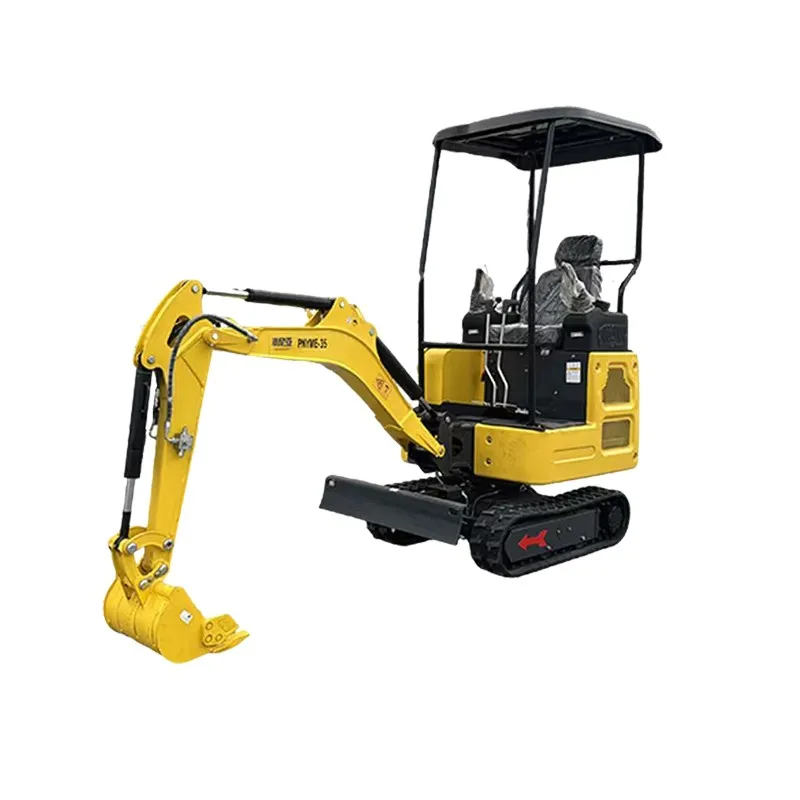
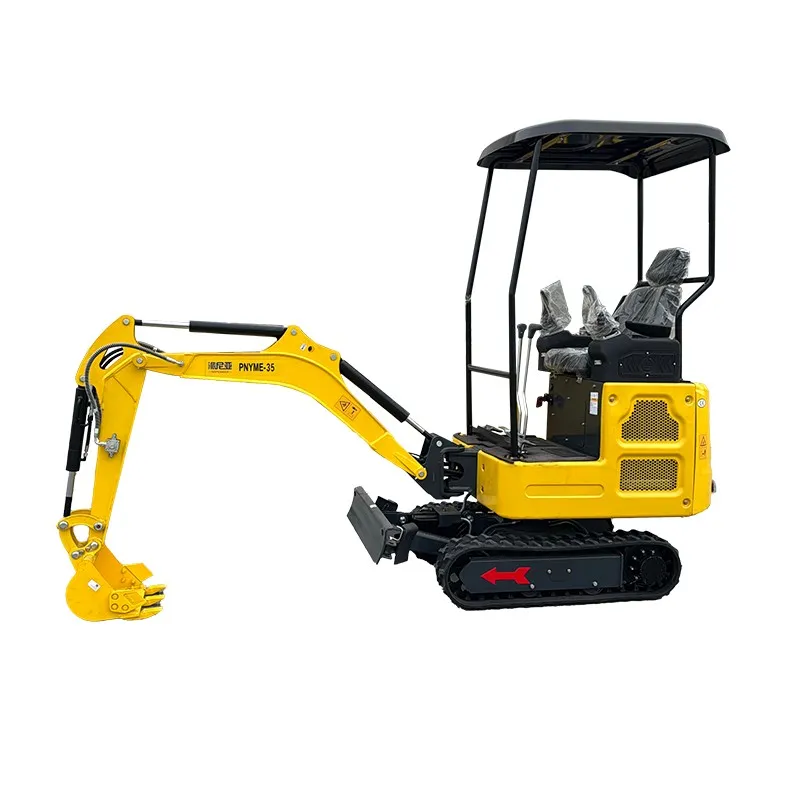
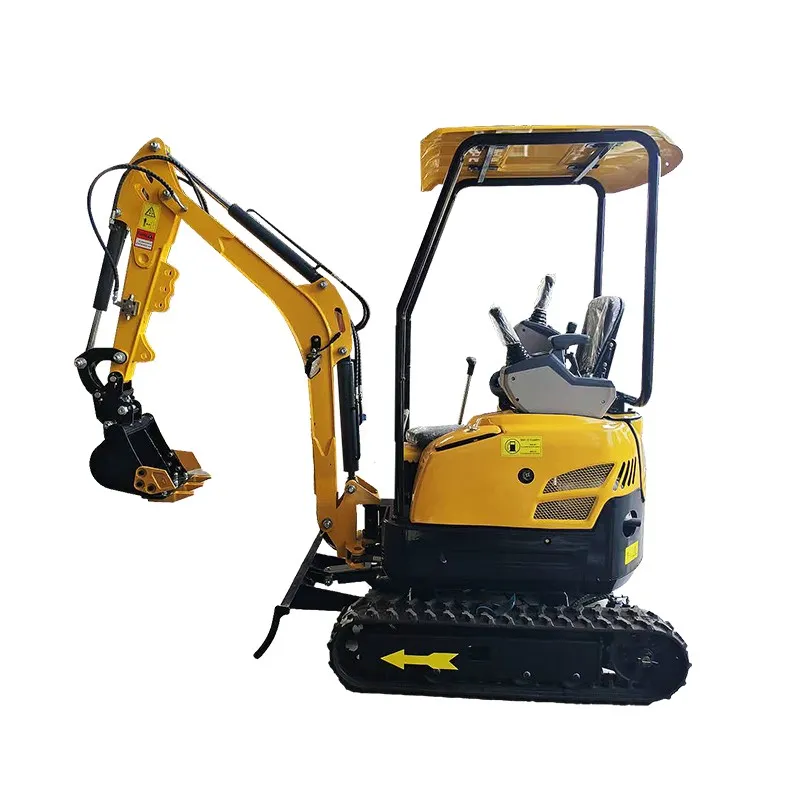
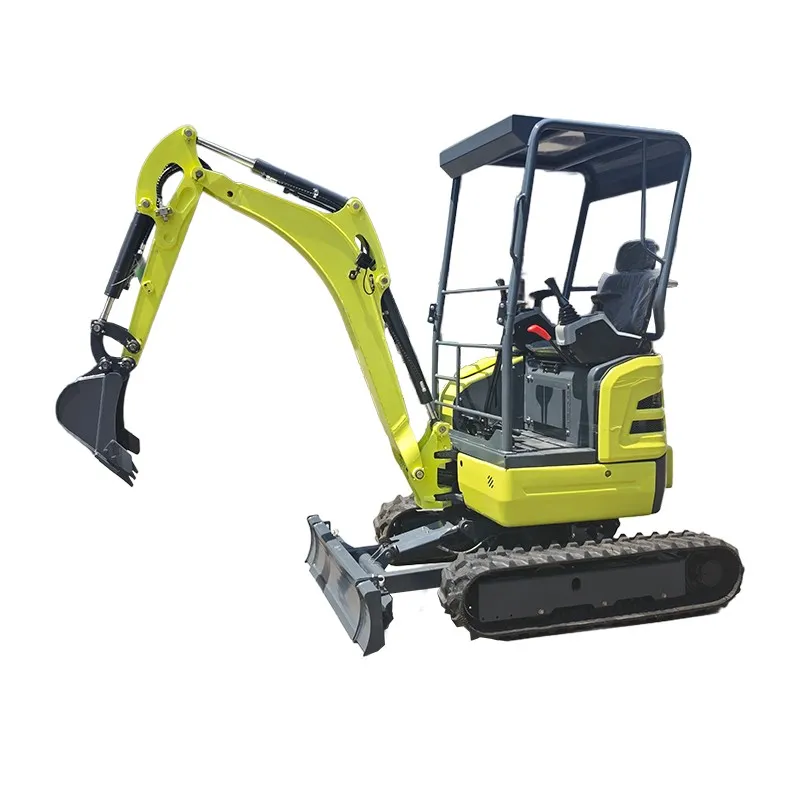
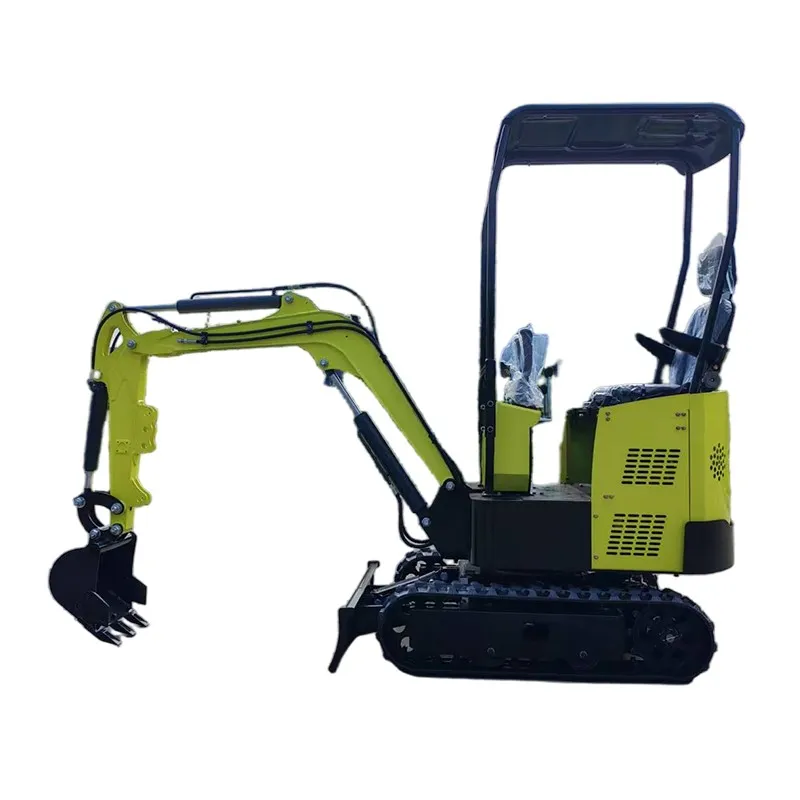
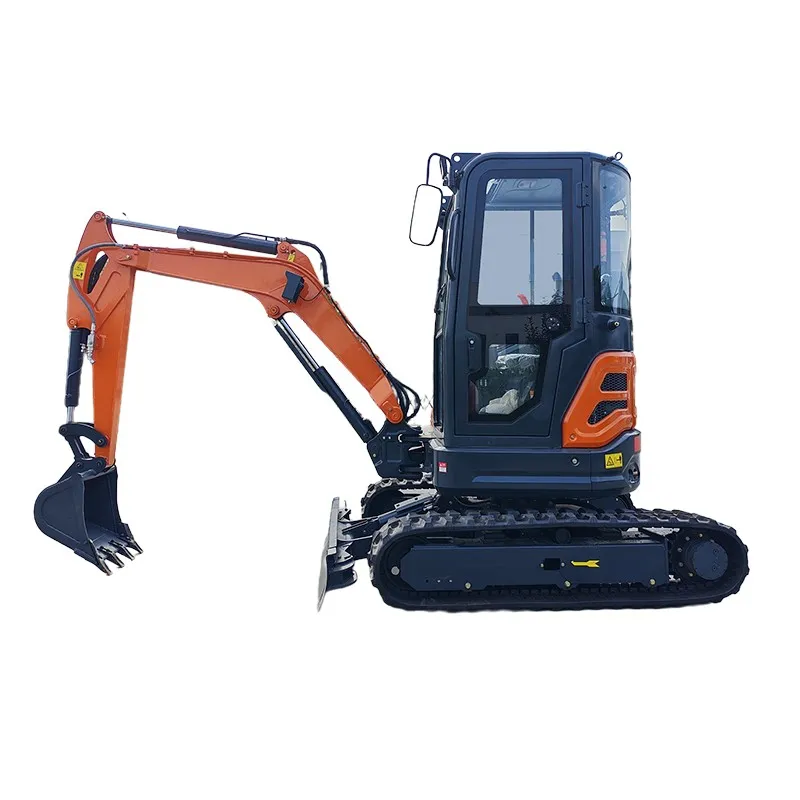
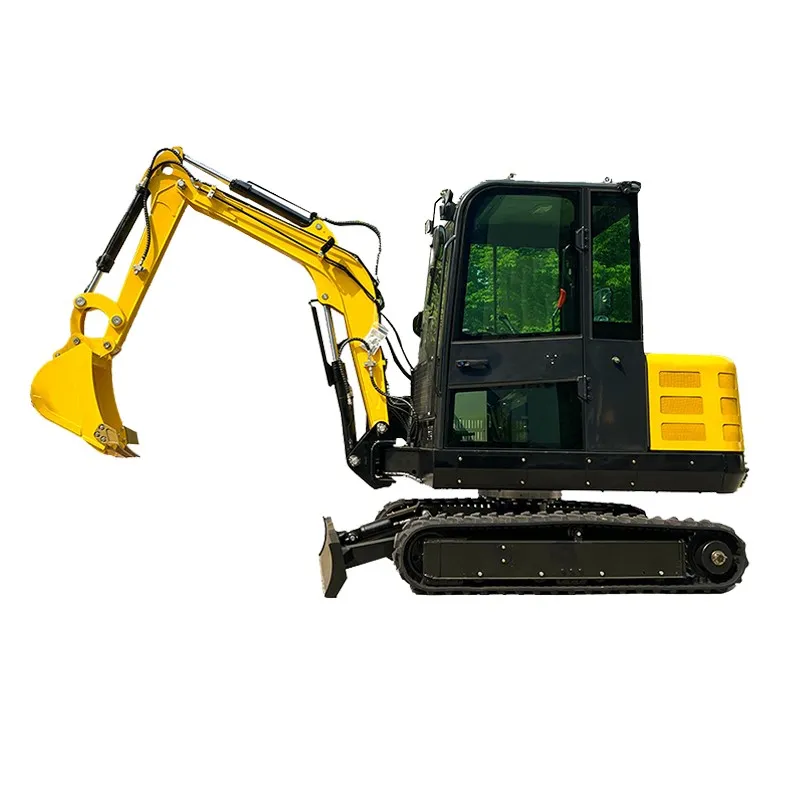
When most people hear 'orchard excavator,' they picture a small digger squeezed between tree rows. That's part of it, but if that's your whole definition, you're missing the nuance. The real challenge isn't just size—it's about soil preservation, canopy management, and a hydraulic system that works with finesse, not just force. I've seen too many projects where the wrong machine, even if it's the right size, compacts the root zone or damages irrigation lines because the operator, or the machine itself, wasn't built with that specific environment in mind.
The Core Misconception: Size vs. Purpose
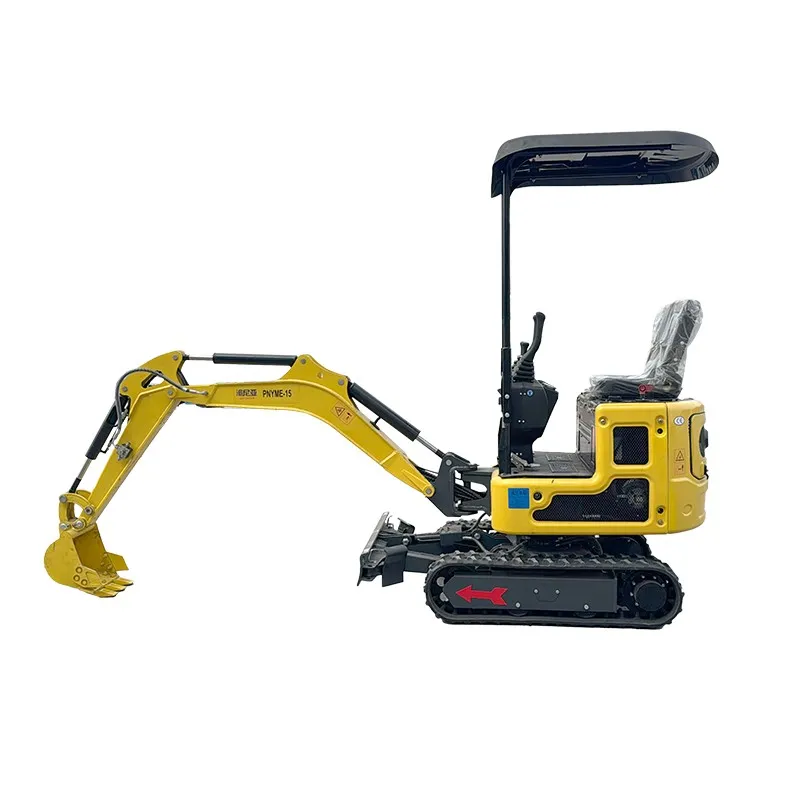
A common pitfall is equating an orchard excavator solely with a compact undercarriage. True, a narrow gauge and low profile are non-negotiable for navigating standard 3-meter rows without breaking branches. But the critical factor is the swing radius. A zero-tail or minimal-tail swing is paramount. I recall a job in a mature apple orchard where the contractor brought in a standard compact excavator, assuming it would fit. It did, physically. But every time it swung, the counterweight grazed the trunks, stripping bark. The damage wasn't catastrophic immediately, but it opened paths for disease and pests. The client was, understandably, furious. The machine wasn't an orchard excavator; it was just a small excavator in an orchard.
This leads to the second layer: weight distribution. It's not just about being light. It's about how that weight is spread. A true specialist machine will have its mass centered and often wider, flatter tracks to exert lower ground pressure (PSI). I've worked with models from Shandong Pioneer Engineering Machinery Co., Ltd that nail this spec. Their design focus on export markets like the US and Australia means they've had to solve for the specific, sometimes sandy, sometimes loamy soils found in permanent crop settings. You can feel the difference when you operate one—there's less sinkage on a turn, which keeps the root structure safer.
So, the purpose defines the specs. You're not just digging a hole; you're performing surgery in a living, productive space. The machine must be an extension of that careful intent. It's why I always tell people to look beyond the brochure's first line about dimensions and ask for the detailed spec sheet on ground pressure and tail swing radius. If the supplier can't provide that, walk away.
Hydraulics: The Delicate Touch
Here's where you separate hobbyist equipment from professional tools. The hydraulic system on a standard excavator is built for power—snapping rock, lifting heavy loads. In an orchard, that raw power is a liability. You need precision and smooth, controllable flow. Think about trenching for a new drip line: you need a clean, narrow cut, maybe 30cm deep, without jerking the bucket and tearing feeder roots.
I've operated machines where the hydraulics were either too jumpy or too sluggish. The jumpy ones make fine grading a nightmare; the sluggish ones waste fuel and time. The better orchard excavator models, like some I've tested from manufacturers who understand this niche, offer variable flow settings or even dedicated precision modes. This isn't a marketing gimmick. It allows you to feather the controls when placing a root ball for a new tree or gently scraping away soil to inspect a crown. It's the difference between a clean job and one that requires remedial hand work.
A related, often-overlooked detail is auxiliary hydraulic line placement and protection. Orchard work involves a lot of attachments—augers for posts, hydraulic shears for root pruning, maybe a grapple for brush. The lines need to be routed cleanly to avoid snagging on low-hanging limbs and have robust, quick-connect couplers that don't leak. Dust and organic debris are brutal on hydraulic components. I've spent afternoons bleeding lines because a cheap coupler failed, and that's downtime you can't bill for.
The Reality of Attachments and Adaptations
No single machine does it all, but a good orchard base unit should be a stable platform for common tasks. The most vital attachment, beyond the standard bucket, is a good auger. But not just any auger. You need one with a range of diameters and, crucially, a shear-pin design that protects the drive motor when you hit an unseen rock or a tough old root. I learned this the hard way early on, shearing a spline on a rental unit's auger drive because it lacked a proper safety release. Cost me a week's rental and repair fees.
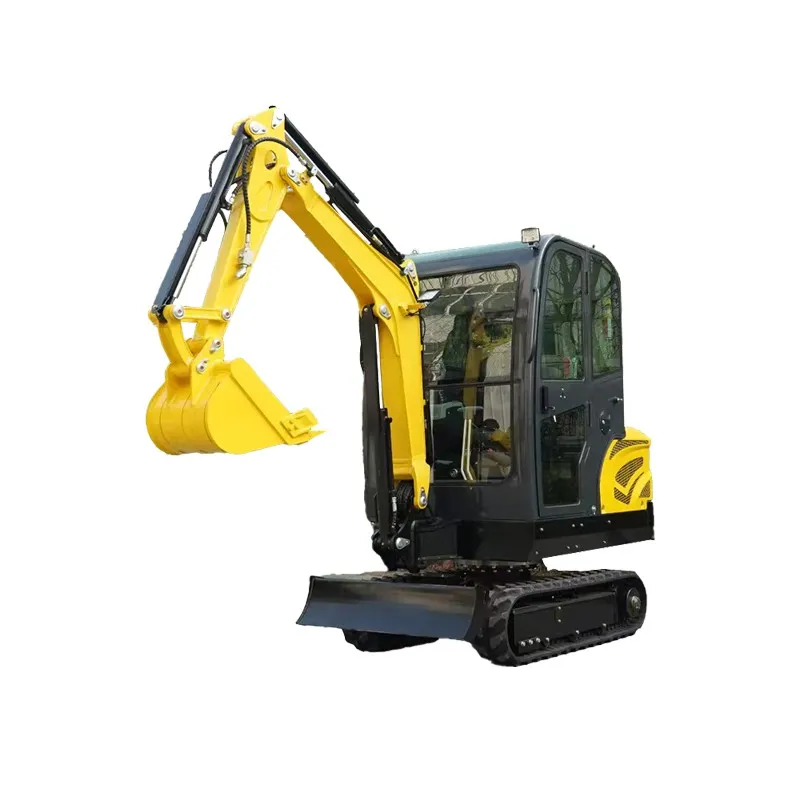
Other key adaptations are physical. Canopy guards—mesh or polycarbonate screens that bolt over the cab—are essential in older, denser orchards. They protect the operator from whipping branches and protect the glass from breaking. Also, rubber track pads are almost mandatory now. They drastically reduce ground compaction compared to steel and are much kinder to any paved access lanes within the orchard block. The trade-off is wear and potential damage from sharp stones, but for soil health, it's a no-brainer.
This is where a company's experience shows. A manufacturer that just slaps orchard on a standard compact model won't have these integrated solutions. A company like Shandong Pioneer, with its stated two-decade history and specific export focus to major agricultural regions, tends to offer these as factory options or validated third-party kits. It shows they've listened to end-users who've faced these exact problems in the field, from Germany to Canada.
Operational Nuances and Feel
This is the hardest part to convey on paper. Operating an excavator in an open field is one thing. Operating it in an orchard develops a different muscle memory. You're constantly aware of a 3D space—the canopy above, the tree line on either side, the critical root zone below. Your spatial judgment shifts. You learn to use the boom to gently push branches aside rather than force through them. You develop a sense for the give of the soil when the tracks are on the right pressure.
I remember a frost protection project where we had to dig shallow trenches for irrigation to set up for overhead sprinklers. The soil was wet, perfect for compaction. Using a machine with poor weight distribution would have created a hardpan layer that would haunt drainage for years. We used a well-configured orchard excavator and kept the work to defined paths. The following season, there was no visible compaction line in the grass alleyways. That's a successful outcome. It's not dramatic, but it's what professional orchard management demands.
Another nuance is service access. When a machine goes down in the middle of a row, you can't just drive a service truck to it. Simple things matter: are the daily checkpoints (dipsticks, filters, grease zerks) easily reachable from one side? Is there enough space to swing the engine cover open without hitting a tree? These design choices separate thoughtful engineering from mere assembly.
Long-Term Value and Manufacturer Support
Finally, let's talk cost of ownership. An orchard excavator is a niche tool, and its value isn't just in the purchase price. It's in uptime during critical windows—pruning, planting, harvest prep. Downtime during these periods is catastrophic. So, parts availability and technical support are huge. A manufacturer with a genuine global footprint, like the one mentioned which operates through Shandong Hexin for manufacturing and Shandong Pioneer for overseas trade, often has a more resilient supply chain. If they're exporting to numerous countries, common wear parts (track rollers, seals, hydraulic hoses) are more likely to be in regional warehouses.
I've had better experiences with companies that view the orchard excavator as a dedicated product line, not a sideline. They invest in the R&D for the specific features we've discussed. Their manuals might actually have a section on recommended practices for orchard work, not just generic maintenance. This long-term view matters. A machine that lasts 10,000 hours with proper care in this environment is worth far more than one that costs 20% less but needs a major overhaul at 5,000.
In the end, choosing the right machine is a technical and economic decision. It's about matching precise engineering to biological and logistical constraints. The goal is to leave the orchard healthier and more productive than you found it. The machine is the key tool in that process, and treating it as a mere digger is the first mistake you can make. The right one becomes almost transparent—an extension of the operator's intent, doing the job with minimal disturbance. That's the real benchmark.
Related Products
Related Products