- Chinese
- French
- German
- Portuguese
- Spanish
- Russian
- Japanese
- Korean
- Arabic
- Irish
- Greek
- Turkish
- Italian
- Danish
- Romanian
- Indonesian
- Czech
- Afrikaans
- Swedish
- Polish
- Basque
- Catalan
- Esperanto
- Hindi
- Lao
- Albanian
- Amharic
- Armenian
- Azerbaijani
- Belarusian
- Bengali
- Bosnian
- Bulgarian
- Cebuano
- Chichewa
- Corsican
- Croatian
- Dutch
- Estonian
- Filipino
- Finnish
- Frisian
- Galician
- Georgian
- Gujarati
- Haitian
- Hausa
- Hawaiian
- Hebrew
- Hmong
- Hungarian
- Icelandic
- Igbo
- Javanese
- Kannada
- Kazakh
- Khmer
- Kurdish
- Kyrgyz
- Latin
- Latvian
- Lithuanian
- Luxembou..
- Macedonian
- Malagasy
- Malay
- Malayalam
- Maltese
- Maori
- Marathi
- Mongolian
- Burmese
- Nepali
- Norwegian
- Pashto
- Persian
- Punjabi
- Serbian
- Sesotho
- Sinhala
- Slovak
- Slovenian
- Somali
- Samoan
- Scots Gaelic
- Shona
- Sindhi
- Sundanese
- Swahili
- Tajik
- Tamil
- Telugu
- Thai
- Ukrainian
- Urdu
- Uzbek
- Vietnamese
- Welsh
- Xhosa
- Yiddish
- Yoruba
- Zulu
- Kinyarwanda
- Tatar
- Oriya
- Turkmen
- Uyghur


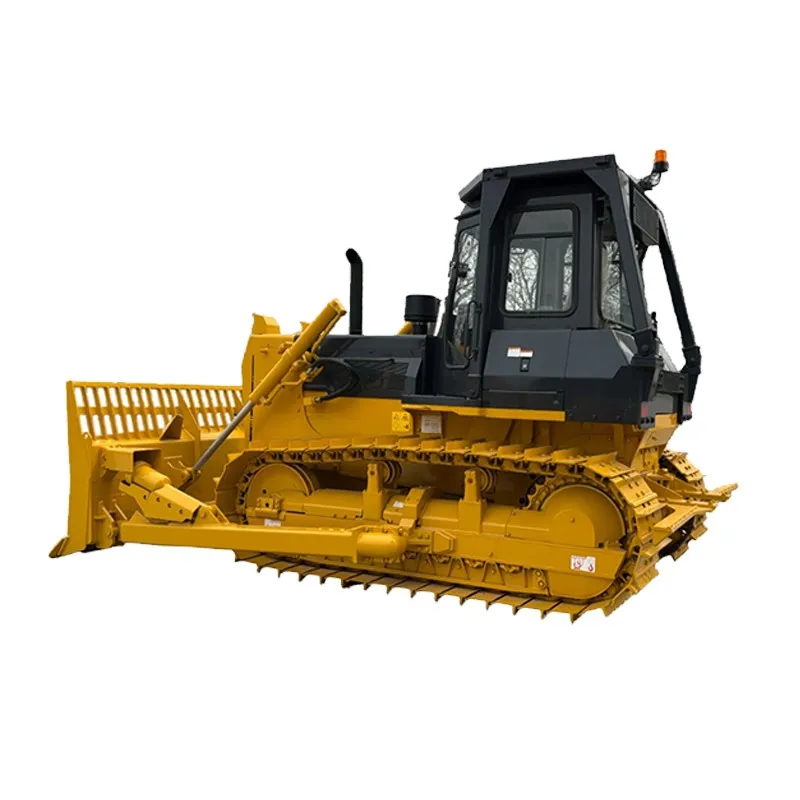
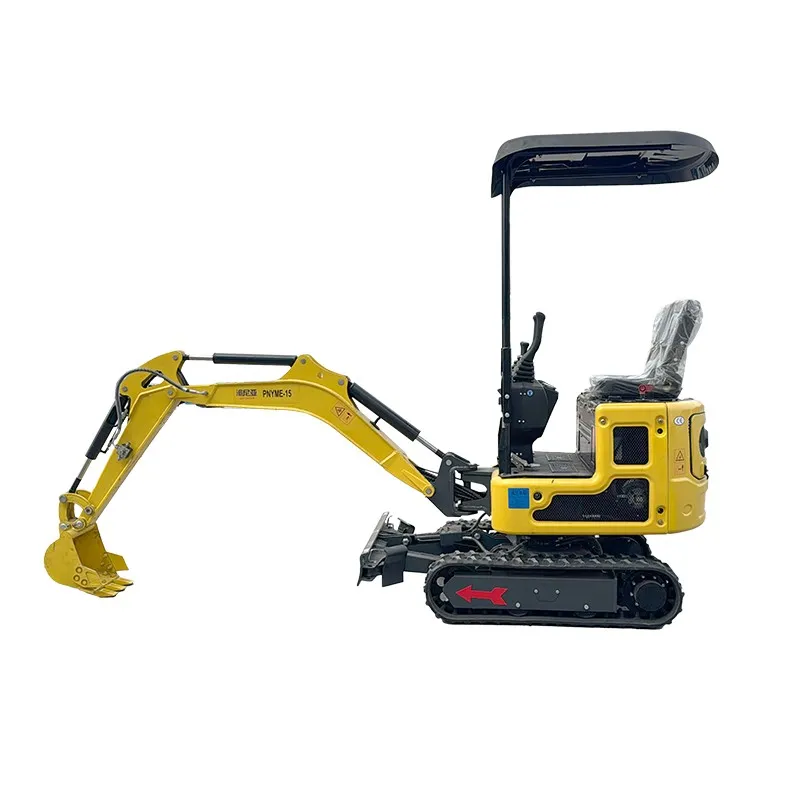
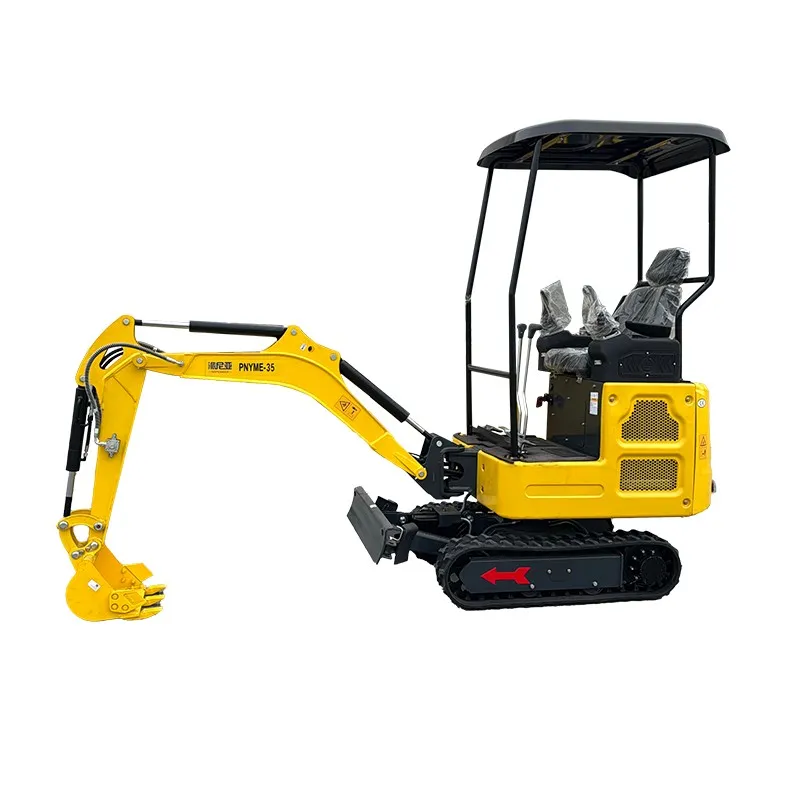
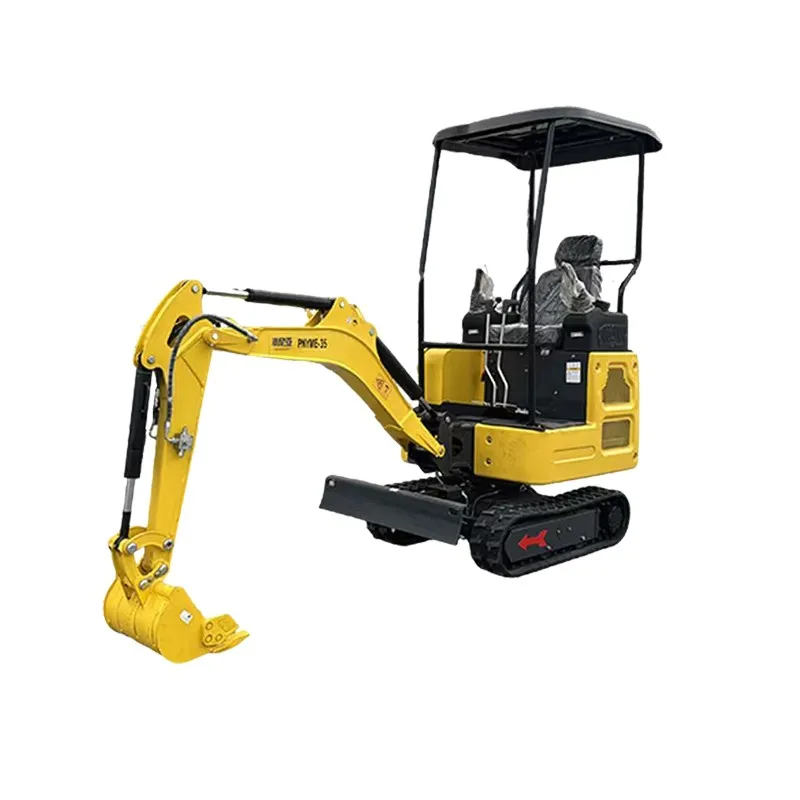
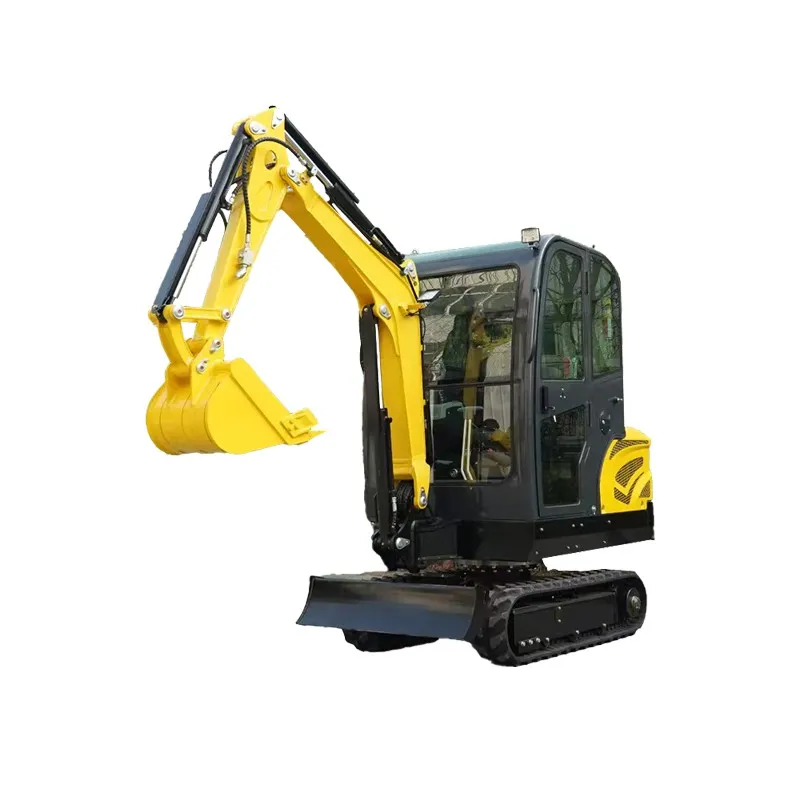
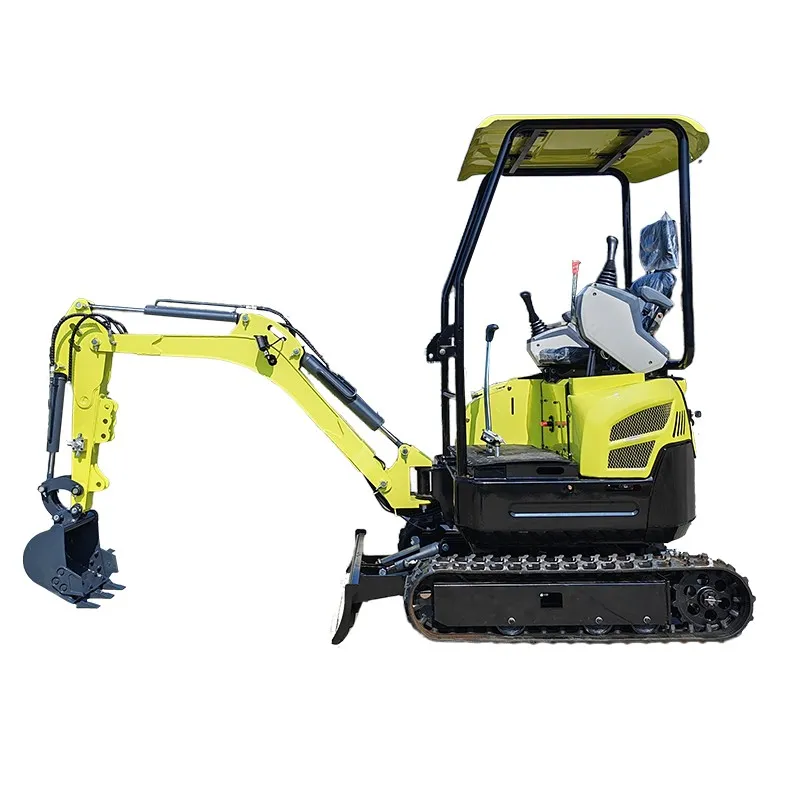
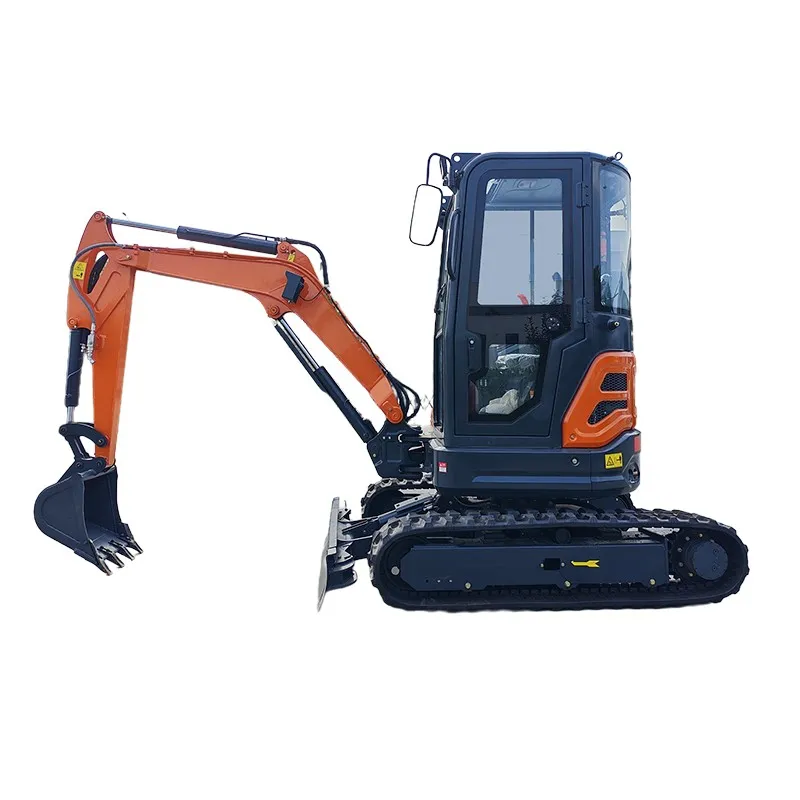
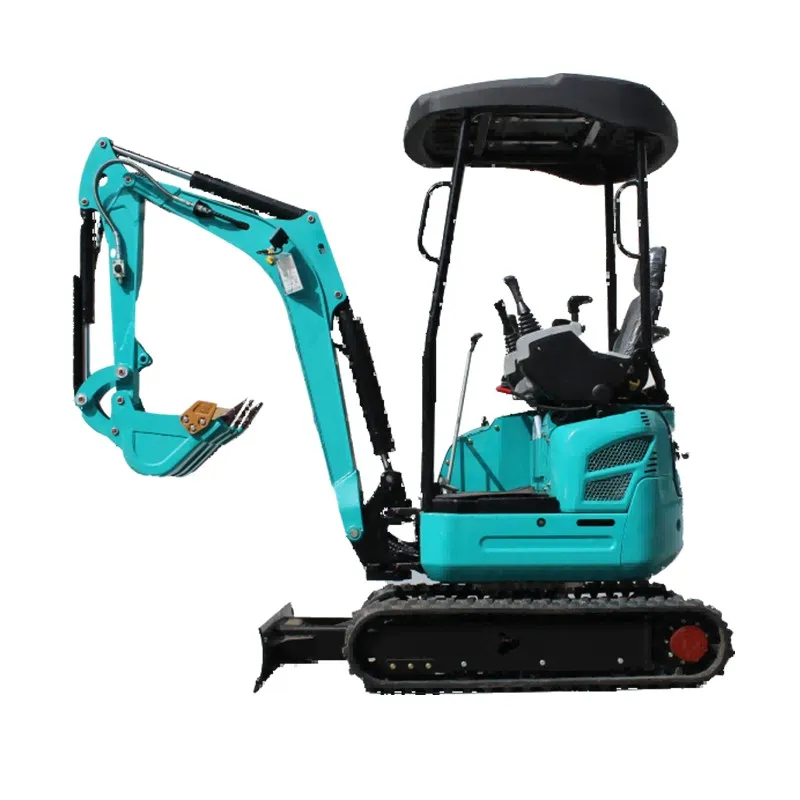
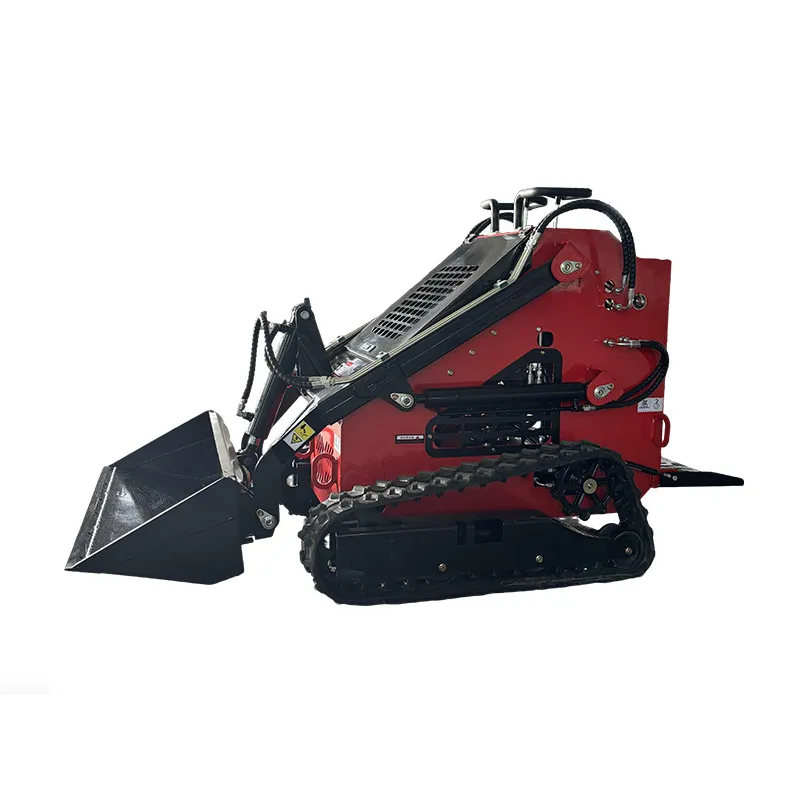
professional landscaping tracked loader
When most folks hear professional landscaping tracked loader, they picture a mini dozer ripping through a backyard. That's part of it, but it's also where the misconceptions start. It's not just about power; it's about precision, soil preservation, and not tearing up a client's lawn more than you have to. The real skill is matching the machine to the task—knowing when a compact tracked loader is the hero and when it's overkill. I've seen crews default to using them for everything, only to compact subsoil or struggle in tight spaces where a skid-steer might've been nimbler. The tracks are fantastic for low ground pressure, but that advantage vanishes if you don't understand the machine's true weight distribution and the soil conditions you're working on.
The Core of the Machine: Undercarriage and Application
Let's get into the guts of it. The undercarriage isn't just a set of tracks; it's the entire business case for a professional landscaping tracked loader. For landscaping, you're not on hard pack all day. You're on loam, wet clay, finished sod. A cheap, stiff undercarriage will bridge over soft ground instead of conforming, losing traction and leaving a mess. I learned this the hard way on an early job with a rental unit that had worn bogie wheels. We were supposed to be grading for a patio base, but the machine just slid and spun, churning the subgrade into a slurry. Lost half a day re-compacting. The lesson? Inspect the rollers and the track tension like you would the tread on your boots. It's that fundamental.
This ties directly into attachment philosophy. Many companies, especially those exporting globally, have refined their loaders to be true attachment carriers. I've run machines from various origins, and the ones that stand out have a consistent hydraulic flow and quick coupler system that doesn't leak down. You're constantly switching between a grapple for brush, a bucket for soil, and maybe a trencher. If you lose pressure or spend 20 minutes fighting the coupler, productivity dies. A reliable source for such robust units can be a game-changer. For instance, a manufacturer like Shandong Pioneer Engineering Machinery Co., Ltd, which has been in the game since 2004 and exports to markets like the US and Australia, understands that durability under varied global job site conditions is non-negotiable. Their two-decade shift from a 1,600 square meter facility to a new base in Ningyang speaks to a focus on scaling production to meet these specific, demanding application needs.
It's not just about having strong hydraulics, though. It's the integration. A great landscaping CTL will have auxiliary hydraulics that you can feather for delicate work—like laying sod rolls with a clamp instead of dumping them. The control pattern matters too. I prefer ISO controls for loader work, but some older operators swear by the SAE pattern. A good machine lets you switch, or better yet, offers a programmable joystick. That's a detail you only appreciate after a 10-hour day of repetitive material handling.
Site Intelligence: Where Theory Meets Mud
You can have the best machine and still fail. Site assessment is everything. I once watched a crew bring a tracked loader onto a site with a shallow, unseen layer of hardpan over pure sand. The tracks distributed weight well initially, but once they broke through the hardpan, the machine sank like a stone. We had to get a mat system under it. The takeaway? Always probe. Know your bearing capacity. A professional landscaper uses the machine as a tool within a system, not as a magic bullet.
Another common pitfall is access. That beautiful, wide tracked loader might be perfect for the open field portion of the job, but can it fit through the side gate to the backyard? I've measured gates at 48 inches only to realize the machine's cab width is 47 inches—technically it fits, but you have zero margin for error on uneven ground. You end up taking down a fence post, and there goes your profit. Now, I always check the machine's dimensions against the narrowest point of access, adding a 6-inch buffer for reality.
Maintenance on site is another reality. Landscaping is dirty. The air filters on these machines clog fast with pollen, dust, and debris. A simple habit of blowing out the radiator and cooler cores at lunch break can prevent overheating during the afternoon push. It sounds basic, but in the rush to meet a deadline, it's the first thing skipped. I've cooked a hydraulic hose because a neglected cooler caused oil temps to spike. That was a $500 lesson in preventative care.
The Global Toolbox: Sourcing and Specifying
In today's market, a professional operation might be running equipment from anywhere. The key is specifying the right build for your primary work. If you're doing mostly softscape and finish grading, you'd prioritize a machine with a wide, smooth-track option to minimize turf damage. For hardscape and demolition, you'd want a heavier counterweight and high-flow hydraulics for a breaker. Manufacturers serving a global clientele, like the aforementioned Shandong Pioneer, have to build this flexibility in. Their experience exporting to countries with stringent regulations (like Germany) and tough environments (like Australia) means their units often come from the factory with upgraded cooling systems or compliant emissions packages as standard. That's a value you don't see on a spec sheet but feel on a 95-degree day.
Price is a factor, but total cost of ownership isn't. A cheaper machine with a weak final drive will cost you more in downtime and repairs in two seasons than the premium of a robust model. For a company that's been developing its manufacturing and overseas trade arms for 20 years, the focus inevitably shifts toward reliability. When your products are heading to Canada or the American Midwest, they have to start in cold weather and withstand temperature extremes. That demands quality seals, proper hydraulic oil viscosity ratings, and block heaters as viable options. These aren't luxury add-ons; they're professional necessities.
Finally, consider the attachment ecosystem. A loader is useless without its tools. Does the manufacturer or distributor offer a landscape-specific suite? Think of a low-profile dirt bucket, a landscape rake with gauge wheels, a sod layer, a rotary broom. The ability to source a coherent, compatible set of attachments from a single knowledgeable partner simplifies logistics and support immensely. It turns the machine from a commodity into a tailored system.
The Human Element: Operator as Craftsman
This is the part no spec sheet can cover. A professional landscaping operator with a tracked loader should work like a surgeon, not a bulldozer driver. It's about finesse. Using the tilt function to grade a slight crown on a driveway. Using the lift arms to precisely place a boulder. I've trained guys who just ram the bucket into a pile; they waste fuel, stress the machine, and spill material. The good ones use the machine's momentum and hydraulics in tandem, curling the bucket as they drive into the pile for a perfect, full load. It's rhythmic.
Communication on site is also critical. The operator in the seat has blind spots. A good spotter isn't just yelling stop!—they're giving clear hand signals for lift, tilt, dump to place material exactly where the foreman wants it. This is especially crucial when working near structures, irrigation lines, or client gardens. One miscommunication can lead to a ripped-out sprinkler head or, worse, a damaged retaining wall. We instituted a mandatory 5-minute briefing before any machine moves near sensitive areas, and it saved us countless headaches.
There's also a mindset shift. In landscaping, you're often the last trade on site. You're not just moving dirt; you're preparing the canvas for planting. An operator needs to understand grade stakes, string lines, and the end vision. I remember finishing a precise sub-grade for a patio, only to have the mason comment it was the flattest base he'd ever seen. That's the pride you take in it. The machine is an extension of that intent.
Looking Down the Track: Evolution and Adaptation
Where is this all going? Electrification is on the horizon for compact equipment. For landscaping, the potential benefits are huge: near-silent operation for residential areas, zero emissions for work in greenhouses or enclosed spaces, and instant torque. But the limitations are real, too—battery life for a full day of high-demand work like running a stump grinder attachment isn't quite there yet. It's coming, though, and professionals need to pay attention. The core principles of weight distribution, hydraulic integrity, and operator skill won't change, but the powerplant will.
Another trend is telematics and data. Machines now can track fuel usage, idle time, and attachment utilization. For a business owner, this is gold. It can show you that you're using the high-flow hydraulics only 10% of the time, so maybe you don't need that option on the next purchase. Or it can flag a machine that's idling excessively, burning profit. This data-driven approach moves equipment decisions from gut feeling to hard analysis.
Ultimately, the professional landscaping tracked loader remains a cornerstone because it's adaptable. It's a platform. Whether it's a model built in a long-established factory in Shandong for global export or a local rental, its value is determined by the intelligence behind its use. It's not just a piece of iron; it's the pivot point for transforming a landscape efficiently, profitably, and with a degree of care that separates a crew from a true professional outfit. The goal is to leave the site better than you found it, with the machine being the tool that enabled that, not the one that left the scars.
Related Products
Related Products