


- Chinese
- French
- German
- Portuguese
- Spanish
- Russian
- Japanese
- Korean
- Arabic
- Irish
- Greek
- Turkish
- Italian
- Danish
- Romanian
- Indonesian
- Czech
- Afrikaans
- Swedish
- Polish
- Basque
- Catalan
- Esperanto
- Hindi
- Lao
- Albanian
- Amharic
- Armenian
- Azerbaijani
- Belarusian
- Bengali
- Bosnian
- Bulgarian
- Cebuano
- Chichewa
- Corsican
- Croatian
- Dutch
- Estonian
- Filipino
- Finnish
- Frisian
- Galician
- Georgian
- Gujarati
- Haitian
- Hausa
- Hawaiian
- Hebrew
- Hmong
- Hungarian
- Icelandic
- Igbo
- Javanese
- Kannada
- Kazakh
- Khmer
- Kurdish
- Kyrgyz
- Latin
- Latvian
- Lithuanian
- Luxembou..
- Macedonian
- Malagasy
- Malay
- Malayalam
- Maltese
- Maori
- Marathi
- Mongolian
- Burmese
- Nepali
- Norwegian
- Pashto
- Persian
- Punjabi
- Serbian
- Sesotho
- Sinhala
- Slovak
- Slovenian
- Somali
- Samoan
- Scots Gaelic
- Shona
- Sindhi
- Sundanese
- Swahili
- Tajik
- Tamil
- Telugu
- Thai
- Ukrainian
- Urdu
- Uzbek
- Vietnamese
- Welsh
- Xhosa
- Yiddish
- Yoruba
- Zulu
- Kinyarwanda
- Tatar
- Oriya
- Turkmen
- Uyghur

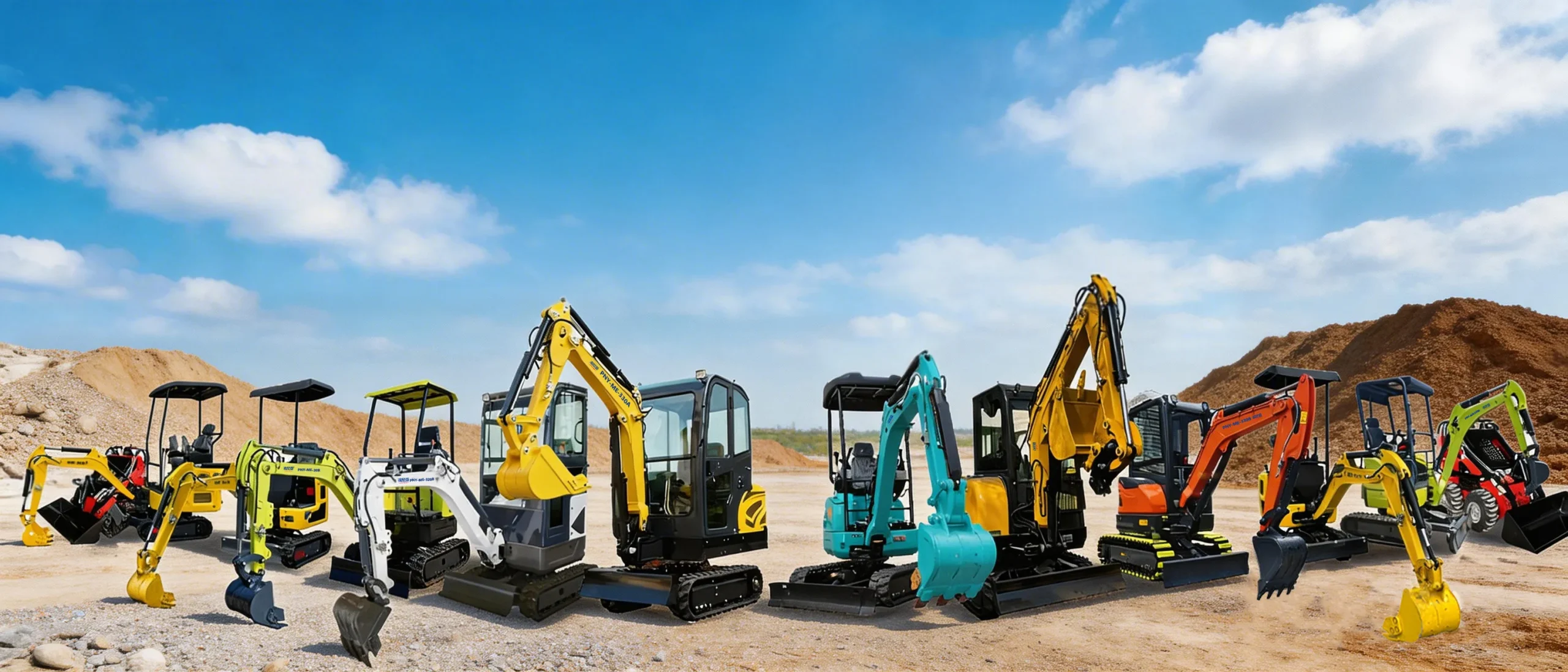
remote control skid steer loader
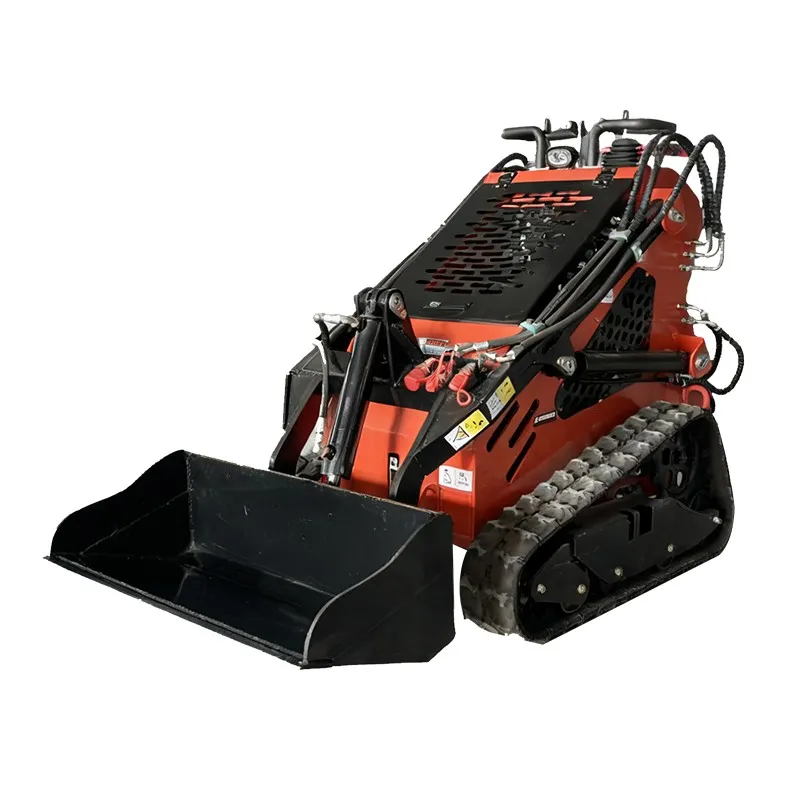
When most people hear 'remote control skid steer loader,' they picture a kid's toy or maybe a hobby-grade model. That's the first misconception. In our line of work, it refers to a full-scale, industrial machine operated via a wireless control system, not a joystick in a cab. It's for the nasty jobs—demolition in unstable structures, hazardous material handling, or working in extreme temperatures where putting an operator inside is either impossible or downright dangerous. The key isn't just the remote; it's the integration of that control system with a real, heavy-duty machine. I've seen outfits buy a standard loader, slap a generic radio kit on it, and call it a day. That's a shortcut to a world of latency issues and, frankly, a safety incident waiting to happen.
The Core of a True Remote-Operated Machine
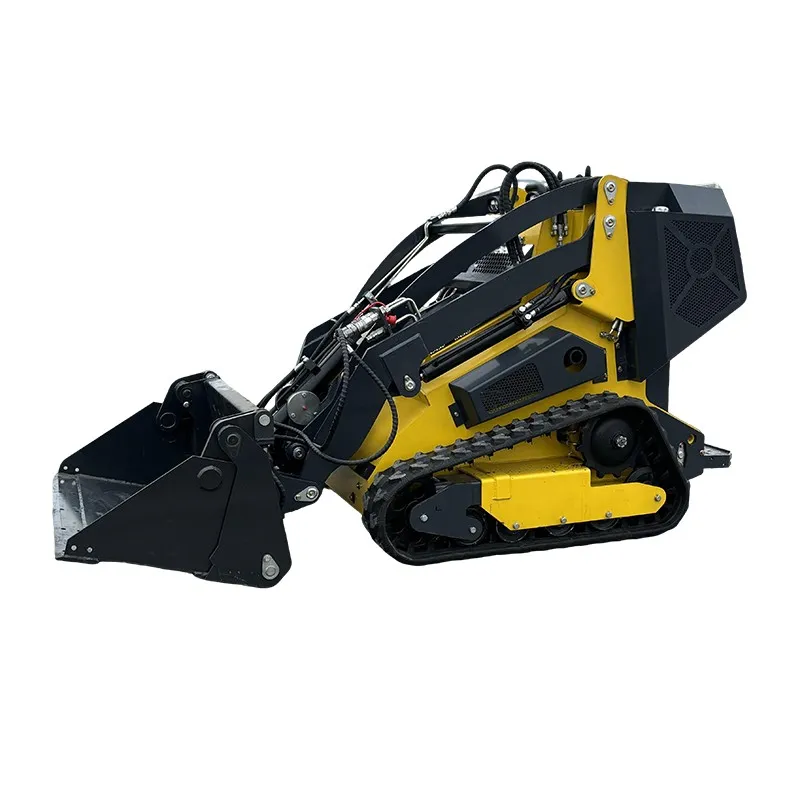
It starts with the machine itself. You can't just retrofit any skid steer. The chassis needs to be built, or at least heavily modified, with the remote system in mind. We're talking about redundant hydraulic control circuits, hardened wiring looms protected from vibration and heat, and a power system that can handle the constant draw of the control receiver, cameras, and auxiliaries without draining the battery mid-shift. The remote control skid steer loader from Shandong Pioneer, for instance, their RC series, gets this right. They don't start with a finished cabbed unit; they design the chassis from the ground up to be 'drive-by-wire.' The pump, valves, and actuators are selected for precise electronic modulation, not just manual lever feel.
Then there's the control system. The handheld transmitter is the easy part. The magic—and the headache—is in the onboard receiver and the interface with the machine's hydraulic computer. Latency is the killer. If you press 'lift' on the remote and the arm moves half a second later, you've lost all precision and confidence. In a demo site, that delay could mean knocking over a load-bearing column you meant to avoid. The reliable systems I've worked with, like some of the European kits or the integrated ones from manufacturers like the aforementioned, aim for under 100ms. You achieve that through dedicated frequency hopping channels and robust, industrial-grade components, not off-the-shelf hobbyist gear.
Camera systems are another make-or-break. A single fisheye lens on a stick won't cut it. You need multiple, high-resolution cameras with wide dynamic range to see into dark corners and bright sunlight. The feeds need to be stitched or toggled seamlessly on a low-latency monitor. I remember a job in a foundry cleanup where dust and heat made human entry a no-go. We used a remote control skid steer loader equipped with a thermal camera overlay. That wasn't a gimmick; it let the operator outside see hot spots in the debris pile through the dust cloud, something impossible with the naked eye or a standard camera. That's the level of detail that defines a professional tool.
Where They Shine and Where They Stumble
The obvious application is hazardous environments. Asbestos abatement, toxic spill containment, post-blast demolition. But they're increasingly valuable in precision work, too. Think of grading in a tight, enclosed space like a basement or working around sensitive underground utilities. The operator can stand right at the trench edge for a perfect sightline, something the cab of a standard machine blocks.
But they're not a panacea. One major pitfall is operator training. It's a completely different skill set. You lose all physical feedback—the seat-of-your-pants feel of the machine tipping, the sound of the engine straining. You're flying blind, relying purely on visual cues. We learned this the hard way early on. A seasoned operator, a guy with 20 years in a cab, hopped on the remote for the first time and promptly drove the machine into a trench because he misjudged depth perception on the 2D screen. It took him a week to get proficient. Now, we mandate a specific certification that focuses on spatial awareness via camera feeds and pattern management.
Maintenance is another beast. The remote system adds a layer of complexity. You're now an electrician and a software troubleshooter as much as a diesel mechanic. A fault code might not be for a clogged filter, but for a CAN bus communication error between the receiver and the valve controller. Having a manufacturer that provides clear diagnostic trees and accessible technical support is crucial. This is where dealing with a company with deep manufacturing and export experience, like Shandong Pioneer Engineering Machinery Co., Ltd (https://www.sdpioneer.com), pays off. They've been at this for two decades, and their shift into dedicated remote machinery lines means they've baked the support structure into their overseas trade operations. You're not just buying a machine; you're buying into their accumulated 20 years of problem-solving, which gets exported alongside the physical unit to places like Australia or Canada.
The Real-World Grind: A Case in Point
Let me give you a concrete example from a project last year. We were contracted to clear collapsed roofing and debris inside a large, structurally compromised warehouse. The interior columns were shaky, and sending a manned machine in was vetoed by the site engineers. We deployed a Pioneer RC-800 series remote control skid steer loader.
The first day was a write-off. Not because of the machine, but because of site preparation. We had to establish a clear line of sight for the radio signal. Metal roofing and rebar are great at blocking 2.4GHz signals. We ended up mounting a signal repeater on a scissor lift to get coverage in the far corner. That's the kind of on-the-fly problem-solving you don't read about in the brochure. Once that was sorted, the machine performed. The ability to stand outside, in a safe zone, and carefully pluck beams apart was invaluable. We fitted it with a hydraulic grapple instead of a bucket for more dexterity.
The real test came when we hit a pocket of the roof that had collapsed onto some old machinery. It was a tangled mess. The operator, now getting a feel for the remote, used the machine's auxiliary hydraulics to pulse the grapple, gently teasing the metal apart instead of just yanking. That finesse, transmitted through a radio wave, saved us from causing a secondary collapse. That job sold me on the concept, but it also underlined that the machine is only 50% of the solution. The other 50% is the crew's adaptability and the operator's retrained instincts.
Looking Down the Pipeline
The next evolution is already creeping in: semi-autonomous functions. We're seeing prototypes that can auto-level a bucket while grading or return-to-home functions if the signal is lost. I'm cautious about this. Automation is great for repeatable tasks, but demolition and disaster recovery are chaotic. I'd rather have a skilled human making micro-decisions based on a live camera feed than a machine following a pre-set routine into an unseen void.
What's more impactful is the improvement in human-machine interface. The new control units are moving away from mimicking twin-stick patterns and towards more intuitive, gesture-based controls or even haptic feedback gloves that vibrate when the machine is under high load. This helps bridge the sensory gap for the operator. Battery-electric remote loaders are also a perfect match. No engine noise, no exhaust fumes to deal with in enclosed remote ops, and instant torque for precise movements. It's a natural pairing that companies investing in the future are focusing on.
So, if you're looking at a remote control skid steer loader, look past the remote. Look at the machine's core design philosophy for remote operation, the robustness of its control system, the clarity of its camera feeds, and the depth of the manufacturer's support network. It's a specialized tool for specialized problems. It won't replace your fleet of standard loaders, but for the jobs where it's needed, it's the only thing that will get the work done without putting a person in harm's way. And that, in the end, is the whole point.
Related Products
Related Products