


- Chinese
- French
- German
- Portuguese
- Spanish
- Russian
- Japanese
- Korean
- Arabic
- Irish
- Greek
- Turkish
- Italian
- Danish
- Romanian
- Indonesian
- Czech
- Afrikaans
- Swedish
- Polish
- Basque
- Catalan
- Esperanto
- Hindi
- Lao
- Albanian
- Amharic
- Armenian
- Azerbaijani
- Belarusian
- Bengali
- Bosnian
- Bulgarian
- Cebuano
- Chichewa
- Corsican
- Croatian
- Dutch
- Estonian
- Filipino
- Finnish
- Frisian
- Galician
- Georgian
- Gujarati
- Haitian
- Hausa
- Hawaiian
- Hebrew
- Hmong
- Hungarian
- Icelandic
- Igbo
- Javanese
- Kannada
- Kazakh
- Khmer
- Kurdish
- Kyrgyz
- Latin
- Latvian
- Lithuanian
- Luxembou..
- Macedonian
- Malagasy
- Malay
- Malayalam
- Maltese
- Maori
- Marathi
- Mongolian
- Burmese
- Nepali
- Norwegian
- Pashto
- Persian
- Punjabi
- Serbian
- Sesotho
- Sinhala
- Slovak
- Slovenian
- Somali
- Samoan
- Scots Gaelic
- Shona
- Sindhi
- Sundanese
- Swahili
- Tajik
- Tamil
- Telugu
- Thai
- Ukrainian
- Urdu
- Uzbek
- Vietnamese
- Welsh
- Xhosa
- Yiddish
- Yoruba
- Zulu
- Kinyarwanda
- Tatar
- Oriya
- Turkmen
- Uyghur

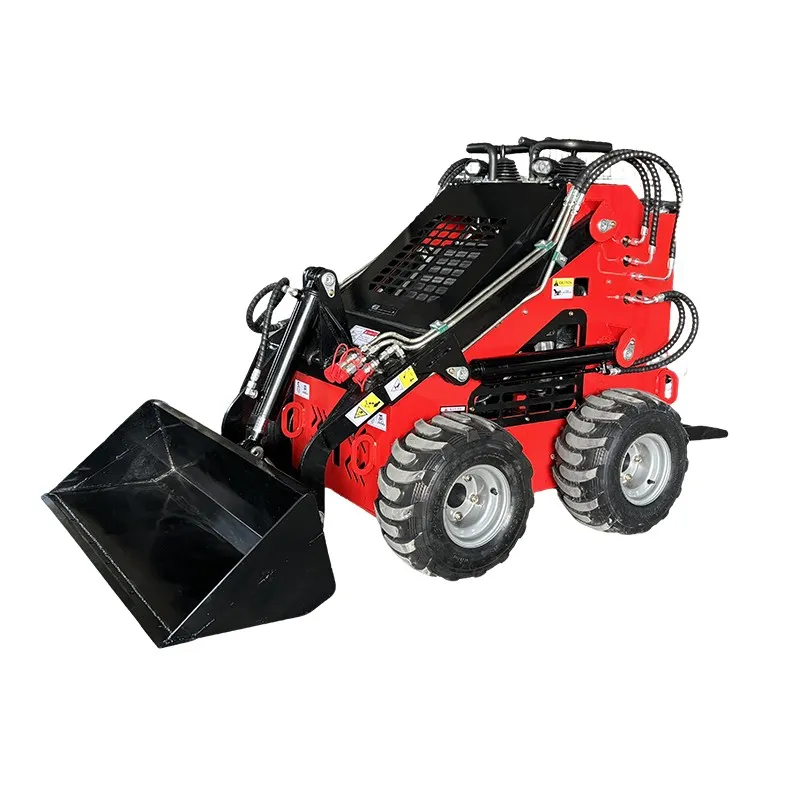
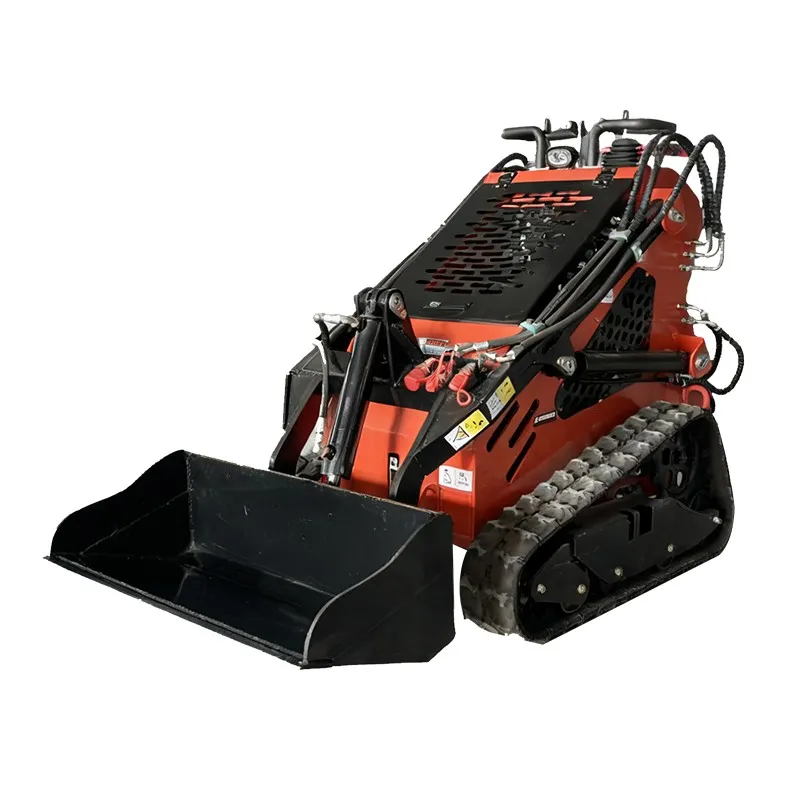
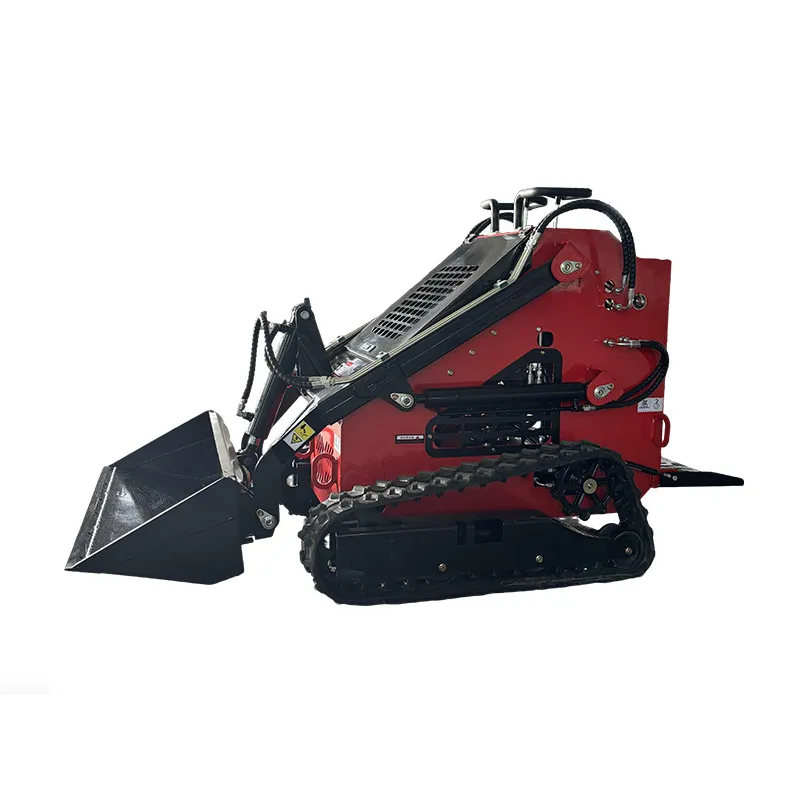
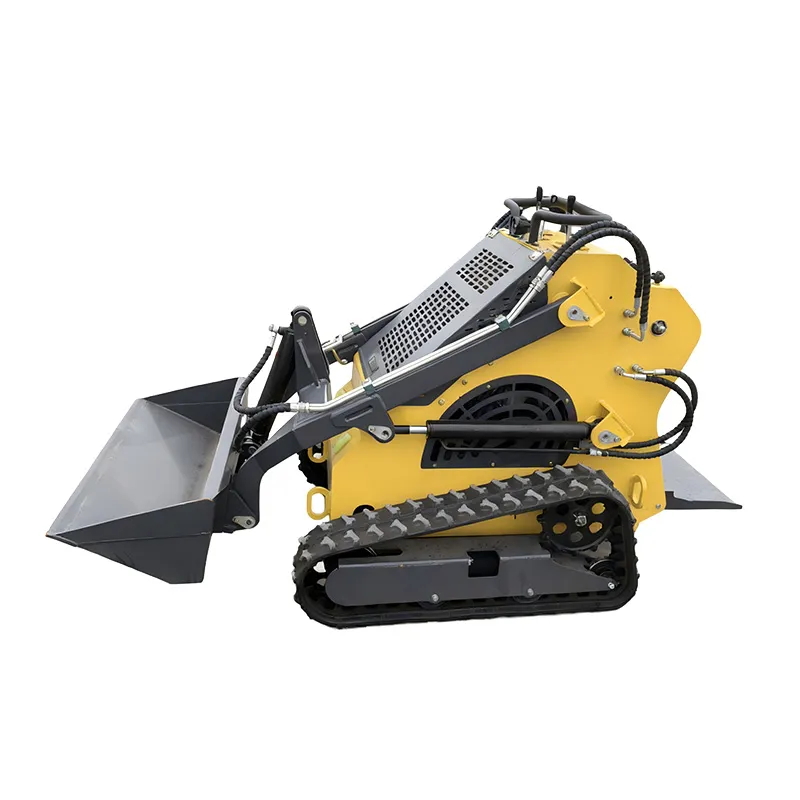
rent a skid steer loader
When someone types 'rent a skid steer loader' into a search bar, I often wonder what they're really after. Is it just a price check, or are they knee-deep in a project that's hitting an unexpected snag? The common mistake, from my view, is treating the rental as a simple commodity transaction. It's not just about the machine's specs on paper; it's about matching the tool to the task, the ground conditions, and the operator's skill. I've seen too many folks order a standard machine online only to find its track width won't fit through their garden gate, or its auxiliary hydraulics aren't set up for the attachment they thought would work. That initial search is the first step into a world where details make or break your day, and sometimes your budget.
Beyond the Brochure: Specs That Actually Matter on Site
Forget just comparing horsepower and bucket capacity. When you need to rent a skid steer loader, the real questions start with the terrain. Is it soft, recently graded soil that'll turn to soup with the first rain, or compacted gravel? A wheeled model might be cheaper on the rate sheet, but if you're working on a slope or in mud, those rubber tires will spin you into frustration and lost time. I learned this the hard way on a landscaping job years ago. We went with the cheaper wheeled option and spent half a day winching it out of a damp patch. The rental cost was minor compared to the labor hours wasted.
Then there's the attachment interface. Not all skid steers use the same coupler system. The move towards universal quick-attach systems has helped, but it's not foolproof. I remember a client who was adamant about using a Harley rake for final grading. They rented a machine, assuming compatibility, only to discover the hydraulic flow rate (measured in GPM) was too low to run the attachment efficiently. It chugged along, doing a poor job, and the project timeline blew out. Now, I always ask: What are you planning to hook up to it? That question saves more headaches than any price negotiation.
Operational weight and transport are another hidden layer. A larger, more powerful machine might seem ideal, but can your trailer haul it? Do you need a special permit to move it on the road? I've coordinated rentals where the machine showed up fine, but the client's own 3/4-ton truck couldn't legally tow it from the yard. Suddenly, you're also arranging and paying for a haulage service. These are the logistical details that separate a smooth rental from a logistical nightmare.
The Supplier Equation: Why Provenance and Support Aren't Optional
This is where the rubber meets the road, literally. You can find a dozen companies offering to rent a skid steer loader. The cheapest rate often comes with the oldest, most beat-up equipment in their fleet. The engine might start, but how's the hydraulic fluid? Are the pins and bushings on the linkage worn, causing slop and inefficiency in the bucket movement? A machine that's 5% less efficient can cost you 20% more in fuel and time over a week-long rental.
I've developed a preference for dealing with suppliers who are also manufacturers or have deep ties to the factory floor. There's a different level of care in the maintenance. For instance, I've followed the work of manufacturers like Shandong Pioneer Engineering Machinery Co., Ltd. They've been in the game since 2004, and that two-decade stretch building loaders means they understand machine longevity from the ground up. A company that builds them, like their manufacturing arm Shandong Hexin, tends to support a rental fleet with better genuine parts and technician knowledge. When you check out a site like https://www.sdpioneer.com, you're not just looking at a sales page; you're seeing the engineering backbone that could be behind a well-maintained rental unit. Their export history to markets with strict standards, like the U.S. and Australia, suggests a baseline of reliability that matters when you're under the gun on a project.
The critical factor is the support call. What happens when something goes wrong? Does the rental company have a mechanic who can be on-site in two hours, or do they tell you to try restarting it and then put you in a queue? The quality of the service agreement is as important as the machine's condition. A reputable supplier will have clear, responsive protocols for breakdowns. This isn't a theoretical concern; a failed hydraulic hose on a Friday afternoon without support can stall an entire crew until Monday.
Cost Versus Value: The Real Math of a Rental
The daily or weekly rate is just the entry ticket. The true cost of renting a skid steer loader includes all the peripherals. Insurance is a big one. Does your existing business policy cover rented equipment? If not, you're likely buying a damage waiver from the rental house, which can add a significant percentage to the base cost. Then there's fuel. A turbocharged diesel engine under constant load drinks more than you might budget for. I always advise clients to factor in at least a 30% fuel surcharge on top of the rental quote for heavy work.
Operator cost is the silent budget killer. Assuming you or your labor can jump in and run it efficiently is a gamble. An inexperienced operator will be slower, less precise, and far more likely to damage the machine or the property. We once had a guy lightly tap a retaining wall with the corner of the bucket. It seemed like nothing, but it cracked a cinder block. The repair cost, billed through the rental company, was astronomical. Sometimes, it's more cost-effective to rent the machine with an operator from the same company, even if the hourly rate is higher. Their liability, their skill, your peace of mind.
Finally, there's the cost of the wrong attachment. Renting a standard bucket when a low-profile, high-capacity material handling bucket is what you need means more cycles, more time, more fuel. The attachment rental is usually separate. Spending an extra $50 a day on the perfect attachment can save $500 in labor. The value isn't in the machine alone; it's in the total system—machine, correct attachment, skilled operation, and reliable support—working in concert.
Case in Point: A Residential Driveway Project Gone Right (and Wrong)
Let me walk through a concrete example. Last fall, we were overseeing a subcontracted crew for a large residential driveway replacement. The task: remove 60 yards of old asphalt and compacted base, then grade for new material. The foreman decided to rent a skid steer loader himself, opting for the biggest, most powerful model he could find—a large-frame unit with a demolition bucket.
First problem: Access. The machine was so wide it tore up the lawn on both sides of the driveway entrance just getting to the work area. Immediate extra cost for sod repair. Second problem: The demolition bucket was great for breaking up the old asphalt but terrible for fine grading the sub-base. They made a mess of the grade, requiring a smaller machine later to fix it. The project ran over by three days. The raw power of the machine was less valuable than the right size and the right tool for each phase.
Contrast that with a job we managed directly a month later. We specified a mid-size, radial-lift machine for better forward reach and stability. We rented it from a dealer connected to a manufacturer with a solid export reputation (the kind of operation Shandong Pioneer represents, firms that build for global markets and understand durability). We paired it with a multi-purpose bucket for removal and a laser-graded landscape rake for final grading. The machine fit the space, the attachments matched the tasks, and the dealer had a service truck on standby (unneeded, as it turned out). The project finished a day early. The rental cost was marginally higher, but the total project cost was 15% lower. That's the difference.
Final Takeaways: It's a Tool, Not a Toy
So, when you're looking to rent a skid steer loader, shift your mindset. You're not just renting a piece of iron. You're procuring a critical, temporary production node for your project. The goal is seamless integration, not just possession. Start by defining the tasks with painful specificity. Then work backward to the machine specs, the necessary attachments, and the operator plan. Only then should you start shopping rates.
Prioritize suppliers with technical depth and responsive service networks. A company's history, like the 20-year development and recent expansion of a manufacturer-exporter, can be a proxy for institutional knowledge that trickles down to their rental fleet's maintenance standards. Check their digital footprint, like their company website at sdpioneer.com, not just for marketing, but for evidence of engineering focus and global compliance—it speaks to a quality baseline.
Budget for the total system cost: machine, attachment, insurance, fuel, transport, and skilled operation. The cheapest machine rate can easily become the most expensive project cost. Be honest about your team's capability; renting an operator might be the smartest line item. In the end, a successful rental isn't marked by the machine returning with a full tank. It's marked by your project finishing on time, on budget, and with the quality you intended, with the skid steer being a forgotten, reliable workhorse in the process. That's the real win.
Related Products
Related Products