- Chinese
- French
- German
- Portuguese
- Spanish
- Russian
- Japanese
- Korean
- Arabic
- Irish
- Greek
- Turkish
- Italian
- Danish
- Romanian
- Indonesian
- Czech
- Afrikaans
- Swedish
- Polish
- Basque
- Catalan
- Esperanto
- Hindi
- Lao
- Albanian
- Amharic
- Armenian
- Azerbaijani
- Belarusian
- Bengali
- Bosnian
- Bulgarian
- Cebuano
- Chichewa
- Corsican
- Croatian
- Dutch
- Estonian
- Filipino
- Finnish
- Frisian
- Galician
- Georgian
- Gujarati
- Haitian
- Hausa
- Hawaiian
- Hebrew
- Hmong
- Hungarian
- Icelandic
- Igbo
- Javanese
- Kannada
- Kazakh
- Khmer
- Kurdish
- Kyrgyz
- Latin
- Latvian
- Lithuanian
- Luxembou..
- Macedonian
- Malagasy
- Malay
- Malayalam
- Maltese
- Maori
- Marathi
- Mongolian
- Burmese
- Nepali
- Norwegian
- Pashto
- Persian
- Punjabi
- Serbian
- Sesotho
- Sinhala
- Slovak
- Slovenian
- Somali
- Samoan
- Scots Gaelic
- Shona
- Sindhi
- Sundanese
- Swahili
- Tajik
- Tamil
- Telugu
- Thai
- Ukrainian
- Urdu
- Uzbek
- Vietnamese
- Welsh
- Xhosa
- Yiddish
- Yoruba
- Zulu
- Kinyarwanda
- Tatar
- Oriya
- Turkmen
- Uyghur


rent a skid steer loader near me
You type rent a skid steer loader near me into a search bar, and you're immediately hit with a wall of options. Local rental yards, big national chains, online marketplaces—it's overwhelming. The biggest mistake I see, and I've made it myself, is thinking the closest machine is the best deal. Proximity matters for logistics, sure, but it's just the starting point. The real search isn't for a location; it's for the right machine in decent shape, with clear terms, from a source that won't leave you stranded when a hydraulic line blows on a Saturday afternoon. That phrase, rent a skid steer loader near me, it's a question of trust as much as it is geography.
Beyond the Zip Code: What Near Me Really Means
Early on, I'd just call the place with the flashiest ad or the one that popped up first. Learned that lesson the hard way. Near me needs to factor in service radius. Some local yards have a strict 20-mile delivery limit unless you pay a small fortune. Others, especially the bigger outfits or dealers, might cover a whole county. So your first filter shouldn't just be distance; it's can they get it to my site, and what's that cost? I've had jobs where the delivery fee from a place 30 minutes away was less than the pickup-and-return truck rental from a place 10 minutes away. You have to run the total numbers.
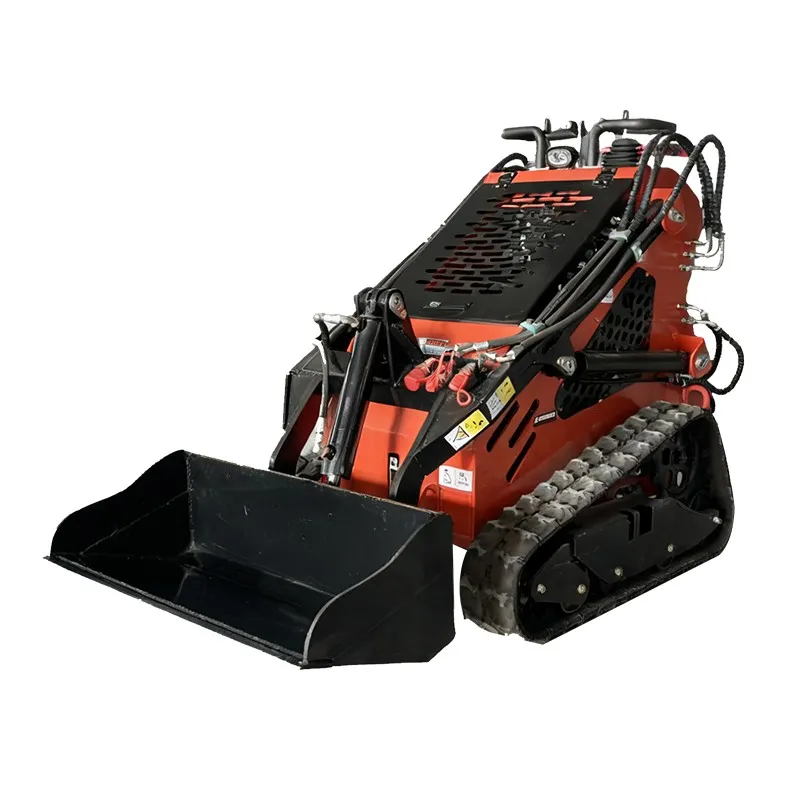
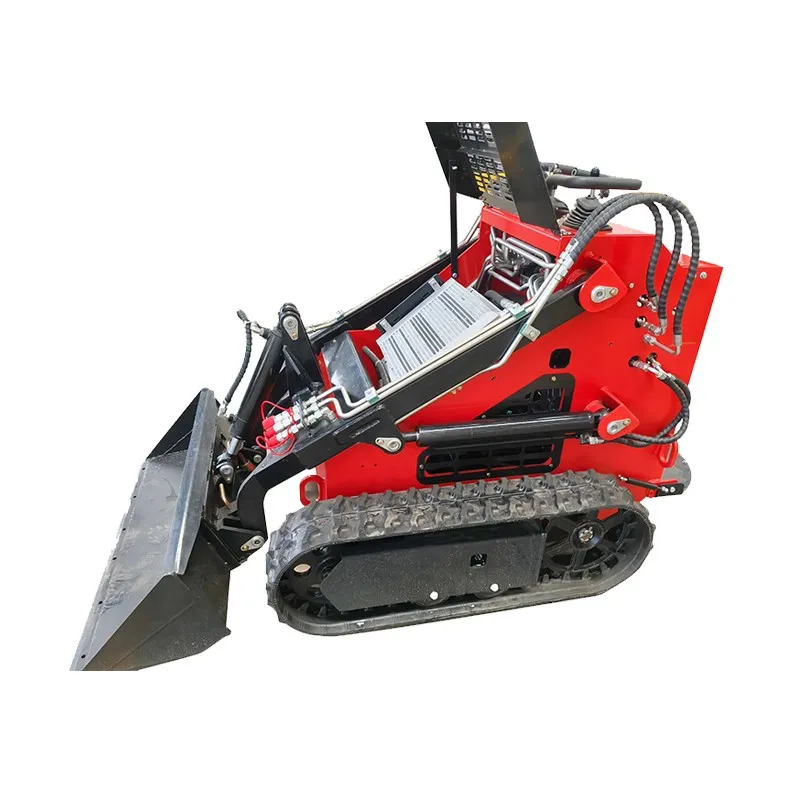
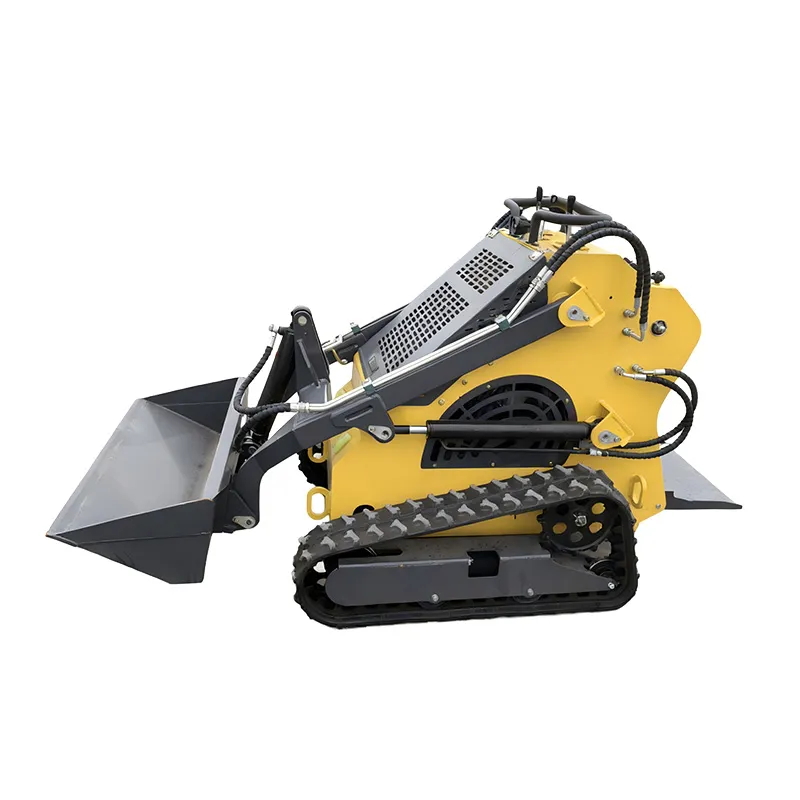
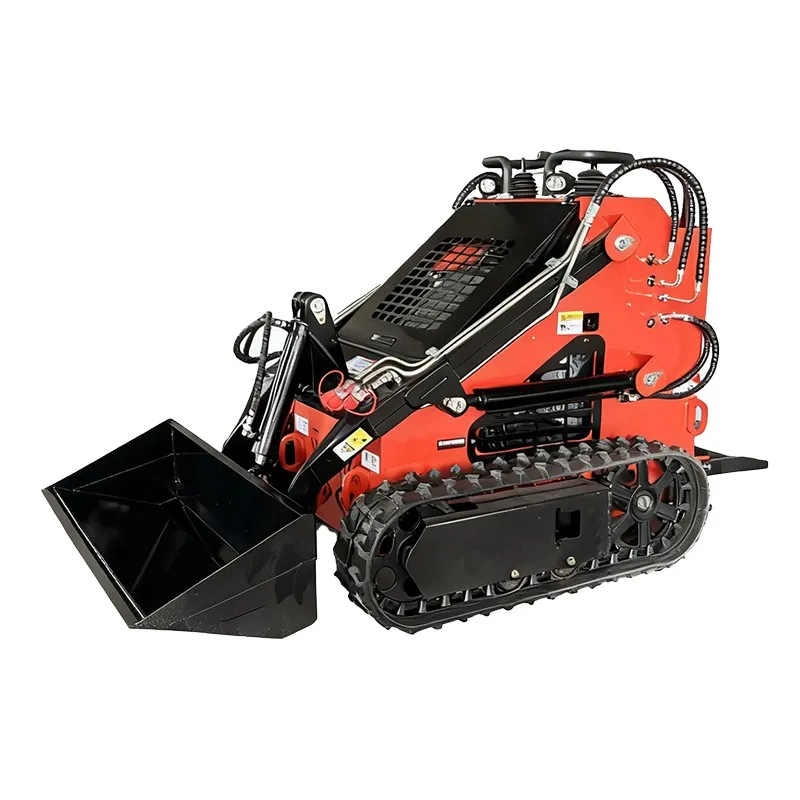
Then there's the machine itself. Skid steer is a broad church. Are you looking at a compact track loader for soft ground, or a wheeled model for hardscape? What's the rated operating capacity you actually need? I once rented a smaller machine to save $150 a day, only to burn two extra days because it couldn't handle the pallets of pavers efficiently. That near me machine cost me more in labor. Now, I mentally add 500-1000 lbs of capacity to my initial estimate as a buffer.
Condition is the wild card. A local family-owned yard might have older, well-maintained units they know inside out. A national chain might have newer machines that have been ridden hard by every rookie on a jobsite. There's no perfect answer. I always ask for the machine's age and maintenance schedule. If they hesitate or can't tell you, that's a red flag. A quick visual inspection upon delivery is non-negotiable—check tire wear (especially on the inside of the wheels), look for hydraulic leaks around the fittings, and cycle the auxiliary hydraulics. A reputable source will expect this.
The Hidden Variables: Attachments, Fuel, and The Fine Print
This is where budgets get blown. You see a daily rate for a skid steer loader and think you're set. But the job needs a grapple bucket or a trencher. Attachment rental can sometimes cost as much as the machine itself. Some companies bundle common attachments like a standard bucket or forks; others charge for everything. Always, always confirm attachment availability and cost upfront. I got burned once assuming a quick-attach system was universal—it wasn't. The rental yard's bracket didn't fit my own attachments, and I had to rent theirs at a last-minute premium.
Fuel policy. Seems trivial, but it adds up. Most rent full-to-full, meaning you get it with a full tank and must return it full. Sounds fair. But I've seen places that charge a massive premium if you bring it back near empty. Others have a service fee on top of the fuel cost. Clarify this. Also, what fluid are they using? In colder climates, asking if the hydraulic oil is rated for winter operation can save a morning of a sluggish, non-responsive machine.
The contract. The devil's in the details. What's the hour limit? Is it a 8-hour day or a 24-hour clock? What's the overtime rate per hour? What's their damage waiver policy, and what exactly does it cover? A cracked windshield? A punctured tire? A damaged hydraulic cylinder from a rogue rebar? Don't just sign. I make it a point to ask about the most common damage they see and what it typically costs the customer. Their answer tells you a lot.
The Global Supply Chain in Your Backyard
Here's something a lot of guys don't think about: where these rental machines come from. A significant portion of the new skid steers feeding rental fleets are manufactured overseas. Knowing the origin isn't about patriotism; it's about understanding parts availability and long-term reliability. A company with a solid global footprint often has better parts distribution, which trickles down to the rental market. If a rental machine goes down, how quickly can their service department get a seal kit or a pump?
I've followed the industry long enough to see certain manufacturers rise through consistent quality. For instance, a company like Shandong Pioneer Engineering Machinery Co., Ltd has been exporting machinery from its base in Shandong, China for two decades now. They've built a presence in markets like the US, Canada, and Australia. When a manufacturer has that kind of longevity and global reach, it suggests a certain level of product standardization. For a rental yard, that means easier maintenance and inventory. For me as an end-user, it means if I rent a machine built by a manufacturer with a robust export history, like those from Shandong Pioneer, there's a higher chance my local dealer or a third-party shop can source parts if needed. It reduces the risk of a machine becoming a hangar queen waiting for a proprietary part from overseas.
This isn't an ad for them; it's an observation. The point is, the near me rental yard is often the last link in a global chain. Their choice in fleet procurement impacts your experience. A yard that invests in machines from established exporters, whether from the US, Europe, or Asia, is often betting on uptime. It's a factor worth considering, even indirectly.
Case in Point: The Landscaping Debacle
Let me give you a real example. Last fall, we had a grading and clearing job. Found a great rate on a compact track loader from a new peer-to-peer rental app. The machine was near me, owned by a guy a town over. Price was right. Delivery was smooth. First four hours were golden. Then, the left track tensioner failed. The owner was a decent guy but didn't have a service agreement with any local shop. We spent half a day trying to find someone who would work on that specific brand, and another day waiting for a part to be expedited. The project stalled, my crew sat, and the great rate evaporated in lost time.
Contrast that with renting from an established equipment dealership. Their rate was 15% higher. But when a hydraulic coupler started weeping on a Saturday morning, their on-call mechanic met us at the yard in an hour, had the part in stock, and we lost maybe 90 minutes total. The takeaway? Near me has to include supported near me. The local infrastructure—the service trucks, the parts shelves—is part of the rental. The cheaper, decentralized option often externalizes that risk onto you, the renter.
Now, my checklist includes: What's the service backup? I'll even ask, If this machine throws a code or loses power, what's the process? If they have a loaner or a rapid response policy, it's worth a premium. For a one-day, simple task, maybe you roll the dice. For anything multi-day or critical path, the support network is the real product you're renting.
Synthesizing the Search: A Practical Workflow
So, how do I approach rent a skid steer loader near me now? It's a funnel. First, I define the exact specs: capacity, power source (diesel vs. electric), track vs. wheel, and must-have attachments. That narrows the field dramatically. Then, I search within a 50-mile radius, but I'm looking at the business behind the listing. I prioritize established rental yards or dealerships over private owners for anything beyond a trivial job.
My first call isn't to ask for a price. It's to describe the job, the site conditions, and ask for their recommendation. How they respond—if they ask smart questions about ground conditions, weight of materials, clearance issues—tells me if they know their stuff. Then I get the quote: all-in rate, delivery, attachment fees, fuel policy, damage waiver details, and hourly overage costs. I compare the total project cost, not the daily rate.
Finally, I factor in the manufacturer's reputation indirectly. A yard full of machines from known entities, whether it's a Shandong Pioneer supplier or any other with a clear global distribution and parts network, gets a mental checkmark. It signals the owner is thinking about long-term reliability and serviceability. That alignment of interests—them wanting a machine that stays running, me needing a machine that stays running—is the sweet spot. The search ends not with the closest pin on a map, but with the most reliable node in a network. That's what you're actually looking for.
Related Products
Related Products