


- Chinese
- French
- German
- Portuguese
- Spanish
- Russian
- Japanese
- Korean
- Arabic
- Irish
- Greek
- Turkish
- Italian
- Danish
- Romanian
- Indonesian
- Czech
- Afrikaans
- Swedish
- Polish
- Basque
- Catalan
- Esperanto
- Hindi
- Lao
- Albanian
- Amharic
- Armenian
- Azerbaijani
- Belarusian
- Bengali
- Bosnian
- Bulgarian
- Cebuano
- Chichewa
- Corsican
- Croatian
- Dutch
- Estonian
- Filipino
- Finnish
- Frisian
- Galician
- Georgian
- Gujarati
- Haitian
- Hausa
- Hawaiian
- Hebrew
- Hmong
- Hungarian
- Icelandic
- Igbo
- Javanese
- Kannada
- Kazakh
- Khmer
- Kurdish
- Kyrgyz
- Latin
- Latvian
- Lithuanian
- Luxembou..
- Macedonian
- Malagasy
- Malay
- Malayalam
- Maltese
- Maori
- Marathi
- Mongolian
- Burmese
- Nepali
- Norwegian
- Pashto
- Persian
- Punjabi
- Serbian
- Sesotho
- Sinhala
- Slovak
- Slovenian
- Somali
- Samoan
- Scots Gaelic
- Shona
- Sindhi
- Sundanese
- Swahili
- Tajik
- Tamil
- Telugu
- Thai
- Ukrainian
- Urdu
- Uzbek
- Vietnamese
- Welsh
- Xhosa
- Yiddish
- Yoruba
- Zulu
- Kinyarwanda
- Tatar
- Oriya
- Turkmen
- Uyghur

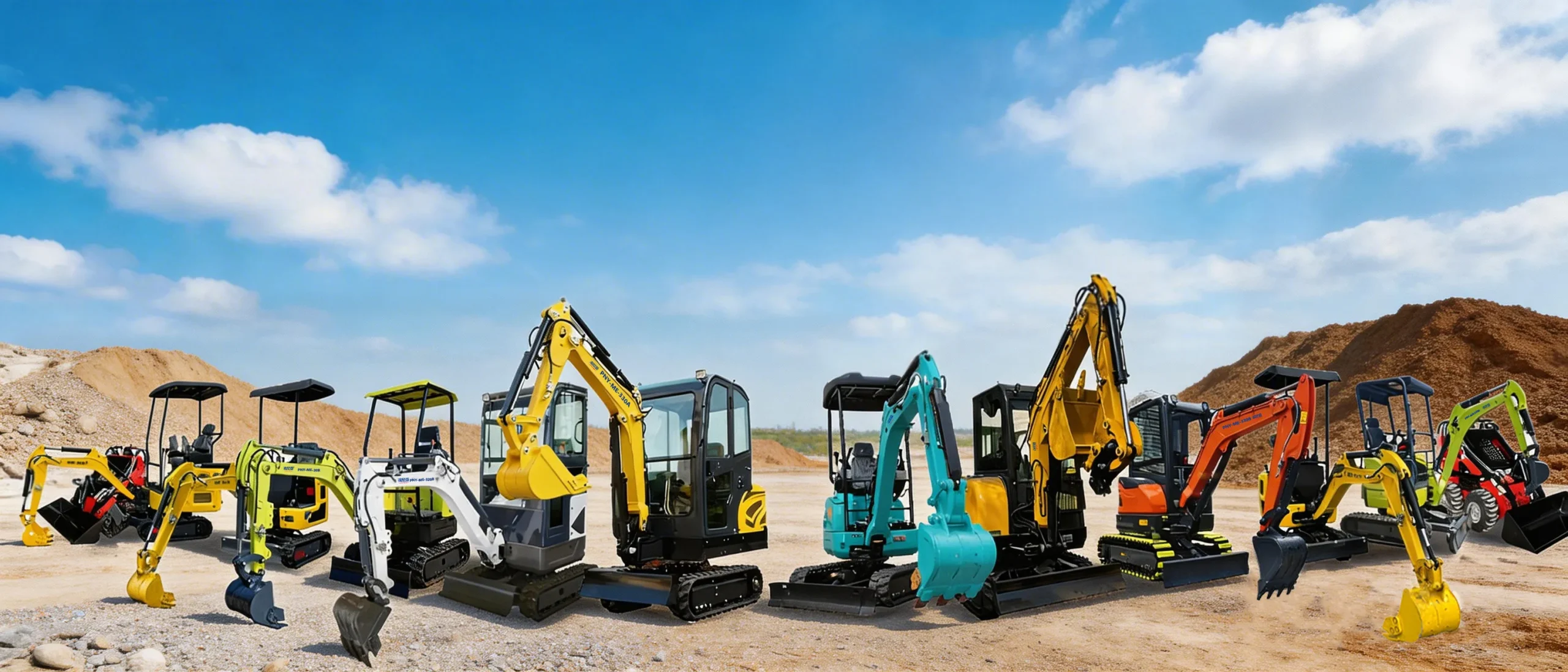
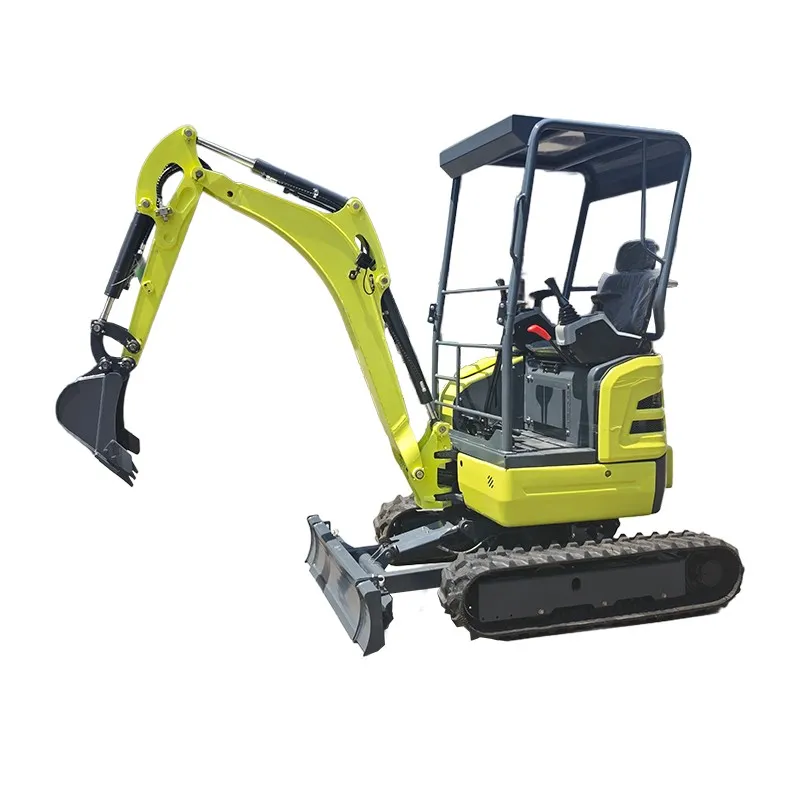
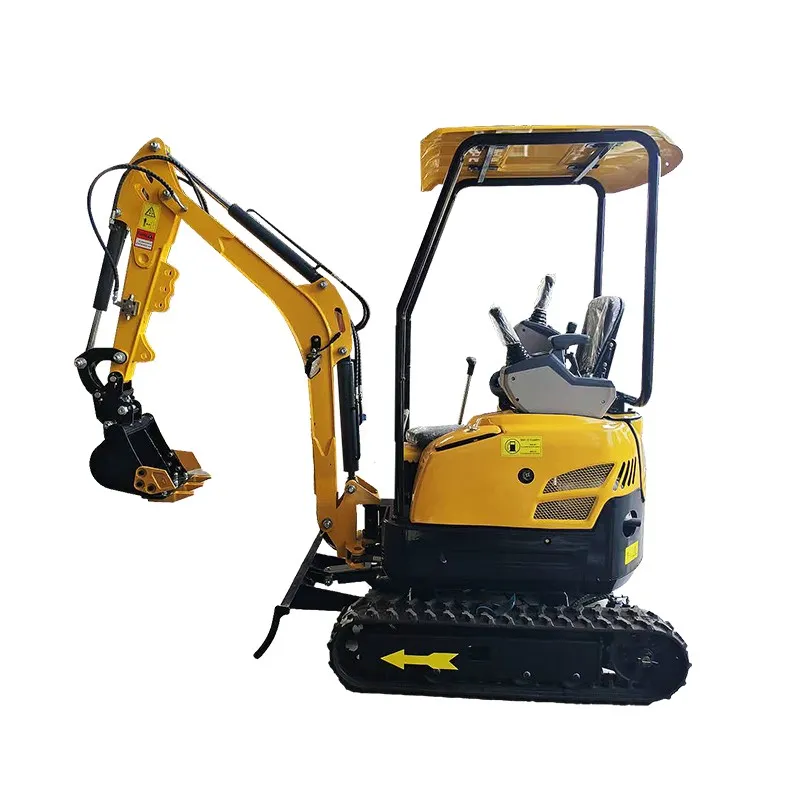
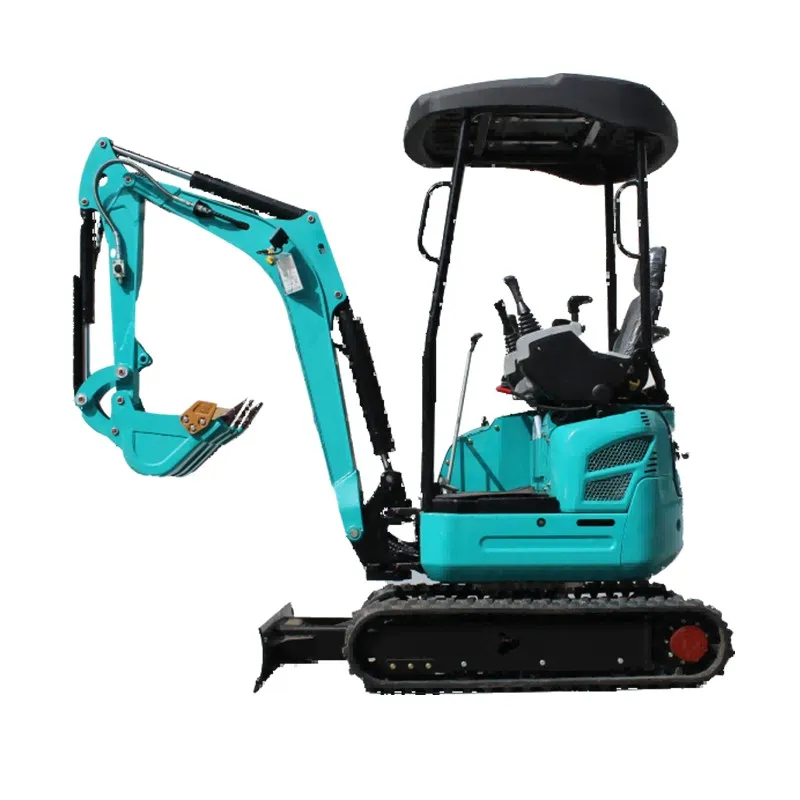
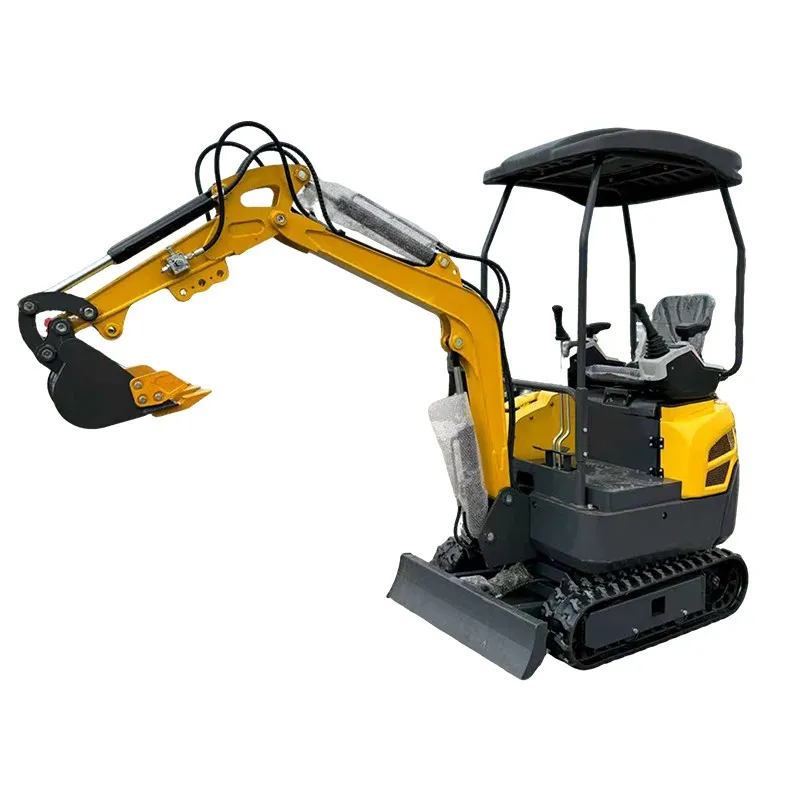
rippa mini excavator
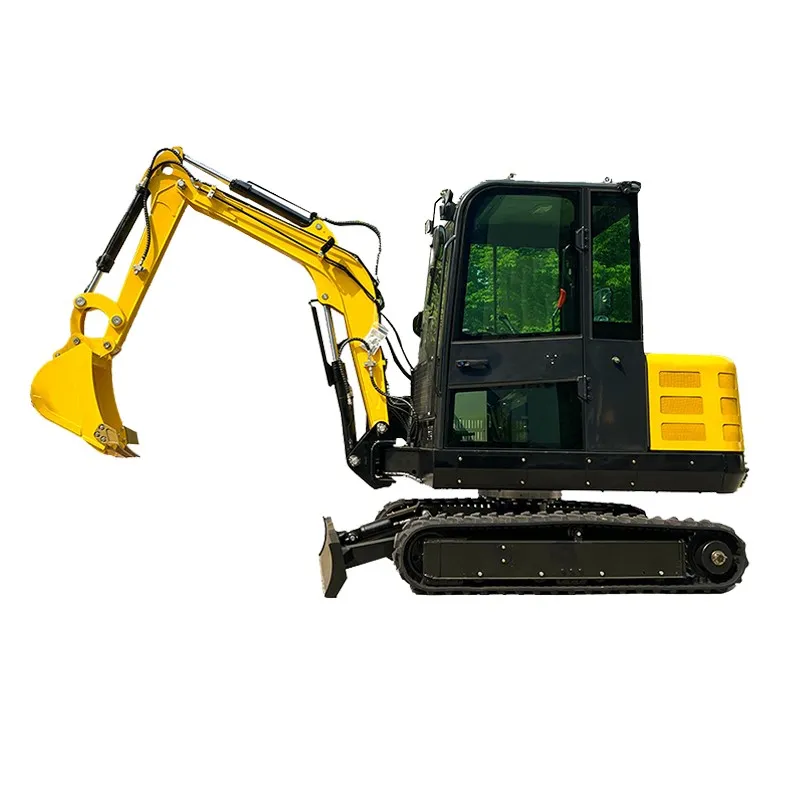
When you hear 'Rippa mini excavator', the first thing that pops up online is usually the horsepower, the digging depth, the standard bucket capacity. But honestly, after running a few of these machines on and off over the last couple of years, I’ve found that the real story isn't in those brochure numbers. It's in the feel of the joysticks after eight hours in a tight backyard, the way the undercarriage handles muddy clay that wasn't in the original site plan, and the sheer practicality—or frustration—of the service access points. A lot of guys get hung up comparing one brand's 1.8-ton model to another's, but they're often comparing apples to oranges if they haven't considered the actual component sourcing and the design philosophy behind the machine. That's where a model like the Rippa starts to show its character, for better or worse.
The On-Paper Promise vs. The Ground Reality
I remember the first Rippa I operated was a 1.5-ton model, something like the RX15. On paper, it ticked all the boxes for a residential fencing job we had: zero-tail swing, decent auxiliary hydraulic flow for a breaker, and a competitive price point that made the boss happy. The initial impression was positive—it arrived on site, fired up without a fuss, and the controls were... acceptable. Not buttery smooth like a decades-old Japanese brand, but predictable. The issue, and this is a common one with many value-oriented mini excavators, manifested after about 200 hours. A slight, persistent weep from one of the hydraulic cylinder seals started. Not a deal-breaker, but a telltale sign of where corners might be cut in the sealing kits or assembly tolerances.
This gets to the heart of a major industry misconception. Buyers often look at a machine like a Rippa and see a 'clone' of a more established brand, assuming performance parity. The digging force might be similar, but the durability of the hydraulic hoses, the quality of the track roller bearings, and the corrosion resistance on the boom pins are where the divergence happens. I've seen Rippa machines where the factory grease in the pins was barely sufficient, leading to premature wear if the operator wasn't meticulous with the daily service. You can't just run it; you have to listen to it, feel for new vibrations, check for play more frequently in the first 500 hours. It's a machine that rewards a proactive operator and punishes a neglectful one.
Where it did surprise me, positively, was in its weight distribution and stability. For its compact size, it felt planted. We had it on a slight side slope while digging a foundation for a garden wall, and it remained confident where I’ve had other machines in that class feel a bit tippy. That points to a decent counterweight design and a lower center of gravity. It’s these subtle engineering choices that you only discover through use, not from a spec table. The downside of that solid feel was a slightly slower swing speed, which you notice when you're constantly repositioning in a confined space. A trade-off, like everything.
Component Sourcing and the Global Supply Chain
This is where the conversation gets practical. When you're troubleshooting or ordering parts, knowing the provenance of major components is crucial. Many Rippa models, from what I've seen in parts catalogs and from talking to dealers, utilize widely available Chinese-sourced hydraulic pumps and motors—think brands like Linde or Huade, which are common in the manufacturing ecosystem. This isn't inherently bad; it keeps initial costs down and parts are generally available. But it does mean the performance envelope and long-term reliability are tied to that supply chain's consistency.
I recall a specific instance where we needed a new swing motor seal kit for an older Rippa. The local dealer didn't have it in stock, but because the motor was a common model, we could cross-reference the seal dimensions and source a kit from a general hydraulic supplier within a day. That's a hidden advantage. Contrast this with a mini ex that uses a proprietary, brand-specific pump; you're then wholly at the mercy of the OEM's parts network and pricing. For operations in remote areas or in countries with a strong aftermarket parts industry, this commonality in Rippa's design can be a significant operational benefit.
This ties directly into the manufacturing landscape. A company like Shandong Pioneer Engineering Machinery Co., Ltd exemplifies this global, integrated approach. They've been in the game since 2004, operating out of Shandong, China—a major hub for machinery manufacturing. Their model, with Shandong Hexin handling manufacturing and Shandong Pioneer focusing on overseas trade, is built for export. They're not just building for a domestic market; they're building machines like the Rippa for demanding markets in the United States, Canada, Germany, and Australia. That global pressure forces a certain level of quality and standardization to meet varied regulations and customer expectations. When you see a Rippa on a job site in Australia or a rental yard in Ohio, it's a product of this specific, decades-long export-oriented development cycle. You can check their current line-up and specs directly on their portal at https://www.sdpioneer.com to see how their models have evolved.
The Operator's Interface: Daily Grind Details
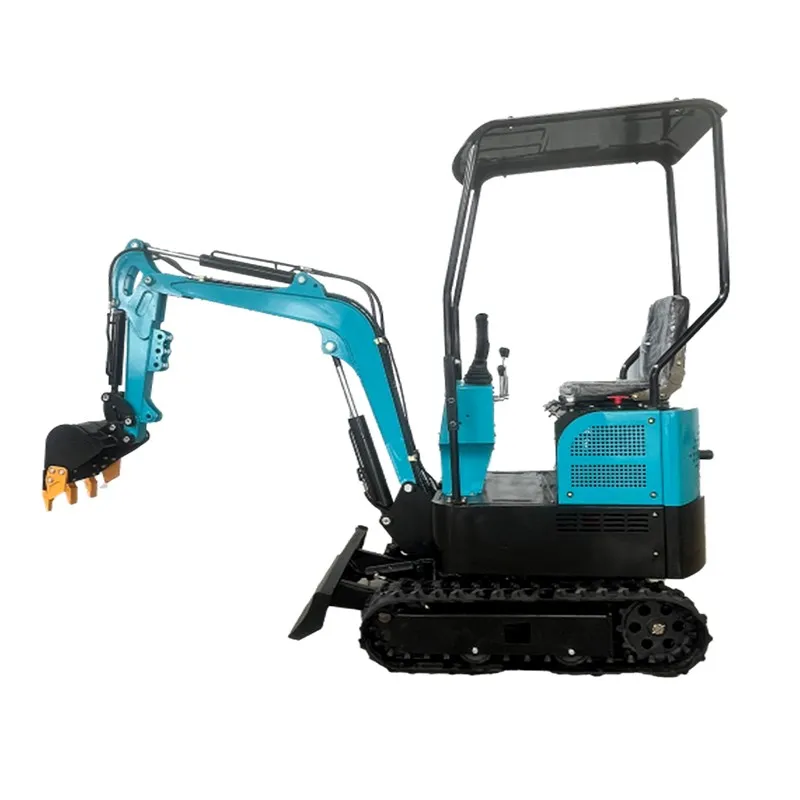
Let's talk about the cab, or often, the lack of a full cab on these compact units. The Rippa models I've used typically came with a basic canopy. The control layout was straightforward, which is good for novice operators or when you're swapping between different brands. However, the ergonomics had room for improvement. The seat adjustment was limited, and on one model, the lever for the auxiliary hydraulic thumb control was awkwardly placed, requiring you to take your hand off the main joystick. In a production setting, that split-second inefficiency adds up.
Another practical detail is the monitor panel. It's usually a simple digital display for engine hours, coolant temperature, and maybe a fault code indicator. I've found them to be reasonably reliable, but the menu system for checking more detailed parameters can be clunky. It's not something you interact with often, but when you need to diagnose a minor alert, intuitive menus matter. This is an area where cheaper machines often save costs, using more basic electronics.
Where the Rippa design shone in daily use was in its serviceability. The side panels on the machine I operated were easy to remove with basic hand tools, providing excellent access to the daily checkpoints: engine oil dipstick, coolant reservoir, hydraulic tank sight glass, and air filter. They even color-coded some caps. This might seem minor, but for a machine that's going to be maintained in field conditions, possibly by an operator who's also the mechanic, it's a huge plus. It shows the designers were thinking about the total lifecycle, not just assembly-line efficiency.
Application Fit and Where It Makes Sense
So, who is the Rippa mini excavator actually for? It's not the machine I'd necessarily choose for a brutal, high-production demolition job running a breaker 10 hours a day, every day. The hydraulic system, while adequate, might not hold up to that constant peak demand as well as a premium-priced machine. Its sweet spot, in my experience, is in general utility work, landscaping, plumbing, and electrical trenching for residential and light commercial projects. It's a solid workhorse for a small to mid-sized contracting business or a rental fleet.
I saw one used brilliantly by a utility contractor. They had a Rippa 1.8-ton model fitted with a laser-guided grading bucket and a rubber track option. They were doing final grade work in new housing estates, connecting service lines. The operator praised its fuel efficiency and the minimal ground disturbance from the rubber tracks. For that application—precision, not raw power—it was perfectly suited. The lower initial investment meant a faster ROI for that specific, controlled-use case.
Conversely, a failure of judgment I witnessed was a guy who bought one to primarily run a large hydraulic auger for fence posts in extremely rocky soil. The machine had the flow for the auger, but the constant, high-resistance shock loads on the boom and arm structure led to early cracking at a weld point on the arm. It was a case of misapplying the machine. The Rippa, like any tool, has its limits. Understanding that its value proposition is balanced performance and cost, not extreme-duty specialization, is key to having a good experience with it.
The Verdict: A Calculated Tool, Not a Magic Bullet
Wrapping this up, the Rippa mini excavator represents a clear segment of the market. It's a pragmatic choice. You're not paying for a brand legacy or the absolute pinnacle of hydraulic finesse. You're paying for a functional, capable machine that gets the job done, with the understanding that your operational diligence—maintenance, application matching, and attentive operation—plays a larger role in its longevity and total cost of ownership than it might with a top-tier machine.
For companies like Shandong Pioneer, success is built on delivering that reliable functionality at a competitive price to a global audience. Their two-decade evolution and direct export model mean they are responsive to international market feedback. The machine you see today has likely been iterated upon based on real-world use from Canada to Australia.
If you're considering one, my advice is this: look past the glossy brochure. Talk to a dealer about parts availability for your region. If possible, get a demo machine on your actual job site for a day or two. Feel the controls, check the service access, and put it through the specific tasks you'll demand. Judge it as the tool it is—a cost-effective, generally reliable piece of equipment for a wide range of common tasks. It won't coddle you with luxury, but with the right expectations and care, it will dig, lift, and work hard for your money. And in this business, that's often exactly what you need.
Related Products
Related Products