


- Chinese
- French
- German
- Portuguese
- Spanish
- Russian
- Japanese
- Korean
- Arabic
- Irish
- Greek
- Turkish
- Italian
- Danish
- Romanian
- Indonesian
- Czech
- Afrikaans
- Swedish
- Polish
- Basque
- Catalan
- Esperanto
- Hindi
- Lao
- Albanian
- Amharic
- Armenian
- Azerbaijani
- Belarusian
- Bengali
- Bosnian
- Bulgarian
- Cebuano
- Chichewa
- Corsican
- Croatian
- Dutch
- Estonian
- Filipino
- Finnish
- Frisian
- Galician
- Georgian
- Gujarati
- Haitian
- Hausa
- Hawaiian
- Hebrew
- Hmong
- Hungarian
- Icelandic
- Igbo
- Javanese
- Kannada
- Kazakh
- Khmer
- Kurdish
- Kyrgyz
- Latin
- Latvian
- Lithuanian
- Luxembou..
- Macedonian
- Malagasy
- Malay
- Malayalam
- Maltese
- Maori
- Marathi
- Mongolian
- Burmese
- Nepali
- Norwegian
- Pashto
- Persian
- Punjabi
- Serbian
- Sesotho
- Sinhala
- Slovak
- Slovenian
- Somali
- Samoan
- Scots Gaelic
- Shona
- Sindhi
- Sundanese
- Swahili
- Tajik
- Tamil
- Telugu
- Thai
- Ukrainian
- Urdu
- Uzbek
- Vietnamese
- Welsh
- Xhosa
- Yiddish
- Yoruba
- Zulu
- Kinyarwanda
- Tatar
- Oriya
- Turkmen
- Uyghur

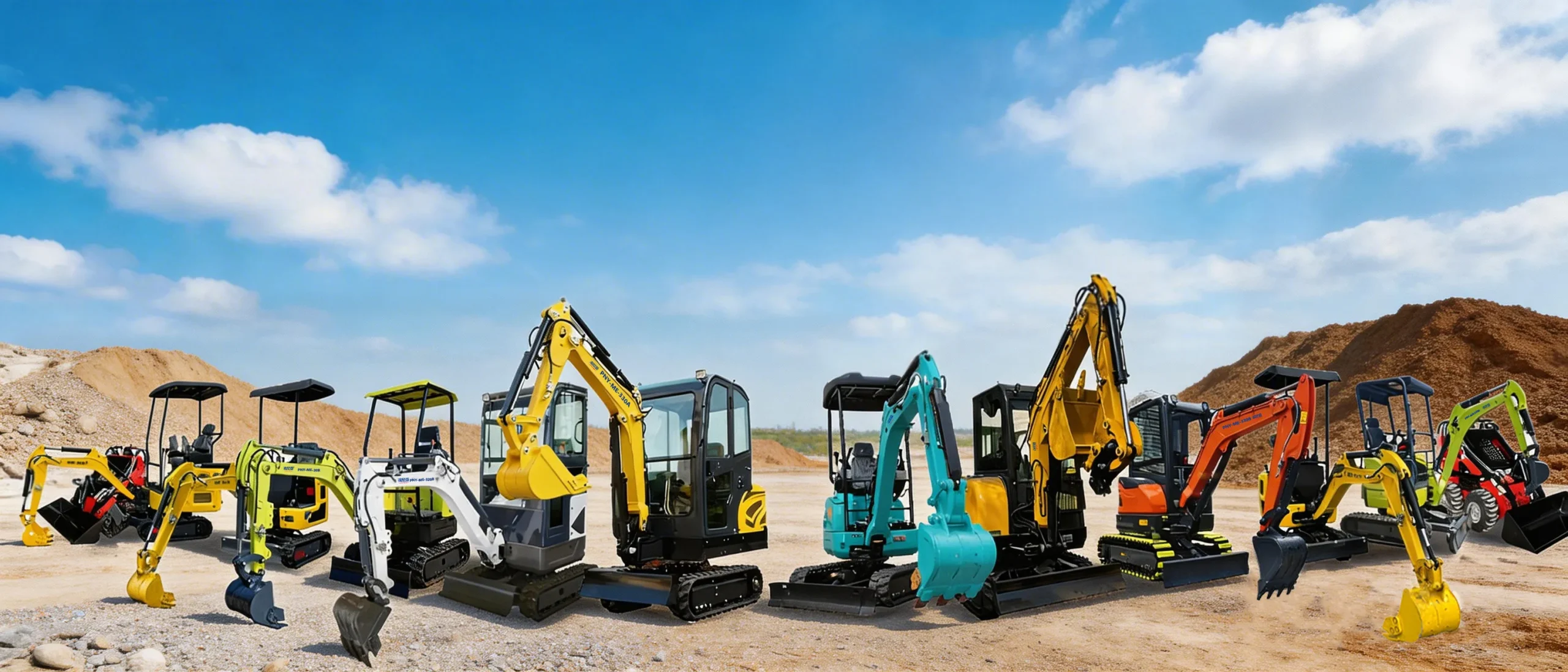
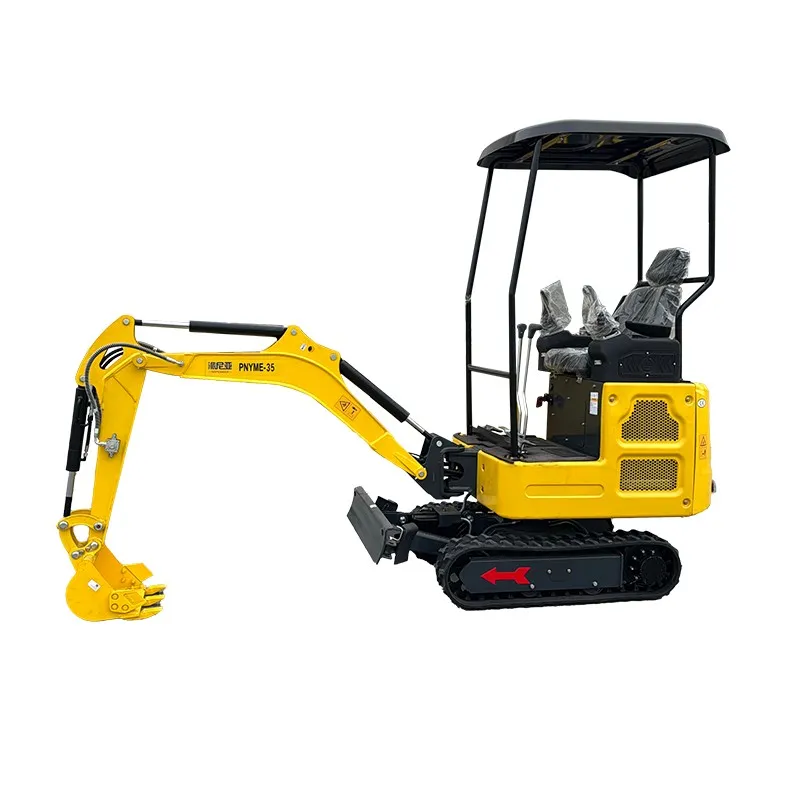
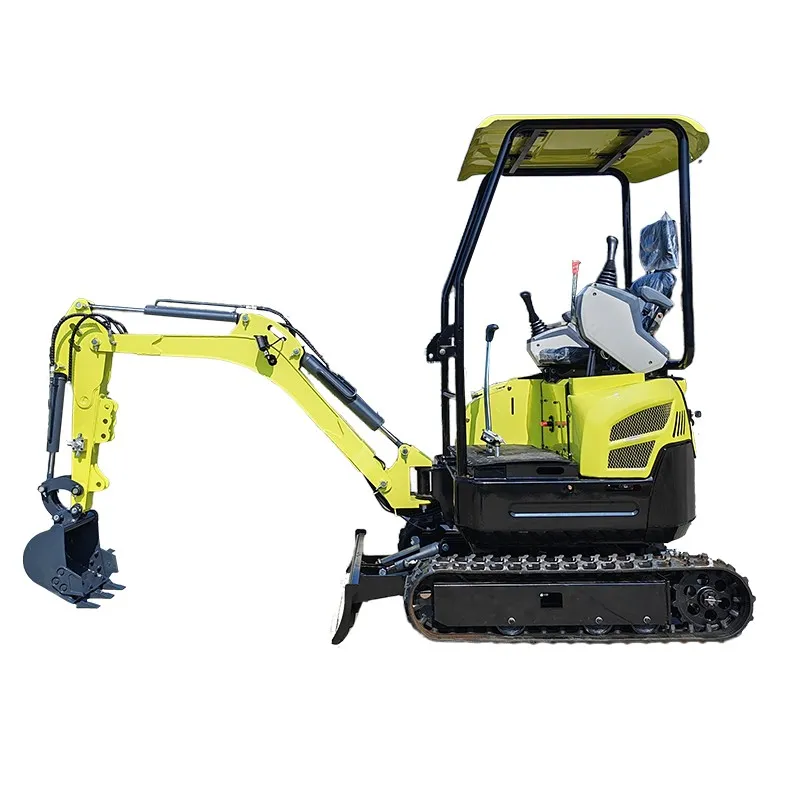
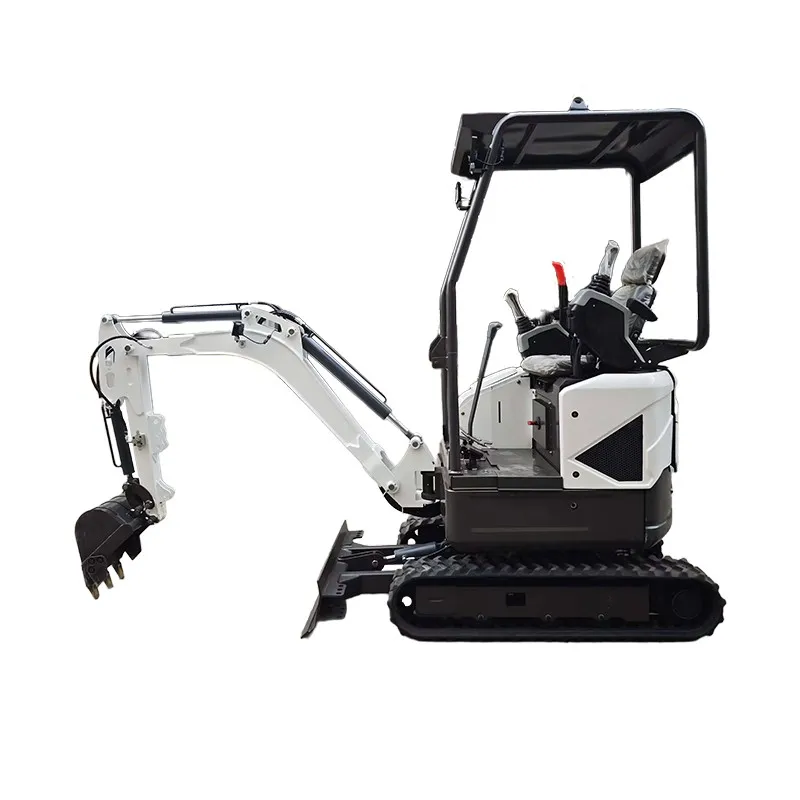
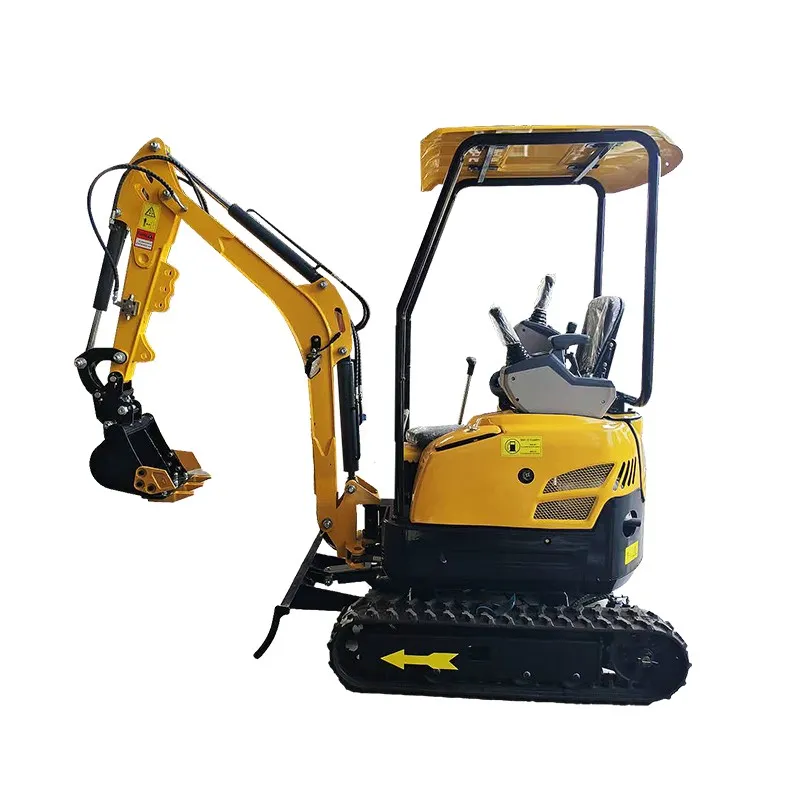
rippa mini excavator price
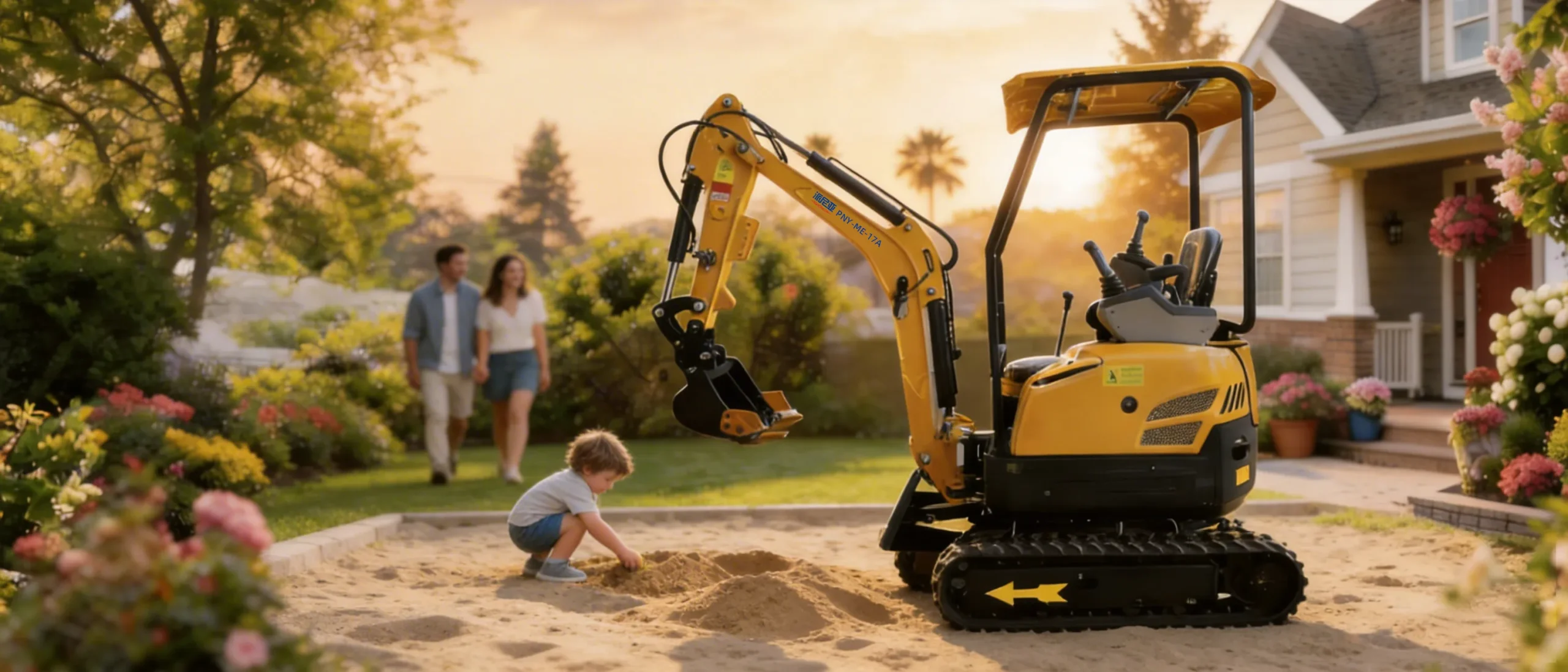
When someone types 'rippa mini excavator price' into a search bar, they're usually hoping for a simple number. That's the first mistake. The price isn't a single figure; it's a starting point for a conversation about value, configuration, and frankly, what you're willing to compromise on. I've seen too many guys get hung up on the sticker price from some flashy online ad, only to get burned on shipping, missing attachments, or worse, a machine that can't handle a full day's work. Let's talk about what that search term really means on the ground.
Decoding the Sticker: Base Price vs. Reality
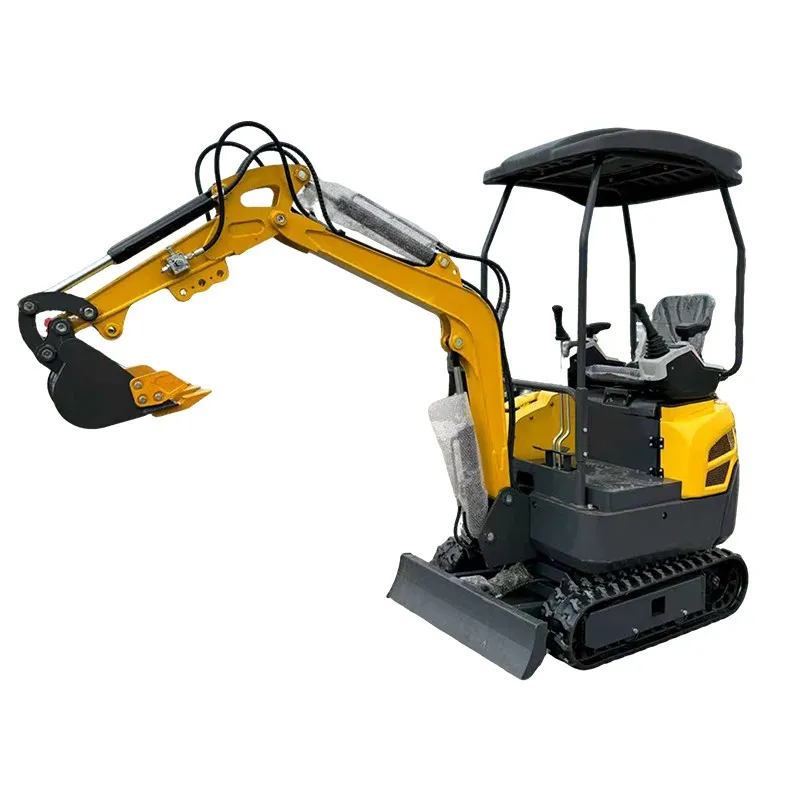
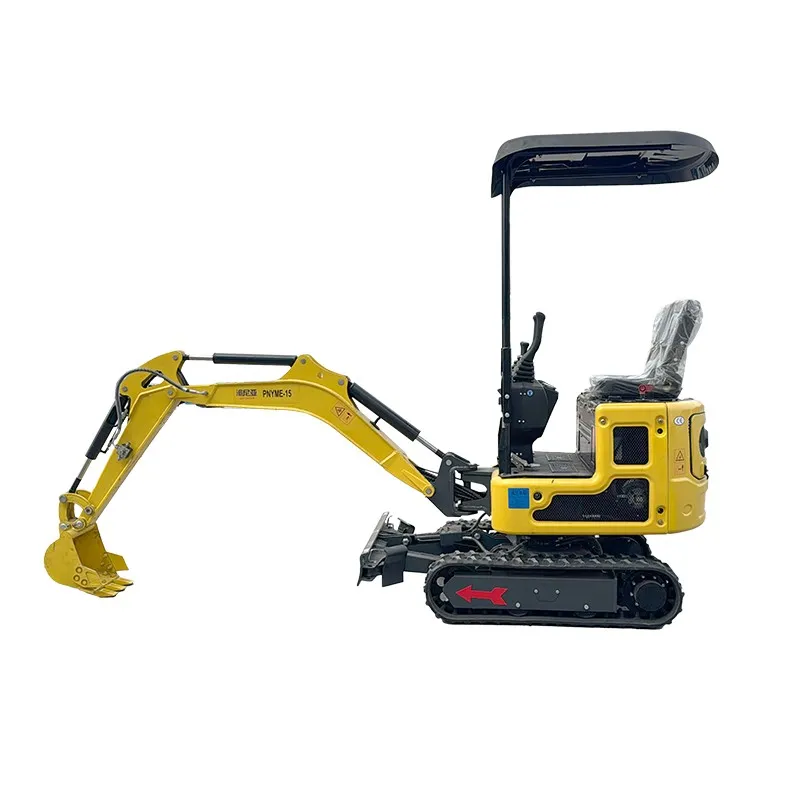
So, you see a Rippa mini ex listed for, say, $18,500. Looks good, right? That's almost always for the bare-bones unit. We're talking standard buckets, maybe a cab, but that's it. The moment you need a hydraulic quick coupler, a hammer circuit, or even just a set of rubber tracks for pavement work, the price climbs. I learned this the hard way on a small landscaping job years ago. Budgeted for the base machine, then had to scramble and pay a premium for a trenching bucket and a ripper tooth locally. That good deal evaporated fast.
The real cost starts with the undercarriage and the pump. Are you getting a full Kubota-style mechanical drive or a simpler hydraulic motor setup? The former is more expensive upfront but is a beast for heavy digging. The latter keeps the initial rippa mini excavator price down and is fine for light duty, but you feel the difference in sustained power. It's a trade-off. I always tell people: know your primary use. If you're just doing occasional drainage ditches, maybe save the cash. For daily trenching in tough soil, invest in the robust drive.
Then there's the engine tier. A reputable brand like Yanmar or Kubota adds to the cost but saves a fortune in downtime and repair headaches. Some of the more budget-friendly Rippa models might use a reliable Chinese-manufactured engine, which is perfectly serviceable, but you need to be militant about maintenance. I've had both. The premium engine just... runs. The other needs a more watchful eye. That difference is baked into the price, but it's not always clear from the spec sheet.
The Supplier Equation: Why Origin and Support Matter
This is where the online search gets murky. You'll find a dozen suppliers offering the same Rippa machine at wildly different prices. A huge chunk of this comes down to the supplier's role. Are they just a trading company flipping containers, or are they the actual factory with engineering oversight? The latter, like Shandong Pioneer Engineering Machinery Co., Ltd, often provides a more coherent package. You can check their background at https://www.sdpioneer.com. They've been around since 2004, which in this industry, means they've weathered cycles and iterated on their products. That history translates to a machine that's been refined based on real feedback.
I remember dealing with a trading company once. Great price. Terrible experience. The machine arrived missing the auxiliary hydraulic lines. Getting the right parts shipped took months. Contrast that with ordering from an integrated manufacturer-exporter. When a seal blew on a swing motor on a unit we got from a setup like Pioneer's, they had the technical drawings and could cross-reference the part immediately. The downtime was days, not weeks. That support isn't free; it's part of the unit's total cost.
Their model is interesting – Shandong Hexin handles manufacturing, and Shandong Pioneer manages overseas trade. This split often means the export team is specifically geared for international logistics, customs, and after-sales, which is a godsend for buyers in the US, Canada, or Australia. You're not just buying a machine; you're buying a supply chain. That reliability has a price tag, but it protects your project timeline.
Hidden Costs: The Devil's in the Shipping Details
Never, ever look at a FOB price and think that's your landed cost. The freight, insurance, and port charges can add 15-25% to your rippa mini excavator price easily. If you're not near a major port, trucking it inland is another few grand. A good supplier will give you a clear CIF quote to your nearest port. A less transparent one will give you a tantalizingly low FOB price and let you discover the rest later.
Then there's commissioning. The machine arrives in a crate. You need to install the boom, connect batteries, fill fluids. It's not rocket science, but it's a half-day's work for two people. If you can't do it yourself, factor in a mechanic's rate. Some suppliers offer pre-delivery inspection and basic commissioning at the factory for an extra fee – worth every penny to ensure it starts and cycles before it's loaded on the ship.
Attachments: The Budget Black Hole
Here's where projects get ambitious and budgets blow out. The excavator itself is just the power unit. Its real value is at the end of the arm. A standard bucket is included. But what about a grading bucket, a rock bucket, a hydraulic thumb, a breaker, a auger drive? Each attachment can cost from a few hundred to several thousand dollars.
My rule of thumb: plan for attachments to cost 20-50% of the base machine's price, depending on your needs. For a general contractor, a quick coupler and two extra buckets (trenching, grading) are essential. The rippa mini excavator often uses a standard European-style attachment pattern, which is good – it means you can source compatible attachments locally later, though the factory ones are usually a better fit. Don't assume compatibility; always check the pin diameter and spacing.
Also, consider the auxiliary hydraulic flow. If you think you might ever run a hammer or a brush cutter, you need a machine with a sufficient gpm rating on the auxiliary circuit. Adding that capability later is nearly impossible. It's a specification that directly influences the price but is easy to overlook when you're just thinking about digging.
The Long Game: Total Cost of Ownership
This is the professional's calculation, not the hobbyist's. The purchase price is just the entry fee. What matters is cost per operating hour over 3-5 years. This includes fuel efficiency (diesel vs. newer electric options), expected maintenance intervals, and part availability.
A cheaper machine might have shorter service intervals – requiring oil and filter changes more frequently. Add up those service kit costs and labor over a year. Furthermore, part cost and availability are critical. A company with a long track record like Pioneer, exporting to established markets, tends to have a better network for spare parts, either stocked locally or available for expedited shipping. I'd pay a 10% premium upfront for a machine I know I can get parts for in a week versus one where I'm waiting on a container from China for two months.
Finally, residual value. A well-known, well-supported brand/model holds its value better. When you're ready to upgrade, you can sell a Rippa from a known supplier for a decent percentage of its original cost, especially if you have full service records. That effectively lowers your net ownership cost. The cheapest machine often has the steepest depreciation because the next buyer is taking on the same parts and support uncertainty you initially faced.
Wrapping It Up: A Practical Price Framework
So, back to that original search. There's no magic number. But for a decently equipped 1.8-ton Rippa mini excavator with a solid engine, two buckets, and a coupler, shipped to a US West Coast port, you're realistically looking at a range. If you see a price under $20,000 landed, scrutinize the specs and support hard. A robust, support-ready package from an established source will more likely sit in the $23,000 to $28,000 zone, landed but before inland freight and tax.
The key is to move beyond the price tag. Define your must-have specs, get detailed quotes that include shipping to your door, and vet the supplier's history and parts pipeline. A slightly higher initial rippa mini excavator price from a partner like Shandong Pioneer, with their two-decade manufacturing and export foundation, often represents a lower total cost and far less headache over the machine's life. It's not about finding the cheapest option; it's about finding the right cost for a machine that works, and keeps working, when you need it to.
Related Products
Related Products