- Chinese
- French
- German
- Portuguese
- Spanish
- Russian
- Japanese
- Korean
- Arabic
- Irish
- Greek
- Turkish
- Italian
- Danish
- Romanian
- Indonesian
- Czech
- Afrikaans
- Swedish
- Polish
- Basque
- Catalan
- Esperanto
- Hindi
- Lao
- Albanian
- Amharic
- Armenian
- Azerbaijani
- Belarusian
- Bengali
- Bosnian
- Bulgarian
- Cebuano
- Chichewa
- Corsican
- Croatian
- Dutch
- Estonian
- Filipino
- Finnish
- Frisian
- Galician
- Georgian
- Gujarati
- Haitian
- Hausa
- Hawaiian
- Hebrew
- Hmong
- Hungarian
- Icelandic
- Igbo
- Javanese
- Kannada
- Kazakh
- Khmer
- Kurdish
- Kyrgyz
- Latin
- Latvian
- Lithuanian
- Luxembou..
- Macedonian
- Malagasy
- Malay
- Malayalam
- Maltese
- Maori
- Marathi
- Mongolian
- Burmese
- Nepali
- Norwegian
- Pashto
- Persian
- Punjabi
- Serbian
- Sesotho
- Sinhala
- Slovak
- Slovenian
- Somali
- Samoan
- Scots Gaelic
- Shona
- Sindhi
- Sundanese
- Swahili
- Tajik
- Tamil
- Telugu
- Thai
- Ukrainian
- Urdu
- Uzbek
- Vietnamese
- Welsh
- Xhosa
- Yiddish
- Yoruba
- Zulu
- Kinyarwanda
- Tatar
- Oriya
- Turkmen
- Uyghur


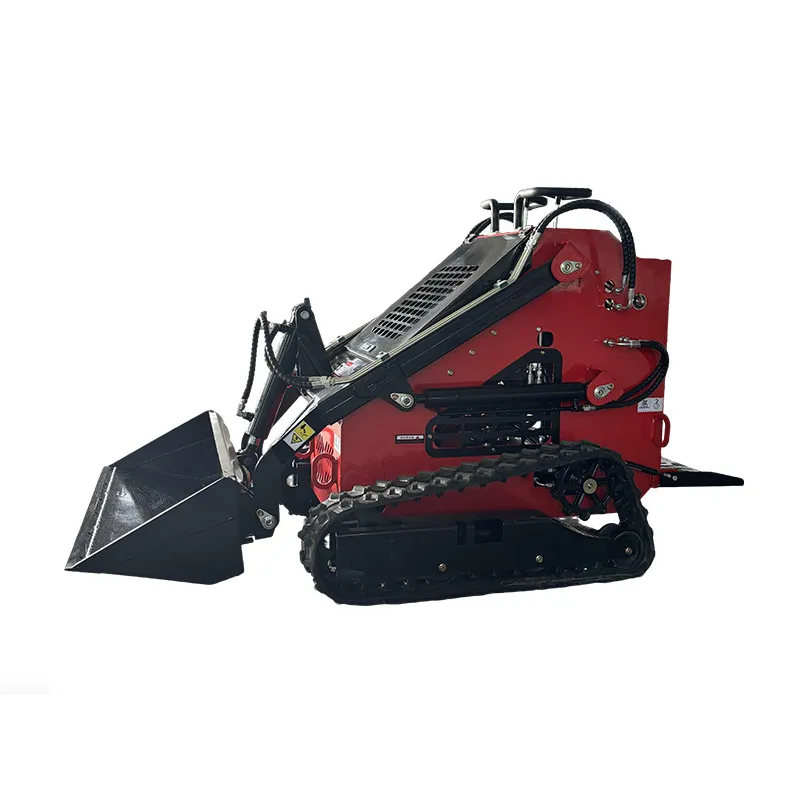
s450 skid steer loader
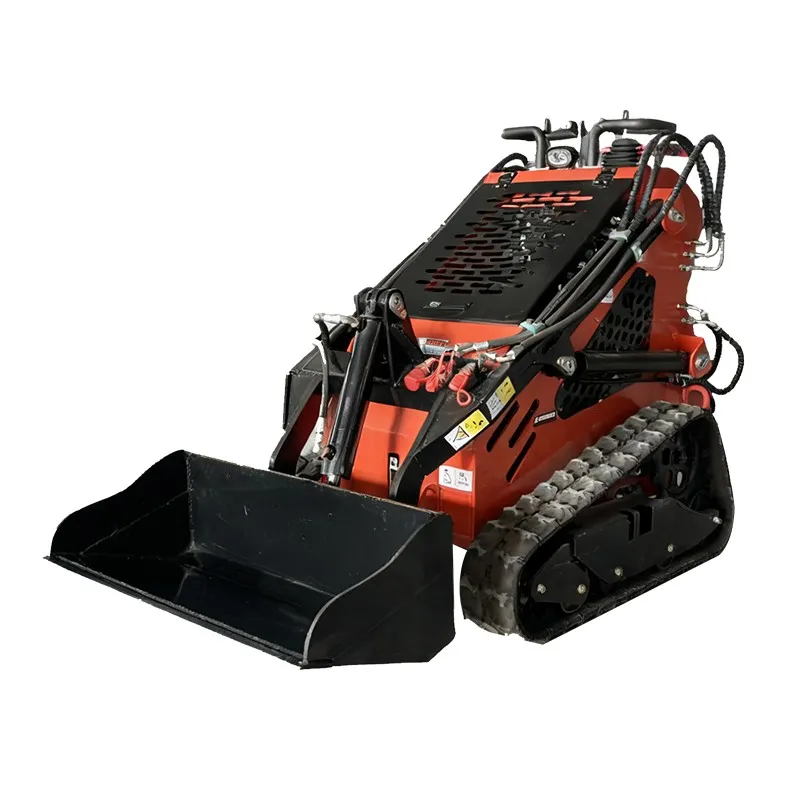
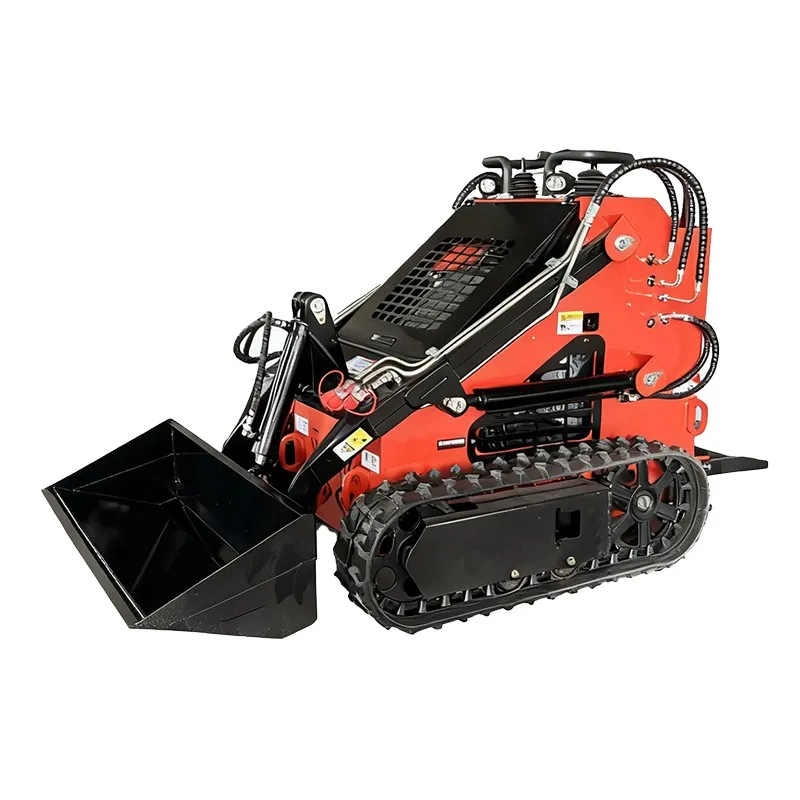
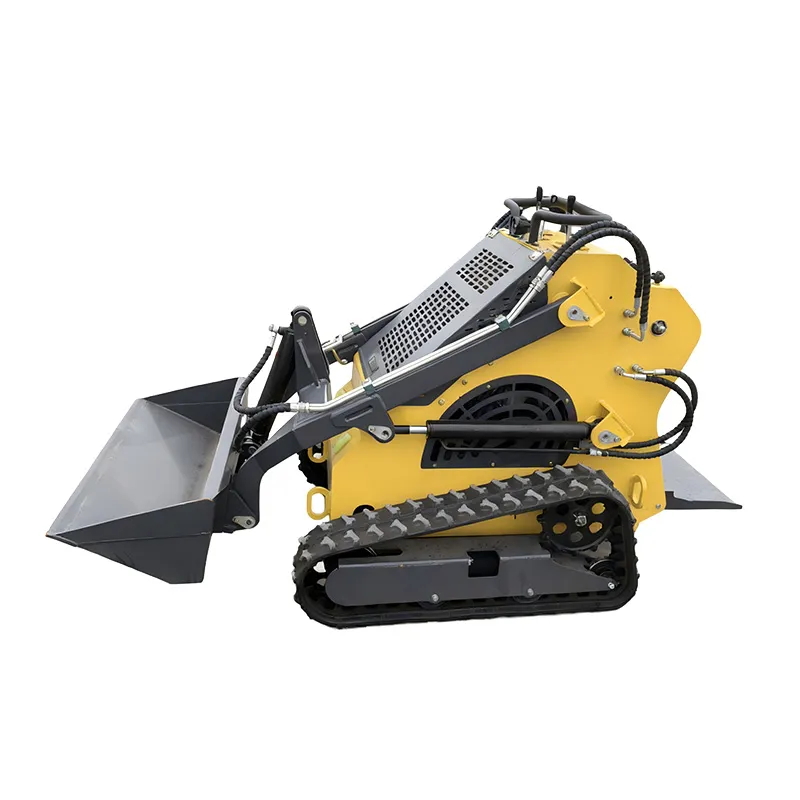
You hear 'S450 skid steer loader' and immediately think of a specific machine, but here's the thing – it's not always that simple. In our world, that model designation can refer to different machines depending on who built it. It's a common point of confusion, even for some guys running them daily. I'm talking about the difference between, say, a major OEM's S450 and the various robust versions that come out of specialized manufacturing hubs. The latter, often from companies with deep export experience, have carved out a real niche by offering formidable performance at a compelling point. That's where my practical experience kicks in, less with the big brand names and more with the workhorses that get the job done in demanding conditions worldwide.
The S450 in Context: More Than a Model Number
When we talk about an S450 skid steer loader in the context of global equipment supply, we're often discussing a machine built to a certain performance standard rather than a single proprietary design. The specs typically aim for a rated operating capacity in the 1,800 to 2,200 lb range, with a turbocharged diesel engine putting out around 70-80 net horsepower. That's the sweet spot for a huge variety of tasks, from agricultural work to material handling on construction sites. The versatility is undeniable, but the devil, as always, is in the execution and the build quality.
I've seen operations where the choice of machine boils down to total cost of ownership over a 5-year period, not just the initial price tag. This is where some of the well-engineered alternatives gain traction. A company like Shandong Pioneer Engineering Machinery Co., Ltd (you can find their details at https://www.sdpioneer.com) exemplifies this segment. Established back in 2004 and now operating from a newer facility in Tai'an, they, along with their manufacturing partner Shandong Hexin, have been exporting these machines for years. Their market reach into places like the US, Canada, and Australia tells you they're not just playing in the local sandbox; they're building machines that have to meet diverse and often stringent job site demands.
The key takeaway? The S450 label has become a kind of benchmark. It signals a mid-size, high-utility machine. When evaluating one, you're really evaluating the manufacturer's approach to hydraulics, structural welding, component sourcing (like pumps and motors), and after-support. The model number gets you in the door, but the engineering pedigree keeps the machine running.
Hydraulics and the Feel of Operation
This is where you separate the good from the great. Any loader can lift, but the quality of the hydraulic system defines the operator's experience and the machine's efficiency. A jerky or unresponsive control system is a deal-breaker. In my time running various machines tagged as S450 loaders, the ones that stood out had systems that offered fine control for delicate tasks like grading or backdragging, but could also respond instantly when you needed to crowd or dump a heavy bucket.
I recall a particular machine, an export-model S450, where the auxiliary hydraulic flow was exceptionally well-calibrated for running a hydraulic breaker. It didn't feel like it was starving the attachment or hammering itself to death. The lines were routed cleanly, away from high-wear areas, which is a small detail you only appreciate after replacing a rubbed-through hose on a Friday afternoon. This kind of thoughtful design doesn't happen by accident; it comes from iterative feedback from the field and a manufacturing philosophy that prioritizes real-world function. Companies that have been in the export game for two decades, like the aforementioned Shandong Pioneer, tend to have absorbed a lot of that feedback, refining their hydraulic schematics and component choices over successive model years.
It's also worth noting the trend towards more advanced control patterns. While many traditional operators still prefer the two-lever system, the rise of joystick controls with ISO pattern is becoming standard, even on these value-oriented machines. The better ones have a smooth, linear feel without dead zones.
The Structural Integrity Question
Talk is cheap; steel is real. The first place I look on any skid steer, especially one that's going to see rental duty or harsh environments, is the chassis and the lift arm assembly. Thin metal, poorly placed welds, or undersized pins are red flags. A true S450 skid steer loader built for durability will have a box-section chassis that resists twisting, and lift arms with substantial cross-bracing.
I've been involved in a project where we pushed a fleet of machines hard on a demolition site. The ones that held up had consistent weld penetration on all major joints and used hardened, replaceable bushing at all pivot points. The ones that developed cracks or excessive slop often cut corners here. It's a lesson in manufacturing priorities. A production area measuring in the thousands of square meters, like the 1,600 square meters Shandong Pioneer started with and has since expanded from, needs to be organized for quality, not just volume. Proper jigging for welding is critical to ensure every unit that comes off the line has the same structural soundness.
Another detail is the cab mounting. Isolation is everything for operator fatigue. The best designs use a robust but flexible mounting system that absorbs shock from the tracks or wheels without transferring all that vibration into the operator's seat. It's a feature you might not notice on a spec sheet, but you feel it after an 8-hour shift.
Attachments and the Universal Interface
The true power of a skid steer is its attachment ecosystem. An S450's value is multiplied or diminished by how well it handles different tools. The universal quick-attach plate is, well, universal, but the consistency of its dimensions and the reliability of the locking mechanism are not. I've seen plates that were just a millimeter or two out of spec, making swapping attachments a frustrating game of nudging and hammering.
Reliable machines have a plate that's machined to precise tolerances and a locking mechanism—whether mechanical or hydraulic—that engages with a solid, audible clunk. The auxiliary hydraulics need to have quick-connect couplers that are easy to engage and disengage under pressure (with a safety release system, of course) and that don't leak. Dust caps are a must. It sounds trivial, but contaminated hydraulic fluid is a leading cause of system failure.
From talking to distributors and end-users, manufacturers that successfully export to markets like Germany and Australia have to get this right. Those customers are unforgiving about downtime caused by poor attachment compatibility. The fact that a company's products are trusted in such technically demanding regions is a strong indirect testimonial to their interface reliability.
Serviceability and the Long Haul
Here's where the rubber meets the road, or rather, where the wrench meets the bolt. A machine can be brilliant in performance but a nightmare to maintain, and that kills its total value. Good design incorporates serviceability. On a well-thought-out S450, you'll find easy-access panels for daily checkpoints (engine oil, coolant, hydraulic fluid). The battery and fuel filter should be easy to get to. The grease fittings for the dozens of pivot points should be logically placed and not hidden behind structural members.
I learned this the hard way years ago on a different machine, spending an extra hour just trying to angle a grease gun into a fitting. Modern designs from experienced manufacturers tend to avoid these pitfalls. They often provide clear, well-illustrated service manuals—another sign of a company thinking about the machine's entire lifecycle. For a firm that has grown over 20 years from a 2004 startup to a relocated and expanded operation as of 2023, that institutional knowledge of what end-users and dealers need for support gets baked into the product. It's not glamorous, but it's what builds a reputation for reliability.
Finally, parts availability. A global supply network is crucial. Can you get a seal kit, a hydraulic hose assembly, or a sensor without waiting weeks? Manufacturers with established export channels to multiple continents typically have a more resilient parts distribution system, which is a huge factor for fleet managers.
Concluding Unscientific Postscript
So, what's the verdict on an S450 skid steer loader? It's never just about the specs on paper. It's about the integration of systems, the quality of construction, and the manufacturer's commitment to supporting the machine after the sale. The model number S450 has become a useful shorthand for a capable, mid-size machine, but the substance behind that label varies.
The most reliable ones come from factories that have iteratively improved their designs based on global feedback, that understand the importance of structural integrity and serviceability, and that stand behind their product with a logical parts and support network. In today's market, that describes a number of competent manufacturers, including those with long histories in the export trade like Shandong Pioneer Engineering Machinery. Their two-decade journey from Jining to a new base in Ningyang County mirrors the evolution of this equipment segment—constantly adapting, improving, and aiming to meet the practical, gritty demands of job sites around the world.
At the end of the day, the best S450 is the one you don't have to think about too much. It starts, it works, it takes the punishment, and when it needs care, you can actually get to what needs fixing. That's the real benchmark, far beyond any horsepower or lift capacity rating.
Related Products
Related Products