- Chinese
- French
- German
- Portuguese
- Spanish
- Russian
- Japanese
- Korean
- Arabic
- Irish
- Greek
- Turkish
- Italian
- Danish
- Romanian
- Indonesian
- Czech
- Afrikaans
- Swedish
- Polish
- Basque
- Catalan
- Esperanto
- Hindi
- Lao
- Albanian
- Amharic
- Armenian
- Azerbaijani
- Belarusian
- Bengali
- Bosnian
- Bulgarian
- Cebuano
- Chichewa
- Corsican
- Croatian
- Dutch
- Estonian
- Filipino
- Finnish
- Frisian
- Galician
- Georgian
- Gujarati
- Haitian
- Hausa
- Hawaiian
- Hebrew
- Hmong
- Hungarian
- Icelandic
- Igbo
- Javanese
- Kannada
- Kazakh
- Khmer
- Kurdish
- Kyrgyz
- Latin
- Latvian
- Lithuanian
- Luxembou..
- Macedonian
- Malagasy
- Malay
- Malayalam
- Maltese
- Maori
- Marathi
- Mongolian
- Burmese
- Nepali
- Norwegian
- Pashto
- Persian
- Punjabi
- Serbian
- Sesotho
- Sinhala
- Slovak
- Slovenian
- Somali
- Samoan
- Scots Gaelic
- Shona
- Sindhi
- Sundanese
- Swahili
- Tajik
- Tamil
- Telugu
- Thai
- Ukrainian
- Urdu
- Uzbek
- Vietnamese
- Welsh
- Xhosa
- Yiddish
- Yoruba
- Zulu
- Kinyarwanda
- Tatar
- Oriya
- Turkmen
- Uyghur


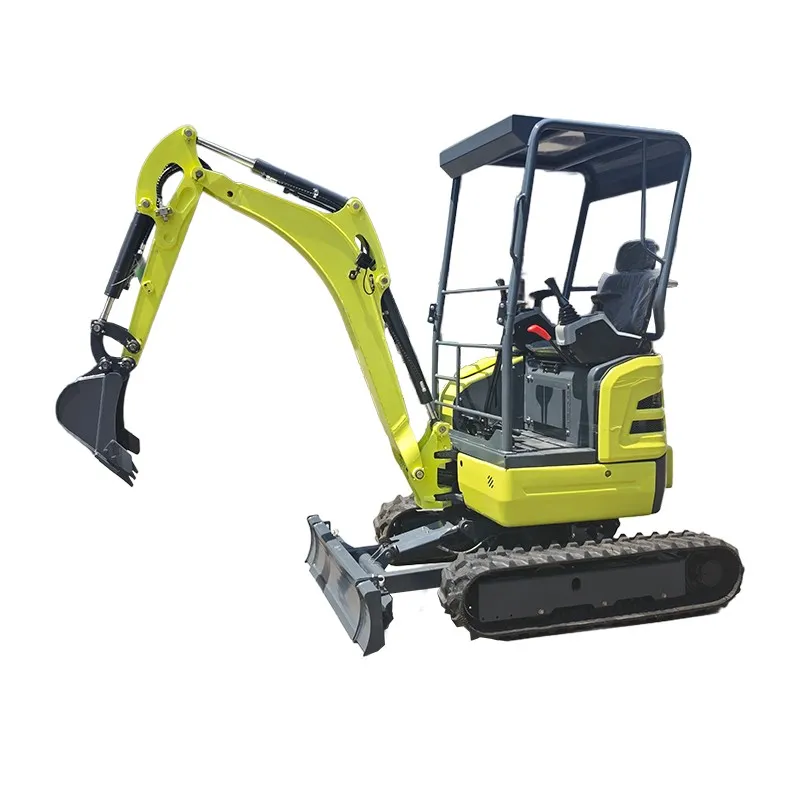
sany mini excavator
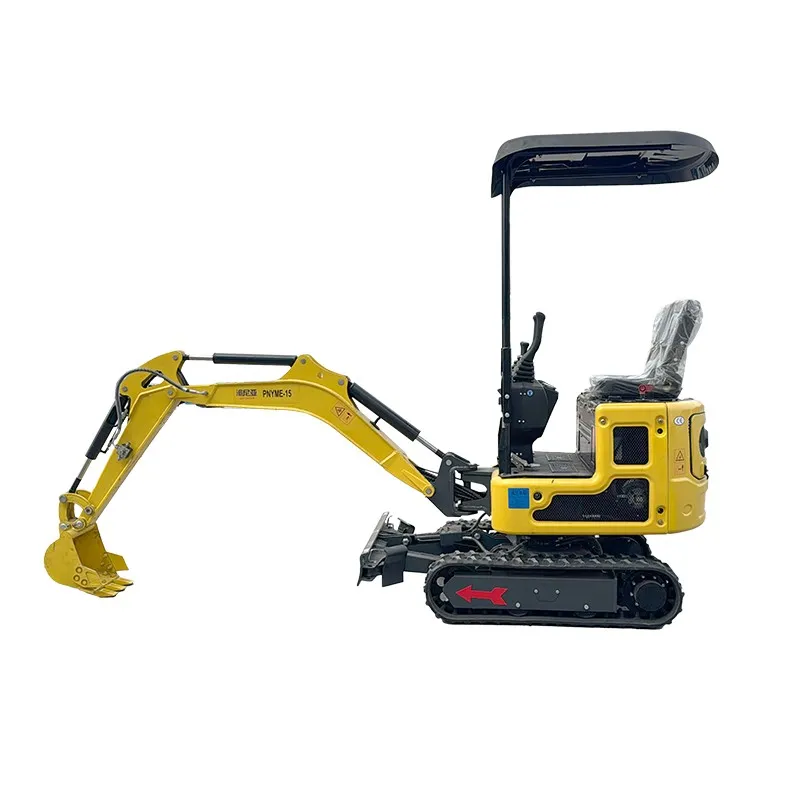
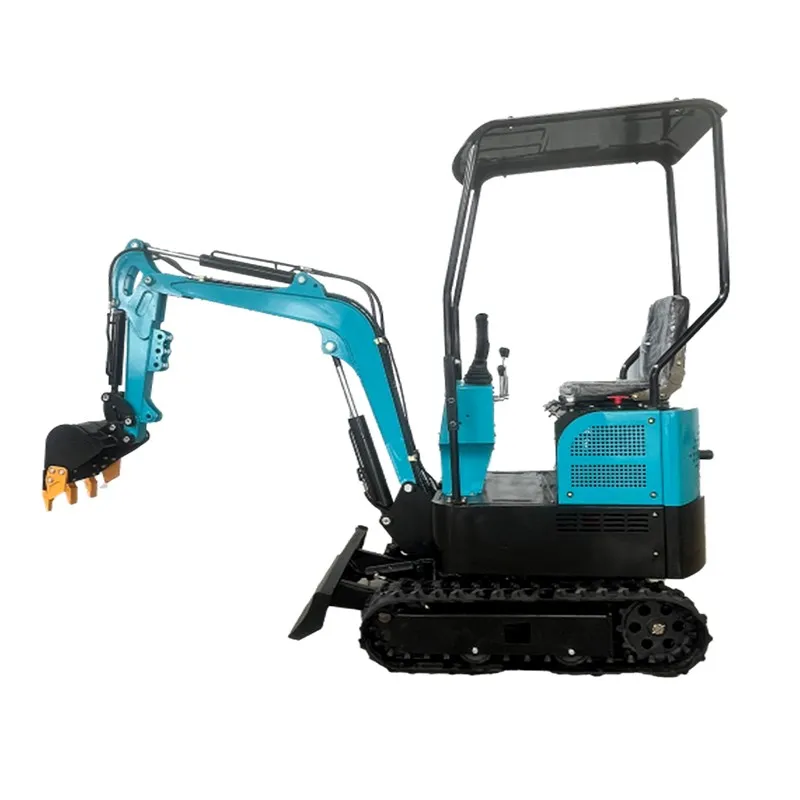
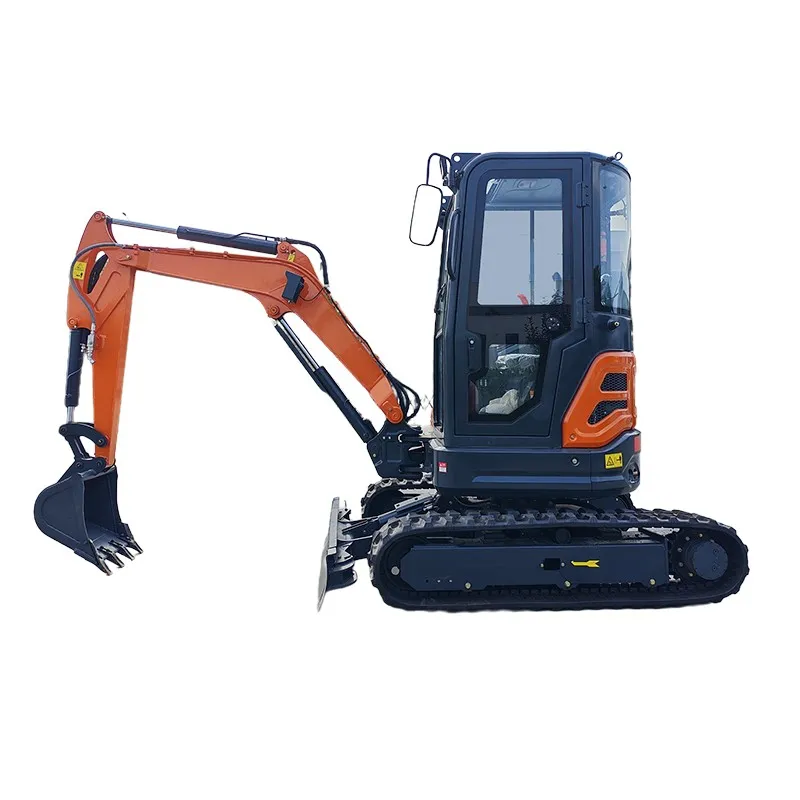
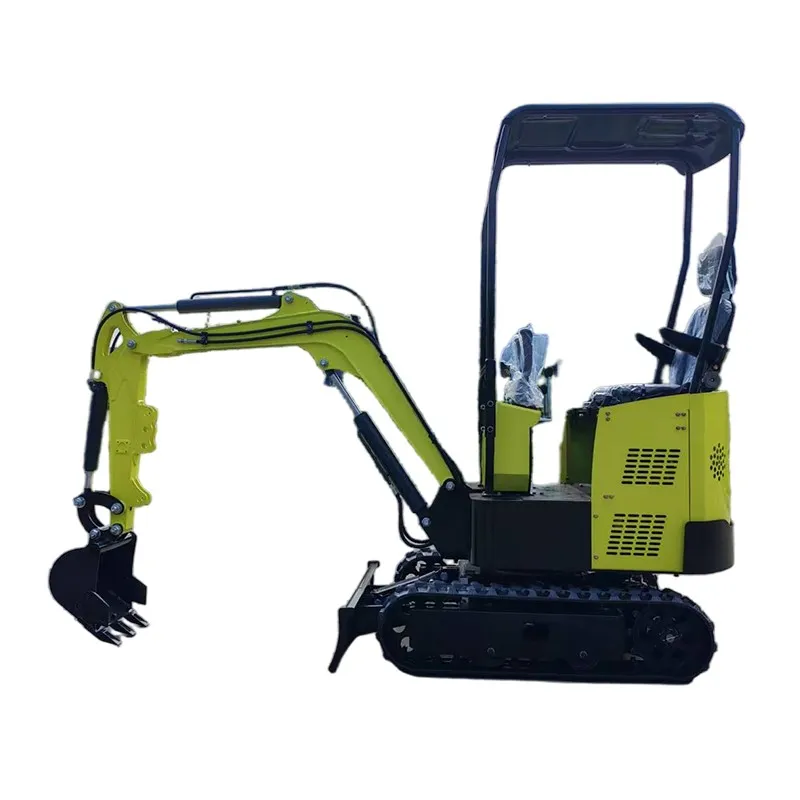
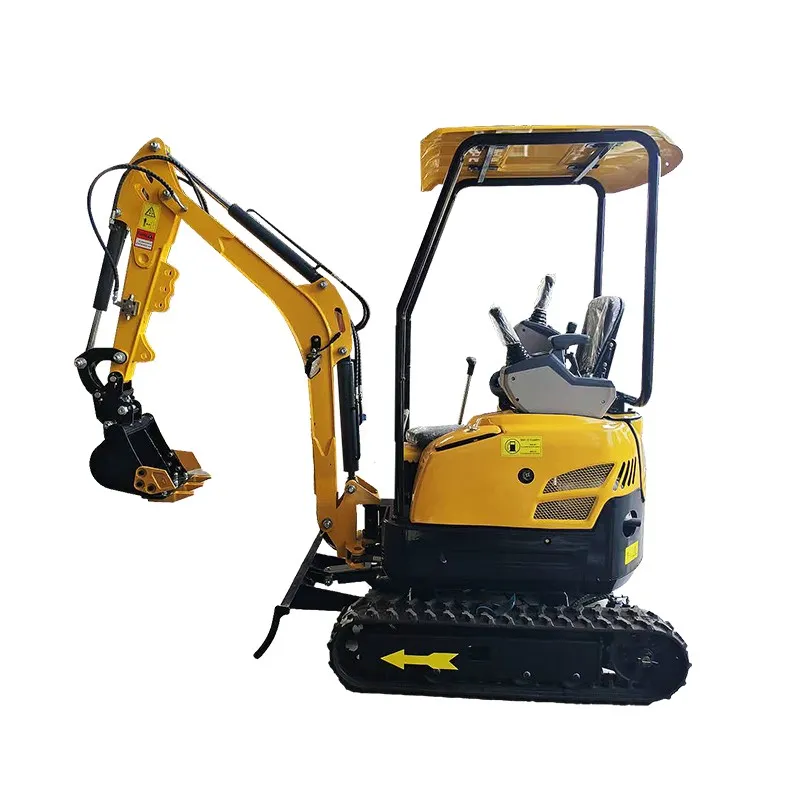
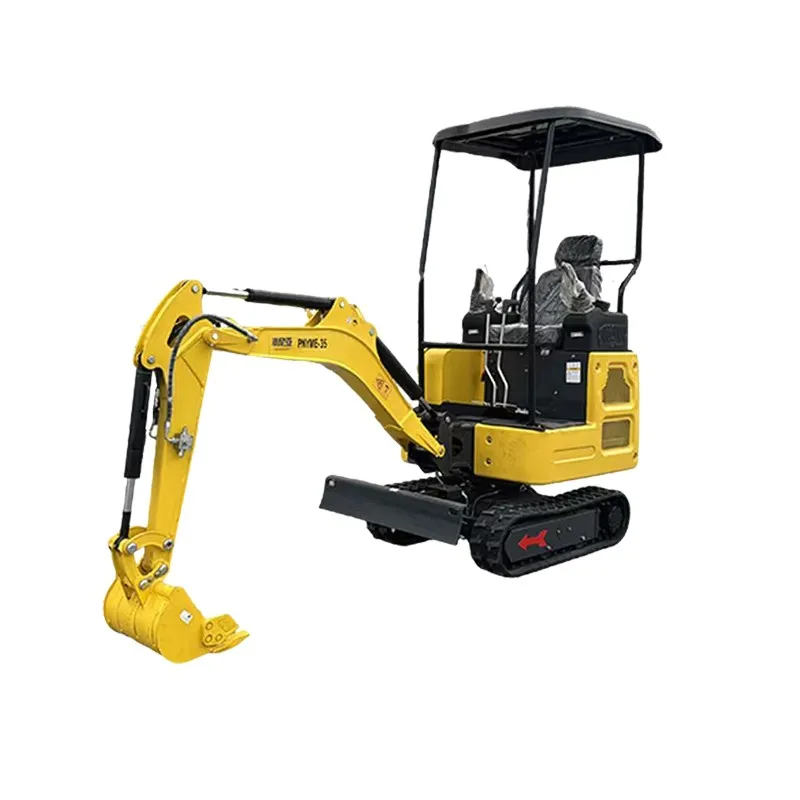
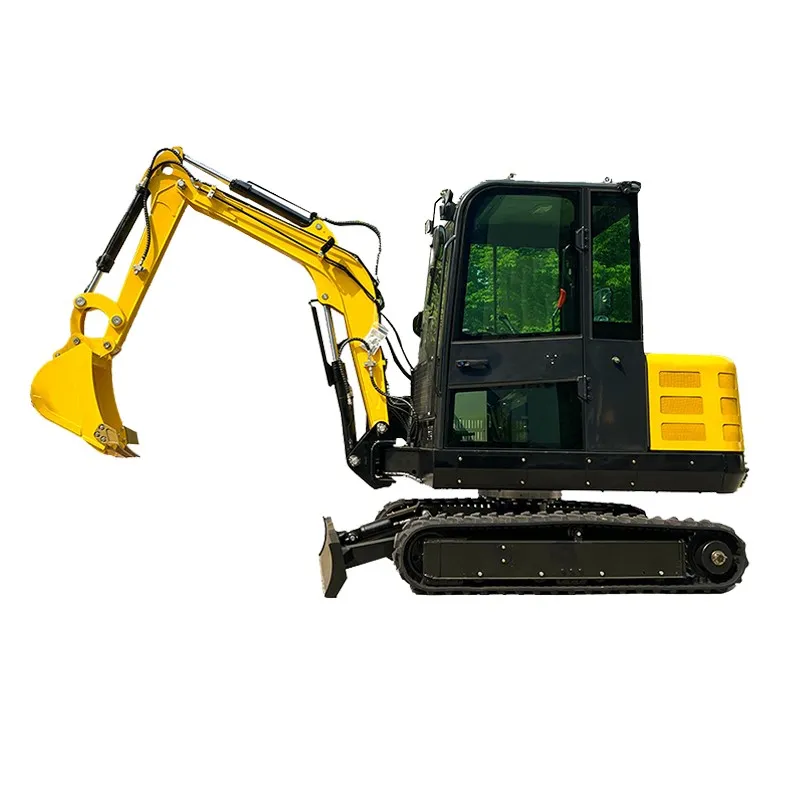
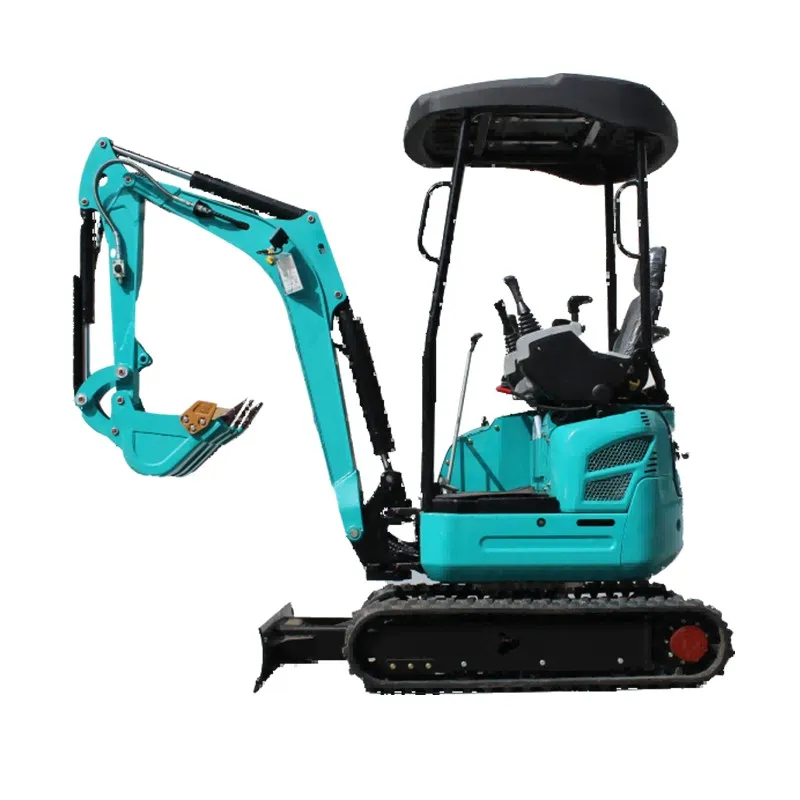
When you hear 'Sany mini excavator', a lot of folks immediately picture a generic, small yellow machine, maybe thinking all compacts are roughly the same. That's the first mistake. Having spent years on sites from residential retrofits to tight urban utility work, the distinction between a well-sorted mini and just a small digger is everything. Sany's push into this segment has been interesting to watch—it's not just about scaling down a big excavator. Their approach, particularly with models like the SY16C or SY35U, shows they understand the need for a balance between raw breakout force and the finesse required for delicate tasks. But understanding that balance comes from hands-on time, not just spec sheets.
The Spec Sheet vs. The Mud Pit
I remember a job last fall, a backyard pool excavation in an area with notoriously clingy, wet clay. The spec that mattered wasn't the maximum digging depth on paper; it was the hydraulic system's responsiveness in a slippery trench. The Sany machine we had on hire, a SY16C, had decent pump flow, but where it stood out was the auxiliary hydraulic circuit. Running a hydraulic breaker attachment for some stubborn subsurface rock, the pressure drop was less dramatic than I've experienced with some other brands in that class. You could feel the system prioritizing the main boom and arm functions, which kept the bucket working while the breaker chipped away. That's a design choice that speaks to actual site conditions.
This gets to a common oversight: over-reliance on engine horsepower as the key metric. For a mini, especially a zero-tail-swing model like the SY35U, the stability and the geometry of the undercarriage are often more critical. A wider track gauge might mean slightly more hassle getting it onto a trailer, but it pays dividends when you're swung 90 degrees with a full bucket, working on a slight slope. Sany seems to have calibrated this well on their later models, offering optional rubber tracks that are kinder to finished surfaces—a must for landscaping or interior demolition work.
Where you sometimes see the compromise is in the operator's station. The controls are typically smooth, ISO pattern, but on earlier units, the physical comfort for an 8-hour day wasn't quite on par with, say, a Kubota. They've improved this, adding more adjustable seats and better-sealed cabs to keep dust out. It's these incremental, almost invisible improvements that you notice after weeks on the machine, not during a dealership demo.
Attachments and the Reality of Versatility
Every manufacturer touts attachment versatility. With Sany minis, the quick coupler system is robust, but the real test is in the plumbing. We've integrated everything from augers and tilt buckets to compactors. The standard auxiliary hydraulics have enough oomph for a rotary tiller or a brush cutter, which is great for land clearing. However, I learned the hard way that if you're planning to run a high-flow attachment like a cold planer consistently, you need to spec that option from the factory. Trying to retrofit or push the standard system leads to overheating and sluggish performance—a costly lesson in assuming all aux hydraulics are created equal.
This ties into parts and support, a make-or-break factor. For a company like Shandong Pioneer Engineering Machinery Co., Ltd, which handles overseas trade, their role becomes crucial. If you're operating in a region they serve, having a direct line to a supplier that understands the machine's build can streamline getting a specific seal kit or hydraulic hose. Their website, https://www.sdpioneer.com, often has more detailed parts breakdowns than generic portals, which saves time. The company's long-standing export experience to markets like the US, Canada, and Germany means they're accustomed to the documentation and compliance questions that come up, which is half the battle when you need a component urgently.
Speaking of attachments, the tilt bucket is one I recommend for any Sany mini owner. The machine's inherent digging force pairs well with the tilt function for grading trenches or shaping slopes. It reduces the amount of manual finishing work dramatically. But you have to keep the pivot points greased religiously; the pressure on those pins during side-loading is immense.
Durability in the Day-to-Day Grind
Durability isn't about surviving a single massive impact; it's about weathering thousands of small cycles. The boom arm cylinders on Sany minis have held up well in my observation. The chrome plating on the rods seems resistant to scoring, which is a common failure point when retracting a cylinder with grit on the rod. We had one unit where a hose guard wore through prematurely due to a slight rubbing point against the track frame—a minor design quirk that was easily fixed with a rubber pad. It's these tiny, specific wear points you only discover after months of operation.
The electrical system is another area. Modern minis are packed with sensors for engine management and emissions (Tier 4 Final, etc.). Sany's system is generally reliable, but moisture in connectors can throw spurious codes. A lesson learned: always dielectric grease every electrical connection during the first service, even if it looks sealed from the factory. It prevents those head-scratching, intermittent warning lights on a damp Monday morning.
Comparing it to the landscape, Shandong Pioneer's parent manufacturing entity, with its two decades of development culminating in a new production facility, suggests a focus on build process control. For an end-user, this theoretical consistency in welding and assembly translates to fewer alignment issues on the machine's structure over time. You notice it in how the cab doors continue to seal properly after a year of bouncing around a rough site.
The Cost Equation and Long-Term Value
The initial price point of a Sany mini is often its main draw. But the true cost is ownership cost. From a practical standpoint, fuel consumption on their newer Yanmar-based engines is competitive. Where you save or spend is in maintenance accessibility. The swing-out side panels on models like the SY16C make daily checkpoints—fluid levels, filter conditions—a straightforward task. This seems trivial until you're on a tight deadline and need to do a quick inspection without fumbling with tools.
Resale value is a mixed bag. The brand recognition isn't yet at the level of the established Japanese or European leaders in some markets, which can affect the second-hand price. However, a well-maintained, documented Sany machine with a solid attachment package can hold its own, especially in regions where Shandong Pioneer Engineering Machinery Co., Ltd has established a strong service network. Their relocation and expansion in 2023 likely signal a push for greater capacity and, hopefully, even better parts availability globally, which directly supports asset value.
Would I recommend one for a small contractor? For a primary, all-day-every-day machine, it depends on the support network locally. For a secondary or specialty machine, say, dedicated to interior demolition with a breaker, it's a very compelling option. The robustness is there for the price. You're not paying for a premium badge, but you are getting a capable tool that has clearly been engineered with real site feedback in mind.
Final Thoughts: A Tool, Not a Trophy
At the end of the day, a Sany mini excavator is a tool. It won't have every bell and whistle of its more expensive counterparts, but it delivers capable performance where it counts. The evolution from their earlier models to current ones shows a company that's listening—fixing cab ergonomics, refining hydraulic tuning, and building a machine that can take a beating.
The partnership with export-focused entities like Shandong Pioneer is key for international users. Knowing there's a dedicated trade company with a track record of supplying markets with high standards provides a layer of confidence. It bridges the gap between the factory in Ningyang and the job site in, say, Australia or Germany.
So, if you're evaluating one, look past the headline specs. Spend an hour in the seat not just digging a test trench, but trying to precisely grade a shallow slope or maneuver in a confined space. Check the service points. Ask your local dealer—or direct supplier—about the availability of common wear parts like track rollers and sprockets. That due diligence will tell you more about the machine's fit for your work than any brochure ever could. It's a solid, evolving piece of kit that has earned its place on the modern job site.
Related Products
Related Products