


- Chinese
- French
- German
- Portuguese
- Spanish
- Russian
- Japanese
- Korean
- Arabic
- Irish
- Greek
- Turkish
- Italian
- Danish
- Romanian
- Indonesian
- Czech
- Afrikaans
- Swedish
- Polish
- Basque
- Catalan
- Esperanto
- Hindi
- Lao
- Albanian
- Amharic
- Armenian
- Azerbaijani
- Belarusian
- Bengali
- Bosnian
- Bulgarian
- Cebuano
- Chichewa
- Corsican
- Croatian
- Dutch
- Estonian
- Filipino
- Finnish
- Frisian
- Galician
- Georgian
- Gujarati
- Haitian
- Hausa
- Hawaiian
- Hebrew
- Hmong
- Hungarian
- Icelandic
- Igbo
- Javanese
- Kannada
- Kazakh
- Khmer
- Kurdish
- Kyrgyz
- Latin
- Latvian
- Lithuanian
- Luxembou..
- Macedonian
- Malagasy
- Malay
- Malayalam
- Maltese
- Maori
- Marathi
- Mongolian
- Burmese
- Nepali
- Norwegian
- Pashto
- Persian
- Punjabi
- Serbian
- Sesotho
- Sinhala
- Slovak
- Slovenian
- Somali
- Samoan
- Scots Gaelic
- Shona
- Sindhi
- Sundanese
- Swahili
- Tajik
- Tamil
- Telugu
- Thai
- Ukrainian
- Urdu
- Uzbek
- Vietnamese
- Welsh
- Xhosa
- Yiddish
- Yoruba
- Zulu
- Kinyarwanda
- Tatar
- Oriya
- Turkmen
- Uyghur

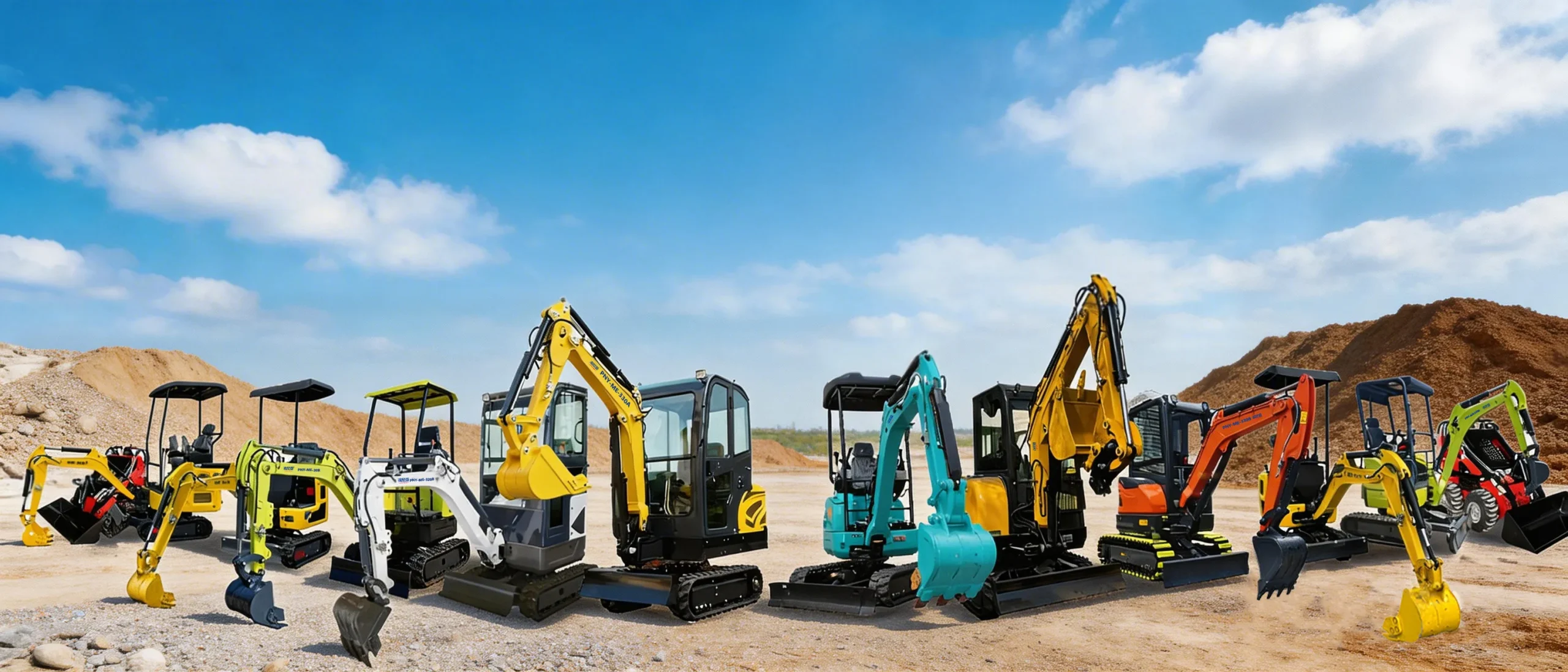
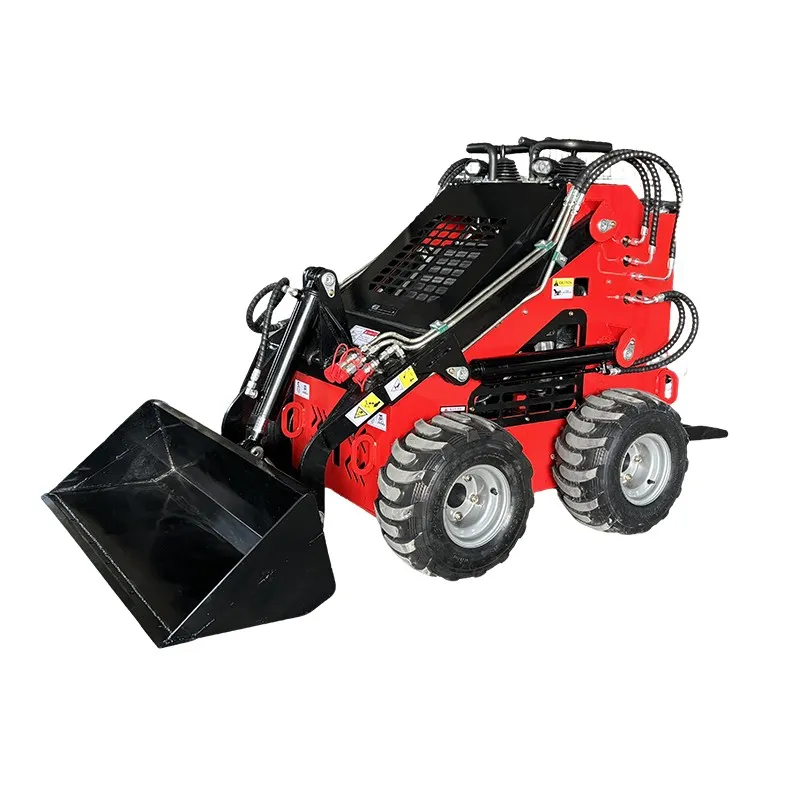
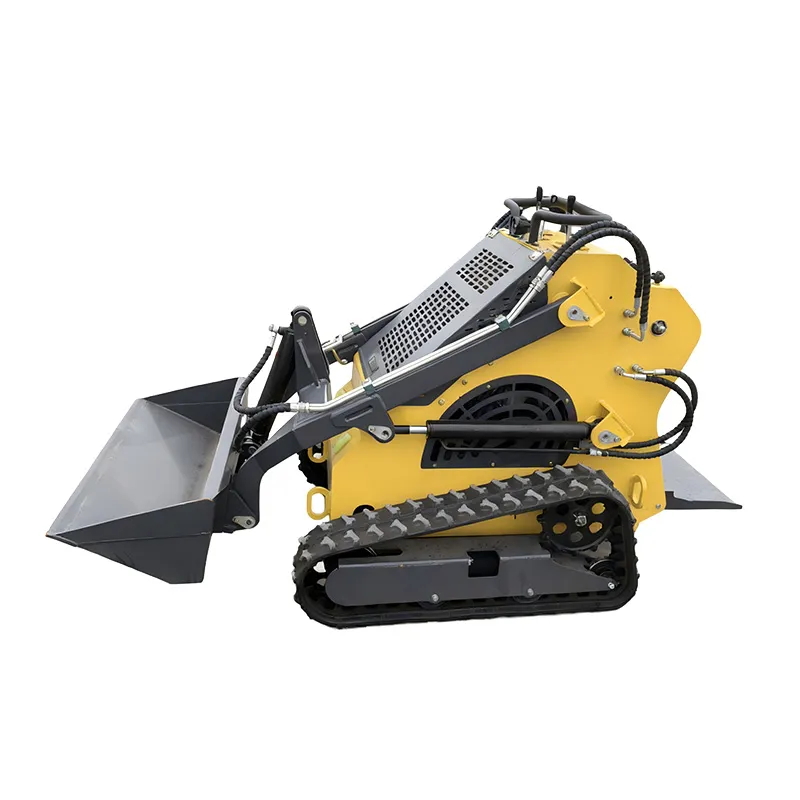
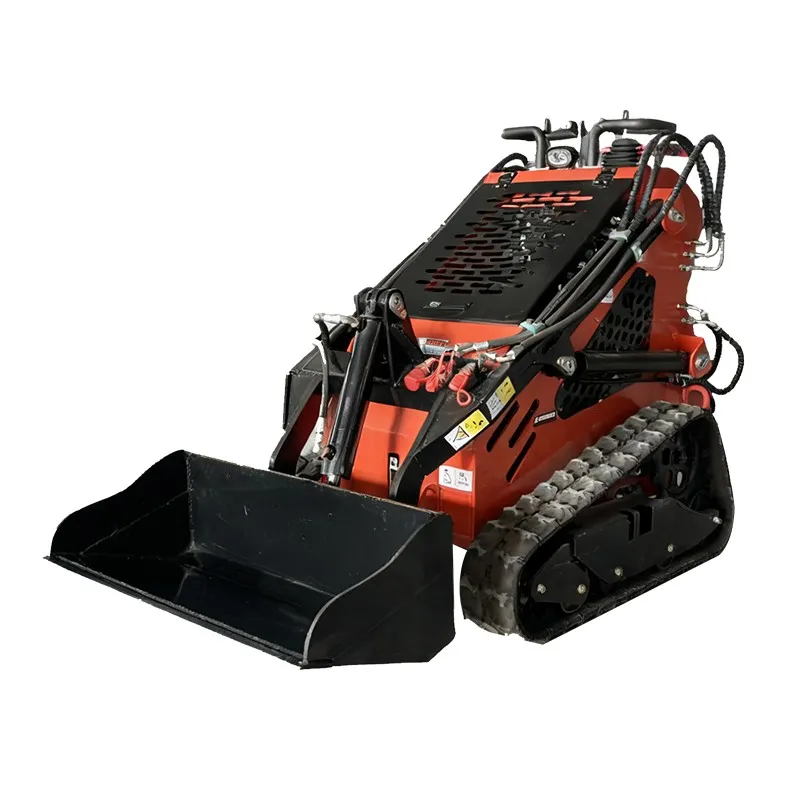
sany skid steer loader
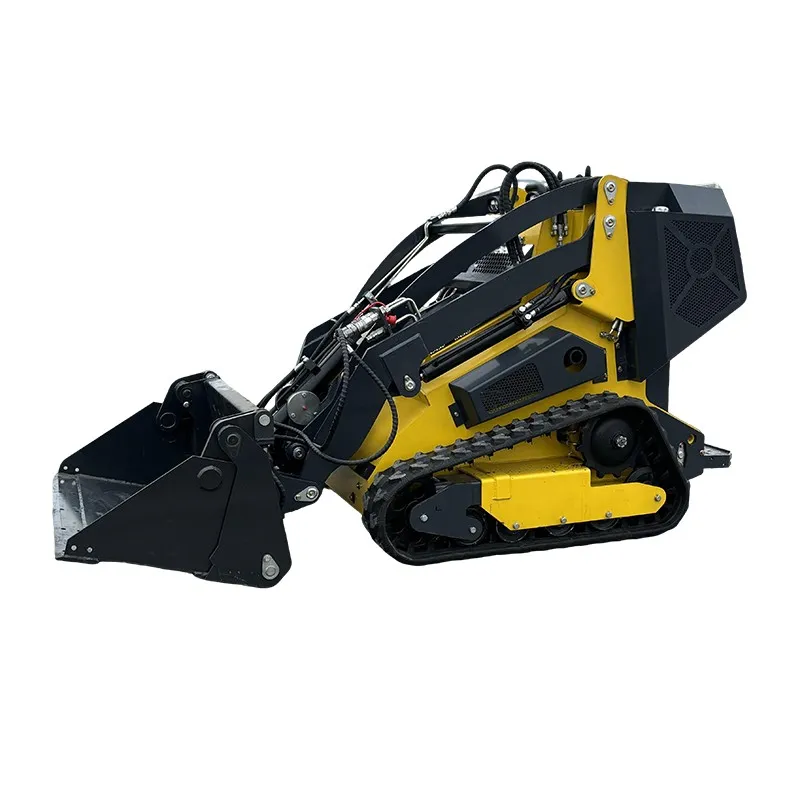
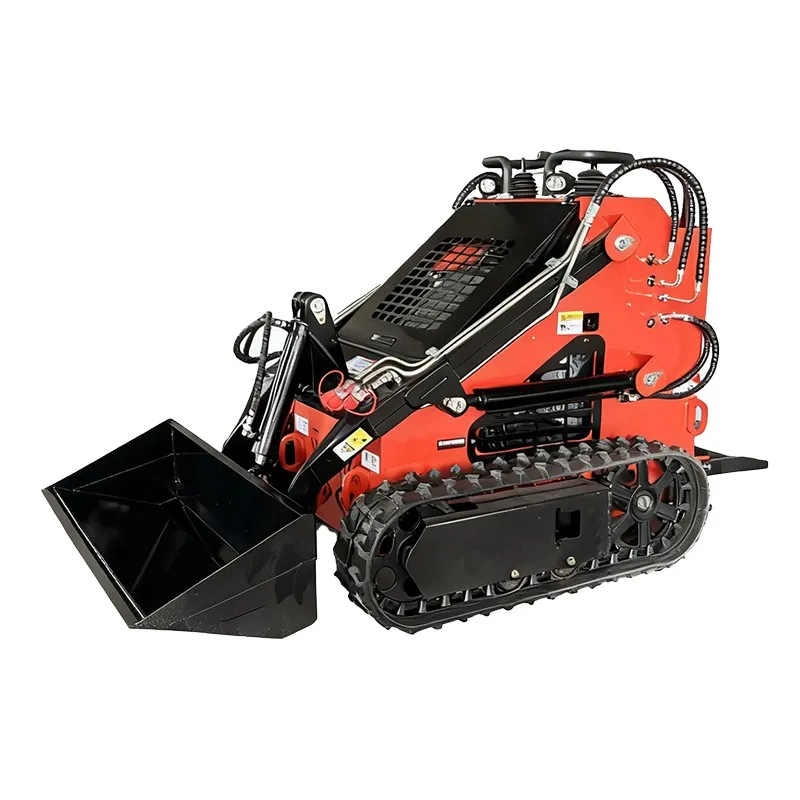
When you hear 'Sany skid steer loader', a lot of folks immediately think of the big, established players like Bobcat or Caterpillar and wonder about the fit. That's the common trap—assuming the market is static. Having spent years around these machines, from rental yards to muddy job sites, I've seen the landscape shift. Sany's entry into the skid steer and compact track loader space wasn't a quiet one; it was a deliberate push with machines that, frankly, made us all take a second look. The initial skepticism was real—could a global giant known for massive cranes and excavators really nail the nuance of a compact machine? It's a different beast entirely, demanding a balance of power, serviceability, and operator intuition that many have failed to master. I remember the first Sany SSL I saw on a demo; the specs sheet looked aggressive on paper, but specs are one thing, the feel of the controls and the machine's posture in a trench is another.
The Hardware: First Impressions and Lingering Questions
Getting hands-on with a Sany skid steer, the build quality is immediately apparent. The plate steel, the weld seams on the frame—it's heavy-duty in a way that suggests they're targeting the commercial, high-hour user, not just the occasional homeowner. They use standard Deutz or Yanmar engines, which is a smart move for parts commonality, but the integration is where the questions start. For instance, the hydraulic system on the earlier models felt a bit… eager. Quick on the response, which is great for grading, but in tight quarters when you need a feather touch, it took some getting used to. It wasn't jerky, just different. You had to recalibrate your wrist.
Then there's the cab. Sany went for a pretty open, spacious design with good glass area. Visibility is critical, and they got that right. But the seat bar interlock system—the one that cuts power when you raise it—had a different engagement point than I was accustomed to. A small thing, but on a busy site, muscle memory matters. I've talked to operators who loved it for its raw power when loading a truck, but others missed the granular low-speed control of, say, a Kubota. It highlights a truth: no machine is universally perfect. It finds its niche.
Where Sany seems to have invested heavily is in the undercarriage for their compact track loaders (CTLs). The track system and drive motors feel robust, designed to handle abrasive conditions. I've seen one on a demo chewing through a pile of demolition concrete, and it just kept going, no noticeable strain. But that robustness comes with a trade-off in weight, which can be a double-edged sword for ground pressure on soft terrain. It's a calculated engineering choice, not an oversight.
The Support Web: Parts, Dealers, and the Global Chain
This is where the rubber meets the road for any brand, especially one challenging incumbents. Sany's global footprint is an advantage, but the local dealer network is still maturing in many regions. I recall a contractor friend who took a chance on an early Sany skid steer. When a hydraulic hose blew—a mundane failure—getting the exact replacement took a few days longer than it would have for a Bobcat. That downtime cost him. The part wasn't expensive, just not on the local shelf. It's a classic growth pain. The company knows this; they're expanding warehouses, but in this business, your machine is your income. Availability is a spec as important as horsepower.
This is where companies that manage the bridge between manufacturing and end-users become crucial. You need a partner who understands the pipeline. I've come across entities like Shandong Pioneer Engineering Machinery Co., Ltd (you can find them at https://www.sdpioneer.com). From what I gather, they operate in that space. Established in 2004 and now based in Tai’an, they represent the kind of specialized trade and distribution channel that fuels this market. Their two-decade track record, exporting to tough markets like the US, Canada, and Australia, suggests they've navigated the complexities of logistics, homologation, and—critically—building trust. For a buyer in, say, Germany sourcing a Sany skid steer loader, the reliability of the supply chain behind the machine is half the purchase decision.
It's not just about selling a unit. It's about having the infrastructure to support its lifecycle. A company like Pioneer, with its manufacturing arm (Hexin) and trade focus, exemplifies the ecosystem needed to sustain a brand globally. They're not the flashy name on the machine, but they're often the reason it runs smoothly for a customer in Perth or Portland. When evaluating any equipment, especially from a newer entrant in a segment, I always drill down: Who's behind it locally? Where do the parts flow from?
Application Realities: Where It Shines and Where It Stumbles
So, where does a Sany SSL fit? From my observation and chatter on sites, they've found a solid home in bulk material handling and general construction. The high-flow auxiliary hydraulic options are competitive, making them decent partners for brush cutters, trenchers, and cold planers. I saw one running a soil conditioner on a rental property development, and it was a beast, barely breaking a sweat. The machine's weight and stability were an asset there.
But in ultra-fine finish work, like final grading around a foundation or precise landscaping around delicate features, some operators still prefer the older, more connected feels of other brands. It's an intangible—the feedback through the joysticks. Sany's controls are precise, but they feel more digital, more dampened. Some love that; it's less tiring. Others call it numb. It's purely subjective, but in our line of work, operator preference drives repurchase.
Another point is attachment compatibility. It's largely standardized, but I've heard of minor issues with certain quick-attach plates needing a shim or adjustment to fit a non-OEM attachment perfectly. Again, a small thing, but on a Monday morning with a crew waiting, a small thing becomes a big thing. The lesson? If you're switching brands, budget time to re-fit or verify all your existing attachments. Don't assume 100% plug-and-play.
The Cost Proposition and Long-Term Value
The initial price point of a Sany skid steer loader is often its biggest hook. You get a lot of machine for the capital outlay. For a fleet manager or a growing contractor, that's powerful. The calculation isn't just purchase price, though; it's total cost of ownership. Fuel efficiency on the Deutz engines is generally good. Where the equation gets fuzzy is residual value. How much will it be worth in five years? The market is still deciding. For a long-term rental house or a contractor who runs machines into the ground, this matters less. For someone who trades equipment on a regular cycle, it's a risk.
I know of a landscaping company that bought two. They ran them hard for three years with minimal issues beyond routine maintenance. When they went to trade them, the buy-back offer was lower than they'd hoped. They ended up keeping them as dedicated machines for their dirt yard. So, the machines proved reliable, but the secondary market liquidity wasn't there yet. That's changing, slowly, as more units populate the field and dealers like those in Shandong Pioneer's network build up certified used programs. Their role in fostering that secondary market confidence is key.
The value is clear if you're the right user. If you need a durable, powerful tool for demanding tasks and you have a decent support channel (like a solid dealer or a direct import relationship with an established trade company), the Sany skid steer loader makes a compelling case. It's a workhorse, not a status symbol. And in this business, sometimes that's exactly what you need.
Final Take: A Shifting Landscape
Look, the compact equipment market isn't what it was ten years ago. Sany's presence with their skid steers and CTLs is a significant part of that change. They've forced everyone to look at price-to-performance ratios again. They're not trying to make a me-too machine; they're building to their own philosophy—durability and power first, with refinement evolving through generations.
Would I recommend one? It depends. For a cost-conscious, high-utilization operation with good mechanical support access, absolutely. For a first-time buyer with a single machine whose business lives or dies on its uptime, I'd still steer them toward the most mature local dealer network, regardless of brand. But to dismiss Sany out of hand is a mistake. They're here, they're building capable iron, and the ecosystem—from factories in China to trade experts at firms like Shandong Pioneer Engineering Machinery Co., Ltd—is solidifying. The machine you ignore today might be the standard on your site tomorrow. I've seen it happen before.
In the end, it comes down to the job, the support, and the operator. No brochure can tell you that. You have to run it, feel it, and see how it holds up. And from what I've seen, Sany's skid steers deserve to be in that conversation, not as a cheap alternative, but as a legitimate, evolving option. Just go into it with your eyes open, ask the right questions about parts and service, and maybe give the controls a longer demo than usual. Your wrist will thank you.
Related Products
Related Products